
صورة: Laboratory Research on Tarragon Antibacterial Properties Against Bacteria
نُشرت:
آخر تحديث: ٢٠ يونيو ٢٠٢٦ م في ٧:٥١:١٠ ص UTC
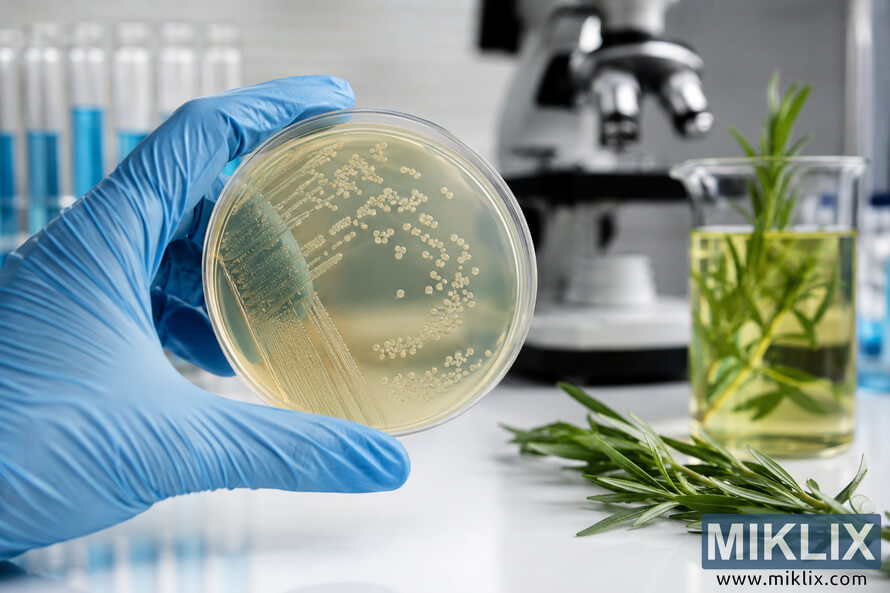
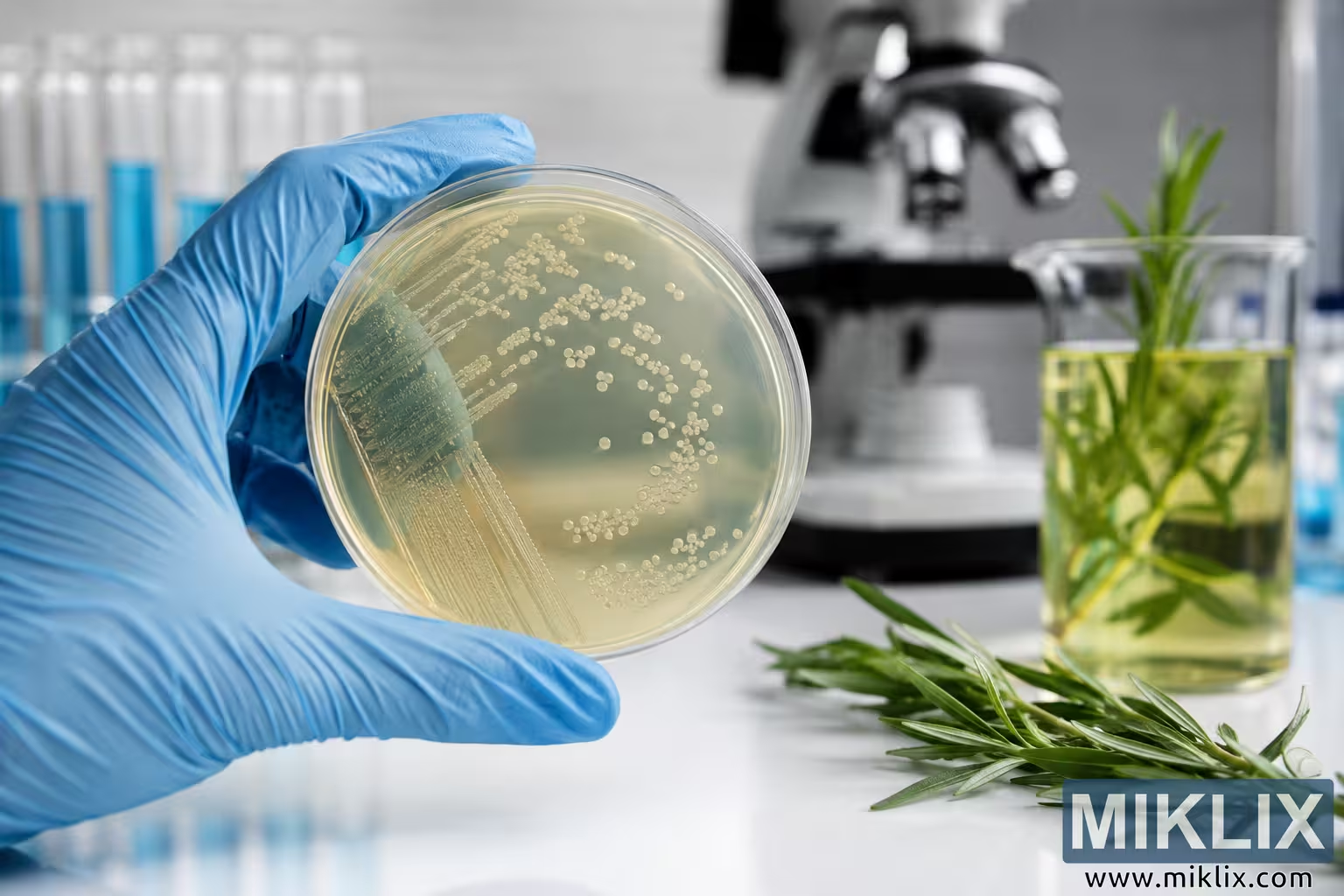
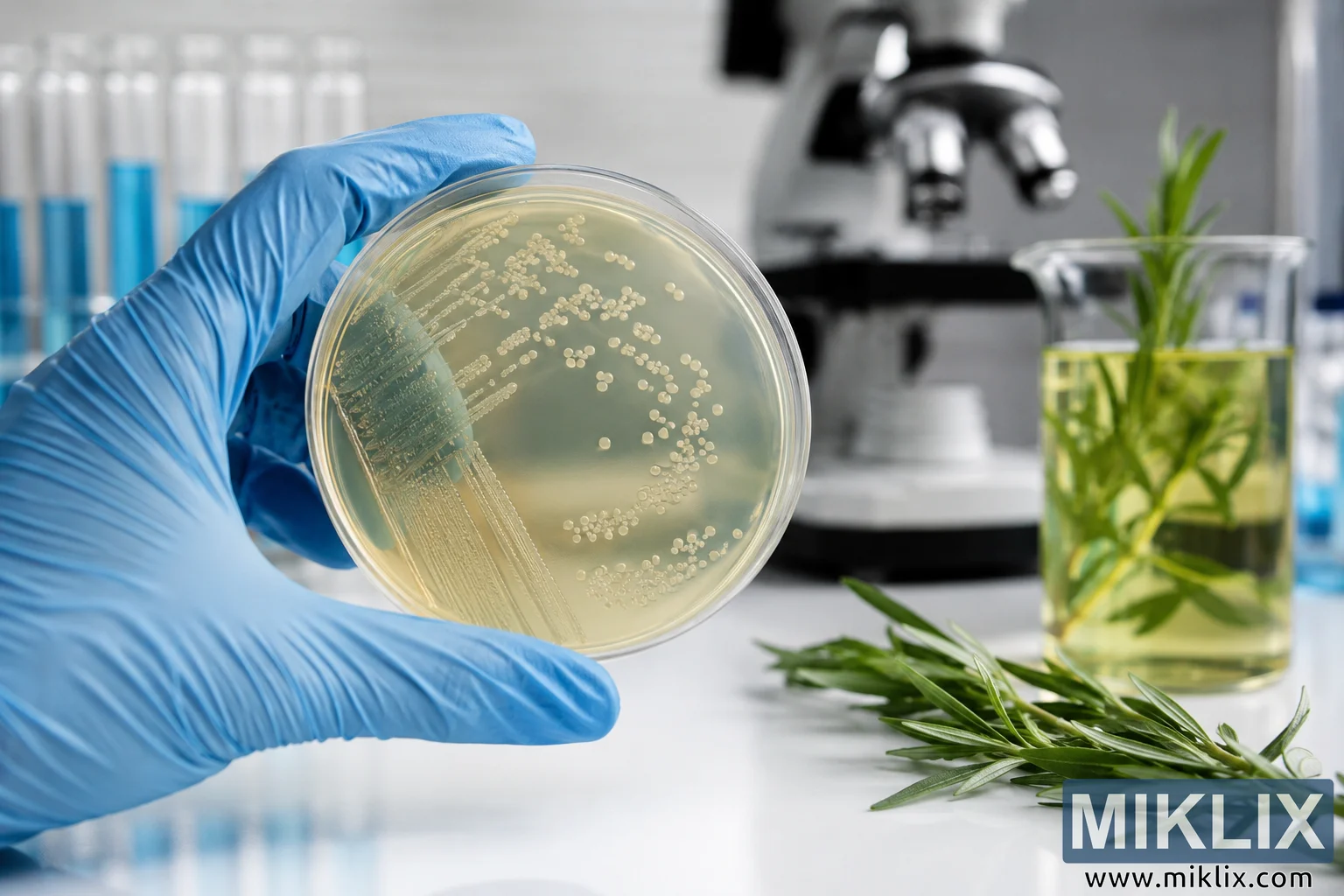
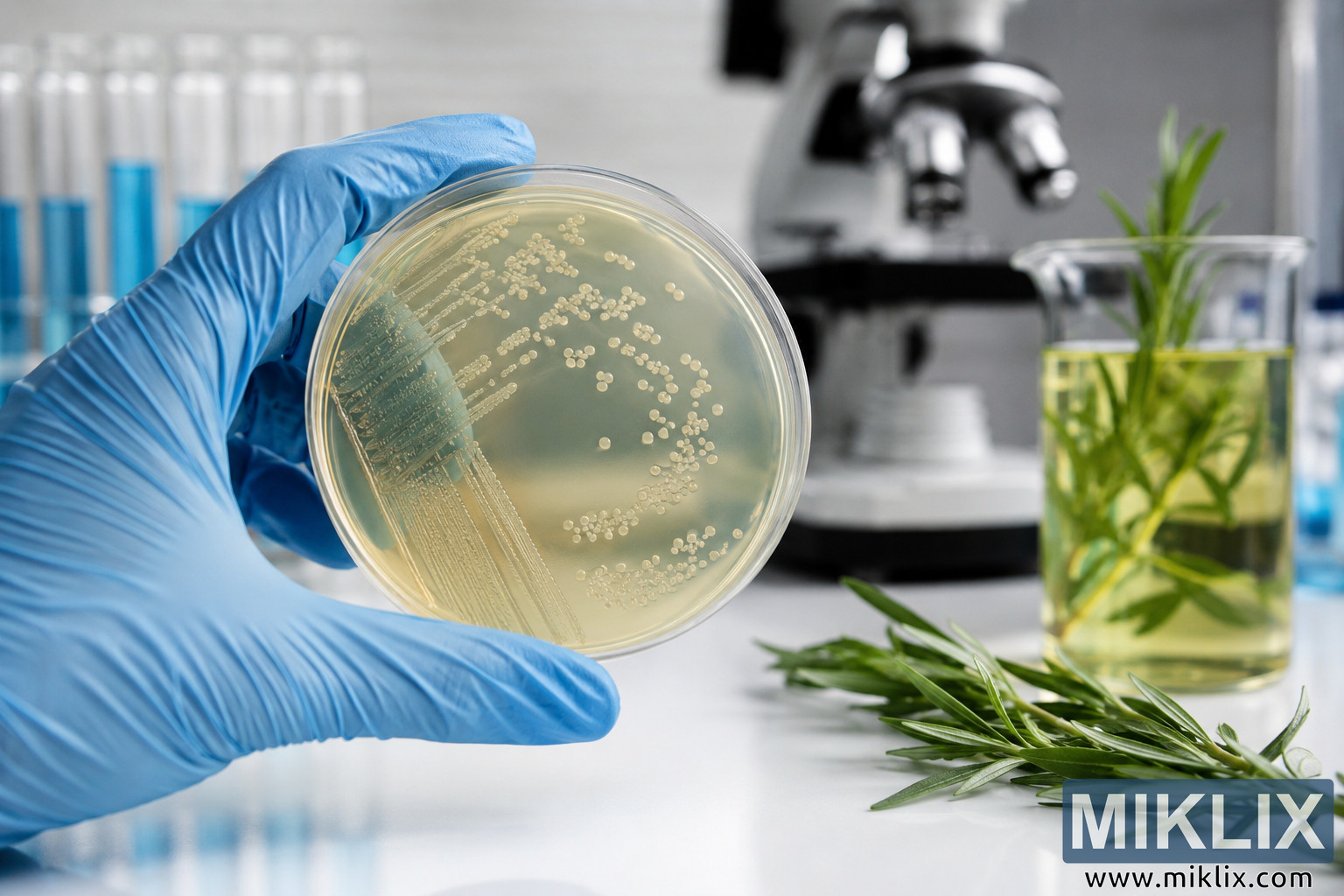
High-resolution laboratory image showing scientific research into the antibacterial properties of tarragon against bacteria, featuring petri dish cultures, fresh herbs, and modern microbiology equipment in a sterile research environment.
Laboratory Research on Tarragon Antibacterial Properties Against Bacteria
الإصدارات المتوفرة من هذه الصورة
ملفات الصور المتاحة للتحميل أدناه أقل ضغطاً وأعلى دقة - ونتيجة لذلك أعلى جودة - من الصور المضمنة في المقالات والصفحات على هذا الموقع، والتي تم تحسينها من حيث حجم الملف من أجل تقليل استهلاك النطاق الترددي.
مقاس عادي (1,536 x 1,024)
حجم كبير (3,072 x 2,048)
حجم كبير جداً (4,608 x 3,072)
حجم كبير جداً (6,144 x 4,096)
حجم كبير بشكل كوميدي (1,048,576 x 699,051)
- ما زلت أقوم بالتحميل...؛-)
وصف الصورة
A highly detailed and photorealistic laboratory scene captures an advanced scientific study focused on the antibacterial properties of tarragon and its potential health benefits against harmful bacteria. The image is presented in landscape orientation and uses a shallow depth of field to emphasize the primary research elements in the foreground while softly blurring the background laboratory equipment. The atmosphere is clean, modern, and clinical, conveying precision, innovation, and evidence-based botanical research.
In the foreground, a researcher wearing bright blue sterile nitrile gloves carefully holds a transparent petri dish up toward the camera. Inside the petri dish, numerous pale cream-colored bacterial colonies are visible across a semi-transparent agar growth medium. The bacterial streaking patterns and clustered colony formations strongly suggest an active microbiological experiment involving bacterial cultivation and antimicrobial testing. Fine details within the dish, including subtle condensation reflections and delicate textures on the agar surface, reinforce the realism and scientific authenticity of the composition.
Positioned to the lower right side of the frame lies a bundle of fresh green tarragon sprigs. The herb appears vibrant and recently harvested, with elongated narrow leaves displaying natural variations in green tones and organic texture. The placement of the tarragon directly beside the microbiology experiment visually communicates the relationship between botanical compounds and antibacterial laboratory testing. The fresh herb serves as the central natural subject within the otherwise sterile scientific setting, symbolizing plant-based medicine, phytochemical analysis, and natural antimicrobial research.
Behind the herb, a transparent laboratory beaker or glass container holds additional tarragon stems partially submerged in a pale yellow-green liquid extract. The liquid appears clean and lightly infused, suggesting the preparation of a botanical solution or herbal extract intended for antimicrobial testing. The reflections on the glassware, combined with the translucency of the liquid and the visible stems inside the vessel, add depth and realism to the image. The composition subtly implies that the extract may be undergoing laboratory evaluation for inhibitory effects against bacterial growth.
In the softly blurred background, a modern laboratory microscope occupies the center-right area of the image. Though intentionally out of focus, the microscope is clearly recognizable and contributes to the professional scientific atmosphere. Additional laboratory glassware and upright test tubes containing blue-tinted liquid solutions appear in the far background, reinforcing the sense of an active biomedical or microbiological research environment. The use of cool white and blue tones throughout the laboratory equipment contrasts naturally with the vibrant green tarragon, creating a visually balanced and scientifically credible composition.
The lighting within the image is bright, soft, and evenly distributed, typical of a contemporary research laboratory. Highlights gently reflect off the petri dish, microscope surfaces, and glass containers without producing harsh glare. The illumination enhances the textures of the bacterial colonies, the glove material, and the herb leaves while maintaining a sterile and trustworthy visual tone. The overall color palette combines cool laboratory blues, neutral whites, soft metallic grays, and natural botanical greens, creating a harmonious blend of science and nature.
The composition strongly communicates themes of scientific discovery, microbiology, herbal medicine, antibacterial testing, natural health research, and pharmaceutical innovation. The image can be interpreted as representing ongoing investigations into how tarragon-derived compounds may inhibit bacterial growth or contribute to alternative antimicrobial therapies. The visual storytelling effectively bridges the gap between traditional botanical remedies and modern laboratory science.
No recognizable commercial brands, logos, trademarks, or proprietary product labels are visible anywhere within the image. The laboratory equipment appears generic and professional, ensuring the focus remains entirely on the scientific process and the natural herb under investigation. The scene feels suitable for use in medical articles, scientific publications, educational materials, biotechnology presentations, healthcare marketing, pharmaceutical research websites, academic journals, or health-focused editorial content discussing herbal antibacterial properties and microbiological studies.
Overall, the image presents a sophisticated and visually compelling representation of laboratory research into the antibacterial effects of tarragon. Through realistic microbiology details, carefully arranged botanical elements, and professional scientific equipment, the scene successfully conveys innovation, cleanliness, natural medicine research, and the pursuit of health-related scientific advancements.
الصورة مرتبطة بـ: A Guide to the Health Benefits of Tarragon