
Bild: Close-Up of Shallot Bulbs with Copper Skin and Clustered Growth
Veröffentlicht:
Zuletzt aktualisiert: 5. August 2026 um 22:49:09 UTC
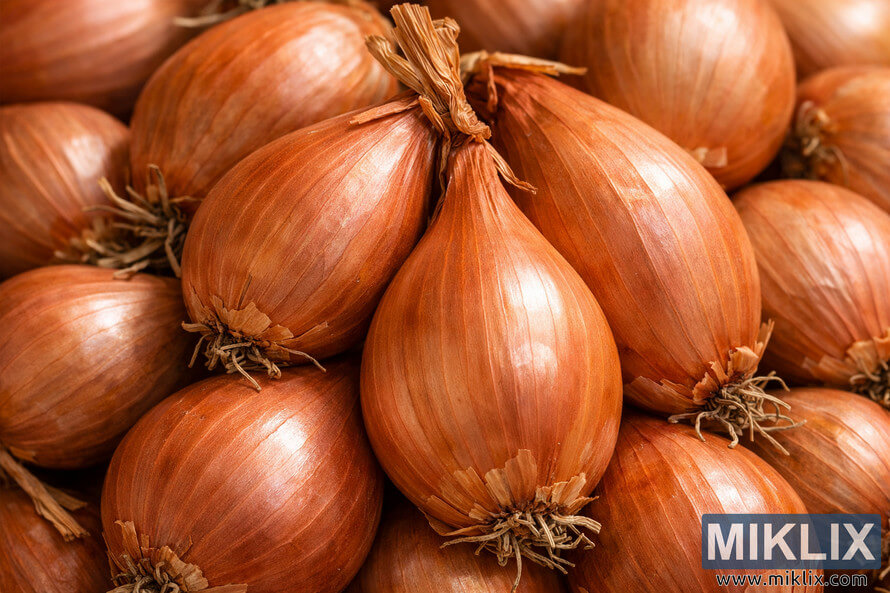
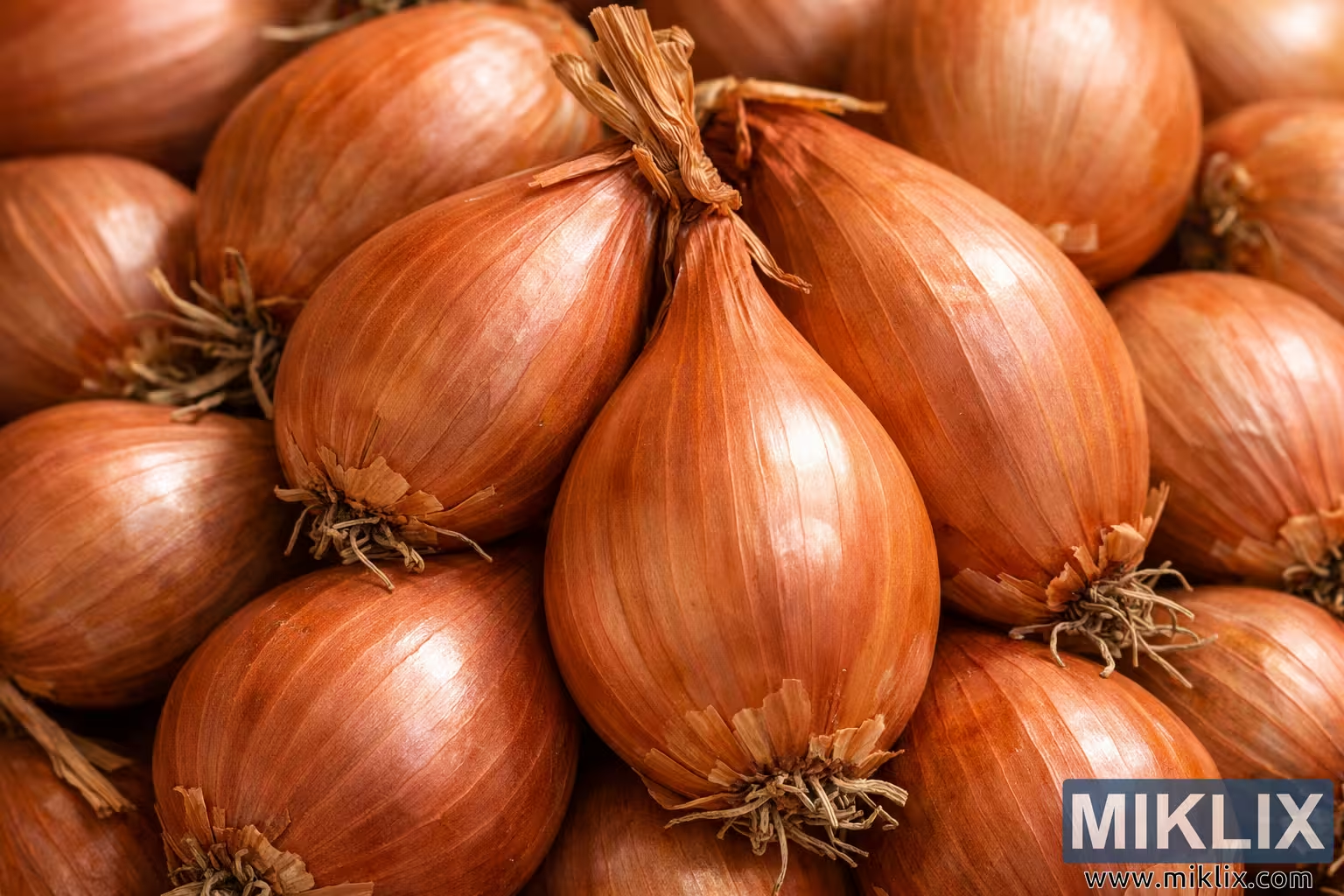
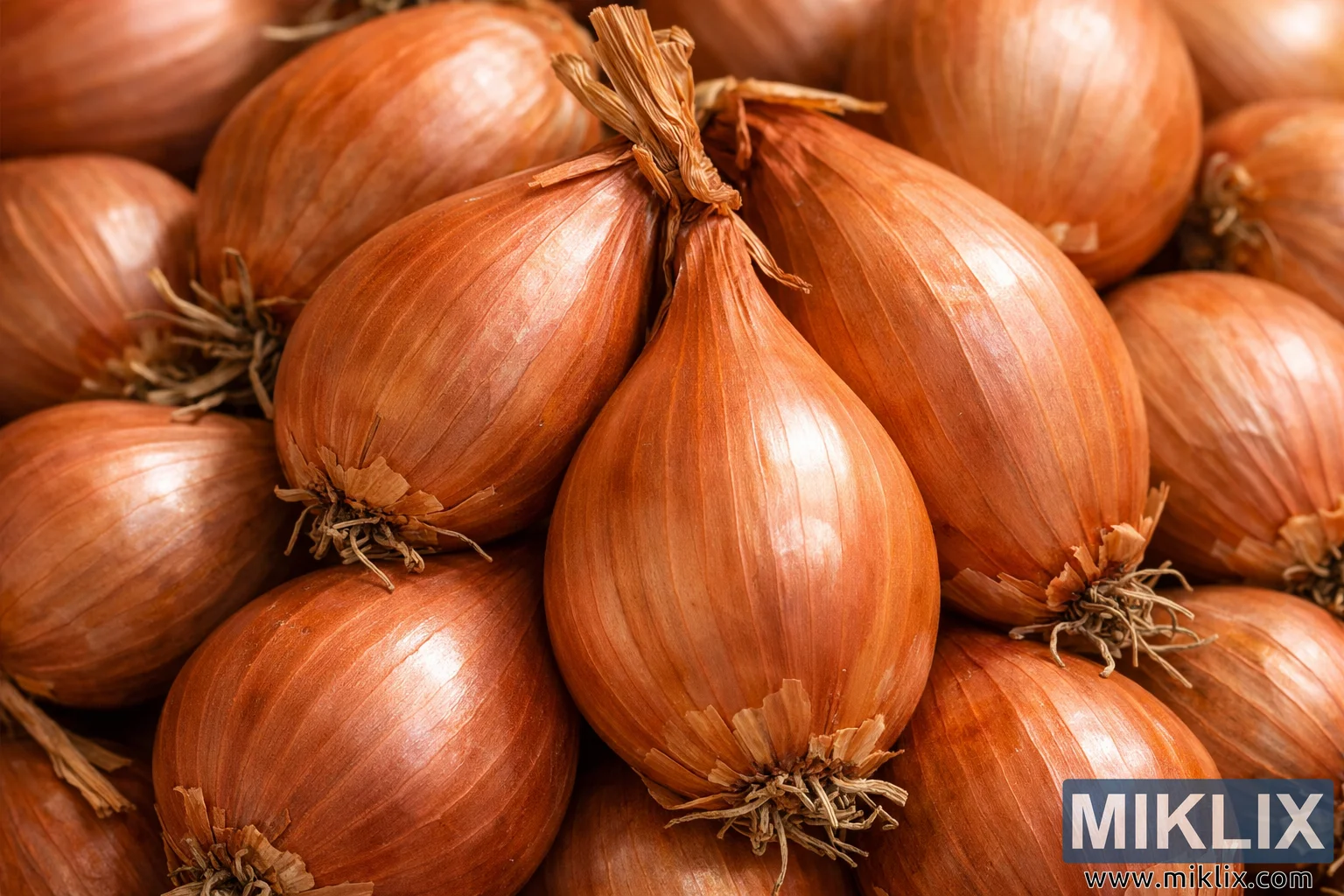
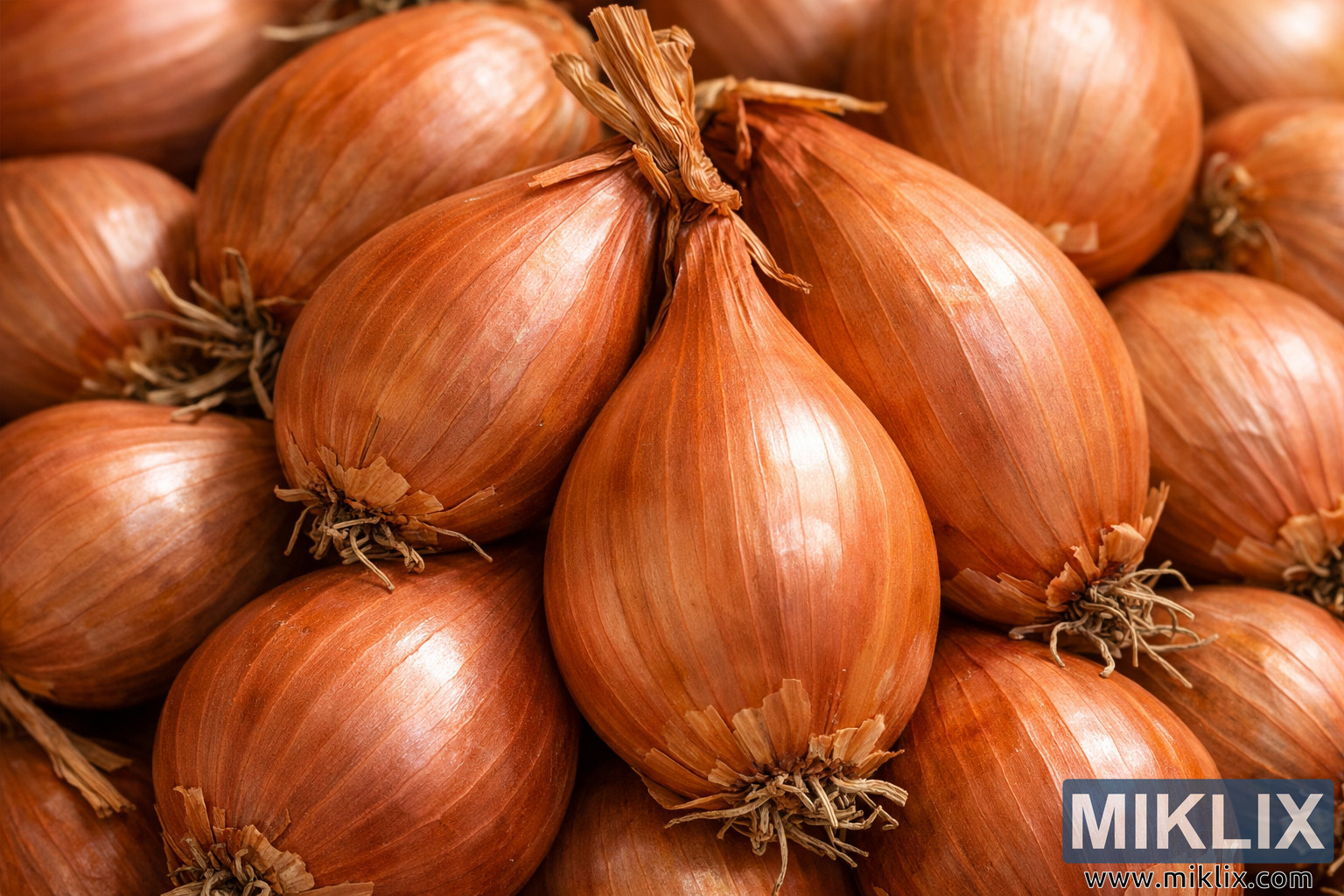
A high-resolution close-up image of shallot bulbs highlighting their coppery skin, clustered formation, and natural texture. The photograph captures the warm tones and intricate details of the shallots’ layers, stems, and roots, emphasizing their organic beauty and culinary appeal.
Close-Up of Shallot Bulbs with Copper Skin and Clustered Growth
Verfügbare Versionen dieses Bildes
Die Bilddateien, die unten zum Download zur Verfügung stehen, sind weniger komprimiert und haben eine höhere Auflösung - und damit eine höhere Qualität - als die Bilder, die in Artikeln und Seiten auf dieser Website eingebettet sind, die mehr auf Dateigröße optimiert sind, um den Bandbreitenverbrauch zu reduzieren.
Normale Größe (1,536 x 1,024)
Großes Format (3,072 x 2,048)
Sehr großes Format (4,608 x 3,072)
Extra großes Format (6,144 x 4,096)
Komisch große Größe (1,048,576 x 699,051)
- Ich lade immer noch hoch... ;-)
Bildbeschreibung
This image presents a meticulously detailed close-up of shallot bulbs arranged in a natural cluster, emphasizing their characteristic copper skin and organic growth pattern. The composition draws the viewer’s attention to the warm, earthy tones that define the shallots’ appearance, ranging from deep reddish-copper to golden hues that shimmer under soft, directional lighting. Each bulb is enveloped in a delicate, papery skin that catches the light, revealing subtle variations in color and texture. The skins exhibit fine, translucent layers that peel gently at the edges, creating a tactile sense of fragility and authenticity.
The shallots are positioned closely together, forming a compact cluster that conveys their natural growth habit. Their rounded forms overlap slightly, producing a rhythm of curves and contours that guide the eye across the frame. The bulbs in the foreground are rendered in sharp focus, allowing the viewer to appreciate the intricate details of the skin’s surface—tiny veins, faint wrinkles, and the occasional flake of dried outer layer. In contrast, the background shallots are softly blurred, creating a gentle depth of field that isolates the primary subjects while maintaining a harmonious sense of continuity.
The lighting in the photograph is warm and directional, likely from a natural or diffused source, which enhances the copper tones and casts subtle shadows that accentuate the bulbs’ rounded shapes. Highlights glint off the smoother areas of the skin, while the shadows reveal the fine creases and folds that give each shallot its unique character. The interplay of light and shadow creates a dynamic visual texture, evoking the tactile sensation of running one’s fingers over the papery surface.
At the top of several bulbs, dried stems twist and fray, their pale beige fibers contrasting with the richer tones of the skins below. These stems, remnants of the shallots’ growth, add a rustic authenticity to the composition. Near the base, the tangled roots are visible—thin, wiry strands that appear off-white and slightly frayed, grounding the bulbs in their natural origin. The roots and stems frame the bulbs, providing a visual balance between the smooth, reflective surfaces and the rough, fibrous textures.
The overall color palette is dominated by warm, earthy tones: copper, amber, rose-gold, and hints of pink. These hues are complemented by the neutral beige of the stems and roots, creating a cohesive and inviting aesthetic. The photograph’s background is unobtrusive, softly blurred to maintain focus on the shallots while contributing to the overall warmth of the scene.
The composition evokes both the beauty and simplicity of natural produce. It celebrates the shallot not merely as a culinary ingredient but as an object of organic artistry. The image’s high resolution allows every minute detail to be appreciated—from the fine grain of the skin to the delicate fibers of the roots—making it suitable for educational, artistic, or gastronomic contexts.
In essence, this photograph captures the essence of shallots in their purest form: clustered, textured, and radiant under gentle light. It invites the viewer to appreciate the quiet elegance of everyday ingredients, transforming a humble bulb into a subject of visual fascination. The image stands as a testament to the beauty found in nature’s small details, where color, texture, and form converge to create a composition that is both scientifically precise and artistically expressive.
Das Bild ist verwandt mit: Shallots: The Small Vegetable with Big Nutritional Benefits