
Imagen: Soothing Dill Tea in a Glass Cup for Digestive Wellness
Publicado:
Última actualización: 23 de julio de 2026, 18:43:06 UTC
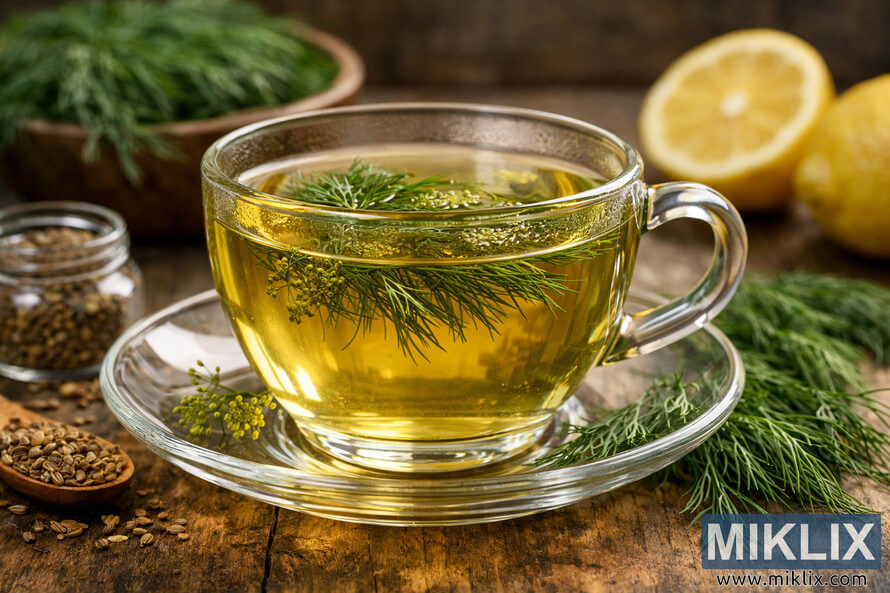
A warm, close-up photograph of dill tea in a transparent glass cup on a rustic wooden table, surrounded by fresh dill sprigs, dried dill seeds, a wooden spoon, a wooden bowl of dill, and a halved lemon. The golden-yellow tea with floating dill leaves and flowers evokes natural digestive health benefits and a soothing, herbal self-care ritual. The scene is lit with soft, natural light and contains no visible brands, focusing entirely on the ingredients and the calming atmosphere.
Soothing Dill Tea in a Glass Cup for Digestive Wellness
Versiones disponibles de esta imagen
Los archivos de imagen que se pueden descargar a continuación están menos comprimidos y tienen mayor resolución -y, por tanto, mayor calidad- que las imágenes incrustadas en artículos y páginas de este sitio web, cuyo tamaño está más optimizado para reducir el consumo de ancho de banda.
Talla normal (1,536 x 1,024)
Tamaño grande (3,072 x 2,048)
Tamaño muy grande (4,608 x 3,072)
Tamaño extragrande (6,144 x 4,096)
Tamaño cómicamente grande (1,048,576 x 699,051)
- Sigo subiendo... ;-)
Descripción de la imagen
This image presents a richly detailed, close-up view of a steaming glass cup of dill tea, carefully composed to evoke a sense of natural healing, digestive comfort, and quiet ritual. At the center of the scene, a transparent glass cup sits atop a matching clear glass saucer, both resting on a rustic wooden table whose grain and subtle imperfections add warmth and authenticity to the composition. The cup is filled with a golden-yellow infusion, the color suggesting a gentle herbal brew made from dill and possibly other mild botanicals associated with digestive health. Within the tea, sprigs of fresh dill float gracefully on the surface, their feathery green leaves and delicate stems creating intricate organic patterns that catch the light. Some of the dill sprigs appear partially submerged, while others rest closer to the surface, giving the impression of a freshly prepared drink that has just been poured.
Condensation clings to the inner walls of the glass cup, forming tiny droplets that hint at the warmth of the tea and the soothing comfort it promises. The curved handle of the cup, attached smoothly to the right side, is also made of clear glass, echoing the transparency of the vessel and allowing the viewer to see the tea through it. The saucer beneath the cup reflects the golden hue of the liquid and the green tones of the dill, creating subtle highlights and reflections that contribute to the overall sense of clarity and purity. Around the base of the cup, small dill flowers with yellowish-green buds are scattered on the saucer, adding a gentle decorative touch and reinforcing the herbal theme.
To the left of the cup, a small glass jar filled with dried dill seeds introduces another texture and form of the herb. The jar is simple and unbranded, emphasizing the natural ingredients rather than any commercial product. Some of the dill seeds have spilled onto the wooden table, their tiny, oval shapes forming a casual, organic pattern that suggests the process of measuring or preparing the tea. A wooden spoon, partially visible near the jar, holds more dill seeds, its smooth, natural surface complementing the rustic character of the table. The presence of both fresh dill sprigs and dried seeds subtly conveys the idea that dill can be used in multiple forms to support digestive health, whether as a fresh infusion or a seed-based preparation.
In the background, slightly out of focus, a wooden bowl brimming with fresh dill occupies the left side of the frame. The bowl’s rounded shape and natural material harmonize with the wooden table and spoon, while the vibrant green of the dill leaves adds a lively contrast to the warm tones of the tea and the wood. The feathery leaves spill over the rim of the bowl, suggesting abundance and the availability of fresh herbs for ongoing wellness rituals. On the right side of the background, a halved lemon rests on the table, its bright yellow flesh and pale rind catching the light. The lemon hints at the possibility of adding a splash of citrus to the tea, perhaps to enhance flavor, support digestion, or provide a refreshing twist.
In the foreground, to the right of the saucer, additional fresh dill sprigs lie directly on the wooden table. Their delicate leaves and slender stems extend outward, drawing the viewer’s eye across the composition and reinforcing the central role of dill in this scene. The placement of these sprigs feels intentional yet relaxed, as if they were set down moments before the tea was served. The overall arrangement of elements—the cup of tea, the jar of seeds, the wooden spoon, the bowl of fresh dill, the halved lemon, and the scattered sprigs and flowers—creates a harmonious visual narrative centered on herbal care and digestive support.
The lighting in the image is warm and natural, likely coming from a soft source positioned slightly to one side. It casts a gentle glow on the tea, making the golden liquid appear inviting and comforting. Highlights shimmer on the surface of the tea and along the edges of the glass cup and saucer, while subtle shadows fall across the wooden table and the surrounding objects. This interplay of light and shadow adds depth and dimension, enhancing the tactile quality of the materials—the smooth glass, the textured wood, the delicate herbs, and the slightly rough seeds. The shallow depth of field keeps the cup of dill tea in sharp focus, ensuring that the viewer’s attention remains on the central subject, while the background elements are softly blurred. This photographic choice reinforces the idea that the tea itself is the focal point of the scene, representing a moment of self-care and digestive relief.
The overall mood of the image is calm, nurturing, and slightly rustic, suggesting a quiet pause in a kitchen or dining space where someone has taken the time to prepare a natural remedy for digestive comfort. There are no visible brands, logos, or commercial packaging; instead, the emphasis is entirely on the raw ingredients and the simple, transparent vessel that holds the tea. This absence of branding allows the viewer to focus on the sensory and emotional qualities of the scene—the warmth of the tea, the freshness of the dill, the earthy character of the wooden table, and the gentle promise of digestive wellness. The composition invites the viewer to imagine the aroma of the dill, the taste of the herbal infusion, and the soothing feeling of sipping the tea slowly, perhaps after a meal or during a quiet moment of reflection.
Taken together, the elements in this image create a cohesive visual story about the use of dill tea as a natural support for digestive health. The glass cup and saucer symbolize clarity and simplicity, the fresh and dried dill represent the herb’s versatility, the lemon hints at complementary flavors and benefits, and the rustic wooden surfaces ground the scene in a sense of tradition and home. The warm lighting and close-up perspective make the viewer feel as though they are standing right at the table, ready to lift the cup and experience the gentle, herbal comfort that dill tea can provide.
La imagen está relacionada con: Health Benefits of Dill: Your Complete Guide to This Powerful Herb