
Image : Citrus Leaf Close-Up Showing Leafminer Damage Trails
Publié :
Dernière mise à jour : 25 mars 2026 à 19:05:25 UTC
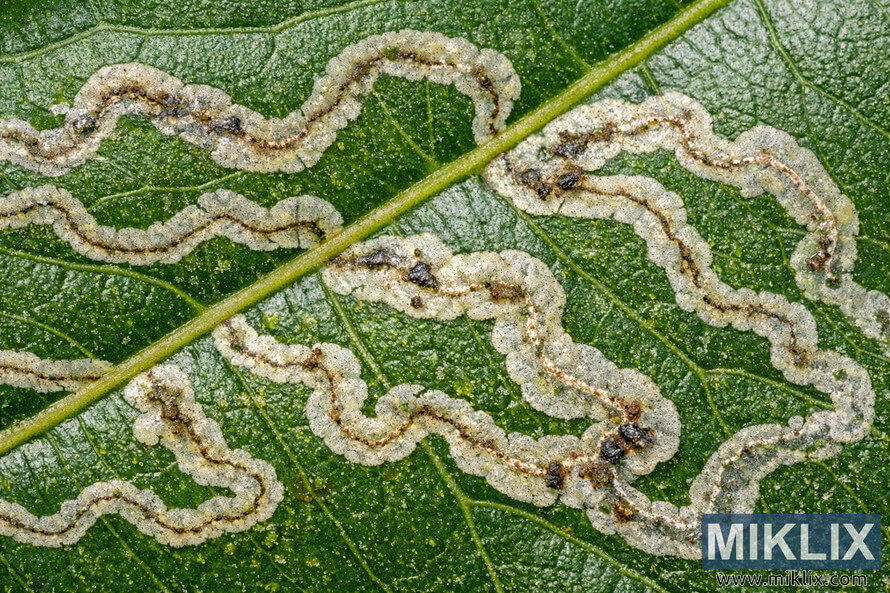
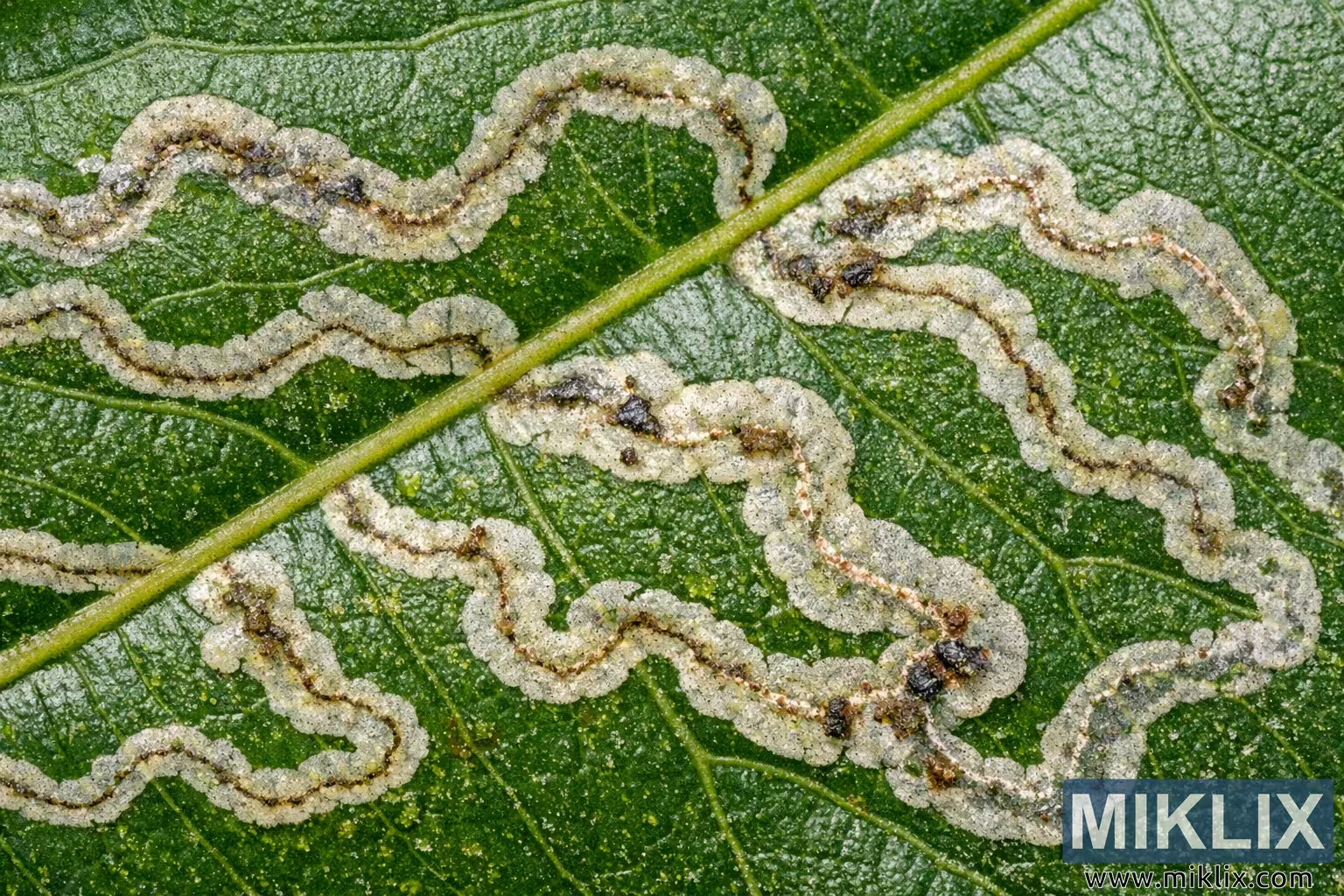
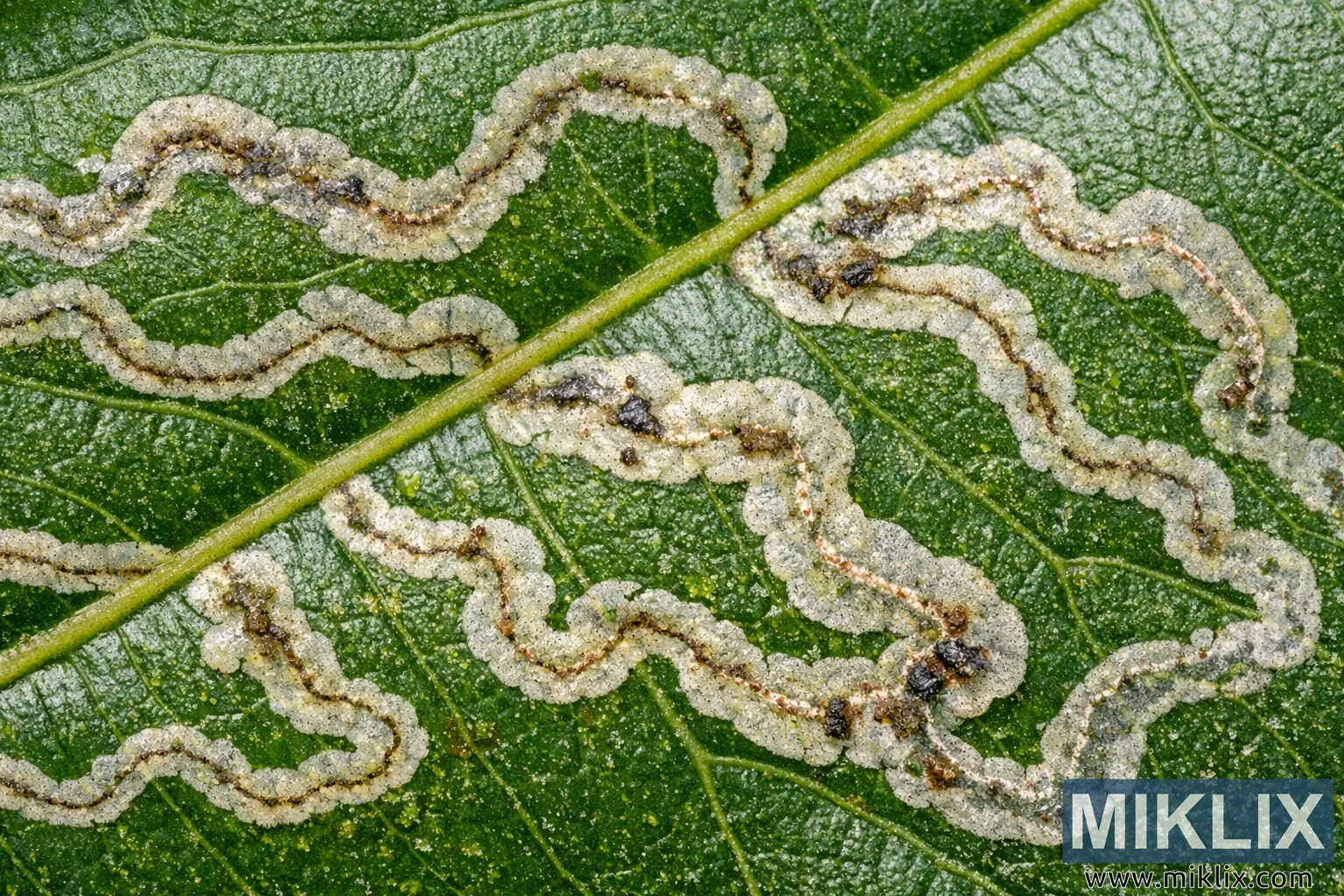
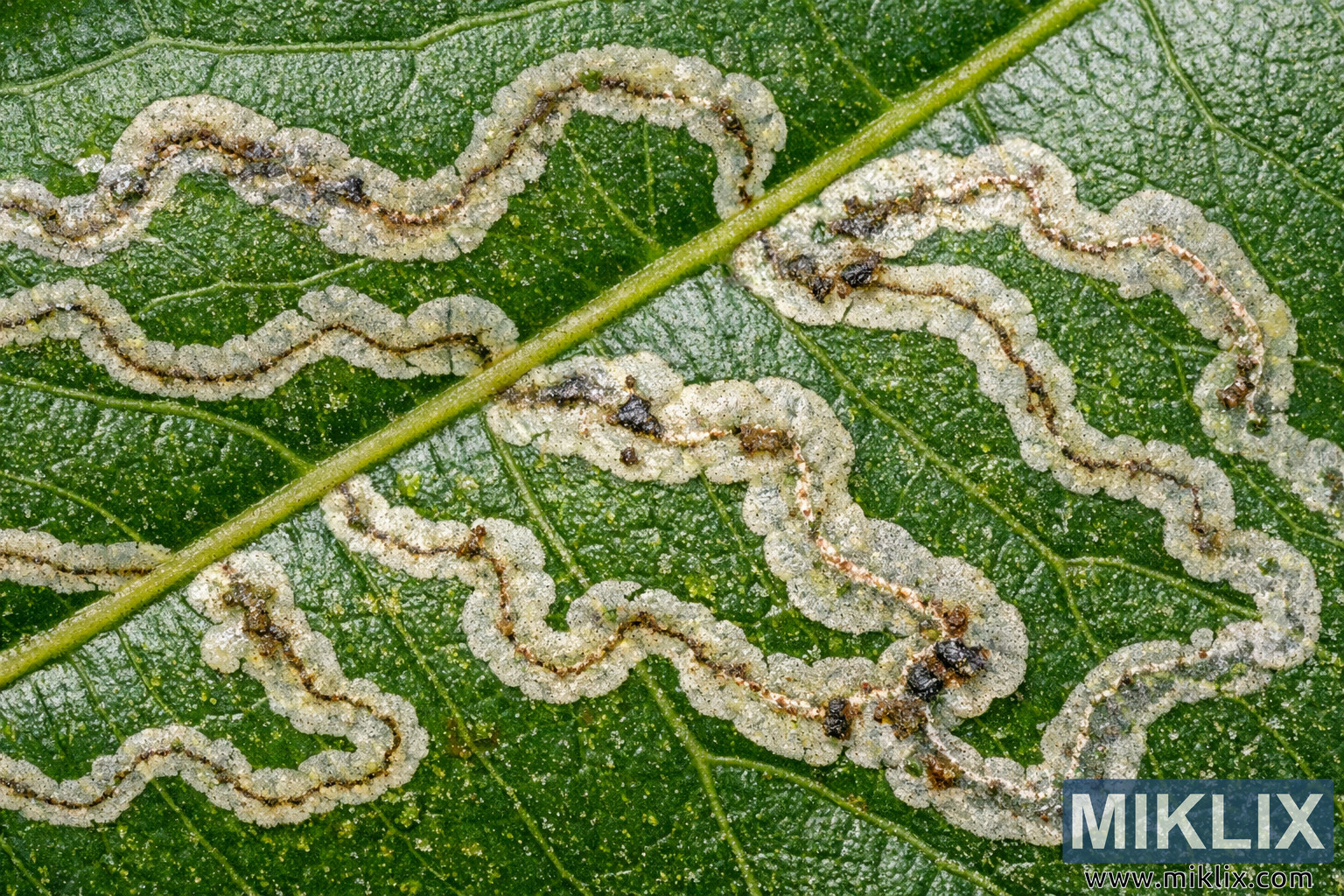
High-resolution close-up of a citrus leaf displaying characteristic winding leafminer damage trails beneath the surface of the leaf.
Citrus Leaf Close-Up Showing Leafminer Damage Trails
Versions disponibles de cette image
Les fichiers images téléchargeables ci-dessous sont moins compressés et de meilleure résolution - et donc de meilleure qualité - que les images intégrées dans les articles et les pages de ce site web, qui sont davantage optimisées pour la taille des fichiers afin de réduire la consommation de la bande passante.
Taille normale (1,536 x 1,024)
Grande taille (3,072 x 2,048)
Très grande taille (4,608 x 3,072)
Taille extra-large (6,144 x 4,096)
Taille comique (1,048,576 x 699,051)
- Toujours en cours de téléchargement... ;-)
Description de l'image
A detailed close-up photograph of a vibrant green citrus leaf captured in landscape orientation, highlighting the distinctive feeding damage caused by citrus leafminer larvae. The camera focuses tightly on the surface of the leaf, revealing intricate pale, serpentine trails that meander across the leaf blade. These thin, winding lines appear slightly lighter than the surrounding tissue and trace irregular looping paths just beneath the leaf surface, creating a delicate network of tunnels formed by the larvae as they feed within the leaf.
The leaf’s natural texture is clearly visible, with subtle veins branching outward from the central midrib and providing a structural pattern beneath the glossy surface. The leafminer trails contrast against the healthy green tissue, appearing as silvery or translucent pathways that twist and turn unpredictably. Some of the trails widen slightly where the larva has grown larger during feeding, while others curve back on themselves in tight arcs. In several areas the epidermis appears slightly raised or blistered, a common sign of leafminer activity occurring between the leaf layers.
Natural lighting illuminates the leaf from above, emphasizing its smooth, waxy surface and casting faint shadows along the delicate ridges of the veins. The light also accentuates the subtle relief created by the tunnels beneath the leaf cuticle. The color palette is dominated by fresh greens with pale yellow and silvery-white lines tracing the insect’s path. Fine details such as microscopic surface texture and minor imperfections along the leaf margin add realism and botanical accuracy to the scene.
The background is softly blurred, allowing the viewer’s attention to remain on the damaged area of the leaf. Out-of-focus hints of surrounding foliage suggest a citrus plant growing outdoors or in a greenhouse environment. This shallow depth of field isolates the subject and enhances the visibility of the leafminer trails as the primary point of interest.
Overall, the image serves as a clear visual example of characteristic citrus leafminer damage. The close perspective allows careful observation of the feeding pattern typical of these insects, making the photograph useful for educational, agricultural, or diagnostic purposes related to citrus plant health and pest identification.
L'image est liée à : Growing Tangerines: The Complete Guide to Sweet Success in Your Home Garden