
Image : Large Winter Radish Varieties Including Daikon Arranged on a Rustic Wooden Surface
Publié :
Dernière mise à jour : 10 juillet 2026 à 16:29:54 UTC
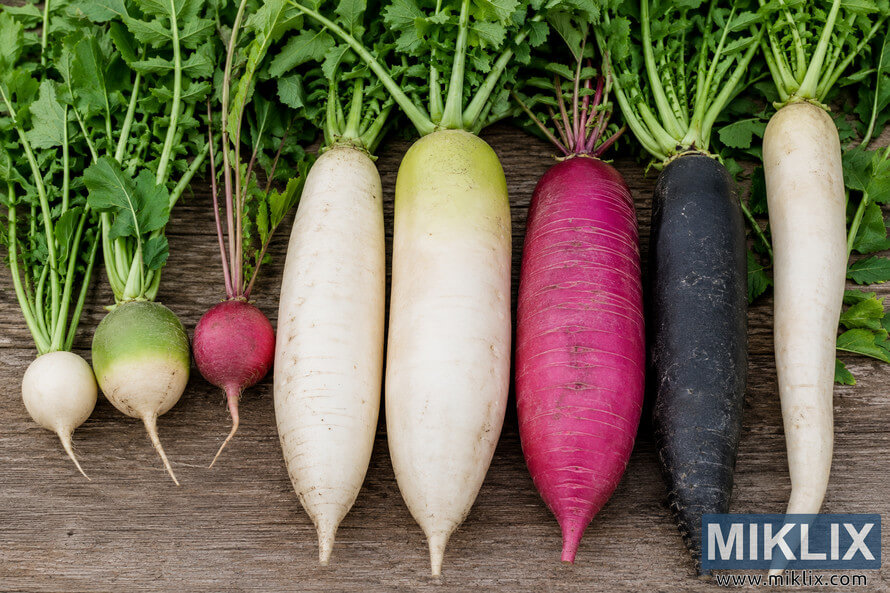
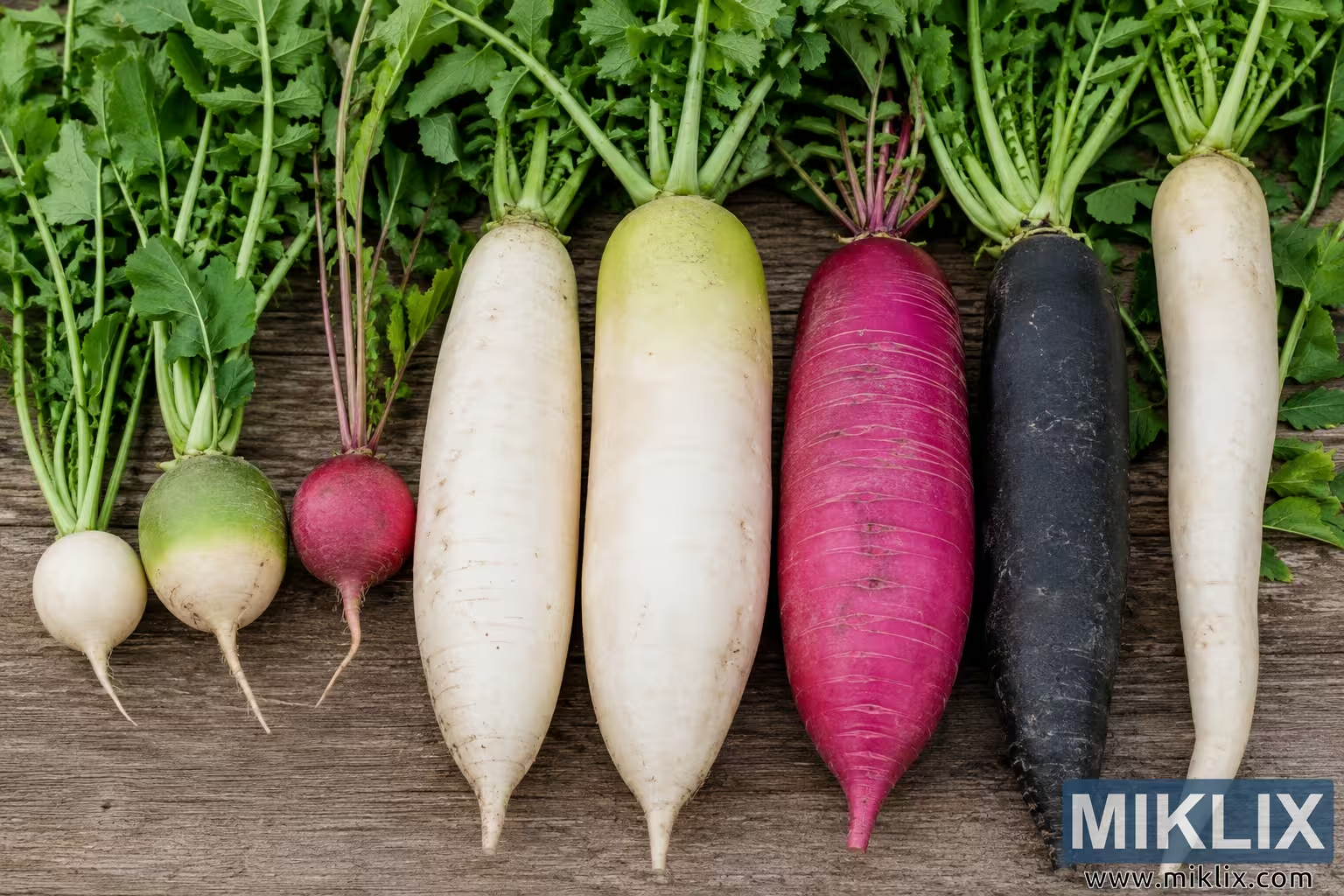
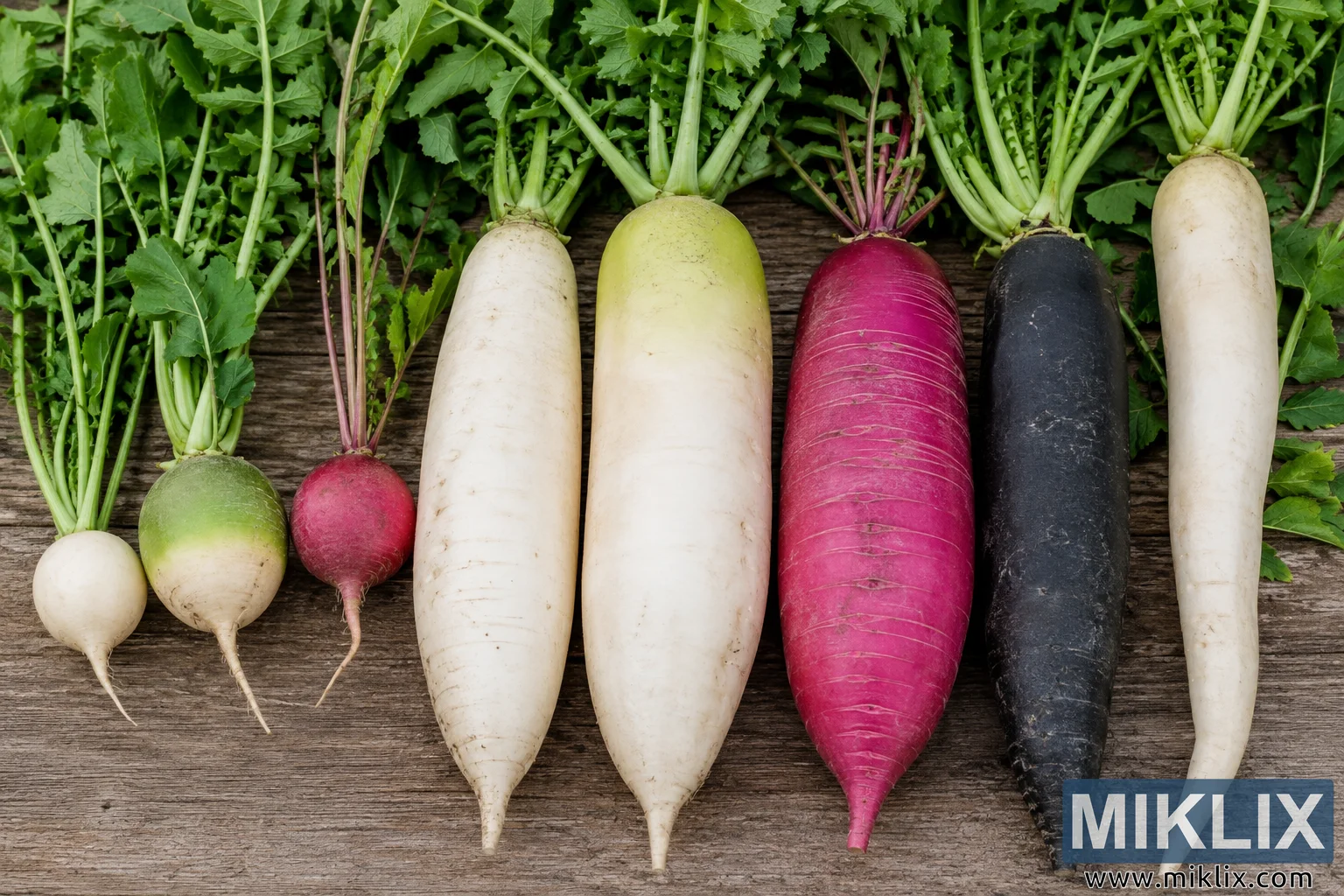
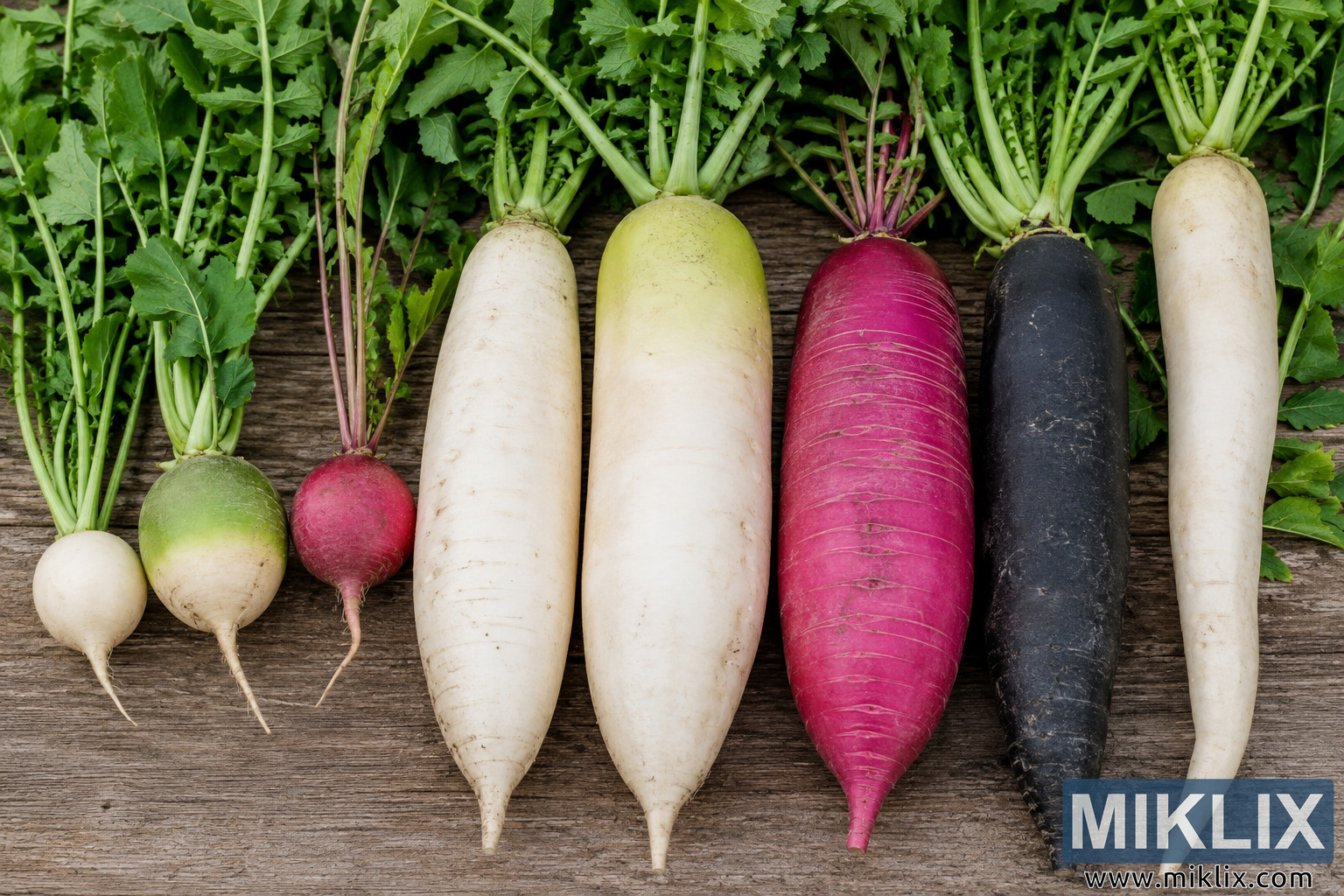
High-resolution landscape image featuring large winter radish varieties, including daikon, displayed on a rustic wooden surface with fresh green foliage, highlighting the diversity of seasonal root vegetables in natural light.
Large Winter Radish Varieties Including Daikon Arranged on a Rustic Wooden Surface
Versions disponibles de cette image
Les fichiers images téléchargeables ci-dessous sont moins compressés et de meilleure résolution - et donc de meilleure qualité - que les images intégrées dans les articles et les pages de ce site web, qui sont davantage optimisées pour la taille des fichiers afin de réduire la consommation de la bande passante.
Taille normale (1,536 x 1,024)
Grande taille (3,072 x 2,048)
Très grande taille (4,608 x 3,072)
Taille extra-large (6,144 x 4,096)
Taille comique (1,048,576 x 699,051)
- Toujours en cours de téléchargement... ;-)
Description de l'image
This high-resolution landscape image presents a carefully arranged collection of large winter radish varieties displayed horizontally across a weathered wooden tabletop. The composition is clean, balanced, and natural, emphasizing the diversity of root shapes, sizes, and colors while maintaining an authentic farm-fresh appearance. The vegetables are positioned in a single row with their leafy green tops extending upward beyond the roots, filling the upper portion of the frame with dense foliage. The rustic wooden background provides warm brown tones and visible grain patterns that contrast beautifully with the fresh vegetables, creating an earthy and organic atmosphere.
Beginning on the far left is a small, round white winter radish with a smooth surface and a slender tapering root tip. Its leafy green stems rise upward with fresh, textured leaves that overlap slightly with neighboring plants. Next to it is a somewhat larger round radish featuring pale green shoulders that gradually transition into creamy white near the lower half. The subtle color gradient gives the root additional visual interest while highlighting natural variation within winter radish cultivars.
The third root is noticeably smaller than the central vegetables and displays a vivid reddish-pink skin with a delicate, elongated root tail extending downward. Its thin stem supports a cluster of green leaves with visible veins and slightly irregular edges, adding further texture to the overall arrangement.
Dominating the center of the composition are two exceptionally large white daikon-style radishes. Both are thick, cylindrical, and gently taper toward rounded tips. Their surfaces are mostly smooth but feature faint horizontal growth rings, light traces of soil, and subtle natural imperfections that reinforce the impression of freshly harvested produce. One of these large roots exhibits a gentle green tint around the upper shoulder where it transitions into the leafy crown, while the other remains predominantly creamy white from top to bottom. The substantial size of these central vegetables establishes them as the primary focal point of the image.
To the right of the central pair appears a striking elongated radish with vibrant magenta skin. Fine horizontal lines and shallow surface markings wrap around the root, creating a pleasing texture that catches the soft natural light. Its rich coloration contrasts strongly with the neighboring white daikon roots and contributes significantly to the visual diversity of the collection. Beside it sits an equally elongated radish with very dark purple, nearly black skin. The matte surface bears faint dusting and natural field marks that enhance its realistic appearance while providing dramatic tonal contrast within the arrangement.
Completing the display on the far right is another long white daikon variety. It is slimmer than the two central roots and curves gently toward its pointed tip, adding a subtle sense of movement to the otherwise orderly lineup. The creamy white surface contains delicate traces of soil and mild variations in tone, reflecting the characteristics of freshly harvested winter vegetables.
Across the top portion of the image, abundant green foliage fills nearly the entire width of the frame. The leaves vary in size, shape, and orientation, creating a dense canopy of overlapping stems and textured greens. Their fresh appearance suggests recent harvesting, while the natural imperfections in the leaves contribute to the authenticity of the scene. Soft, even daylight illuminates the vegetables without harsh shadows, preserving fine details in both the roots and foliage. The lighting enhances the subtle textures of the wooden surface, the gentle sheen of the radish skins, and the slight traces of soil that remain on several roots.
Overall, the image conveys freshness, seasonal abundance, and agricultural authenticity. The careful arrangement highlights the remarkable diversity among winter radish varieties, including multiple large daikon forms alongside colorful specialty cultivars. The earthy wooden background, natural lighting, vibrant greens, and varied root colors combine to create an inviting composition suitable for educational materials, gardening references, culinary publications, agricultural content, seed catalogs, and articles discussing root vegetables or seasonal produce.
L'image est liée à : The Powerful Health Benefits of Radishes: Your Complete Nutrition Guide