
Growing Devil's Claw: A Practical Home Garden Guide
Published: October 14, 2026 at 3:38:02 PM UTC
Growing Devil's Claw can be rewarding, but this unusual annual needs room, heat, and care. Its trumpet-shaped flowers lead to hooked seed pods that look like claws. This guide explains how to grow the plant, collect seed, and avoid common safety and spread problems.
Click or tap the image for more information and higher resolutions.
Know the Devil's Claw Plant Before You Sow
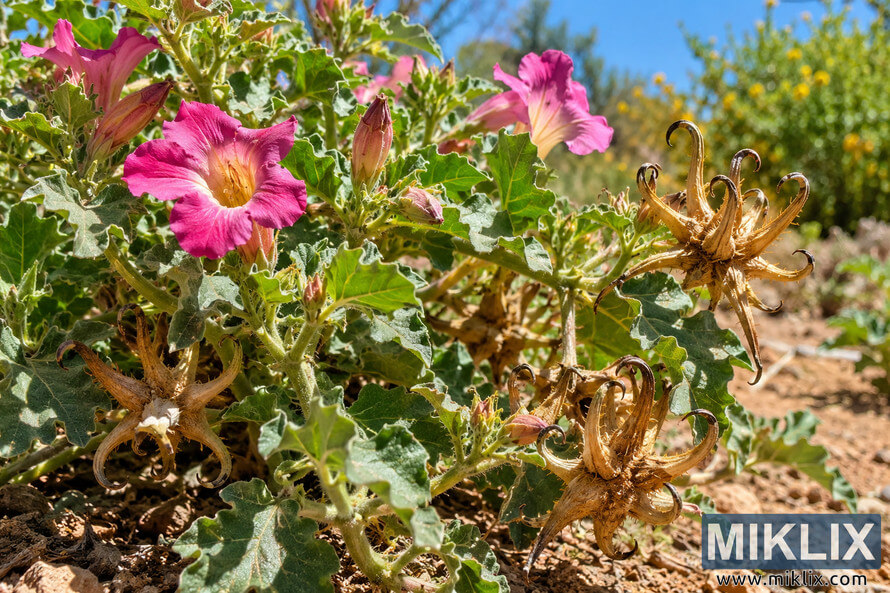
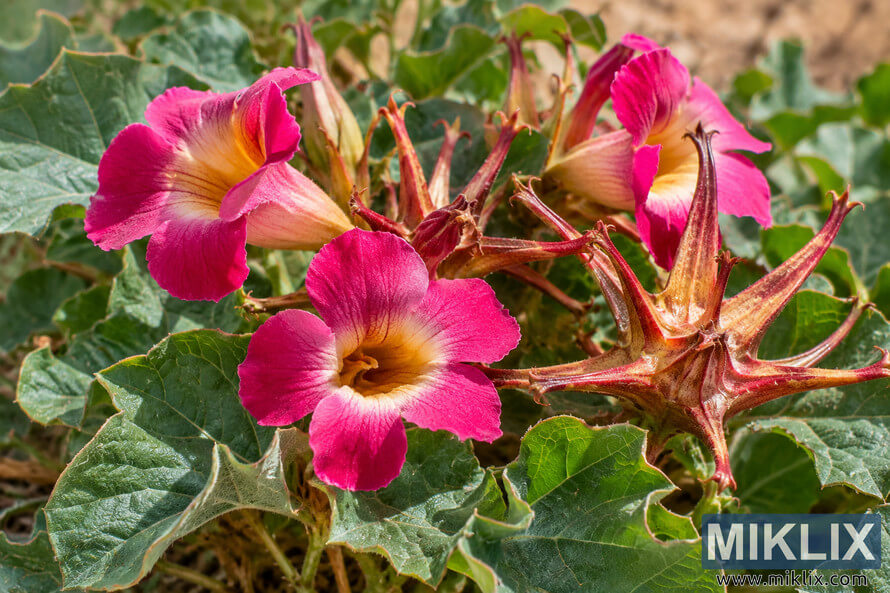
Devil's Claw is a common name for plants in the genus Proboscidea. Species can differ in flower color, pod shape, size, and growth behavior. Some are called unicorn plant because the young fruit may have a long curved horn before it splits into hooked sections.
The plant has broad leaves, sticky or rough stems, and showy flowers during summer. Mature fruit dries into a hard pod with sharp claws. These hooks catch on animals, clothing, and garden tools. That natural dispersal method is useful for the plant, but troublesome in a small area.
Click or tap the image for more information and higher resolutions.
Choose a suitable region and site
- Pick a warm, sunny area with a long summer.
- Use a site with at least six hours of direct sun.
- Allow wide horizontal space for spreading stems.
- Keep the plant away from paths, play areas, and pet runs.
- Check local rules before planting species that may spread.
Do not assume that every plant sold under the name devil claw is the same species. Confirm the botanical name on the seed packet, and compare it with a trusted regional plant guide.
How to Grow Devil's Claw From Seed
Seed is the usual way to propagate Devil's Claw. Cuttings are not a dependable home-garden method because the plant develops as a seasonal annual in many regions. Buy fresh seed from a reputable source. Look for a clear species name, harvest information, and storage instructions.
Prepare seed and soil
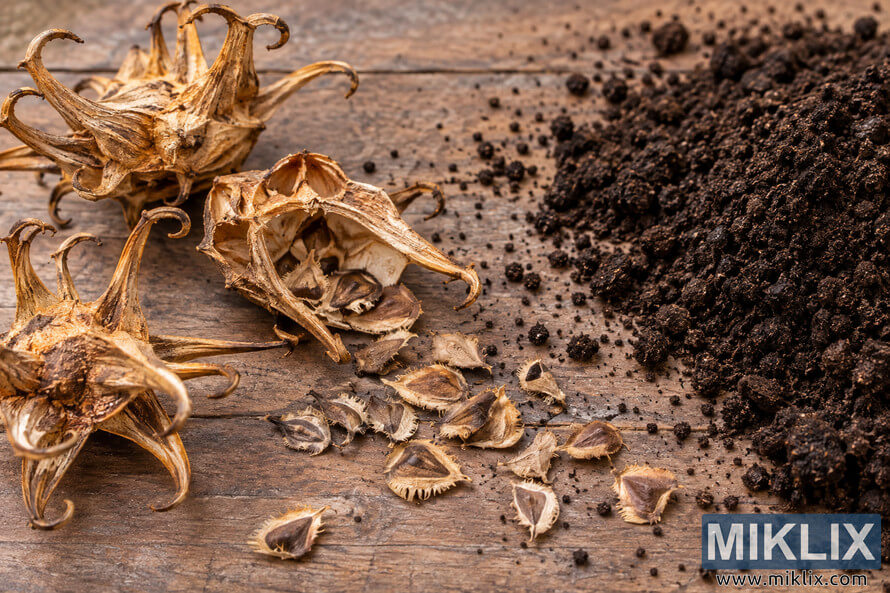
The hard seed coat can slow germination. Some growers gently scarify the surface with sandpaper. Work carefully and stop as soon as the coat is lightly scratched. Do not crush the seed. Another option is to soak seed in warm water for several hours before sowing, if the supplier recommends it.
Use loose, well-drained soil. Heavy soils can hold water around the seed and cause decay. Mix compact ground with compost and coarse material, but avoid making the bed overly rich. A sunny raised bed can improve drainage.
Click or tap the image for more information and higher resolutions.
Sowing steps
- Wait until frost risk has passed and the soil is warming.
- Sow the seed about 1 inch deep unless the packet says otherwise.
- Leave roughly 18 to 24 inches between plants where space allows.
- Water the bed once after sowing, then keep it lightly moist.
- Thin weak seedlings instead of crowding every plant.
- Germination timing varies with seed age, temperature, moisture, and species. Check the bed regularly over the next few weeks. If no seedlings appear, do not keep flooding the soil. Recheck seed depth, temperature, drainage, and viability.
Transplant only when necessary
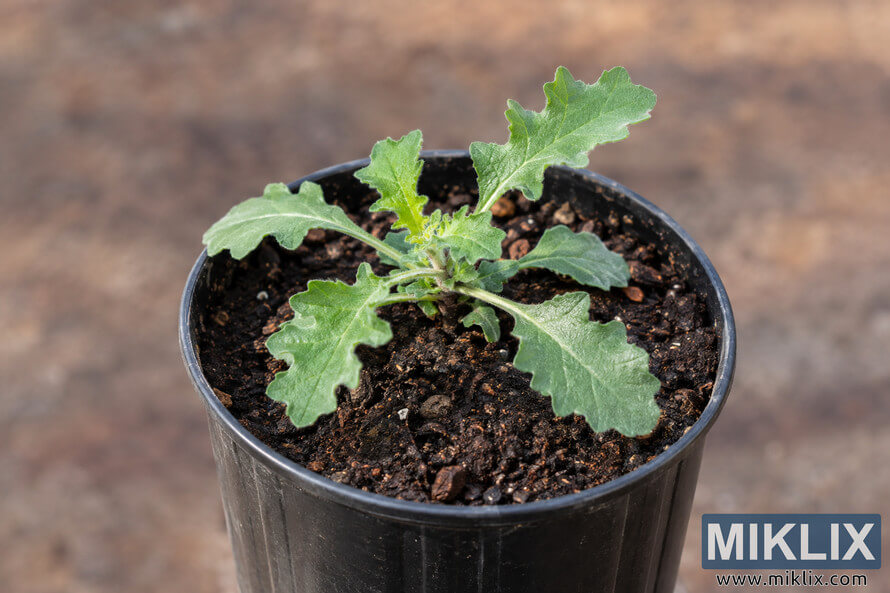
Devil's Claw may dislike root disturbance. Direct sowing is often simpler. If you must start plants indoors, use deep individual pots. Move young plants outside after hardening them for several days. Lift the whole root ball and water gently after planting.
Click or tap the image for more information and higher resolutions.
Devil's Claw Plant Care Through Summer
Once established, the plant usually needs less attention than a seedling. Water deeply when the top layer of soil becomes dry, then allow excess water to drain. Avoid frequent shallow watering. Wet leaves and crowded stems can increase disease risk.
Water, feed, and control weeds
Apply a light mulch around, not against, the stems. Pull weed seedlings while they are small. Weeds compete for water and can hide developing pods. Feed only if the soil is poor. Too much nitrogen may produce large leaves with fewer flowers.
- Inspect stems and leaves each week.
- Remove competing weed growth by hand.
- Water at the soil line when possible.
- Use a support only if stems spill into walkways.
- Prune damaged growth with clean tools.
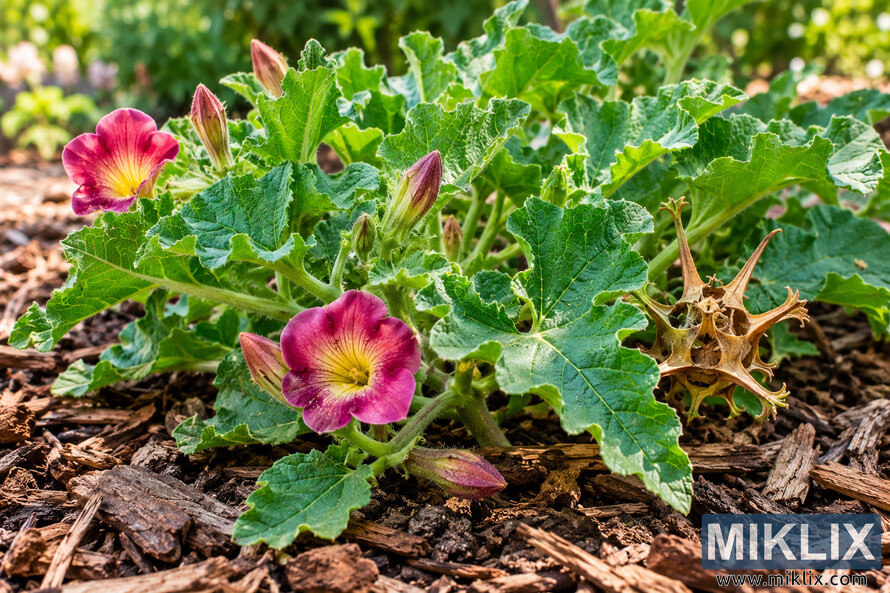
Click or tap the image for more information and higher resolutions.
Containers and seasonal problems
A large container can work if it has drainage holes and enough depth for roots. Use a quality potting mix rather than garden soil alone. Place the container where flowers receive strong sun. Containers dry faster, so check water more often during hot summer weather.
Yellow leaves may indicate excess water, poor drainage, or root stress. Small holes or distorted leaves may point to insects. Remove badly affected parts and improve airflow. Do not spray food or garden plants with an unapproved product. Follow the label and local advice.
Growth stages: First come the seed leaves, followed by broad true leaves and spreading stems. Flowers appear after steady summer growth. Young green fruit later becomes firm and brown. The pod is ready for seed saving when it is dry, hard, and fully mature.
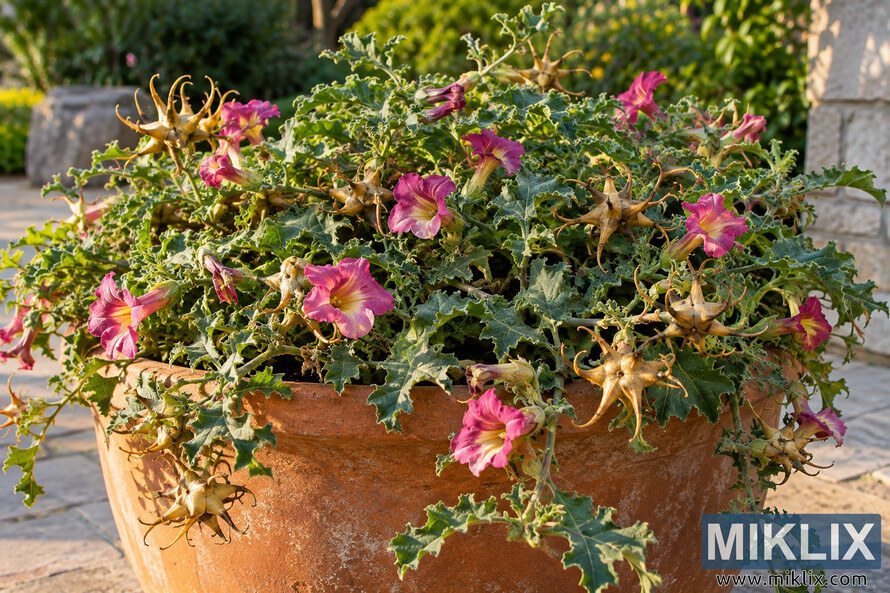
Click or tap the image for more information and higher resolutions.
Harvest, Seed Storage, Safety, and Responsible Care
Handle mature pods with care
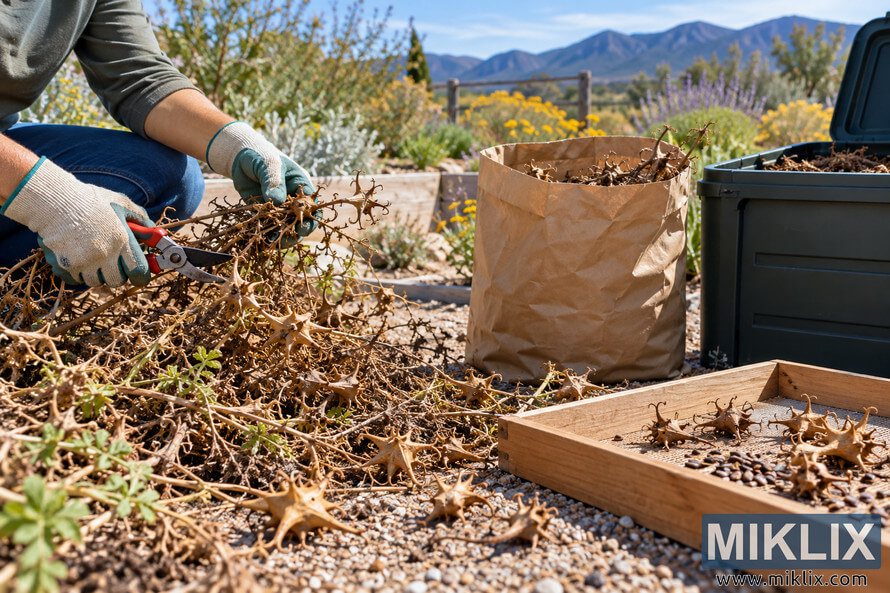
The hooks can puncture skin and catch on fabric. Wear thick gloves, long sleeves, and eye protection when cutting pods. Use pruners rather than pulling. Place each pod in a sturdy paper bag. Keep children and pets away from the harvest area.
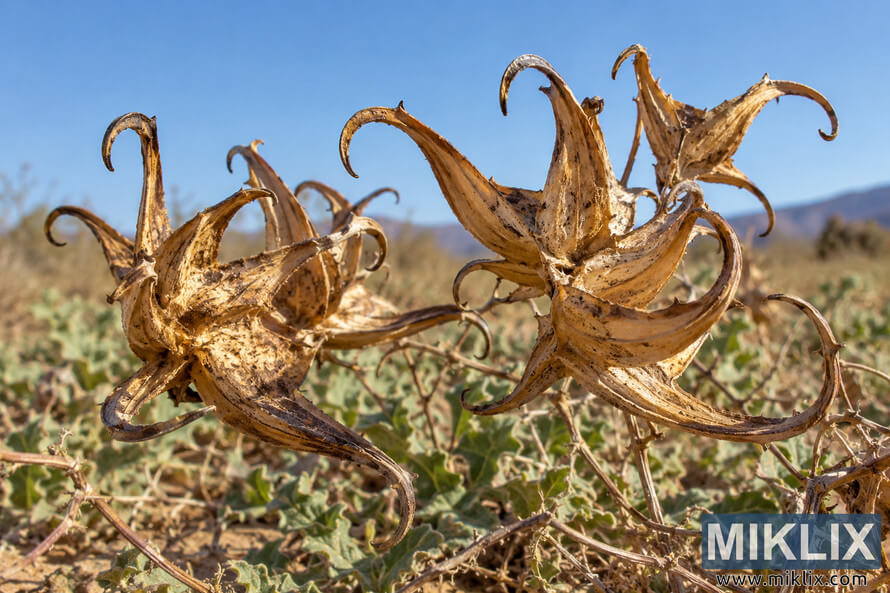
Click or tap the image for more information and higher resolutions.
Dry and store seed
Dry pods in a warm, ventilated place away from children and animals. Do not use a food-preparation surface unless it can be cleaned safely. When the pod is fully dry, open it with gloves and remove the seed. Label the packet with species, collection date, and region.
Store seed in a cool, dry, dark place inside a sealed envelope or jar. Add a label before storage. Do not collect pods from roadsides or unknown plants. Responsible collection means leaving enough plants for natural habitat and preventing unwanted spread.
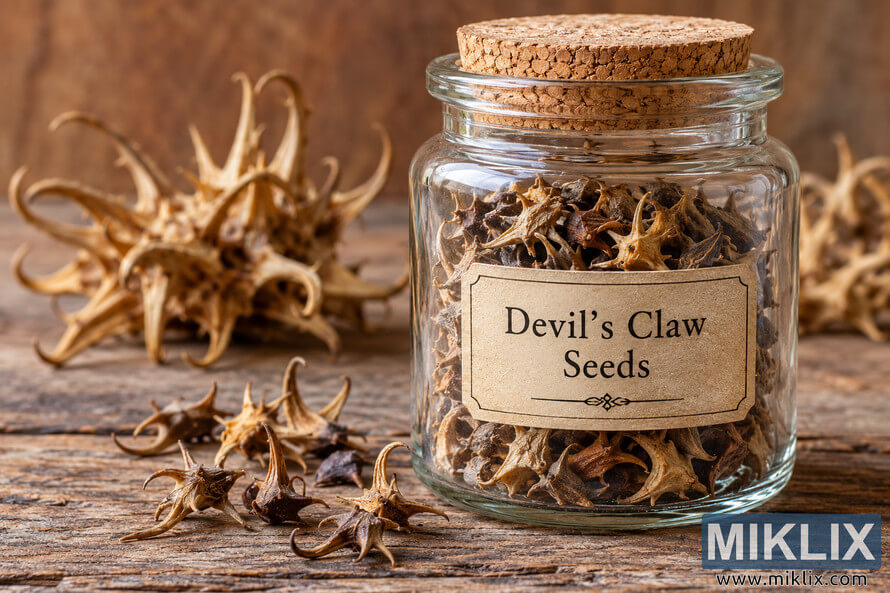
Click or tap the image for more information and higher resolutions.
Ornamental growing is not medicinal use
Growing a plant for flowers or unusual fruit does not make it suitable for food or medicine. Common names can refer to different species. Do not consume Devil's Claw or use it medicinally without reliable species identification and professional medical guidance.
Extra caution is needed around children, pets, allergies, pregnancy, and medication interactions. Keep seed and plant material labeled and secured. If the plant is restricted or considered invasive in your region, follow local rules for planting, removal, and disposal.
Never place dry hooked pods in compost if they could spread. Bag unwanted fruit securely and follow local disposal advice.
Final troubleshooting guide
| Problem | Likely cause | Practical response |
| No seedlings | Old seed, cold soil, or deep sowing | Check viability, warmth, depth, and drainage. |
| Weak, pale growth | Low light or crowded plants | Increase sun and thin seedlings. |
| Rotting roots | Waterlogged soil | Improve drainage and reduce watering. |
| Unwanted pods | Fruit left to mature and spread | Harvest carefully before pods fall or spread. |
With the right species, warm conditions, well-drained soil, and careful pod handling, Devil's Claw can be an interesting ornamental plant. Start with verified seed, watch its spread, and treat the sharp fruit with respect.
Click or tap the image for more information and higher resolutions.
Further Reading
If you enjoyed this post, you may also like these suggestions:
- A Guide to the Most Beautiful Varieties of Bleeding Heart to Grow in Your Garden
- A Guide to the Most Beautiful Varieties of Black-Eyed Susan to Grow in Your Garden
- A Guide to the Most Beautiful Dahlia Varieties to Grow in Your Garden