
Hops in Beer Brewing: Cekin
પ્રકાશિત:
છેલ્લે અપડેટ કરેલ: 19 સપ્ટેમ્બર, 2026 એ 10:22:41 AM UTC વાગ્યે
Cekin hops bring a distinctive European character to beer brewing. This Slovenian variety offers homebrewers an intriguing blend of traditional noble qualities and modern flavor complexity. Whether you're crafting lagers or experimenting with hop-forward ales, understanding Cekin's unique profile opens new brewing possibilities.
Hops in Beer Brewing: Cekin
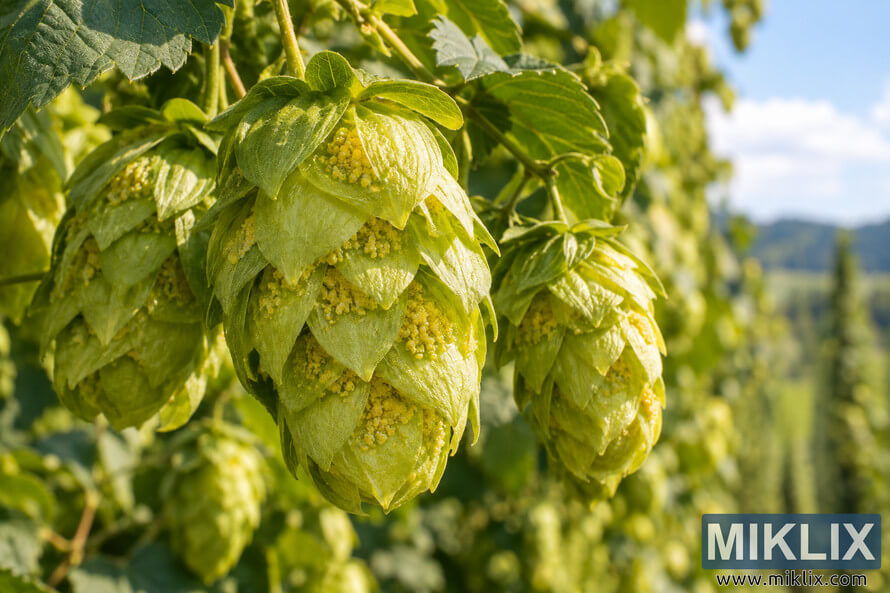
વધુ માહિતી અને ઉચ્ચ રિઝોલ્યુશન માટે છબી પર ક્લિક કરો અથવા ટેપ કરો.
What Are Cekin Hops? Origins and Development
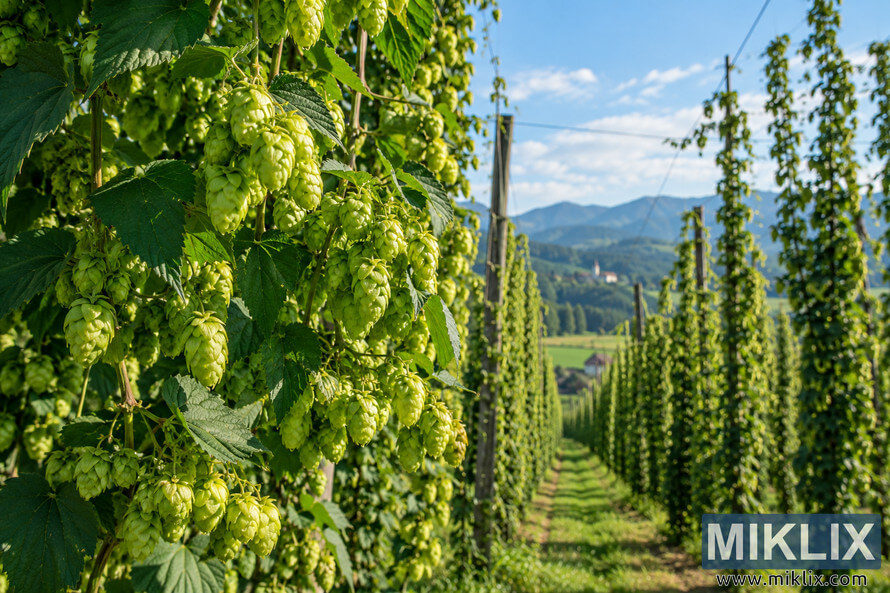
Cekin hops represent decades of careful breeding work at the Slovenian Hop Research Institute. This variety emerged from the institute's commitment to creating unique European hops that offer brewers distinctive options beyond traditional varieties.
વધુ માહિતી અને ઉચ્ચ રિઝોલ્યુશન માટે છબી પર ક્લિક કરો અથવા ટેપ કરો.
Breeding Background
The Hop Research Institute developed Cekin through selective breeding programs. The variety draws genetic influence from Brewer Gold parentage. This breeding work aimed to combine smooth bittering quality with complex European aroma characteristics.
Since the 1980s, Slovenian hop breeding has focused on creating varieties suitable for diverse beer styles. Cekin emerged as a versatile option that bridges traditional noble tea character with more contemporary flavor notes.
Growth Characteristics
Cekin demonstrates robust growth patterns suitable for commercial and small-scale cultivation. The variety shows good resistance to common hop diseases. It thrives in Slovenia's ideal hop-growing climate but adapts well to other temperate regions.
Quick Origin Summary: Cekin hops originated at the Slovenian Hop Research Institute through selective breeding programs involving Brewer Gold genetics, developed specifically to offer brewers a unique European aroma profile with reliable bittering quality.
Cekin Hops Characteristics: Alpha Acids, Oils, and Chemical Profile
Understanding Cekin's chemical composition helps brewers predict how this hop performs in different brewing applications. The variety offers balanced acids and oils that contribute to both bittering and aroma.

વધુ માહિતી અને ઉચ્ચ રિઝોલ્યુશન માટે છબી પર ક્લિક કરો અથવા ટેપ કરો.
Alpha Acid Content
Cekin hops typically contain alpha acid levels ranging from 3.5% to 6.5%. This moderate alpha range positions Cekin as a dual-purpose variety. The alpha content provides adequate bittering quality for many beer styles while remaining gentle enough for late-hop additions.
Essential Oils Profile
The essential oils in Cekin create its distinctive aroma signature. Total oil content typically measures between 0.8 and 1.5 mL per 100 grams. This oil composition includes myrcene, humulene, and caryophyllene in balanced proportions.
| Component | Typical Range | Brewing Impact |
| Alpha Acids | 3.5% - 6.5% | Moderate bittering quality |
| Beta Acids | 3.0% - 5.5% | Stability and preservation |
| Total Oils | 0.8 - 1.5 mL/100g | Aroma and flavor depth |
| Cohumulone | 22% - 28% | Smooth bitterness character |
Cekin Hops Flavor and Aroma: A Detailed Tasting Profile
Cekin delivers a complex flavor aroma profile that sets it apart from both traditional noble varieties and modern high-alpha hops. This hop variety offers brewers a sophisticated European character with unexpected depth.
વધુ માહિતી અને ઉચ્ચ રિઝોલ્યુશન માટે છબી પર ક્લિક કરો અથવા ટેપ કરો.
Primary Aroma Characteristics
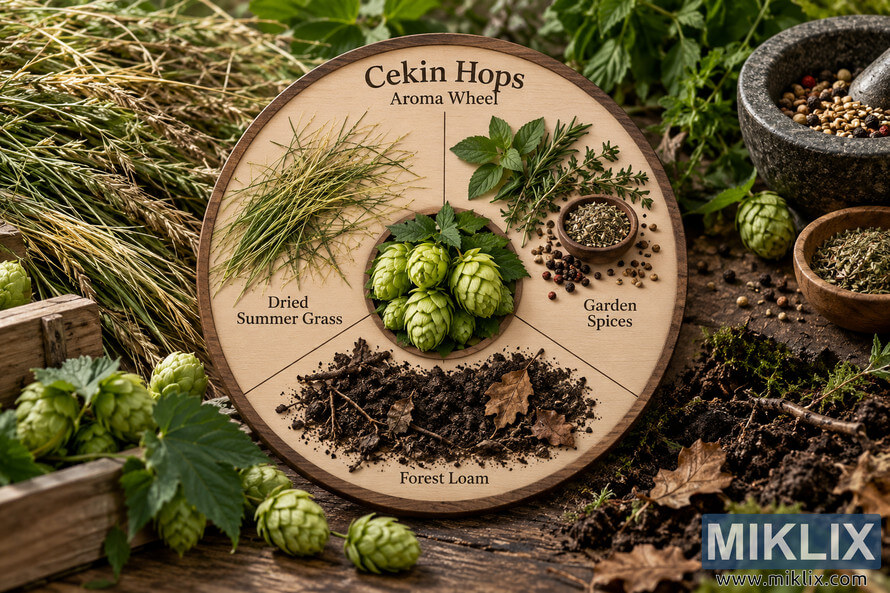
The dominant aroma from Cekin hops centers on dried summer grass notes. This characteristic provides an earthy, hay-like quality that forms the base of the hop's aromatic profile. Many brewers describe this as reminiscent of a late summer meadow.
Garden spices emerge as secondary aromatics. These spice notes include hints of dried tarragon and other culinary herbs. The spice character adds complexity without overwhelming the base grass notes.
Top Aroma Notes
- Dried summer grass - earthy, hay-like foundation
- Garden spices - herbal complexity with dried tarragon
- Noble tea - refined, traditional European character
- Forest loam - deep earth and mushroom undertones
Secondary Flavor Notes
- Warm cedar - woody, resinous depth
- Zesty lemon - bright citrus accent
- Mild resin - subtle pine character
- Soft fruit - delicate orchard fruit hints
Forest Loam and Earth Tones
A distinctive characteristic of Cekin involves its forest loam quality. This earthy note brings depth and grounding to the overall profile. The loam character suggests damp soil, mushrooms, and decomposing leaves in a pleasant, natural way.
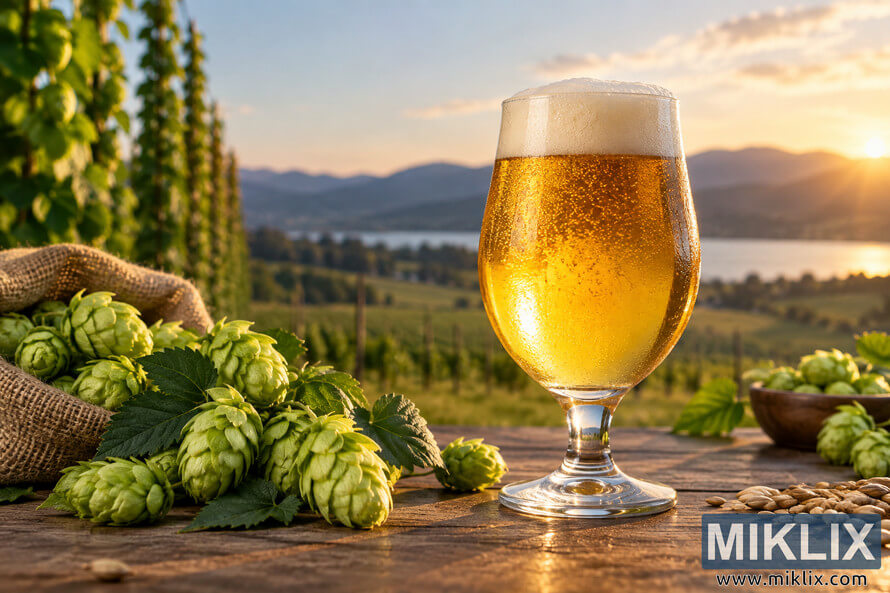
These earth tones differentiate Cekin from more overtly fruity modern hops. The variety offers brewers seeking authentic European terroir a genuine option that expresses traditional growing regions.
વધુ માહિતી અને ઉચ્ચ રિઝોલ્યુશન માટે છબી પર ક્લિક કરો અથવા ટેપ કરો.
Noble Tea Character
Cekin displays a refined noble tea quality that connects it to traditional European brewing heritage. This characteristic brings a subtle tannic structure and refined bitterness. The noble tea aspect makes Cekin particularly suitable for lager styles and traditional European beer recipes.
Zesty Lemon and Citrus Notes
While primarily earthy and herbal, Cekin offers zesty lemon notes that brighten the overall profile. These citrus elements appear more as accents rather than dominant characteristics. The lemon quality adds freshness without shifting the hop into New World citrus territory.
Flavor Profile Summary: Cekin combines dried summer grass, garden spices, and forest loam as primary characteristics, supported by noble tea refinement, warm cedar depth, and zesty lemon brightness for a complex European hop experience.
Best Beer Styles for Cekin Hops
Cekin's balanced profile makes it suitable for numerous beer styles. The hop performs particularly well in styles that benefit from earthy, herbal character rather than intense tropical fruit notes.
Traditional Lager Styles
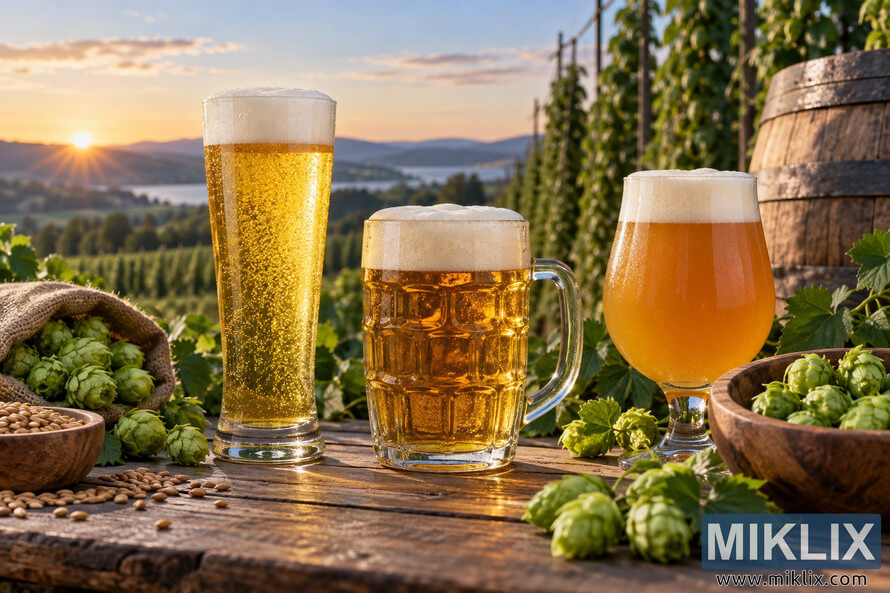
Cekin excels in traditional lager brewing. The hop's moderate alpha content provides clean bittering quality, while its noble tea and dried grass characteristics complement malt-forward lager profiles perfectly. German Pilsner, Bohemian Pilsner, and Helles styles all benefit from Cekin's refined European character.
For lager brewing, Cekin serves as an excellent alternative to Styrian Golding. The two varieties share Slovenian heritage and similar flavor profiles. Brewers familiar with Styrian Golding will find Cekin offers comparable results with subtle variations in the spice and earth notes.
વધુ માહિતી અને ઉચ્ચ રિઝોલ્યુશન માટે છબી પર ક્લિક કરો અથવા ટેપ કરો.
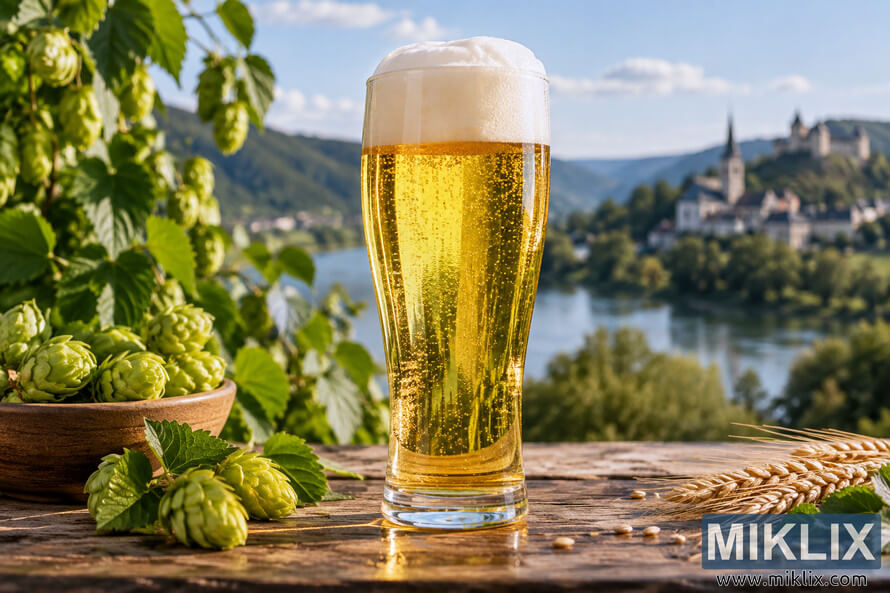
Pilsner Styles
Cekin provides ideal noble character for Czech and German pilsners. The dried grass and spice notes complement pilsner malt beautifully. Use as single-hop or blend with traditional noble varieties.
વધુ માહિતી અને ઉચ્ચ રિઝોલ્યુશન માટે છબી પર ક્લિક કરો અથવા ટેપ કરો.
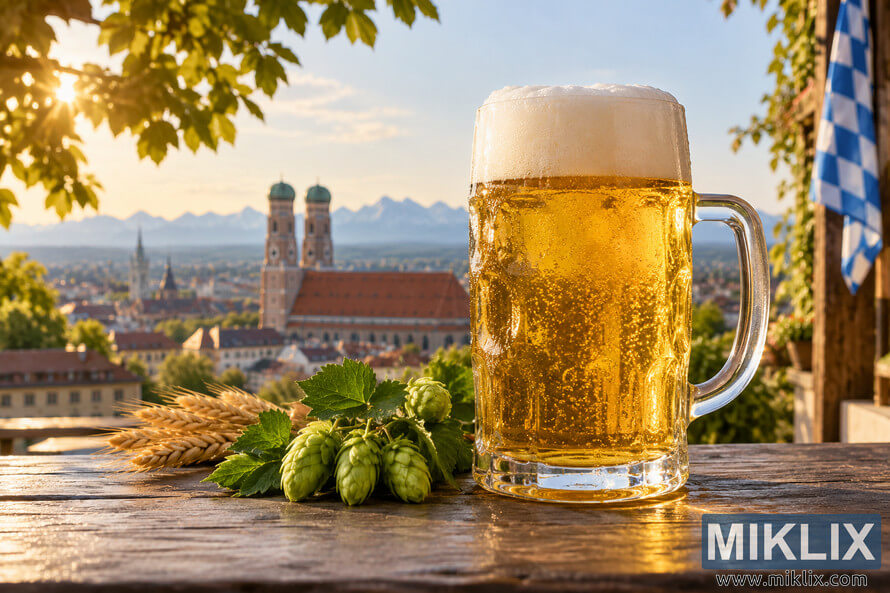
European Lagers
Munich Helles, Dortmunder Export, and Vienna Lager styles showcase Cekin's balanced profile. The forest loam and cedar notes add depth without overwhelming delicate malt flavors.
વધુ માહિતી અને ઉચ્ચ રિઝોલ્યુશન માટે છબી પર ક્લિક કરો અથવા ટેપ કરો.
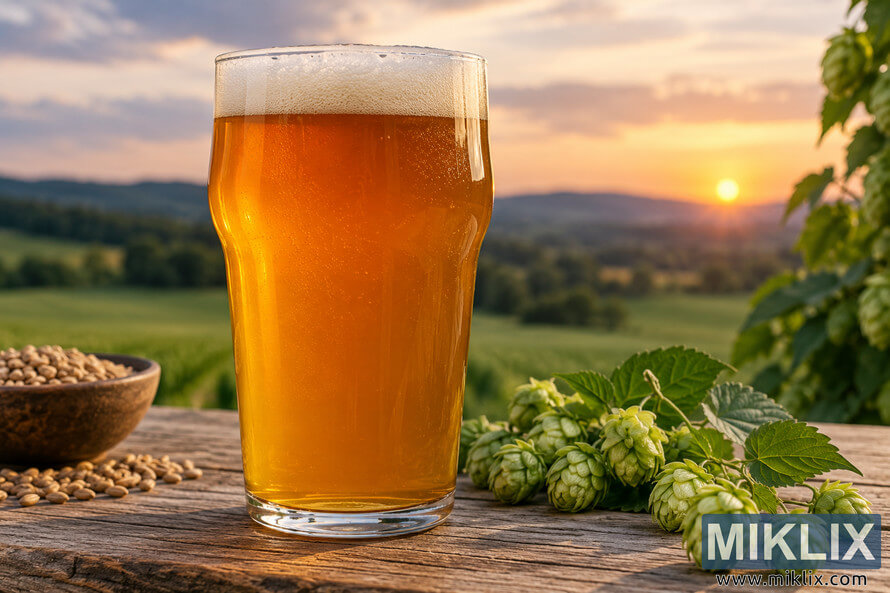
Pale Ales
English Pale Ale and Bitter styles benefit from Cekin's earthy character. The hop provides smooth bittering and adds herbal complexity that complements British malt varieties and traditional yeast strains.
વધુ માહિતી અને ઉચ્ચ રિઝોલ્યુશન માટે છબી પર ક્લિક કરો અથવા ટેપ કરો.
Belgian and Farmhouse Styles
Cekin works exceptionally well in Belgian ales and farmhouse styles. The garden spices and dried tarragon notes complement Belgian yeast phenolics. Saison brewers find Cekin's earthy profile harmonizes with rustic farmhouse characteristics. The hop doesn't compete with complex Belgian yeast but rather supports and enhances those flavors.
Amber and Brown Ales
The warm cedar and forest loam qualities make Cekin suitable for darker ale styles. American Amber Ale, Brown Ale, and even mild styles can benefit from Cekin's earthy depth. The hop provides bittering without harsh edges while adding layers of complexity to maltier beer profiles.
Ideal Styles for Cekin
- German Pilsner
- Czech Pilsner
- Munich Helles
- Belgian Blonde Ale
- Saison
- English Bitter
- American Amber Ale
Consider Alternatives
- West Coast IPA (lacks intense tropical fruit)
- New England IPA (profile too earthy)
- Fruit Beers (may clash with fruit)
- Imperial Stout (insufficient resin character)
- Hazy IPAs (earth notes conflict with juice)
Homebrewing with Cekin Hops: Practical Addition Guidelines
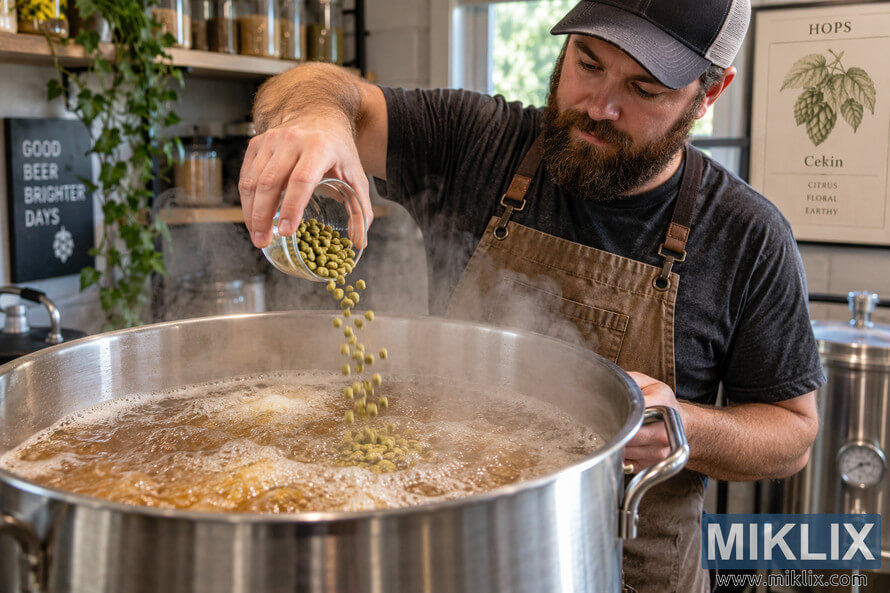
Understanding proper hop addition timing maximizes Cekin's contributions to your homebrew. This variety offers flexibility across bittering, flavor, and aroma applications.
વધુ માહિતી અને ઉચ્ચ રિઝોલ્યુશન માટે છબી પર ક્લિક કરો અથવા ટેપ કરો.
Bittering Additions
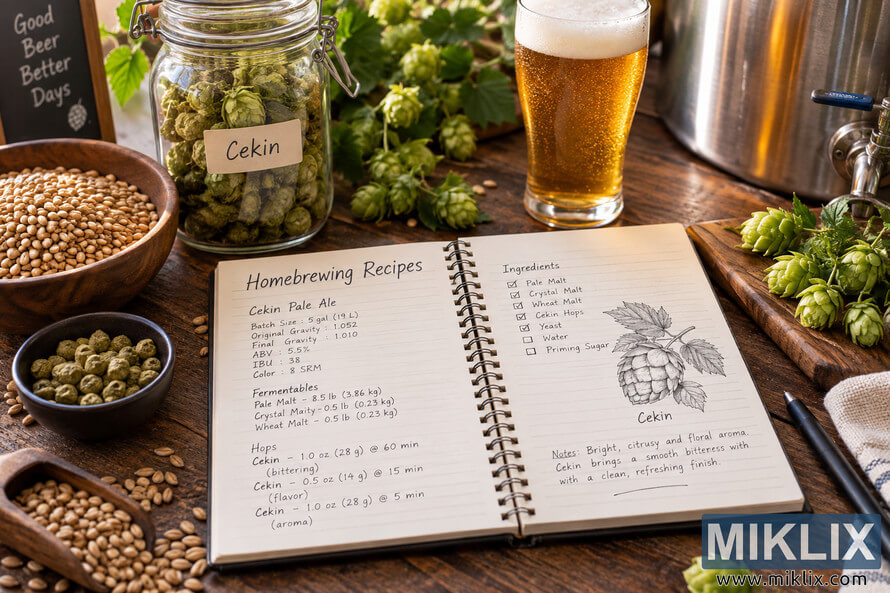
For bittering applications, add Cekin hops at the start of your 60-minute boil. The variety's moderate alpha content provides clean, smooth bittering quality without harsh edges. Calculate IBU targets using Cekin's specific alpha acid percentage from your hop packaging.
Cekin produces softer bitterness compared to high-alpha varieties. Plan for slightly higher addition rates than you might use with intense bittering hops. A typical 5-gallon pilsner recipe might use 1 to 1.5 ounces of Cekin for bittering, depending on desired IBU levels and the hop's alpha rating.
| Addition Timing | Boil Time | Contribution | Recommended Amount (5 gal) |
| Bittering | 60 minutes | Clean bitterness, smooth quality | 1.0 - 1.5 oz |
| Flavor | 15-20 minutes | Garden spices, dried grass notes | 0.5 - 1.0 oz |
| Aroma | 5 minutes or flameout | Noble tea, forest loam, zesty lemon | 0.5 - 1.5 oz |
| Dry Hop | 3-5 days post-fermentation | Enhanced dried grass, cedar depth | 1.0 - 2.0 oz |
Flavor Additions
Add Cekin between 15 and 20 minutes before the end of boil for optimal flavor extraction. This timing captures the garden spices and dried summer grass characteristics while still contributing some bitterness. Flavor additions bring forward the hop's herbal qualities without excessive vegetal notes.
Consider a 1-ounce addition at 15 minutes for a standard 5-gallon batch. This provides noticeable dried tarragon and spice character in the finished beer. Flavor additions work particularly well in styles where you want pronounced hop character without intense aroma.
Aroma Additions and Whirlpool
For maximum aroma impact, add Cekin during the final 5 minutes of boil or at flameout. Whirlpool additions at temperatures between 170-180°F extract essential oils while minimizing volatile aroma loss. Steep for 20-30 minutes for best results.
Late additions and whirlpool hops showcase Cekin's noble tea quality and forest loam characteristics. These additions create aromatic complexity that carries through to the finished beer. The zesty lemon notes become more prominent with late additions.
Dry Hopping Techniques
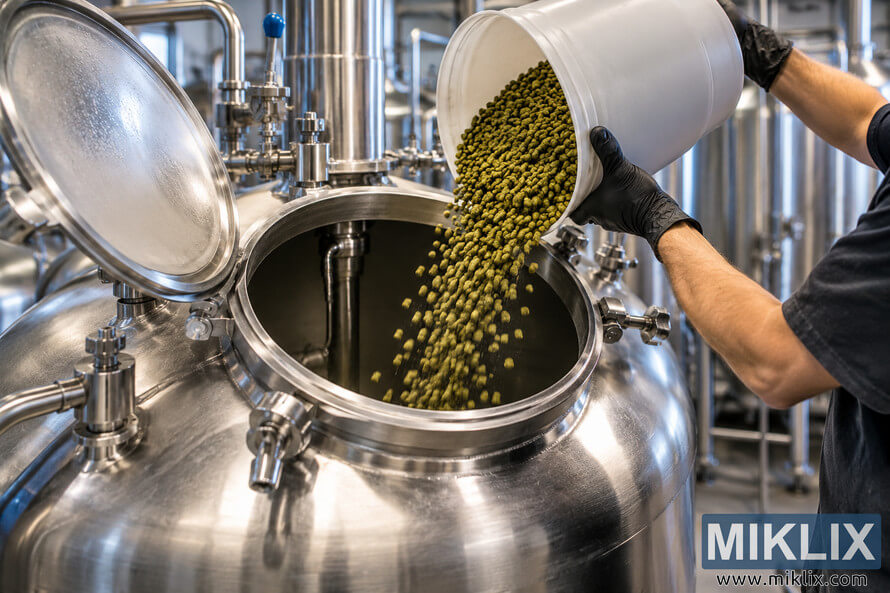
Dry hopping with Cekin amplifies its earthy and herbal qualities. Add hops during active fermentation or after primary fermentation completes. Use 1 to 2 ounces per 5 gallons for noticeable dry hop character.
Cekin dry hops bring forward warm cedar and dried grass notes. The variety doesn't produce intense tropical fruit or juice-like character when dry hopped. Instead, expect enhanced herbal depth and earthy complexity. This makes Cekin excellent for traditional lager and European ale styles where subtle dry hop character supports rather than dominates.
વધુ માહિતી અને ઉચ્ચ રિઝોલ્યુશન માટે છબી પર ક્લિક કરો અથવા ટેપ કરો.
Dry Hopping Benefits
- Enhanced dried grass and cedar aromatics
- Subtle rather than aggressive character
- Complements traditional beer styles
- No harsh vegetal notes
- Stable during storage
Dry Hopping Considerations
- Won't provide tropical fruit notes
- More subtle than modern varieties
- Requires proper contact time
- May need higher quantities for impact
Hop Blending Strategies
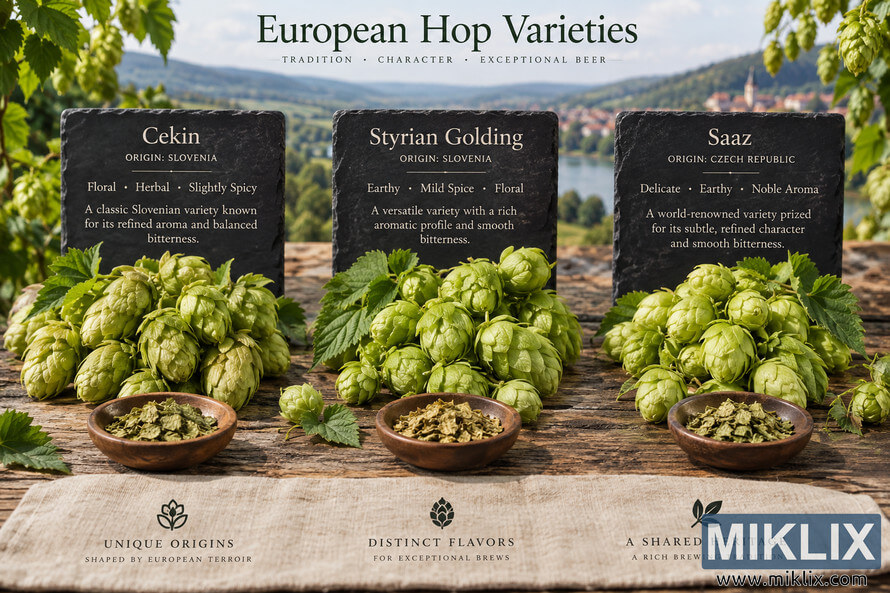
Cekin blends well with other European varieties. Combine with Styrian Golding for enhanced noble character. Pair with Saaz for traditional pilsner profiles. The variety also complements low-alpha German hops like Tettnang and Spalt.
For experimental brewers, Cekin can add earthy depth to New World hop blends. Small additions alongside Cascade or Centennial create interesting contrast between citrus brightness and earthy complexity. Use Cekin as 20-30% of total hop bill for supporting character.
Cekin Hops Substitution and Alternatives
Understanding suitable substitution options helps when Cekin hops are unavailable. Several European varieties offer similar profiles for recipe adaptation.
Primary Substitution: Styrian Golding
Styrian Golding stands as the closest substitution for Cekin hops. Both varieties share Slovenian heritage and similar breeding backgrounds. Styrian Golding offers comparable dried grass notes, spice character, and noble quality.
When substituting Styrian Golding for Cekin, use equal amounts by weight. Adjust slightly based on alpha acid differences between specific hop lots. The finished beer will show similar earthy and herbal characteristics with subtle variations in spice intensity.
Traditional European Alternatives
Czech Saaz provides a noble alternative when seeking refined European character. Saaz offers more pronounced spice and less earth than Cekin. Use Saaz when you want sharper herbal notes and traditional pilsner character.
German Tettnang offers another suitable alternative. This variety brings similar earthy qualities with slightly more floral notes. Tettnang works well in lager and wheat beer recipes calling for Cekin.
વધુ માહિતી અને ઉચ્ચ રિઝોલ્યુશન માટે છબી પર ક્લિક કરો અથવા ટેપ કરો.
Styrian Golding
The closest match to Cekin with shared Slovenian heritage and nearly identical flavor profile including dried grass and garden spices.
- Same regional terroir
- Similar alpha acid range
- Comparable noble character
- Direct 1:1 substitution
Czech Saaz
Traditional noble variety offering refined spice character with sharper herbal notes and less earthy depth than Cekin.
- More pronounced spice
- Traditional pilsner character
- Higher essential oils
- Brighter overall profile
German Tettnang
Earthy German noble hop with additional floral notes that complement wheat beers and traditional lagers effectively.
- Enhanced floral quality
- Gentle spice character
- Wheat beer compatibility
- Soft bittering quality
Mount Hood
American-grown variety with European noble heritage providing earthy character suitable for continental styles.
- Pacific Northwest grown
- Mild herbal notes
- Clean bittering
- Accessible availability
American-Grown European-Style Hops
Mount Hood offers an American-grown alternative with European noble heritage. This Pacific Northwest variety provides earthy and herbal notes reminiscent of traditional European hops. Mount Hood works well when seeking Cekin-like character with easier North American availability.
Liberty represents another American option with European lineage. This variety offers mild noble characteristics suitable for continental beer styles. Use Liberty when brewing traditional lagers and you cannot source authentic European varieties.
Recipe Formulation Tips for Cekin Hops
Creating successful recipes with Cekin requires understanding how this hop interacts with malt, yeast, and water chemistry. These practical tips help homebrewers get the most from the variety.
Malt Pairing Recommendations
Cekin pairs exceptionally well with European base malts. Pilsner malt creates an ideal foundation for showcasing the hop's dried grass and noble tea characteristics. German Munich malt adds depth while complementing Cekin's warm cedar notes. Vienna malt provides subtle toast that harmonizes with the forest loam qualities.
For specialty malts, consider light crystal malts in the 10-40 Lovibond range. These add body and subtle sweetness without overwhelming Cekin's delicate profile. Avoid heavy crystal or roasted malts unless using Cekin only for bittering. The hop's earthy character can get lost among intense malt flavors.
Yeast Strain Selection
Clean fermenting lager yeast strains showcase Cekin's character best. German lager yeast, Czech pilsner yeast, and other traditional lager cultures allow the hop profile to shine through. These yeast strains produce minimal esters and phenolics that might compete with hop aromatics.
For ale brewing, choose neutral to mildly expressive strains. American ale yeast works well for pale ales. Belgian ale yeast complements Cekin's garden spices in saison recipes. Avoid highly phenolic or ester-heavy strains that might clash with the hop's herbal character.
Compatible Ingredients
- Pilsner malt base
- German Munich malt
- Light crystal malts
- Clean lager yeast
- Neutral ale yeast
- Soft to moderate water
Complementary Hops
- Styrian Golding
- Saaz varieties
- Tettnang
- Hallertau Mittelfrüh
- Mount Hood
- Liberty
Avoid Combining
- Heavy roasted malts
- Intense tropical hops
- High-phenol yeast
- Very hard water
- Excessive fruit additions
- Aggressive spices
Water Chemistry Considerations
Cekin performs well with soft to moderately hard brewing water. For pilsners, target water profiles similar to Pilsen with low mineral content. This allows the hop's subtle characteristics to emerge clearly. Sulfate levels should remain moderate as high sulfate can make Cekin's earthy notes seem harsh.
For hop-forward ales, slightly elevated sulfate enhances perceived hop character without overwhelming Cekin's profile. Aim for sulfate-to-chloride ratios around 1.5:1 to 2:1. This balance brings out dried grass and spice notes while maintaining pleasant mouthfeel.
Hop Quantity Guidelines
Start with conservative Cekin quantities and adjust based on results. For pilsners, total hop additions of 2 to 3 ounces per 5 gallons create balanced profiles. Hop-forward ales might use 3 to 5 ounces total across multiple additions.
Remember that Cekin provides subtle rather than aggressive character. More is not always better with this variety. Focus on proper addition timing rather than excessive quantities. Let the hop's refined qualities shine through balanced recipe formulation.
Recipe Success Tip: Cekin excels in recipes featuring European malts, clean yeast strains, and soft to moderate water chemistry. Use conservative hop quantities with strategic addition timing for best results.
વધુ માહિતી અને ઉચ્ચ રિઝોલ્યુશન માટે છબી પર ક્લિક કરો અથવા ટેપ કરો.
Proper Storage and Handling of Cekin Hops
Maintaining hop quality through proper storage preserves Cekin's delicate aroma and acids oils profile. Follow these guidelines to ensure your hops perform optimally.
Ideal Storage Conditions
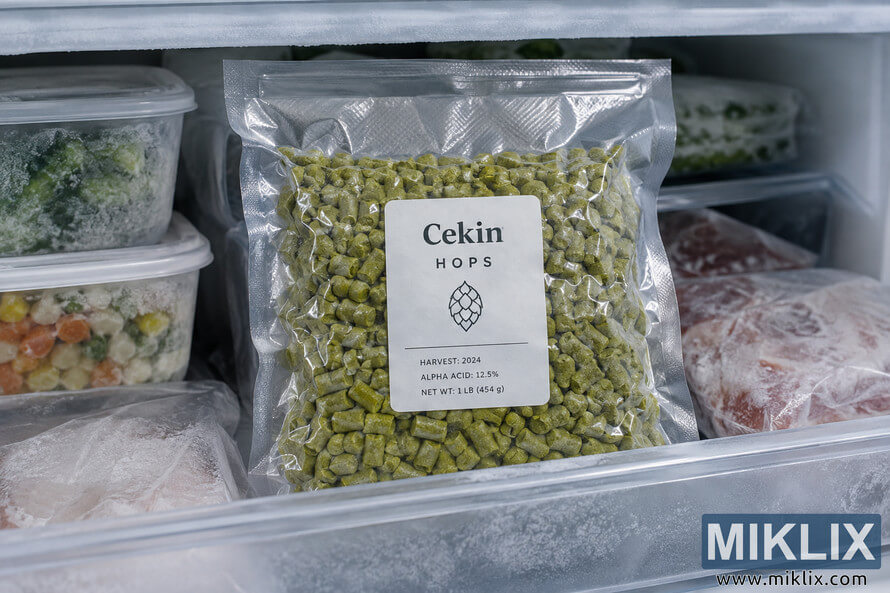
Store Cekin hops in your freezer at temperatures below 32°F. Freezing prevents oxidation and preserves essential oils. Keep hops in original vacuum-sealed packaging until ready to use. Once opened, transfer remaining hops to vacuum-sealed bags or airtight containers with minimal headspace.
Oxygen exposure degrades hop acids and essential oils rapidly. Limit air contact by using oxygen-barrier packaging. Consider purchasing oxygen absorber packets to place in storage containers with opened hops. These packets help maintain freshness between brewing sessions.
Evaluating Hop Freshness
Fresh Cekin hops display vibrant green-gold color with intact cone structure. The aroma should present clear dried grass, garden spices, and forest loam notes. Avoid hops that smell like cheese, onions, or have faded to brown. These indicate oxidation and quality loss.
Check packaging dates when purchasing. Prefer hops from the most recent harvest. Properly stored hops maintain quality for 1-2 years, but freshest hops always provide best results. The variety's subtle character suffers more from age than high-alpha varieties.
Pellet vs. Whole Cone Considerations
Cekin is available in both pellet and whole cone form. Pellets offer convenience, longer shelf life, and easier measurement. The pelleting process increases surface area for better extraction. Most homebrewers find pellets more practical for consistent results.
Whole cone hops provide traditional appearance and may offer marginally different flavor extraction. Some brewers prefer whole cones for dry hopping traditional styles. Choose based on your brewing setup and storage capabilities. Both forms work well when properly stored and handled.
વધુ માહિતી અને ઉચ્ચ રિઝોલ્યુશન માટે છબી પર ક્લિક કરો અથવા ટેપ કરો.
How long do Cekin hops maintain quality?
When properly stored in vacuum-sealed packaging at freezing temperatures, Cekin hops maintain quality for 12-24 months. After opening, use within 6 months for best results. The variety's delicate aroma profile makes it more susceptible to degradation than high-alpha bittering hops.
Can I store different hop varieties together?
Store different hop varieties in separate airtight containers to prevent aroma cross-contamination. Cekin's subtle profile can pick up stronger aromatics from intensely aromatic varieties. Keep each hop type individually packaged even within your freezer storage system.
Should I let frozen hops warm before use?
Add frozen hops directly to your boil or fermenter. Allowing hops to warm to room temperature before opening packages increases condensation and oxidation risk. Measure and add hops while still frozen for best quality preservation.
Growing Cekin Hops: Cultivation Basics
For homebrewers interested in growing their own hops, Cekin offers viable cultivation potential. Understanding basic growth requirements helps determine if this variety suits your garden conditions.
Climate and Location Requirements
Cekin thrives in temperate climates similar to Slovenia's growing region. The variety requires cold winter dormancy and warm growing seasons. USDA hardiness zones 5-8 provide ideal conditions. The variety needs full sun exposure for optimal cone development and essential oil production.
Plant Cekin in well-draining soil with pH between 6.0 and 7.5. Good drainage prevents root rot during wet periods. The variety tolerates various soil types but performs best in rich, loamy soil with adequate organic matter. Consider raised beds if your native soil drains poorly.
Growth Characteristics and Yield
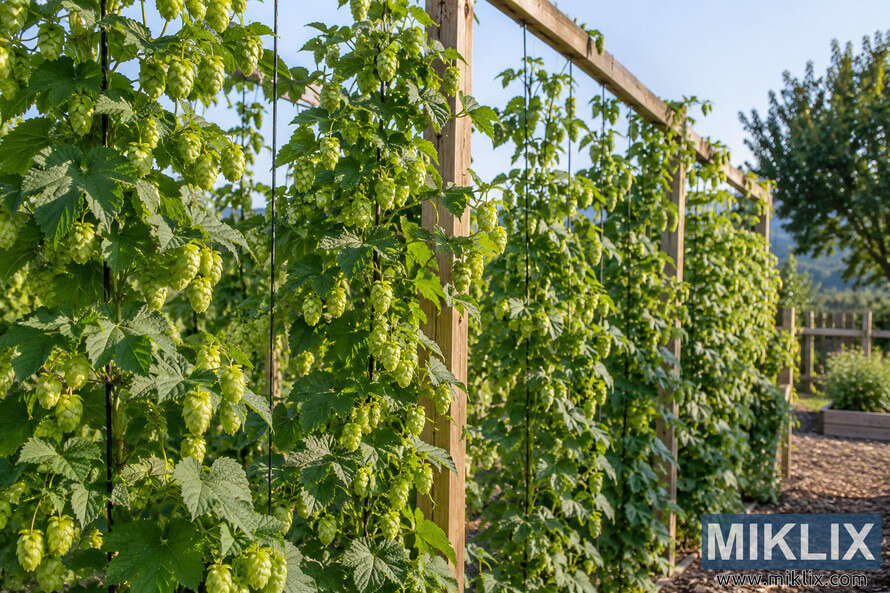
Cekin demonstrates vigorous growth reaching 15-20 feet in height. Provide sturdy trellis support reaching at least 15 feet tall. The variety produces good yields of medium-sized cones. Expect modest first-year production with full yields developing in the second and third growing seasons.
Harvest timing affects alpha acids and aroma profile. Monitor cone development carefully. Ripe cones feel papery and spring back when compressed. They emit strong dried grass and spice aromatics. Most regions see harvest readiness in late August through early September.
Disease Resistance
Cekin shows moderate resistance to common hop diseases. The variety handles powdery mildew better than some traditional European varieties. However, maintain good air circulation and avoid overhead watering to minimize disease pressure. Spider mites and aphids may still require management through integrated pest approaches.
Home Growing Note: Growing Cekin at home provides fresh hops for brewing but requires commitment to proper trellis systems and annual maintenance. First-year plants produce limited usable cones, with full production beginning in year two.
વધુ માહિતી અને ઉચ્ચ રિઝોલ્યુશન માટે છબી પર ક્લિક કરો અથવા ટેપ કરો.
Brewing Success with Cekin Hops
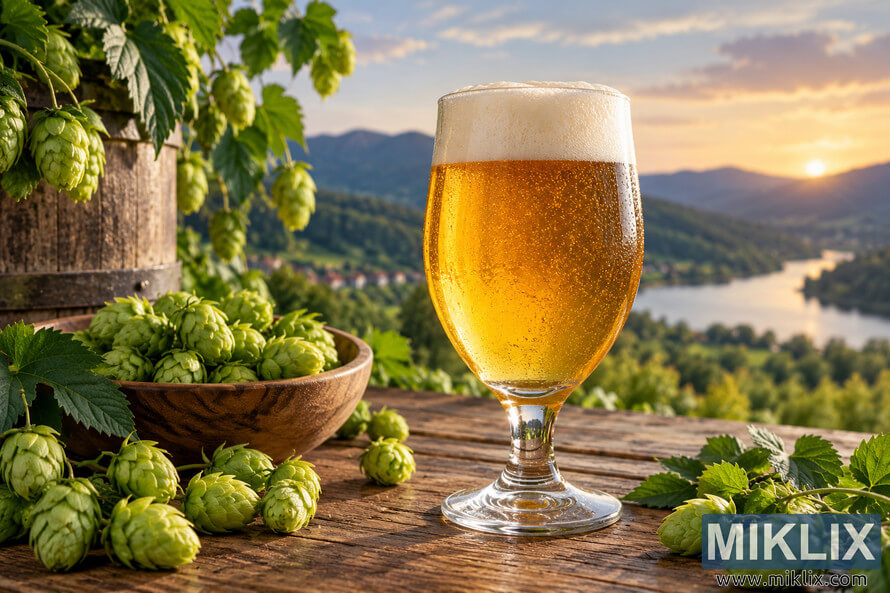
Cekin hops offer homebrewers a distinctive European character for traditional and experimental brewing projects. The variety's dried summer grass, garden spices, and forest loam profile creates complex beers with refined noble tea character and subtle depth.
This Slovenian variety excels in lager styles, Belgian ales, and balanced pale ales where earthy herbal qualities complement malt and yeast. Strategic hop addition timing, proper storage, and thoughtful recipe formulation help brewers maximize Cekin's contributions. Whether used as a single-hop or blended with other European varieties, Cekin brings authentic Slovenian terroir to your homebrew.
વધુ માહિતી અને ઉચ્ચ રિઝોલ્યુશન માટે છબી પર ક્લિક કરો અથવા ટેપ કરો.
Start your Cekin brewing journey with a traditional pilsner or European lager recipe. Experience the variety's smooth bittering quality and complex aroma firsthand. As you become familiar with the profile, experiment with different addition timings and beer styles to discover how Cekin's unique characteristics enhance your brewing creations.
વધુ વાંચન
જો તમને આ પોસ્ટ ગમી હોય, તો તમને આ સૂચનો પણ ગમશે: