
Health Benefits of Limes: Your Complete Nutrition Guide
Published: July 29, 2026 at 10:16:48 PM UTC
Limes pack a powerful nutritional punch in their small, tangy package. These vibrant citrus fruits offer remarkable health benefits that extend far beyond their refreshing flavor. Whether you squeeze fresh lime juice into your morning water or add zest to your favorite dishes, you're giving your body a boost of essential nutrients.
Click or tap the image for more information and higher resolutions.
This comprehensive guide explores everything you need to know about limes. We'll cover their impressive nutritional profile, specific health benefits, and practical ways to incorporate more of this citrus fruit into your daily routine.
From supporting your immune system to promoting healthy skin, limes deserve a permanent place in your kitchen. Let's discover why this modest fruit has earned its reputation as a nutritional powerhouse.
What Makes Limes a Nutritional Powerhouse
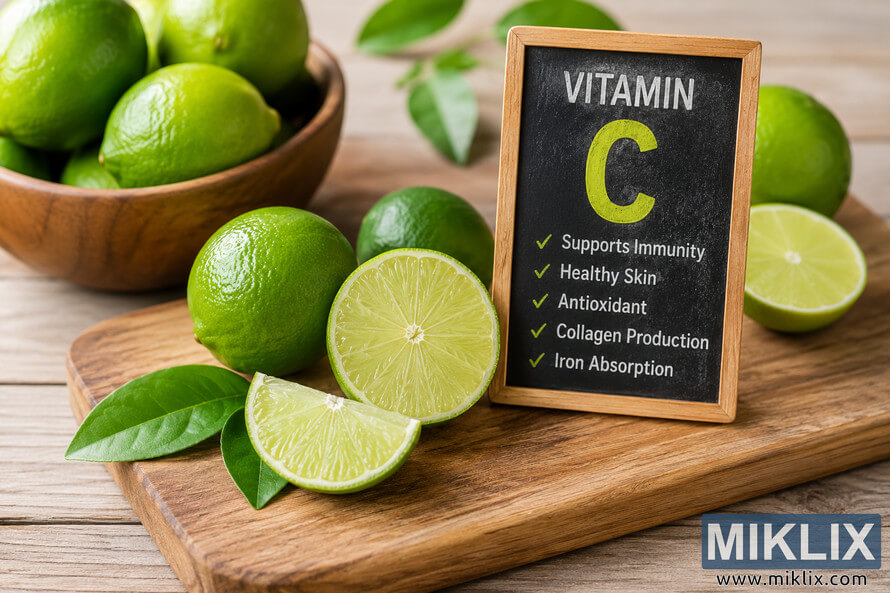
Limes high vitamin content makes them exceptional among citrus fruits. A single lime contains approximately 32 percent of your daily vitamin C requirement. This impressive concentration supports numerous body functions and provides powerful antioxidant protection.
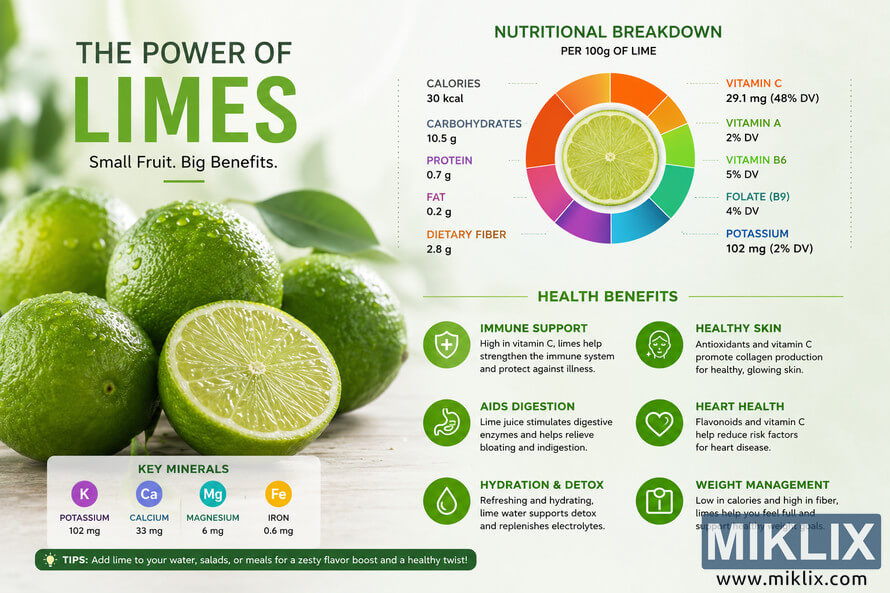
Beyond vitamin C, limes deliver essential nutrients with remarkably few calories. One medium lime contains only 20 calories while providing fiber, vitamin B6, potassium, and folate. The fruit also contains beneficial plant compounds called flavonoids.
The juice of one lime provides nearly one-third of your vitamin needs. Fresh lime juice offers the highest concentration of nutrients compared to bottled alternatives. The zest contains aromatic oils that add both flavor and additional health-promoting compounds.
Vitamin Content
Limes high vitamin C levels surpass many other fruits. This essential nutrient acts as a powerful antioxidant in your body.
- 32% daily vitamin C per lime
- Vitamin B6 for metabolism
- Folate for cell function
- Thiamin for energy production
Mineral Profile
The mineral content in limes supports various body systems. These nutrients work together to maintain optimal health.
- Potassium for heart health
- Calcium for bone strength
- Magnesium for muscle function
- Iron for blood production
Antioxidant Compounds
Limes contain powerful antioxidants that protect cells from damage. These compounds offer anti-inflammatory benefits throughout your body.
- Flavonoids for cell protection
- Limonoids for detoxification
- Phenolic acids for wellness
- Vitamin C as antioxidant
Fiber and Calories
Low in calories but rich in fiber, limes support digestive health. This combination makes them ideal for healthy eating plans.
- Only 20 calories per fruit
- Nearly 2g fiber per lime
- Zero fat content
- Minimal protein contribution
Click or tap the image for more information and higher resolutions.
How Limes Help Boost Immune System Function
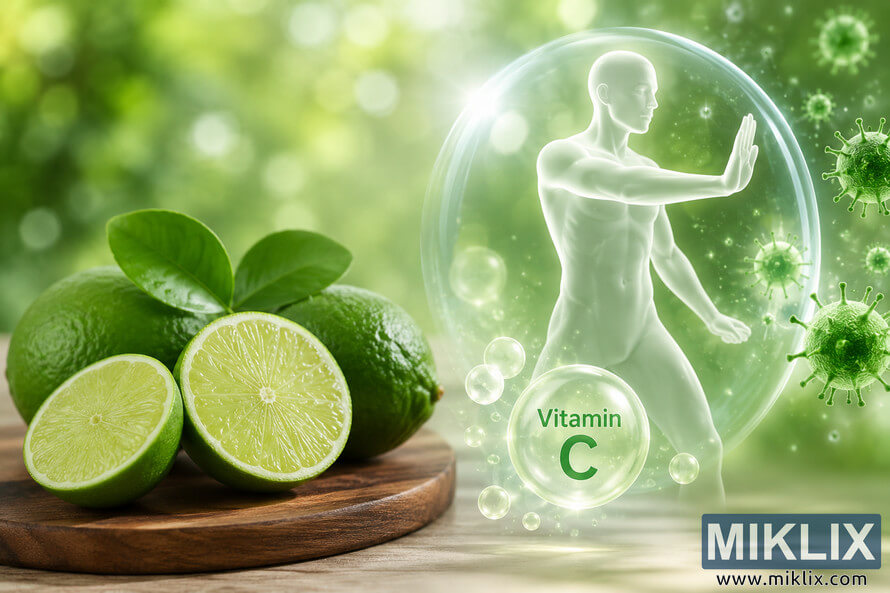
The immune-boosting properties of limes stem primarily from their exceptional vitamin C concentration. This essential nutrient plays a critical role in helping your body defend against infections and illness. Regular consumption of lime juice can significantly support your immune system.
Vitamin C stimulates the production of white blood cells, which are your body's primary defense against pathogens. These cells identify and destroy harmful bacteria and viruses before they can cause illness. The antioxidants in limes also protect these immune cells from damage.
Research shows that adequate vitamin C intake may help reduce the duration and severity of common colds. While limes won't prevent every illness, they provide your immune system with essential tools to function optimally. The flavonoids in limes offer additional immune support through their anti-inflammatory properties.
Click or tap the image for more information and higher resolutions.
Daily Immune Support Strategies
Incorporating limes into your daily routine provides consistent immune system support. Start your morning with warm water and fresh lime juice to activate your immune response. The vitamin C absorbs quickly on an empty stomach.
Add lime juice to your beverages throughout the day for ongoing immune benefits. The regular intake of vitamin C helps maintain steady levels in your bloodstream. This consistent supply keeps your immune cells functioning at peak performance.
Combine limes with other immune-supporting foods for maximum benefit. Citrus fruits work synergistically with zinc-rich foods, leafy greens, and lean protein sources. This combination creates a comprehensive immune defense system.
Immune Health Tip: Limes high vitamin content is most beneficial when consumed fresh. The vitamin C begins degrading shortly after cutting, so prepare lime juice immediately before drinking for maximum immune system support.
Antioxidant Protection Against Disease
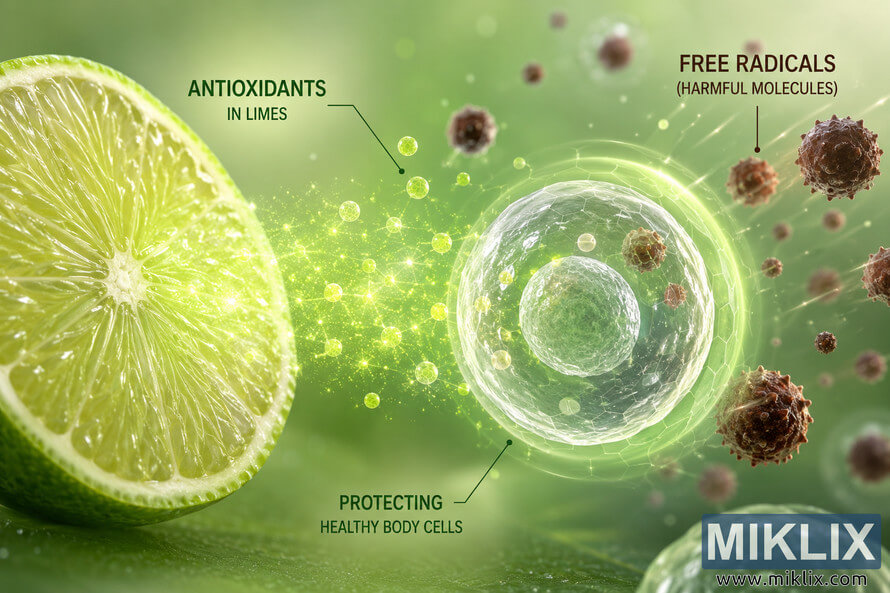
The antioxidants in limes work constantly to protect your cells from oxidative stress. Free radicals damage cellular structures and contribute to chronic diseases. The vitamin C and flavonoids in limes neutralize these harmful molecules before they cause damage.
Studies indicate that people who consume citrus fruits regularly show lower markers of inflammation. Chronic inflammation links to numerous health conditions including heart disease and diabetes. The anti-inflammatory compounds in limes may help reduce this risk.
Limonoids, unique compounds found in citrus fruits, demonstrate promising anticancer properties in laboratory studies. While more research is needed, these antioxidants show potential for supporting overall cellular health. The combination of multiple antioxidant types in limes creates a powerful protective effect.
Click or tap the image for more information and higher resolutions.
Limes for Digestive Health and Metabolism
The acidic nature of lime juice stimulates digestive enzyme production in your stomach. These enzymes break down food more efficiently, improving nutrient absorption. Many people find that drinking lime water before meals enhances their digestion.
The fiber content in whole limes supports healthy bowel movements and feeds beneficial gut bacteria. A single lime provides nearly two grams of dietary fiber. This soluble and insoluble fiber combination promotes optimal digestive function.
Lime juice may help reduce symptoms of indigestion and bloating. The citric acid in limes supplements your stomach's natural acids, particularly helpful for people with low stomach acid. This improved acid balance supports better protein digestion.
Metabolism and Weight Management
Limes contain compounds that may support healthy metabolism and weight management. The citric acid in lime juice can help boost metabolic rate slightly. While not a magic solution, this citrus fruit supports your body's natural fat-burning processes.
The low calorie count of limes makes them ideal for people managing their weight. You can add tremendous flavor to water, food, and beverages without adding significant calories. This helps satisfy cravings for sweet or flavorful drinks without the sugar.
Some research suggests that the flavonoids in citrus fruits may help regulate blood sugar levels. Stable blood sugar supports consistent energy and reduces cravings. The fiber in limes also slows sugar absorption when consumed with meals.
Digestive Benefits
- Stimulates digestive enzyme production
- Provides beneficial dietary fiber
- Supports stomach acid balance
- Reduces bloating and discomfort
- Feeds healthy gut bacteria
- Improves nutrient absorption
Metabolic Support
- Boosts metabolic rate naturally
- Low calorie flavor enhancement
- Helps regulate blood sugar
- Supports fat metabolism
- Provides sustained energy
- Reduces sugar cravings

Click or tap the image for more information and higher resolutions.
Healthy Skin Benefits from Lime Consumption
Vitamin C plays an essential role in collagen production, the protein that keeps your skin firm and youthful. The high vitamin content in limes provides the building blocks your body needs to create new collagen. Regular consumption supports skin elasticity and reduces visible signs of aging.
The antioxidants in limes protect skin cells from sun damage and environmental pollutants. While not a replacement for sunscreen, these compounds provide additional defense against UV radiation. They neutralize free radicals that accelerate skin aging and damage.
Many people notice improved skin texture and tone when they consistently consume citrus fruits. The vitamin C in lime juice helps fade dark spots and hyperpigmentation. This natural brightening effect occurs as vitamin C inhibits excess melanin production.
Internal and External Skin Benefits
Drinking lime water hydrates your skin from within while delivering beneficial nutrients. Proper hydration combined with vitamin C creates ideal conditions for healthy skin. The combination flushes toxins that can contribute to breakouts and dullness.
Some people apply diluted lime juice topically for skin benefits, though this requires caution. The citric acid can exfoliate dead skin cells and brighten complexion. However, lime juice can also increase sun sensitivity and cause irritation on sensitive skin.
The anti-inflammatory properties of limes may help reduce acne and skin inflammation. Inflammation contributes to many skin conditions including rosacea and eczema. The flavonoids in limes work to calm this inflammatory response throughout your body.
Skin Care Note: If applying lime juice topically, always dilute it with water and test on a small area first. Never apply lime juice before sun exposure as it can cause severe burns and photosensitivity reactions.

Click or tap the image for more information and higher resolutions.
Cardiovascular Health Benefits of Limes
The nutrients in limes support multiple aspects of cardiovascular health. Vitamin C helps strengthen blood vessel walls and improves circulation. Research shows that people who consume adequate vitamin C have lower rates of heart disease.
Potassium in limes helps regulate blood pressure by balancing sodium levels in your body. This mineral relaxes blood vessel walls, allowing blood to flow more freely. Even small amounts of lime juice contribute to your daily potassium intake.
The flavonoids in citrus fruits demonstrate heart-protective properties in numerous studies. These compounds reduce inflammation in blood vessels and improve cholesterol profiles. Regular consumption of citrus fruits associates with reduced cardiovascular disease risk.
Blood Pressure and Circulation Support
The combination of vitamin C and potassium in limes creates a natural blood pressure support system. These nutrients work together to maintain healthy blood vessel flexibility. Flexible vessels accommodate blood flow changes without dangerous pressure spikes.
Lime juice helps prevent oxidation of LDL cholesterol, a key step in arterial plaque formation. The antioxidants neutralize free radicals before they can damage cholesterol particles. This protective effect helps maintain clear, healthy arteries.
Some research suggests that citric acid may help prevent kidney stones, which can impact cardiovascular health. The citrate in lime juice binds to calcium in urine, preventing crystal formation. This protective effect supports overall urinary and cardiovascular wellness.
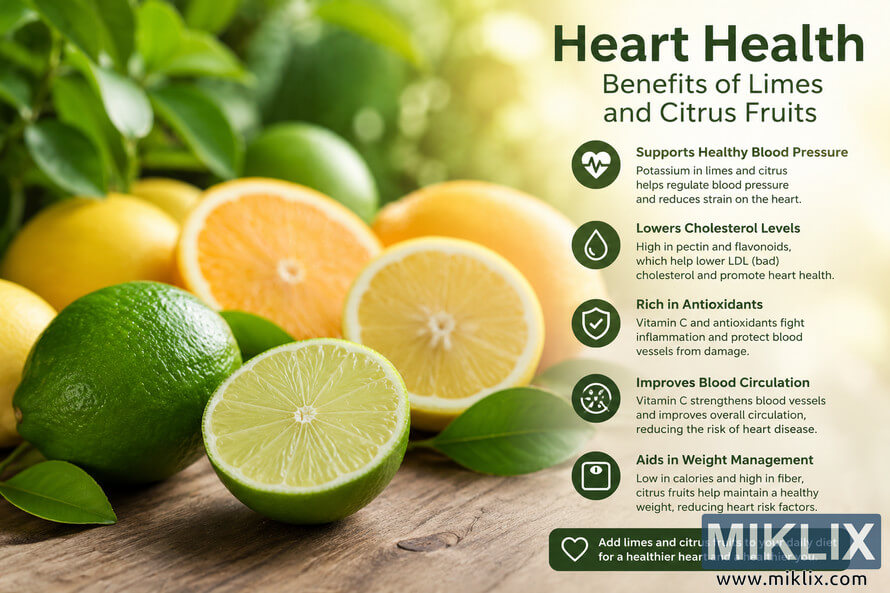
Click or tap the image for more information and higher resolutions.
Cardiovascular Benefits
- Strengthens blood vessel walls
- Helps regulate blood pressure
- Improves cholesterol profiles
- Reduces arterial inflammation
- Supports healthy circulation
- Prevents cholesterol oxidation
Important Considerations
- Not a replacement for medication
- Effects are supportive, not curative
- Requires consistent consumption
- Works best with healthy lifestyle
- May interact with some medications
- Consult doctor if on blood thinners
Different Types of Limes and Their Uses
Several lime varieties offer unique flavors and nutritional profiles. The most common type in United States grocery stores is the Persian lime. This large, seedless variety provides abundant juice and works well in countless recipes.
Key lime, smaller and more aromatic than Persian limes, is famous for key lime pie. These limes contain slightly higher acidity and a more complex flavor profile. They're seasonal and less commonly available but highly prized by chefs.
Makrut lime, also called kaffir lime, offers distinctive double leaves used in Asian cuisine. The fruit's bumpy skin contains aromatic oils perfect for adding citrus aroma to dishes. Both the zest and leaves provide intense flavor to curries and beverages.
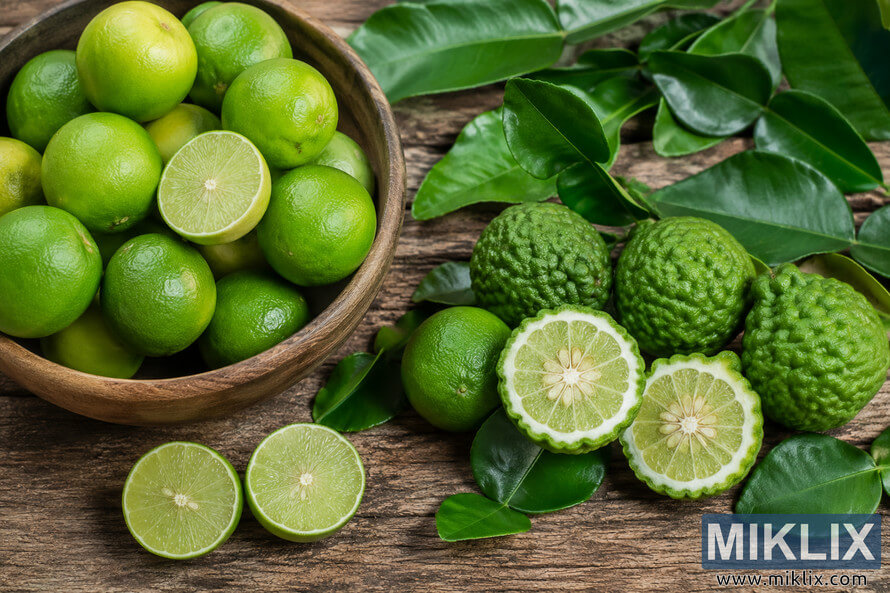
Click or tap the image for more information and higher resolutions.
Persian Limes - The Standard Choice
Persian limes dominate commercial production in the United States and worldwide. Their thick skin protects the juice-rich interior during shipping. These limes remain green even when fully ripe, unlike some citrus fruits that change color.
The seedless nature of Persian limes makes them convenient for cooking and beverages. You can squeeze them directly into drinks or food without worrying about removing seeds. Their consistent size and shape also make them easy to work with in recipes.
Persian limes provide excellent vitamin C content and a balanced sweet-tart flavor. They work equally well in savory dishes, desserts, and beverages. Their versatility makes them the go-to choice for most culinary applications.
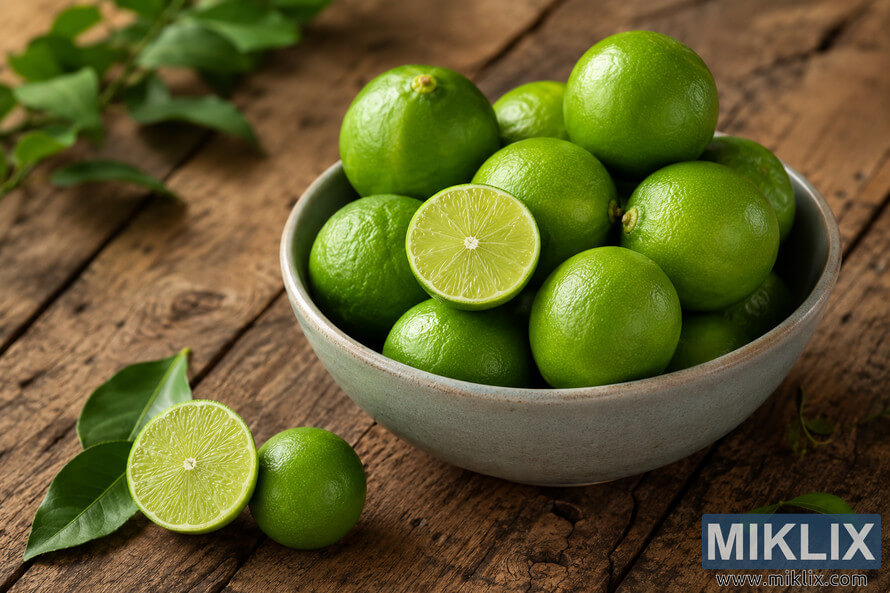
Click or tap the image for more information and higher resolutions.
Key Lime - Small but Mighty
Key lime trees produce smaller fruit with thin skin and abundant seeds. Despite their size, these limes pack intense flavor and aroma. The juice has a distinctive floral note that makes key lime pie so memorable.
These limes yellow slightly when fully ripe, though they're often picked green. The flavor becomes slightly sweeter and less acidic as they ripen. Key limes contain similar vitamin content to Persian limes despite their smaller size.
Finding fresh key limes can be challenging outside of Florida and specialty markets. Many recipes calling for key lime juice use bottled alternatives. However, fresh key limes provide superior flavor for special desserts and beverages.

Click or tap the image for more information and higher resolutions.
Makrut Lime - Aromatic Specialist
Makrut lime leaves are essential ingredients in Thai, Indonesian, and other Southeast Asian cuisines. The double leaves release incredible aroma when torn or sliced. They infuse soups, curries, and beverages with distinctive citrus fragrance.
The fruit itself has very little juice but extremely fragrant zest. Cooks use the zest to add intense lime flavor and aroma to dishes. The bumpy skin contains concentrated aromatic oils not found in smooth-skinned limes.
While less common in Western cooking, makrut lime offers unique culinary possibilities. The leaves can be frozen for long-term storage without losing much aroma. This makes them accessible for home cooks who find fresh leaves occasionally.
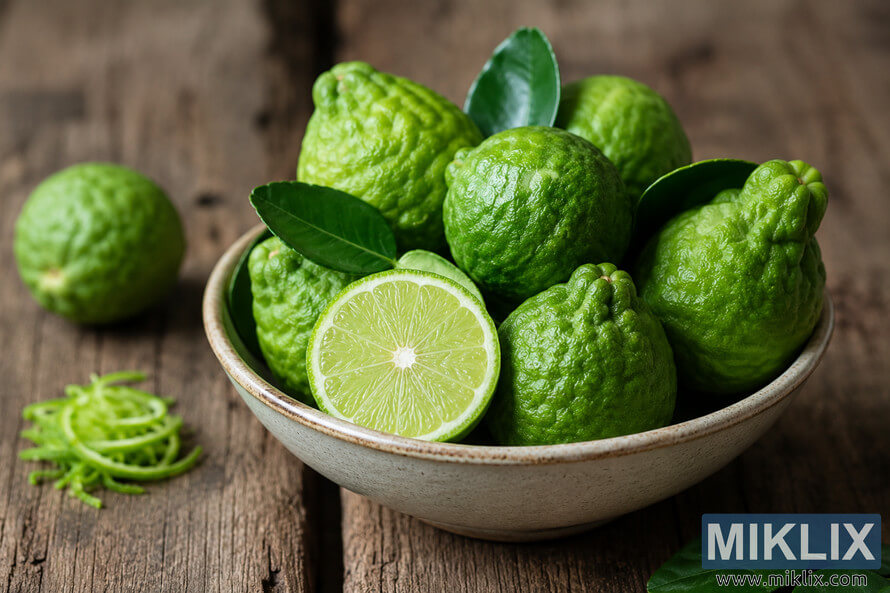
Click or tap the image for more information and higher resolutions.
| Lime Type | Size | Flavor Profile | Best Uses | Availability |
| Persian Lime | Medium-Large | Balanced tart-sweet | Beverages, cooking, desserts | Year-round, common |
| Key Lime | Small | Intense, floral | Key lime pie, cocktails | Seasonal, specialty |
| Makrut Lime | Small-Medium | Highly aromatic | Asian dishes, infusions | Asian markets |
| Finger Lime | Small, elongated | Mild, caviar-like | Garnish, gourmet dishes | Rare, expensive |
Creative Ways to Use Limes in Your Diet
Incorporating limes into your daily diet doesn't require complicated recipes. Start with simple additions that enhance both flavor and nutrition. Fresh lime juice transforms plain water into a refreshing, vitamin-rich drink that helps boost immune function throughout the day.
The tangy flavor of limes complements both sweet and savory dishes beautifully. Squeeze lime juice over grilled fish, chicken, or vegetables for instant flavor enhancement. The acid in lime juice also helps tenderize meat and brings out natural flavors in food.
Lime zest adds concentrated citrus aroma to baked goods, marinades, and sauces. The outer peel contains essential oils that provide intense flavor without extra liquid. Always zest limes before juicing to capture these aromatic ingredients for your recipes.
Beverages and Drinks
Starting your day with warm water and lime juice supports digestion and hydration. This simple drink provides vitamin C on an empty stomach for maximum absorption. Many people find this morning ritual energizing and refreshing.
Create naturally flavored water by adding lime slices to your water bottle. The subtle flavor encourages increased water consumption throughout the day. You can also combine limes with cucumber, mint, or berries for variety.
Limeade offers a healthier alternative to sugary soft drinks when made with minimal sweetener. Use fresh lime juice, water, and a touch of honey or stevia. This homemade drink provides the tangy flavor people love without excessive calories.
Morning Beverages
- Warm lime water for digestion
- Green smoothies with lime juice
- Lime-infused herbal tea
- Fresh-squeezed limeade
Afternoon Drinks
- Sparkling lime water
- Lime and cucumber cooler
- Iced lime tea
- Virgin lime mojito
Evening Options
- Lime chamomile tea
- Coconut lime water
- Lime ginger relaxation drink
- Warm lime honey beverage

Click or tap the image for more information and higher resolutions.
Savory Dishes and Recipes
Lime juice brightens the flavor of soups, stews, and curries instantly. Add a squeeze just before serving to preserve the fresh, vibrant taste. The acid balances rich, fatty dishes and enhances vegetable flavors naturally.
Marinades benefit enormously from fresh lime juice and zest. The acid helps tenderize proteins while infusing them with flavor. Combine lime juice with olive oil, garlic, and herbs for a versatile marinade suitable for chicken, fish, or tofu.
Latin American cuisine features limes extensively in dishes like ceviche, tacos, and guacamole. The citrus fruit's acidity "cooks" raw fish in ceviche while preventing avocado oxidation in guacamole. These traditional uses showcase how limes serve both culinary and functional purposes in recipes.
Savory Applications
- Fish and seafood dishes
- Chicken and meat marinades
- Salad dressings and vinaigrettes
- Salsas and hot sauces
- Rice and grain dishes
- Soup and curry finishes

Click or tap the image for more information and higher resolutions.
Desserts and Sweet Treats
Key lime pie remains the most famous lime-based dessert in American cuisine. The combination of tangy lime filling and sweet graham cracker crust creates perfect balance. Traditional recipes use key limes, but Persian limes work well too.
Lime adds bright flavor to cookies, cakes, and ice cream without overwhelming sweetness. Lime zest in sugar cookie dough creates subtle citrus notes throughout. Lime curd makes an excellent filling for tarts and layer cakes.
Frozen lime desserts offer refreshing alternatives to heavy sweets. Lime sorbet, popsicles, and granita provide cool treats with natural fruit flavor. These desserts highlight lime's refreshing qualities while delivering vitamin C and antioxidants.
Sweet Applications
- Key lime pie
- Lime bars and cookies
- Fruit salads and compotes
- Sorbets and ice creams
- Lime curd and spreads
- Cheesecakes and tarts

Click or tap the image for more information and higher resolutions.
Preservation Uses
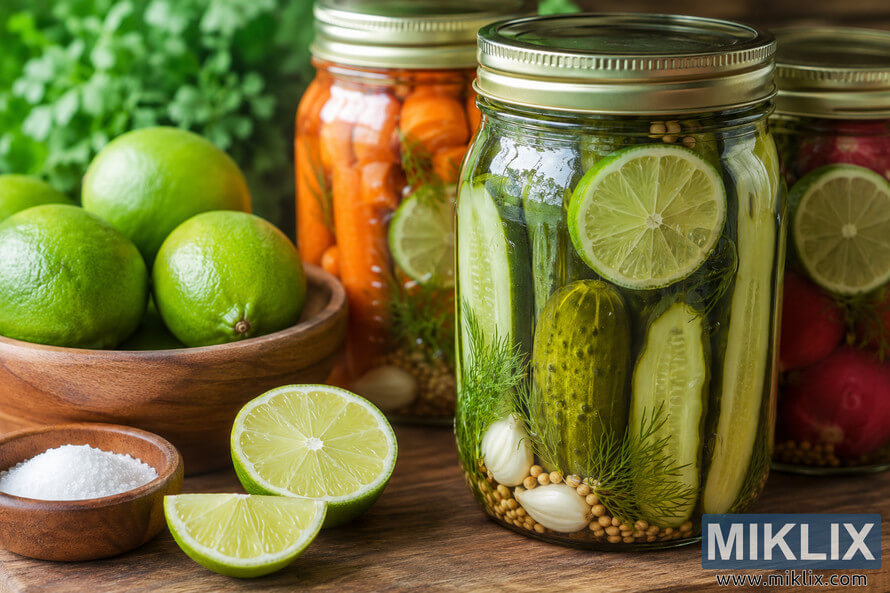
- Pickling vegetables
- Preserving fresh guacamole
- Curing and cooking fish
- Marinating and tenderizing
- Preventing fruit browning
- Extending herb freshness
Click or tap the image for more information and higher resolutions.
Selecting and Storing Limes Properly
Choosing high-quality limes ensures maximum flavor and nutritional value. Look for fruit that feels heavy for its size, indicating abundant juice content. The skin should be smooth and firm without soft spots or excessive browning.
Limes reach peak ripeness while still green, unlike many citrus fruits. A slight yellow tinge doesn't indicate spoilage but rather advanced ripeness. These slightly yellowed limes often taste sweeter and less acidic than bright green ones.
Avoid limes with dry, wrinkled skin as they've lost moisture and juice. Similarly, very soft limes may have begun fermenting internally. The best limes have smooth, glossy skin that gives slightly under gentle pressure.
Proper Storage Techniques
Store whole limes in your refrigerator's crisper drawer for optimal freshness. The cool temperature and humidity slow deterioration and preserve nutrients. Properly stored limes last three to four weeks refrigerated.
Room temperature storage works for limes you'll use within a week. Keep them in a fruit bowl away from direct sunlight. The warmth brings limes to room temperature, making them easier to juice and more aromatic.
Cut limes require immediate refrigeration wrapped tightly in plastic wrap. Exposed lime flesh oxidizes quickly, losing both flavor and vitamin content. Use cut limes within two to three days for best quality and nutrition.

Click or tap the image for more information and higher resolutions.
Maximizing Juice Production
Room temperature limes yield significantly more juice than cold ones. Remove limes from refrigeration thirty minutes before juicing. Rolling the lime firmly on your counter also breaks down internal membranes, releasing more juice.
Microwave limes for ten to fifteen seconds to warm them quickly if needed. The gentle heat makes the fruit more pliable and juice flows more freely. Be careful not to overheat, which can begin cooking the juice.
Fresh lime juice maintains peak vitamin C levels for only a few hours after extraction. The vitamin degrades rapidly when exposed to air and light. Prepare lime juice immediately before use whenever possible for maximum health benefits.
Storage Warning: Never store citrus fruits in sealed plastic bags as this traps moisture and promotes mold growth. Limes need air circulation to stay fresh. Use mesh produce bags or store loosely in the crisper drawer.
Health Considerations and Precautions
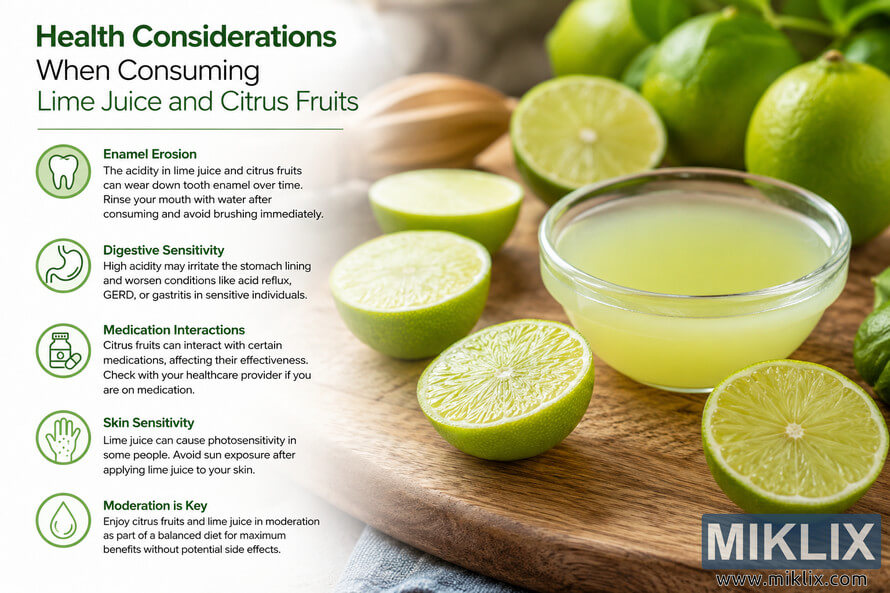
While limes offer numerous health benefits, some people should exercise caution with consumption. The high acidity can erode tooth enamel over time with excessive consumption. Drinking lime juice through a straw and rinsing your mouth afterward helps protect your teeth.
People with gastroesophageal reflux disease may find that citrus fruits trigger symptoms. The acid in lime juice can worsen heartburn and acid reflux in sensitive individuals. If you experience these issues, limit lime consumption and avoid drinking lime juice on an empty stomach.
Some medications interact with compounds found in citrus fruits. While limes contain fewer of these compounds than grapefruit, it's wise to consult your doctor. People taking certain blood pressure, cholesterol, or immune-suppressing medications should verify safety.
Click or tap the image for more information and higher resolutions.
Skin Sensitivity and Sun Exposure
Lime juice on your skin increases sun sensitivity significantly. A condition called phytophotodermatitis can occur when lime juice contacts skin before sun exposure. This reaction causes severe burns, blisters, and long-lasting dark patches.
Always wash hands thoroughly after handling limes if you'll be outdoors. The essential oils in lime peel and juice remain on skin even after casual contact. This reaction can occur from seemingly innocent activities like making drinks poolside.
Never apply pure lime juice directly to your skin as a beauty treatment. While diluted lime juice has traditional uses, the risks often outweigh potential benefits. Professional skincare products offer safer alternatives for achieving similar results.
Allergic Reactions and Sensitivities
Citrus allergies, while uncommon, do occur in some people. Symptoms range from mild oral itching to serious allergic reactions. If you experience swelling, difficulty breathing, or hives after consuming limes, seek medical attention immediately.
Some people develop sensitivity to citrus fruits over time. You might notice increased mouth irritation or digestive discomfort with citrus consumption. These symptoms may indicate developing sensitivity rather than true allergy.
Cross-reactivity can occur in people allergic to other citrus fruits. If you're allergic to oranges or grapefruits, approach limes cautiously. Start with small amounts and monitor for any adverse reactions before regular consumption.
Can lime juice damage tooth enamel?
Yes, the citric acid in lime juice can erode tooth enamel with frequent exposure. Drink lime water through a straw and rinse your mouth with plain water afterward. Wait at least thirty minutes before brushing teeth after consuming acidic foods to protect softened enamel.
Is bottled lime juice as healthy as fresh?
Fresh lime juice contains significantly more vitamin C and beneficial compounds than bottled alternatives. Pasteurization and storage degrade these nutrients over time. While bottled juice offers convenience, fresh-squeezed lime juice provides superior health benefits and flavor.
How much lime juice should I consume daily?
One to two limes per day provides excellent health benefits for most people. This amount delivers substantial vitamin C without excessive acidity. Listen to your body and adjust based on your tolerance and health conditions.
Can pregnant women safely consume limes?
Limes are generally safe during pregnancy and provide beneficial vitamin C and folate. However, excessive consumption may cause heartburn, which many pregnant women already experience. Moderate consumption as part of a balanced diet is recommended.
Growing Your Own Lime Trees
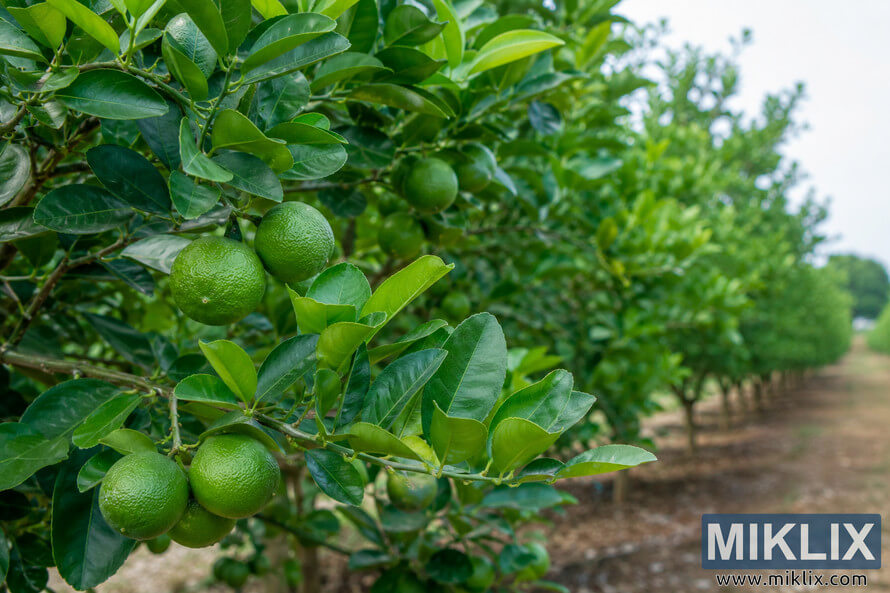
Growing lime trees at home provides fresh, organic fruit right from your garden or patio. Lime trees thrive in warm climates and can also grow successfully in containers. With proper care, even small trees produce abundant fruit for home use.
Choose a dwarf or semi-dwarf variety for container growing if you lack outdoor space. These trees reach manageable heights while still producing full-sized fruit. Popular varieties include Bearss lime, Persian lime, and improved Meyer lime for container cultivation.
Lime trees need full sun exposure for at least six to eight hours daily. They prefer well-draining soil with slightly acidic pH between six and seven. Regular watering maintains consistent moisture without waterlogging the roots.
Click or tap the image for more information and higher resolutions.
Care and Maintenance
Feed lime trees with citrus-specific fertilizer during the growing season. These fertilizers provide the nitrogen, phosphorus, and micronutrients citrus trees require. Apply fertilizer every four to six weeks from spring through early fall.
Prune lime trees minimally to maintain shape and remove dead wood. Unlike some fruit trees, citrus requires little pruning for fruit production. Remove any branches growing inward or crossing to improve air circulation.
Watch for common pests including aphids, scale insects, and citrus leaf miners. Inspect trees regularly and address problems early before they spread. Neem oil spray provides organic pest control suitable for edible citrus fruits.
Harvesting and Fruit Production
Lime trees typically begin bearing fruit within three to five years from planting. Container-grown trees may take slightly longer to reach full production. Once established, healthy trees produce fruit nearly year-round in ideal climates.
Harvest limes when they reach full size and develop characteristic green color. Unlike oranges, limes don't need to change color to indicate ripeness. Gently twist fruit from the branch or cut the stem with pruning shears.
Young trees benefit from removing some fruit during early years. This allows the tree to develop strong root systems and branch structures. Once established, trees can support heavy fruit loads without assistance.

Click or tap the image for more information and higher resolutions.
Indoor Growing Tips
- Choose large containers with drainage holes, minimum 15 gallons for mature trees
- Use high-quality citrus potting mix formulated for container growing
- Place near south-facing windows for maximum light exposure
- Supplement with grow lights during winter months in northern climates
- Maintain indoor temperatures between 55-85°F for optimal growth
- Increase humidity around trees using pebble trays or humidifiers
Outdoor Growing Tips
- Plant in locations protected from strong winds and frost
- Space trees 8-12 feet apart for air circulation and growth
- Mulch around base to retain moisture and regulate soil temperature
- Protect young trees from frost with covers or move containers indoors
- Water deeply but infrequently to encourage deep root development
- Monitor soil drainage to prevent root rot in heavy clay soils
Limes vs Lemons: Understanding the Differences
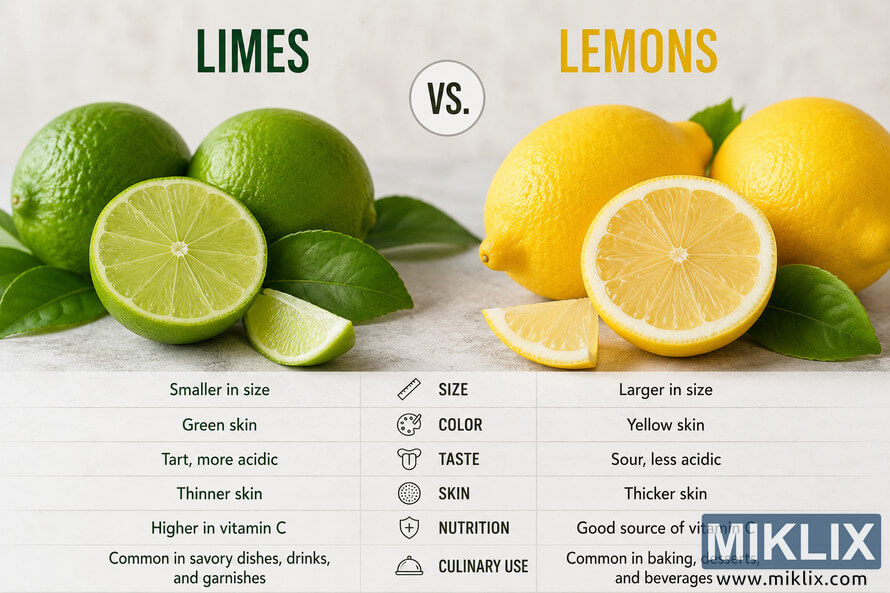
Both limes and lemons belong to the citrus family and offer similar health benefits. However, these fruits differ in flavor profile, nutritional content, and culinary applications. Understanding these differences helps you choose the right fruit for specific recipes and health goals.
Limes generally contain slightly less vitamin C than lemons but provide comparable amounts. A typical lime offers about 30 milligrams of vitamin C while a lemon provides 40-50 milligrams. Both fruits deliver substantial portions of your daily vitamin requirements.
The flavor profiles differ significantly between these citrus fruits. Limes taste more tart and bitter with subtle floral notes. Lemons offer a brighter, more straightforward sour flavor. These taste differences make each fruit better suited for particular dishes and beverages.
Click or tap the image for more information and higher resolutions.
Nutritional Comparison
Limes and lemons share similar nutritional profiles with minor variations. Both provide vitamin C, fiber, and beneficial plant compounds. The specific amounts vary based on fruit size and variety.
Limes contain unique flavonoids not found in lemons in the same concentrations. These compounds contribute to limes' specific health benefits. Conversely, lemons contain higher levels of certain other beneficial compounds.
The calorie content remains nearly identical between these fruits. Both offer flavor enhancement with minimal caloric impact. This makes either fruit excellent for people managing their weight while seeking flavorful, healthy additions to food and beverages.
| Characteristic | Limes | Lemons |
| Vitamin C (per fruit) | 20-30mg | 40-50mg |
| Flavor Profile | Tart, bitter, floral | Bright, sour, clean |
| Color When Ripe | Green to yellow-green | Bright yellow |
| Best Uses | Mexican, Thai, cocktails | Mediterranean, baking, tea |
| Juice Acidity | pH 2.0-2.4 | pH 2.0-2.6 |
| Storage Life | 2-3 weeks refrigerated | 3-4 weeks refrigerated |
Making Limes Part of Your Healthy Lifestyle
Incorporating limes into your daily routine offers an easy way to boost nutrition and enhance flavor. These versatile citrus fruits provide vitamin C, antioxidants, and beneficial plant compounds. From supporting immune function to promoting healthy skin, limes contribute to overall wellness.
Start small by adding lime juice to your morning water or squeezing fresh lime over lunch. These simple habits deliver health benefits without requiring major dietary changes. As you become comfortable with lime flavor, experiment with more creative culinary applications.
The health benefits of limes extend beyond their impressive vitamin content. These fruits support digestive health, cardiovascular function, and natural detoxification processes. Regular consumption as part of a balanced diet helps your body perform optimally.
Remember that whole food sources like fresh limes provide benefits that supplements cannot replicate. The combination of fiber, vitamins, minerals, and phytonutrients work synergistically in whole fruits. Choose fresh limes over bottled juice whenever possible for maximum nutritional value.
Whether you're mixing lime juice into beverages, adding zest to recipes, or simply enjoying the tangy flavor, you're making a positive choice for your health. These small green citrus fruits pack powerful nutrition into every drop of juice and piece of zest.
Key Takeaways
- Limes high vitamin C content supports immune function and collagen production for healthy skin
- Regular lime consumption may help boost immune system response to illness
- The antioxidants in limes protect cells from damage and reduce inflammation
- Fresh lime juice enhances digestion and supports healthy metabolism
- Different lime varieties offer unique flavors from key lime pie to Asian cuisine
- Store limes properly to preserve nutrients and maximize juice production
- Use caution with skin application and be aware of medication interactions
- Both limes and lemons provide excellent health benefits with subtle differences

Click or tap the image for more information and higher resolutions.
Further Reading
If you enjoyed this post, you may also like these suggestions:
- Grain Gains: How Oats Boost Your Body and Mind
- Serotonin's Secret: The Powerful Benefits of 5-HTP Supplementation
- From Salad Dressing to Daily Dose: Surprising Benefits of Apple Cider Vinegar Supplements