
The Complete Guide to Fennel's Health Benefits
Published: May 20, 2026 at 8:09:01 PM UTC
Fennel has been treasured for thousands of years across Mediterranean and Asian cultures. This aromatic plant offers more than just distinctive flavor. The crisp bulb, delicate fronds, and potent seeds pack remarkable nutritional value.
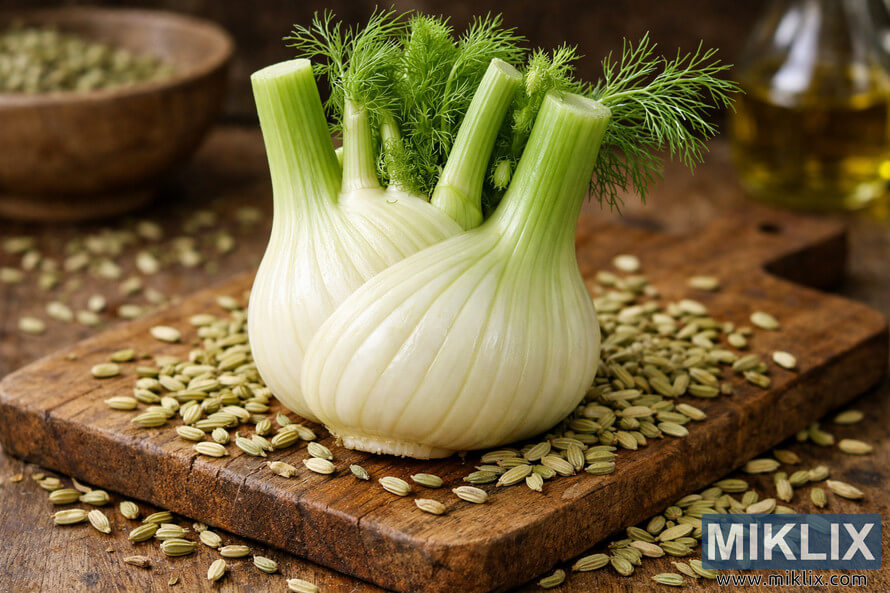
Click or tap the image for more information and higher resolutions.
Modern research confirms what traditional healers knew long ago. Fennel provides genuine health advantages backed by science. From supporting digestive wellness to fighting inflammation, this versatile plant deserves a place in your kitchen.
This guide explores fennel's nutritional profile and evidence-based health benefits. You'll discover practical ways to incorporate fennel into your daily routine. Whether you're managing digestive concerns or seeking preventive wellness strategies, fennel offers natural support worth understanding.
Nutritional Profile of Fennel
The fennel plant provides exceptional nutritional density with minimal calories. One cup of sliced fresh fennel bulb contains only 27 calories yet delivers substantial vitamins and minerals. This makes fennel an excellent choice for nutrient-rich eating patterns.
Fennel bulb stands out for its vitamin C content. A single serving provides about 17% of daily vitamin C needs. This powerful antioxidant supports immune function and skin health. The bulb also contains meaningful amounts of vitamin K, essential for blood clotting and bone health.
The mineral profile of fennel bulb impresses nutritionists. Potassium helps regulate blood pressure and supports heart function. Calcium and magnesium contribute to bone strength. These minerals work together to support multiple body systems simultaneously.
Key Vitamins in Fennel
- Vitamin C: 17% daily value per cup
- Vitamin K: Important for blood clotting
- Folate: Supports cell growth
- Vitamin A: Found in fronds and leaves
Essential Minerals Present
- Potassium: Heart and blood pressure support
- Calcium: Bone health maintenance
- Magnesium: Muscle and nerve function
- Manganese: Antioxidant processes
Fennel seeds offer concentrated nutrition in tiny packages. These seeds contain higher levels of certain nutrients compared to the bulb. The seeds provide notable amounts of fiber, supporting digestive regularity. They also contain plant compounds with medicinal properties.
The fiber content in both bulb and seeds deserves attention. One cup of sliced fennel bulb provides about 3 grams of dietary fiber. This soluble and insoluble fiber combination supports gut health. Fiber helps maintain healthy cholesterol levels and promotes feelings of fullness.
Beyond standard vitamins and minerals, fennel contains beneficial plant compounds. Anethole gives fennel its characteristic licorice-like flavor. This compound demonstrates anti-inflammatory and antimicrobial properties in research studies. Other flavonoids and phenolic compounds add to fennel's health-promoting profile.
The essential oil content in fennel seeds makes them particularly valuable. These volatile oils contain therapeutic compounds used in traditional medicine. Modern research explores how these oils might support various aspects of health. The combination of nutrients and bioactive compounds makes fennel unique among vegetables.
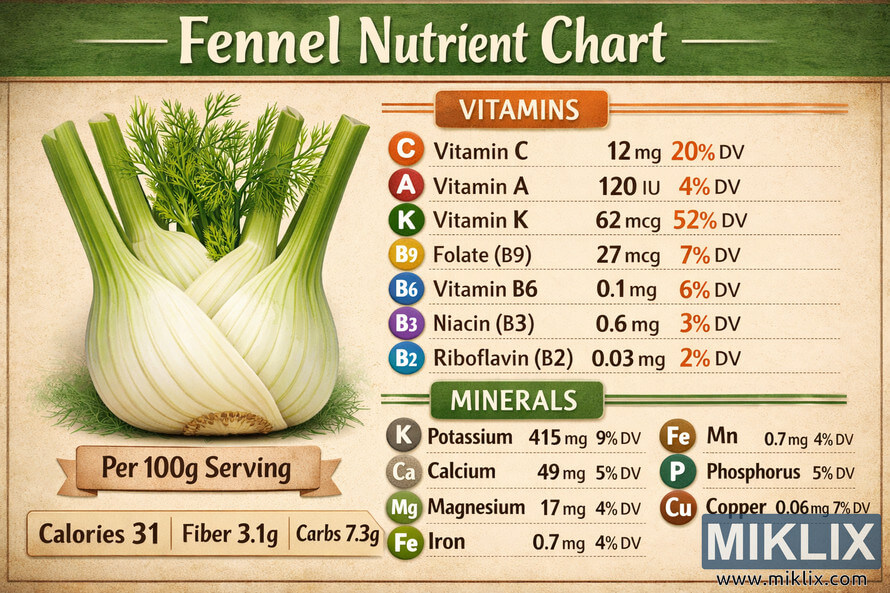
Click or tap the image for more information and higher resolutions.
Key Health Benefits of Fennel
Digestive Health Support
Fennel has earned its reputation as a digestive aid through centuries of use. The plant contains compounds that relax smooth muscles in the digestive tract. This antispasmodic effect helps reduce cramping and discomfort. Many people find fennel seeds particularly helpful after heavy meals.
Research supports fennel's carminative properties. These properties help reduce gas formation and bloating. Fennel tea made from crushed seeds can provide quick relief. The essential oils in fennel stimulate digestive enzyme production, improving nutrient breakdown and absorption.
The fiber content in fennel bulb promotes healthy bowel movements. Regular consumption supports digestive regularity without harsh effects. This gentle action makes fennel suitable for daily use. The combination of fiber and beneficial oils creates comprehensive digestive support.

Click or tap the image for more information and higher resolutions.
Anti-Inflammatory Properties
Chronic inflammation underlies many modern health challenges. Fennel contains multiple compounds that combat inflammatory processes. Anethole, the primary component of fennel oil, shows significant anti-inflammatory activity. Studies demonstrate its ability to reduce inflammatory markers in the body.
The antioxidants in fennel work alongside anti-inflammatory compounds. Vitamin C and flavonoids neutralize free radicals that trigger inflammation. This dual action provides comprehensive cellular protection. Regular fennel consumption may help manage inflammation-related conditions.
Research on fennel pollen reveals particularly potent anti-inflammatory effects. This golden dust from fennel flowers contains concentrated bioactive compounds. Though expensive, fennel pollen offers intense flavor and therapeutic potential. Even small amounts may provide meaningful benefits when used as a garnish or seasoning.
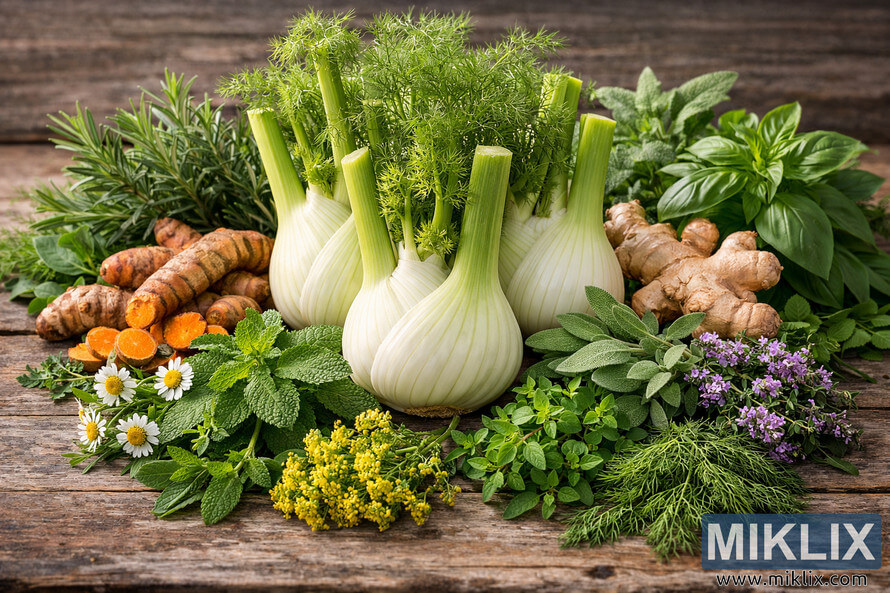
Click or tap the image for more information and higher resolutions.
Heart Health Enhancement
Fennel supports cardiovascular health through multiple mechanisms. The fiber content helps reduce cholesterol absorption in the digestive tract. Studies show that regular fiber intake contributes to healthier cholesterol levels. This effect reduces cardiovascular risk over time.
Potassium in fennel plays a crucial role in blood pressure regulation. This mineral helps counterbalance sodium's effects on blood vessels. Adequate potassium intake supports healthy blood pressure ranges. The combination of fiber and potassium makes fennel heart-smart.
The anti-inflammatory compounds in fennel also protect blood vessels. Inflammation damages arterial walls and contributes to plaque formation. By reducing inflammation, fennel may help maintain arterial health. The antioxidants provide additional protection against oxidative stress on the cardiovascular system.
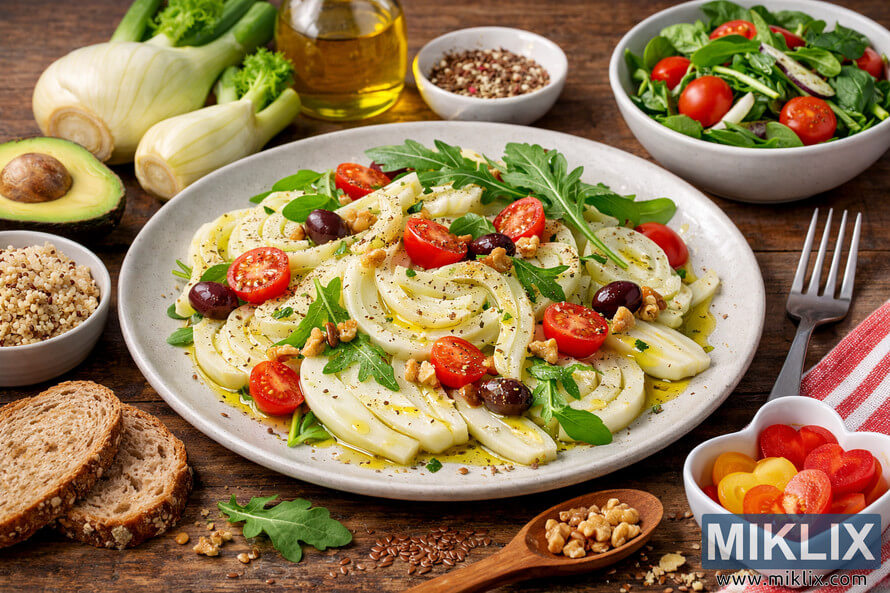
Click or tap the image for more information and higher resolutions.
Additional Wellness Benefits
Immune System Support
Vitamin C and selenium in fennel strengthen immune defenses. These nutrients help white blood cells function optimally. The antimicrobial properties of fennel oil may provide additional protection.
Bone Health Maintenance
Calcium, magnesium, and vitamin K work together for bone strength. Fennel provides meaningful amounts of these bone-building nutrients. Regular consumption may support skeletal health throughout life.
Skin Health Benefits
Antioxidants in fennel protect skin cells from damage. Vitamin C supports collagen production for skin elasticity. Some traditional practices use fennel water for complexion care.
Women have traditionally used fennel for menstrual discomfort management. Research suggests fennel may help reduce cramping intensity. The antispasmodic properties relax uterine muscles. Some studies show fennel extract comparable to conventional treatments for menstrual pain.
Fennel demonstrates potential blood sugar regulation benefits. Preliminary research indicates fennel seeds may improve insulin sensitivity. The fiber content also helps moderate blood sugar spikes after meals. Those managing diabetes should discuss fennel use with healthcare providers.
Ways to Incorporate Fennel into Your Diet
Fresh fennel bulb offers the most versatile way to enjoy this plant. The crisp texture works beautifully in raw preparations. Thinly slice the bulb for refreshing salads that showcase fennel's natural crunch. The subtle anise flavor pairs wonderfully with citrus fruits and leafy greens.
Roasting transforms fennel into a sweet, caramelized delight. Cut the bulb into wedges and toss with olive oil. Spread on a baking sheet and roast until golden. This cooking method brings out fennel's natural sugars. Roasted fennel makes an excellent side dish for fish or chicken.
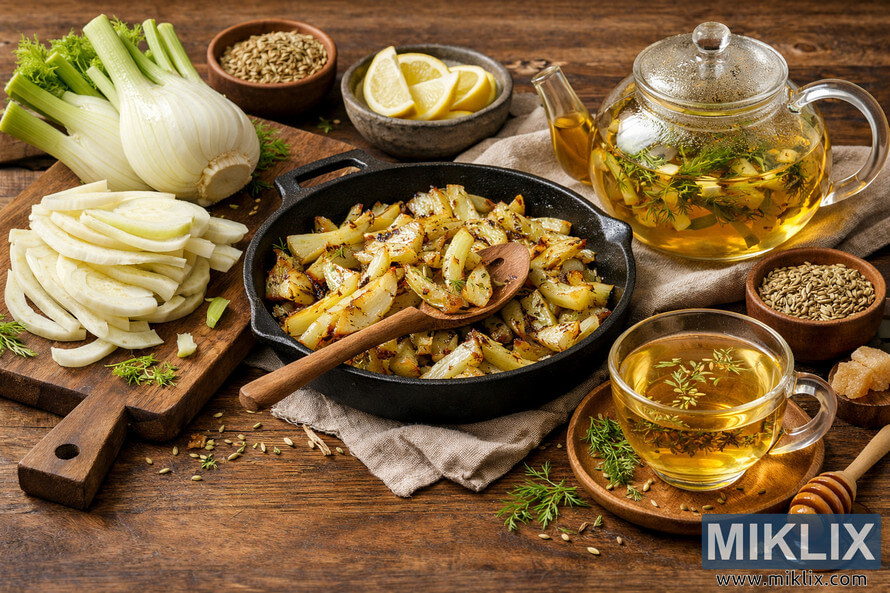
Click or tap the image for more information and higher resolutions.
Raw Fennel Applications
Fresh fennel bulb adds crunch and flavor to various dishes without cooking.
- Shave thinly for elegant salads
- Julienne for slaws and garnish
- Dice for fresh salsas
- Add to vegetable crudité platters
Cooked Fennel Methods
Heat brings out fennel's sweetness and creates tender, flavorful preparations.
- Roast wedges with olive oil
- Braise in vegetable stock
- Grill slices for smoky flavor
- Sauté with garlic and herbs
Fennel Seeds Usage
These potent seeds deliver concentrated flavor and health benefits in small amounts.
- Steep for therapeutic tea
- Toast for enhanced aroma
- Grind into spice blends
- Add to baking recipes
Fennel Fronds Ideas
The feathery leaves provide delicate flavor perfect for finishing touches.
- Chop for fresh herb garnish
- Mix into compound butter
- Add to pesto recipes
- Infuse into vinegars
Fennel seeds create a soothing tea with digestive benefits. Crush one teaspoon of seeds slightly to release oils. Steep in hot water for ten minutes. This simple preparation provides quick relief after meals. Many people enjoy fennel tea as a caffeine-free beverage throughout the day.
Fennel stalks often get discarded but offer value. Chop them into soups and stocks for base flavor. The stalks add subtle sweetness to broths. You can also pickle fennel stalks as a tangy condiment. This reduces waste while maximizing the plant's benefits.
Fennel pollen serves as a gourmet finishing spice. This rare ingredient costs more than most spices. A little goes a long way due to its intense flavor. Sprinkle fennel pollen over finished dishes right before serving. It works particularly well with roasted vegetables and grilled proteins.
Spring and early year mark peak season for fresh fennel. Look for firm, white bulbs without browning or soft spots. The fronds should appear bright green and feathery. Store whole fennel in the refrigerator for up to one week. Separate stalks and fronds before storage to maintain freshness.
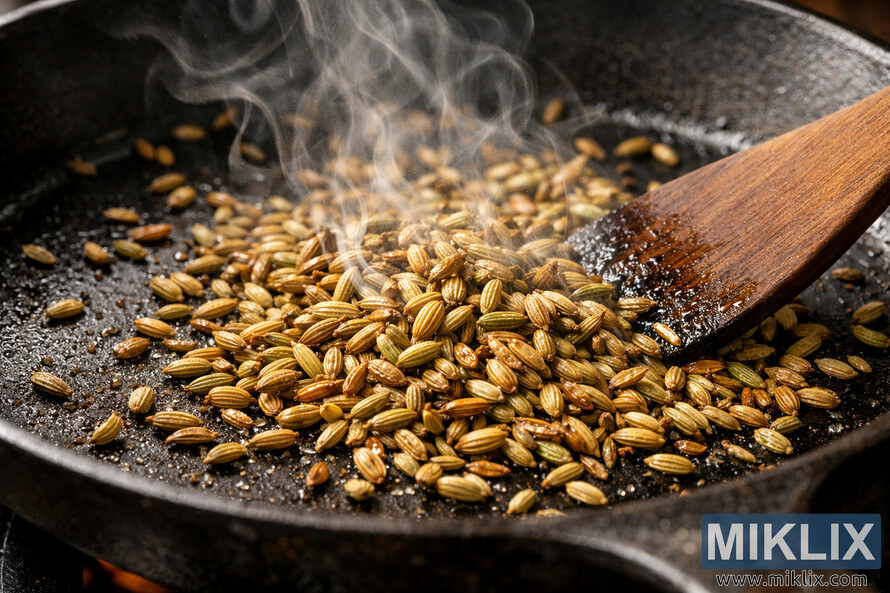
Click or tap the image for more information and higher resolutions.
Quick Fennel Preparation Tips
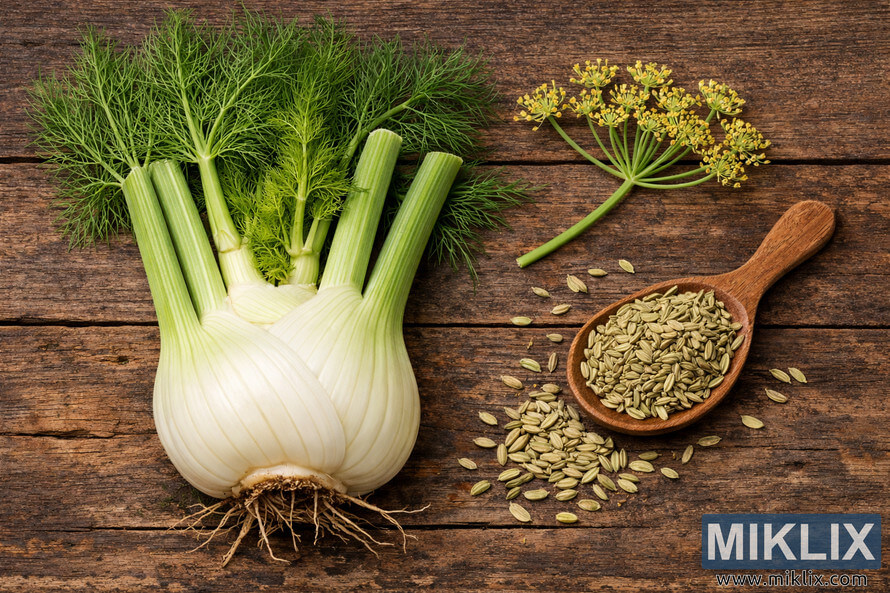
Remove tough outer layers from the bulb before use. Cut away the stalks where they meet the bulb. Save fronds for garnish. Slice the bulb in half lengthwise, then cut out the hard root base. Now you're ready to slice, dice, or julienne as your recipe requires. This simple process takes just minutes and opens up countless culinary possibilities.
Fennel pairs exceptionally well with certain ingredients. Citrus fruits complement fennel's anise notes beautifully. Try combining fennel with orange segments in salads. Olive oil enhances fennel's natural flavors in both raw and cooked preparations. Garlic, tomatoes, and white fish also create classic flavor partnerships with fennel.
Precautions and Considerations
Most people tolerate fennel well as a food and spice. However, some individuals experience allergic reactions. Those allergic to carrots, celery, or other plants in the family may react to fennel. Symptoms can include itching, swelling, or digestive upset. Stop consuming fennel if you notice adverse reactions.
Fennel contains compounds that mimic estrogen in the body. This estrogenic activity raises concerns for certain populations. Pregnant women should limit fennel consumption to normal food amounts. Those with hormone-sensitive conditions should consult healthcare providers before using concentrated fennel supplements.
Important Safety Information
Fennel supplements and essential oils contain concentrated compounds. These concentrated forms carry different risks than food amounts. Never consume pure fennel essential oil internally without professional guidance. Always choose food-grade products and follow recommended dosages. Therapeutic use requires professional supervision.
Fennel may interact with certain medications. The plant can affect how the body processes some drugs. Blood thinners, birth control pills, and estrogen medications may interact with fennel. Discuss fennel consumption with your doctor if you take regular medications. This precaution prevents unexpected interactions.
Children can safely enjoy fennel in age-appropriate food amounts. Some cultures give fennel tea to infants for colic relief. However, concentrated fennel products are not recommended for young children. Stick to culinary uses for pediatric populations. Always consult a pediatrician before using herbs medicinally in children.
Start with small amounts when first introducing fennel to your diet. This approach lets you monitor your body's response. Some people experience mild digestive changes initially. These typically resolve as your system adjusts. Gradually increase fennel consumption as tolerated.
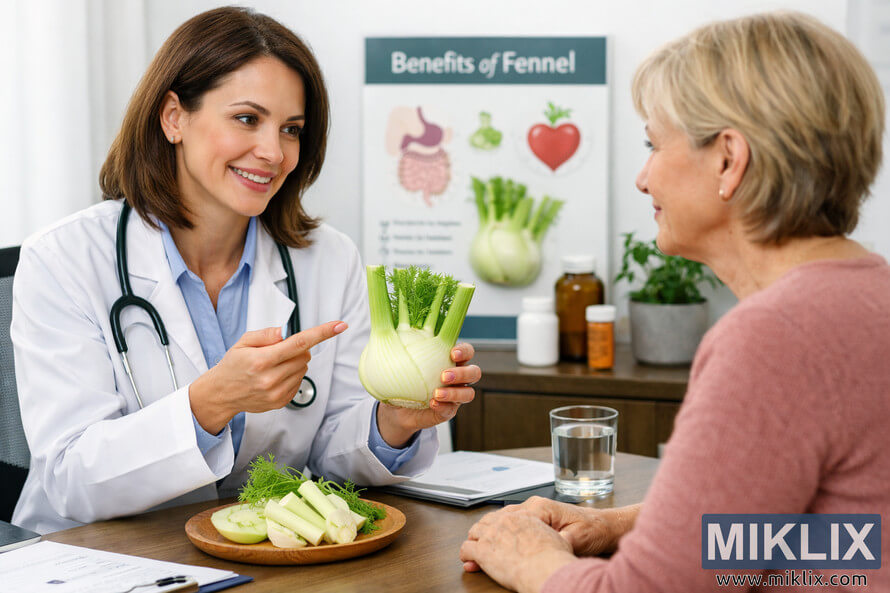
Click or tap the image for more information and higher resolutions.
Recommended Serving Sizes
For general wellness, enjoy one-half to one cup of fresh fennel bulb several times per week. Fennel seed tea can be consumed one to three cups daily. These amounts provide health benefits while remaining safe for most adults. Adjust based on your individual tolerance and preferences.
Quality matters when purchasing fennel products. Choose organic fennel when possible to minimize pesticide exposure. For fennel seeds, look for whole seeds rather than pre-ground powder. Whole seeds maintain potency longer. Store seeds in airtight containers away from heat and light. Fresh is always best for fennel bulb and fronds.
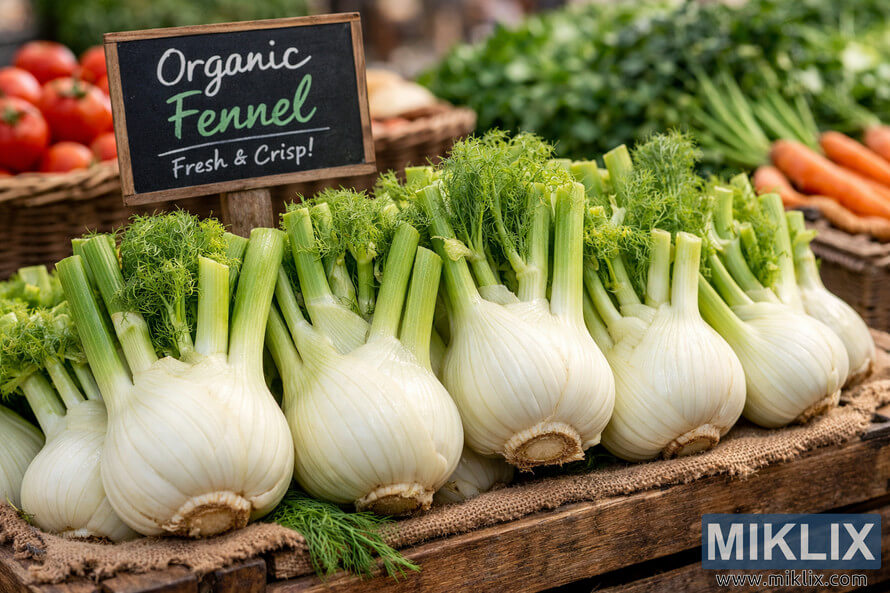
Click or tap the image for more information and higher resolutions.
Quality Fennel Products Worth Considering
While fresh fennel from your garden or local market offers the most benefits, quality fennel products provide convenient ways to enjoy this plant year-round. These carefully selected options deliver genuine health benefits when fresh fennel isn't available.
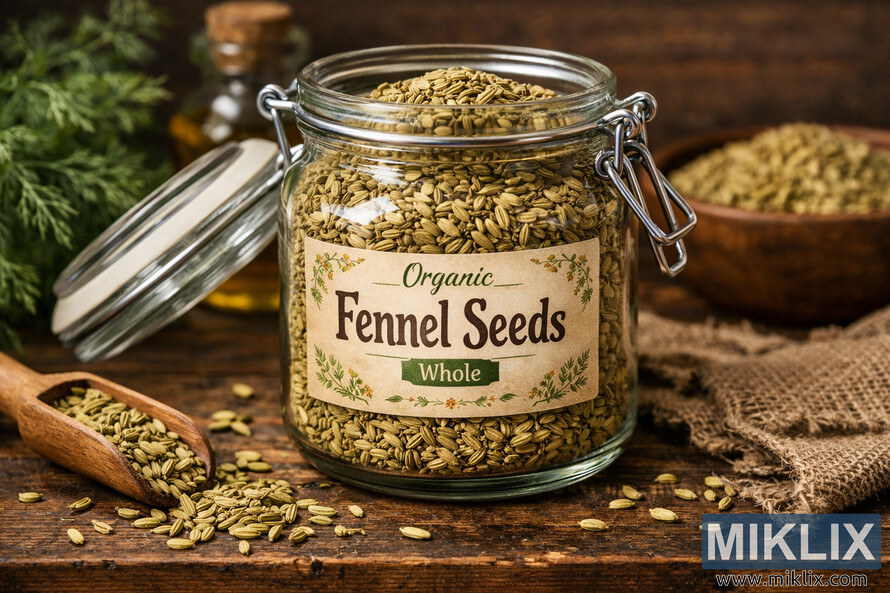
Organic Whole Fennel Seeds
Premium quality seeds perfect for tea preparation and cooking. These whole seeds retain essential oils better than pre-ground versions. Ideal for digestive support and culinary applications.
- USDA organic certification
- Non-GMO verified seeds
- Resealable freshness pouch
- Perfect for tea brewing
Click or tap the image for more information and higher resolutions.
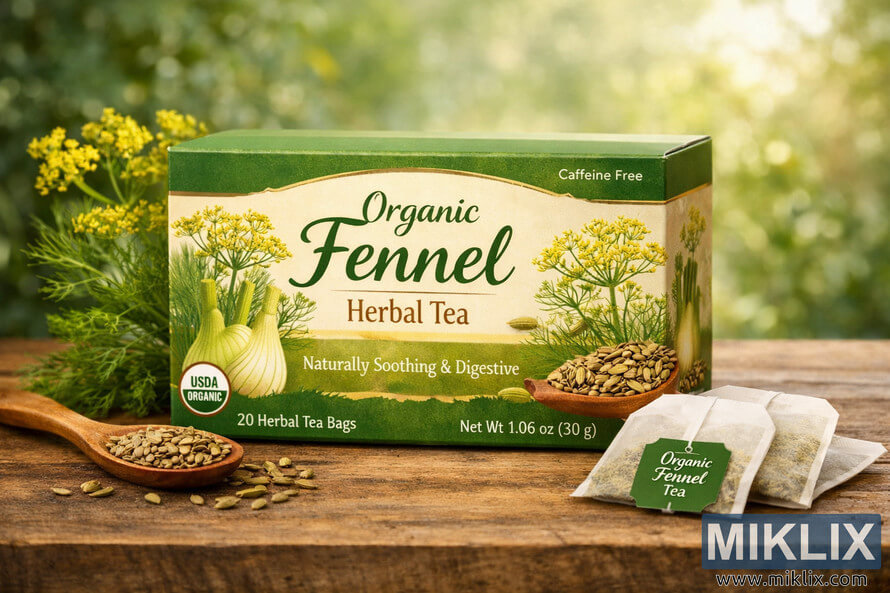
Organic Fennel Herbal Tea
Convenient tea bags featuring pure fennel seeds. This caffeine-free option provides digestive support and soothing flavor. Each bag contains optimal amounts for effective brewing.
- Individually wrapped tea bags
- Pure fennel with no additives
- Compostable bag materials
- Supports digestive wellness
Click or tap the image for more information and higher resolutions.
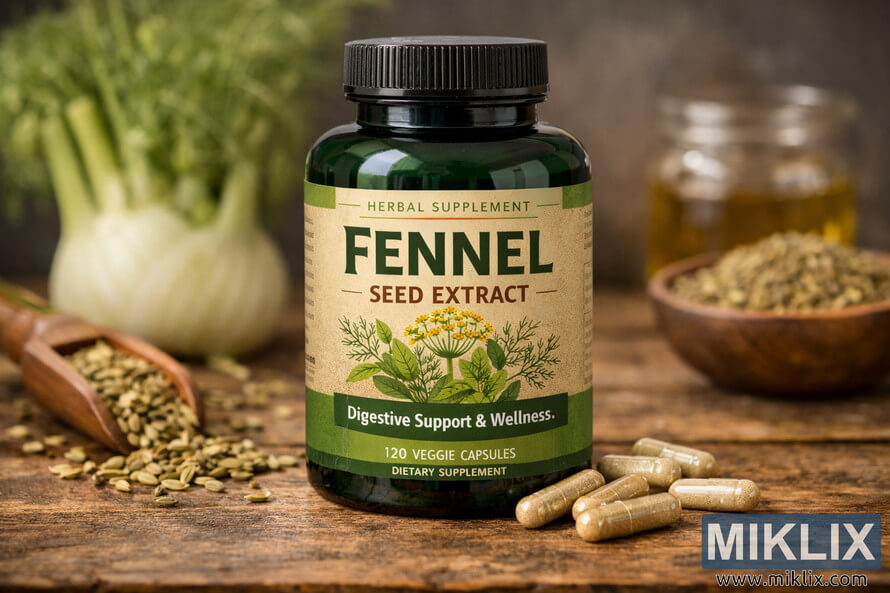
Fennel Seed Extract Capsules
Concentrated fennel extract providing standardized amounts of beneficial compounds. These capsules offer consistent dosing for those seeking therapeutic benefits. Some brands are third-party tested for purity; make sure to check this before buying.
- Standardized extract potency
- Vegetarian capsule shells
- Third-party lab tested
- No artificial ingredients
Click or tap the image for more information and higher resolutions.
Embracing Fennel for Better Health
Fennel stands out among vegetables for its remarkable combination of nutrition and therapeutic properties. This ancient plant offers modern solutions for common health concerns. The evidence supporting fennel's benefits continues growing as research expands.
From digestive support to cardiovascular health, fennel addresses multiple wellness areas simultaneously. The plant's anti-inflammatory compounds provide protection against chronic disease processes. These benefits come packaged in a delicious, versatile ingredient that enhances countless dishes.
Incorporating fennel into your regular diet requires minimal effort. Start by adding sliced bulb to your favorite salad recipe. Brew fennel seed tea after heavy meals. Experiment with roasted fennel as a side dish. These simple steps introduce fennel's health benefits naturally.
Remember that whole foods provide benefits beyond isolated compounds. While fennel supplements offer convenience, fresh fennel delivers a complete nutritional package. The fiber, vitamins, minerals, and phytonutrients work together synergistically. This combination produces effects greater than any single component.
Quality and freshness matter when selecting fennel. Choose firm bulbs with bright green fronds from trusted sources. Store properly to maintain nutritional value. Use fennel within one week of purchase for peak benefits. These practices maximize the health advantages you receive.
As with any dietary change, consistency matters more than quantity. Regular, moderate fennel consumption provides better results than occasional large amounts. Make fennel a routine part of your vegetable rotation. This approach builds sustainable habits that support long-term wellness.
Fennel represents a perfect example of food as medicine. This principle has guided human health for millennia. Modern science validates traditional wisdom about fennel's therapeutic potential. By choosing fennel, you connect with ancestral knowledge while embracing evidence-based nutrition.
Your journey toward better health can start with something as simple as a fennel bulb. This humble plant offers powerful benefits waiting to be discovered. Whether you seek digestive relief, heart health support, or general wellness enhancement, fennel deserves consideration. Experience the difference this remarkable plant can make in your life.
Click or tap the image for more information and higher resolutions.
Further Reading
If you enjoyed this post, you may also like these suggestions:
- From Fungus to Fuel: How Cordyceps Can Boost Your Body and Mind
- A Guide to the Health Benefits of Wheatgrass
- Burdock Root Benefits: Nutrition, Uses, and Potential Health Effects