
Thyme: The Fragrant Herb That Supports Better Health
Published: September 13, 2026 at 5:31:49 PM UTC
For thousands of years, this aromatic herb has graced both kitchen tables and medicine cabinets across cultures worldwide. Thyme offers far more than culinary flavor enhancement. Modern scientific research continues to validate what ancient healers knew instinctively about this remarkable plant.
Click or tap the image for more information and higher resolutions.
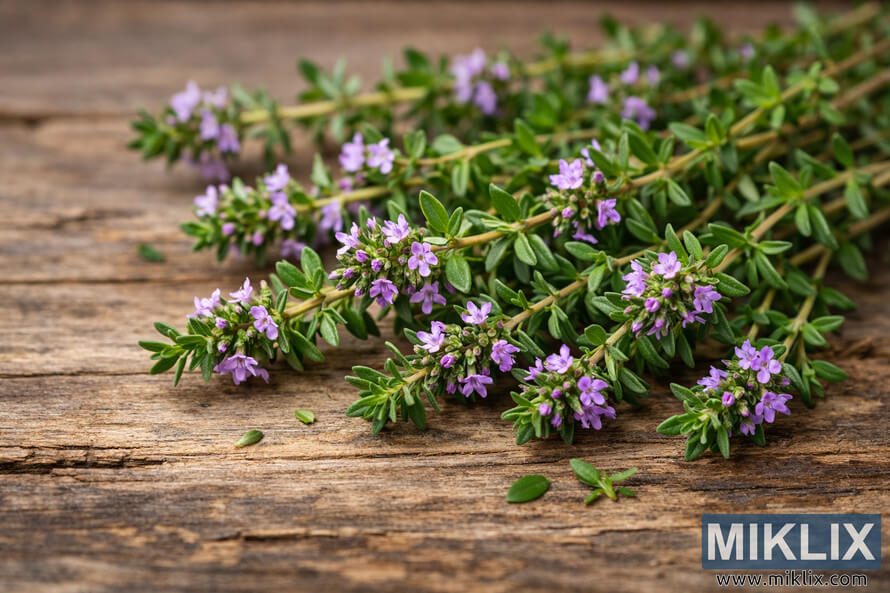
The small leaves of thymus vulgaris pack an impressive concentration of beneficial compounds. These natural substances demonstrate powerful effects on human health. From supporting respiratory function to fighting harmful bacteria, thyme used in various forms delivers measurable wellness benefits.
Understanding how to harness these properties can transform your approach to natural health support. This comprehensive guide explores the science-backed benefits of consuming thyme and provides practical integration strategies for your daily routine.
What Is Thyme: Understanding This Powerful Herb
Thyme belongs to the mint family and grows as a low-spreading perennial plant. The herb reaches approximately six to twelve inches height under optimal conditions. Gardeners appreciate its hardy nature and ability to thrive in various soil types.
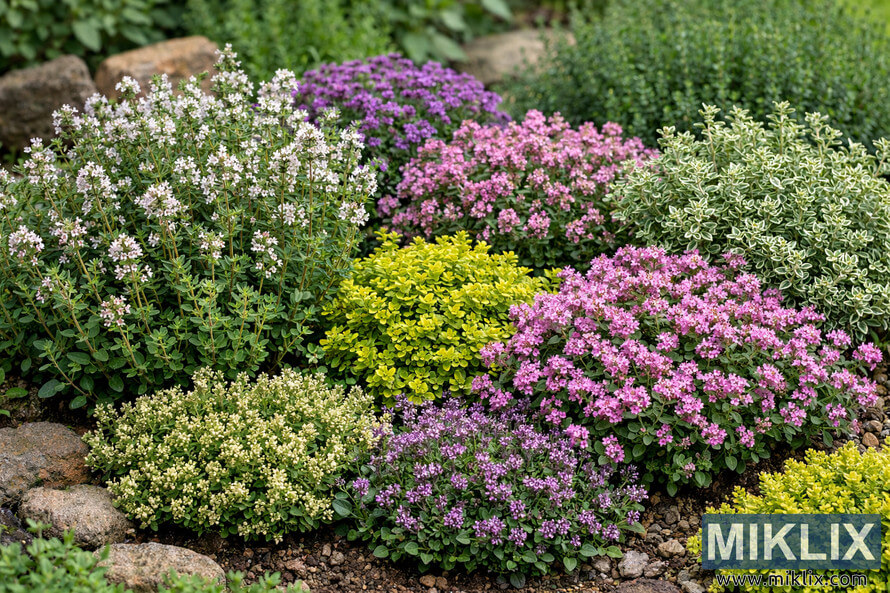
Multiple varieties of thyme exist throughout the world. Common thyme or thymus vulgaris represents the most widely cultivated type. Other popular varieties include lemon thyme, creeping thyme, and caraway thyme. Each variety offers unique scent profiles and slightly different properties.
The plant produces tiny leaves along woody stems. Small purple or pink flowers bloom during the growing season. These flowers attract bees and other beneficial pollinators to the garden. Both fresh thyme leaves and dried forms retain potent aromatic oils.
Click or tap the image for more information and higher resolutions.
The Active Compounds in Thyme
The medicinal power of thyme comes from its essential oil composition. Thymol and carvacrol represent the two primary active compounds. These substances demonstrate strong antimicrobial and antioxidant properties in scientific studies.
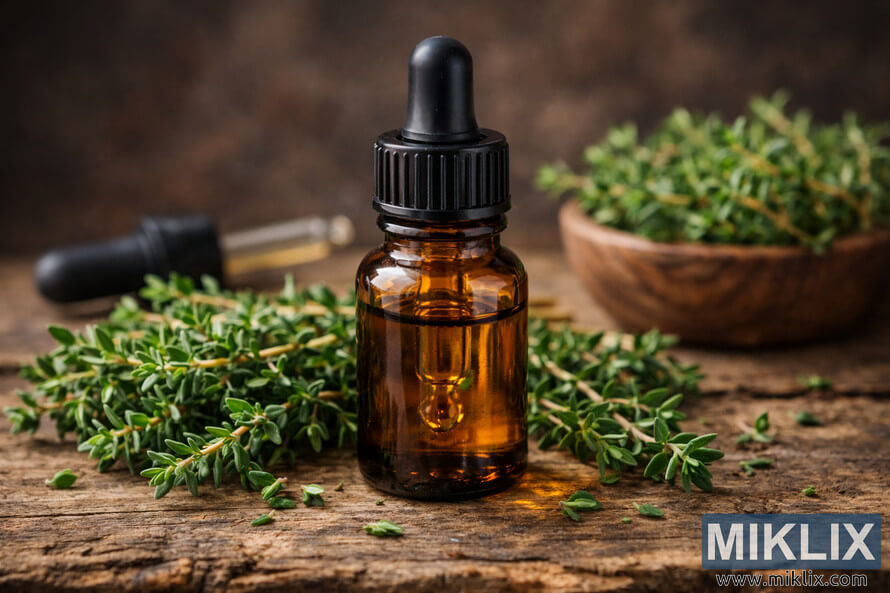
Essential oils extracted from the plant contain concentrated amounts of these beneficial compounds. The oil typically contains twenty to fifty percent thymol. Additional components include flavonoids, tannins, and rosmarinic acid. Each compound contributes to the overall therapeutic effects.
Click or tap the image for more information and higher resolutions.
Nutritional Profile of Thyme
Fresh thyme delivers impressive nutritional density despite its small serving sizes. Just one tablespoon of fresh leaves provides meaningful amounts of several essential nutrients. The herb contains virtually no calories while offering substantial micronutrients.
| Nutrient | Amount per Tablespoon | Daily Value Percentage | Primary Benefit |
| Vitamin C | 1.4 mg | 2% | Immune support |
| Vitamin A | 68 IU | 1% | Vision health |
| Iron | 0.5 mg | 3% | Oxygen transport |
| Manganese | 0.04 mg | 2% | Antioxidant function |
| Calcium | 3.3 mg | 0.3% | Bone health |
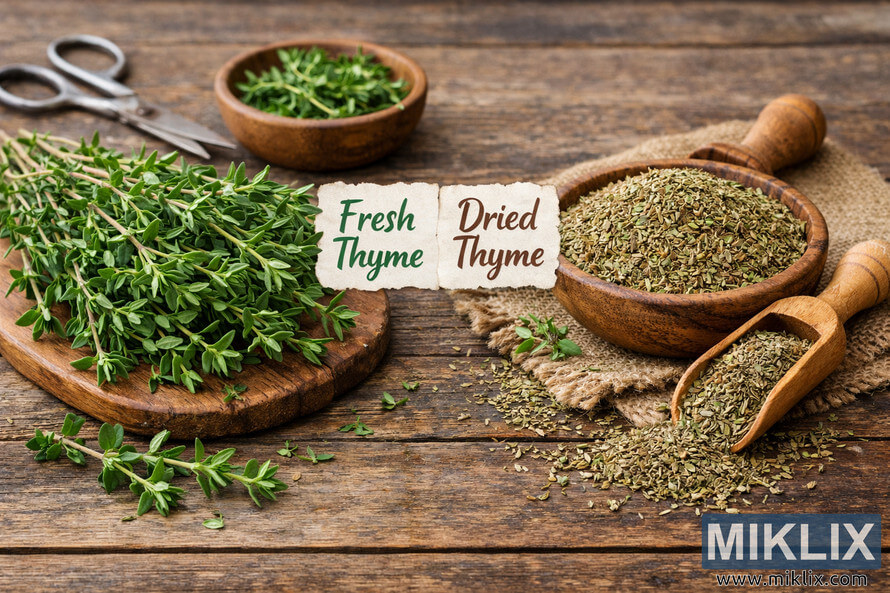
Dried thyme concentrates these nutrients even further. A teaspoon of ground thyme provides higher amounts of minerals and vitamins. The drying process removes water content while preserving beneficial compounds. Many people find dried herbs more convenient for regular use.
Click or tap the image for more information and higher resolutions.
Immune System Support and Antioxidant Properties
The immune-supporting properties of thyme stem from multiple mechanisms. Antioxidant compounds neutralize harmful free radicals in the body. This protection helps cells maintain optimal function. Regular consumption may strengthen overall immune response.
How Thyme Supports Immune Function
Antioxidant Defense
Thyme ranks among the highest herbs in antioxidant capacity. These compounds protect cells from oxidative stress and damage.
- Thymol scavenges free radicals effectively
- Rosmarinic acid provides additional protection
- Flavonoids strengthen cellular defenses
- Combined effects support overall health
Antimicrobial Action
Studies demonstrate thyme's ability to combat various pathogens. Both bacteria and fungi show sensitivity to thyme compounds.
- Essential oils disrupt microbial cell walls
- Antibacterial effects proven in research
- Natural alternative to synthetic compounds
- Broad-spectrum activity documented
Anti-Inflammatory Effects
Chronic inflammation contributes to numerous health conditions. Thyme also helps modulate inflammatory responses naturally.
- Reduces inflammatory markers in studies
- Supports balanced immune reactions
- May help with inflammatory conditions
- Complements healthy lifestyle choices
Cellular Protection
The combination of nutrients in thyme supports cellular health. This protection extends throughout body systems.
- Vitamin C enhances immune cell function
- Minerals support enzyme systems
- Phytonutrients provide additional benefits
- Synergistic effects maximize impact
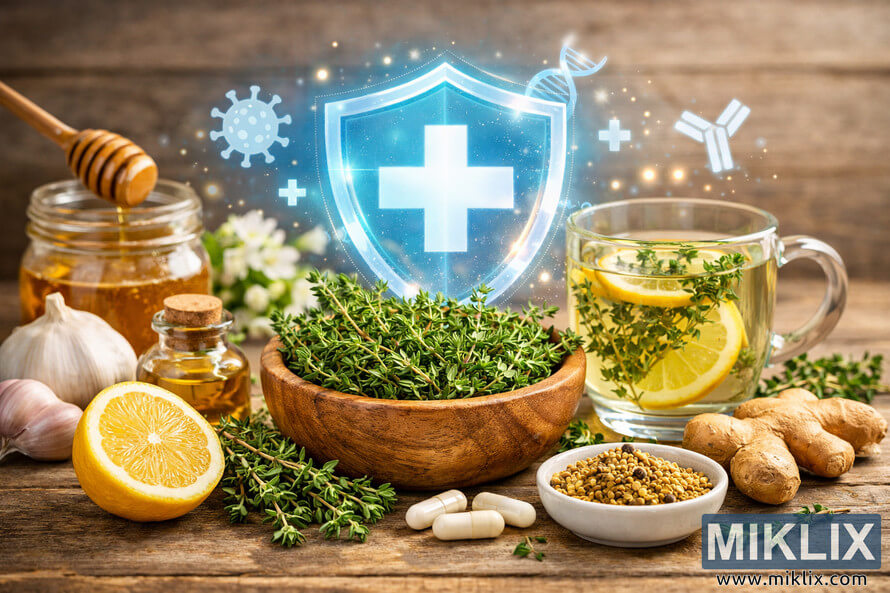
Click or tap the image for more information and higher resolutions.
Research Note: Multiple scientific studies have examined thyme's antioxidant capacity. One study published in food chemistry journals found thyme essential oil exhibited stronger antioxidant activity than several synthetic preservatives commonly used in the food industry.
Respiratory Health Benefits of Thyme
Traditional medicine systems have long valued thyme for respiratory support. Modern research validates these historical uses. The herb demonstrates specific benefits for breathing passages and lung function.

Click or tap the image for more information and higher resolutions.
Mechanisms for Respiratory Support
Thyme essential oil contains compounds that help relax bronchial muscles. This relaxation can ease breathing difficulties. The antibacterial properties also combat respiratory infections effectively. Many people use thyme during seasonal challenges.
- Helps loosen and expel mucus from airways
- Soothes irritated throat tissues naturally
- Reduces coughing frequency in some studies
- Supports comfortable breathing during congestion
- May shorten duration of respiratory symptoms
- Combines well with other respiratory herbs
Traditional Use: European herbalists have recommended thyme tea for coughs and bronchitis for centuries. Clinical studies now support this traditional application, showing thyme extracts reduce cough frequency and improve symptoms in acute bronchitis patients.
Practical Applications for Respiratory Wellness
Several methods exist for using thyme to support respiratory health. Steam inhalation with fresh thyme or essential oil provides direct benefits. The aromatic compounds reach airways quickly through this method. Drinking thyme tea represents another effective approach.
For steam therapy, add several stems of fresh thyme to hot water. Carefully inhale the rising steam for five to ten minutes. This practice can be repeated two to three times per day during respiratory challenges. Always use caution with hot water to prevent burns.
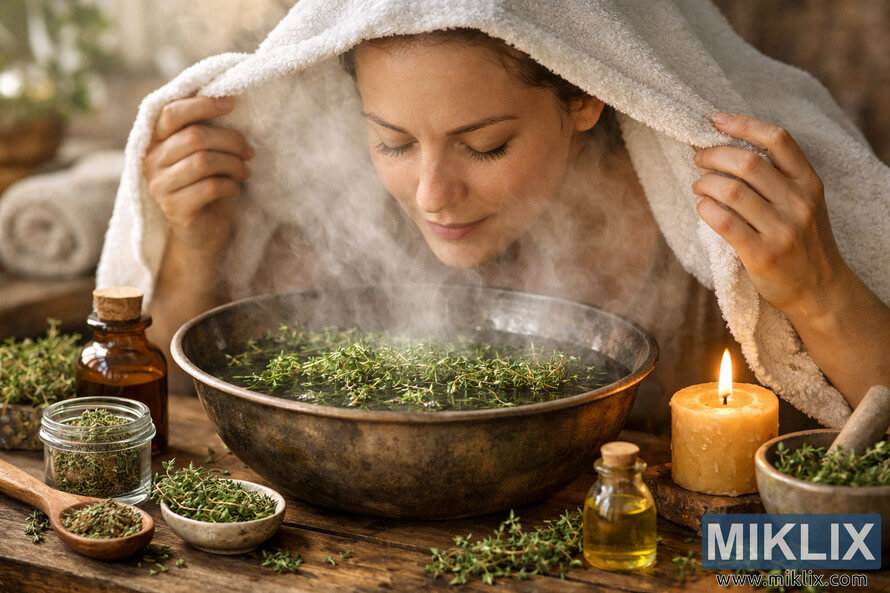
Click or tap the image for more information and higher resolutions.
Antibacterial and Antimicrobial Properties
Laboratory studies consistently demonstrate thyme's powerful antibacterial effects. The essential oil proves particularly potent against common pathogens. Researchers have tested thyme against numerous bacterial strains with impressive results.

Click or tap the image for more information and higher resolutions.
Research-Backed Antibacterial Effects
Studies show thymol disrupts bacterial cell membranes. This action prevents bacterial growth and reproduction. The compound demonstrates effectiveness against both gram-positive and gram-negative bacteria.
Food safety researchers also explore thyme's preservative potential. Natural food preservation represents a growing area of interest. Thyme oils show promise for extending shelf life without synthetic chemicals.
- Effective against E. coli in multiple studies
- Shows activity against Staphylococcus bacteria
- Demonstrates antifungal properties as well
- May help combat antibiotic-resistant strains
Practical Antibacterial Applications
Oral Health
Thyme oil appears in natural mouthwash formulations. The antibacterial action helps reduce harmful oral bacteria. Regular use may support gum health and fresh breath.
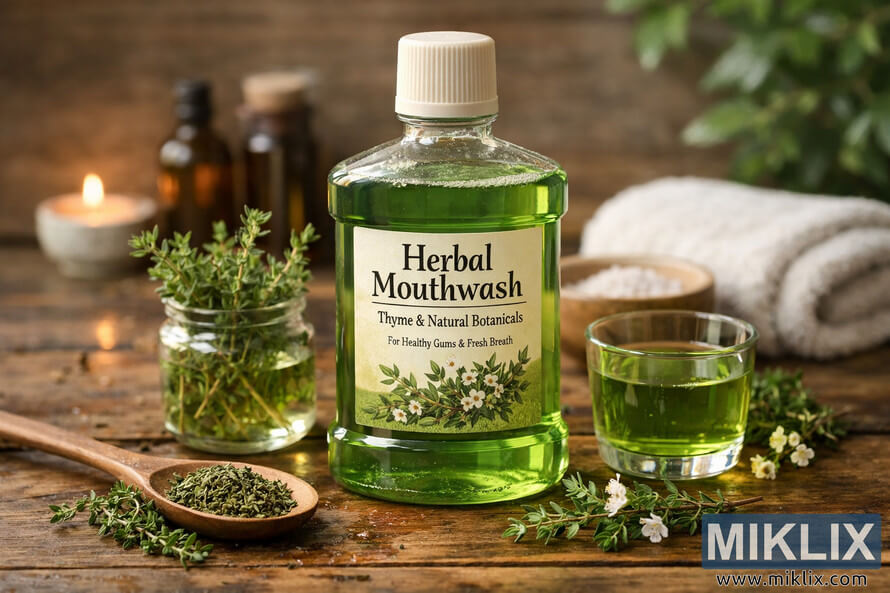
Click or tap the image for more information and higher resolutions.
Skin Care
Diluted thyme oil benefits certain skin conditions. The antimicrobial properties help address bacterial skin issues. Always dilute essential oils properly before topical use.
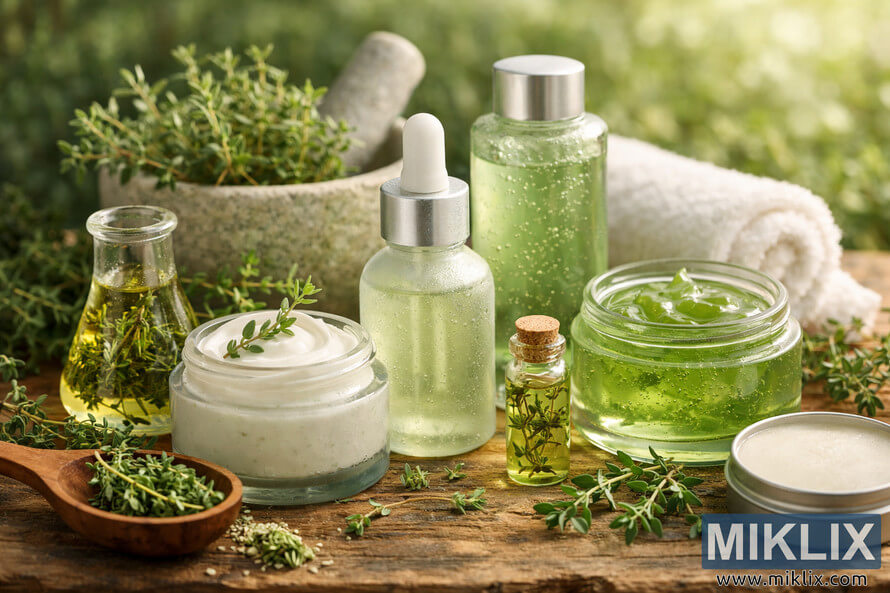
Click or tap the image for more information and higher resolutions.
Food Safety
Adding thyme to cooking provides more than flavor. The herb's antimicrobial compounds offer natural food safety benefits. This explains its widespread culinary use throughout history.

Click or tap the image for more information and higher resolutions.
Digestive Health and Gastrointestinal Support
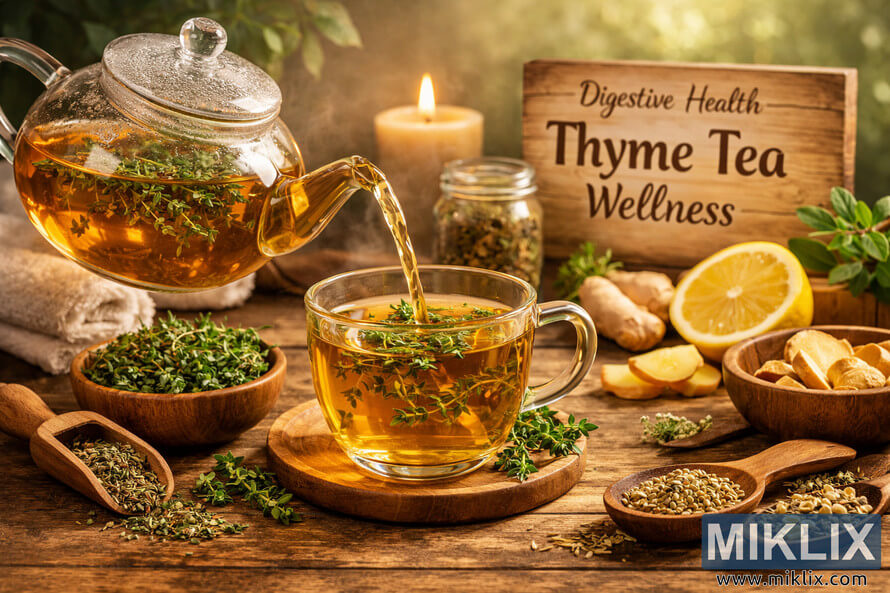
Thyme has supported digestive wellness for generations. The herb contains compounds that benefit multiple aspects of digestion. From reducing gas to supporting healthy gut bacteria, thyme offers comprehensive digestive support.
How Thyme Supports Digestion
The essential oils in thyme stimulate digestive enzyme production. Better enzyme activity means more efficient food breakdown. This can reduce common digestive discomfort. The carminative properties help expel gas from the digestive tract.
Digestive Benefits
- Reduces bloating and gas naturally
- Stimulates healthy appetite
- Supports beneficial gut bacteria
- Helps relieve occasional cramping
- Promotes regular bowel movements
- Aids nutrient absorption
Active Mechanisms
- Thymol relaxes smooth muscles
- Antibacterial effects balance gut flora
- Anti-inflammatory compounds soothe tissues
- Antioxidants protect digestive lining
- Essential oils stimulate bile production
- Flavonoids support healthy function
Usage Recommendations
- Drink thyme tea after meals
- Add fresh leaves to cooking
- Use moderate amounts regularly
- Combine with complementary herbs
- Start with small doses
- Monitor personal response
Research suggests thyme may help maintain healthy gut bacteria balance. The antimicrobial properties target harmful bacteria while supporting beneficial strains. This selective action contributes to overall digestive health.
Click or tap the image for more information and higher resolutions.
Additional Health Benefits of Thyme Consumption
Beyond the primary benefits already discussed, thyme offers several additional health advantages. Ongoing research continues to reveal new potential applications for this versatile herb.
Cardiovascular Support
Some studies indicate thyme may support heart health through multiple pathways. The antioxidant compounds protect blood vessels from oxidative damage. Anti-inflammatory effects may benefit cardiovascular function as well.
Research on animals shows thyme extract may help maintain healthy blood pressure levels. The herb appears to relax blood vessel walls. Human studies remain limited but preliminary results show promise.
Thyme also contains compounds that may support healthy cholesterol levels. The flavonoids in the plant demonstrate beneficial effects on lipid profiles in some research. More studies are needed to confirm these cardiovascular benefits.

Click or tap the image for more information and higher resolutions.
Mood and Cognitive Function
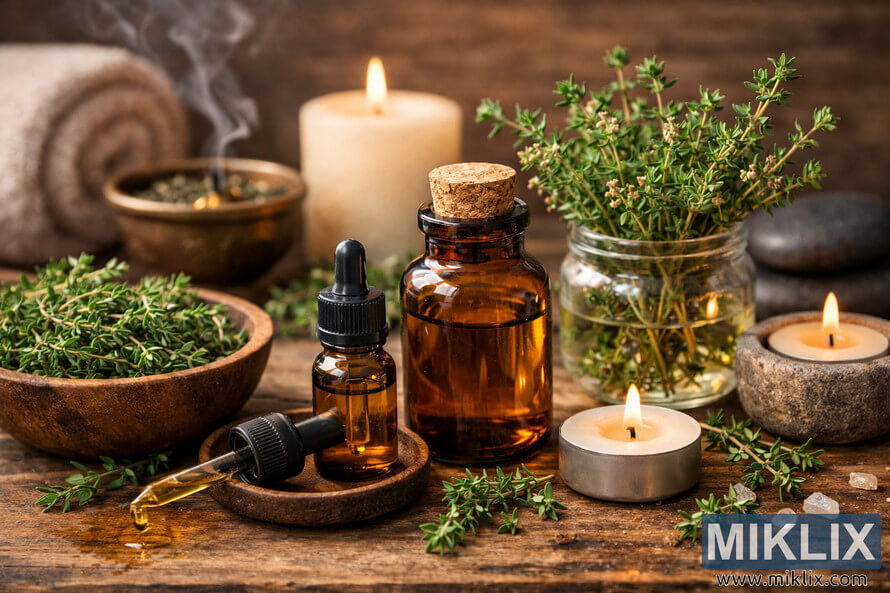
The aromatic compounds in thyme may influence mood and mental state. Aromatherapy practitioners use thyme essential oil for its uplifting properties. The scent may help reduce feelings of stress and tension.
Some research suggests thyme compounds might support cognitive function. Antioxidant protection extends to brain cells. The neuroprotective potential of thyme deserves further investigation.
Click or tap the image for more information and higher resolutions.
Bone Health Support
Thyme provides several minerals important for bone health. Calcium, manganese, and vitamin K all contribute to bone strength. While amounts per serving are modest, regular consumption adds up over time.
The anti-inflammatory properties may also benefit joint health. Reducing inflammation throughout the body supports comfortable movement. Many herbs work synergistically to support musculoskeletal wellness.
Popular Ways to Incorporate Thyme
Multiple options exist for adding thyme to your wellness routine. Each form offers unique advantages depending on your needs and preferences.
Organic Fresh Thyme
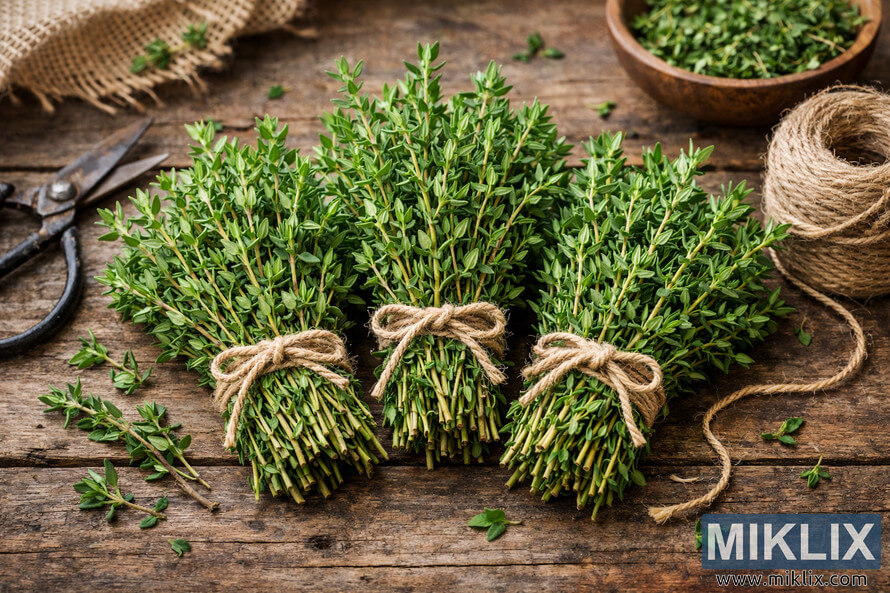
Fresh thyme provides maximum flavor and versatile culinary applications. Use in cooking, tea preparation, or steam therapy. Grow your own in a container or purchase from quality suppliers.
Advantages
- Maximum flavor and aroma
- Multiple preparation options
- Easy to grow at home
Considerations
- Shorter shelf life
- Requires proper storage
- Seasonal availability varies
Click or tap the image for more information and higher resolutions.
Pure Thyme Essential Oil
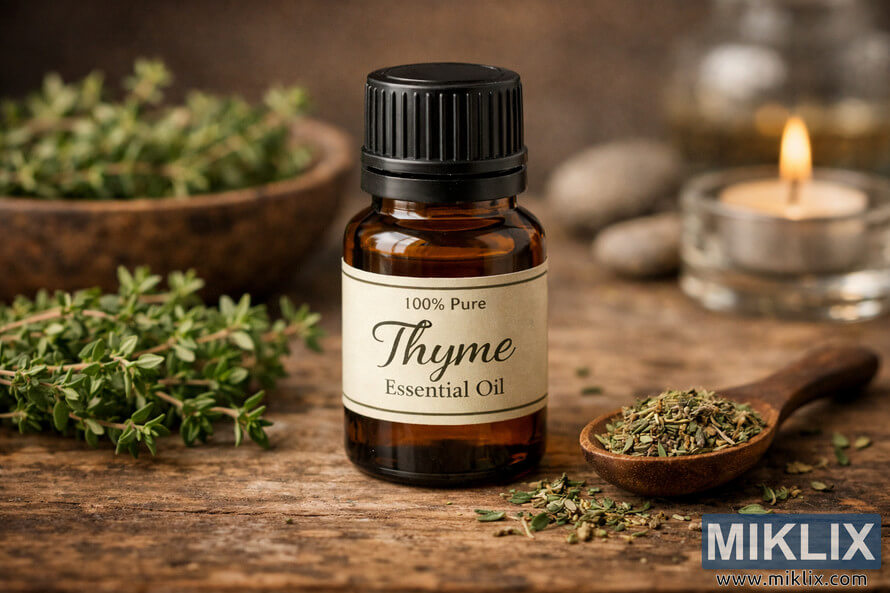
Concentrated thyme essential oil offers potent benefits for aromatherapy and diluted topical use. Choose therapeutic-grade oils from reputable suppliers. Always dilute before skin application.
Advantages
- Highly concentrated benefits
- Long shelf life when stored properly
- Versatile application methods
Considerations
- Requires careful dilution
- Higher initial cost
- Quality varies by brand
Click or tap the image for more information and higher resolutions.
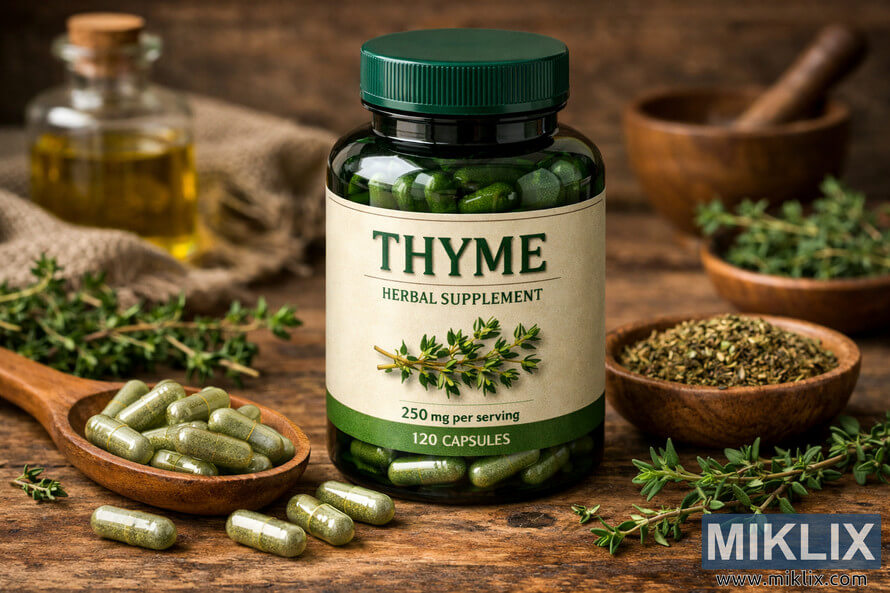
Standardized Thyme Supplements
Thyme supplements provide consistent dosing of active compounds. Look for standardized extracts from trusted manufacturers. Convenient option for those seeking specific therapeutic benefits.
Advantages
- Precise dosing control
- Easy to take regularly
- No preparation required
Considerations
- Processing may reduce some benefits
- Quality verification important
- May contain additional ingredients
Click or tap the image for more information and higher resolutions.
Practical Ways to Use Thyme for Health
Incorporating thyme into your routine doesn't require complicated preparations. Simple methods deliver meaningful benefits when used consistently.
Thyme Tea Preparation
Making thyme tea represents the simplest consumption method. This preparation extracts beneficial compounds into an easily absorbed form. The warm liquid also provides soothing comfort.
- Gather two to three teaspoons of fresh thyme leaves or one teaspoon dried
- Place herbs in a cup or teapot
- Pour eight ounces of hot water over the leaves
- Cover and steep for five to ten minutes
- Strain and enjoy warm or cooled
- Add honey or lemon if desired
- Drink one to three cups daily for general wellness support. During respiratory challenges, increase to four cups spread throughout the day. Always use filtered water for best flavor.

Click or tap the image for more information and higher resolutions.
Cooking with Fresh Thyme
Adding thyme to regular cooking provides consistent low-dose benefits. The herb complements numerous dishes naturally. Both fresh and dried thyme enhance flavor while delivering wellness compounds.
- Add whole stems to soups and stews during cooking
- Sprinkle fresh leaves over roasted vegetables
- Mix into marinades for meat and fish
- Include in homemade salad dressings
- Blend into herb butter or cream cheese
- Use as pizza or flatbread topping

Click or tap the image for more information and higher resolutions.
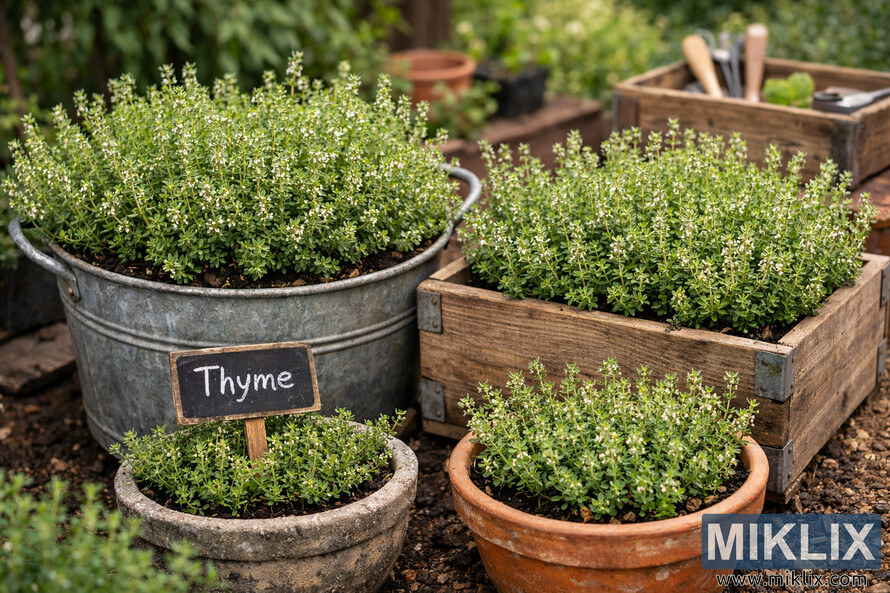
Growing Thyme at Home
Cultivating your own thyme ensures fresh supply year-round. The plant thrives in containers or garden beds. Minimal care requirements make thyme ideal for beginning gardeners.
Soil and Location
Thyme prefers well-drained soil with neutral to slightly alkaline pH. The plant requires at least six hours of direct sunlight daily.
- Use sandy or loamy soil mixtures
- Ensure excellent drainage to prevent root rot
- Choose sunny locations for best growth
- Container cultivation works excellently
Planting Guidelines
Plant thyme in spring after frost danger passes. Space plants twelve inches apart for adequate air circulation and growth.
- Start from seeds or purchase seedlings
- Plant at same depth as nursery container
- Water thoroughly after initial planting
- Mulch lightly around plants
Ongoing Care
Established thyme requires minimal maintenance. The drought-tolerant plant actually prefers drier conditions between waterings.
- Water only when soil feels dry
- Avoid overwatering which causes problems
- Fertilize sparingly once or twice yearly
- Trim regularly to encourage bushy growth
Harvesting Tips
Harvest thyme throughout the growing season. Regular cutting promotes continued production and maintains plant shape.
- Cut stems in morning after dew dries
- Never remove more than one-third of plant
- Harvest before flowers open for best flavor
- Dry excess harvest for winter use
Click or tap the image for more information and higher resolutions.
Safety Considerations and Precautions
While thyme generally presents few safety concerns when used appropriately, certain precautions deserve attention. Understanding proper use ensures maximum benefits with minimal risk.
Important Notice: This article provides educational information only. Always consult qualified healthcare providers before using herbs for therapeutic purposes, especially if you have existing health conditions or take medications.
General Safety Guidelines
Culinary amounts of thyme in food pose virtually no risk for most people. Therapeutic doses require more careful consideration. Essential oils demand particular caution due to their concentration.
- Always dilute essential oils before any topical application
- Never ingest essential oils without professional guidance
- Start with small amounts to assess individual tolerance
- Purchase herbs and oils from reputable quality sources
- Store products properly to maintain potency and safety
- Discontinue use if adverse reactions occur
Specific Contraindications and Warnings
Pregnancy and Nursing
Pregnant women should limit thyme to normal culinary amounts. Therapeutic doses and essential oil use require medical consultation. The concentrated compounds may affect pregnancy.
Nursing mothers should also exercise caution with therapeutic amounts. Small culinary quantities generally pose no concerns. Always prioritize medical advice during this sensitive time.
Medication Interactions
Thyme may interact with certain medications. Blood thinning medications deserve particular attention. The vitamin K content in thyme could affect anticoagulant therapy.
Individuals taking any regular medications should discuss thyme supplementation with healthcare providers. This precaution prevents unexpected interactions. Timing of doses may require adjustment.
Allergies and Sensitivities
People allergic to oregano, basil, or other mint family herbs may react to thyme. Cross-reactivity between related plants occurs occasionally. Start with tiny amounts if trying thyme for the first time.
Skin sensitivity to essential oils varies considerably between individuals. Always perform patch tests before widespread topical application. Dilute oils properly in carrier oils before any skin contact.
Medical Conditions
Certain health conditions require extra caution with thyme. People with bleeding disorders should consult healthcare providers. Hormone-sensitive conditions may also warrant medical discussion.
Those scheduled for surgery should stop therapeutic thyme use at least two weeks beforehand. The herb may affect bleeding during and after procedures. Inform all medical professionals about supplement use.

Click or tap the image for more information and higher resolutions.
Frequently Asked Questions About Thyme
How much thyme should I consume daily for health benefits?
For general wellness, one to three cups of thyme tea daily provides beneficial amounts. Culinary use of one to two teaspoons of fresh thyme or half to one teaspoon dried also delivers meaningful benefits. Therapeutic doses depend on specific health goals and should be discussed with healthcare providers. Always start with lower amounts and increase gradually while monitoring your response.
Can I use thyme essential oil internally?
Essential oils require extreme caution for internal use. Most thyme essential oil products are designed for external or aromatic use only. Never ingest essential oils without specific guidance from qualified aromatherapists or healthcare providers. The concentrated nature of essential oils creates significant risk when used improperly. Stick to culinary herbs or professionally formulated internal supplements.
What is the difference between thyme varieties for health purposes?
Common thyme or thymus vulgaris contains the highest concentration of beneficial compounds for health applications. Lemon thyme offers similar benefits with added citrus notes. Other varieties like creeping thyme work better for ornamental purposes. The essential oil composition varies slightly between types. For therapeutic use, thymus vulgaris remains the most researched and recommended variety.
How long does dried thyme retain its medicinal properties?
Properly stored dried thyme maintains potency for approximately one to three years. Keep dried herbs in airtight containers away from light, heat, and moisture. The aromatic strength indicates remaining potency. When thyme loses its characteristic scent, the beneficial compounds have degraded significantly. For maximum benefits, replace dried thyme annually and store in cool, dark locations.
Can thyme help with specific respiratory conditions?
Research supports thyme use for acute bronchitis, cough, and upper respiratory congestion. Studies show the herb reduces cough frequency and improves symptom scores. Thyme works through multiple mechanisms including antimicrobial action, mucus thinning, and bronchial muscle relaxation. While promising, thyme should complement rather than replace medical treatment for serious respiratory conditions. Always consult healthcare providers for persistent or severe symptoms.
Is fresh or dried thyme more beneficial for health?
Both fresh and dried thyme offer health benefits with slight differences. Fresh thyme provides higher vitamin C content and more vibrant flavor. Dried thyme concentrates certain compounds including essential oils per unit weight. The drying process preserves most beneficial properties while reducing moisture. Choose based on availability and preference. Using either form regularly delivers meaningful wellness support.
Embracing Thyme for Holistic Wellness
The evidence supporting thyme's health benefits continues to grow through ongoing research. This ancient herb combines culinary versatility with impressive medicinal properties. From respiratory support to digestive wellness, thyme offers multifaceted health advantages.
Incorporating thyme into your daily routine requires minimal effort. Simple preparations like tea or culinary use provide consistent benefits. Growing your own thyme ensures fresh supply while connecting you with natural wellness practices.
Remember that herbs work best as part of comprehensive healthy lifestyle choices. Thyme complements balanced nutrition, adequate sleep, regular movement, and stress management. No single herb provides complete health solutions.
Start with small amounts and observe how your body responds. Everyone's needs differ based on individual health status and goals. Patience and consistency yield the best results with herbal wellness approaches.
The versatility of thyme makes it accessible to nearly everyone. Whether enjoyed in cooking, sipped as tea, or grown in your garden, this remarkable plant deserves a place in your wellness toolkit.

Click or tap the image for more information and higher resolutions.
Further Reading
If you enjoyed this post, you may also like these suggestions:
- Purple Reign: Unlocking the Nutritional Secrets of Red Cabbage
- Spice Up Your Life: How Chili Boosts Your Body and Brain
- The Complete Guide to the Health Benefits of Persimmons