
Slika: Rhubarb Stalks and Oxalic Acid Educational Infographic
Objavljeno:
Zadnje ažuriranje: 7. lipnja 2026. u 19:13:14 UTC
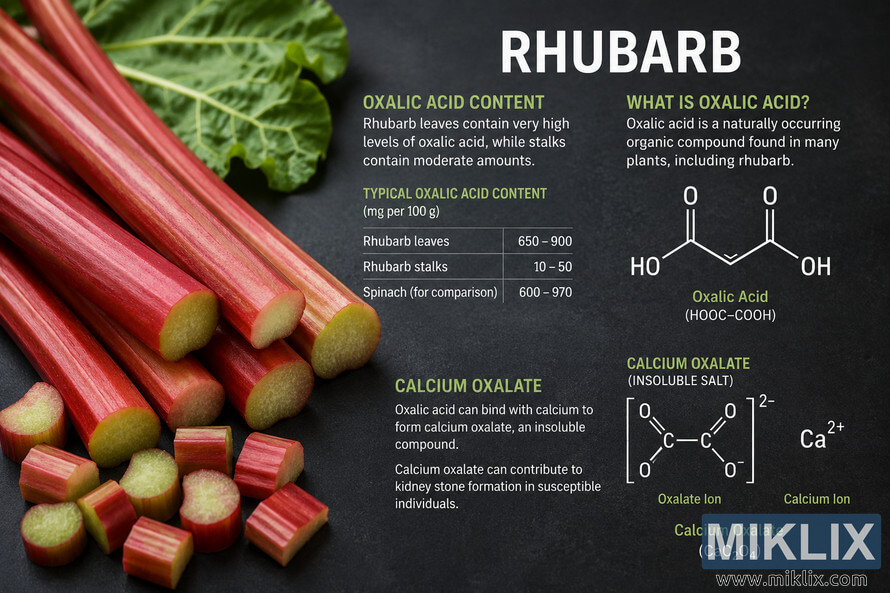
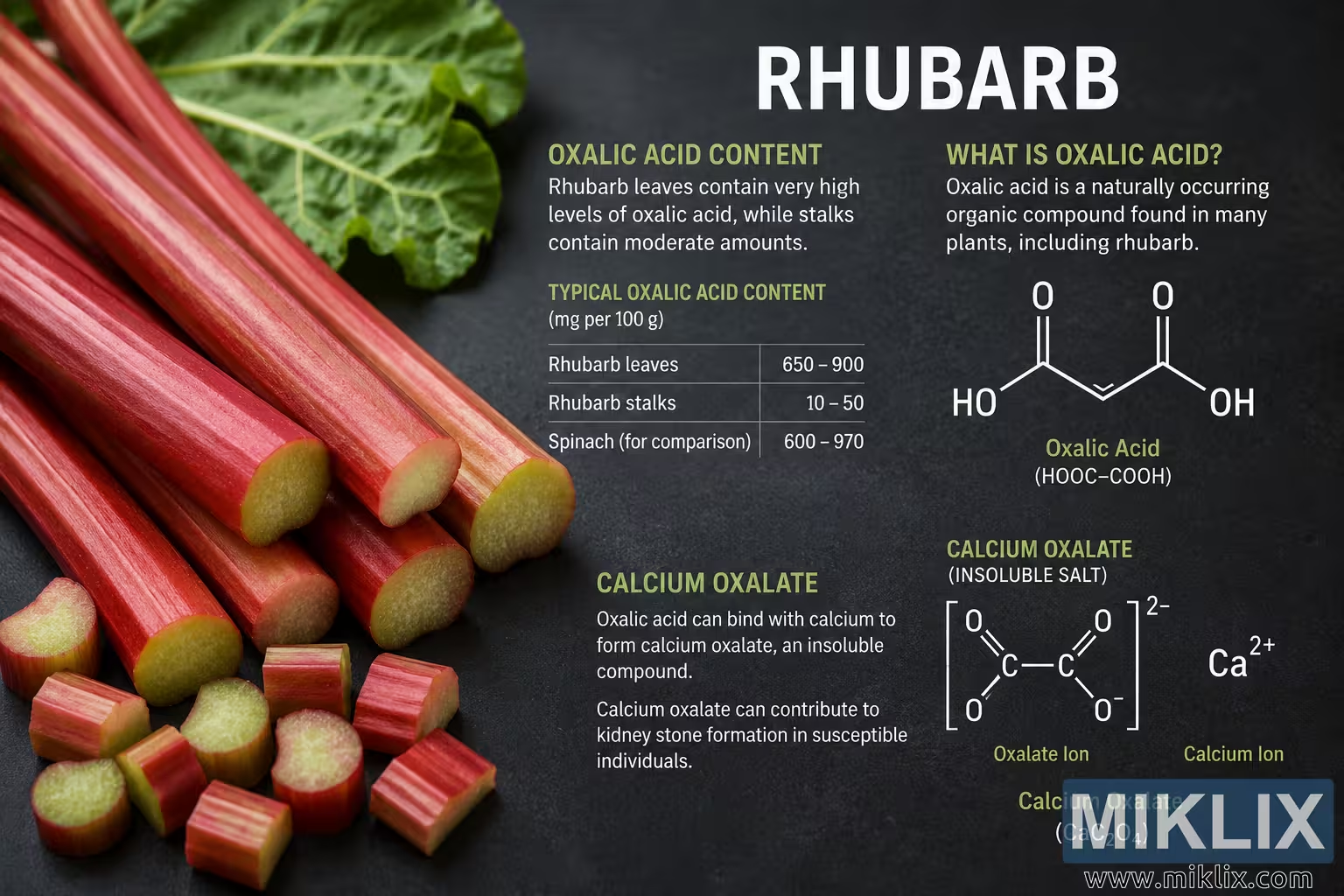
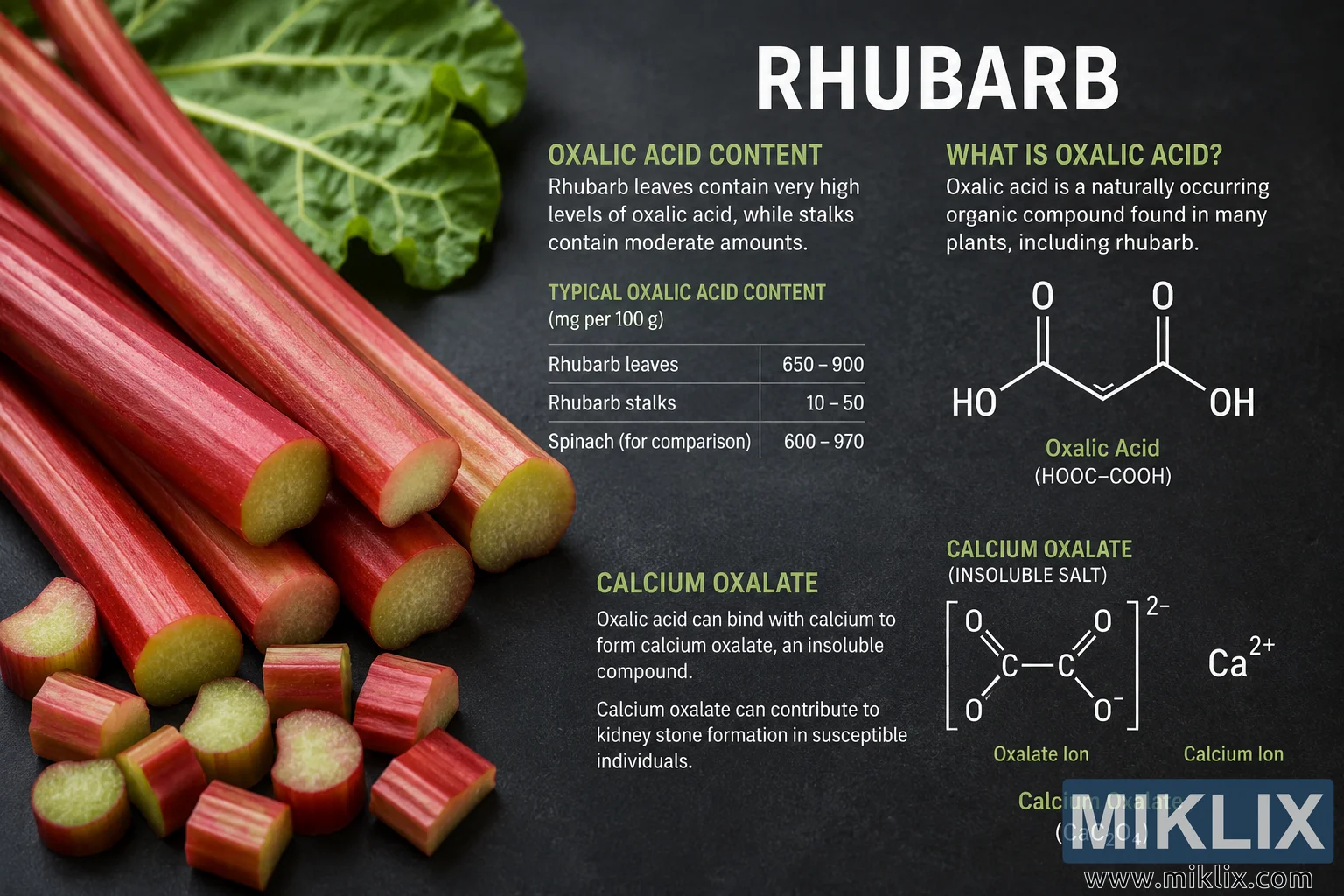
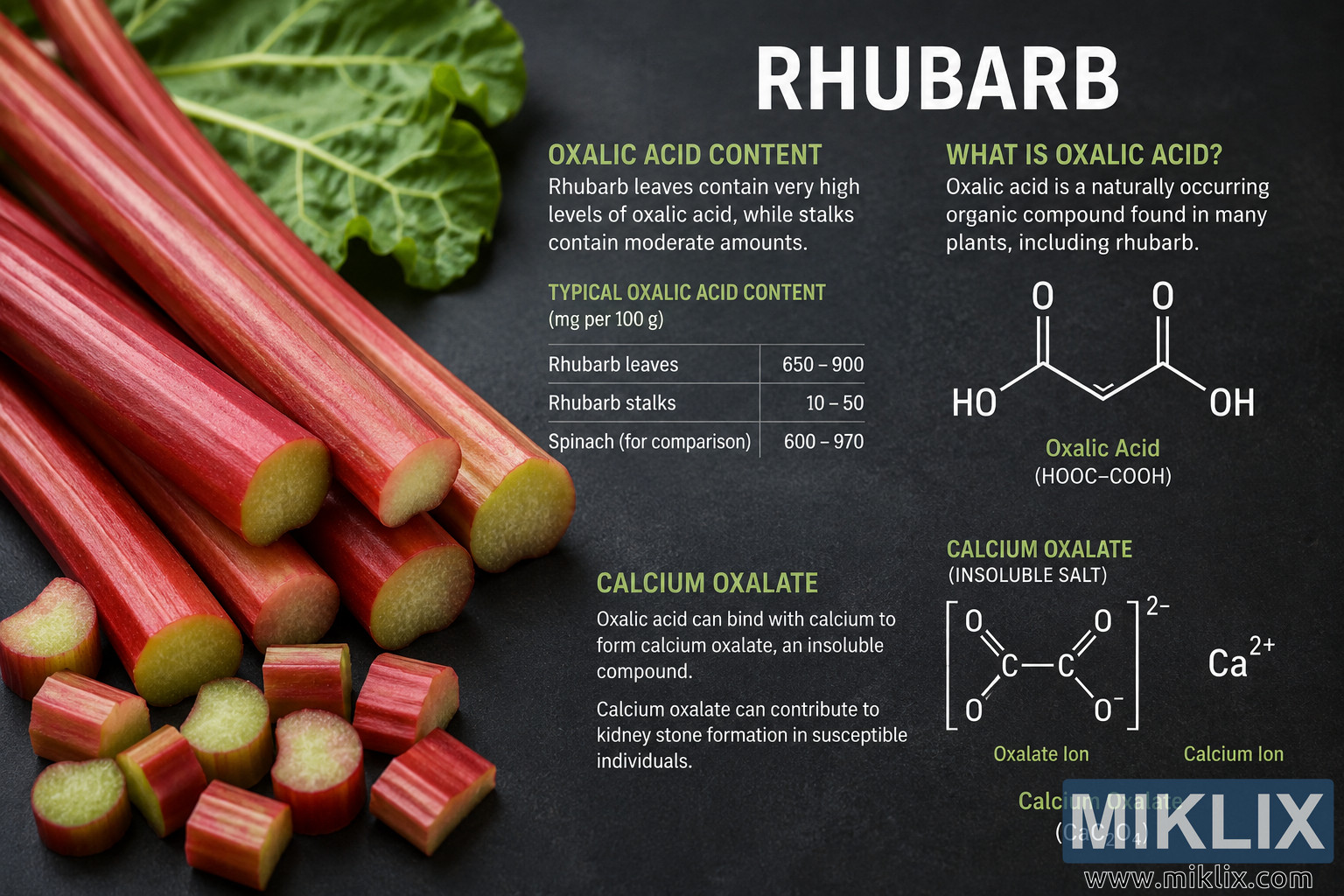
High-resolution educational infographic showing rhubarb stalks, oxalic acid content, and calcium oxalate chemistry. Features detailed botanical photography, scientific molecular diagrams, and nutritional information in a clean landscape design.
Rhubarb Stalks and Oxalic Acid Educational Infographic
Dostupne verzije ove slike
Slikovne datoteke dostupne za preuzimanje u nastavku su manje komprimirane i veće rezolucije - i kao rezultat toga, veće kvalitete - od slika ugrađenih u članke i stranice na ovoj web stranici, koje su optimiziranije za veličinu datoteke kako bi se smanjila potrošnja propusnosti.
Uobičajena veličina (1,536 x 1,024)
Velika veličina (3,072 x 2,048)
Vrlo velika veličina (4,608 x 3,072)
Iznimno velika veličina (6,144 x 4,096)
Komično velika veličina (1,048,576 x 699,051)
- Još uvijek se učitava... ;-)
Opis slike
This high-resolution landscape infographic presents a visually rich and scientifically themed composition focused on rhubarb stalks and their relationship to oxalic acid and calcium oxalate formation. The image is arranged horizontally with a balanced combination of food photography, educational text, and chemistry-inspired visual elements. The overall aesthetic blends modern infographic design with realistic botanical imagery, creating a polished educational poster suitable for health, nutrition, food science, or botanical reference content.
The left side of the image prominently displays a collection of fresh rhubarb stalks arranged diagonally across a dark charcoal-black textured surface. The stalks vary slightly in thickness and coloration, ranging from deep crimson red to lighter pink-red tones with pale green interiors visible at the cut ends. Several pieces of rhubarb are sliced into smaller cylindrical sections and scattered naturally near the bottom foreground, adding realism and depth. The stalks exhibit glossy highlights and visible fibrous textures that emphasize freshness and moisture. Large green rhubarb leaves appear partially visible in the upper-left corner, introducing additional botanical context and contrasting strongly with the vivid red stems. The photographic lighting is soft yet directional, producing gentle shadows and highlighting the natural sheen and layered surfaces of the rhubarb.
The right half of the infographic contains structured scientific information organized into sections with bold typography and chemistry diagrams. At the top center-right, the large title text “RHUBARB” appears in oversized white capital letters using a clean sans-serif font, immediately establishing the topic. Beneath the title, a section labeled “OXALIC ACID CONTENT” explains that rhubarb leaves contain high levels of oxalic acid while the stalks contain moderate amounts. Nearby, a comparative table presents approximate oxalic acid levels measured in milligrams per 100 grams for rhubarb leaves, rhubarb stalks, and spinach. The table uses a minimalist layout with thin divider lines and muted green accent text to maintain readability against the dark background.
Further to the upper-right area, another section titled “WHAT IS OXALIC ACID?” introduces oxalic acid as a naturally occurring organic compound found in many plants including rhubarb. Adjacent to this explanatory text is a simplified chemical structure diagram of oxalic acid. The diagram is rendered in clean white molecular line art, showing carbon, oxygen, and hydroxyl group connections in a stylized educational format. The molecular illustration reinforces the scientific theme of the infographic and visually links chemistry with nutrition and plant biology.
In the lower-middle portion of the design, a dedicated section labeled “CALCIUM OXALATE” explains that oxalic acid can bind with calcium to form calcium oxalate, an insoluble compound associated with kidney stone formation in susceptible individuals. The text is arranged in neat paragraph blocks with generous spacing and green-highlighted headings that guide the viewer through the information hierarchy. The educational tone remains accessible and informative rather than overly technical.
On the lower-right side of the infographic, a second chemistry illustration depicts calcium oxalate in ionic form. The structure diagram includes representations of oxalate ions and calcium ions using bracketed molecular notation and superscript charge indicators. White molecular line graphics contrast sharply with the dark textured background, making the scientific visuals clear and visually striking. Supporting labels identify the oxalate ion, calcium ion, and the resulting calcium oxalate compound.
The entire composition uses a cohesive color palette dominated by deep charcoal, black, dark green, pale green, white, and vibrant rhubarb red. The typography combines bold uppercase headings with smaller descriptive body text, all carefully aligned for clarity and visual flow. The design style resembles a premium educational poster or scientific editorial graphic, balancing realism and clarity with modern infographic aesthetics. The image conveys both botanical beauty and nutritional science, presenting rhubarb not only as a food ingredient but also as a source of naturally occurring chemical compounds relevant to health and biology. The landscape orientation allows the photographic and informational components to coexist harmoniously without overcrowding, resulting in a highly polished and informative visual presentation.
Slika je povezana sa: A Guide to the Health Benefits of Rhubarb