
Chamomile Health Benefits: Natural Wellness From an Ancient Herb
Pubblicato:
Ultimo aggiornamento: 14 luglio 2026 alle ore 20:26:16 UTC
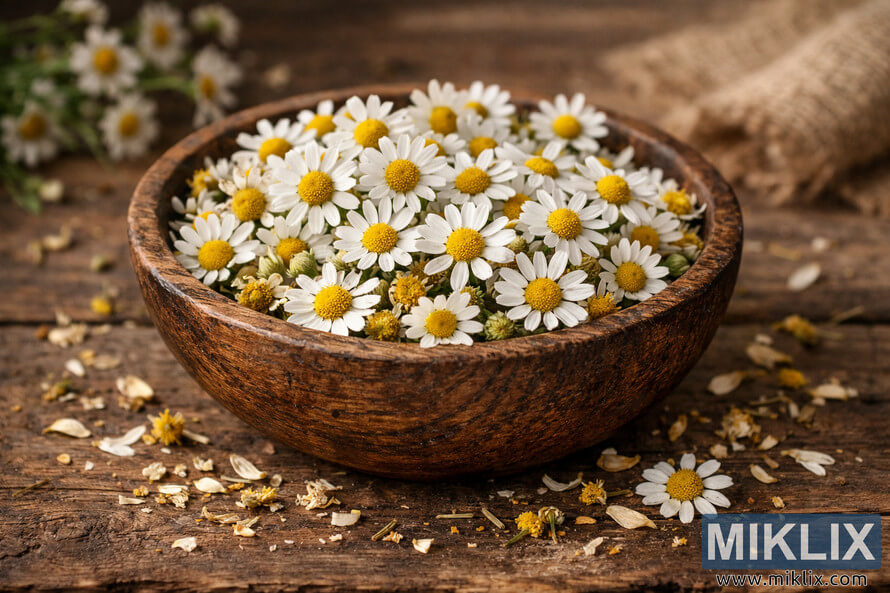
Have you been searching for natural ways to improve your sleep quality or reduce daily stress? Chamomile might be the answer you've been looking for. This gentle herb has supported human health for thousands of years across different cultures and continents.
Chamomile Health Benefits: Natural Wellness From an Ancient Herb
Fare clic o toccare l'immagine per ulteriori informazioni e risoluzioni più elevate.
People around the world drink chamomile tea every evening before bed. Others apply chamomile extract to their skin for soothing relief. The science behind these traditional practices continues to reveal fascinating insights about how this plant works in our bodies.
This comprehensive guide explores the proven health benefits of consuming chamomile in its various forms. You'll learn about the specific compounds that make chamomile effective. We'll examine scientific research on sleep improvement, anxiety reduction, digestive health, and much more.
Whether you're new to herbal medicine or looking to deepen your knowledge, this article provides practical information you can use immediately. Let's discover why chamomile remains one of the most trusted plants in natural wellness.
What Is Chamomile and Why Does It Matter?
Chamomile refers to several daisy-like plants from the Asteraceae family. The two most common types used in medicine are German chamomile and Roman chamomile. Both varieties produce similar health benefits despite slight differences in their chemical makeup.
German chamomile grows as an annual plant reaching about two feet tall. Roman chamomile stays lower to the ground as a perennial herb. Both produce the distinctive apple-scented flowers that people have valued throughout history.
Ancient Egyptians dedicated chamomile to their sun god and used it to treat fevers. Roman soldiers carried chamomile to heal wounds during battles. European folk medicine relied on this herb for countless ailments across generations.

Fare clic o toccare l'immagine per ulteriori informazioni e risoluzioni più elevate.
The Science Behind Chamomile's Effectiveness
Chamomile contains over 120 chemical compounds that contribute to its therapeutic properties. The most studied components include flavonoids, terpenoids, and other antioxidants. These substances work together to create what scientists call a synergistic effect.
Apigenin stands out as one of the most important flavonoids in chamomile. This compound binds to specific receptors in your brain that may help decrease anxiety and initiate sleep. Research continues to explore how apigenin and other chamomile compounds interact with human cells.
The concentration of beneficial compounds varies depending on how chamomile is prepared and consumed. Fresh flowers contain different ratios than dried herbs. Chamomile extract provides more concentrated amounts compared to tea.
Global Use and Cultural Significance
Chamomile grows naturally in Europe, Asia, and North Africa. Farmers now cultivate this herb commercially on every inhabited continent. The global chamomile market reflects its sustained popularity in modern wellness practices.
Different cultures prepare and use chamomile in unique ways. Germans drink chamomile tea for digestive complaints. Mexican families use "manzanilla" for children's stomach aches. Asian medicine systems incorporate chamomile into complex herbal formulas.
Today, health-conscious people seek out chamomile for its gentle yet effective properties. Unlike some herbal remedies, chamomile has an extensive safety record spanning thousands of years of human use.
Active Compounds and Nutritional Properties of Chamomile
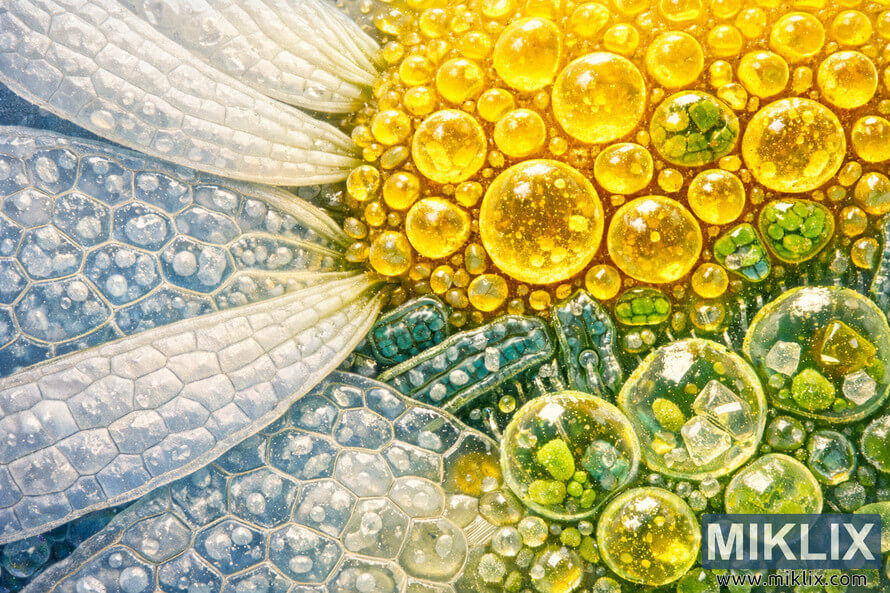
Understanding what makes chamomile work requires looking at its chemical composition. The flowers contain a complex mixture of bioactive substances that scientists continue to study. Each compound contributes specific properties that support overall health benefits.
Primary Flavonoids in Chamomile
Flavonoids represent the largest group of beneficial compounds in chamomile plants. These plant chemicals function as powerful antioxidants that protect cells from damage. Chamomile flavonoids include apigenin, quercetin, patuletin, and luteolin.
Apigenin appears in higher concentrations than other flavonoids. Studies show this compound may help reduce inflammation throughout the body. It also demonstrates the ability to cross the blood-brain barrier, potentially affecting brain function.
Quercetin adds additional antioxidant power to chamomile. This flavonoid appears in many fruits and vegetables as well. Research suggests quercetin may help stabilize cells that release histamine, which could explain some of chamomile's anti-allergic effects.
Essential Oils and Terpenoids
Chamomile flowers produce aromatic essential oils containing various terpenoids. These volatile compounds create the characteristic scent people associate with chamomile. The essential oil typically makes up about 0.5 to 2.5 percent of dried chamomile flowers.
Bisabolol represents one of the most important terpenoids in chamomile. This compound shows strong anti-inflammatory properties in laboratory studies. Cosmetic manufacturers often extract bisabolol for use in skin care products.
Chamazulene gives chamomile extract its distinctive blue color. This compound forms during the distillation process from other precursor chemicals. Chamazulene demonstrates powerful anti-inflammatory effects in research settings.
Water-Soluble Compounds
- Apigenin and other flavonoids
- Phenolic acids
- Coumarins
- Amino acids
- Minerals including calcium and magnesium
Fat-Soluble Compounds
- Essential oils (bisabolol, chamazulene)
- Terpenoids
- Fatty acids
- Lipophilic antioxidants
- Plant sterols
How Preparation Methods Affect Compound Availability
The way you prepare chamomile significantly impacts which compounds your body receives. Hot water extraction, as in tea, pulls out water-soluble compounds like apigenin. Alcohol-based extracts capture both water and fat-soluble components.
Brewing chamomile tea for five to ten minutes maximizes flavonoid extraction. Longer steeping times don't necessarily increase beneficial compounds. Water temperature also matters, with water just below boiling working best.
Chamomile extract concentrates these beneficial compounds into smaller doses. A single capsule of standardized extract might contain the equivalent of several cups of tea. This concentration allows people to receive therapeutic doses more conveniently.
Fare clic o toccare l'immagine per ulteriori informazioni e risoluzioni più elevate.
Chamomile for Better Sleep and Relaxation
Sleep problems affect millions of people worldwide. Many individuals struggle to fall asleep or stay asleep through the night. Drinking chamomile tea before bed has become a popular natural remedy for these issues.
Scientific Evidence for Sleep Benefits
Research supports the traditional use of chamomile as a sleep aid. A study published in a leading sleep medicine journal found that chamomile extract improved sleep quality in elderly people. Participants reported falling asleep faster and waking less during the night.
Another clinical trial examined postpartum women experiencing sleep difficulties. Those who drank chamomile tea showed significant improvements in sleep quality compared to the control group. The effects appeared within two weeks of regular consumption.
Scientists believe apigenin plays a key role in these sleep benefits. This flavonoid binds to benzodiazepine receptors in the brain. These same receptors are targets for common prescription sleep medications, though chamomile acts much more gently.
Effects on Anxiety and Stress
Stress and anxiety often interfere with the ability to relax and sleep. Chamomile may help break this cycle by promoting a calmer mental state. Clinical studies have documented chamomile's anxiety-reducing effects in people with generalized anxiety disorder.
One notable study gave participants either chamomile extract or a placebo for eight weeks. Those receiving chamomile showed significantly reduced anxiety symptoms compared to the placebo group. The effects remained noticeable even after stopping the supplement.
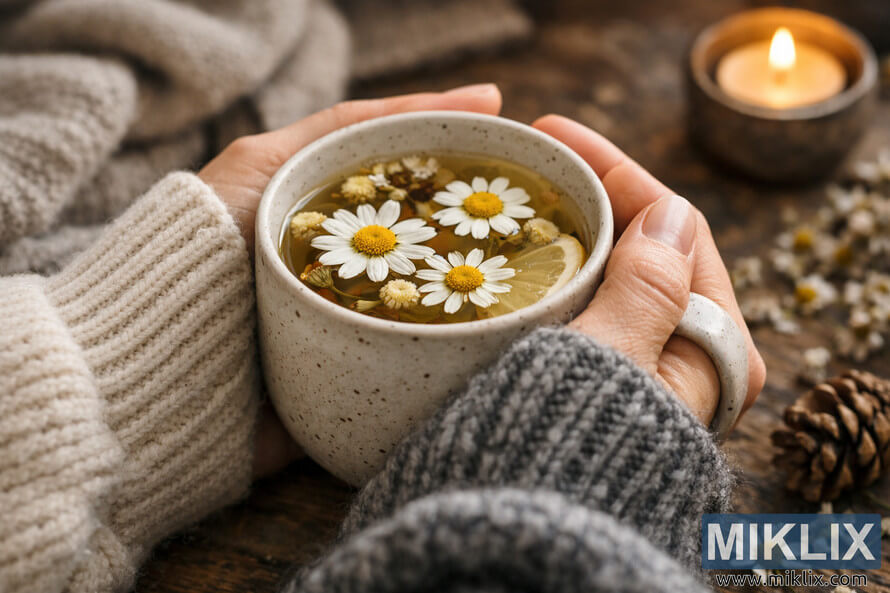
People report feeling more relaxed after drinking chamomile tea even without measurable anxiety. This subjective experience matters for overall wellbeing. The ritual of preparing and sipping warm tea may also contribute to these calming effects.
Optimal Usage for Sleep Support
Timing matters when using chamomile for sleep. Most people benefit from drinking chamomile tea 30 to 45 minutes before their intended bedtime. This gives the body time to absorb the beneficial compounds.
Consistency produces better results than occasional use. Studies showing sleep improvements typically involved daily chamomile consumption for at least two weeks. Building a regular evening routine with chamomile helps establish healthy sleep patterns.
The amount of chamomile needed varies by individual. A standard cup of tea made with one to two teaspoons of dried flowers works for many people. Others prefer stronger brews or concentrated extracts for more pronounced effects.
Ready to Improve Your Sleep Naturally?
Based on the research we've discussed, quality chamomile tea can support better sleep and relaxation. Many people find success with organic, pure chamomile varieties that contain higher levels of beneficial compounds.

Fare clic o toccare l'immagine per ulteriori informazioni e risoluzioni più elevate.
Digestive Health Benefits of Chamomile
Traditional medicine systems have long recognized chamomile's ability to soothe digestive discomfort. Modern research confirms many of these historical uses. The herb offers relief for various stomach and intestinal issues.
Relief from Stomach Discomfort
Many people turn to chamomile when experiencing stomach upset or indigestion. The anti-inflammatory properties of chamomile compounds help calm irritated stomach tissue. Drinking chamomile tea may reduce the production of excess stomach acid.
Studies demonstrate that chamomile can help relieve symptoms associated with dyspepsia. This condition involves pain or discomfort in the upper abdomen. Participants using chamomile extract reported less bloating and fullness after meals.
The carminative properties of chamomile help reduce gas and bloating. These effects come from the essential oils present in the plant. Chamomile may help relax the smooth muscles of the digestive tract, allowing trapped gas to pass more easily.
Support for Inflammatory Bowel Conditions
Research explores chamomile's potential benefits for more serious digestive conditions. Laboratory studies show that chamomile compounds reduce inflammation markers in intestinal cells. This suggests possible applications for inflammatory bowel disease.
Animal studies have demonstrated protective effects of chamomile on the gut lining. The flavonoids in chamomile appear to strengthen the intestinal barrier. A healthy gut barrier prevents harmful substances from entering the bloodstream.
Clinical evidence for these benefits remains limited but promising. Some small studies in people with ulcerative colitis showed improvements with chamomile supplementation. Larger trials are needed to confirm these initial findings.
Effects on Gut Bacteria
Emerging research examines how chamomile affects the gut microbiome. The community of bacteria living in our intestines plays crucial roles in digestion and overall health. Chamomile compounds may help promote beneficial bacterial species.
One study found that regular chamomile consumption altered the gut microbiome composition. Participants showed increases in bacteria associated with better metabolic health. These changes correlated with reduced inflammation markers in their blood.
The polyphenols in chamomile may act as prebiotics. These substances feed beneficial gut bacteria without being digested in the stomach. A healthier gut microbiome contributes to improved digestion and immune system function.
Important Note: While chamomile can support digestive health, it should not replace medical treatment for serious conditions. Consult with a healthcare provider if you experience persistent or severe digestive symptoms.
Fare clic o toccare l'immagine per ulteriori informazioni e risoluzioni più elevate.
Immune System Support and Chamomile
A strong immune system helps protect against illness and infection. Chamomile contains compounds that may support various aspects of immune function. While not a cure for any disease, this herb can be part of a health-supporting routine.
Antibacterial and Antimicrobial Properties
Research shows that chamomile extracts exhibit antibacterial activity against various microorganisms. Laboratory tests demonstrate effectiveness against common bacteria like Staphylococcus and Streptococcus species. The essential oils in chamomile appear responsible for much of this activity.
Studies have tested chamomile's effects on oral bacteria. Results indicate that chamomile may help reduce bacteria associated with tooth decay and gum disease. Some natural toothpastes and mouthwashes now include chamomile as an active ingredient.
The antimicrobial effects extend to certain fungi as well. Chamomile shows activity against Candida species in laboratory settings. However, more research is needed to determine if these effects translate to treating fungal infections in people.
Fighting the Common Cold
Many people drink chamomile tea when feeling under the weather. Traditional use suggests chamomile may help with common cold symptoms. Scientific investigation into these effects reveals interesting mechanisms.
One study had participants inhale steam from chamomile extract during a common cold. Those using chamomile reported faster relief of symptoms compared to steam alone. The anti-inflammatory compounds may help reduce swelling in nasal passages.
Drinking chamomile tea provides hydration along with beneficial compounds. Staying well-hydrated supports immune function and helps the body fight infections. The warmth of the tea can also soothe a sore throat temporarily.
Fare clic o toccare l'immagine per ulteriori informazioni e risoluzioni più elevate.
Antioxidant Protection for Immune Cells
Immune system cells constantly battle oxidative stress from fighting infections and processing toxins. The antioxidants in chamomile help protect these important cells from damage. Flavonoids neutralize harmful free radicals before they can harm cellular structures.
Research shows that regular chamomile consumption increases antioxidant levels in the blood. One study measured higher levels of hippurate, a compound associated with increased antibacterial activity, in people drinking chamomile tea. These effects lasted for up to two weeks after stopping consumption.
Chronic inflammation weakens immune function over time. The anti-inflammatory properties of chamomile may help maintain a more balanced immune response. This could translate to better overall health and resistance to illness.
Chamomile and Blood Sugar Management
Maintaining healthy blood sugar levels is crucial for everyone, especially those with diabetes. Emerging research suggests chamomile may offer benefits for blood sugar control. These findings have generated interest among people seeking natural approaches to metabolic health.
Effects on Blood Sugar Levels
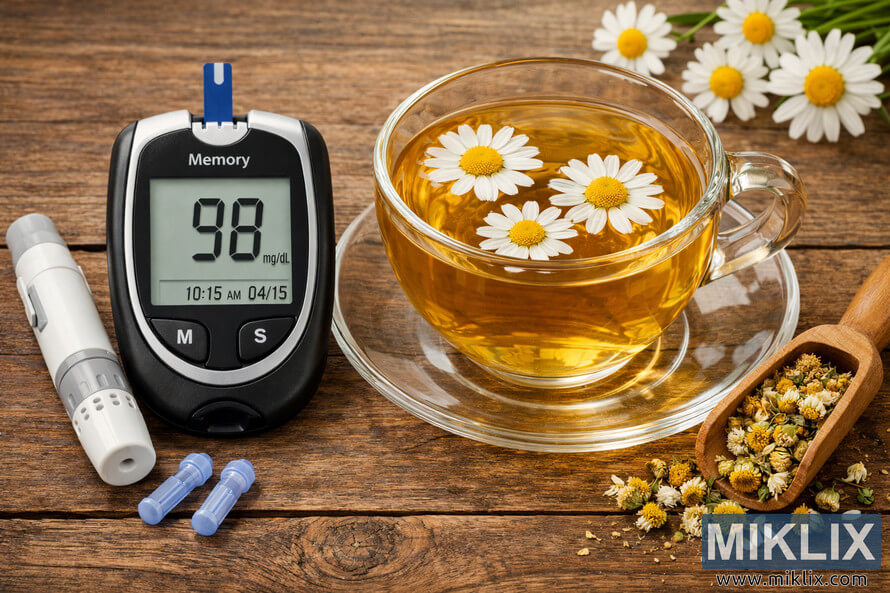
Several studies have examined chamomile's impact on blood sugar. One significant study involved people with type 2 diabetes drinking chamomile tea three times daily after meals. After eight weeks, the chamomile group showed lower average blood sugar levels compared to the control group.
Another research project measured blood sugar responses after meals. Participants who consumed chamomile extract with their food experienced smaller blood sugar spikes. This suggests chamomile may help slow the absorption of glucose from the digestive system.
The mechanisms behind these effects involve multiple chamomile compounds. Flavonoids appear to influence how the body processes glucose. Some studies suggest chamomile may help the pancreas release insulin more effectively.
Potential Benefits for Diabetes Complications
Diabetes often leads to complications affecting various body systems. Research explores whether chamomile might help prevent or reduce some of these issues. The antioxidant properties of chamomile show particular promise for protecting against diabetes-related damage.
Studies in diabetic animals found that chamomile extract reduced markers of oxidative stress. The herb also showed protective effects on organs commonly affected by diabetes. These include the kidneys, eyes, and nervous system.
One human study looked at people with diabetes who drank chamomile tea regularly. Those consuming chamomile showed improvements in markers of liver and kidney function. They also had reduced levels of inflammation in their blood.
Important Considerations for Diabetes Management
While research shows promise, chamomile cannot replace diabetes medication. People with diabetes should continue following their prescribed treatment plan. Chamomile may be used as a complementary approach under medical supervision.
Chamomile might interact with diabetes medications. The combination could potentially cause blood sugar to drop too low. Anyone with diabetes interested in using chamomile regularly should discuss it with their healthcare provider first.
Monitoring blood sugar levels becomes even more important when adding any new supplement. Keep detailed records of blood sugar readings if you start using chamomile. Report any unusual patterns to your medical team.
Research Insight: A meta-analysis reviewing multiple studies concluded that chamomile shows potential as an adjunct therapy for glycemic control. However, researchers emphasize the need for larger, longer-term clinical trials to establish clear recommendations.
Fare clic o toccare l'immagine per ulteriori informazioni e risoluzioni più elevate.
Chamomile Benefits for Skin Health
The skin care industry has long valued chamomile for its soothing properties. Both topical application and oral consumption may benefit skin health. Scientific research supports many traditional uses while revealing new potential applications.
Topical Applications for Skin Conditions
Chamomile extract appears in countless skin care products for good reason. The anti-inflammatory compounds help reduce redness and irritation. Many people find relief when applying chamomile preparations to inflamed or sensitive skin.
Studies demonstrate chamomile's effectiveness for various skin conditions. Research shows benefits for eczema, with chamomile cream producing results comparable to some prescription treatments. The herb helps reduce itching and promotes healing of damaged skin.
Wound healing represents another area where chamomile shows promise. Applications of chamomile extract may speed the healing process for minor cuts and abrasions. The antibacterial properties help prevent infection while flavonoids support tissue repair.
Chamomile for Acne and Blemishes
Acne develops from a combination of excess oil, bacteria, and inflammation. Chamomile addresses multiple factors involved in acne formation. The antibacterial effects help fight acne-causing bacteria on the skin surface.
The anti-inflammatory properties of chamomile reduce the redness and swelling associated with breakouts. Some studies suggest chamomile may help regulate sebum production. Too much sebum contributes to clogged pores and acne development.
People use chamomile in various forms for acne. Some apply cooled chamomile tea as a facial toner. Others incorporate chamomile extract into their skin care routine. Steam treatments with chamomile may help open pores and deep clean the skin.
Anti-Aging and Skin Protection
Free radicals from sun exposure and pollution damage skin cells over time. This oxidative stress contributes to visible signs of aging. The antioxidants in chamomile help neutralize these harmful molecules.
Research shows that chamomile extract can protect skin cells from ultraviolet damage. While not a replacement for sunscreen, chamomile may provide additional protection. The anti-inflammatory effects also help calm sun-irritated skin.
Regular use of chamomile in skin care may support overall skin health. The herb helps maintain the skin barrier function. A strong skin barrier keeps moisture in while keeping irritants out.
Benefits of Drinking Chamomile Tea for Skin
- Reduces inflammation from within
- Provides antioxidants systemically
- Supports detoxification processes
- May help reduce stress-related breakouts
- Promotes better sleep, which aids skin repair
Benefits of Topical Chamomile for Skin
- Direct anti-inflammatory effects
- Soothes irritation immediately
- Antibacterial action on skin surface
- Helps heal minor wounds
- Reduces redness and puffiness
- Gentle enough for sensitive skin

Fare clic o toccare l'immagine per ulteriori informazioni e risoluzioni più elevate.
Cardiovascular Health and Chamomile
Heart disease remains a leading cause of death worldwide. Research explores whether regular chamomile consumption might support cardiovascular health. While studies continue, preliminary findings show interesting possibilities.
Blood Pressure Regulation
High blood pressure strains the cardiovascular system over time. Some research suggests chamomile may have mild blood pressure-lowering effects. The flavonoids in chamomile help relax blood vessels, which could contribute to these benefits.
A study in people with mild hypertension examined chamomile's effects. Those consuming chamomile extract showed modest reductions in blood pressure readings. The effects were not as strong as standard medications but could offer complementary support.
The stress-reducing properties of chamomile may also indirectly benefit blood pressure. Chronic stress elevates blood pressure through various hormonal mechanisms. By promoting relaxation, chamomile might help break this cycle.
Cholesterol and Lipid Profiles
Maintaining healthy cholesterol levels protects against heart disease. Research in people with type 2 diabetes found that chamomile tea improved cholesterol profiles. Participants showed reductions in total cholesterol and LDL cholesterol after regular consumption.
The mechanisms likely involve chamomile's antioxidant and anti-inflammatory properties. These effects may prevent the oxidation of cholesterol particles. Oxidized cholesterol contributes more to artery plaque formation than non-oxidized forms.
Animal studies demonstrate that chamomile extract can reduce fatty deposits in arteries. While promising, more human research is needed to confirm these protective effects. The existing evidence suggests chamomile deserves attention as part of a heart-healthy lifestyle.
Reducing Inflammation in Blood Vessels
Inflammation plays a key role in the development of heart disease. Chronic inflammation damages the lining of blood vessels. This damage promotes the formation of arterial plaques that can lead to heart attacks and strokes.
Studies show that regular chamomile consumption reduces inflammation markers in the blood. One study measured decreased levels of C-reactive protein in people drinking chamomile tea. This protein indicates inflammation throughout the body.
The anti-inflammatory compounds in chamomile work through multiple pathways. They may help prevent the inflammatory cascade that contributes to cardiovascular disease. Combined with other healthy habits, chamomile could be a valuable addition to a heart-protection strategy.

Fare clic o toccare l'immagine per ulteriori informazioni e risoluzioni più elevate.
Chamomile and Cancer: What Research Shows
Cancer research explores countless natural compounds for their potential anti-cancer properties. Chamomile has attracted scientific attention due to its effects on cells. While not a cancer treatment, research reveals interesting mechanisms worth understanding.
Effects on Cancer Cells in Laboratory Studies
Laboratory research demonstrates that chamomile extracts can affect cancer cells. Multiple studies show that chamomile compounds inhibit the growth of various cancer cell types. These include breast cancer cells, skin cancer cells, and prostate cancer cells.
Apigenin, the primary flavonoid in chamomile, shows particularly interesting effects. This compound may help trigger programmed cell death in cancer cells. Normal cells have mechanisms to self-destruct when damaged, but cancer cells often evade this process.
Research also suggests chamomile compounds might help prevent cancer cells from forming new blood vessels. Cancer tumors need blood vessel growth to supply nutrients for continued expansion. Blocking this process could limit tumor growth.
Mechanisms of Potential Anti-Cancer Effects
Scientists have identified several ways chamomile compounds might combat cancer development. The antioxidant properties help prevent the DNA damage that can initiate cancer. Protecting cells from oxidative stress reduces the risk of mutations.
Chamomile compounds appear to influence cell signaling pathways involved in cancer. Studies show effects on pathways that control cell division and survival. By modulating these signals, chamomile might help prevent abnormal cell growth.
Some research explores chamomile's potential to make cancer cells more sensitive to treatment. Preliminary studies suggest certain chamomile compounds might enhance the effectiveness of chemotherapy drugs. This research remains in early stages.
Important Limitations and Cautions
All the promising cancer research on chamomile comes from laboratory and animal studies. No clinical trials have proven that chamomile can prevent or treat cancer in people. Much more research is needed before drawing conclusions.
Drinking chamomile tea or using chamomile extract should never replace proven cancer treatments. People undergoing cancer treatment must consult their oncologist before using any supplements. Some natural compounds can interfere with cancer medications.
The concentrations used in laboratory studies often far exceed what someone would get from drinking tea. Extracts used in research typically contain much higher levels of active compounds. Results from test tubes don't always translate to effects in living organisms.
Medical Advisory: If you have cancer or a history of cancer, discuss any supplement use with your oncology team. Chamomile may interact with certain cancer treatments or medications. Never use chamomile as an alternative to proven medical care.

Fare clic o toccare l'immagine per ulteriori informazioni e risoluzioni più elevate.
Different Forms of Chamomile and How to Use Them
Chamomile comes in various preparations, each with specific advantages. Understanding the different forms helps you choose what works best for your needs. The method of preparation affects which compounds you receive and in what amounts.
Chamomile Tea
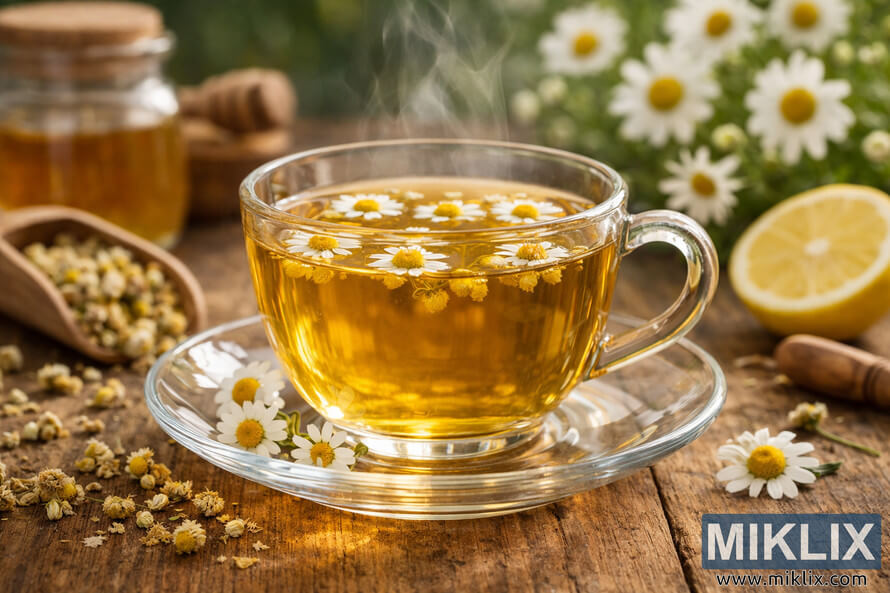
Chamomile tea remains the most popular and accessible form. You can brew tea from dried chamomile flowers or use convenient tea bags. This traditional preparation extracts water-soluble compounds including many beneficial flavonoids.
High-quality loose chamomile flowers typically provide more potent effects than tea bags. The flowers in loose form are often fresher and less processed. However, quality tea bags from reputable brands still offer significant benefits.
To brew optimal chamomile tea, use water just below boiling temperature. Pour it over one to two teaspoons of dried flowers or one tea bag. Steep for five to ten minutes, covered to preserve volatile oils. Longer steeping creates a stronger flavor but doesn't necessarily increase benefits.
Most people drink one to three cups of chamomile tea daily. Timing depends on your goals. Drinking chamomile tea in the evening supports sleep. Throughout the day, it provides ongoing anti-inflammatory and antioxidant support.
Chamomile Extract and Tinctures
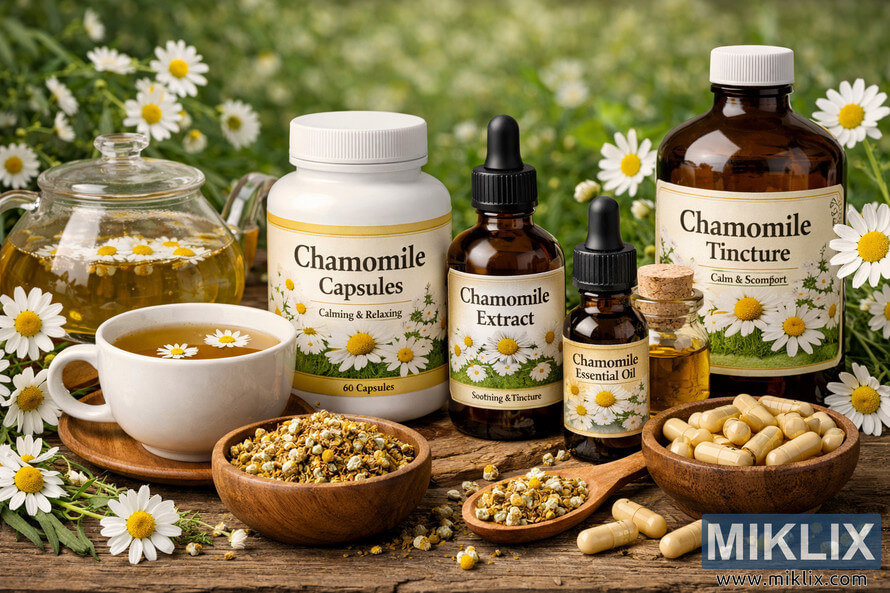
Liquid chamomile extract offers a concentrated form of the herb's beneficial compounds. These preparations use alcohol or glycerin to extract both water-soluble and fat-soluble components. This creates a more complete spectrum of chamomile's active substances.
Standardized extracts ensure consistent levels of key compounds like apigenin. This standardization makes dosing more reliable for therapeutic purposes. Most extracts come with droppers for easy measurement.
Typical doses range from one to four milliliters of extract, taken one to three times daily. You can add drops to water, juice, or directly under the tongue. The effects may be more pronounced than tea due to higher compound concentrations.
Quality matters significantly with extracts. Look for products from reputable manufacturers that test for purity and potency. Organic certification ensures the chamomile was grown without pesticides.
Fare clic o toccare l'immagine per ulteriori informazioni e risoluzioni più elevate.
Chamomile Supplements and Capsules
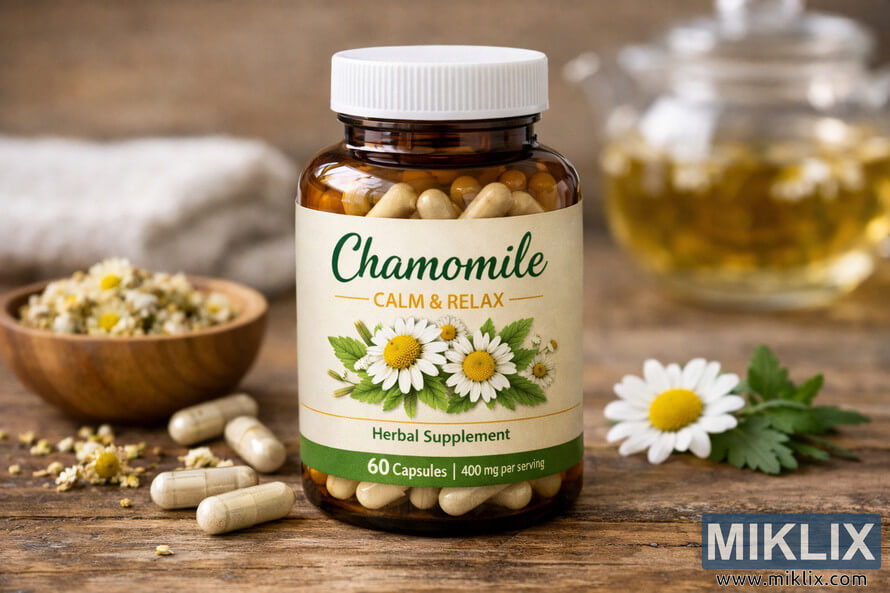
Capsules and tablets provide the most convenient way to take chamomile regularly. These products contain dried chamomile powder or concentrated extract. Supplements eliminate the need for tea preparation.
Dosages in capsule form vary widely between products. Common doses range from 200 to 500 milligrams per capsule. Some products recommend one capsule daily, while others suggest two or three divided doses.
Standardized supplement formulas specify the percentage of active compounds. For example, a product might guarantee 1.2 percent apigenin content. This standardization helps ensure you receive consistent benefits.
Take chamomile capsules with food to maximize absorption and minimize potential stomach upset. Following manufacturer recommendations provides the best starting point. You can adjust timing based on your specific health goals.
Topical Chamomile Products
Creams, ointments, and lotions containing chamomile extract deliver benefits directly to the skin. These products vary in chamomile concentration from about one percent to ten percent or higher. Higher concentrations generally provide stronger effects.
Chamomile essential oil represents the most concentrated topical form. This oil should be diluted before skin application, typically mixing a few drops with a carrier oil like coconut or jojoba oil. Pure essential oil is too strong for direct use.
You can also make your own chamomile preparations at home. Strong chamomile tea can be used as a facial toner or hair rinse. Freezing chamomile tea into ice cubes creates soothing compresses for skin irritation.
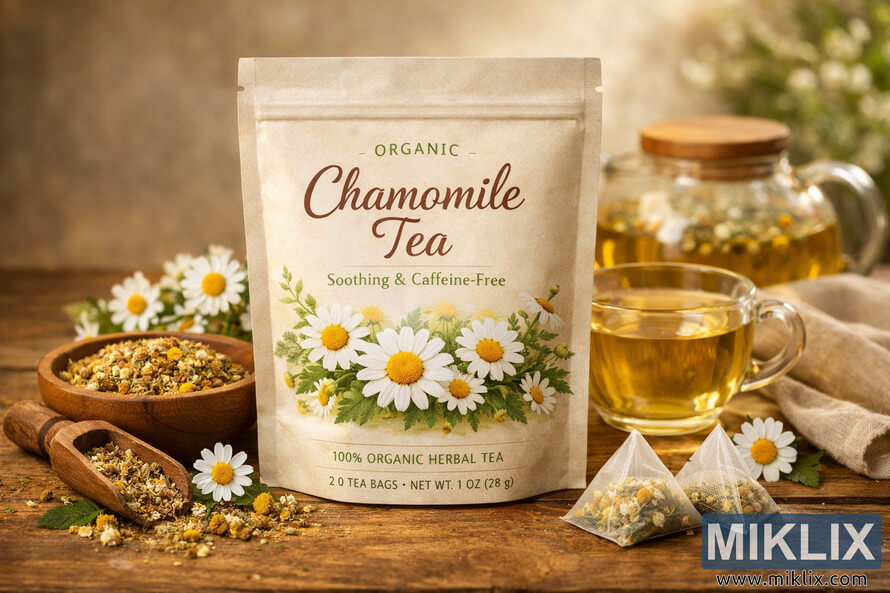
Organic Chamomile Tea
Whole dried chamomile flowers provide the traditional way to enjoy this herb. Best for overall wellness, relaxation, and digestive support. Recommended for daily use and those new to chamomile.
- Easy to prepare
- Gentle, consistent effects
- Pleasant taste
- Affordable option
Fare clic o toccare l'immagine per ulteriori informazioni e risoluzioni più elevate.
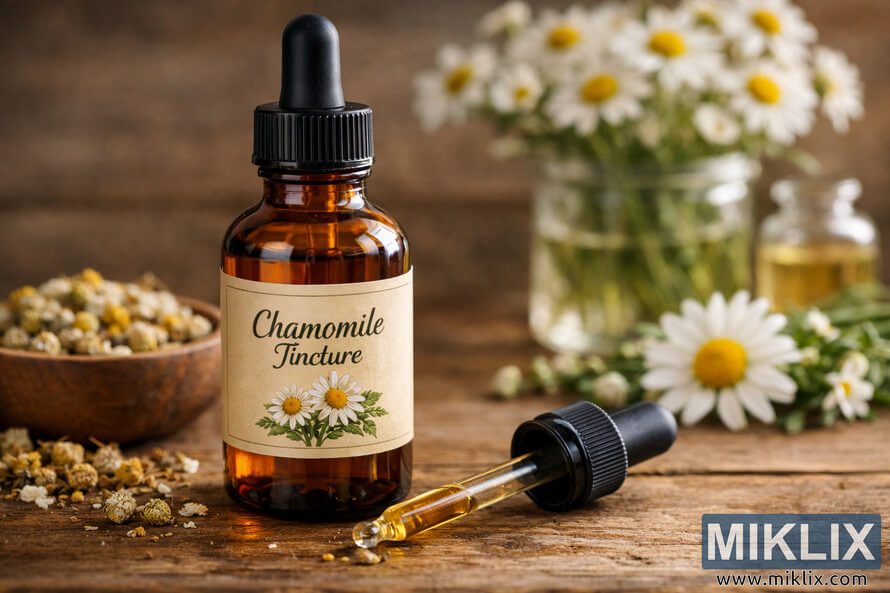
Chamomile Extract
Concentrated liquid extract delivers higher levels of active compounds. Ideal for targeted health goals and those seeking more pronounced effects. Convenient for on-the-go use.
- Highly concentrated
- Fast absorption
- Precise dosing
- Long shelf life
Fare clic o toccare l'immagine per ulteriori informazioni e risoluzioni più elevate.
Chamomile Supplements
Standardized capsules offer the most convenient method for consistent daily use. Perfect for busy lifestyles and those who prefer not to drink tea regularly.
- No preparation needed
- Standardized dosing
- Easy to take anywhere
- Tasteless option
Fare clic o toccare l'immagine per ulteriori informazioni e risoluzioni più elevate.
Recommended Dosage and Usage Guidelines
Determining the right amount of chamomile depends on several factors. Your health goals, the form you're using, and individual response all play roles. Starting with lower doses and adjusting based on results provides the safest approach.
Standard Dosage Ranges by Form
For chamomile tea, most people benefit from one to four cups daily. Each cup should contain one to two teaspoons of dried flowers or one tea bag. Spreading consumption throughout the day maintains steady compound levels in your system.
Chamomile extract dosages vary based on concentration. A typical recommendation is 1 to 4 milliliters of liquid extract, taken one to three times daily. Always follow the specific product instructions, as concentrations differ between brands.
Capsule dosages commonly range from 400 to 1600 milligrams daily, divided into two or three doses. Clinical studies have used various amounts, with many showing benefits at 500 milligrams daily. Start at the lower end of the range.
For topical use, apply chamomile creams or diluted essential oil to affected areas two to three times daily. When using essential oil, mix two to three drops with one tablespoon of carrier oil before application.
| Chamomile Form | Typical Daily Dose | Frequency | Best Timing |
| Dried Flowers (Tea) | 3-4 grams (1-4 cups) | 1-4 times daily | Evening for sleep, anytime for digestion |
| Liquid Extract | 1-4 mL | 1-3 times daily | With meals or before bed |
| Capsules/Tablets | 400-1600 mg | 2-3 times daily | With meals |
| Essential Oil (Topical) | 2-3 drops diluted | 2-3 times daily | As needed for skin issues |
Adjusting Based on Individual Needs
Some people respond strongly to lower doses of chamomile. Others require higher amounts to notice effects. Your body weight, metabolism, and specific health conditions influence optimal dosing.
Start with the minimum recommended dose for any new chamomile product. Use this amount consistently for at least one week before increasing. This allows you to assess effects and identify any unwanted reactions.
If you don't notice desired effects after two weeks at a low dose, gradually increase the amount. Add one additional cup of tea or raise extract doses by small increments. Keep notes on doses and observed effects.
Children require lower doses than adults. Chamomile is generally considered safe for children when used appropriately. Consult a pediatrician before giving chamomile to children under five years old. For older children, use about half the adult dose.
Duration of Use
Most people can use chamomile daily for extended periods. Traditional use and modern research support long-term consumption. Many studies showing health benefits involved continuous use for weeks or months.
Some practitioners recommend taking periodic breaks from any herbal supplement. You might use chamomile for six weeks, then take a one-week break. This approach may help maintain the herb's effectiveness over time.
For specific acute issues, shorter-term use may suffice. Someone using chamomile to soothe occasional digestive upset might only need it for a few days. Those seeking sleep support often benefit from nightly use for at least two to four weeks.
Safety, Side Effects, and Precautions
Chamomile has an excellent safety record when used appropriately. Millions of people consume this herb daily without problems. However, like any substance, chamomile can cause side effects in some individuals and may not be suitable for everyone.
Common Side Effects and Reactions
Most people tolerate chamomile well with minimal side effects. The most commonly reported issues are mild and temporary. Some individuals experience drowsiness, especially when using chamomile for the first time or at higher doses.
Nausea or vomiting can occur in sensitive individuals, particularly with concentrated extracts. Taking chamomile with food usually prevents this issue. Reducing the dose also helps if stomach upset occurs.
Some people report eye irritation after using chamomile tea bags as an eye compress. This typically results from contamination of the tea rather than the chamomile itself. Always use fresh, properly stored products for any topical application.
Allergic Reactions and Cross-Reactivity
Chamomile belongs to the Asteraceae family, which includes ragweed, chrysanthemums, and marigolds. People with allergies to these plants may also react to chamomile. This cross-reactivity represents the most significant safety concern.
Allergic reactions to chamomile can range from mild to severe. Symptoms may include itching, rash, swelling, or difficulty breathing. Anyone with known allergies to plants in the daisy family should avoid chamomile or use it very cautiously.
If you develop any signs of an allergic reaction after using chamomile, stop immediately and seek medical attention if symptoms are severe. A mild rash might only require discontinuation, while breathing difficulties need emergency care.
Medication Interactions
Chamomile may interact with certain medications, though serious interactions are rare. The herb can enhance the effects of sedative medications. This includes prescription sleep aids, anti-anxiety medications, and some pain relievers.
Blood thinning medications like warfarin may interact with chamomile. Some research suggests chamomile has mild anticoagulant properties. People taking blood thinners should consult their healthcare provider before using chamomile regularly.
Chamomile might affect how the liver processes certain medications. This could theoretically alter the effectiveness of various drugs. If you take multiple medications, discuss chamomile use with your doctor or pharmacist.
Safe for Most People
- Thousands of years of traditional use
- Generally recognized as safe by regulatory agencies
- Minimal side effects at typical doses
- Suitable for long-term use
- Safe for most children when properly dosed
Precautions Needed
- Risk of allergic reactions in sensitive individuals
- Possible medication interactions
- Not recommended during pregnancy (consult doctor)
- Should be avoided before surgery
- Quality and purity vary between products
Special Populations
Pregnant women should consult their healthcare provider before using chamomile. While many women drink chamomile tea during pregnancy without issues, high doses or concentrated extracts may pose risks. Some evidence suggests chamomile might affect hormone levels.
Breastfeeding mothers can generally use moderate amounts of chamomile tea. The compounds pass into breast milk in small amounts. Watch for any unusual reactions in nursing infants. Discontinue use if the baby becomes unusually sleepy or develops a rash.
People scheduled for surgery should stop using chamomile at least two weeks before the procedure. The potential effects on blood clotting and interactions with anesthesia warrant this precaution. Inform your surgeon about all supplements you've been taking.
Individuals with hormone-sensitive conditions should use chamomile cautiously. This includes people with certain types of breast cancer, uterine cancer, or endometriosis. Chamomile may have mild estrogenic effects, though research on this remains limited.

Fare clic o toccare l'immagine per ulteriori informazioni e risoluzioni più elevate.
How to Select Quality Chamomile Products
The quality of chamomile products varies significantly between brands and sources. Higher quality typically means greater potency and better results. Understanding what to look for helps you make informed purchasing decisions.
Signs of Quality in Dried Chamomile
High-quality dried chamomile flowers should look fresh and vibrant. The petals should be mostly white with bright yellow centers. Brown or faded flowers indicate old or poorly stored product.
The scent provides important quality clues. Fresh chamomile has a strong, pleasant, apple-like aroma. Weak or musty smells suggest old product or poor storage conditions. Trust your nose when evaluating quality.
Whole flowers generally offer better quality than broken pieces or powder. Whole flowers retain more essential oils and active compounds. They also allow you to see exactly what you're buying.
Important Certifications and Labels
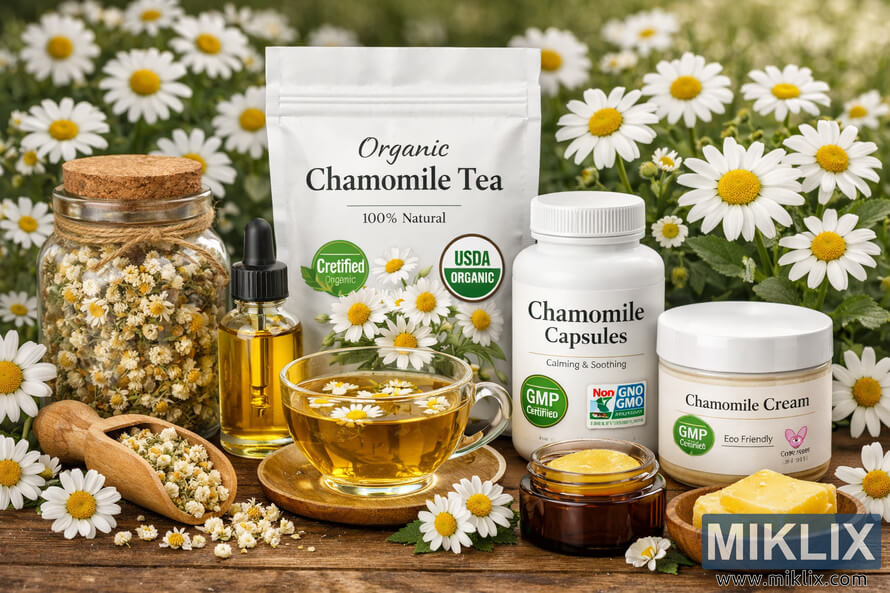
Organic certification ensures chamomile was grown without synthetic pesticides or fertilizers. Organizations like USDA Organic in the United States and similar bodies in other countries provide this certification. Organic products generally contain fewer contaminants.
Third-party testing adds another layer of quality assurance. Look for products tested by independent laboratories for purity and potency. Some companies display batch test results on their websites or provide them upon request.
Good Manufacturing Practices certification matters for supplements. This indicates the manufacturer follows strict quality control standards. The facility undergoes regular inspections to maintain certification.
Fare clic o toccare l'immagine per ulteriori informazioni e risoluzioni più elevate.
What to Avoid
Extremely cheap chamomile often indicates compromised quality. While you don't need to buy the most expensive option, very low prices suggest old product or inferior growing conditions. Quality herbs require proper cultivation, harvesting, and processing.
Products with long ingredient lists may contain unnecessary additives. Pure chamomile tea should list only chamomile flowers. Supplements might include a capsule material, but avoid products with excessive fillers or artificial ingredients.
Vague sourcing information raises red flags. Reputable brands specify where their chamomile comes from and how it was processed. Lack of this information suggests the company may not prioritize quality control.
Quality Indicators
- Organic certification present
- Strong, pleasant aroma
- Bright color (white and yellow)
- Whole flowers or large pieces
- Clear sourcing information
- Third-party testing mentioned
- Proper packaging (light-protective)
- Recent harvest or packaging date
Warning Signs
- No organic or quality certifications
- Weak or musty smell
- Brown or faded appearance
- Mostly powder or dust
- Vague or missing origin details
- No mention of testing
- Clear packaging exposing to light
- No date information provided
Storage and Freshness
Proper storage maintains chamomile quality after purchase. Keep dried flowers or tea bags in an airtight container away from light and heat. Glass jars work well for loose flowers. The pantry or a cool cupboard provides suitable storage.
Chamomile gradually loses potency over time. Use dried flowers within six to twelve months of purchase for best results. The aroma becomes weaker as the herb ages. When the scent fades significantly, the medicinal properties have likely diminished too.
Liquid extracts and supplements have different storage requirements. Keep extracts tightly sealed and follow label instructions. Most supplements should be stored in a cool, dry place away from moisture.
Understanding the Research: Strength of Evidence
Scientific research on chamomile continues to grow, but not all studies provide equally strong evidence. Understanding research quality helps you evaluate claims about health benefits. Different types of studies offer varying levels of proof.
Types of Research on Chamomile
Laboratory studies examine chamomile compounds in test tubes or cell cultures. These studies help identify mechanisms and potential effects. However, results don't always translate to benefits in living people. Laboratory research provides valuable starting points for further investigation.
Animal studies test chamomile effects in rats, mice, or other creatures. These experiments help researchers understand how chamomile works in complex biological systems. Animal research offers more information than lab studies but still differs from human biology.
Human clinical trials provide the strongest evidence for health benefits. These studies give chamomile to people and measure outcomes. Randomized controlled trials represent the gold standard, comparing chamomile against placebo or standard treatments.
Current State of Chamomile Research
Some chamomile benefits have stronger evidence than others. Sleep improvement and anxiety reduction have multiple supportive clinical trials. The evidence for these effects is growing and generally positive.
Digestive benefits have good traditional support and some clinical evidence. Studies show promise for various digestive complaints. More research would strengthen confidence in these applications.
Evidence for effects on blood sugar, heart health, and cancer remains preliminary. Most research in these areas comes from laboratory or animal studies. Human trials are limited but show initial promise worth investigating further.
Limitations of Current Research
Many chamomile studies involve small numbers of participants. Larger trials would provide more reliable conclusions. The quality of studies also varies, with some having better designs than others.
Most research examines short-term chamomile use. We know less about effects of consuming chamomile for years. Long-term safety studies would strengthen confidence in extended use.
Standardization challenges complicate research comparison. Different studies use various chamomile preparations at different doses. This makes it difficult to determine optimal forms and amounts for specific conditions.
Frequently Asked Questions About Chamomile
Can I drink chamomile tea every day?
Yes, most people can safely drink chamomile tea daily. Studies support regular consumption with participants using chamomile continuously for weeks or months. Many people drink one to four cups daily without issues. However, if you have allergies to plants in the daisy family or take certain medications, consult your healthcare provider first.
How long does it take for chamomile to work?
The timeline varies by intended use. For immediate relaxation or digestive comfort, effects may appear within 30 to 45 minutes of drinking chamomile tea. Sleep improvements often become noticeable after one to two weeks of consistent evening use. Benefits for chronic conditions like anxiety may require several weeks of regular consumption before reaching full effectiveness.
Is chamomile safe during pregnancy?
Chamomile during pregnancy requires caution and medical guidance. While many women drink occasional chamomile tea without problems, high doses or concentrated extracts may pose risks. Some evidence suggests chamomile might affect hormone levels or uterine contractions. Always consult your obstetrician before using chamomile or any herbal supplement during pregnancy.
What's the difference between German and Roman chamomile?
German chamomile and Roman chamomile are different plant species with similar properties. German chamomile grows as an annual plant and is more commonly used in herbal medicine and tea. Roman chamomile is a perennial ground cover with slightly sweeter aroma. Both contain beneficial compounds and work similarly for most purposes. German chamomile typically costs less and is more widely available.
Can children use chamomile?
Chamomile is generally safe for children when used appropriately. Many pediatricians recommend chamomile tea for minor digestive issues or mild sleep difficulties in children over five years old. Use about half the adult dose for children. Consult a pediatrician before giving chamomile to children under five or using concentrated extracts. Watch for any allergic reactions, especially if your child has plant allergies.
Does chamomile interact with medications?
Chamomile may interact with certain medications, though serious interactions are rare. The herb can enhance sedative effects of sleep aids or anti-anxiety drugs. It may also interact with blood thinners like warfarin. Chamomile might affect how the liver processes some medications. If you take prescription drugs regularly, discuss chamomile use with your doctor or pharmacist before starting.
Which form of chamomile is most effective?
The best form depends on your specific needs. Chamomile tea works well for general wellness, relaxation, and digestive support. Liquid extracts and capsules provide higher concentrations of active compounds for more targeted therapeutic use. Topical products work best for skin conditions. Choose based on convenience, desired potency, and your health goals. Quality matters more than form.
Can chamomile help with allergies?
Chamomile has anti-inflammatory and antihistamine properties that might help with some allergy symptoms. However, this creates a paradox for people with plant allergies. Those allergic to ragweed or other plants in the daisy family may react to chamomile itself. If you don't have these allergies, chamomile might provide mild relief for seasonal allergy symptoms through its anti-inflammatory effects.
Making Chamomile Part of Your Wellness Routine
Chamomile offers a range of potential health benefits supported by both traditional use and modern research. This gentle herb has earned its reputation as a trusted natural remedy across thousands of years and countless cultures.
The evidence strongest supports chamomile for improving sleep quality and reducing anxiety. Regular consumption may help you fall asleep faster and wake feeling more rested. Many people also find relief from digestive discomfort through drinking chamomile tea.
Additional benefits related to skin health, immune support, and metabolic function show promise. While research continues, existing evidence justifies exploring chamomile for these purposes. The herb's excellent safety profile makes experimentation relatively low-risk for most people.
Starting with chamomile is straightforward. Choose a high-quality product in the form that best fits your lifestyle. Begin with standard doses and adjust based on your response. Give the herb at least two weeks of consistent use before evaluating effectiveness.
Remember that chamomile works best as part of a comprehensive approach to health. Combine its use with other healthy habits like regular exercise, nutritious eating, and adequate sleep hygiene. No single herb can compensate for an otherwise unhealthy lifestyle.
Pay attention to your body's signals. If you experience any negative reactions, discontinue use and consult a healthcare provider. Most people tolerate chamomile well, but individual responses vary.
Consider keeping a journal to track your experience with chamomile. Note the form and dose you use, timing of consumption, and any effects you observe. This record helps you optimize your use and provides valuable information if discussing with healthcare providers.
The scientific understanding of chamomile continues to evolve. Researchers are discovering new mechanisms and potential applications. Staying informed about emerging research helps you make the most educated decisions about use.
Whether you seek better sleep, digestive comfort, or simply enjoy the ritual of herbal tea, chamomile offers something valuable. This remarkable plant bridges ancient wisdom and modern science, providing natural support for wellbeing.

Fare clic o toccare l'immagine per ulteriori informazioni e risoluzioni più elevate.
Ulteriori letture
Se ti è piaciuto questo post, potrebbero piacerti anche questi suggerimenti:
- Guida ai benefici per la salute dell'erba di grano
- Il potere del pompelmo: un superfrutto per una salute migliore
- Riso integrale, benefici straordinari: perché questo cereale integrale merita un posto nel tuo piatto