
Vaizdas: Hands Holding Rich Garden Soil
Paskelbta:
Paskutinį kartą atnaujinta: 2026 m. kovo 17 d. 21:37:47 UTC
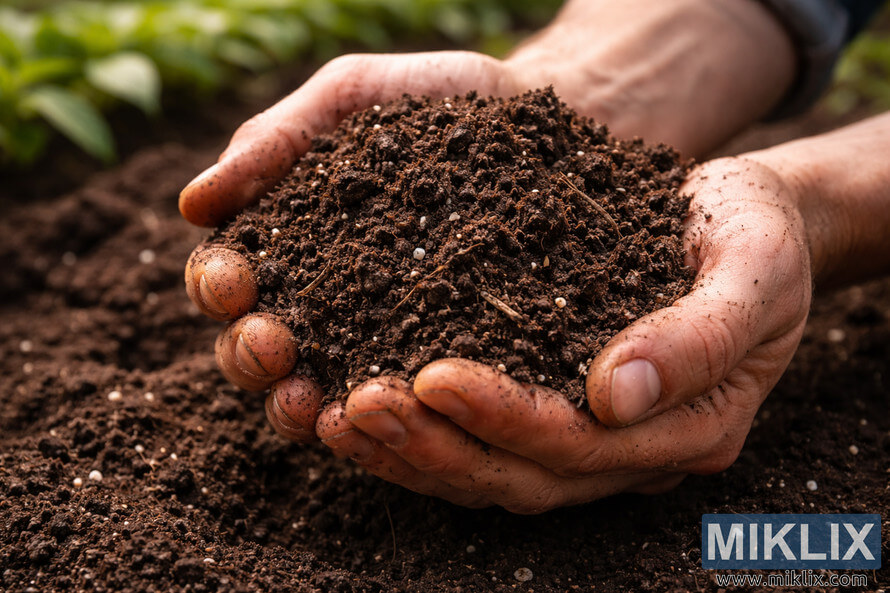
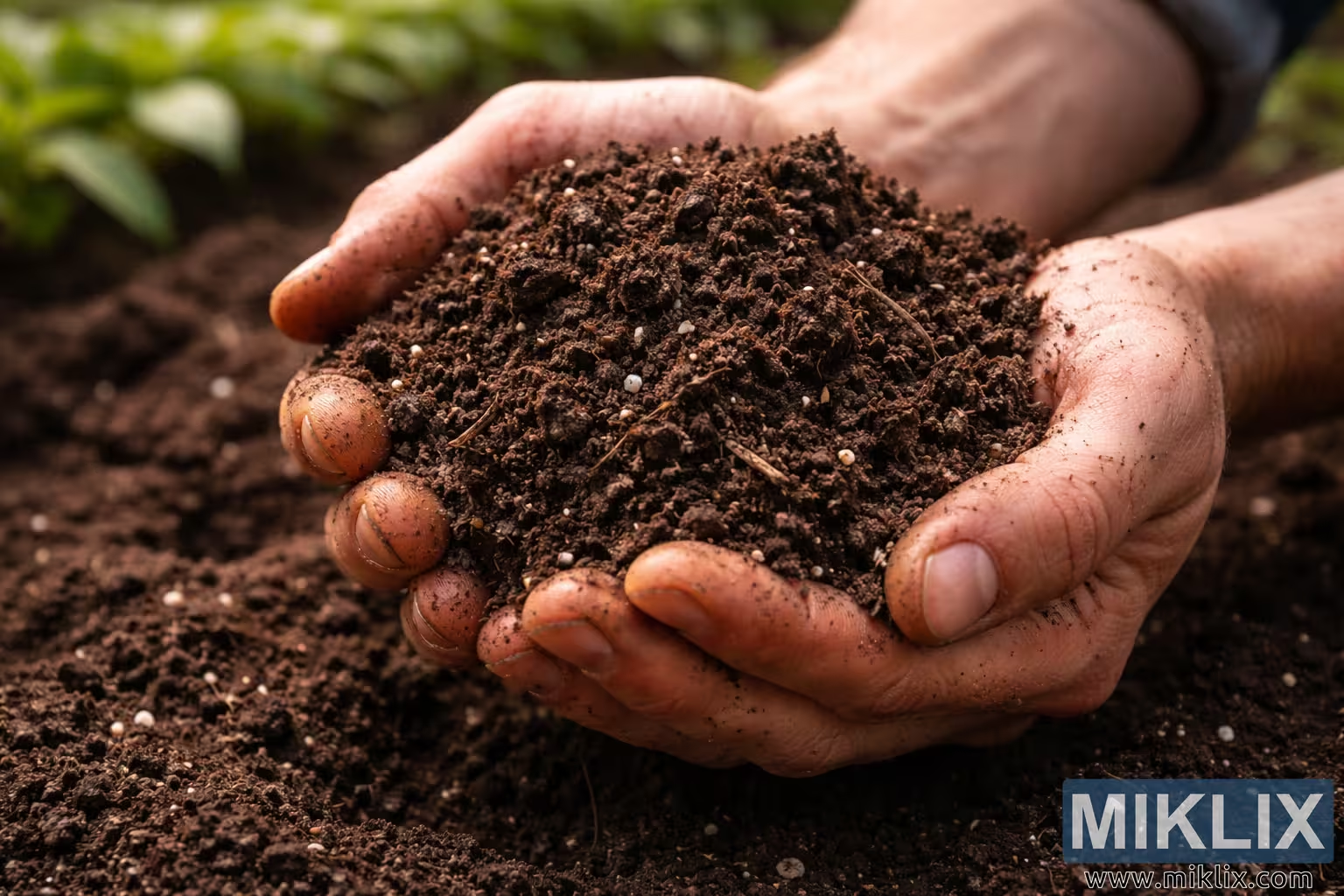
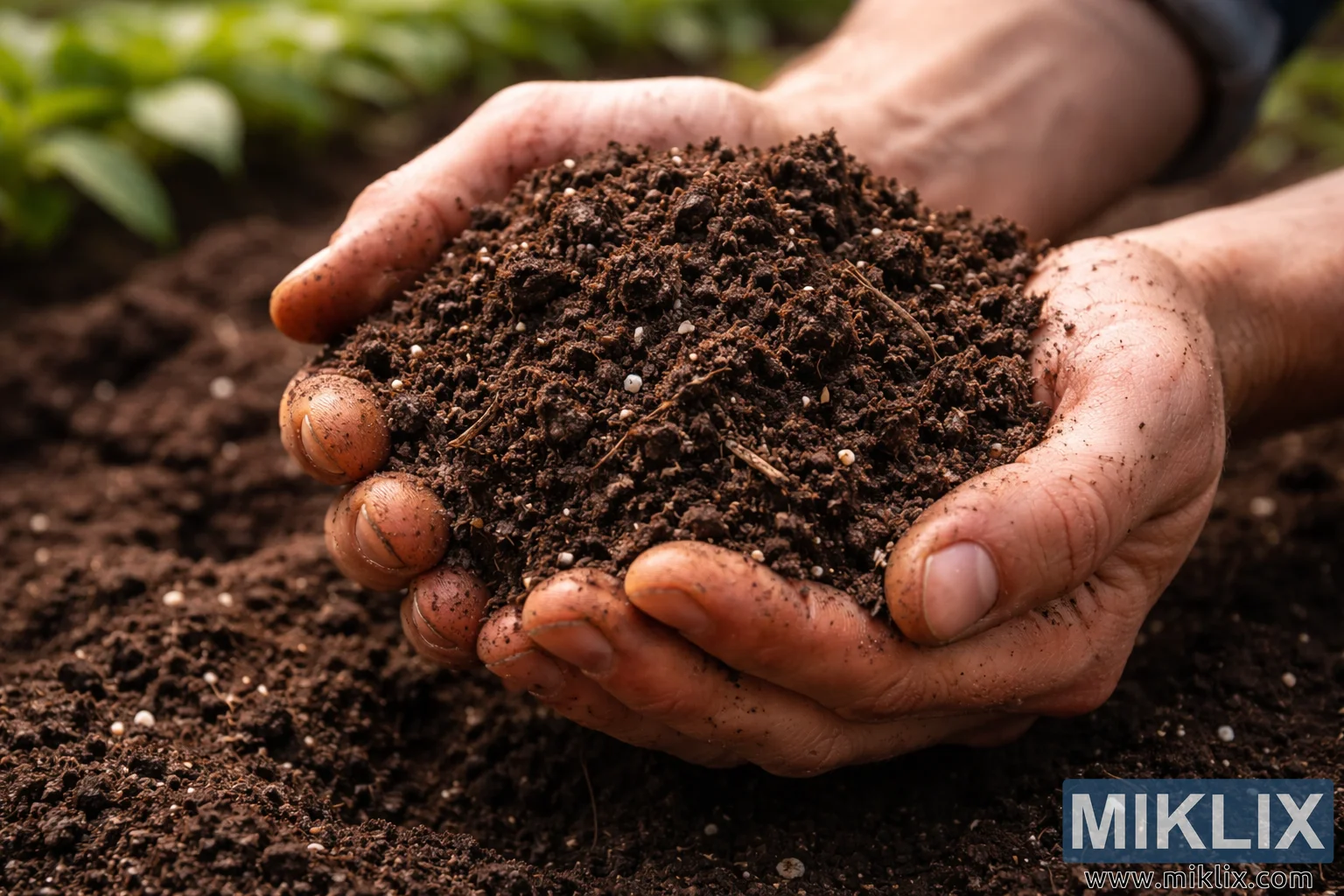
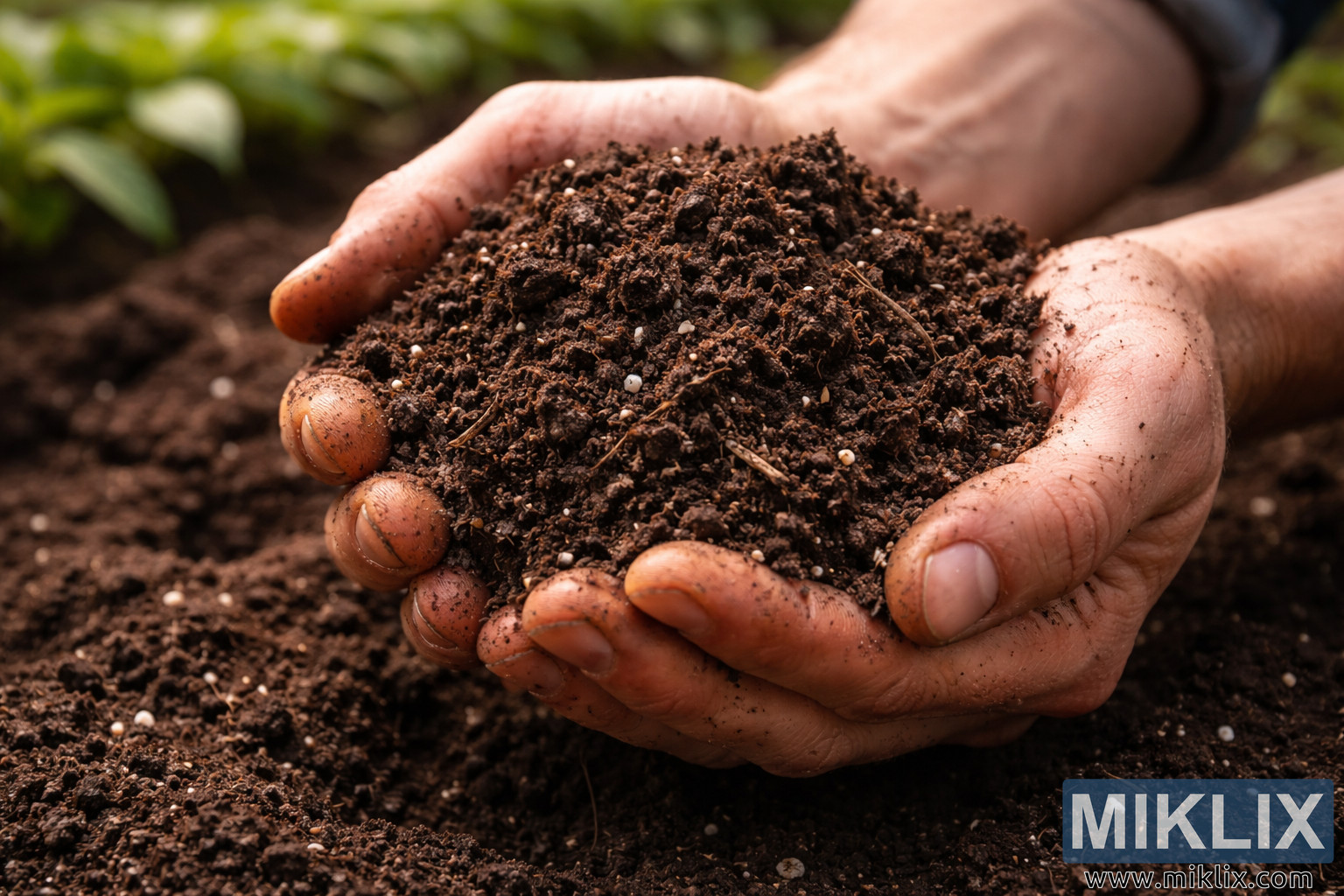
A detailed close-up photograph of cupped hands holding rich, prepared garden soil, highlighting its organic texture, nutrients, and readiness for planting.
Hands Holding Rich Garden Soil
Galimos šio paveikslėlio versijos
Toliau pateiktos parsisiunčiamų vaizdų rinkmenos yra mažiau suspaustos, didesnės raiškos ir dėl to kokybiškesnės nei šios svetainės straipsniuose ir puslapiuose įterpti vaizdai, kurių dydis optimizuotas siekiant sumažinti duomenų srauto pralaidumą.
Įprastas dydis (1,536 x 1,024)
Didelis dydis (3,072 x 2,048)
Labai didelis dydis (4,608 x 3,072)
Ypač didelis dydis (6,144 x 4,096)
Komiškai didelis dydis (1,048,576 x 699,051)
- Vis dar įkelia... ;-)
Vaizdo aprašymas
The image presents a close-up view of a pair of human hands gently cupping and holding a mound of rich, prepared garden soil. The hands are slightly dirt-stained, suggesting recent work in the garden and reinforcing the sense of hands-on cultivation and connection with the earth. The palms form a supportive cradle around the soil, with fingers curved inward to keep the loose, crumbly material from spilling. Fine grains of soil cling to the skin and gather in the creases of the fingers and under the nails, emphasizing the tactile nature of gardening.
The soil itself appears dark brown and highly organic, suggesting a nutrient-rich mixture ideal for planting. Its texture is clearly visible, with small clumps and fine particles forming a loose, aerated structure. Scattered throughout the soil are tiny pale specks and fragments of organic matter, possibly perlite or small pieces of decomposed plant material. Thin roots and fibrous remnants of past plant life are visible within the mixture, hinting at the natural cycle of growth and decay that produces fertile garden soil.
Soft natural daylight illuminates the scene, creating warm highlights on the skin and subtle shadows within the folds of the hands and the contours of the soil mound. The lighting enhances the earthy tones, ranging from deep chocolate browns in the soil to warm tan and reddish hues in the skin. The illumination is even and gentle, avoiding harsh contrasts while allowing the intricate textures of the soil particles and organic fragments to stand out clearly.
The background is softly blurred, producing a shallow depth-of-field effect that directs attention toward the hands and soil in the foreground. Hints of green shapes in the distance suggest nearby plants or garden beds, reinforcing the outdoor gardening context without distracting from the main subject. The blur creates a calm, natural atmosphere while visually separating the focal point from the surrounding environment.
Overall, the photograph conveys themes of cultivation, sustainability, and care for the natural world. The hands symbolize human stewardship and the nurturing relationship between people and the soil that sustains plant life. By focusing closely on the soil's texture and the gentle way it is held, the image highlights the foundational role of healthy earth in gardening, agriculture, and ecological balance. The composition communicates a sense of growth, patience, and respect for the natural processes that transform organic matter into fertile ground capable of supporting new life.
Vaizdas susijęs su: The Complete Guide to Growing Okra in Your Home Garden