
Vaizdas: Scientific Research Laboratory Studying Wheatgrass Health Properties
Paskelbta:
Paskutinį kartą atnaujinta: 2026 m. birželio 16 d. 14:07:43 UTC
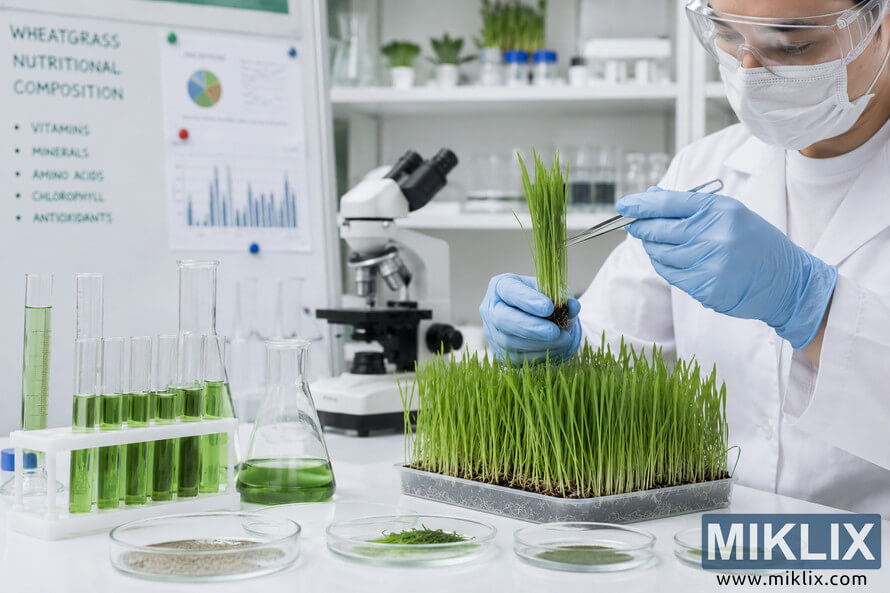
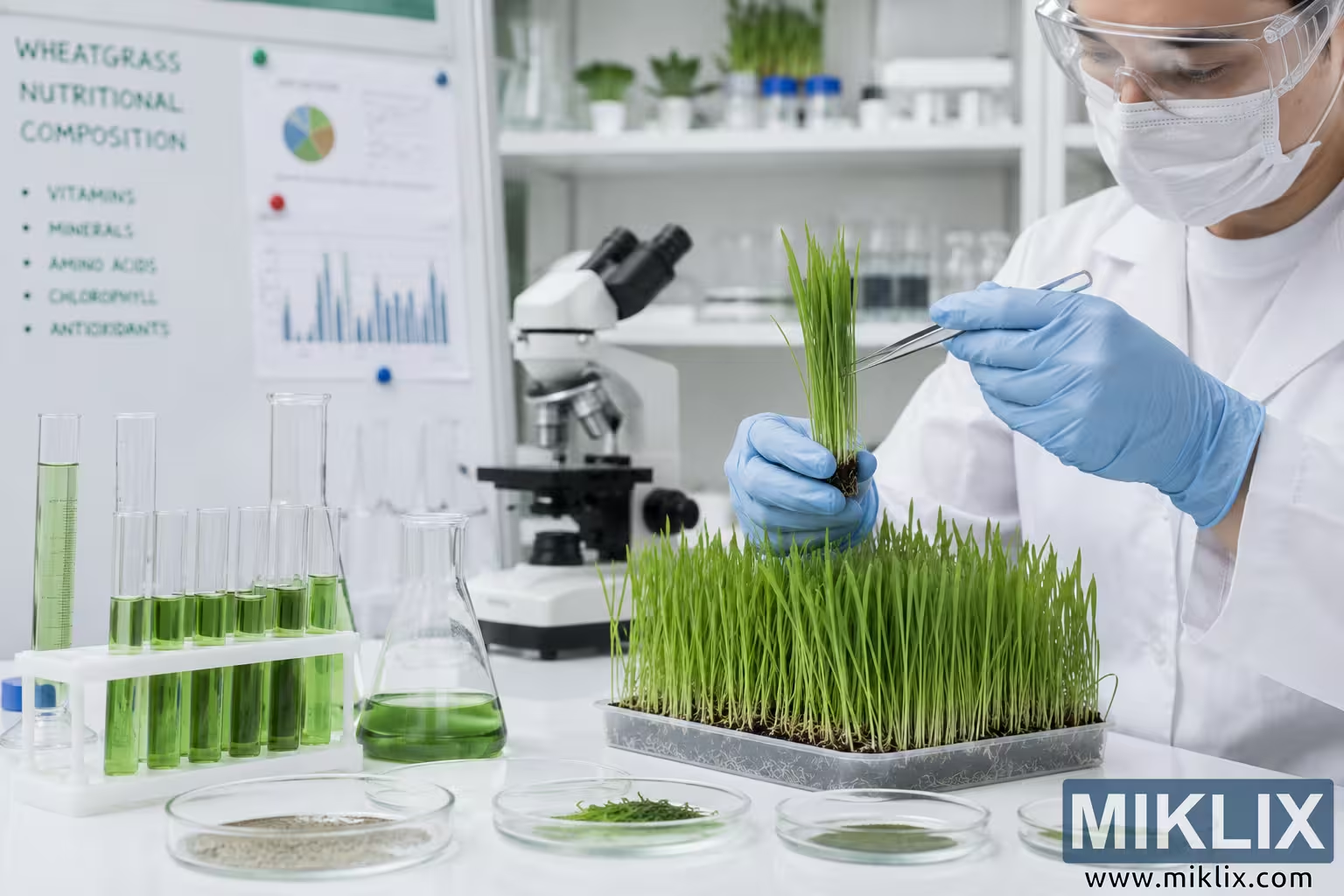
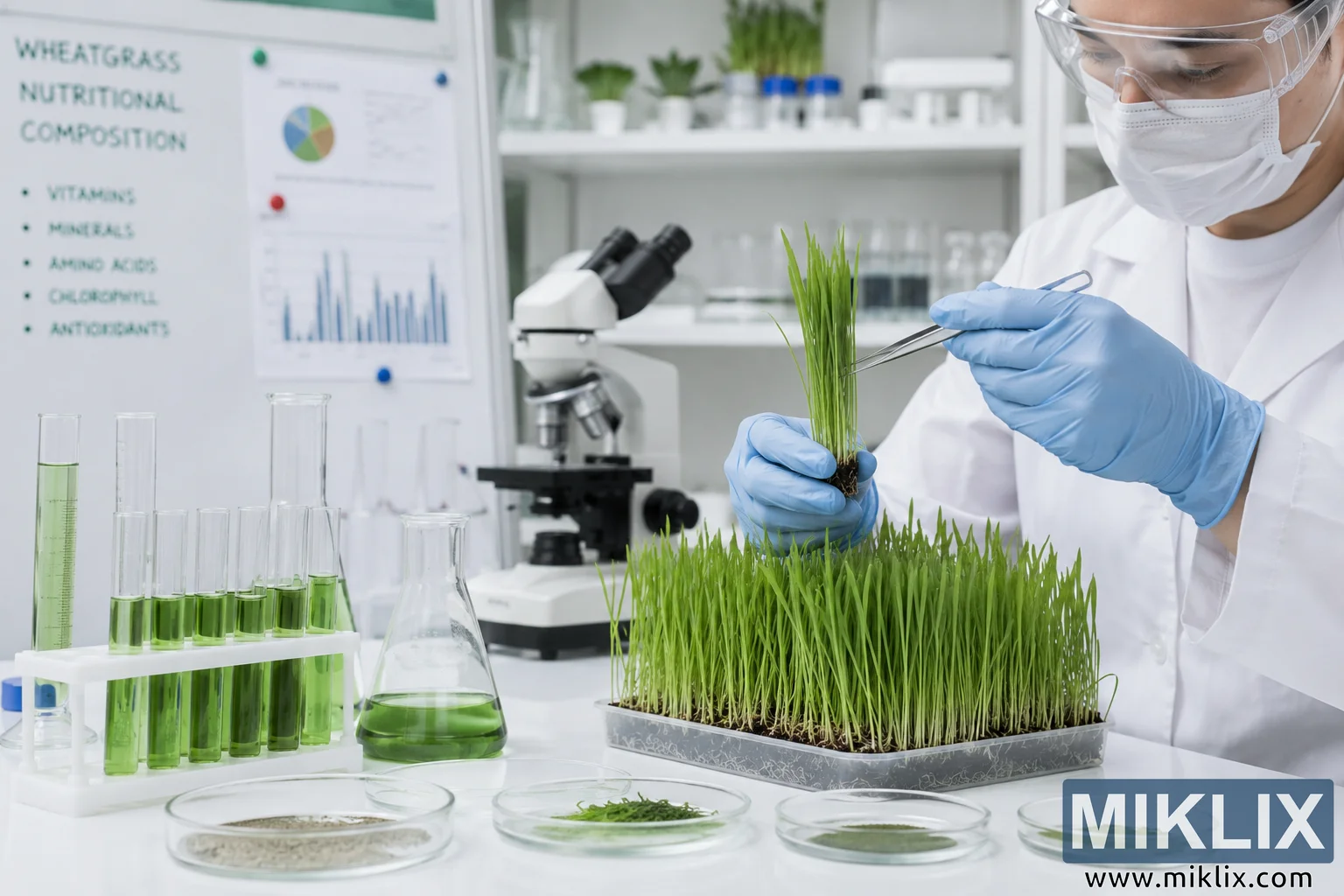
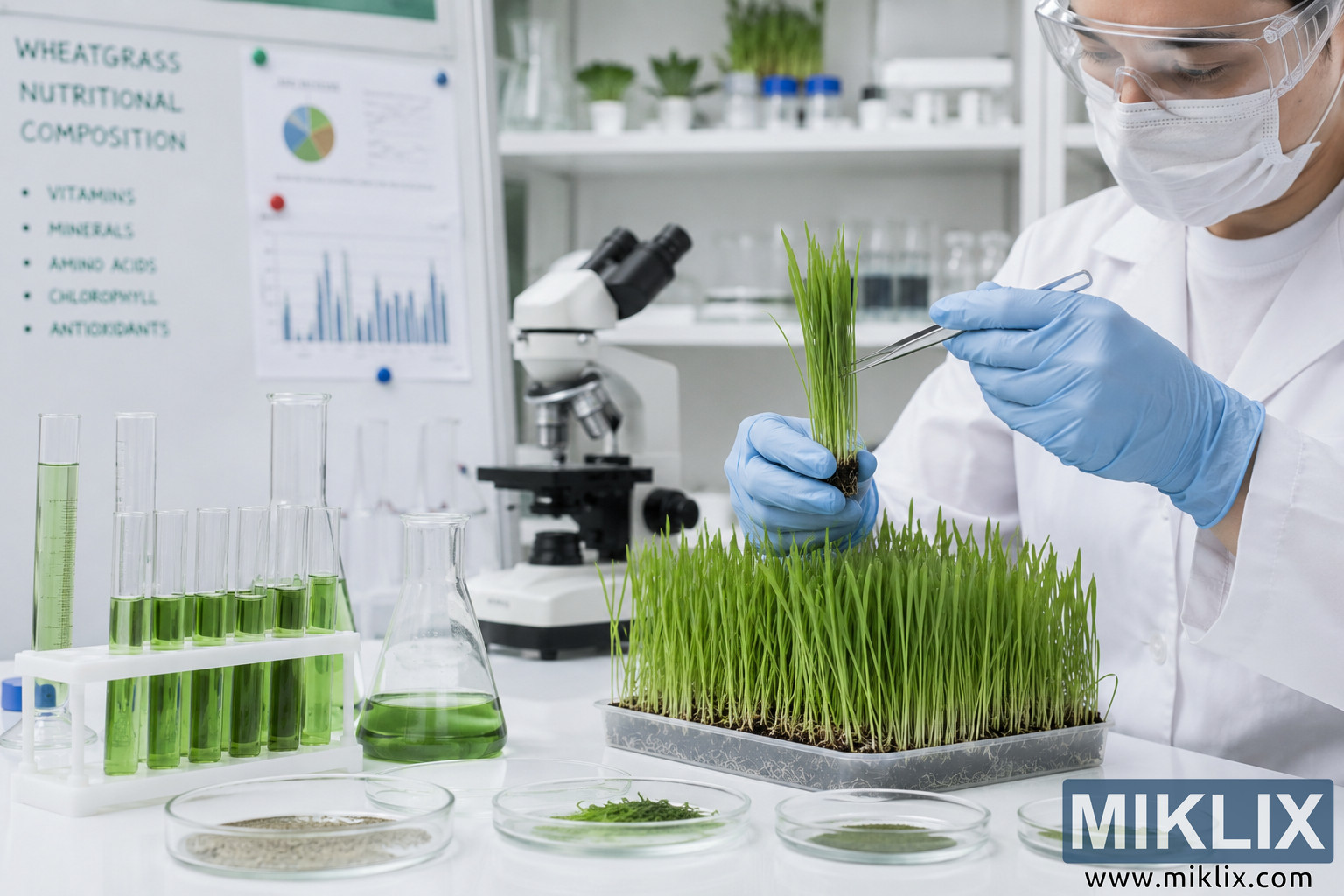
Explore a high-resolution scientific laboratory scene featuring a researcher studying wheatgrass health properties with microscopes, laboratory glassware, green plant extracts, and nutritional analysis charts in a clean modern biotech environment.
Scientific Research Laboratory Studying Wheatgrass Health Properties
Galimos šio paveikslėlio versijos
Toliau pateiktos parsisiunčiamų vaizdų rinkmenos yra mažiau suspaustos, didesnės raiškos ir dėl to kokybiškesnės nei šios svetainės straipsniuose ir puslapiuose įterpti vaizdai, kurių dydis optimizuotas siekiant sumažinti duomenų srauto pralaidumą.
Įprastas dydis (1,536 x 1,024)
Didelis dydis (3,072 x 2,048)
Labai didelis dydis (4,608 x 3,072)
Ypač didelis dydis (6,144 x 4,096)
Komiškai didelis dydis (1,048,576 x 699,051)
- Vis dar įkelia... ;-)
Vaizdo aprašymas
A highly detailed scientific research laboratory is shown in a bright, modern indoor environment dedicated to the study of wheatgrass health properties and nutritional science. The image is presented in landscape orientation with a clean, professional composition emphasizing biotechnology, plant-based nutrition research, and laboratory precision. In the foreground, a researcher wearing a white laboratory coat, protective face mask, transparent safety goggles, and blue nitrile gloves carefully holds a fresh bundle of vibrant green wheatgrass. The scientist uses metal tweezers to inspect the delicate plant blades and roots, suggesting close examination of nutrient composition, chlorophyll concentration, or antioxidant properties. The researcher’s posture and focused gaze communicate concentration, scientific accuracy, and careful experimentation.
Positioned across the laboratory workbench are multiple pieces of transparent scientific glassware filled with vivid green liquid extracts derived from wheatgrass. Several test tubes arranged neatly in a white laboratory rack contain liquids in varying shades of green, symbolizing different stages of extraction, purification, or comparative testing. Beside the test tubes sits a clear Erlenmeyer flask partially filled with a translucent green solution, reflecting the bright overhead laboratory lighting. Additional shallow petri dishes placed near the front edge of the table contain powdered samples, seeds, dried plant material, and concentrated green compounds related to wheatgrass research. The clean arrangement of the materials reinforces the image’s professional scientific atmosphere.
Near the center of the scene stands a modern laboratory microscope with black and white detailing. The microscope is positioned close to the active research area, implying that microscopic analysis of plant fibers, cell structures, or biological reactions is part of the ongoing investigation. Behind the microscope, shelves hold additional laboratory containers, bottles, and healthy green plants, creating depth while reinforcing the botanical research setting. The shelves are bright white and softly illuminated, contributing to the sterile and technologically advanced appearance of the laboratory.
In the background, a large scientific presentation board or laboratory chart displays information related to wheatgrass nutritional composition. The board contains charts, diagrams, graphs, and readable category headings referencing vitamins, minerals, amino acids, chlorophyll, antioxidants, and other nutritional components associated with wheatgrass. Circular graphs and vertical data visualizations imply quantitative scientific analysis and nutritional profiling. The board helps communicate that the laboratory is engaged in evidence-based research focused on plant health benefits, wellness science, dietary supplementation, or agricultural biotechnology.
The overall lighting of the image is soft, bright, and clinical, dominated by white tones contrasted with the intense natural green of the wheatgrass samples and extracted liquids. The composition balances realism and cleanliness, making the environment appear both scientifically credible and visually inviting. Reflections on the glassware and polished surfaces enhance the sense of high-quality photographic realism. The laboratory appears organized, sanitized, and technologically advanced, suggesting a professional research institution, university biotechnology department, nutrition laboratory, or agricultural science facility.
The image communicates themes of health science, natural nutrition, botanical research, sustainability, and modern biotechnology. The wheatgrass itself appears fresh and healthy, with dense green blades growing in a rectangular cultivation tray filled with dark soil. The contrast between the living plants and the analytical equipment visually represents the connection between nature and science. No commercial branding, company logos, or identifiable trademarks appear anywhere in the scene, maintaining a neutral and universally usable scientific presentation.
Overall, the scene portrays an advanced scientific investigation into the potential health benefits and nutritional properties of wheatgrass through careful laboratory experimentation, visual analysis, and biochemical testing. The atmosphere combines professionalism, cleanliness, innovation, and natural wellness research into a cohesive high-resolution visual narrative.
Vaizdas susijęs su: A Guide to the Health Benefits of Wheatgrass