
Vaizdas: Close-Up Macro View of Potato Skin Texture and Naturally Occurring Nutrient-Rich Surface
Paskelbta:
Paskutinį kartą atnaujinta: 2026 m. rugpjūčio 4 d. 13:57:10 UTC
High-resolution macro close-up of potato skin highlighting natural texture, potato eyes, earthy details, and the nutrient-rich outer peel. Ideal for nutrition, agriculture, food science, and educational content.
Close-Up Macro View of Potato Skin Texture and Naturally Occurring Nutrient-Rich Surface
Galimos šio paveikslėlio versijos
Toliau pateiktos parsisiunčiamų vaizdų rinkmenos yra mažiau suspaustos, didesnės raiškos ir dėl to kokybiškesnės nei šios svetainės straipsniuose ir puslapiuose įterpti vaizdai, kurių dydis optimizuotas siekiant sumažinti duomenų srauto pralaidumą.
Įprastas dydis (1,536 x 1,024)
Didelis dydis (3,072 x 2,048)
Labai didelis dydis (4,608 x 3,072)
Ypač didelis dydis (6,144 x 4,096)
Komiškai didelis dydis (1,048,576 x 699,051)
- Vis dar įkelia... ;-)
Vaizdo aprašymas
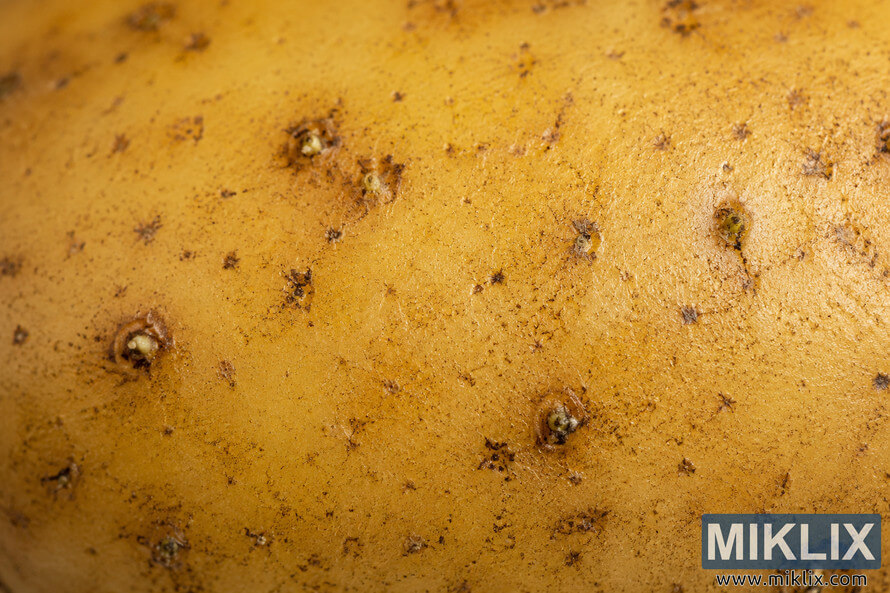
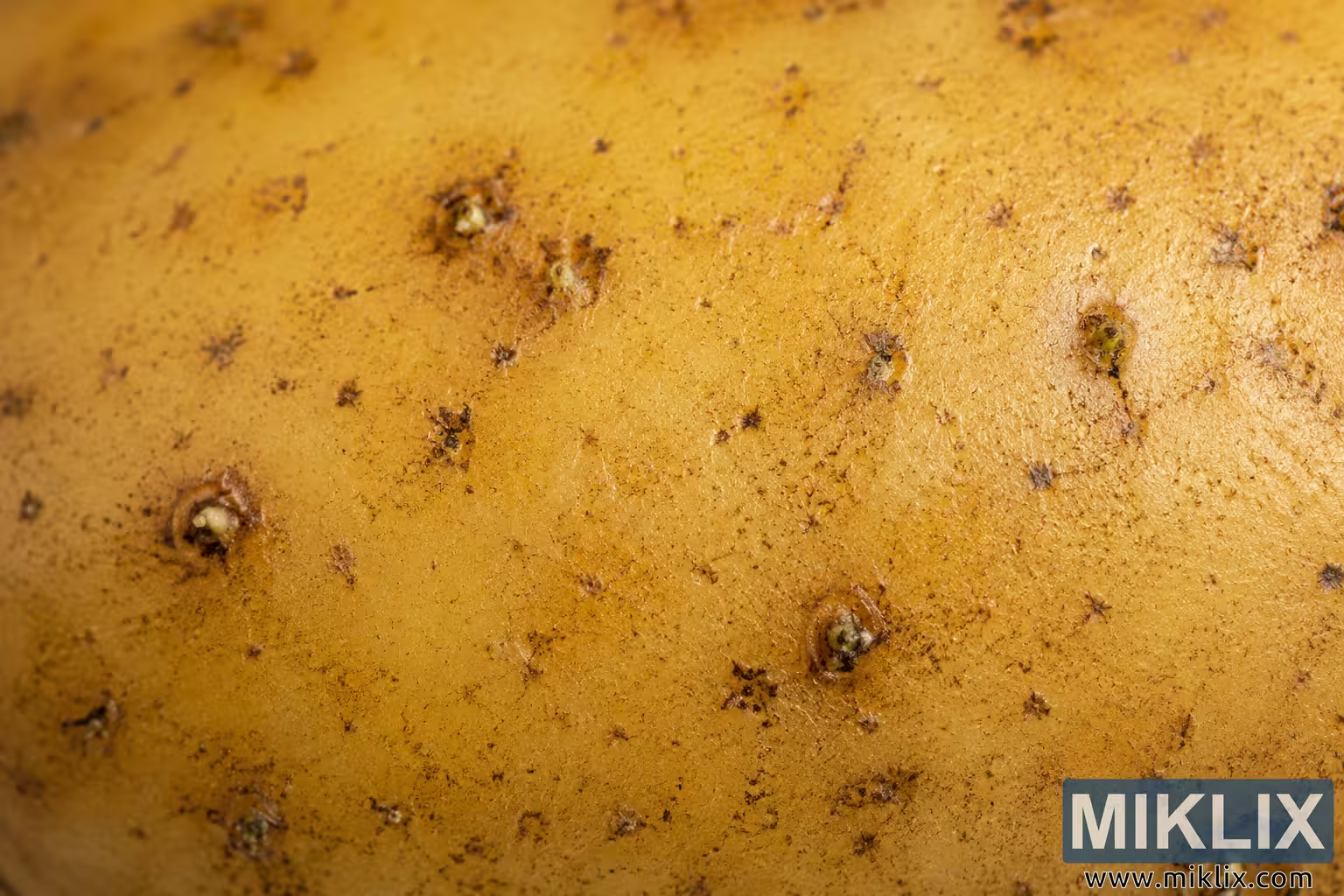
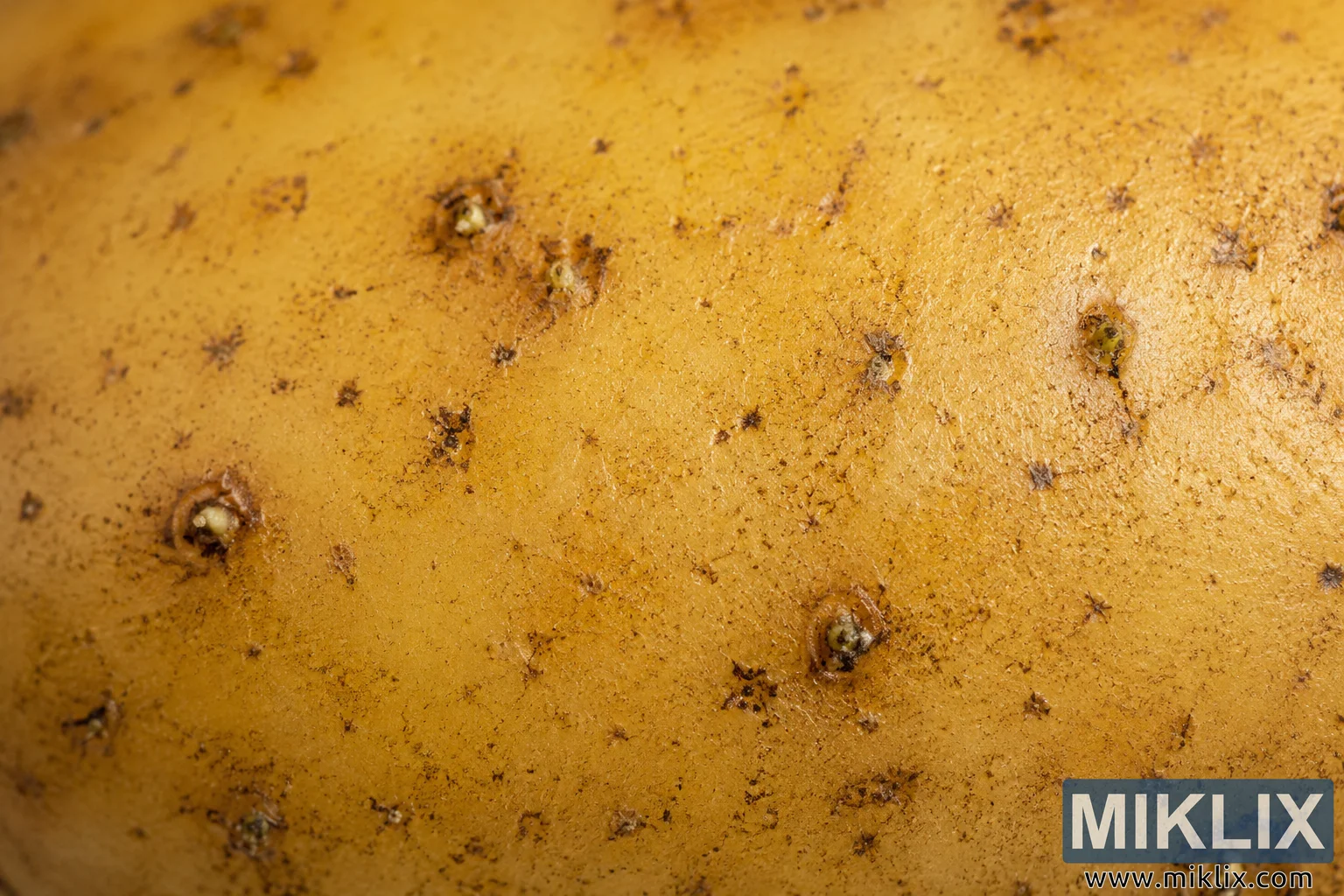
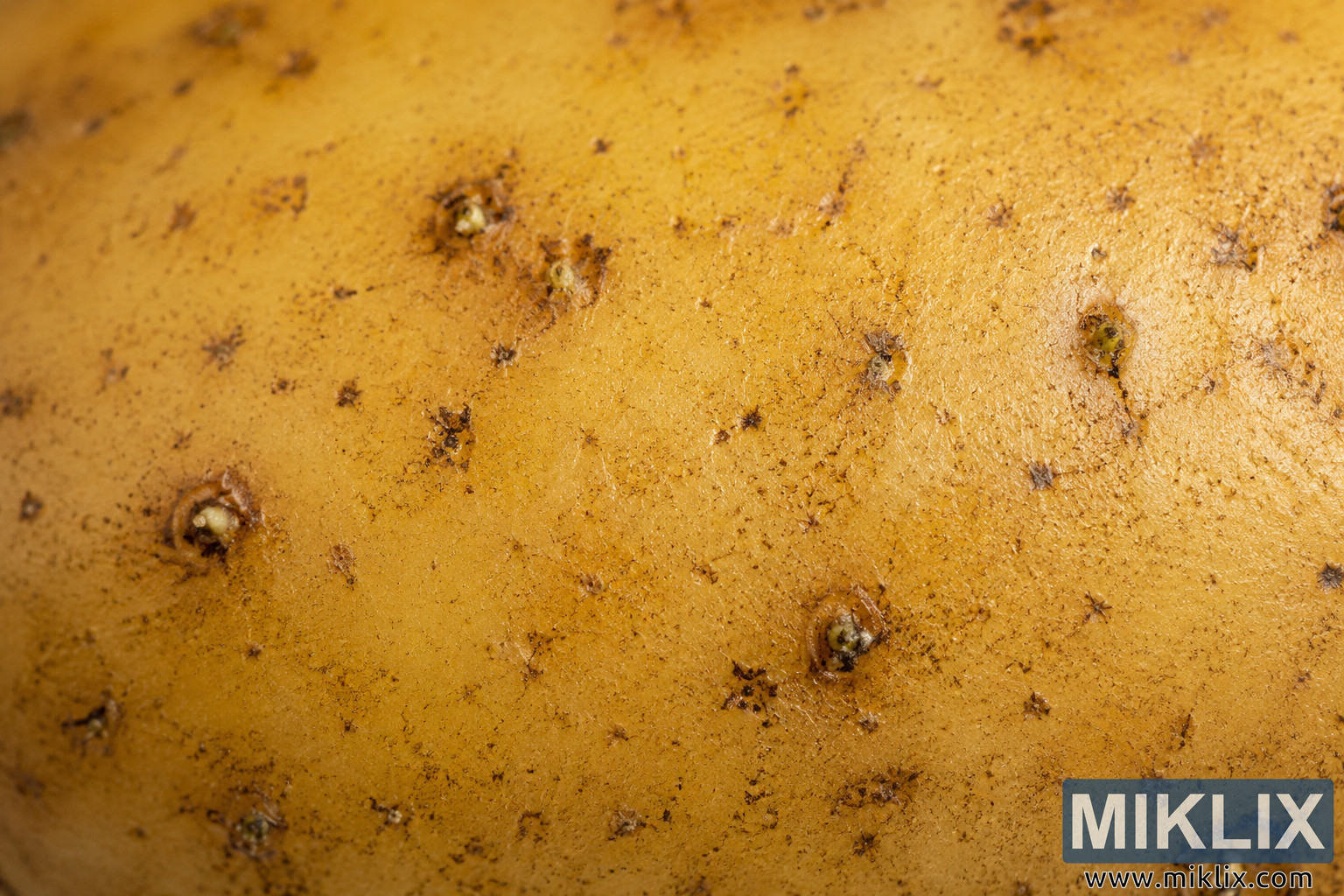
This image presents an extremely detailed macro close-up of the outer surface of a potato, filling the entire frame with the natural characteristics of its skin. The composition focuses exclusively on the potato peel, eliminating any distracting background elements and allowing every minute detail of the surface to become the visual subject. The perspective is very close, creating a highly magnified view that reveals textures and subtle variations which are often overlooked when viewing a potato at normal scale. The image is presented in landscape orientation and emphasizes realism through fine detail, natural lighting, and shallow depth of field.
The dominant color palette consists of warm golden yellow, muted ochre, soft tan, and earthy brown tones. These colors transition gradually across the surface, reflecting the organic variation found in the skin of a mature potato. Rather than appearing perfectly uniform, the peel exhibits countless tiny shifts in hue, ranging from pale yellow highlights to darker amber regions and scattered brown speckles. These natural color differences contribute to the authentic appearance of the vegetable and reinforce the impression that it is freshly harvested.
Across the surface are numerous small potato eyes, each appearing as a shallow indentation embedded within the peel. Several of these eyes contain tiny pale sprouts or buds emerging from their centers, while others remain dormant. Around many of the eyes are darker circular rings that create subtle visual contrast with the surrounding skin. These features are distributed irregularly rather than symmetrically, emphasizing the organic nature of the potato. Fine cracks, microscopic wrinkles, and slight undulations spread outward from these indentations, giving the peel additional dimensionality and realism.
The texture is the primary visual focus of the image. Tiny pores, minute pits, delicate grain patterns, and faint fibrous structures cover the skin from edge to edge. Small particles of soil remain attached in isolated areas, appearing as dark granular deposits resting within shallow crevices and around the potato eyes. These traces of earth reinforce the agricultural origin of the subject and enhance the authenticity of the photograph. The combination of smooth regions, rough patches, shallow depressions, and microscopic irregularities creates a rich tactile impression, making the viewer almost able to imagine the feel of the potato's surface.
Lighting is soft and directional, producing gentle highlights that accentuate the rounded contours of the potato without introducing harsh reflections. The illumination reveals subtle differences in elevation across the peel while preserving a natural appearance. Shadows remain soft and diffuse, helping define texture without obscuring detail. The shallow depth of field ensures that the central portion of the potato skin appears exceptionally sharp while areas toward the edges gradually transition into a pleasing, gentle blur. This selective focus guides the viewer's attention toward the most detailed portion of the composition and contributes to a professional macro-photography aesthetic.
Although nutrients themselves are not directly visible in a photograph, the image visually emphasizes the potato skin, the part of the vegetable commonly associated with naturally occurring dietary fiber, vitamins, minerals, antioxidants, and other beneficial plant compounds. By showcasing the intact peel with exceptional clarity, the image suggests freshness, natural quality, and minimal processing while highlighting the importance of preserving the outer layer during food preparation.
No people, utensils, packaging, labels, logos, trademarks, branding elements, text overlays, or artificial decorative objects are visible anywhere in the frame. The composition is entirely dedicated to the potato surface, resulting in a clean scientific, educational, and food-photography style presentation. The absence of additional objects allows the intricate texture, color variation, and naturally occurring features of the peel to dominate the visual experience.
Overall, the photograph communicates the beauty of everyday natural materials through extreme magnification. What might ordinarily appear as a simple potato becomes a landscape of organic textures, subtle color transitions, microscopic details, and naturally formed patterns. The image effectively combines realism, botanical accuracy, and aesthetic appeal, making it suitable for educational materials, nutrition-related content, agricultural publications, food science resources, cooking articles, or visual discussions about whole foods and the characteristics of fresh produce.
Vaizdas susijęs su: The Surprising Health Benefits of Potatoes: A Complete Nutrition Guide