
Burdock Root Benefits: Nutrition, Uses, and Potential Health Effects
प्रकाशित:
शेवटचे अपडेट केलेले: १३ जुलै, २०२६ रोजी ७:४८:०३ PM UTC
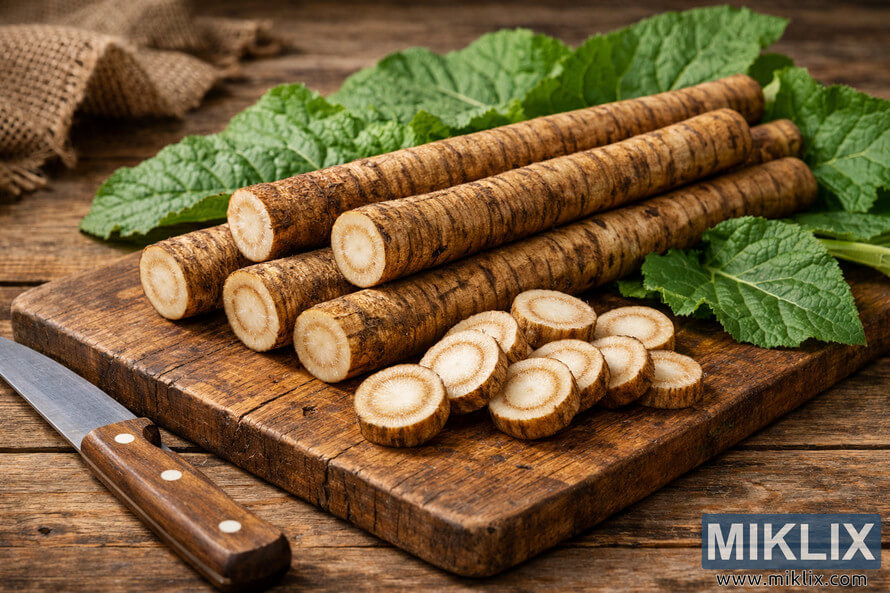
Burdock root has emerged as a powerhouse in natural wellness circles. This humble plant offers remarkable health benefits that modern research continues to validate.
Burdock Root Benefits: Nutrition, Uses, and Potential Health Effects
अधिक माहिती आणि उच्च रिझोल्यूशनसाठी प्रतिमेवर क्लिक किंवा टॅप करा.
For centuries, traditional medicine systems have relied on burdock. Today, health enthusiasts are rediscovering its potential.
Whether you know it as gobo in Japanese cuisine or recognize its burrs from nature walks, burdock deserves your attention. This comprehensive guide explores everything you need to know about incorporating this vegetable into your wellness routine.
What Is Burdock and Where Does It Grow
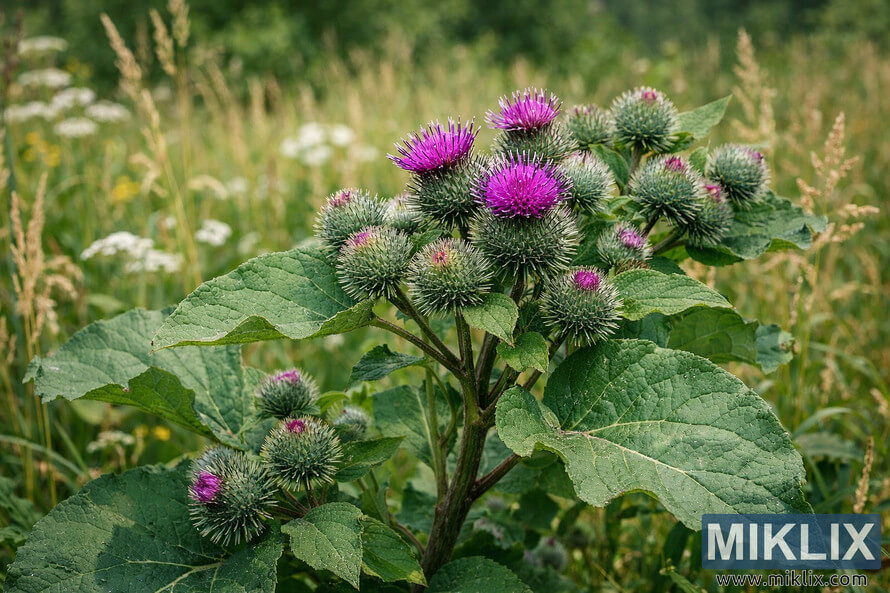
Burdock belongs to the Asteraceae family. Two primary species dominate: arctium lappa (greater burdock) and arctium minus (lesser burdock).
This biennial plant completes its lifecycle over two years. During the first year, burdock develops large leaves and establishes its root system. The second year brings a tall flower stalk with distinctive purple flower heads.
अधिक माहिती आणि उच्च रिझोल्यूशनसाठी प्रतिमेवर क्लिक किंवा टॅप करा.
Natural Distribution and Habitat
Native to Europe and Asia, burdock has spread across North America. You'll commonly come across these plants in vacant lots, along roadsides, and in disturbed soils.
The plant thrives in temperate climates. Greater burdock can reach heights of six feet, while lesser burdock stays more compact.
Greater Burdock Traits
Arctium lappa arctium produces larger roots suitable for food. This species prefers rich, deep soil.
- Roots grow 2-3 feet deep
- Leaves span up to 18 inches
- Flower stalk reaches 6 feet
- Commonly cultivated as vegetable
Lesser Burdock Characteristics
Arctium minus adapts to various conditions. This hardy species colonizes disturbed areas quickly.
- More compact growth pattern
- Smaller but numerous flower heads
- Tolerates poor soil conditions
- Common in wild foraging
Identification Features
Recognizing burdock prevents confusion with similar plants. Several key markers distinguish these species.
- Large, heart-shaped leaves
- Hollow flower stalks
- Hooked burr seed pods
- Deep taproot system
Seasonal Growth Cycle
Understanding burdock's growth helps with harvesting. Timing matters for optimal root quality.
- Spring: first year leaf emergence
- Late spring: root development peaks
- Fall: prime harvest window
- Year two: flowering begins
Cultural and Culinary Significance
In Japanese cuisine, burdock root (known as gobo) appears in numerous dishes. The vegetable adds earthy flavor and satisfying texture to stir-fries and soups.
Korean and Chinese cooking traditions also feature burdock. European herbal medicine has utilized the plant for over a thousand years.
Burdock Root Nutritional Profile and Active Compounds
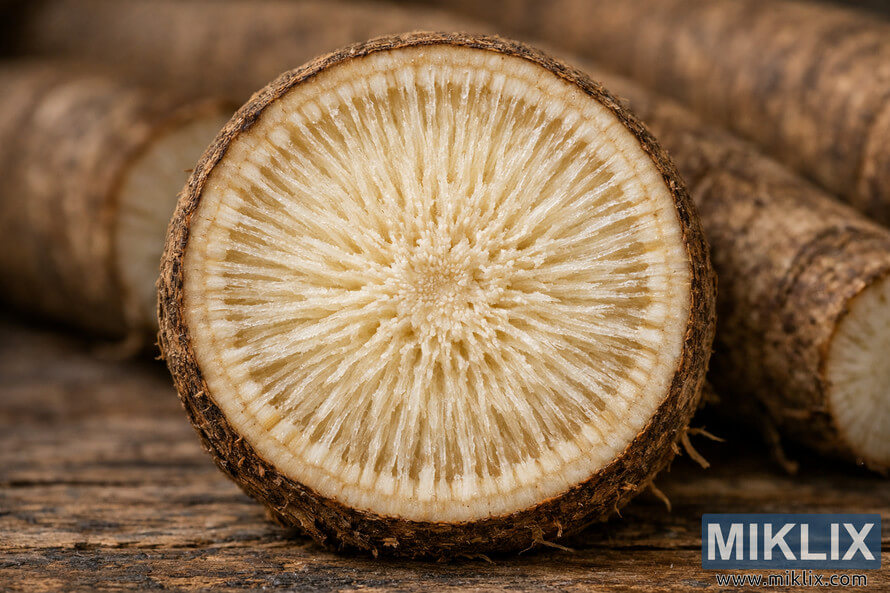
Burdock root packs impressive nutritional density. A 100-gram serving provides essential nutrients while remaining low in calories.
Macronutrient and Micronutrient Breakdown
| Nutrient | Amount per 100g | Daily Value % | Primary Benefit |
| Dietary Fiber | 3.3g | 13% | Digestive health |
| Potassium | 308mg | 9% | Heart function |
| Magnesium | 38mg | 10% | Muscle relaxation |
| Vitamin B6 | 0.24mg | 14% | Metabolism support |
| Folate | 23mcg | 6% | Cell production |
| Manganese | 0.23mg | 11% | Antioxidant activity |
अधिक माहिती आणि उच्च रिझोल्यूशनसाठी प्रतिमेवर क्लिक किंवा टॅप करा.
Bioactive Compounds and Phytochemicals
Beyond basic nutrition, burdock contains specialized plant compounds. These bioactive substances contribute to its medicinal properties.
Polyphenolic Antioxidants
- Quercetin for inflammation control
- Luteolin supporting cellular health
- Caffeic acid with antimicrobial effects
- Chlorogenic acid for blood sugar
Inulin Prebiotic Fiber
- Feeds beneficial gut bacteria
- Supports digestive regularity
- Helps regulate blood sugar
- Promotes mineral absorption
Essential Fatty Acids
- Omega-6 for skin health
- Linoleic acid content
- Supports hormone production
- Anti-inflammatory properties
Inulin, a special type of fiber found abundantly in burdock roots, acts as a prebiotic. This means it nourishes the beneficial bacteria living in your digestive system.
Evidence-Based Health Benefits of Burdock Root
Scientific research has validated many traditional uses of burdock. Multiple studies demonstrate its therapeutic potential across various health conditions.
Detoxification and Blood Purification
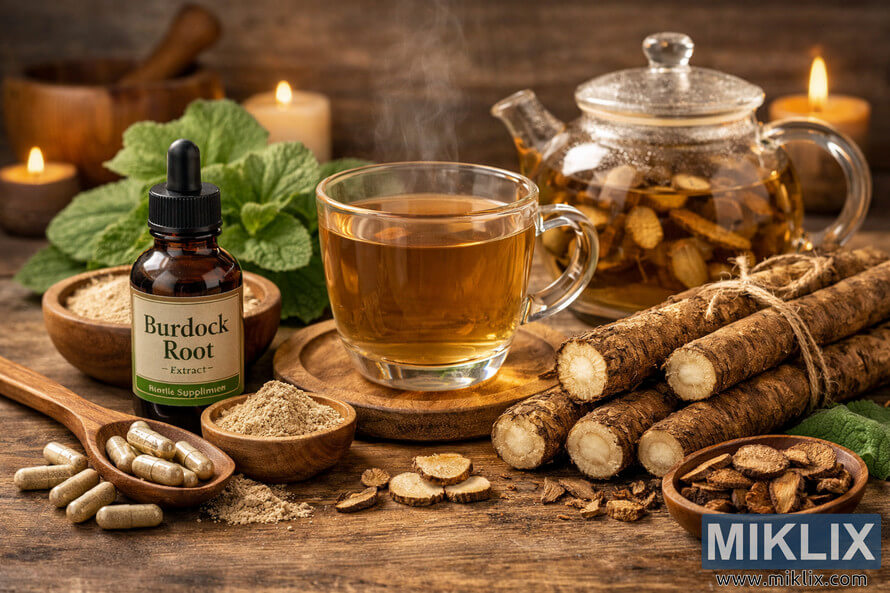
Burdock root has earned reputation as a blood purifier. The plant supports your body's natural detoxification processes through multiple mechanisms.
The root stimulates liver function. Your liver serves as the primary detoxification organ, processing toxins for elimination.
Research indicates burdock increases bile production. Bile carries waste products from your liver to your intestines for removal.
Important Note: While burdock supports detoxification, it works alongside—not instead of—your body's natural systems. No food or supplement can "cleanse" your blood completely on its own.
अधिक माहिती आणि उच्च रिझोल्यूशनसाठी प्रतिमेवर क्लिक किंवा टॅप करा.
Skin Health and Dermatological Applications
Traditional medicine used burdock for various skin conditions. Modern research supports several of these applications.
The plant contains compounds that may help with acne. Its anti-inflammatory and antibacterial properties target common acne triggers.
How Burdock Benefits Skin
- Reduces inflammatory skin responses
- Provides antioxidant protection against free radicals
- Supports healthy skin cell turnover
- May help balance skin oil production
- Contains nutrients essential for skin repair
Some studies suggest burdock root extract applied topically may improve skin conditions like eczema and psoriasis. However, more research is needed to confirm these effects.

अधिक माहिती आणि उच्च रिझोल्यूशनसाठी प्रतिमेवर क्लिक किंवा टॅप करा.
Digestive System Support
The high fiber content in burdock roots promotes digestive health. Both soluble and insoluble fiber work together to optimize your gut function.
Inulin fiber acts as a prebiotic. It feeds beneficial bacteria in your intestines, supporting a healthy microbiome.
Digestive Tip: Start with small amounts of burdock if you're not used to high-fiber foods. Gradually increase intake to allow your digestive system to adjust.
Immune System Enhancement
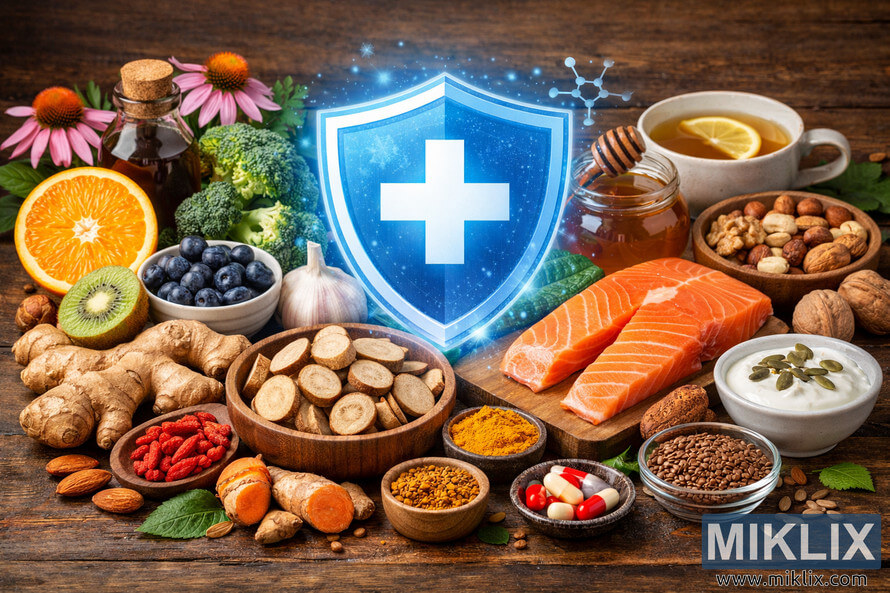
Burdock contains compounds that may strengthen immune function. The plant's polysaccharides have shown immune-modulating effects in laboratory studies.
Research suggests these compounds stimulate certain immune cells. This activation helps your body respond more effectively to potential threats.
अधिक माहिती आणि उच्च रिझोल्यूशनसाठी प्रतिमेवर क्लिक किंवा टॅप करा.
Anti-Inflammatory Properties
Chronic inflammation contributes to numerous health problems. Burdock's anti-inflammatory compounds may help address this underlying issue.
Multiple studies have identified specific anti-inflammatory mechanisms. The plant's phenolic acids and quercetin content appear particularly beneficial.
Cardiovascular Support
Burdock may support heart health through multiple pathways. Its potassium content helps regulate blood pressure.
The antioxidants in burdock roots protect blood vessels from oxidative damage. Some research suggests it may help maintain healthy cholesterol levels.

अधिक माहिती आणि उच्च रिझोल्यूशनसाठी प्रतिमेवर क्लिक किंवा टॅप करा.
Blood Sugar Regulation
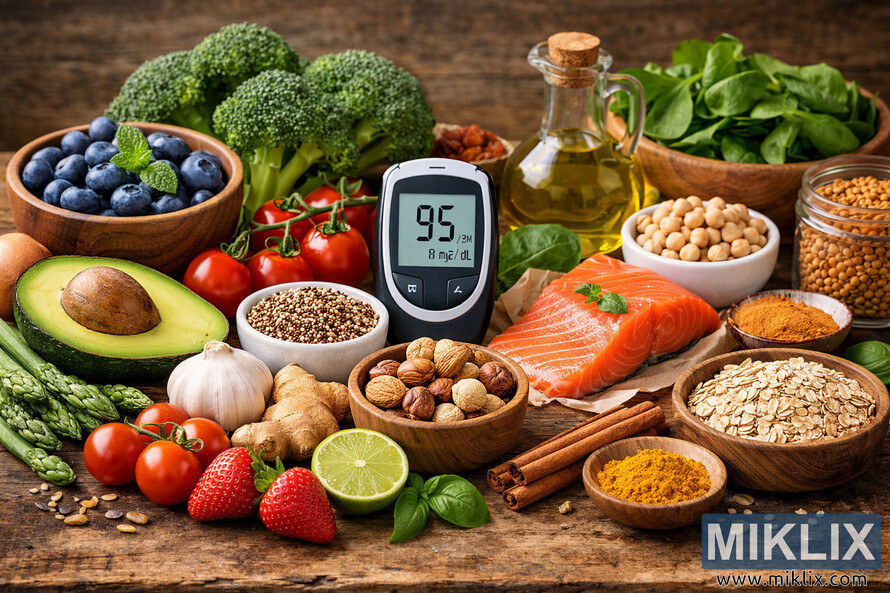
Studies indicate burdock root may help stabilize blood sugar levels. The inulin fiber slows sugar absorption in your digestive tract.
This effect helps prevent rapid blood sugar spikes after meals. Some animal studies show promising results for diabetes management.
अधिक माहिती आणि उच्च रिझोल्यूशनसाठी प्रतिमेवर क्लिक किंवा टॅप करा.
Antioxidant Protection
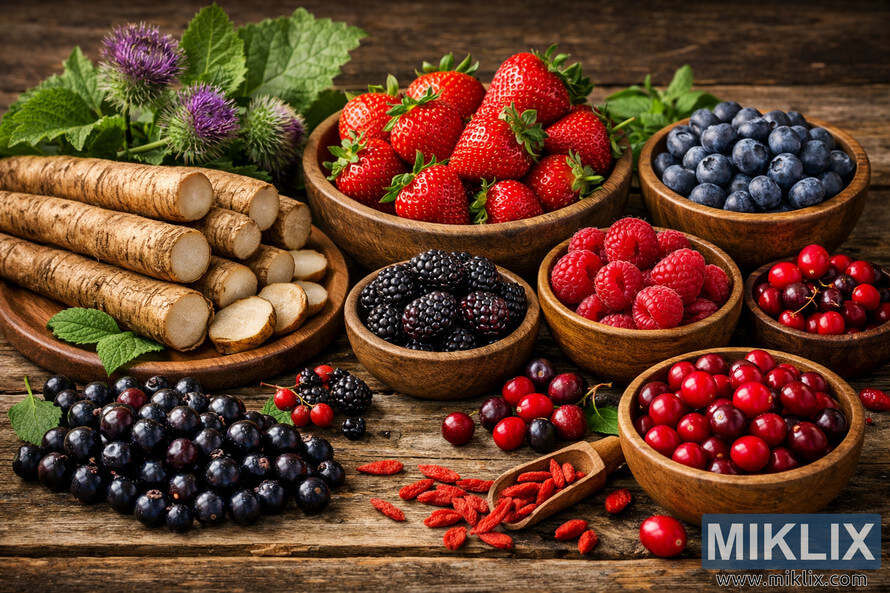
Free radicals damage cells and accelerate aging. Burdock's antioxidants neutralize these harmful molecules.
The combination of phenolic compounds provides comprehensive protection. This may reduce risk of chronic diseases over time.
अधिक माहिती आणि उच्च रिझोल्यूशनसाठी प्रतिमेवर क्लिक किंवा टॅप करा.
How to Consume Burdock Root for Maximum Benefits
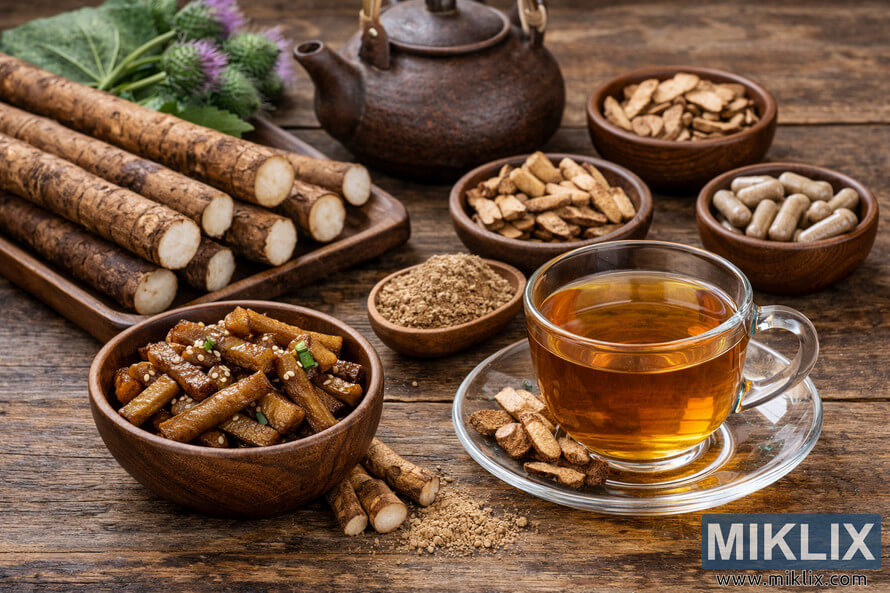
Burdock offers versatility in preparation methods. You can incorporate this root into your diet through cooking, teas, or supplements.
Cooking Fresh Burdock Root
Fresh burdock root appears in many Asian grocery stores. Look for firm roots without soft spots or excessive branching.
Prepare the root by scrubbing thoroughly under running water. You can peel the thin skin or simply scrub it clean—many nutrients concentrate near the surface.
- Scrub burdock roots under cold running water using a vegetable brush
- Slice the root diagonally into thin pieces (about 1/4 inch thick)
- Immediately place sliced burdock in water with lemon juice to prevent browning
- Drain before cooking and pat dry with clean towel
- Cook using your preferred method until tender but still slightly crisp
अधिक माहिती आणि उच्च रिझोल्यूशनसाठी प्रतिमेवर क्लिक किंवा टॅप करा.
Popular Cooking Methods
Stir-Frying
Heat oil in a wok over high heat. Add burdock slices and stir-fry for five to seven minutes.
Season with soy sauce, sesame oil, and garlic. The root develops a slightly sweet, earthy flavor.
Combine with carrots, mushrooms, or other vegetables for variety.
Simmering in Soup
Add burdock pieces to soup during the last twenty minutes of cooking. The root absorbs flavors while maintaining texture.
Burdock pairs excellently with miso soup, vegetable broth, or bone broth.
The root releases nutrients into the liquid as it simmers.
Roasting
Toss burdock pieces with olive oil and seasonings. Roast at 400°F for twenty-five to thirty minutes.
The root caramelizes slightly, developing deeper flavor. Turn once halfway through cooking.
Roasted burdock makes an excellent side dish or salad topping.
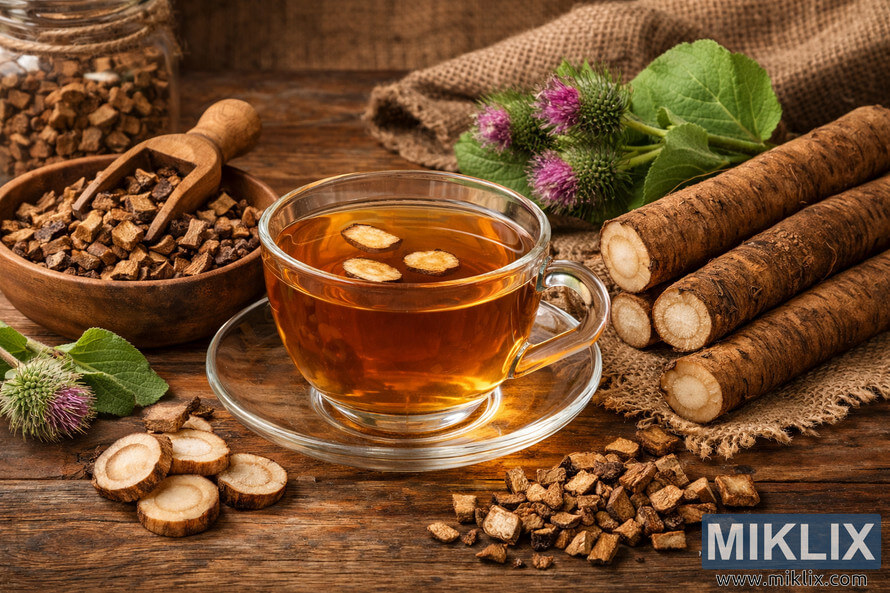
Brewing Burdock Root Tea
Burdock tea provides a convenient way to consume the plant. You can use fresh root or purchase dried burdock specifically for tea.
The tea has an earthy, slightly sweet taste. Many people find it pleasant even without sweetener.
Fresh Root Tea Method
- Slice one tablespoon of fresh burdock root thinly
- Add to two cups of water in saucepan
- Bring to boil then reduce heat
- Simmer for fifteen to twenty minutes
- Strain and drink warm or chilled
- Store extra tea in refrigerator for up to three days
Dried Root Tea Method
- Use one to two teaspoons dried burdock root
- Pour eight ounces of boiling water over root
- Steep covered for ten to fifteen minutes
- Strain before drinking
- Drink one to three cups per day
- Combine with other herbs like dandelion or ginger
अधिक माहिती आणि उच्च रिझोल्यूशनसाठी प्रतिमेवर क्लिक किंवा टॅप करा.
Burdock Supplements and Extracts
Supplements offer standardized doses when fresh root isn't available. Multiple forms exist, each with distinct advantages.
| Supplement Form | Typical Dosage | Best For | Considerations |
| Capsules | 300-500mg twice daily | Convenience, precise dosing | Check for fillers |
| Liquid Extract | 30-60 drops in water | Fast absorption | Alcohol-based or glycerin |
| Powder | 1-2 teaspoons daily | Adding to smoothies | Strong earthy flavor |
| Tea Bags | 1-3 bags per day | Gentle daily use | Lower concentration |
Supplement Quality Matters: Choose products from reputable manufacturers who test for purity and potency. Look for organic certification when possible to avoid pesticide residues.
Incorporating Burdock Into Meals
Beyond traditional preparations, creative cooks find numerous ways to use burdock root as a vegetable.
Kinpira Gobo (Japanese Classic)
This traditional Japanese dish features julienned burdock and carrots. Stir-fry with soy sauce, mirin, and sesame seeds.
The sweet and savory combination highlights burdock's natural flavor. Serve as a side dish or over rice.
Burdock Chips
Slice burdock root paper-thin using a mandoline. Toss with oil and sea salt.
Bake at 350°F until crispy, about fifteen minutes. These make a nutritious alternative to potato chips.
Pickled Burdock
Preserve burdock root in vinegar brine for extended storage. The pickling process mellows its earthy notes.
Use pickled burdock in salads, sandwiches, or as a condiment. It keeps for several months refrigerated.
Foraging and Harvesting Wild Burdock Safely
Wild burdock grows abundantly in many regions. Foraging offers free access to this nutritious plant if done responsibly.
Identification and Harvest Timing
Proper identification prevents harvesting the wrong plant. Several key features distinguish burdock from lookalikes.
First year burdock roots offer the best quality for food. Harvest in late fall after the first frost, or in early spring before new growth begins.
Best Harvest Conditions
- First year plants (no flower stalk present)
- Late fall after several frosts
- Moist soil for easier root extraction
- Plants in rich, loose soil produce larger roots
- Areas away from roads and contamination
Conditions to Avoid
- Second year plants (tough, woody roots)
- Summer months (roots become bitter)
- Compacted or rocky soil
- Near industrial sites or treated areas
- Plants showing disease or damage
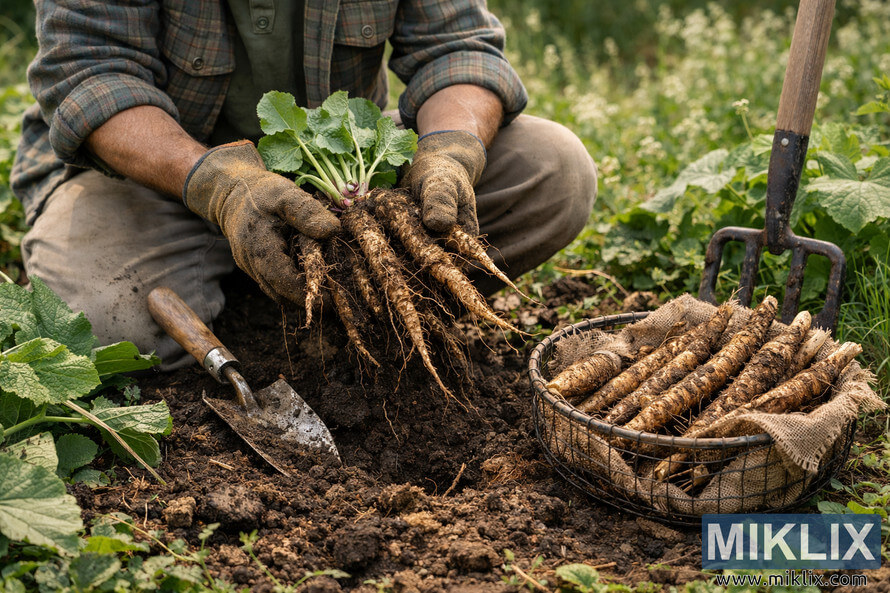
Harvesting Technique
Burdock roots grow deep. You'll need a sturdy shovel or digging fork to extract them successfully.
- Clear away burdock leaves to expose the base of the plant
- Dig a wide circle around the plant, at least twelve inches from the center
- Excavate soil to a depth of eighteen to twenty-four inches
- Carefully loosen soil around the root as you dig deeper
- Grasp the root firmly and pull steadily while continuing to loosen surrounding soil
- Clean roots promptly and refrigerate or use immediately
Foraging Burdock Leaves and Seeds
While roots receive most attention, other burdock parts offer uses. Young leaves from first year plants can be consumed cooked.
Harvest burdock leaves in late spring when they're still tender. Larger, older leaves become too bitter and tough for most palates.
The seeds, though not commonly eaten, have traditional medicinal applications. Birds and other animals rely on burdock seeds as food during fall and winter months.
अधिक माहिती आणि उच्च रिझोल्यूशनसाठी प्रतिमेवर क्लिक किंवा टॅप करा.
Potential Side Effects and Important Precautions
Burdock is generally safe for most people. However, certain individuals should exercise caution or avoid it entirely.
Common Side Effects
Most people tolerate burdock well. Mild digestive upset represents the most common side effect, particularly when starting consumption.
Digestive Adjustment: The high fiber content may cause gas or bloating initially. Start with small amounts and gradually increase intake to minimize discomfort.
Who Should Avoid Burdock
Certain populations face increased risk from burdock consumption. These groups should consult healthcare providers before use.
Absolute Contraindications
- Pregnancy or breastfeeding (insufficient safety data)
- Allergy to plants in Asteraceae family
- Scheduled for surgery within two weeks
- Severe kidney or liver disease
Use With Caution
- Diabetes (may lower blood sugar)
- Taking blood thinning medications
- Dehydration or electrolyte imbalance
- Bleeding disorders
Monitor Closely
- Starting any new supplement regimen
- Combining multiple herbal products
- Children under twelve years
- Taking prescription medications
Potential Drug Interactions
Burdock may interact with certain medications. These interactions can reduce drug effectiveness or increase side effects.
| Medication Type | Potential Interaction | Recommended Action |
| Blood Thinners (Warfarin) | May increase bleeding risk | Consult doctor before use |
| Diabetes Medications | May cause blood sugar to drop too low | Monitor blood sugar closely |
| Diuretics | May enhance diuretic effects | Watch for dehydration signs |
| Immunosuppressants | May interfere with medication action | Avoid without medical supervision |
Allergic Reactions
People allergic to plants in the Asteraceae family may react to burdock. This family includes ragweed, chrysanthemums, marigolds, and daisies.
Symptoms of allergic reaction include skin rash, itching, difficulty breathing, or swelling. Discontinue use immediately if these occur.
Safety First: If you're trying burdock for the first time, start with a very small amount. Wait twenty-four hours to ensure no allergic reaction before consuming more.
Quality and Contamination Concerns
Wild-harvested burdock may contain environmental contaminants. Plants absorb heavy metals and pesticides from soil.
Harvest only from areas you know are free from pollution. Avoid plants near roadsides, industrial sites, or chemically treated lawns.
Commercial supplements vary in quality. Choose products from reputable manufacturers who test for contaminants and verify potency.

अधिक माहिती आणि उच्च रिझोल्यूशनसाठी प्रतिमेवर क्लिक किंवा टॅप करा.
Frequently Asked Questions About Burdock
How much burdock root should I consume daily?
For fresh root used in cooking, most people consume one-half to one cup per day without issues. When using supplements, follow manufacturer instructions, typically 300-500mg of extract twice daily. Start with smaller amounts and gradually increase to assess tolerance. Tea drinkers often consume one to three cups spread throughout the day.
Can I eat burdock root raw?
Yes, fresh burdock root can be eaten raw in small amounts. The texture is crisp and crunchy, similar to water chestnuts. However, raw burdock has a strong earthy flavor that many find unpalatable. Most people prefer cooking burdock to mellow its taste and improve digestibility. If eating raw, slice thinly and add to salads sparingly.
How long does fresh burdock root last?
Unwashed burdock roots stored in a cool, dark place last several weeks. For longer storage, wrap roots in damp paper towels and place in plastic bags in your refrigerator vegetable drawer. This method preserves quality for up to two months. Once cut, use burdock within three to five days. Blanched and frozen burdock keeps for six months.
What does burdock root taste like?
Burdock root has an earthy, slightly sweet flavor with mild bitterness. The taste resembles artichoke hearts combined with celery root. Cooking methods significantly affect flavor—roasting brings out natural sweetness while simmering in soup creates a more neutral vegetable taste. Young roots taste milder than older ones.
Is burdock root the same as burdock tea?
Burdock tea is made from burdock root, either fresh or dried. The root is sliced and steeped in hot water to extract beneficial compounds. Tea provides a concentrated form of burdock's nutrients in liquid form. While eating the root gives you fiber and full nutritional content, tea offers easier consumption and absorption of certain compounds.
Can burdock help with weight loss?
Burdock may support weight management indirectly through several mechanisms. Its high fiber content promotes fullness and supports healthy digestion. The inulin fiber may help regulate blood sugar, reducing cravings. However, no food alone causes significant weight loss. Burdock works best as part of a balanced diet and healthy lifestyle, not as a magic solution.
Where can I buy burdock root?
Fresh burdock root appears in Asian grocery stores, health food stores, and some conventional supermarkets with international sections. Look in the produce section near other specialty vegetables. Dried burdock for tea and supplements are available at health food stores and online retailers. When buying fresh, choose firm roots without soft spots or excessive branching.
Making Burdock Part of Your Wellness Journey
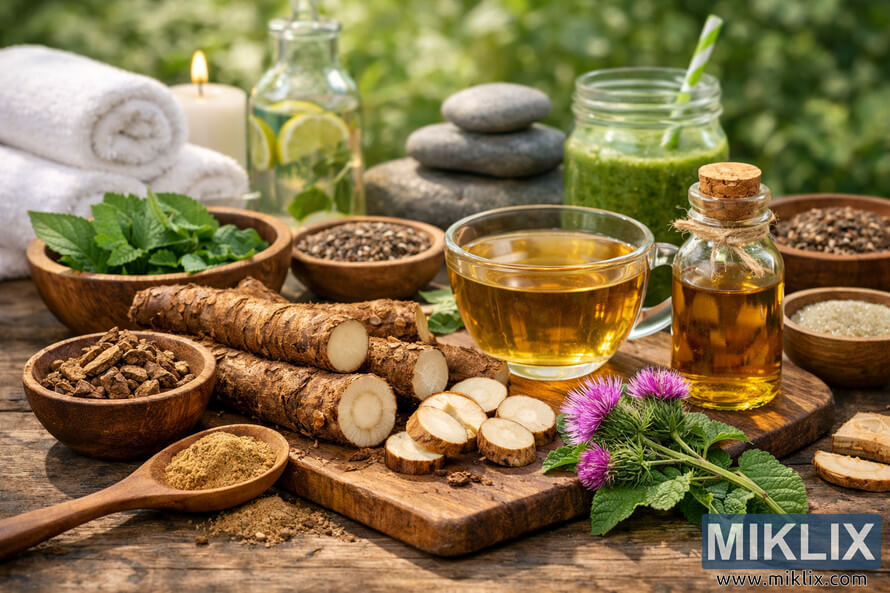
Burdock root offers remarkable health benefits backed by both traditional use and modern research. From supporting detoxification to promoting skin health, this versatile plant deserves consideration in your wellness routine.
Whether you choose fresh root for cooking, brew it as tea, or take supplements, burdock provides multiple pathways to better health. The key lies in consistent, appropriate use tailored to your individual needs.
Remember that burdock works best as part of a comprehensive approach to health. Combine it with balanced nutrition, regular physical activity, adequate sleep, and stress management for optimal results.
Start slowly if you're new to burdock. Allow your body time to adjust, especially to the fiber content. Pay attention to how you feel and adjust consumption accordingly.
Always consult healthcare providers before adding burdock to your routine, particularly if you take medications or have health conditions. This simple step prevents potential interactions and ensures safe use.
With proper knowledge and responsible use, burdock root can become a valuable ally in your pursuit of natural wellness.
अधिक माहिती आणि उच्च रिझोल्यूशनसाठी प्रतिमेवर क्लिक किंवा टॅप करा.
पुढील वाचन
जर तुम्हाला ही पोस्ट आवडली असेल, तर तुम्हाला हे सूचना देखील आवडतील:
- दालचिनीचे गुप्त गुणधर्म: तुम्हाला आश्चर्यचकित करणारे आरोग्य फायदे
- दिवसातून एक लवंग: तुमच्या आहारात लसूण का स्थान मिळवावे
- भाजण्याच्या पलीकडे: ग्रीन कॉफी अर्क चयापचय कसे वाढवते, रक्तातील साखर संतुलित करते आणि तुमच्या पेशींचे संरक्षण करते