
Изображение: Young Swiss Chard Seedlings Growing in a Garden Row
Опубликовано:
Последнее обновление: 16 апреля 2026 г. в 19:41:23 UTC
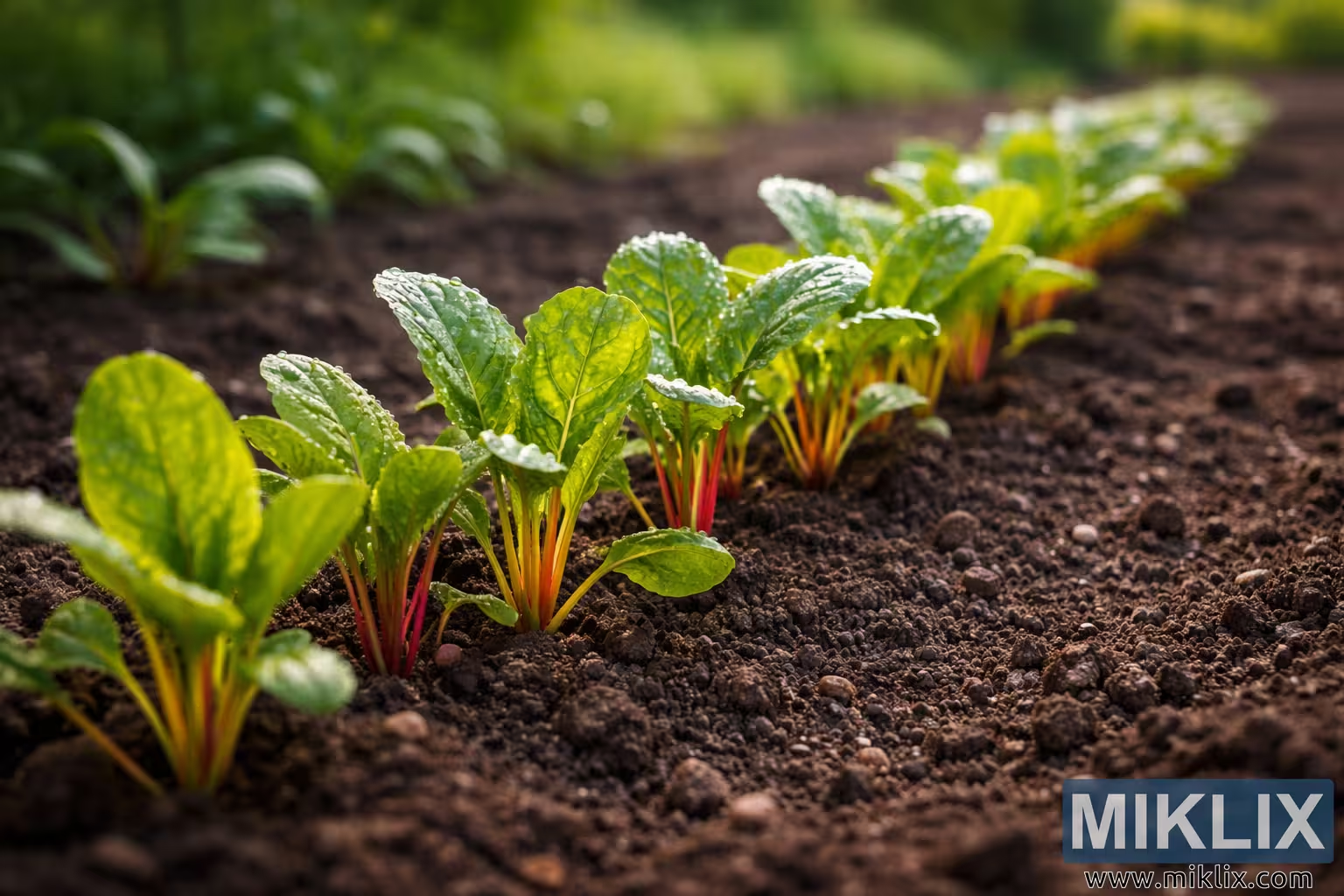
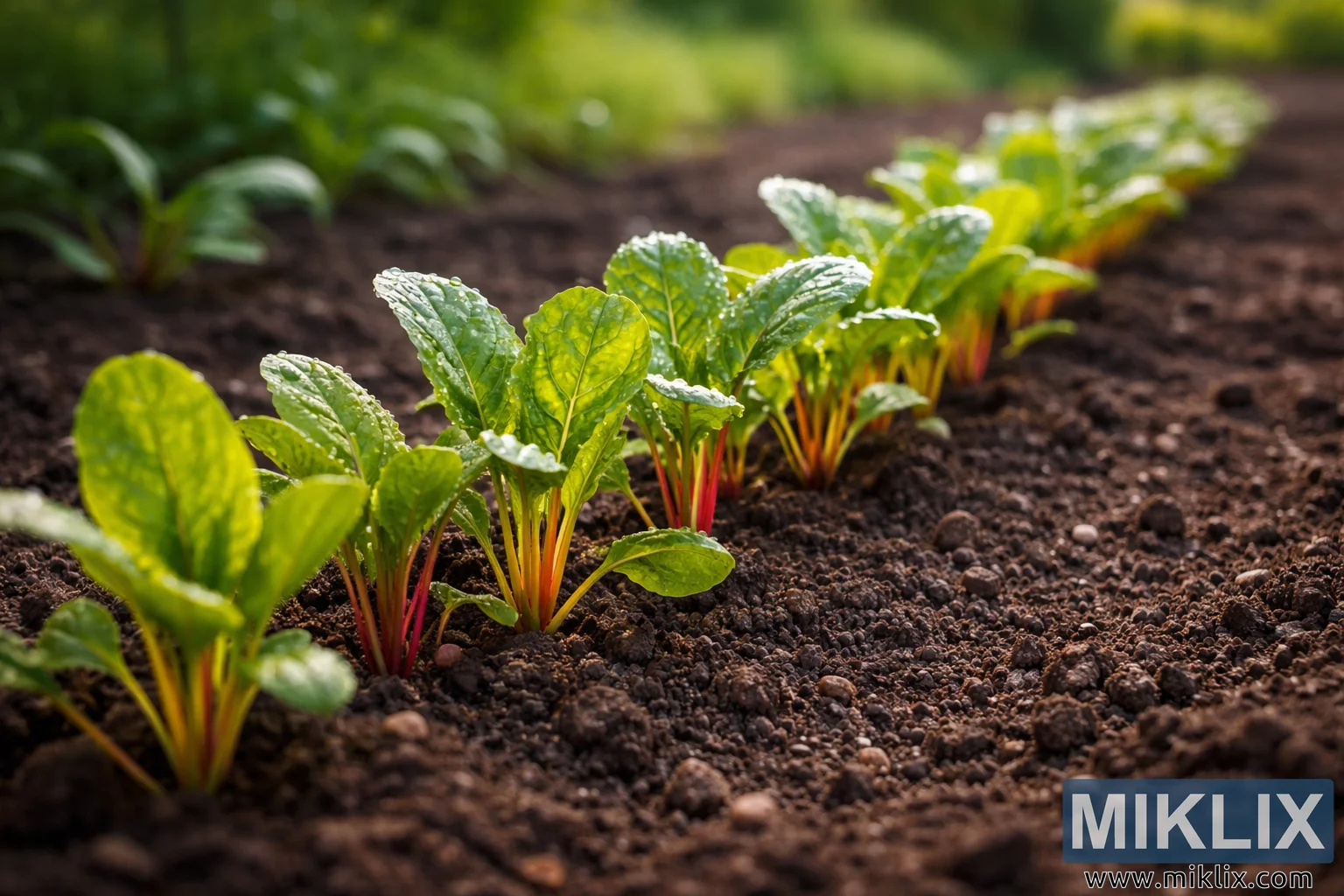
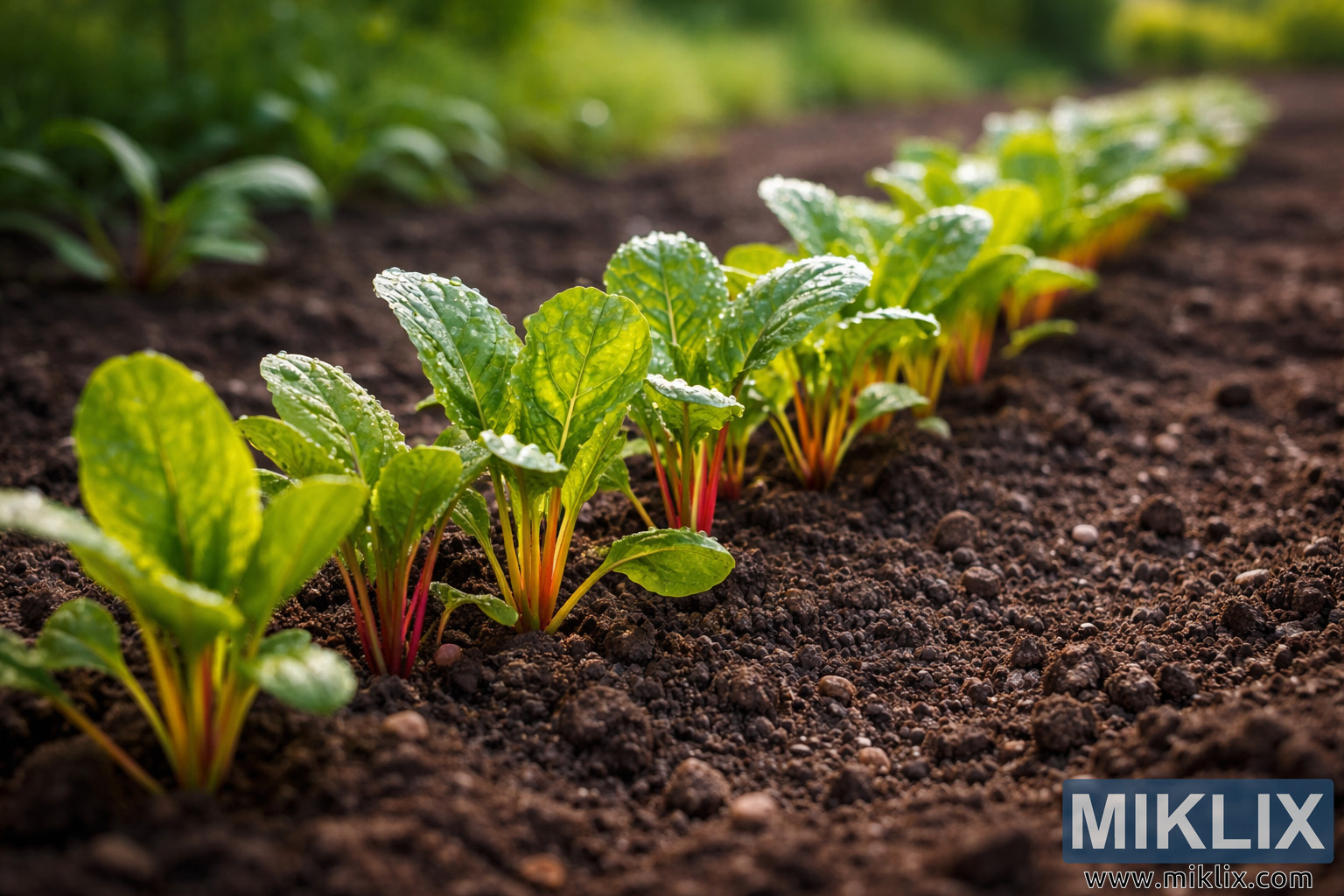
Close-up garden photo of young Swiss chard seedlings with vibrant green leaves and colorful stems growing in a neat soil row, ready for thinning.
Young Swiss Chard Seedlings Growing in a Garden Row

Доступные версии этого изображения
Файлы изображений, доступные для загрузки ниже, менее сжаты и имеют более высокое разрешение - и, как следствие, более высокое качество - чем изображения, встроенные в статьи и страницы на этом сайте, которые более оптимизированы по размеру файла, чтобы уменьшить потребление полосы пропускания.
Обычный размер (1,536 x 1,024)
Большой размер (3,072 x 2,048)
Очень большой размер (4,608 x 3,072)
Очень большой размер (6,144 x 4,096)
Комически большой размер (1,048,576 x 699,051)
- Все еще загружаю... ;-)
Описание изображения
A high-resolution landscape photograph shows a neat row of young Swiss chard seedlings emerging from dark, freshly worked garden soil. The camera is positioned low to the ground and angled along the row, creating a sense of depth as the seedlings recede into the softly blurred background. Each small plant displays tender, bright green leaves with gently textured surfaces and visible veins. The leaves are slightly crinkled and catch the warm natural light, which highlights subtle variations in green tones from pale lime to deeper emerald. Tiny droplets of moisture cling to some of the leaves, suggesting early morning conditions in the garden.
The seedlings are spaced closely together, indicating they were sown densely and are now ready to be thinned to allow stronger plants to mature. Slender stems emerge from the soil in a striking mix of colors typical of young Swiss chard—soft reds, pinks, and hints of golden yellow. These colorful stems contrast vividly against the rich, crumbly brown soil that surrounds them. The soil appears fertile and well-tilled, with small clumps, pebbles, and organic particles visible throughout the bed.
The row runs diagonally from the lower foreground toward the upper right portion of the image, guiding the viewer’s eye along the repeating pattern of seedlings. Plants in the foreground appear sharp and detailed, while those farther back gradually blur due to the shallow depth of field. This photographic technique emphasizes the delicate structure of the closest plants while still conveying the continuity of the entire planted row.
In the distant background, soft shapes of other garden vegetation and greenery blend into a gentle green bokeh. The background is intentionally out of focus, helping the vibrant seedlings stand out as the main subject. The lighting is warm and natural, likely from early morning or late afternoon sunlight, casting soft highlights along the leaf edges and creating subtle shadows in the soil texture.
Overall, the image captures a calm and hopeful moment in the early stages of vegetable gardening. The young Swiss chard plants represent the beginning of a productive growing season, and the close planting suggests the gardener will soon thin the seedlings to give the strongest plants room to thrive. The photograph combines rich soil textures, vibrant plant colors, and soft natural light to illustrate the beauty and promise of emerging garden life.
Изображение относится к: How to Grow Swiss Chard: A Complete Beginner's Guide