
Licorice Root: The Ancient Herb with Modern Health Benefits
Publikuar:
Përditësimi i fundit: 28 gusht 2026 në 8:35:51 e pasdites, UTC
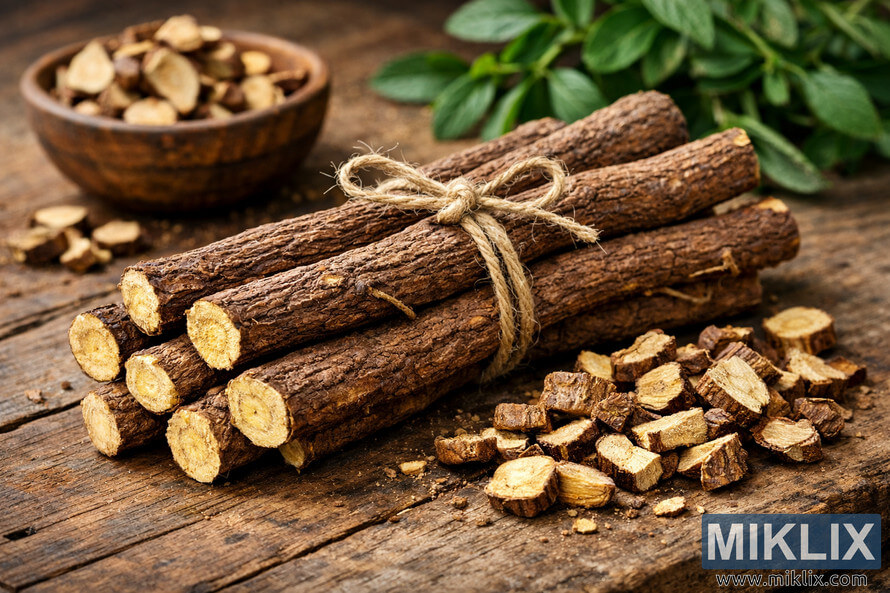
Licorice has been valued for thousands of years in traditional medicine across many cultures. This remarkable root offers more than just its distinctive sweet flavor.
Licorice Root: The Ancient Herb with Modern Health Benefits
Klikoni ose prekni imazhin për më shumë informacion dhe rezolucione më të larta.
Modern research continues to uncover the potential health benefits of licorice. From soothing a sore throat to supporting digestive health, this ancient remedy deserves a closer look.
Understanding how to use licorice safely is essential. This guide explores the nutritional properties, evidence-based health advantages, and important precautions you need to know.
What Is Licorice and Where Does It Come From
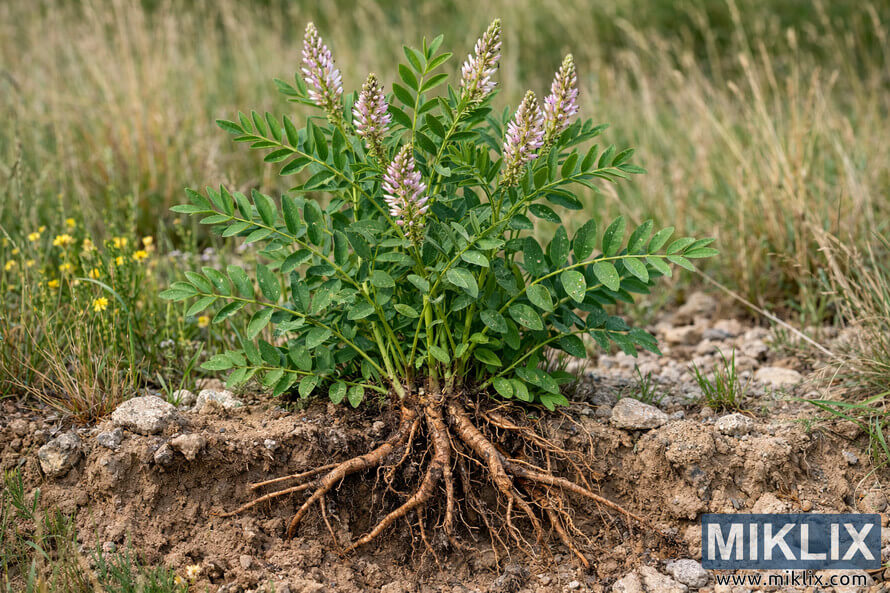
Licorice comes from the root of the Glycyrrhiza glabra plant. This perennial herb grows naturally in parts of Europe and Asia.
The licorice root contains a compound called glycyrrhizin. This substance gives licorice its characteristic sweet taste, about 50 times sweeter than sugar.
People have used licorice for over 4,000 years. Ancient Egyptians, Greeks, and Chinese practitioners all incorporated this root into their healing traditions.
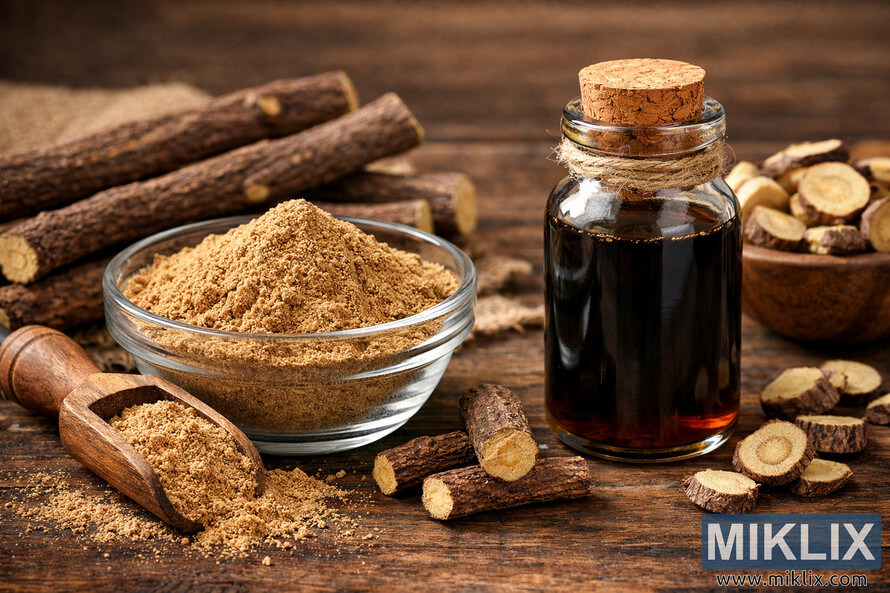
Today, licorice appears in various forms. You can find licorice root extract in supplements, teas, and topical products designed for skin care and health support.
Klikoni ose prekni imazhin për më shumë informacion dhe rezolucione më të larta.
Nutritional Properties of Licorice Root
Licorice root contains several bioactive compounds. These substances contribute to its potential health effects beyond basic nutrition.
Key Active Compounds
The primary active compound in licorice is glycyrrhizin. This substance makes up about 10-25% of the root by weight.
Licorice also contains flavonoids and other plant compounds. These include liquiritin, isoliquiritin, and glabridin, which researchers study for various health properties.
The root provides minerals like potassium, calcium, and magnesium. It also contains small amounts of B vitamins and vitamin E.
Some licorice products are deglycyrrhizinated (DGL). This process removes most of the glycyrrhizin, reducing certain risks while maintaining other beneficial compounds.
Klikoni ose prekni imazhin për më shumë informacion dhe rezolucione më të larta.
Evidence-Based Health Benefits of Licorice
Research has explored numerous potential health applications for licorice. The evidence varies in strength across different conditions.
Digestive System Support
Licorice might help protect the stomach lining. Some studies suggest it may support the healing of stomach ulcers.
The root has been used traditionally for heartburn and indigestion. DGL licorice products are often recommended for these digestive concerns.
Research indicates licorice may stimulate mucus production in the stomach. This protective layer helps shield the stomach wall from acid.
Klikoni ose prekni imazhin për më shumë informacion dhe rezolucione më të larta.
Respiratory Health and Sore Throat Relief
Licorice lozenges are popular for sore throat relief. The root's compounds may help soothe irritated throat tissues.
Some evidence suggests licorice might help with coughs and bronchitis. The expectorant properties may assist in clearing mucus from airways.
A licorice mouth rinse has shown promise in some studies. It may reduce post-operative sore throat in patients who had breathing tubes.
Skin Conditions and Topical Applications
Licorice extract appears in many skin care products. Research has examined its effects on various skin conditions.
Studies suggest topical licorice may help with eczema symptoms. The anti-inflammatory properties might reduce redness and itching.
Skin Brightening
Licorice extract may help reduce hyperpigmentation. Some research shows it can lighten dark spots over time.
The compound glabridin inhibits pigment production. This makes it popular in cosmetic formulations.
Anti-Inflammatory Effects
Topical licorice might reduce skin inflammation. This property benefits several inflammatory skin conditions.
Some people use licorice gel for acne. Limited evidence supports this application, but more research is needed.
Potential Metabolic and Heart Health Effects
Some research has explored licorice's effects on metabolism. Results have been mixed and require further investigation.
Animal studies suggest certain licorice compounds might affect fat metabolism. Human evidence for weight management remains limited.
Important: Despite potential benefits, licorice can affect blood pressure and heart health negatively when consumed in large amounts or used for extended periods. This contradictory effect makes medical supervision essential.
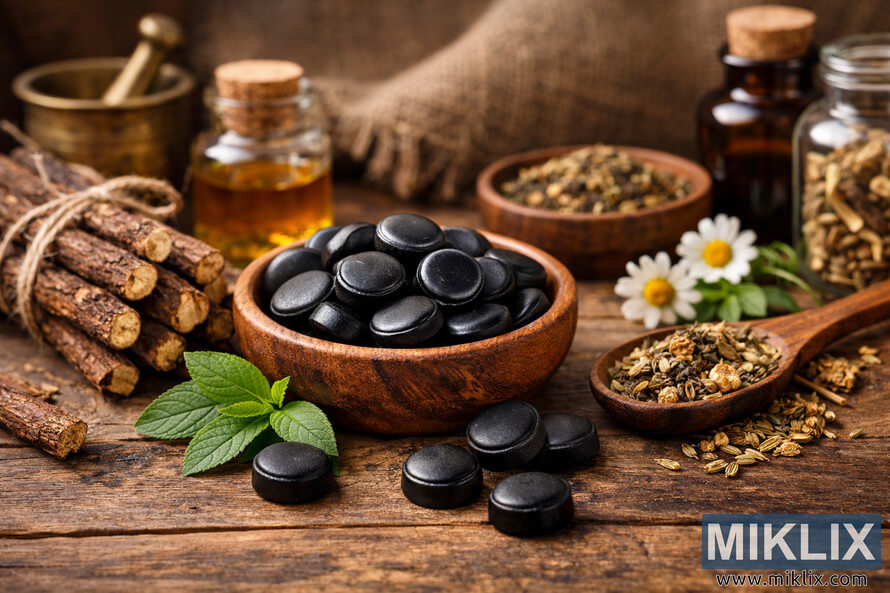
Klikoni ose prekni imazhin për më shumë informacion dhe rezolucione më të larta.
How to Consume Licorice Safely
Licorice is available in multiple forms. Each type has different concentration levels and appropriate uses.
Different Forms of Licorice Products
- Dried licorice root for making tea
- Licorice root extract in liquid or capsule form
- DGL (deglycyrrhizinated) supplements
- Topical creams and gels for skin application
- Licorice lozenges for throat relief
- Black licorice candy (often contains anise oil instead of real licorice)
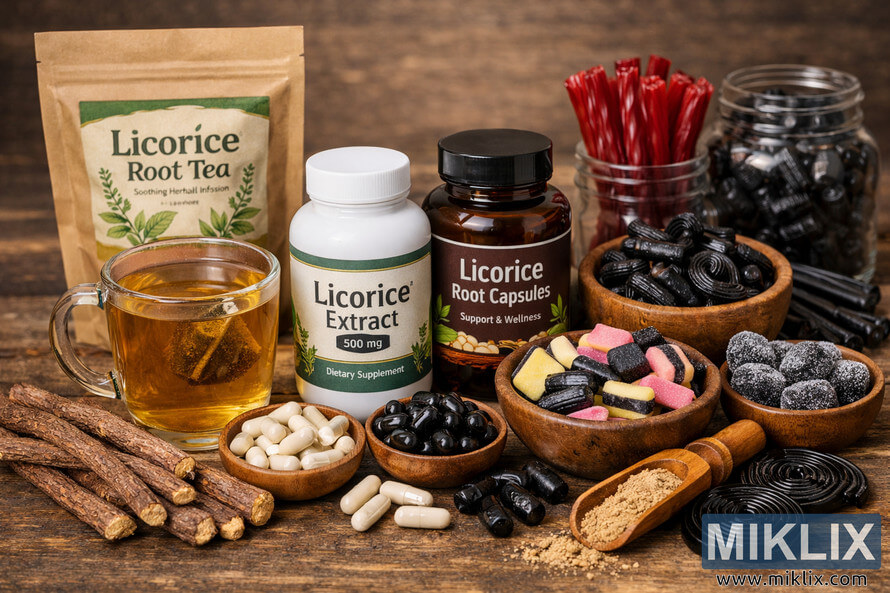
Klikoni ose prekni imazhin për më shumë informacion dhe rezolucione më të larta.
Dosage Guidelines and Duration
No universal dosage exists for licorice. Recommendations vary based on the form and purpose of use.
For digestive support, DGL supplements typically suggest 380-1,140 mg daily. This form has reduced glycyrrhizin content.
Most health experts recommend limiting licorice use to no more than 4-6 weeks at a time. Extended use increases the risk of side effects related to glycyrrhizin.
For topical skin care, follow product-specific instructions. Licorice extract concentrations vary widely among different formulations.
When consuming licorice candy, check the ingredients carefully. Many products use anise oil for flavoring rather than actual licorice root.
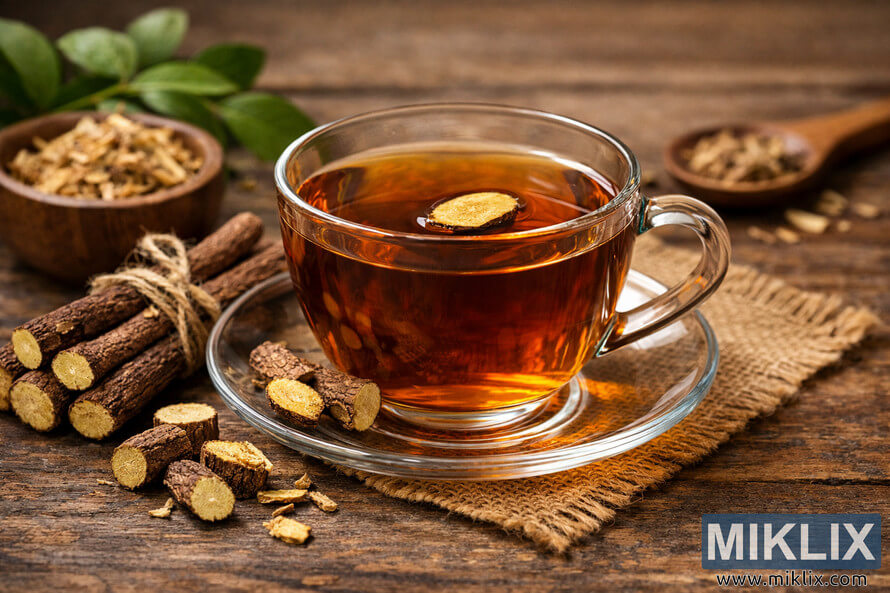
Preparing Licorice Root Tea
Licorice tea offers a simple way to consume this root. Use about 1-2 grams of dried root per cup of water.
Steep the root in boiling water for 5-10 minutes. The tea will have a naturally sweet flavor without added sweeteners.
Limit consumption to 1-2 cups daily. Remember that tea still contains glycyrrhizin and counts toward your total intake.
Important Side Effects and Health Risks
Licorice can cause serious side effects when used improperly. Understanding these risks helps you make informed decisions about use.

Klikoni ose prekni imazhin për më shumë informacion dhe rezolucione më të larta.
Blood Pressure and Potassium Concerns
Glycyrrhizin can cause potassium levels to drop. Low potassium affects heart rhythm and muscle function.
Licorice might increase blood pressure significantly. People with high blood pressure should avoid licorice products containing glycyrrhizin.
Consuming large amounts of licorice for extended periods poses the greatest risk. Even healthy people can experience these effects with excessive use.
Serious Warning: The FDA has warned that consuming just 2 ounces of black licorice daily for two weeks can cause serious heart rhythm problems in people over 40. This amount equals about 57 grams or roughly 2 ounces.
Medication Interactions
Licorice interacts with numerous medicines. These interactions can be dangerous and reduce medication effectiveness.
Blood Pressure Medications
Licorice may counteract medications for high blood pressure. This interaction can make blood pressure difficult to control.
- ACE inhibitors
- Beta-blockers
- Calcium channel blockers
- Diuretics (water pills)
Heart and Kidney Medications
Interactions with heart medicines can be particularly serious. Licorice affects how these drugs work in your body.
- Digoxin and similar heart medications
- Blood thinners like warfarin
- Medications for irregular heartbeat
- Drugs processed by kidneys
Hormonal Medications
Licorice might affect hormone levels and hormone medications. This includes birth control and hormone replacement therapy.
- Oral contraceptives
- Estrogen replacement therapy
- Corticosteroids
- Thyroid medications
Other Common Interactions
Many other medicines can interact with licorice. Always check with a healthcare provider before combining them.
- Insulin and diabetes medications
- NSAIDs like ibuprofen
- Laxatives
- Antidepressants
Who Should Avoid Licorice
Certain people should not use licorice at all. The risks outweigh potential benefits for these groups.
- People with high blood pressure or heart condition
- Individuals with kidney disease or reduced kidney function
- Pregnant women (licorice might increase miscarriage risk)
- Breastfeeding mothers
- People with hormone-sensitive conditions like breast cancer or endometriosis
- Those with low potassium levels
- Anyone scheduled for surgery within two weeks

Klikoni ose prekni imazhin për më shumë informacion dhe rezolucione më të larta.
Recognizing Side Effects Early
Know the warning signs of licorice-related problems. Stop use immediately if you experience these symptoms.
Warning Signs to Watch For
- Muscle weakness or pain
- Irregular heartbeat or palpitations
- Swelling in legs or ankles
- Headaches or fatigue
- Numbness or tingling
- Increased blood pressure readings
Safe Use Practices
- Use DGL forms when possible
- Limit use to 4-6 weeks maximum
- Monitor blood pressure regularly
- Keep potassium intake adequate
- Inform all healthcare providers about use
- Read product labels carefully
Choosing Quality Licorice Products
Not all licorice products meet the same quality standards. Selecting high-quality products helps ensure safety and effectiveness.
What to Look for on Labels
Check the ingredient list carefully. Real licorice should list Glycyrrhiza glabra or licorice root extract.
Many black licorice candies contain anise oil instead of real licorice. Anise oil provides a similar flavor but lacks the active compounds found in licorice root.
Look for third-party testing certifications. Organizations like USP, NSF International, or ConsumerLab verify product quality and purity.
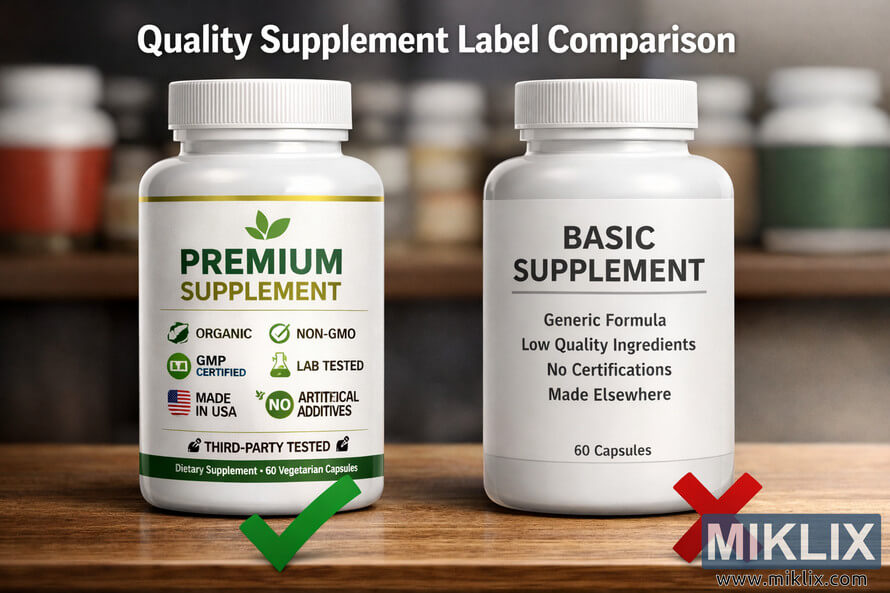
Klikoni ose prekni imazhin për më shumë informacion dhe rezolucione më të larta.
Understanding Glycyrrhizin Content
Products should clearly state glycyrrhizin content. This information helps you manage your intake safely.
DGL products contain minimal glycyrrhizin, typically less than 3%. These are safer for longer-term use but may have different effects than regular licorice.
Some supplements standardize licorice root extract to specific percentages. Higher percentages mean more concentrated active compounds per dose.
Storage and Shelf Life
Store licorice products in a cool, dry place. Heat and moisture can degrade active compounds over time.
Dried licorice root can last up to three years when stored properly. Liquid extracts and supplements typically have shorter shelf lives of 1-2 years.
Always check expiration dates before use. Expired products may lose potency or develop contaminants.
Current Research and Future Directions
Scientists continue investigating licorice for various health applications. The research landscape includes both promising findings and areas needing more evidence.
Areas with Strong Evidence
The most robust research supports licorice use for specific digestive conditions. Multiple studies have examined its effects on peptic ulcers.
Evidence for topical licorice in skin care continues to grow. Research on skin lightening and anti-inflammatory effects shows consistent positive results.
Studies on licorice mouth rinse for post-surgical sore throat have shown promising outcomes. This application has good clinical support.
Emerging Research Areas
Researchers are exploring licorice compounds for antiviral properties. Some laboratory studies suggest potential against certain viruses, but human evidence remains limited.
Investigation into metabolic effects continues. Animal studies show interesting results, but translation to human health needs more work.
Scientists study individual licorice compounds like glabridin separately. Isolating specific components may lead to targeted therapeutic applications with fewer side effects.
Remember that laboratory and animal studies don't always translate to human health benefits. Clinical trials in people provide the most reliable evidence for effectiveness and safety.
Klikoni ose prekni imazhin për më shumë informacion dhe rezolucione më të larta.
Frequently Asked Questions About Licorice
How much licorice is safe to consume daily?
Safe amounts depend on the licorice form and glycyrrhizin content. For products containing glycyrrhizin, most experts recommend no more than 100 mg of glycyrrhizin daily, equivalent to about 1-2 grams of licorice root. DGL forms allow higher doses since they contain minimal glycyrrhizin. Always consult your health care provider for personalized guidance.
Can licorice help with weight loss?
Current evidence doesn't strongly support using licorice for weight loss. While some animal studies suggest effects on fat metabolism, human research is limited and inconclusive. Licorice should not be considered a weight loss supplement, and using it for this purpose without medical supervision could be risky.
Is DGL licorice as effective as regular licorice?
DGL licorice removes most glycyrrhizin, making it safer for longer use and for people with blood pressure concerns. For digestive issues like heartburn, DGL appears effective and is often preferred. However, some of licorice's effects may depend on glycyrrhizin, so DGL might not work identically to regular licorice for all conditions.
How long does it take for licorice to work?
The timeframe varies by condition and use. Licorice lozenges for sore throat may provide relief within hours. For digestive issues, some people notice improvement within a week or two. Topical skin applications typically require several weeks of consistent use to see results. Effects also depend on product quality and individual response.
Does black licorice candy have the same health benefits?
Most black licorice candy contains anise oil for flavoring rather than real licorice root. Even candies made with real licorice typically don't contain enough active compounds to produce health benefits. Additionally, candy contains high sugar amounts and should not be used as a health supplement. Check ingredients to verify actual licorice content.
Can I use licorice if I have diabetes?
People with diabetes should use caution with licorice. It might affect blood sugar levels and can interact with diabetes medicines. Licorice may also worsen diabetic complications if it raises blood pressure or affects potassium levels. Anyone with diabetes must consult their health care provider before using licorice products.
Making Informed Decisions About Licorice Use
Licorice offers several potential health benefits supported by traditional use and modern research. The root shows promise for digestive support, respiratory relief, and skin care applications.
However, licorice also carries significant risks when used improperly. Blood pressure elevation, potassium depletion, and medication interactions can cause serious health problems.
Safe use requires understanding proper dosing, duration limits, and individual risk factors. DGL forms offer reduced risk for certain applications.
Quality matters significantly when selecting licorice products. Third-party testing and clear labeling help ensure you get what you expect.
The most important step before using licorice for health purposes is consulting with your health care provider. They can assess your individual risk factors, review your medicines, and help determine if licorice is appropriate for you.
Remember that natural doesn't always mean safe. Informed decisions based on scientific evidence and professional medical advice provide the best path to using licorice beneficially while minimizing risks.
Whether you're considering licorice for digestive comfort, respiratory support, or skin care, approach it thoughtfully. Respect the power of this ancient remedy by using it wisely and under appropriate guidance.

Klikoni ose prekni imazhin për më shumë informacion dhe rezolucione më të larta.
Lexime të mëtejshme
Nëse ju pëlqeu ky postim, mund t'ju pëlqejnë edhe këto sugjerime:
- Nga mjegulla e trurit te shëndeti i zemrës: Përfitimet e mbështetura shkencërisht nga marrja e vajit të peshkut çdo ditë
- Përtej Kafeinës: Zhbllokimi i Qetësisë së Fokusit me Shtesat Bacopa Monnieri
- E vërteta e ëmbël: Si luleshtrydhet rritin shëndetin dhe mirëqenien tuaj