
Hops in Beer Brewing: Wai-iti
ที่ตีพิมพ์:
ปรับปรุงล่าสุด : 19 เมษายน 2026 เวลา 21 นาฬิกา 33 นาที 54 วินาที UTC
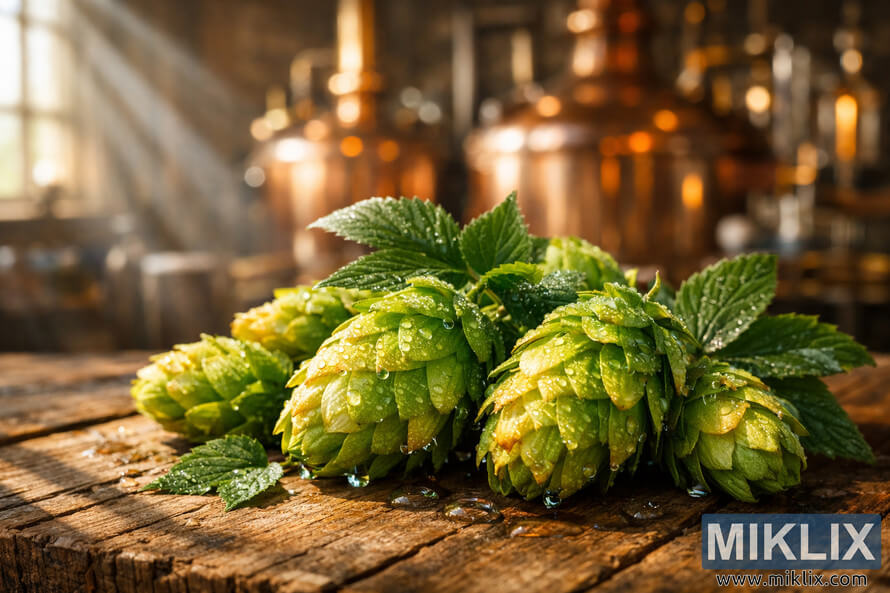
Wai-iti, a delicate New Zealand hops variety, is celebrated for its bright, stone-fruit aroma and soft bitterness. Developed by Plant & Food Research and released by NZ Hops Ltd., it offers peach and apricot notes. These characteristics make it perfect for lighter beers and sessionable ales.
Hops in Beer Brewing: Wai-iti
คลิกหรือแตะที่ภาพเพื่อดูข้อมูลเพิ่มเติมและภาพความละเอียดสูงขึ้น
Wai-iti can be found through specialty suppliers and online shops that accept Visa, Mastercard, PayPal, and Apple Pay. Availability can fluctuate with the harvest year and supplier. Knowing these details is crucial for planning Wai-iti brewing projects. It ensures you get fresh hops for the peak aroma window.
Key Takeaways
- Wai-iti is a New Zealand hops cultivar known for stone fruit hops aromas like peach and apricot.
- It functions primarily as an aroma hops choice, ideal for late additions and dry hopping.
- Wai-iti was developed by Plant & Food Research and released by NZ Hops Ltd. in 2011.
- Availability varies by supplier and harvest year; secure hops early for best results.
- Wai-iti suits pale ales, session beers, lagers, and single-hop showcases.
What are Wai-iti hops
The Wai-iti hop is a New Zealand-bred aroma variety, celebrated for its bright stone-fruit and citrus notes. It was created to offer brewers a lively, low-bittering option. This makes it perfect for late additions and dry hopping. Growers and maltsters appreciate its clean profile and consistent performance in pale ales, lagers, and session beers.
Origin and breeder information
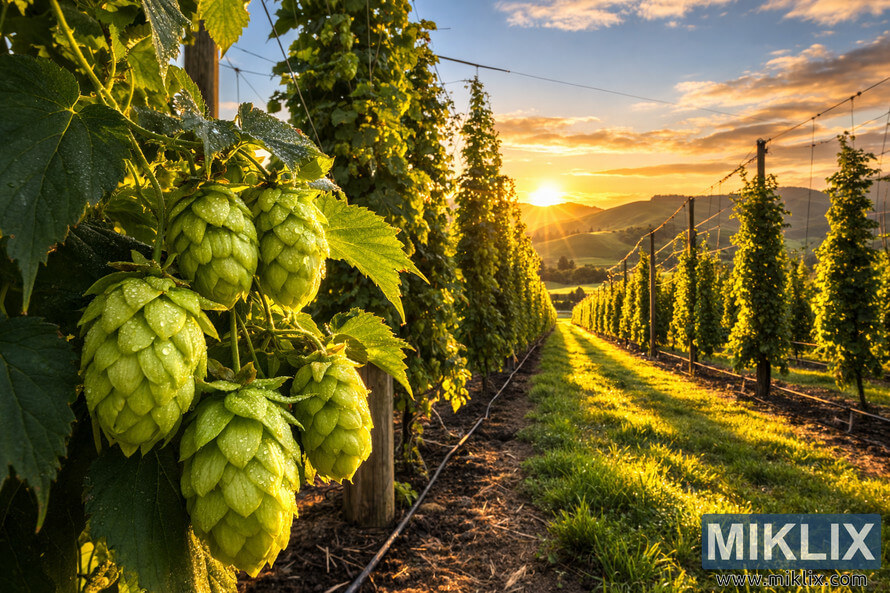
Wai-iti was developed by Plant & Food Research and introduced to the market by NZ Hops Ltd. The breeding program aimed for aroma clarity and disease resistance, with modest alpha acids. NZ Hops Ltd manages the trademark and oversees commercial propagation and licensing for growers.
Genetic lineage and release date
The variety's lineage includes Liberty and Hallertau parents, with Hallertauer Mittelfrüh significantly influencing its aroma. It was publicly released in 2011. Trials confirmed its appealing peach, apricot, and citrus character, along with its low bittering potential.
International code and cultivar ID
Wai-iti is registered under the international code WTI and has the cultivar identifier HORT7709. These codes are found on variety lists and in supplier catalogs. They help brewers and growers match crop reports with the correct hop genetics.
คลิกหรือแตะที่ภาพเพื่อดูข้อมูลเพิ่มเติมและภาพความละเอียดสูงขึ้น
Flavor and aroma profile of Wai-iti hops
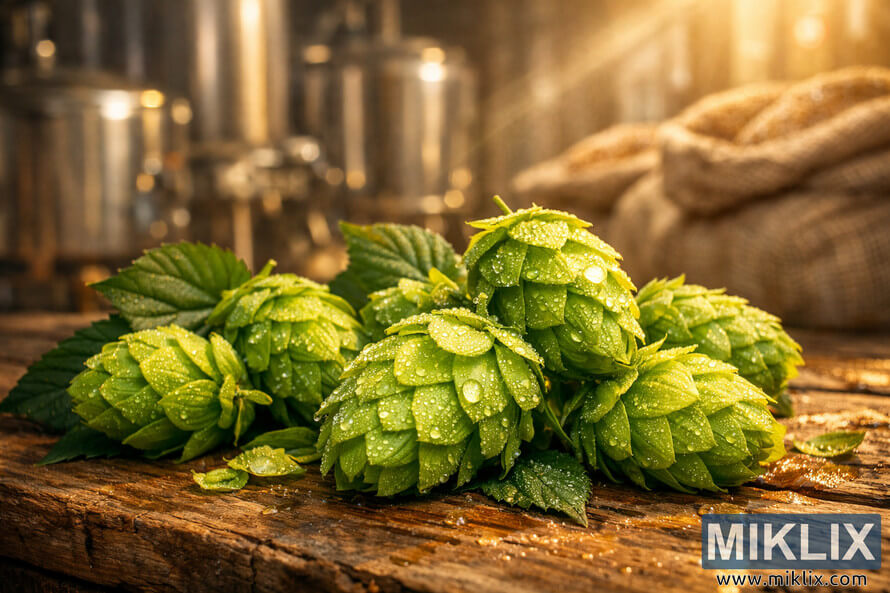
Wai-iti hops introduce a vibrant, fruit-forward essence, ideal for light, sessionable beers. Their clarity and softness make them a favorite among brewers. The flavor spectrum ranges from ripe stone fruits to sharp citrus, with a delicate floral note that keeps the beer lively.
Peach and apricot are the standout stone fruit characteristics. The peach hops contribute a juicy, slightly creamy taste. Apricot hops add a warm sweetness, enhancing the midpalate without overwhelming the malt.
Lime and mandarin hops balance the fruitiness with their citrusy lift. Lime hops add a zesty brightness and a hint of tartness. Mandarin hops, on the other hand, introduce sweeter, tangerine-like notes that complement the soft florals.
Preserving aroma intensity is crucial. Use late boil and whirlpool hops to capture essential oils without harsh bitterness. Dry hop additions maximize the headspace aroma, showcasing the hop's full potential during fermentation and conditioning.
- Late boil: promotes defined peach hops and apricot hops notes with moderate bitterness.
- Whirlpool/hop stand: preserves volatile lime hops and mandarin hops esters for a vivid aroma.
- Dry hop: opens the full hop aroma windows for immediate, bright aroma impact.
คลิกหรือแตะที่ภาพเพื่อดูข้อมูลเพิ่มเติมและภาพความละเอียดสูงขึ้น
Brewing characteristics and alpha acid data
Wai-iti offers a brewer-friendly profile, focusing on aroma and flavor over heavy bitterness. Its low alpha acid levels, typically between 2.5–3.5%, guide brewers in recipe formulation and hopping schedules.
The alpha acid range for Wai-iti is around 2.5–3.5%, with an average of 3%. This makes it suitable for late-boil or aroma-focused additions, rather than primary bittering. Small bittering additions can enhance a mild, clean bitterness.
Beta acids in Wai-iti are often higher than alpha, aiding in long-term oxidation stability. Total oils in Wai-iti range from 1.4 to 1.8 mL per 100 g, averaging 1.6 mL/100 g. These oil levels contribute to a noticeable aroma impact from whirlpool and dry-hop treatments.
Co-humulone in Wai-iti typically ranges from 22–24% of the total alpha fraction. This lower co-humulone percentage results in smoother bitterness and a more drinkable finish when used in hop bills.
The hop oil composition of Wai-iti favors humulene, farnesene, caryophyllene, and modest myrcene. Myrcene is near 3%, humulene around 28%, caryophyllene roughly 9%, and farnesene close to 13%. Minor compounds like linalool and geraniol complete the balance.
The oil profile contributes to Wai-iti's delicate fruit character. Farnesene and minor terpenes offer stone-fruit aromas, while humulene adds a subtle woody-spicy backbone. Low myrcene keeps grassy or resinous notes in check, making the hop ideal for beers where aroma clarity is crucial.
- Alpha acids: 2.5–3.5% (use for aroma or light bittering)
- Beta acids: ~4.5–5.5% (support stability)
- Total oils Wai-iti: 1.4–1.8 mL/100 g (aroma potential)
- Co-humulone Wai-iti: ~22–24% (smooth bitterness)
คลิกหรือแตะที่ภาพเพื่อดูข้อมูลเพิ่มเติมและภาพความละเอียดสูงขึ้น
Wai-iti hops in beer styles
Wai-iti hops introduce a soft stone-fruit aroma, perfect for lighter, sessionable beers. They are chosen for their delicate peach and apricot notes, ensuring these flavors are prominent without overwhelming malt or yeast. This hop is ideal for enhancing simple grists, keeping the hop aroma at the forefront.
Best matches for Wai-iti
Wai-iti is a great choice for pale ales that require aromatic clarity. It's also suitable for session ales and wheat beers, adding a restrained, fruity top note that keeps the beer refreshing. Pilsners and light lagers benefit from its subtle fruitiness, avoiding dank or resinous tones.
Using Wai-iti as a single-hop showcase
Single-hop brews with Wai-iti reveal the hop's true essence. Late additions, whirlpool rests, and gentle dry hopping emphasize its stone-fruit and light citrus characteristics. For homebrewers and small batches, a single-hop Wai-iti beer is an excellent tool for understanding how timing affects aroma expression.
Examples of commercial beers using Wai-iti
Several craft breweries incorporate Wai-iti into their blends or as a lead variety. Commercial Wai-iti beers often manifest as pale ales, IPAs, and experimental lagers. These beers showcase the hop's fruit clarity, complementing yeast esters or other New Zealand varieties. Two Bays Brewing Co combines Wai-iti with Nelson Sauvin and Nectaron, creating layered stone-fruit and tropical notes in their IPAs.
- Wai-iti pale ale: shows stone fruit with a clean malt backbone.
- Wai-iti in lagers: adds bright aroma without heavy bitterness when used sparingly.
- Single-hop Wai-iti releases: ideal for tasting sessions and limited-run taps.
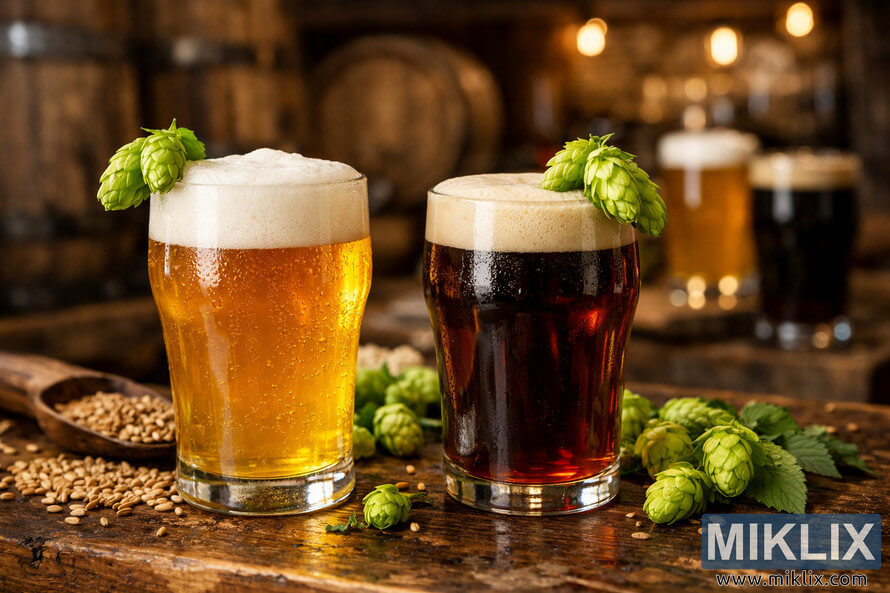
คลิกหรือแตะที่ภาพเพื่อดูข้อมูลเพิ่มเติมและภาพความละเอียดสูงขึ้น
How to use Wai-iti hops in the boil and fermentation
Wai-iti hops are known for their aroma, so it's crucial to protect their volatile oils. Add them in small amounts late in the boil or during fermentation. This approach enhances stone-fruit and citrus flavors without introducing harsh bitterness.
For a bright, cooked-fruit character, add Wai-iti hops in the last 5–10 minutes of the boil. Brief additions prevent the loss of delicate top notes. This method is particularly effective in pale ales and lagers, enhancing aroma while keeping bitterness soft.
When using hop stand and whirlpool techniques, cool the wort to 170–180°F (77–82°C) before adding hops. This temperature range optimizes oil extraction without harsh polyphenols. A 15–30 minute Wai-iti whirlpool adds layered stone-fruit and citrus flavors with minimal vegetal notes.
Opt for shorter contact times and lower temperatures when using Wai-iti hops. If a long hop stand is planned, reduce the hop mass to avoid grassy or astringent flavors. A gentle whirlpool at lower temperatures preserves the delicate peach and apricot notes Wai-iti is famous for.
Wai-iti dry hopping aims to maximize aroma while minimizing bitterness. Add hops after primary fermentation slows, usually 3–5 days into secondary fermentation or 24–48 hours after high krausen. Cold-side additions help retain myrcene and farnesene for a fresher aroma.
Consider split dosing for a balanced flavor profile. Start with a small late boil addition, then add a moderate Wai-iti whirlpool charge. Finish with a light Wai-iti dry hop. This sequence layers volatile esters and bright fruit notes without overwhelming bitterness.
For commercial batches, scale by aroma intensity rather than weight alone. Conduct small pilot runs and adjust contact times as needed. Proper Wai-iti hop usage minimizes the need for heavy dry hopping, delivering the varietal's signature stone-fruit lift.
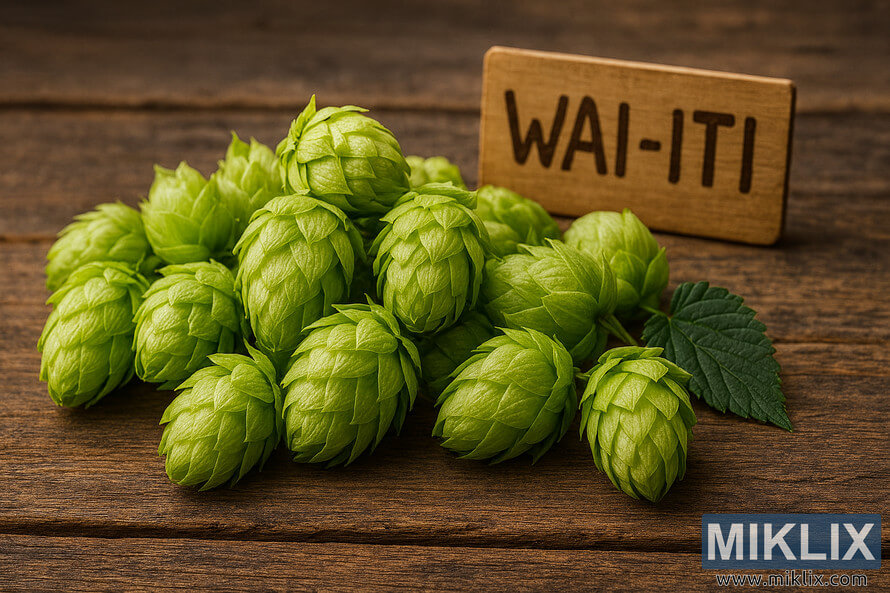
คลิกหรือแตะที่ภาพเพื่อดูข้อมูลเพิ่มเติมและภาพความละเอียดสูงขึ้น
Pairing Wai-iti hops with other hop varieties
Wai-iti shines when paired with complementary New Zealand hops or global varieties. This highlights its stone-fruit core. Brewers can add Wai-iti late or as a dry hop for peach and apricot notes. Then, they can add hops for citrus, tropical, or herbal top notes. This approach creates depth without overwhelming the delicate aromatics.
Common local partners include Motueka, Nelson Sauvin, and Rakau. Motueka adds bright lime and mandarin tones, enhancing the mix. Nelson Sauvin contributes white-wine and tropical grape flavors, contrasting Wai-iti's stone-fruit. Rakau provides a subtle resinous backbone, grounding the blend.
- Wai-iti Motueka — use Motueka for high-frequency bright citrus while Wai-iti supplies soft peach.
- Wai-iti Nelson Sauvin — pair for layered tropical and stone-fruit complexity in pale ales and IPAs.
- Wai-iti with Rakau or Galaxy — add light resin or intense tropical lift depending on the target profile.
Layering techniques allow each hop to shine. Start with a hint of Motueka in the whirlpool for citrus top notes. Then, add a heavy dry-hop of Wai-iti to preserve the stone fruit. For a fruit-forward IPA, use Nelson Sauvin in the whirlpool and Wai-iti and Motueka for dry-hop.
Examples guide recipe work. For a session pale ale, use a small bittering charge, whirlpool Motueka, and a late dry-hop of Wai-iti. This keeps the beer drinkable and aromatic. For a New England–style IPA, blend Nelson Sauvin and Wai-iti in a 1:1 ratio for a white-wine and peach layer. For a wheat beer, a light Wai-iti finish with a touch of Motueka brightens the citrus impression.
Point-of-sale blended hop packs often recommend these matches, simplifying experimentation. Brewers should track additions and timing closely. This ensures Wai-iti achieves clear, distinct notes without harshness.
Substitutions and alternatives for Wai-iti hops
When Wai-iti is scarce, brewers seek reliable swaps that maintain stone-fruit and citrus flavors. Opt for substitutes that focus on aroma, ensuring the beer retains Wai-iti's delicate essence. Below, find practical advice for selecting and using alternatives.
Recommended substitutes such as Riwaka and rationale
Riwaka is often preferred as a substitute due to its bright citrus and tropical notes. Suppliers frequently recommend Riwaka when Wai-iti is out of stock. Brewers who've tried both note similar stone-fruit flavors, making Riwaka a top pick for pale ales and light lagers.
Choosing substitutes based on aroma and alpha acid similarities
First, match dominant aromas. Seek hops that offer peach, apricot, lime, and mandarin notes. Then, consider alpha acid levels. Wai-iti's low alpha acids suggest ideal swaps have 2–4% levels. A similar oil profile ensures balance in single-hop recipes.
When to adjust hopping schedules for substitutions
- If a substitute has higher alpha acids, cut bittering additions to avoid excess IBUs.
- Shift more quantity to late-boil, whirlpool, or dry hop stages to preserve volatile esters and match hop aroma.
- Consider reducing contact time for a hop with harsher oils. Shorter dry-hop windows often protect delicate stone-fruit notes.
Use trial batches to refine dosages. Tasting small-scale runs helps confirm whether your chosen Wai-iti substitutes deliver the intended aroma and mouthfeel. Adjust as needed to keep the final beer true to the original concept.
Available formats and purchasing Wai-iti hops
Wai-iti hops are available in various formats to cater to different brewers. Homebrewers often opt for Wai-iti pellets for their convenience in storage and dosing. On the other hand, small commercial brewers might prefer Wai-iti cones for their intact lupulin and fresher handling profile.
Ordering and payment processes are straightforward with most hop retailers. Options include credit cards, PayPal, Apple Pay, Google Pay, and ACH. These secure payment methods ensure safe transactions when purchasing Wai-iti hops online from trusted suppliers.
- Whole cone vs pellet availability and handling
- Wai-iti cones are best packed with oxygen scavengers and shipped cold. They are ideal for brewers who prefer cold-steeping or making hop teas.
- Wai-iti pellets, on the other hand, are compact and offer uniform dosing. They break down quickly in the mash or kettle, making them easier to portion for consistent recipes.
- Availability of lupulin/cryo products (current status)
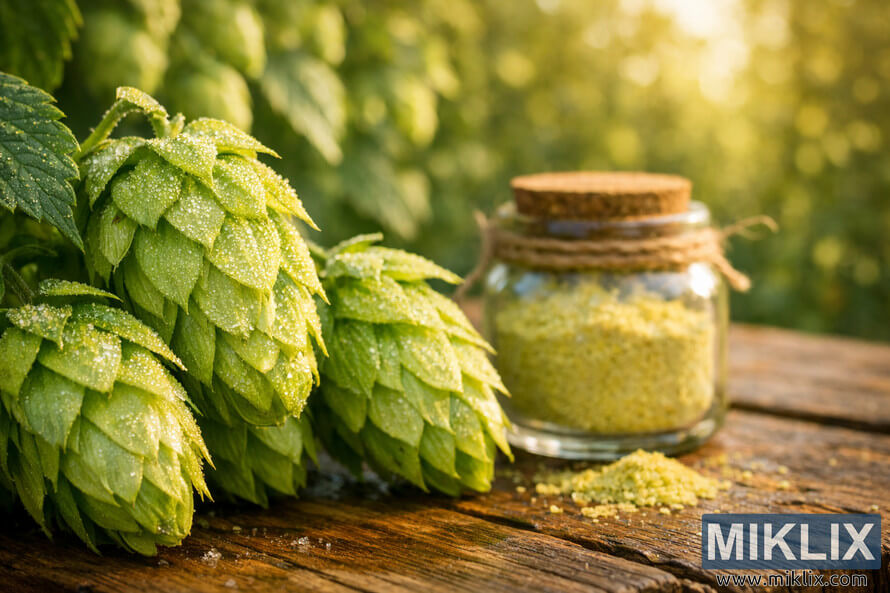
- Lupulin or cryo-style concentrates are popular for other varieties but are currently not available for Wai-iti. This scarcity means that cryo options for Wai-iti are rare, so recipes should be planned around cones or pellets.
When sourcing Wai-iti hops, compare lab sheets for alpha acids and total oils. Confirm shipping and payment security. Choose the format that best fits your brewing process. This ensures consistent aroma and reduces the risk of stale hops in your beer.
Growing and agricultural traits of Wai-iti hops
Wai-iti hops flourish in New Zealand's hop-growing regions. Here, cool nights and sunny days enhance hop oils and acids. Farmers value its consistent performance across seasons. The right soil, irrigation, and timing significantly impact its aroma and alpha content.
Region and seasonal harvest timing in New Zealand
Wai-iti is mainly grown in Nelson and Canterbury, the core of New Zealand's hop industry. Harvesting typically occurs from late February to early April. This timing aims to capture the peak oil expression while ensuring the hops remain fresh.
Yield consistency, disease resistance, and sustainable practices
Wai-iti's yield is consistent, making it a reliable choice for commercial brewing. It also shows strong resistance to common fungal diseases, reducing the need for pesticides. Many growers use integrated pest management and cover cropping to enhance soil health and improve agricultural outcomes.
How growing conditions influence seasonal variation in hop characteristics
Seasonal weather changes affect hop characteristics. Warm, dry springs increase alpha acids, while cooler, wet seasons enhance floral and stone-fruit esters. Brewers pay close attention to these variations, as they impact the hop's aroma and bitterness.
- Soil type: loam and free-draining sites produce cleaner aromatics.
- Irrigation: regulated water during cone fill improves Wai-iti yield and oil uniformity.
- Harvest timing: a few days' difference can tilt the balance between fresh fruit notes and sharper citrus edges.
Wai-iti hops for homebrewers
Wai-iti is ideal for homebrewers seeking a stone fruit and lime flavor without excessive bitterness. It's best to focus on late additions and dry hopping to enhance its delicate oils. Many U.S. online retailers accept standard payment methods, making it easy and secure to source small quantities for your Wai-iti homebrew.
Small-batch hopping schedules and dosage suggestions
Wai-iti's low alpha acids make it perfect for aroma. For a 5-gallon batch, consider 0.5–1.5 ounces in the whirlpool and 1–3 ounces for dry hopping. Adjust according to the desired intensity. For lighter session ales, aim for the lower end of this range.
For single-hop showcases, use multiple small late-boil additions at 10 and 5 minutes, plus a 24–72 hour dry hop. Increase the Wai-iti hop dosage if you prefer more pronounced stone-fruit notes in hazy or low-bitterness beers.
Storage tips to preserve aroma and oil content
To preserve hop aroma, vacuum-seal pellets or whole cones and refrigerate or freeze them. Label them with the harvest year to avoid using old hops. Proper storage slows oxidation, helping retain myrcene and other volatile oils.
When storing Wai-iti hops, keep packages airtight and cold. Small vacuum pouches and a dedicated freezer are ideal for homebrewers buying single harvest lots.
Troubleshooting muted aroma or off-flavors
Muted aroma often results from old hops or poor storage. If your beer lacks Wai-iti character, replace the hops with a fresher lot and increase dry-hop contact time. Avoid long, high-heat boils to preserve delicate notes.
Oxidation can lead to off-flavors. If your beer has cardboard or stale notes, discard the suspect hops, sanitize tools, and minimize oxygen during transfers. Review your supply chain and store Wai-iti hops properly to prevent future issues.
Analytical data and lab values for Wai-iti hops
Brewers and lab technicians rely on clear numbers to choose hops. Wai-iti lab values help set expectations for aroma, bittering, and recipe balance. Batch certificates from suppliers commonly list these figures so brewers can adjust additions with confidence.
Typical measured ranges show Wai-iti alpha range at roughly 2.5–3.5%, with an average near 3%. Beta acids are often around 4.5–5.5%, averaging about 5%. Wai-iti total oils fall in a narrow window, commonly 1.4–1.8 mL/100g with a mean near 1.6 mL.
Co-humulone Wai-iti percentages trend low to moderate. Reported values cluster around 22–24%, with an average close to 23%. The alpha-beta ratio usually sits near one-to-one on many certificates, which speaks to its aroma-focused profile rather than heavy bittering use.
Oil breakdown informs aroma choices. Myrcene often registers low, about 2–4%. Humulene appears high, near 27–29%, while caryophyllene sits around 8–10% and farnesene near 12–14%. Remaining compounds make up roughly 43–51% of the total oil mix.
- Use the low Wai-iti alpha range as a guide to avoid relying on this hop for primary bittering.
- Plan late-hop additions and whirlpool stands to protect delicate Wai-iti total oils.
- Account for co-humulone Wai-iti when predicting perceived bitterness; lower co-humulone often yields smoother bitterness.
When reading a supplier lab sheet, compare the batch's actual numbers to the typical ranges above. Small shifts in total oils or humulene percentage can change perceived fruit and floral notes. That makes lab values a practical tool for dialing in timing, dosage, and hop pairings.
Wai-iti hops in recipe ideas and experimental brews
Wai-iti is perfect for brewers aiming for bright stone-fruit and citrus flavors. It excels in single-hop brews and blends where delicate aromas need safeguarding. Below, find practical recipe ideas and techniques for both home and craft brewers to experiment with.
Start with a light malt bill, incorporating pilsner and a hint of Vienna or Munich malt. Aim for a low bitterness, around 20–25 IBU, to highlight peach and apricot notes.
- Late-boil additions: 5–10 minutes of Wai-iti for fresh flavor.
- Whirlpool: add a moderate whirlpool charge to capture juicy esters.
- Dry hop: 3–4 g/L of Wai-iti for strong stone-fruit aroma without vegetal harshness.
This approach to a Wai-iti session pale ale emphasizes aroma while maintaining a drinkable body for multiple pours.
Light lager with whirlpool and dry hop
Begin with a simple grain bill: pils malt and a small dextrin malt for mouthfeel. Use minimal kettle additions to preserve crispness.
- Whirlpool/hop stand at 170–180°F for 15–30 minutes to coax lime and mandarin notes.
- Cold-side dry hop for 24–48 hours with a modest dose to avoid haze and retain freshness.
- Fermentation: a clean lager yeast at low temps for a polished finish.
The Wai-iti lager recipe offers a delicate citrus lift on a crisp, clean base, ideal for summer.
IPA blend recipes pairing with Nelson Sauvin or Motueka
For a layered fruit character, blend Wai-iti with complementary hops. Nelson Sauvin adds vinous, tropical tones. Motueka brings bright lime and citrus.
- Use a bittering hop with higher alpha acids at the start to set IBUs.
- Reserve Wai-iti mainly for whirlpool and dry hop to preserve stone-fruit clarity.
- Combine Nelson Sauvin or Motueka in dry hop for tropical and lime complexity.
This method in Wai-iti IPA blends creates depth while keeping peach-apricot in the forefront.
Start with small test batches when experimenting with ratios. Keep track of harvest year and supplier notes to adjust dosages. Many suppliers provide suggested dosages and payment options on their product pages, aiding in planning for repeat brews. These Wai-iti recipes and pairing strategies enable brewers to craft bright, fruit-driven beers across session ales, lagers, and modern IPA styles.
Conclusion
Wai-iti offers a soft stone-fruit character with a bright citrus lift, making it a subtle yet distinct choice for various beer styles. It's perfect for session ales, pale ales, wheat beers, and clean lagers. This summary highlights its low alpha acid range and delicate oil profile. These traits make it ideal for late-boil, whirlpool, and dry-hop treatments to preserve peach, apricot, and lime notes.
For brewers aiming for balance, Wai-iti pairs well with Motueka, Nelson Sauvin, and Rakau. It can also be substituted with Riwaka when needed. The Wai-iti hops overview stresses the importance of monitoring crop-year variability and securing reliable purchasing channels. Reputable suppliers and transparent sampling are key for consistent results.
Practical Wai-iti brewing takeaways are simple yet effective. Emphasize aroma additions and scale doses according to batch size. Store hops cold and dark to retain volatile oils. With proper handling and pairing, Wai-iti can add nuanced stone-fruit and citrus complexity without aggressive bitterness.
FAQ
What are Wai-iti hops and who developed them?
Wai-iti is a New Zealand aroma hop developed by Plant & Food Research. It was released by NZ Hops Ltd. Known for its delicate, fruit-forward aroma with low bitterness, it's perfect for lighter, sessionable beers and hop-forward styles.
What is the genetic lineage and release date of Wai-iti?
Bred from Liberty and Hallertau lines, with Hallertauer Mittelfrüh in its ancestry, Wai-iti was released in 2011. It carries the international code WTI and cultivar ID HORT7709.
What flavor and aroma notes define Wai-iti hops?
Dominated by stone-fruit notes like peach and apricot, Wai-iti also offers bright citrus accents and subtle floral undertones. Its soft, fruit-forward character benefits from late additions and dry hopping to preserve volatile oils.
When should Wai-iti be added during the brewing process to maximize aroma?
For delicate aromatics, use Wai-iti as a late-boil addition, in the whirlpool/hop stand at lower temperatures, or as a cold-side dry hop. Avoid long, high-temperature boils that strip volatile oils.
What are Wai-iti’s typical alpha acid, beta acid, and oil ranges?
Wai-iti typically has alpha acids about 2.5–3.5% (avg ~3%), beta acids ~4.5–5.5% (avg ~5%), and total oils roughly 1.4–1.8 mL/100g (avg ~1.6 mL/100g). These values reflect its aroma-focused purpose rather than bittering.
How does Wai-iti’s oil composition influence its aroma?
Wai-iti’s oil profile includes relatively low myrcene (~2–4%), high humulene (~27–29%) and significant farnesene (~12–14%), plus caryophyllene (~8–10%). The farnesene and humulene levels promote stone-fruit, woody, and floral notes while low myrcene keeps the aroma delicate and less resinous.
Which beer styles suit Wai-iti best?
Wai-iti shines in pale ales, session ales, wheat beers, light lagers, and pilsners. Its soft fruit character also makes it a good choice for single-hop showcases and beers where drinkability and a delicate aroma are priorities.
Can Wai-iti be used as a single-hop ingredient?
Yes. Because of its distinct peach/apricot and lime character, Wai-iti can carry a single-hop beer if the malt bill and hopping schedule are designed to highlight late additions and dry hopping rather than bittering.
Are there commercial beers that use Wai-iti?
Wai-iti appears in NZ and international craft brews. Brewers often blend it with Nelson Sauvin and Nectaron or use it alongside Motueka to achieve layered fruit profiles. Check product pages from regional breweries for examples tied to specific releases and harvest years.
How should Wai-iti be used in the kettle and whirlpool?
Make minimal early-kettle additions. For flavor, add Wai-iti in the final 5–10 minutes of the boil. For aroma, perform a whirlpool or hop stand at lower temperatures (around 170–180°F / 75–82°C) to extract oils without excessive volatilization.
What are the best dry-hopping practices for Wai-iti?
Use moderate dry-hop rates—common homebrew recommendations range around 3–4 g/L for aroma-forward beers. Cold-side additions during active fermentation or after fermentation help preserve volatile compounds and avoid grassy or vegetal notes from oxidation.
Which New Zealand hops pair well with Wai-iti?
Motueka, Nelson Sauvin, Rakau, and Nectaron complement Wai-iti. Motueka adds lime/citrus top notes, Nelson Sauvin contributes tropical and white-wine characters, and Rakau layers juicy green-fruit tones, producing complex, fruit-forward beers.
What layering techniques work when blending Wai-iti with other hops?
Use Wai-iti primarily in late additions and dry hop for stone-fruit lift, while pairing with a more assertive citrus or tropical hop earlier in whirlpool or as a base to provide top notes. Adjust proportions to avoid masking Wai-iti’s delicate aroma.
What hops make good substitutes for Wai-iti and why?
Riwaka is a commonly recommended substitute because it shares bright fruit and citrus character with similar alpha ranges. When substituting, match dominant aromatics and alpha acid percentages to retain balance, and shift additions later if the substitute is more bitter.
When should I adjust hopping schedules if I use a substitute?
If the substitute has higher alpha acids, reduce early bittering additions and rely more on whirlpool and dry hop to preserve aroma. If the oil profile differs, test small batches to find the right timing and dosage for the desired aroma profile.
In what formats is Wai-iti sold and how should each be handled?
Wai-iti is commonly available as T90 pellets and whole cones. Pellets store and dose easily; whole cones are preferred by some for perceived freshness. Store either format vacuum-sealed and refrigerated or frozen to retain oils and limit oxidation.
Is there a lupulin or cryo version of Wai-iti?
Currently there is no widely available lupulin/cryo (cryogenic concentrated) product for Wai-iti from major suppliers such as Yakima Chief, BarthHaas, or Hopsteiner. Brewers needing concentrated aroma must rely on pellet or cone forms.
Where can I buy Wai-iti hops and what should I watch for?
Wai-iti is sold through hop merchants, homebrew stores, and some online marketplaces like Amazon. Look for supplier lab values, harvest year, and storage notes. Common secure payment options include major cards, PayPal, Apple Pay, Google Pay, and ACH—vendors typically do not store raw card data.
When is Wai-iti harvested in New Zealand and how does seasonality affect it?
New Zealand harvest for Wai-iti generally runs from late February through early April. Seasonal and regional variations influence alpha/beta acids and oil composition, so crop year can change aromatic intensity and analytical values slightly.
What are Wai-iti’s agronomic traits like yield and disease resistance?
Wai-iti is grown in New Zealand hop regions with generally consistent yields and good disease resistance. Sustainable growing practices are common, helping secure supply, though commercial availability still varies by harvest year and demand.
How should homebrewers dose Wai-iti for small batches?
For session pale ales, try late-boil additions (5–10 minutes), a whirlpool/hop stand, and a dry hop around 3–4 g/L. Light malt bills let Wai-iti’s stone-fruit character shine. Adjust doses by batch size and target aroma intensity.
What storage tips preserve Wai-iti’s aroma and oil content?
Vacuum-seal hops and refrigerate or freeze them. Minimize oxygen exposure and note the harvest year. Use hops within a year of harvest for best aroma; older hops lose volatile oils and may produce muted characteristics.
Why might Wai-iti aroma be muted or show off-flavors?
Muted aroma often results from aged hops, poor storage, or overboiling. Off-flavors can come from oxidation. Use fresh pellets or cones, reduce high-temperature exposure, and employ cold-side dry hopping to restore bright fruit notes.
How do commercial brewers manage scaling Wai-iti aroma additions?
Scale aroma additions proportionally, favoring whirlpool and post-fermentation hops for large batches. Consider hop inventory across crop years, secure multiple suppliers or contracts, and account for slightly varying alpha and oil values between lots.
What supply-chain factors should commercial brewers consider for Wai-iti?
Plan for crop-year variability and potential stock limits. Because there is no cryo/lupulin product, sourcing concentrated aroma options is limited. Establish relationships with multiple suppliers and track harvest certificates and lab analyses for consistency.
How should Wai-iti be labeled and marketed on beer packaging?
List Wai-iti by name and code (Wai-iti, WTI) and highlight origin (New Zealand) and tasting notes—peach, apricot, lime—to attract consumers seeking delicate, fruit-forward beers. Pairing mention of companion hops like Nelson Sauvin or Motueka helps set expectations.
What lab values should I check when planning recipes with Wai-iti?
Review alpha and beta acids, total oil content, and co-humulone percentage. Typical lab ranges: alpha ~2.5–3.5%, beta ~4.5–5.5%, total oils ~1.4–1.8 mL/100g, and co-humulone ~22–24%. Use these values to set bittering and aroma strategies.
How do I interpret alpha-beta ratio and co-humulone for recipe planning?
An alpha-beta ratio near 1:1 and low alpha acids indicate Wai-iti is not a primary bittering hop. Co-humulone around 22–24% suggests a smooth bitterness profile. Rely on other higher-alpha hops for bittering and use Wai-iti for late additions and dry hopping.
Can you suggest recipe ideas that showcase Wai-iti?
Session pale ale: light malt base, late 5–10 minute Wai-iti addition, whirlpool, and 3–4 g/L dry hop to emphasize stone-fruit. Light lager: minimal kettle hops, whirlpool at 170–180°F, short cold-side dry hop for lime notes. IPA blend: combine Wai-iti in dry hop with Nelson Sauvin or Motueka for layered tropical, citrus, and stone-fruit complexity.
อ่านเพิ่มเติม
หากคุณชอบโพสต์นี้ คุณอาจชอบคำแนะนำเหล่านี้ด้วย: