
تصویر: Fresh Okra Pods at Ideal Harvest Size in Sunlit Garden
شائع شدہ:
آخری بار اپ ڈیٹ کیا گیا: 17 مارچ، 2026 کو 9:38:07 PM UTC
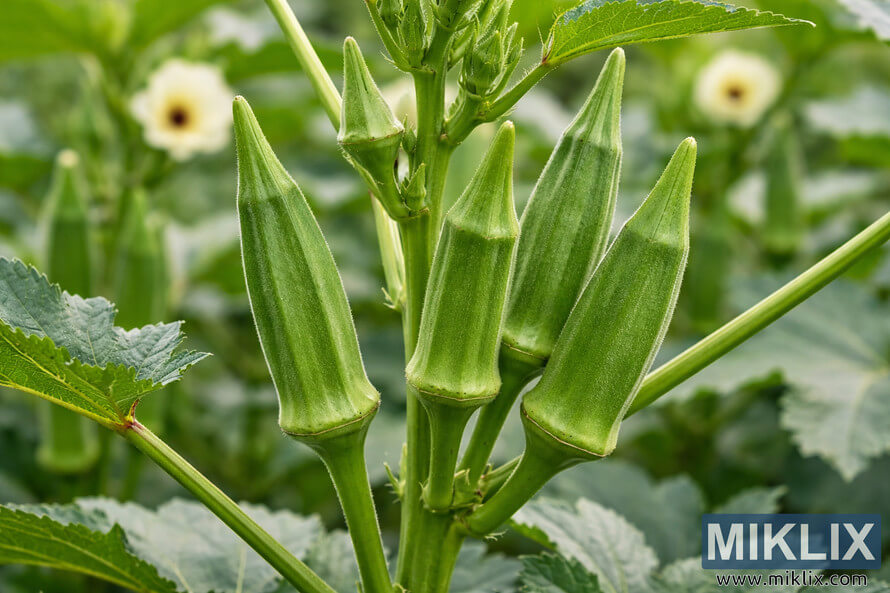
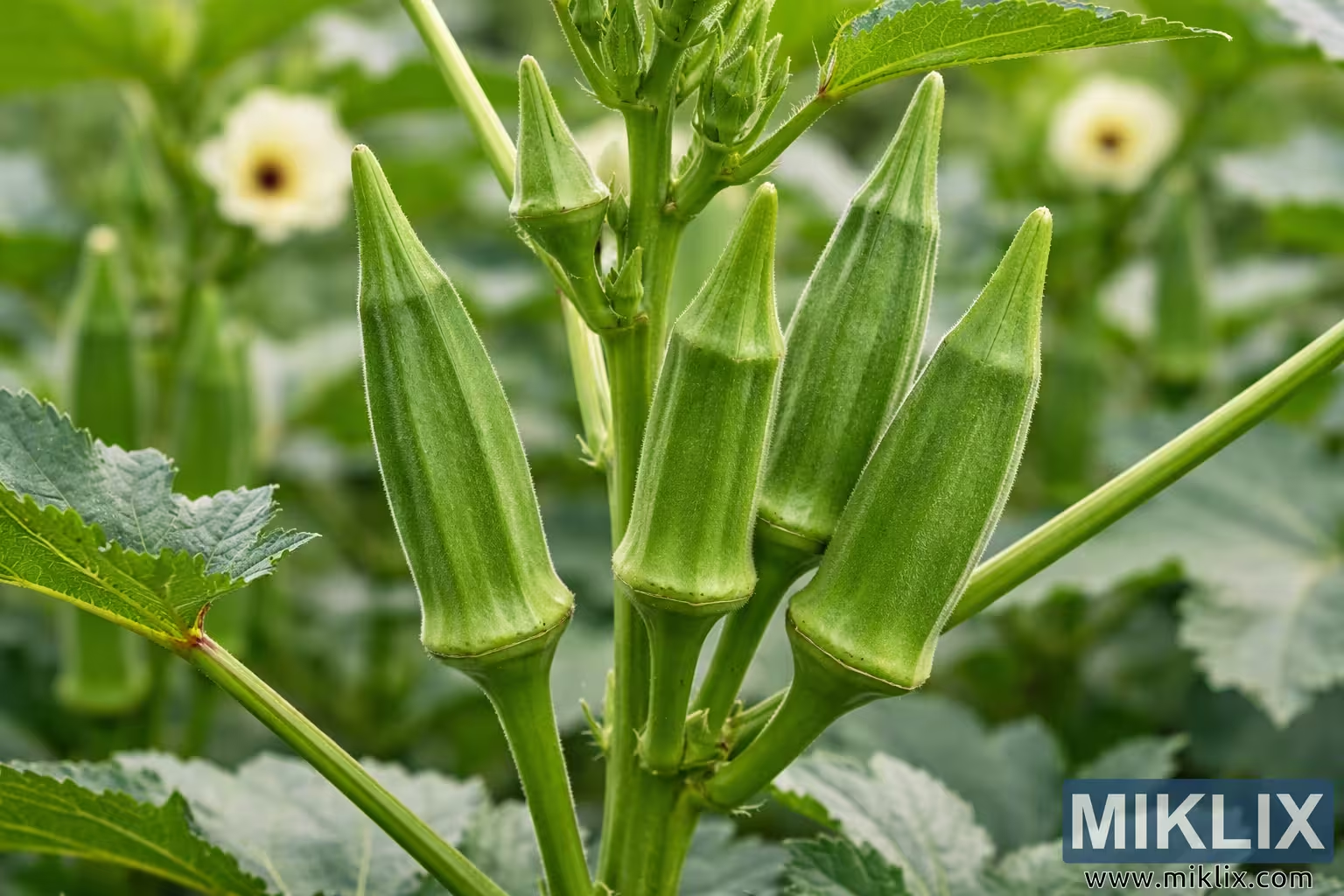
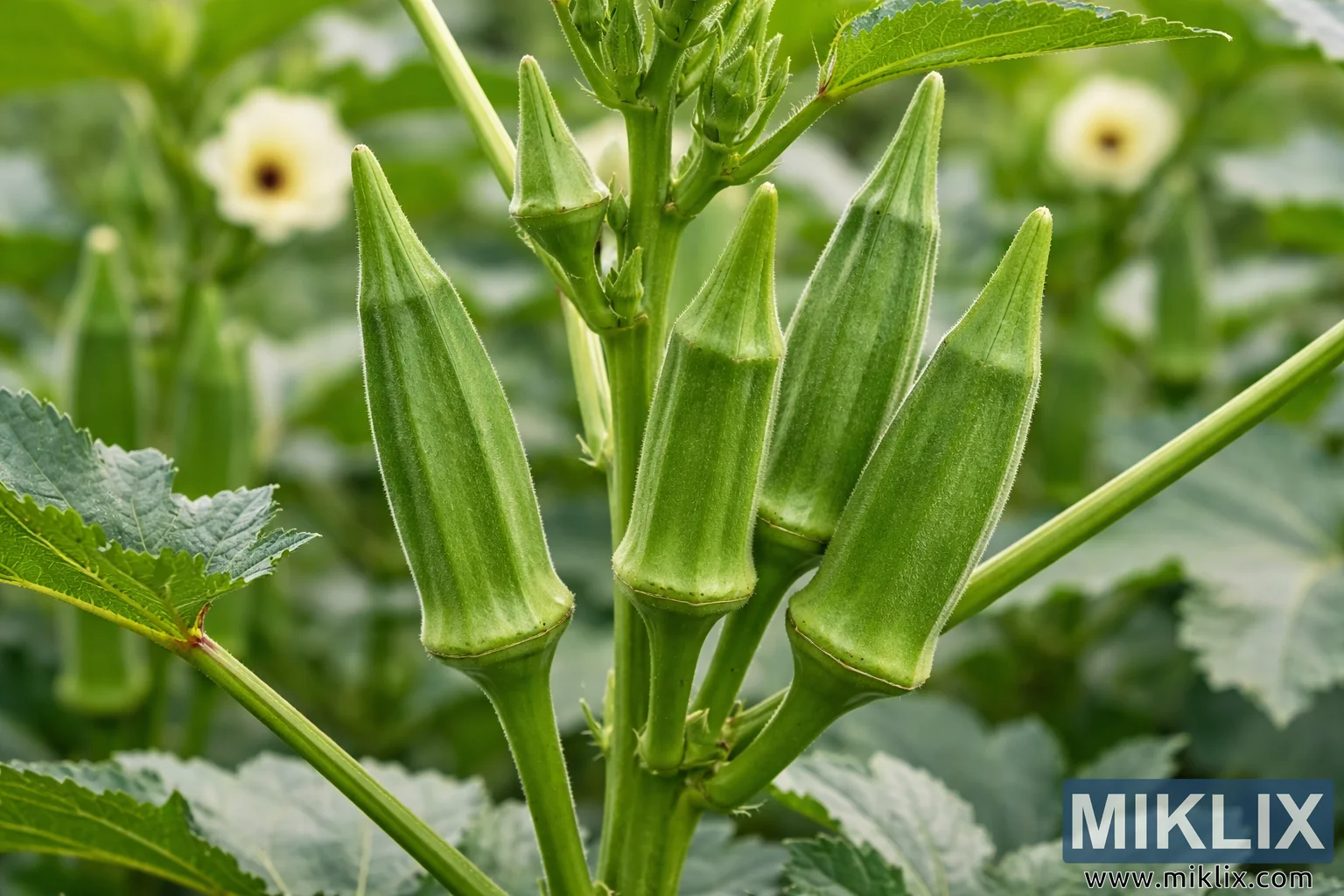
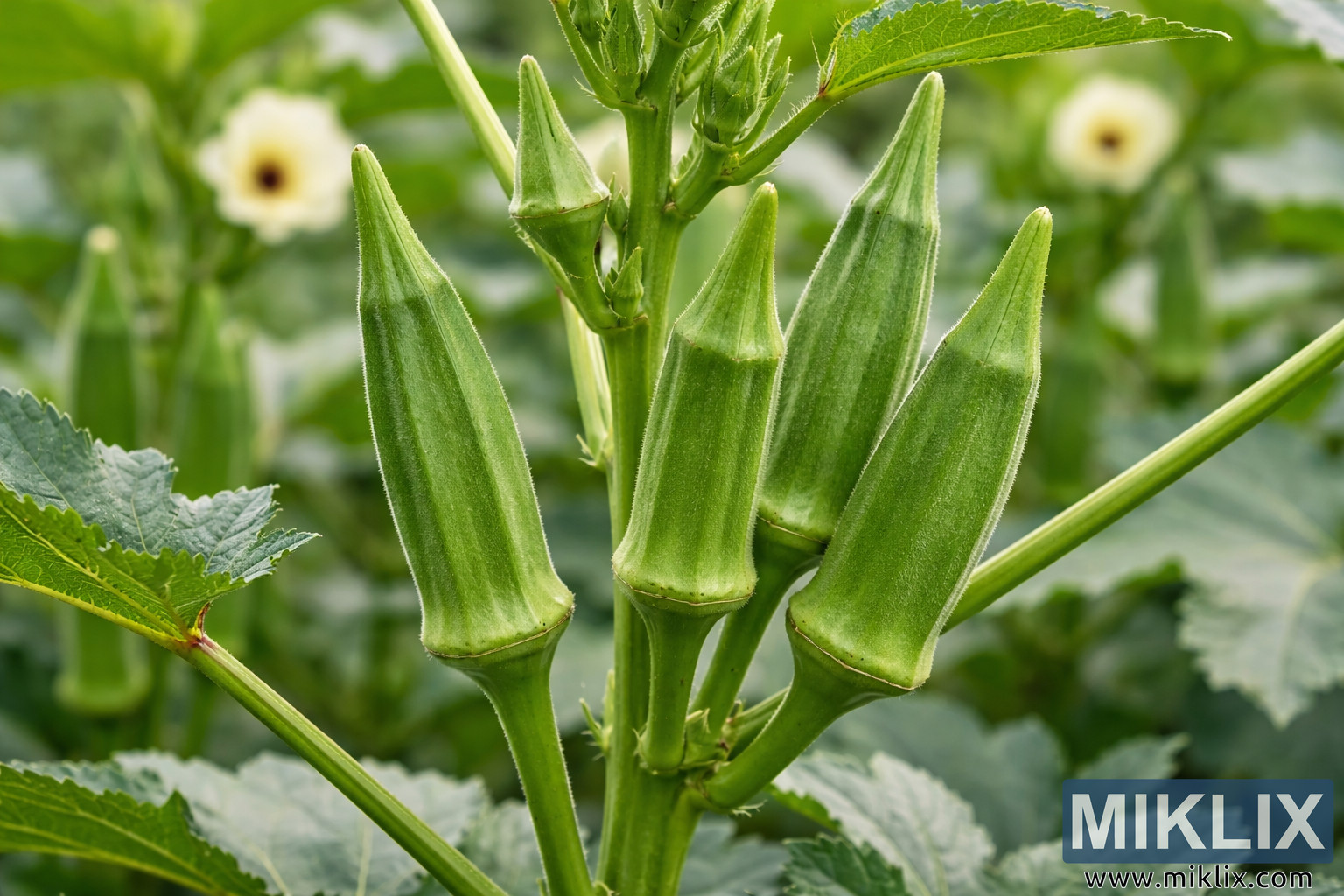
Detailed close-up photograph of fresh okra pods at perfect harvest size growing on a vibrant green plant in a sunlit garden setting.
Fresh Okra Pods at Ideal Harvest Size in Sunlit Garden
اس تصویر کے دستیاب ورژن
ذیل میں ڈاؤن لوڈ کے لیے دستیاب تصویری فائلیں کم کمپریسڈ اور زیادہ ریزولیوشن ہیں - اور اس کے نتیجے میں، اعلیٰ معیار - اس ویب سائٹ کے مضامین اور صفحات میں سرایت کردہ تصاویر سے، جو کہ بینڈوتھ کی کھپت کو کم کرنے کے لیے فائل کے سائز کے لیے زیادہ موزوں ہیں۔
باقاعدہ سائز (1,536 x 1,024)
بڑا سائز (3,072 x 2,048)
بہت بڑا سائز (4,608 x 3,072)
اضافی بڑا سائز (6,144 x 4,096)
مزاحیہ طور پر بڑا سائز (1,048,576 x 699,051)
- ابھی بھی اپ لوڈ ہو رہا ہے... ;-)
تصویر کی تفصیل
This high-resolution landscape photograph presents a detailed close-up view of several okra pods growing on a healthy plant in a lush garden environment. The composition centers on a cluster of bright green okra pods that have reached their ideal harvest size, each measuring roughly three to four inches in length. Their distinctive tapered shape and pronounced ridges run vertically along the pods, giving them a textured, angular appearance typical of mature okra ready to be picked. The pods are firm, smooth, and slightly glossy, suggesting freshness and optimal maturity.
The okra pods are attached to a sturdy, upright central stem that branches outward at slight angles. The stem is thick and vibrant green, with small nodes and new growth visible near the top. Several developing buds and young pods appear above the mature ones, indicating an actively producing plant. The pods themselves are positioned at different heights along the stem, creating a natural arrangement that adds depth and dimension to the image.
Surrounding the pods are large, textured okra leaves with gently serrated edges and visible veins. The leaves are a slightly darker green than the pods and provide a rich, natural frame around the central cluster. Some leaves extend into the foreground while others recede into the background, contributing to a layered composition that emphasizes the plant’s structure and vitality.
In the softly blurred background, faint yellow okra flowers can be seen scattered among additional foliage. These delicate blossoms, with pale yellow petals and darker centers, hint at the flowering stage that precedes pod development. The background blur creates a pleasing bokeh effect, keeping the viewer’s focus firmly on the sharply detailed pods in the foreground while still conveying the broader garden setting.
Natural sunlight illuminates the scene from above and slightly to the side, highlighting the subtle ridges and fine surface texture of the okra pods. Gentle shadows fall along the contours of the pods and stems, enhancing their three-dimensional appearance. The lighting also accentuates the vivid green tones of the plant, making the pods appear fresh, crisp, and ready for harvest.
Overall, the image captures a moment in the okra plant’s productive stage, showcasing pods at the precise point when gardeners typically harvest them for the best tenderness and flavor. The combination of sharp detail, soft background blur, and natural garden elements creates a vivid and informative portrayal of okra in its ideal harvesting condition.
تصویر سے متعلق ہے: The Complete Guide to Growing Okra in Your Home Garden