
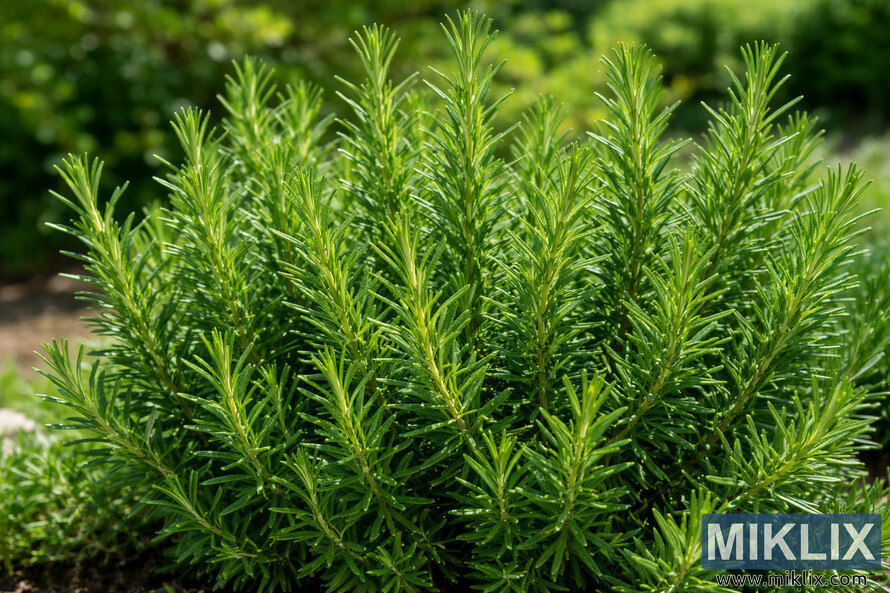
تصویر: Healthy Rosemary Plant with Lush Green Disease-Free Foliage
شائع شدہ:
آخری بار اپ ڈیٹ کیا گیا: 8 اپریل، 2026 کو 8:30:37 PM UTC
High-resolution landscape photo of a healthy rosemary plant displaying dense, vibrant, disease-free foliage in natural sunlight with a softly blurred garden background.
Healthy Rosemary Plant with Lush Green Disease-Free Foliage
اس تصویر کے دستیاب ورژن
ذیل میں ڈاؤن لوڈ کے لیے دستیاب تصویری فائلیں کم کمپریسڈ اور زیادہ ریزولیوشن ہیں - اور اس کے نتیجے میں، اعلیٰ معیار - اس ویب سائٹ کے مضامین اور صفحات میں سرایت کردہ تصاویر سے، جو کہ بینڈوتھ کی کھپت کو کم کرنے کے لیے فائل کے سائز کے لیے زیادہ موزوں ہیں۔
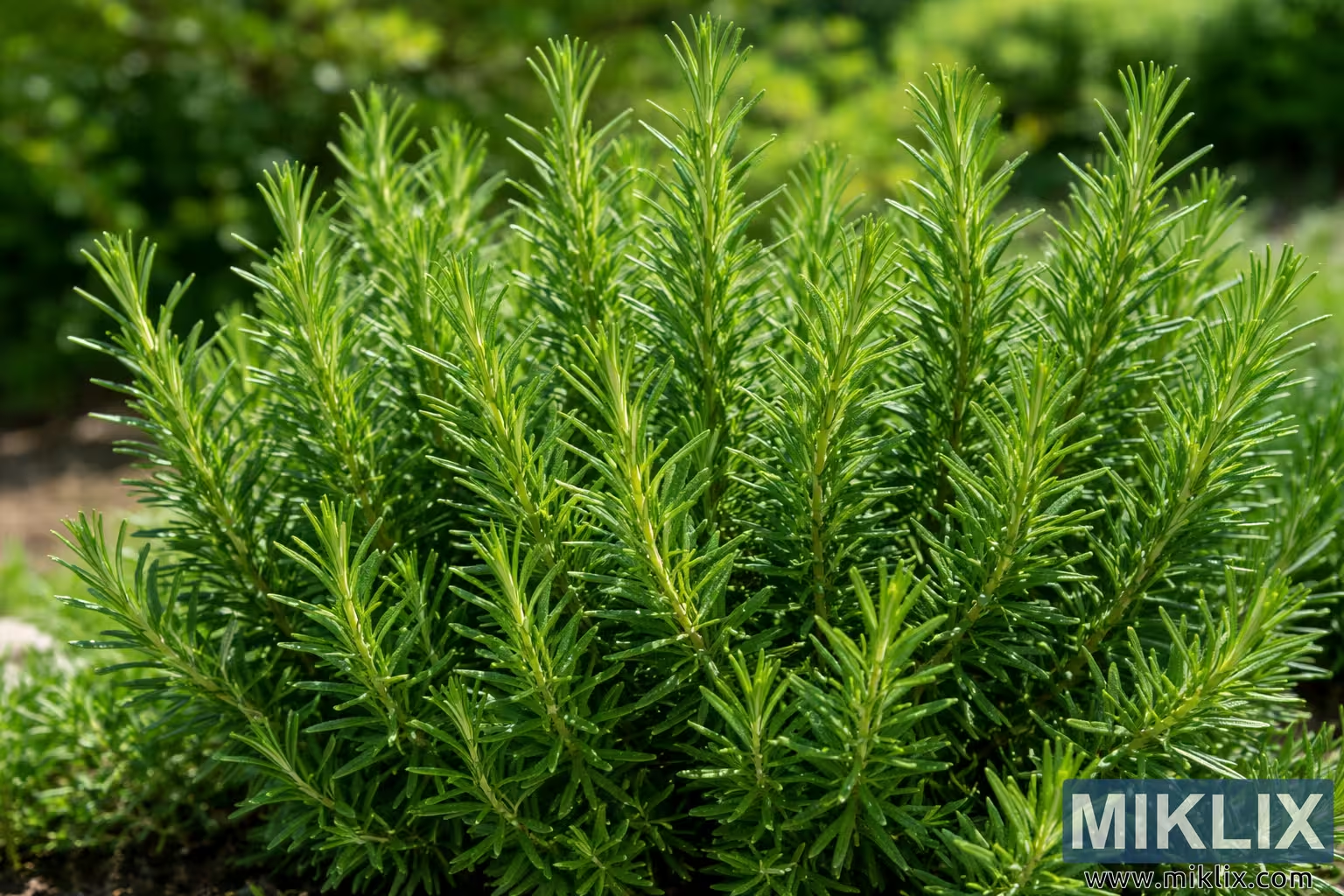
باقاعدہ سائز (1,536 x 1,024)
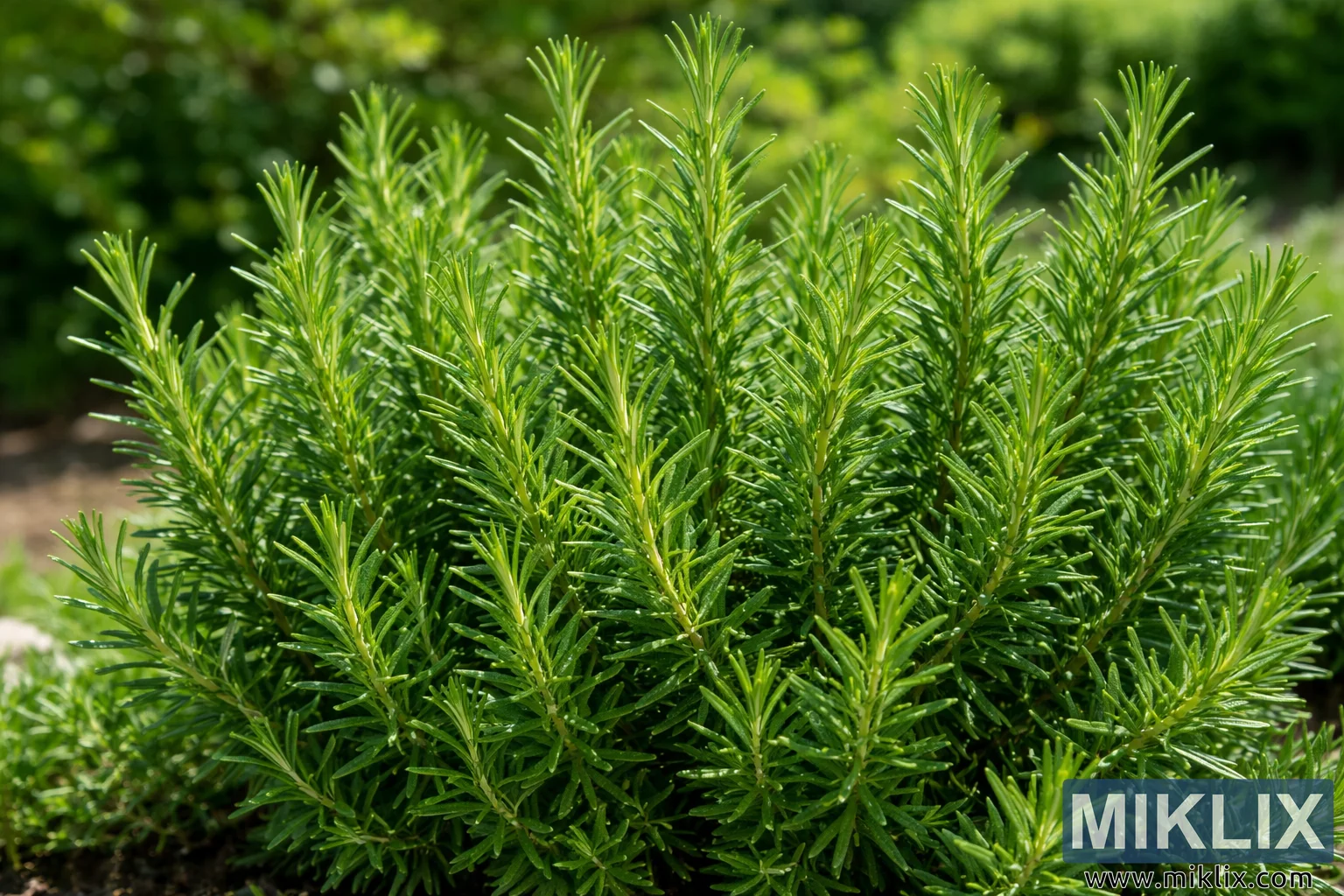
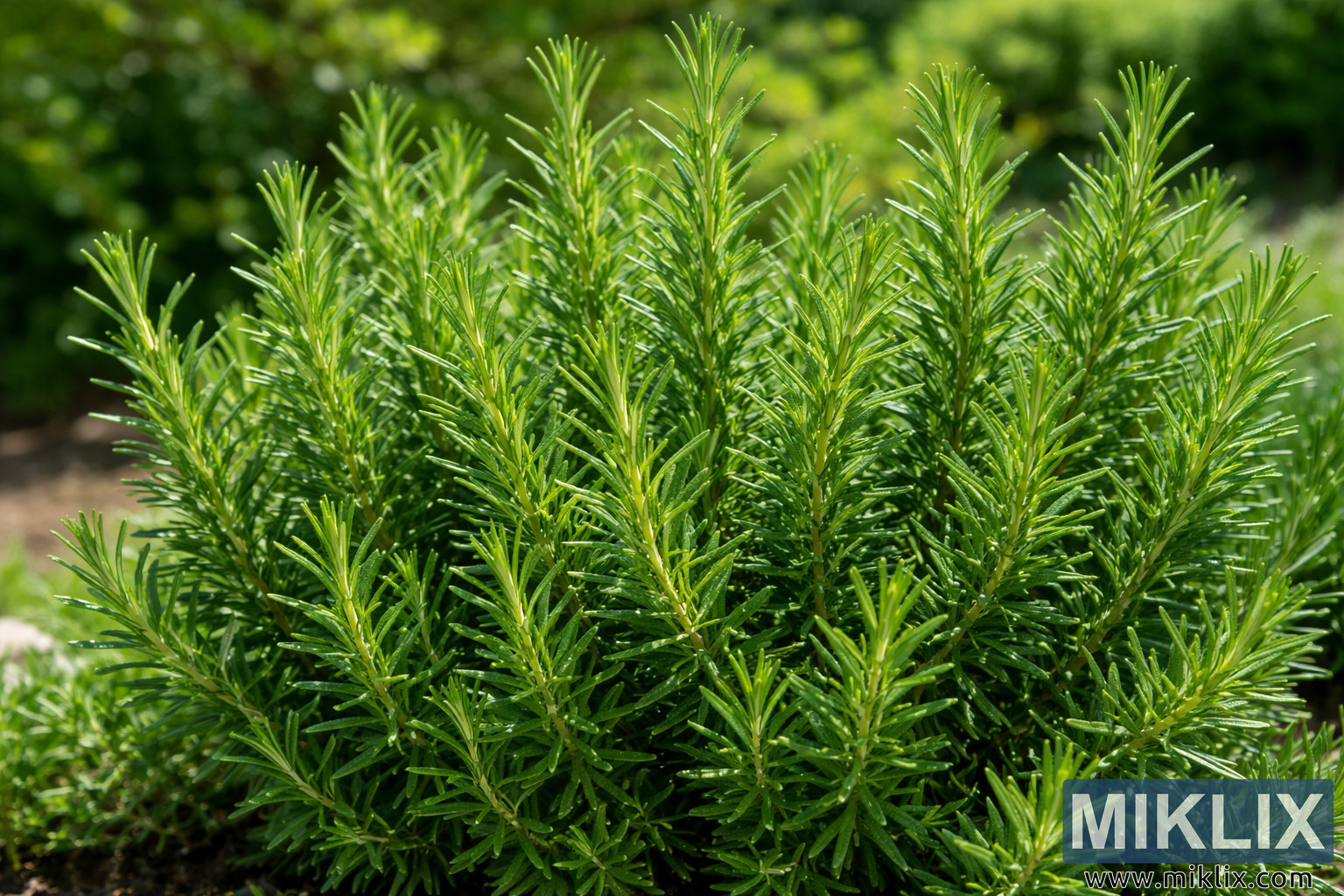
بڑا سائز (3,072 x 2,048)
بہت بڑا سائز (4,608 x 3,072)
اضافی بڑا سائز (6,144 x 4,096)
مزاحیہ طور پر بڑا سائز (1,048,576 x 699,051)
- ابھی بھی اپ لوڈ ہو رہا ہے... ;-)
تصویر کی تفصیل
This high-resolution landscape photograph presents a thriving rosemary plant growing outdoors in bright natural sunlight. The plant fills most of the frame, forming a dense cluster of upright stems covered with slender, needle-like leaves typical of rosemary (Rosmarinus officinalis). The foliage appears vibrant and richly green, indicating a healthy plant with no visible signs of disease, discoloration, or pest damage. Each stem rises vertically from the base, creating a tidy yet natural structure that highlights the herb’s characteristic bushy growth habit.
The leaves are narrow and elongated, arranged densely along the stems in a pattern that creates a layered, textured appearance. Their surfaces reflect subtle highlights from the sunlight, giving the foliage a lively, fresh quality. The needles appear firm and well-hydrated, with smooth edges and consistent coloration throughout. The growth tips at the top of the stems are especially vivid, suggesting active and vigorous new growth. No yellowing, browning, spotting, or curling is visible, reinforcing the impression of a disease-free and well-maintained plant.
The camera is positioned close to the plant, producing a detailed view of the foliage while keeping the background softly out of focus. This shallow depth of field isolates the rosemary as the central subject and emphasizes the fine textures of the leaves and stems. In the blurred background, hints of garden soil and surrounding greenery can be seen, suggesting the plant is growing in an outdoor garden bed or herb garden. The warm daylight illuminates the plant evenly, casting gentle highlights along the leaf edges and subtle shadows within the dense foliage.
The overall composition emphasizes freshness, vitality, and natural growth. The rosemary appears compact, symmetrical, and full, with multiple healthy stems rising at slightly different angles to create a visually appealing arrangement. The strong green color contrasts pleasantly with the muted, softly blended greens and browns of the background environment.
This image effectively communicates the appearance of a healthy rosemary plant in optimal condition. The clean, disease-free leaves and vigorous growth make it representative of a well-cared-for culinary herb ready for harvesting or continued growth in a garden setting. The photograph’s natural lighting, sharp detail, and balanced composition highlight the plant’s aromatic foliage and the characteristic structure that makes rosemary a popular herb in both kitchen gardens and ornamental plantings.
تصویر سے متعلق ہے: How to Grow Rosemary: Your Complete Growing Guide