
تصویر: Insoluble Fiber Adding Bulk to Digestive Content
شائع شدہ:
آخری بار اپ ڈیٹ کیا گیا: 7 ستمبر، 2026 کو 6:32:04 AM UTC
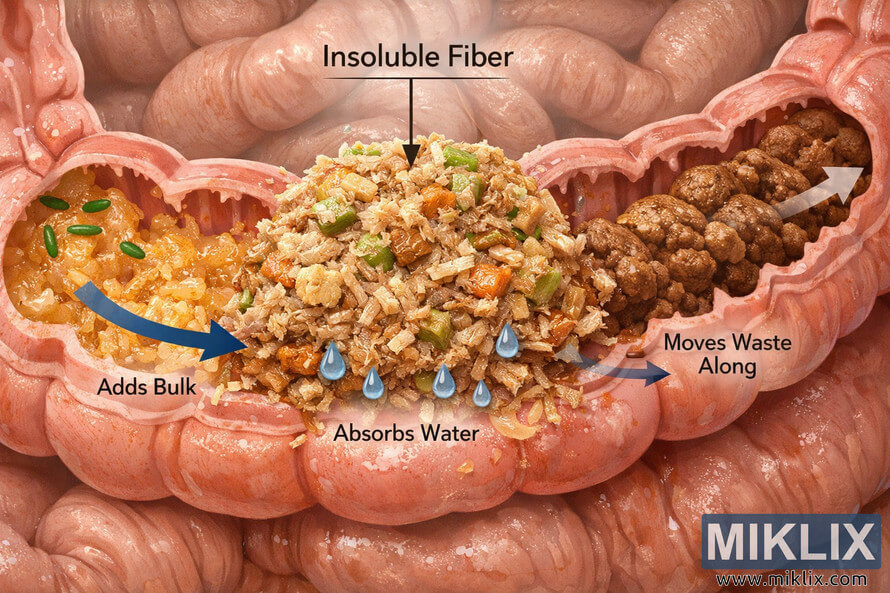
Detailed medical illustration depicting insoluble fiber aiding digestion by adding bulk to intestinal content, absorbing water, and promoting waste movement through the colon.
Insoluble Fiber Adding Bulk to Digestive Content
اس تصویر کے دستیاب ورژن
ذیل میں ڈاؤن لوڈ کے لیے دستیاب تصویری فائلیں کم کمپریسڈ اور زیادہ ریزولیوشن ہیں - اور اس کے نتیجے میں، اعلیٰ معیار - اس ویب سائٹ کے مضامین اور صفحات میں سرایت کردہ تصاویر سے، جو کہ بینڈوتھ کی کھپت کو کم کرنے کے لیے فائل کے سائز کے لیے زیادہ موزوں ہیں۔
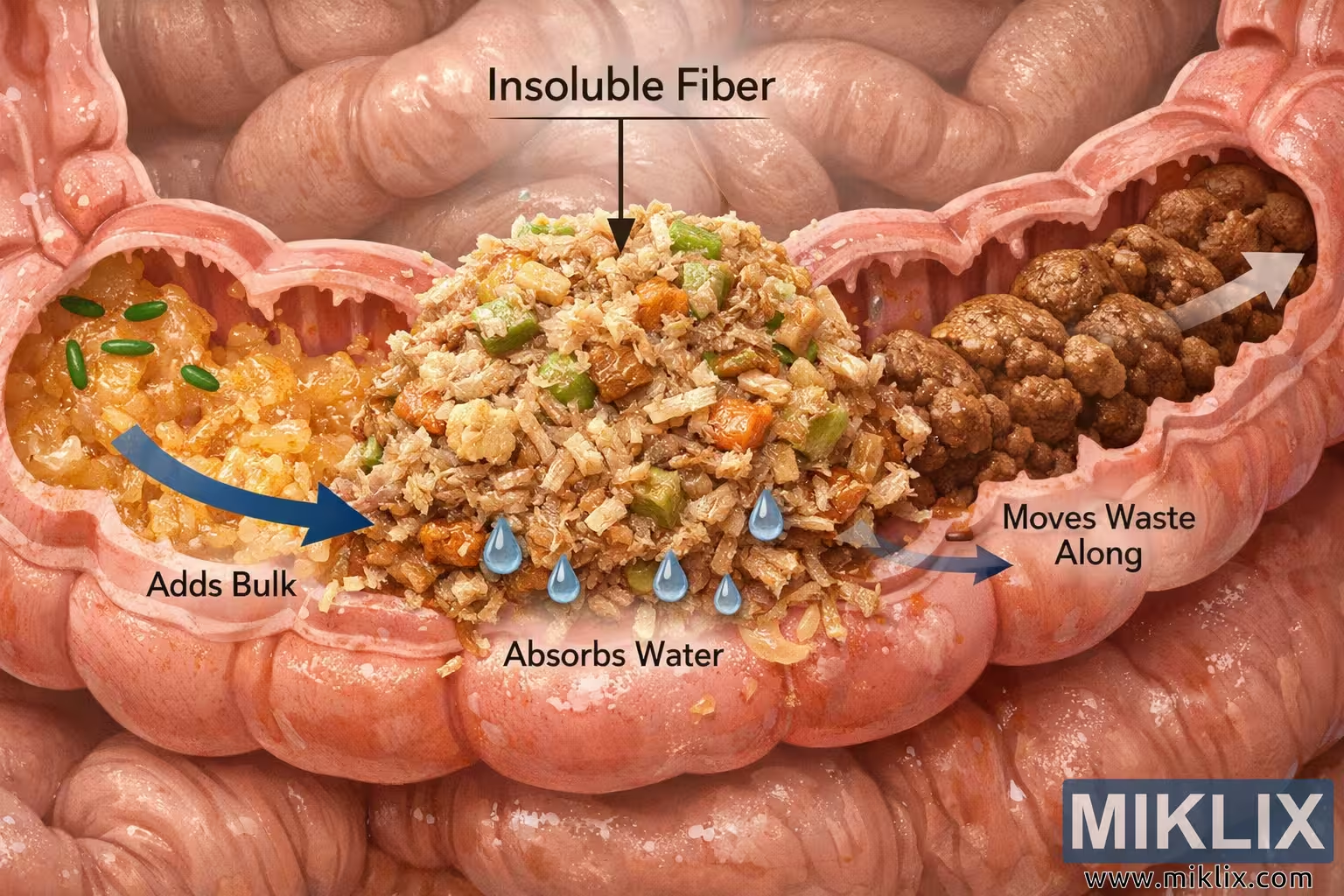
باقاعدہ سائز (1,536 x 1,024)
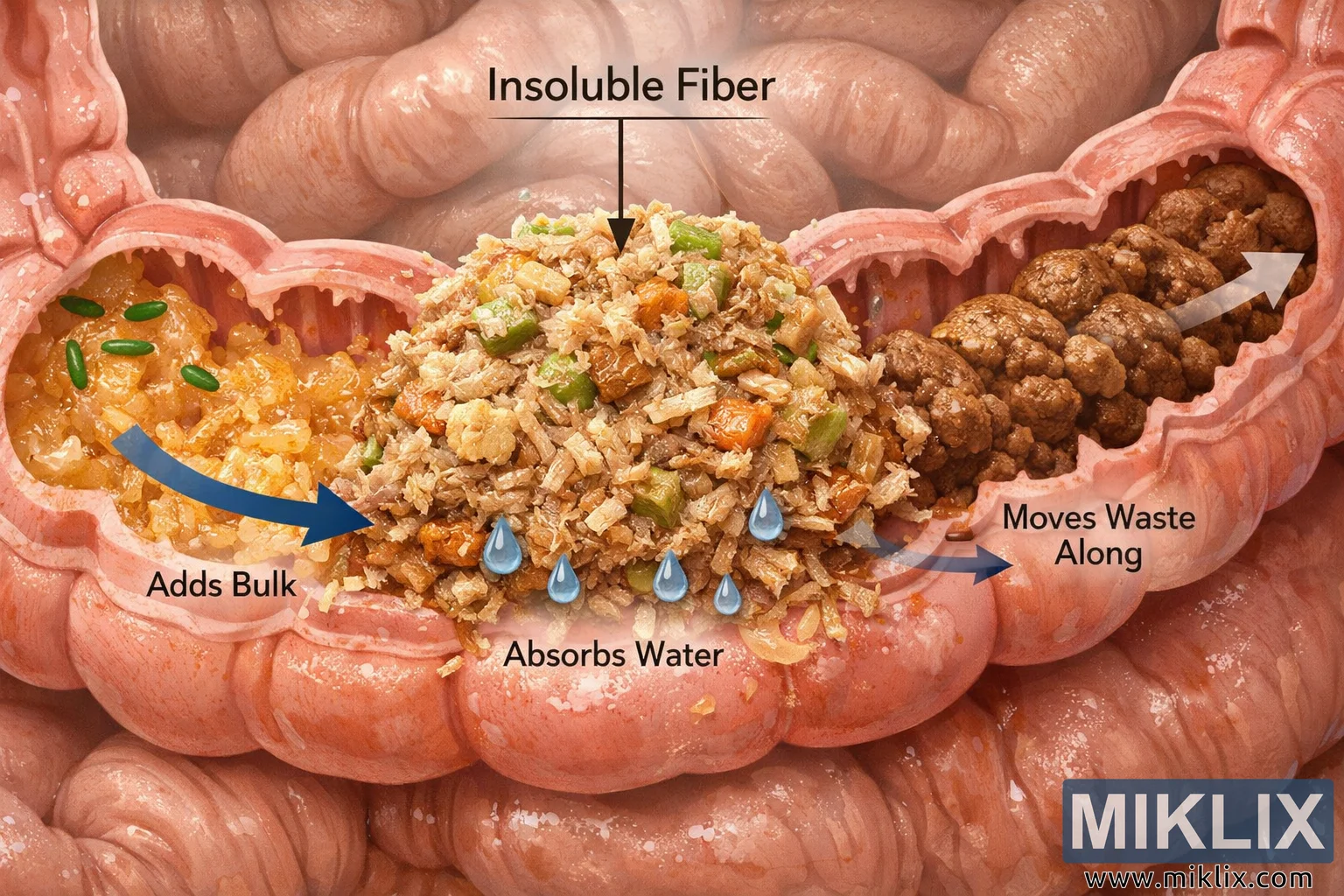
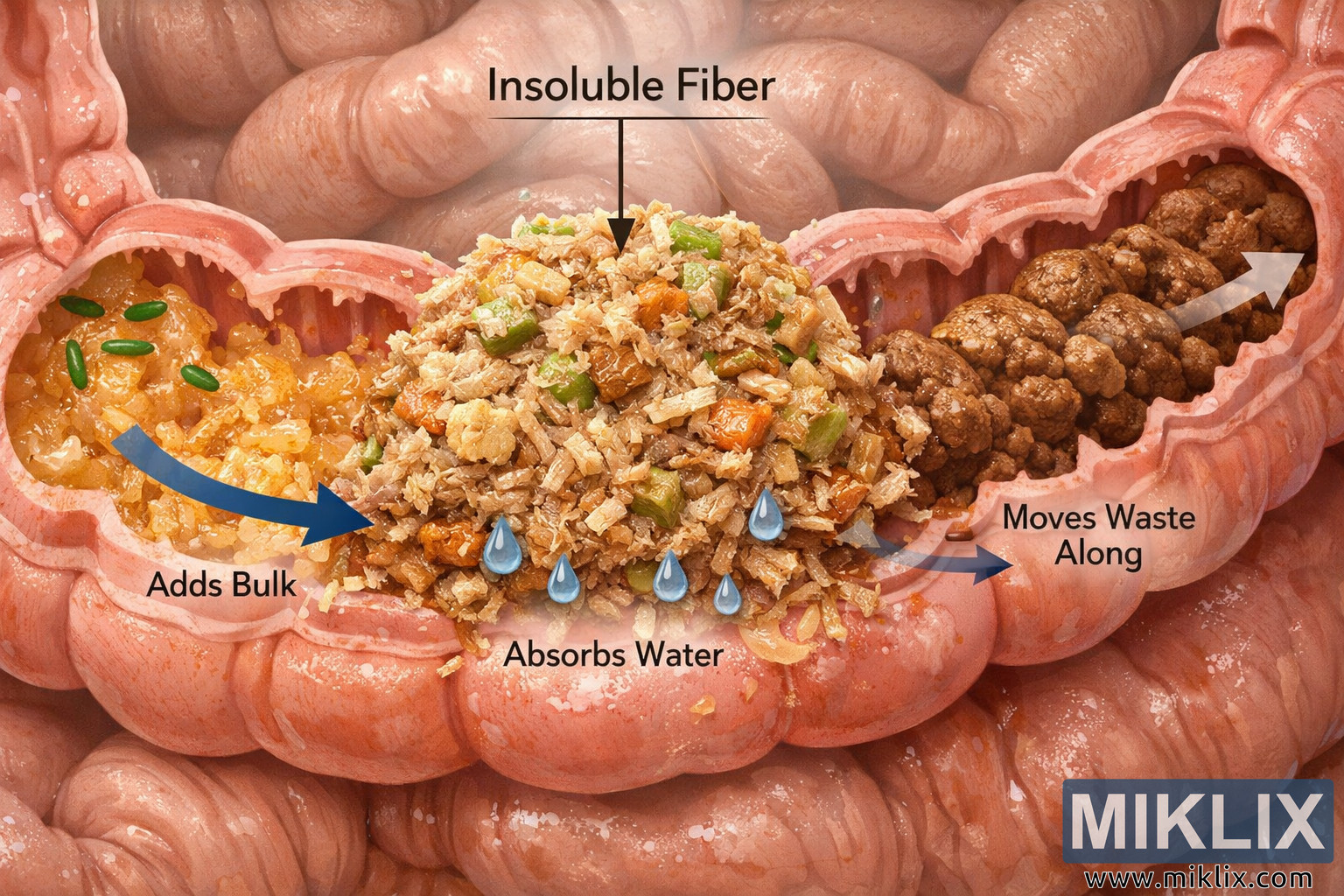
بڑا سائز (3,072 x 2,048)
بہت بڑا سائز (4,608 x 3,072)
اضافی بڑا سائز (6,144 x 4,096)
مزاحیہ طور پر بڑا سائز (1,048,576 x 699,051)
- ابھی بھی اپ لوڈ ہو رہا ہے... ;-)
تصویر کی تفصیل
This image presents a highly detailed, scientifically accurate medical illustration that visualizes the role of insoluble fiber in the human digestive system. The composition is rendered in a landscape orientation, focusing on a cross-sectional view of the intestinal tract. The inner lining of the intestine is shown in realistic tones of pink and beige, with visible folds and villi that emphasize the moist, textured environment where digestion occurs. The lighting is soft yet precise, highlighting the different materials and textures within the digestive content.
At the center of the image lies the focal point: a mass of insoluble fiber. This fibrous material is depicted as coarse, irregular fragments of plant matter, including bran-like particles, vegetable peels, and tiny seed fragments. The fiber appears light brown with subtle variations of green, yellow, and beige, suggesting its plant-based origin. The fibers are swollen and hydrated, illustrating how insoluble fiber absorbs water as it passes through the intestine. Small blue droplets surround the fibrous mass, each labeled to indicate the process of water absorption. The visual effect conveys the fiber’s sponge-like behavior, expanding and increasing in volume as it interacts with intestinal fluids.
To the left of the fiber mass, the intestinal content is semi-solid and yellowish-orange, representing partially digested food mixed with digestive enzymes. A blue curved arrow labeled “Adds Bulk” points toward the fiber, symbolizing how insoluble fiber increases the volume of intestinal material. This added bulk stimulates peristaltic movement—the rhythmic contractions of the intestinal walls that propel content forward. The depiction of the intestinal folds and the directional arrows reinforces this dynamic process.
On the right side of the image, the digestive content transitions into darker, denser material, representing solid waste. This section is labeled “Moves Waste Along,” with an arrow pointing toward the exit direction of the colon. The visual contrast between the fibrous mass and the compacted waste highlights the fiber’s mechanical role in facilitating bowel movement. The waste particles are brown and granular, showing the final stage of digestion before excretion.
Throughout the image, small green rod-shaped microorganisms are scattered near the fiber mass, symbolizing beneficial gut bacteria. Their presence emphasizes the symbiotic relationship between dietary fiber and the microbiome. Insoluble fiber, while not digestible by human enzymes, provides a substrate that supports microbial health and contributes to overall digestive efficiency.
The labels “Insoluble Fiber,” “Adds Bulk,” “Absorbs Water,” and “Moves Waste Along” are clearly integrated into the composition, each connected by arrows to the relevant anatomical or functional elements. The typography is clean and legible, ensuring educational clarity. The overall color palette combines warm organic tones—pinks, browns, yellows—with cool accents of blue and green to balance biological realism with visual appeal.
The image’s perspective and depth of field are carefully controlled to maintain focus on the fiber’s interaction with surrounding digestive material. The fibrous mass is rendered with high-resolution detail, showing individual strands and textures that convey its rough, indigestible nature. The intestinal lining is smooth yet intricately folded, providing a realistic backdrop that enhances the scientific accuracy of the depiction.
This illustration serves as an educational visualization of how insoluble fiber contributes to digestive health. It demonstrates that insoluble fiber does not dissolve in water but instead absorbs it, increasing stool bulk and promoting regular bowel movements. The image effectively communicates the mechanical and physiological processes involved, making it suitable for use in medical textbooks, nutritional guides, or educational presentations. The combination of anatomical precision, clear labeling, and dynamic composition transforms a complex biological concept into an accessible visual narrative.
In summary, the artwork captures the essential functions of insoluble fiber: adding bulk, absorbing water, and aiding waste movement. It portrays the fiber as a vital component of digestive wellness, emphasizing its role in maintaining intestinal regularity and supporting a healthy gut environment. The meticulous attention to detail, realistic textures, and balanced color scheme make this image both scientifically informative and visually engaging.
تصویر سے متعلق ہے: Pumpkins: The Nutrient-Packed Superfood You Should Eat Year-Round