
图像: Microscopic Cellular Landscape of a Chamomile Flower
已出版:
最后更新 2026年7月14日 UTC 20:26:24
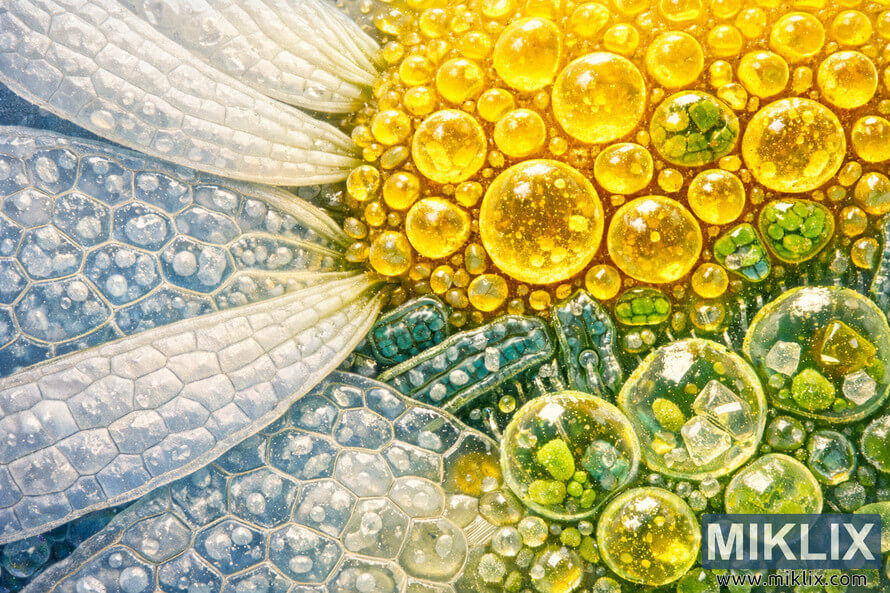
An intricate microscopic image of a chamomile flower revealing its cellular architecture—hexagonal petal cells, golden oil droplets, green chloroplasts, and crystalline glandular trichomes—captured in stunning detail and vivid color.
Microscopic Cellular Landscape of a Chamomile Flower
该图片的可用版本
与本网站文章和网页中嵌入的图片相比,以下可供下载的图片文件压缩程度更低,分辨率更高,因此质量也更高。
正常尺寸 (1,536 x 1,024)
大尺寸 (3,072 x 2,048)
尺寸非常大 (4,608 x 3,072)
超大尺寸 (6,144 x 4,096)
夸张的大尺寸 (1,048,576 x 699,051)
- 仍在上传......;-)
图片说明
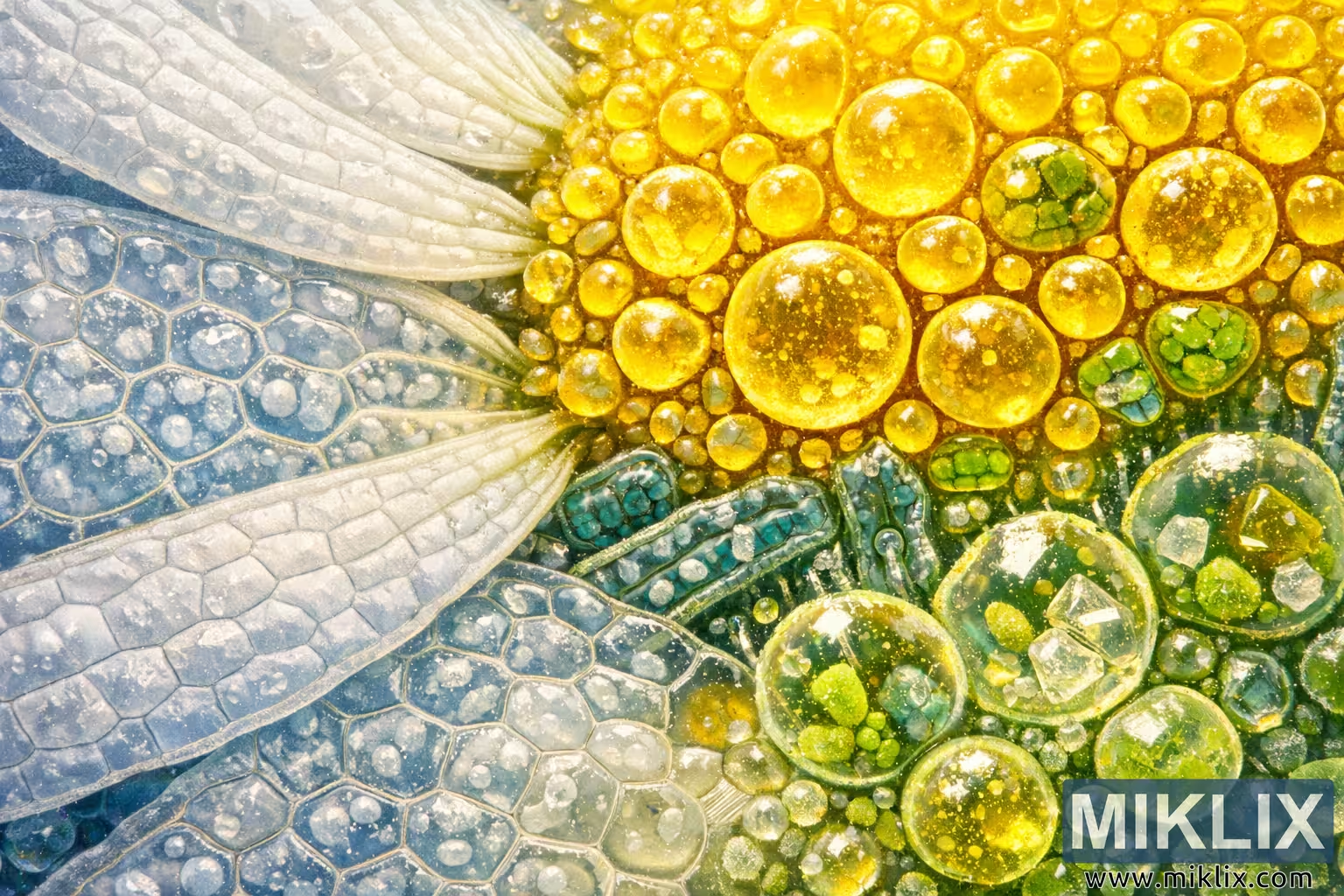
This image presents a breathtaking microscopic view of the chamomile flower, magnified to reveal the hidden complexity of its cellular architecture. The scene unfolds like a biological landscape, where each region of the flower displays a unique structural and chromatic identity. On the left side of the composition, the petal cells form a tightly packed mosaic of hexagonal shapes, each cell outlined in a faint blue hue. These translucent cells shimmer under the illumination, their interiors filled with tiny, spherical organelles that appear as glowing blue beads suspended in a watery matrix. The arrangement evokes a crystalline pattern, suggesting the delicate balance between rigidity and fluidity that defines living tissue.
Toward the upper right, the yellow central disk of the chamomile flower dominates the frame with its rich, golden tones. Here, the polygonal cells are densely arranged, their membranes enclosing clusters of oil droplets that vary in size and refractive intensity. These droplets, ranging from bright yellow to deep amber, glisten like miniature suns within the cellular chambers. Interspersed among them are green chloroplasts—oval structures containing stacked discs that capture light energy. The juxtaposition of golden oils and verdant chloroplasts creates a dynamic interplay of color and function, symbolizing the flower’s dual role in fragrance production and photosynthesis.
In the lower right quadrant, the glandular trichomes emerge as spherical, bulbous cells filled with complex mixtures of compounds. Their interiors contain green and transparent droplets, some of which crystallize into angular, refractive structures. These crystalline inclusions sparkle under magnification, hinting at the biochemical richness of chamomile’s essential oils and therapeutic compounds. Fine, hair-like extensions protrude from these glandular cells, forming a delicate fringe that enhances the tactile realism of the microscopic scene.
Between the petal and the central disk lies a transitional zone where vascular bundles weave through the tissue. These elongated, blue-green cells form tubular xylem vessels with patterned walls stained in turquoise. The vessels appear as intricate conduits, transporting water and nutrients through the flower’s anatomy. Their presence bridges the aesthetic divide between the soft petal tissue and the dense, oil-rich disk, emphasizing the interconnectedness of the plant’s internal systems.
The lighting in this image is even and balanced, ensuring that every cellular detail is rendered with clarity. The depth of field is exceptionally deep, allowing both surface and subsurface structures to remain in sharp focus. The color palette transitions smoothly from cool blues and whites on the left to warm yellows and greens on the right, creating a natural gradient that mirrors the flower’s morphology. The overall composition feels both scientific and artistic—a fusion of biology and visual poetry.
The microscopic perspective transforms the familiar chamomile flower into an alien yet harmonious world. Each cell becomes a microcosm of life, a vessel of energy and structure. The image captures not only the physical form of the flower but also its essence—the quiet complexity that underlies its soothing aroma and medicinal properties. In this magnified realm, the chamomile reveals its hidden beauty: a symphony of geometry, color, and chemistry that speaks to the elegance of nature’s design.
图片与此有关: Chamomile Health Benefits: Natural Wellness From an Ancient Herb