
A Complete Guide to the Health Benefits of Lettuce
نُشرت:
آخر تحديث: ٢٥ مايو ٢٠٢٦ م في ٢:٣٩:٥٠ م UTC
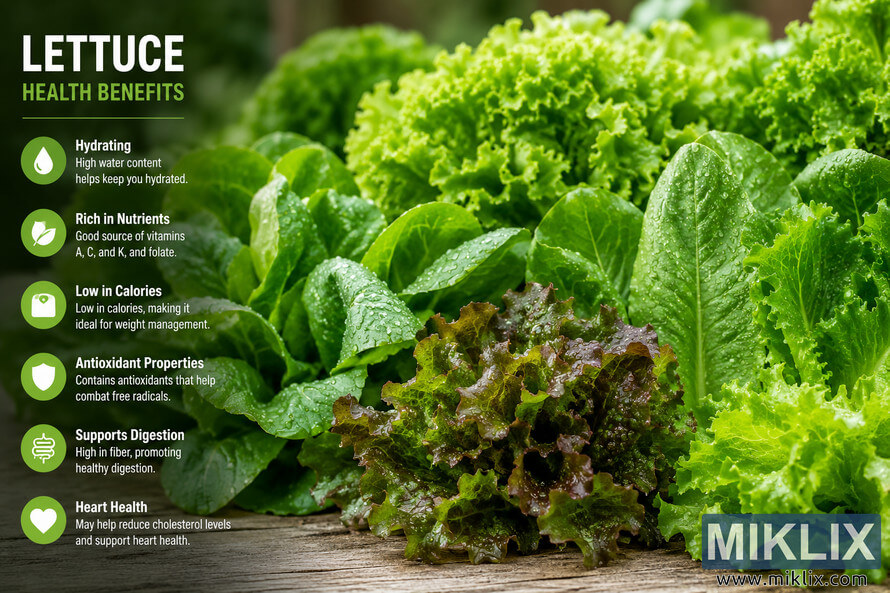
Lettuce is more than just a crunchy base for your salads. This leafy green vegetable packs impressive health benefits that many people overlook. From supporting weight loss to promoting better sleep, lettuce provides essential nutrients your body needs daily.
A Complete Guide to the Health Benefits of Lettuce
انقر أو اضغط على الصورة لمزيد من المعلومات ودقة أعلى.
Understanding what lettuce offers can transform how you view this humble vegetable. Whether you prefer crisp romaine or delicate butterhead varieties, each type brings unique nutritional advantages to your plate.
This guide explores everything you need to know about lettuce and health. You'll discover its nutritional profile, specific benefits for your body, and practical ways to maximize its impact on your wellbeing.
Nutritional Profile of Lettuce
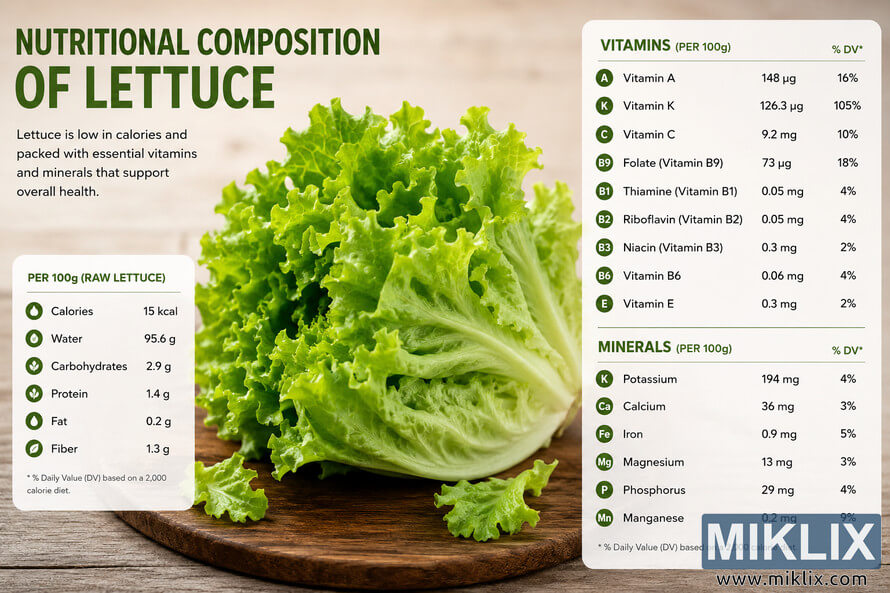
Lettuce, scientifically known as Lactuca sativa, delivers essential nutrients while remaining extremely low in calories. A single cup of shredded lettuce contains only 5 to 10 calories, making it an ideal food for people watching their weight.
Vitamins and Minerals in Lettuce
Lettuce provides a rich source of vitamins that support various body functions. The vitamin content varies by type, but most lettuce varieties offer substantial amounts of key nutrients.
Vitamin K stands out as one of lettuce's most abundant nutrients. This vitamin plays a crucial role in blood clotting and maintaining healthy bones. Just one cup of romaine lettuce delivers more than your daily requirement of vitamin K.
Vitamin A appears in lettuce through beta-carotene, giving darker varieties their color. This essential nutrient supports eye health and immune function. Romaine and red leaf lettuce contain significantly more vitamin A than lighter varieties like iceberg.
Water-Soluble Vitamins
- Vitamin C supports immune health and acts as an antioxidant
- Folate aids in cell division and DNA synthesis
- Vitamin B6 helps with protein metabolism
- Thiamine supports energy production
Essential Minerals
- Potassium regulates blood pressure levels
- Calcium strengthens bones and teeth
- Magnesium supports muscle and nerve function
- Iron helps transport oxygen throughout the body
انقر أو اضغط على الصورة لمزيد من المعلومات ودقة أعلى.
Fiber and Water Content
Lettuce contains dietary fiber that promotes digestive health. While not as fiber-rich as some vegetables, it still contributes to your daily intake. The fiber in lettuce helps maintain regular bowel movements and supports gut health.
The high water content in lettuce sets it apart from many other foods. Lettuce consists of approximately 95% water, making it incredibly hydrating. This high water content helps you stay hydrated while adding volume to meals without extra calories.
Antioxidants and Phytonutrients
Lettuce contains various antioxidants that protect your cells from damage caused by free radicals. These compounds help reduce oxidative stress in your body and may lower the risk of chronic diseases.
Different lettuce varieties offer different antioxidant profiles. Darker lettuce leaves generally contain more antioxidants than lighter ones. Red and dark green lettuces provide anthocyanins and other beneficial plant compounds.
Specific Health Benefits of Lettuce
Weight Management Support
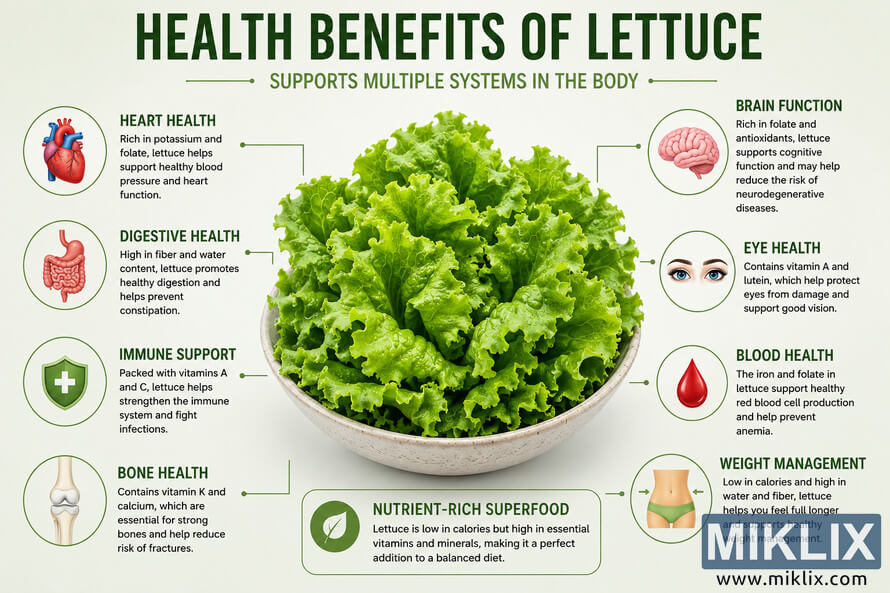
Lettuce serves as an excellent food for people managing their weight. Its extremely low calorie content combined with high volume means you can eat generous portions without consuming many calories. This makes lettuce ideal for creating satisfying meals while maintaining a calorie deficit.
The fiber content in lettuce, while modest, still contributes to feelings of fullness. Eating lettuce before or with meals can help reduce overall food intake by promoting satiety. The water content also adds bulk to your diet without adding calories.
Studies suggest that starting meals with a salad containing lettuce can lead to reduced calorie consumption during the main course. This simple strategy helps people naturally control portion sizes and support weight loss goals.
انقر أو اضغط على الصورة لمزيد من المعلومات ودقة أعلى.
Hydration and Fluid Balance
The high water content in lettuce makes it a hydrating food choice. While drinking water remains essential, eating water-rich foods like lettuce contributes to your daily fluid intake. This becomes particularly beneficial during hot weather or after physical activity.
Proper hydration supports numerous body functions including temperature regulation, nutrient transport, and waste elimination. Adding lettuce to your diet provides an enjoyable way to increase fluid consumption alongside plain water.
انقر أو اضغط على الصورة لمزيد من المعلومات ودقة أعلى.
Digestive Health Improvement
Lettuce supports digestive health through its fiber content and water. The fiber helps promote regular bowel movements and prevents constipation. While lettuce contains less fiber than some vegetables, every bit contributes to your daily intake goal.
The water in lettuce helps soften stool and makes elimination easier. This combination of fiber and water creates an environment that supports healthy digestion. People who regularly eat lettuce often report improved digestive regularity.
Lettuce also contains small amounts of prebiotics that feed beneficial gut bacteria. A healthy gut microbiome influences overall health, from immune function to mental wellbeing. Including lettuce in your diet supports this important ecosystem.
Sleep Quality Enhancement
Lettuce contains lactucarium, a milky substance with mild sedative properties. Traditional medicine has long used lettuce extracts to promote better sleep. While eating lettuce likely provides milder effects than concentrated extracts, it may still support relaxation.
Some people find that consuming lettuce in the evening helps them wind down. The calming effect, combined with lettuce's light nature that won't burden digestion overnight, makes it a smart evening snack choice.
Eye Health Protection
The vitamin A content in lettuce, particularly in darker varieties, supports eye health. Vitamin A is essential for maintaining healthy vision and may help prevent age-related eye problems. Your body converts the beta-carotene in lettuce into active vitamin A.
Lettuce also contains lutein and zeaxanthin, two antioxidants that accumulate in the retina. These compounds help protect your eyes from damage caused by blue light and oxidative stress. Regular consumption of lettuce may help maintain long-term eye health.
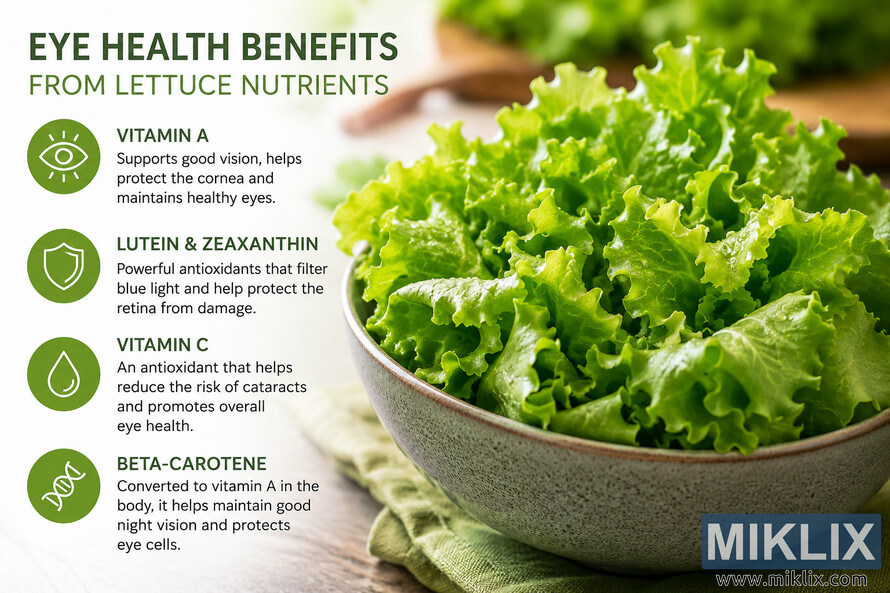
انقر أو اضغط على الصورة لمزيد من المعلومات ودقة أعلى.
Immune System Support
Lettuce provides nutrients that strengthen immune function. Vitamin C acts as an antioxidant and supports the production of white blood cells. Vitamin A helps maintain the integrity of skin and mucous membranes, your body's first defense against pathogens.
The antioxidants in lettuce help protect immune cells from free radical damage. This protection allows your immune system to function optimally. Regular consumption of lettuce as part of a varied diet contributes to overall immune health.
Bone Strength and Health
Lettuce's high vitamin K content plays a vital role in bone health. Vitamin K activates proteins necessary for bone formation and helps your body use calcium effectively. Adequate vitamin K intake is associated with stronger bones and reduced fracture risk.
The calcium content in lettuce, while not as high as dairy products, still contributes to your daily intake. Combined with vitamin K, this calcium supports the maintenance of healthy bone density throughout life.
Research indicates that people who consume adequate vitamin K have better bone health than those with low intake. Just one serving of romaine lettuce provides more than enough vitamin K to meet daily recommendations and support bone strength.
Blood Sugar Regulation
Lettuce can help people manage blood sugar levels effectively. Its low carbohydrate content means it has minimal impact on blood glucose. People with diabetes can enjoy lettuce freely without worrying about blood sugar spikes.
The fiber in lettuce slows the absorption of sugars from other foods eaten in the same meal. This helps prevent rapid blood sugar fluctuations. Including lettuce in meals creates a more balanced glycemic response.
Some research suggests that certain compounds in lettuce may help improve insulin sensitivity. While more studies are needed, regular lettuce consumption appears to support healthy blood sugar management as part of an overall balanced diet.
Different Types of Lettuce and Their Benefits
Not all lettuce varieties offer the same nutritional value. Understanding the differences helps you choose options that best meet your health goals. Each type brings unique characteristics in terms of taste, texture, and nutrients.
Romaine Lettuce
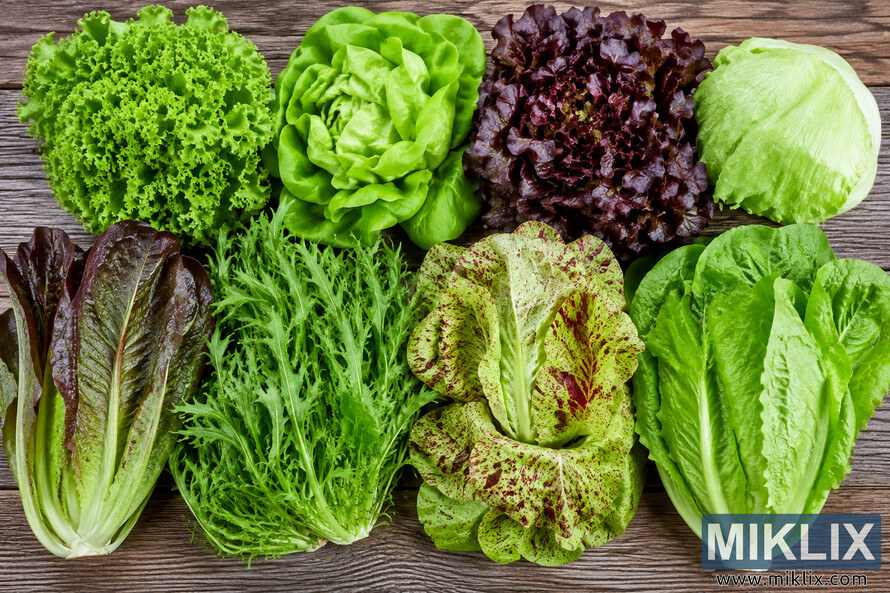
Romaine lettuce stands out as one of the most nutritious varieties. Its dark green leaves contain high levels of vitamins A and K. The crisp texture and slightly sweet flavor make romaine lettuce popular in salads and wraps.
This lettuce type provides more nutrients per serving than lighter varieties. Romaine lettuce contains significant amounts of folate, important for pregnant women and overall cellular health. The sturdy leaves hold up well to dressings and toppings without wilting quickly.
Nutrition Highlight: One cup of romaine lettuce provides 148% of your daily vitamin A needs and 105% of vitamin K requirements, making it a nutritional powerhouse among lettuce varieties.
انقر أو اضغط على الصورة لمزيد من المعلومات ودقة أعلى.
Iceberg Lettuce
Iceberg lettuce often receives criticism for having less nutritional value than other types. While this holds some truth, iceberg still offers benefits. Its extremely high water content makes it one of the most hydrating lettuce options available.
The mild flavor and crisp texture of iceberg lettuce appeals to many people, especially those new to eating more vegetables. While lower in vitamins than darker varieties, iceberg still provides small amounts of vitamin K and folate. Its low calorie content remains beneficial for weight management.
Butterhead Lettuce
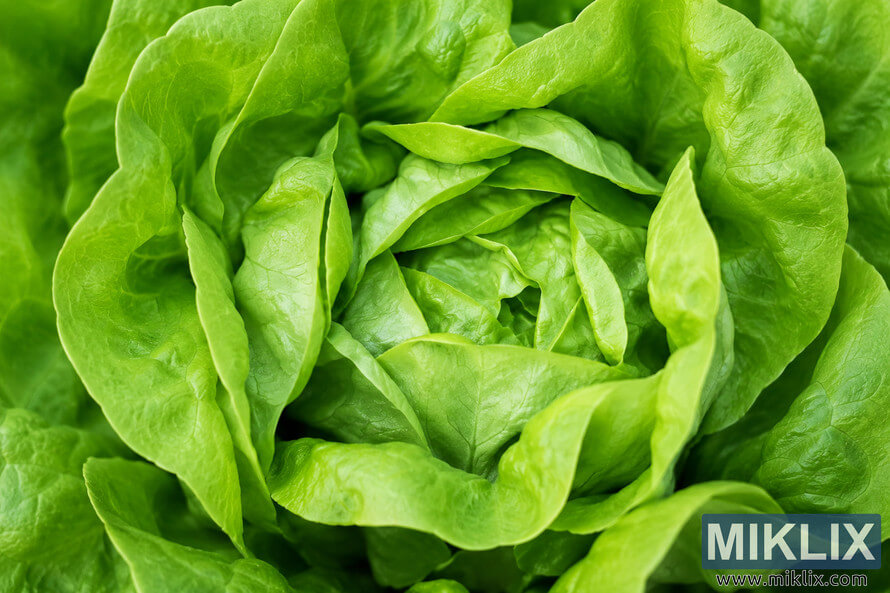
Butterhead varieties, including Boston and Bibb lettuce, offer a tender texture and mild, slightly sweet taste. The soft leaves contain moderate amounts of vitamins A and K. This lettuce type works well in delicate salads and as wraps for other foods.
The gentle flavor of butterhead lettuce makes it appealing to children and picky eaters. While not as nutrient-dense as romaine, it still contributes valuable vitamins and minerals to your diet. The leaves separate easily, making them convenient for individual serving cups or wraps.
انقر أو اضغط على الصورة لمزيد من المعلومات ودقة أعلى.
Leaf Lettuce Varieties
Leaf lettuce comes in green and red varieties, both offering excellent nutrition. Red leaf lettuce contains anthocyanins, the same antioxidants found in berries and red wine. These compounds provide additional health benefits beyond basic vitamins and minerals.
Green leaf lettuce delivers substantial amounts of vitamin A and K while maintaining a pleasant, mild flavor. Both types grow easily in home gardens, making them accessible options for people who want fresh lettuce regularly. The loose leaf structure means you can harvest what you need without destroying the entire plant.
Specialty and Mixed Greens
Many stores now offer specialty lettuce varieties and mixed greens packages. These often combine different lettuce types with other leafy greens like arugula or spinach. Mixed greens provide variety in flavor, texture, and nutrients in a convenient package.
Specialty varieties like oakleaf or lollo rosso offer unique appearances and flavors. Experimenting with different types keeps salads interesting and exposes you to a broader range of nutrients. The variety helps ensure you benefit from different antioxidant profiles.
Romaine
Highest in vitamins A and K, crisp texture, slightly bitter taste, best for Caesar salads and wraps.
- Rich in folate
- Excellent vitamin content
- Sturdy leaves
Butterhead
Tender leaves, mild sweet flavor, moderate nutrition, perfect for delicate salads and garnishes.
- Soft texture
- Kid-friendly taste
- Easy to separate
Leaf Lettuce
Available in red and green, high antioxidants, loose leaf structure, versatile for all salad types.
- Rich in anthocyanins
- Garden-friendly
- Continuous harvest
Best Ways to Consume Lettuce for Maximum Health Benefits
How you prepare and eat lettuce affects the nutrients you receive. Following best practices ensures you maximize the health benefits while enjoying this versatile vegetable.
Raw Consumption Benefits
Eating lettuce raw preserves its vitamin C content and maintains the crisp texture most people enjoy. Raw lettuce retains all its water content, providing maximum hydration benefits. Fresh salads remain the most popular way to consume lettuce for good reason.
Washing lettuce thoroughly before eating removes dirt and potential contaminants. Pat leaves dry or use a salad spinner to remove excess water. This helps dressings adhere better and prevents dilution of flavors.
Pairing with Healthy Fats
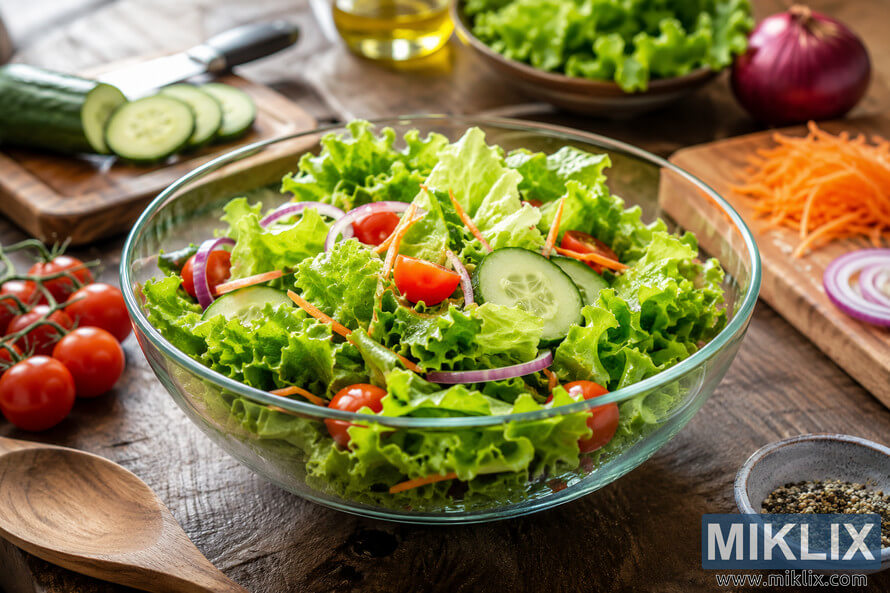
Combining lettuce with healthy fats improves the absorption of fat-soluble vitamins like A and K. Adding olive oil, avocado, nuts, or seeds to your lettuce salad helps your body utilize these nutrients more effectively.
A simple dressing of olive oil and lemon juice provides healthy fats while keeping calories reasonable. This combination enhances both the flavor and nutritional value of your lettuce. The healthy fats also increase satiety, making your meal more satisfying.
انقر أو اضغط على الصورة لمزيد من المعلومات ودقة أعلى.
Adding Protein Sources
Turning lettuce into a complete meal requires adding protein. Grilled chicken, hard-boiled eggs, beans, tofu, or fish transform a simple salad into a balanced dish. This approach makes lettuce more filling and nutritionally complete.
Protein helps slow digestion and provides sustained energy. When you add protein to lettuce-based meals, you create dishes that satisfy hunger for longer periods. This strategy supports weight management by reducing between-meal snacking.
Preparation Methods
- Tear leaves rather than cutting to minimize browning
- Store washed lettuce in refrigerator with paper towel
- Consume within 3-5 days of purchase for best nutrition
- Keep lettuce away from ethylene-producing fruits
- Use immediately after washing for maximum crispness
Serving Suggestions
- Layer lettuce in sandwiches and wraps
- Use large leaves as taco or burger shells
- Add to smoothies for extra nutrients
- Grill romaine hearts for unique flavor
- Mix different lettuce types for variety
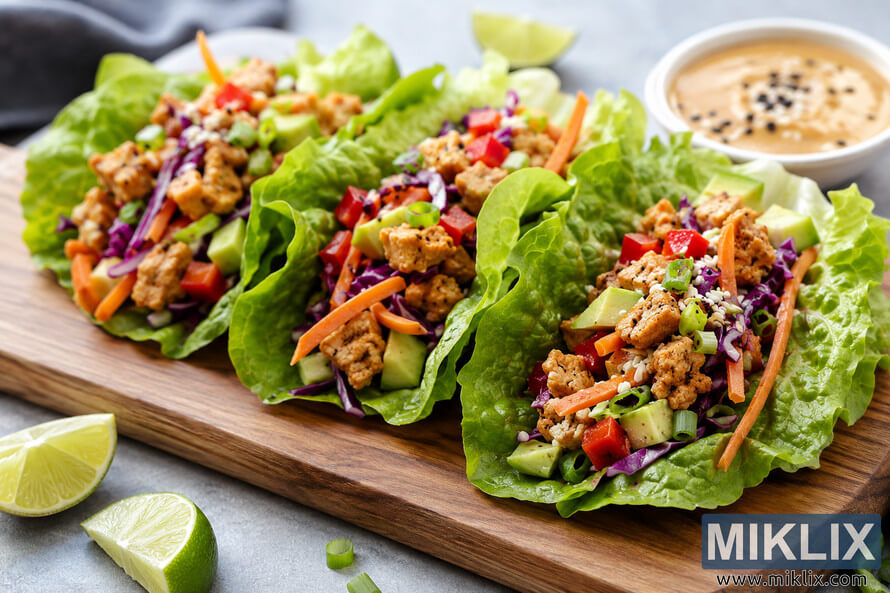
انقر أو اضغط على الصورة لمزيد من المعلومات ودقة أعلى.
Timing and Frequency
You can eat lettuce at any meal or as a snack. Many people find that eating salads before main courses helps control portion sizes. The volume and fiber content of lettuce create early satiety signals.
Including lettuce in your diet daily provides consistent nutrient intake. Varying the types of lettuce you eat ensures exposure to different beneficial compounds. Aim for at least one serving of lettuce or leafy greens with lunch or dinner.
Storage and Freshness
Proper storage maintains lettuce quality and nutrient content. Store lettuce in the refrigerator's crisper drawer, ideally in a breathable bag or container. Excess moisture promotes spoilage, so ensure leaves are dry before storage.
Fresh lettuce provides more nutrients than wilted or browning leaves. Purchase lettuce that looks vibrant and crisp. Check the core or stem area for signs of browning, which indicates age. Using lettuce within a few days of purchase ensures the best nutrition and flavor.
Potential Considerations and Side Effects
While lettuce remains safe for most people, certain considerations deserve attention. Understanding potential issues helps you make informed decisions about lettuce consumption.

انقر أو اضغط على الصورة لمزيد من المعلومات ودقة أعلى.
Food Safety Concerns
Lettuce occasionally appears in foodborne illness outbreaks. Contamination can occur during growing, harvesting, or processing. Always wash lettuce thoroughly before eating, even if the package says "pre-washed."
Running water over individual leaves removes most surface contaminants. For extra safety, soak lettuce in cold water for a few minutes before rinsing. People with compromised immune systems should pay extra attention to food safety practices.
Digestive Sensitivity
Some people experience digestive discomfort after eating large amounts of raw lettuce. The fiber content, while beneficial for most, can cause bloating or gas in sensitive individuals. Starting with smaller portions and gradually increasing intake helps your digestive system adjust.
People with irritable bowel syndrome may find that certain lettuce types trigger symptoms. Cooking lettuce slightly can make it easier to digest, though this reduces some nutrient content. Experimenting with different varieties helps identify which types you tolerate best.
Medication Interactions
The high vitamin K content in lettuce can interfere with blood-thinning medications like warfarin. If you take such medications, maintain consistent lettuce intake rather than dramatically increasing or decreasing consumption. Consult your healthcare provider about appropriate amounts.
Consistency matters more than avoidance. Many people on blood thinners safely eat lettuce by keeping their intake steady. This allows doctors to adjust medication doses appropriately while you continue enjoying nutritious foods.
Important Note: If you take blood-thinning medications, discuss your lettuce consumption with your doctor. They can help you determine an appropriate daily amount that allows medication to work effectively while you benefit from lettuce nutrition.
Allergic Reactions
Lettuce allergies are rare but possible. Symptoms may include itching, swelling, or digestive upset. People with oral allergy syndrome, often related to ragweed allergies, may react to lettuce. If you experience unusual symptoms after eating lettuce, consult a healthcare provider.
Oxalate Content
Lettuce contains oxalates, compounds that can contribute to kidney stone formation in susceptible individuals. However, lettuce has relatively low oxalate content compared to other leafy greens. Most people can eat lettuce without concern about oxalates.
If you have a history of calcium oxalate kidney stones, you may need to moderate lettuce intake. Pairing lettuce with calcium-rich foods can help reduce oxalate absorption. Staying well-hydrated also helps prevent stone formation.
Caution for Specific Groups: Pregnant women should ensure all lettuce is thoroughly washed to prevent listeria exposure. People with thyroid conditions should note that raw lettuce contains goitrogens, though in amounts unlikely to cause problems with normal consumption.
Making Lettuce Part of Your Healthy Lifestyle
Lettuce offers remarkable health benefits that extend far beyond basic nutrition. From supporting weight management to strengthening bones, this versatile vegetable deserves regular inclusion in your diet. The combination of low calories, high water content, and essential nutrients makes lettuce a smart choice for anyone focused on health.
Different lettuce varieties provide unique advantages. Darker types like romaine deliver more vitamins and antioxidants, while lighter varieties like iceberg excel at hydration. Incorporating various types ensures you benefit from the full spectrum of nutrients lettuce offers.
Simple preparation methods preserve lettuce's nutritional value. Eating it raw in salads, using leaves as wraps, or adding them to sandwiches requires minimal effort while maximizing benefits. Pairing lettuce with healthy fats and proteins creates satisfying, balanced meals that support your wellbeing.
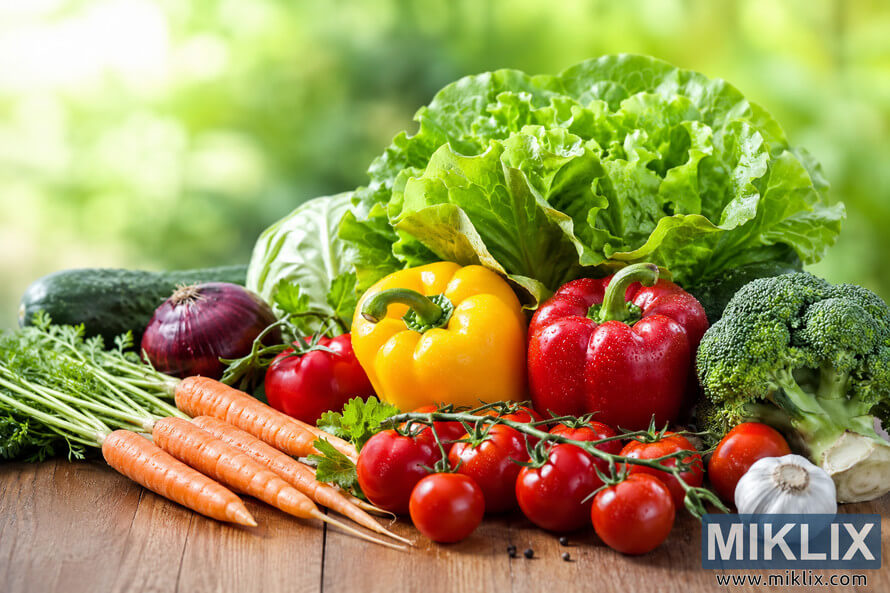
Start small if lettuce isn't currently part of your regular diet. Add a handful to your lunch sandwich or start dinner with a simple side salad. These small changes accumulate into significant health improvements over time. Your body will thank you for choosing this nutrient-rich, refreshing vegetable as a dietary staple.
انقر أو اضغط على الصورة لمزيد من المعلومات ودقة أعلى.
قراءات إضافية
إذا أعجبك هذا المنشور، فقد تعجبك أيضًا هذه الاقتراحات:
- المكملات الغذائية الذكية: كيف يدعم الليوسين الحفاظ على العضلات عند تقليل السعرات الحرارية
- من تغذية العضلات إلى تعزيز المناعة: شرح الفوائد المذهلة لبروتين مصل اللبن
- ميزة الأحماض الأمينية: دور الأرجينين في الدورة الدموية والمناعة والقدرة على التحمل