
Hops in Beer Brewing: Blisk
Published: September 16, 2026 at 7:07:43 PM UTC
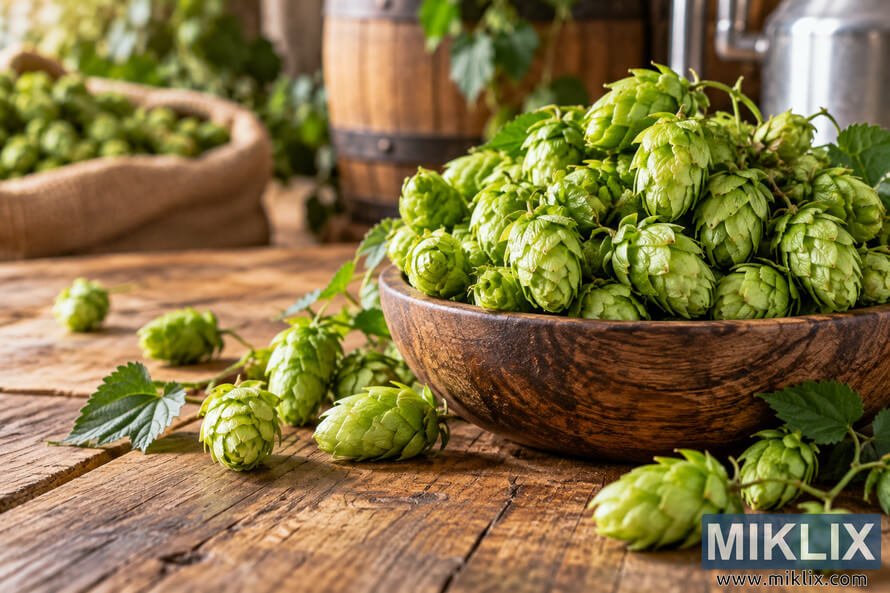
Imagine capturing the essence of tropical fruit gardens in your homebrew. Blisk hops deliver exactly that experience. This unique variety transforms ordinary beer into extraordinary craft creations.
Click or tap the image for more information and higher resolutions.
Developed through careful hop research, Blisk offers homebrewers a distinctive aroma profile. Many brewers search for years to find hops with such character. Your brewing journey with this variety starts here.
Understanding Blisk Hops Characteristics and Flavor Profile
Blisk hops emerged from dedicated hop research programs focused on creating unique aroma varieties. Tone Wagner and his research team developed this cultivar to meet modern craft brewing demands. The result offers homebrewers something truly special.
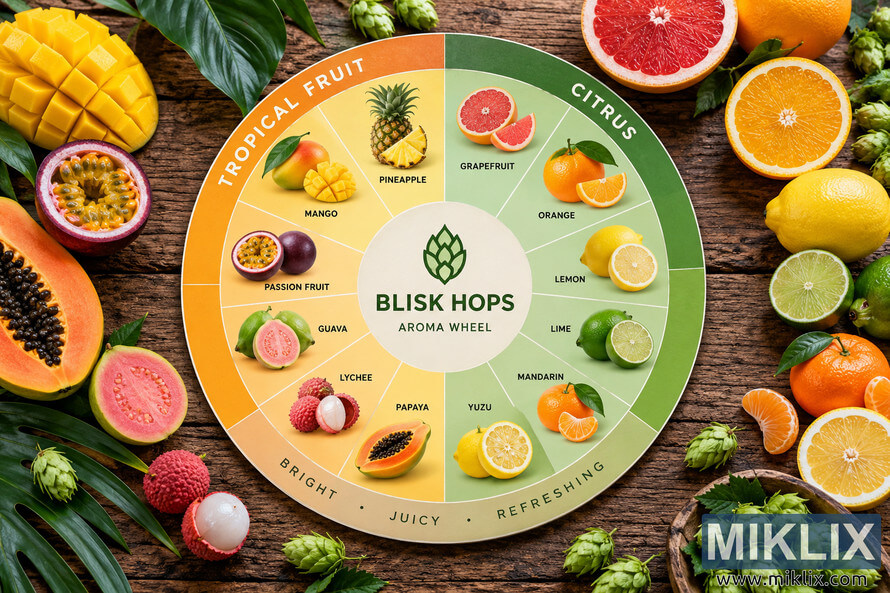
This hop variety presents a complex aroma bouquet. Tropical fruit notes dominate the profile. Brewers detect mango, passion fruit, and citrus characteristics in their finished beers.
Click or tap the image for more information and higher resolutions.
Primary Aroma Components
The aroma profile breaks down into distinct layers. Each contributes to the overall sensory experience. Understanding these components helps you maximize brewing potential.
- Tropical fruit essence with mango and passion fruit dominance
- Bright citrus notes featuring orange and grapefruit undertones
- Subtle stone fruit hints adding complexity
- Light floral backdrop balancing the fruit-forward character
- Clean finish without harsh bitterness or vegetal notes
Physical Characteristics
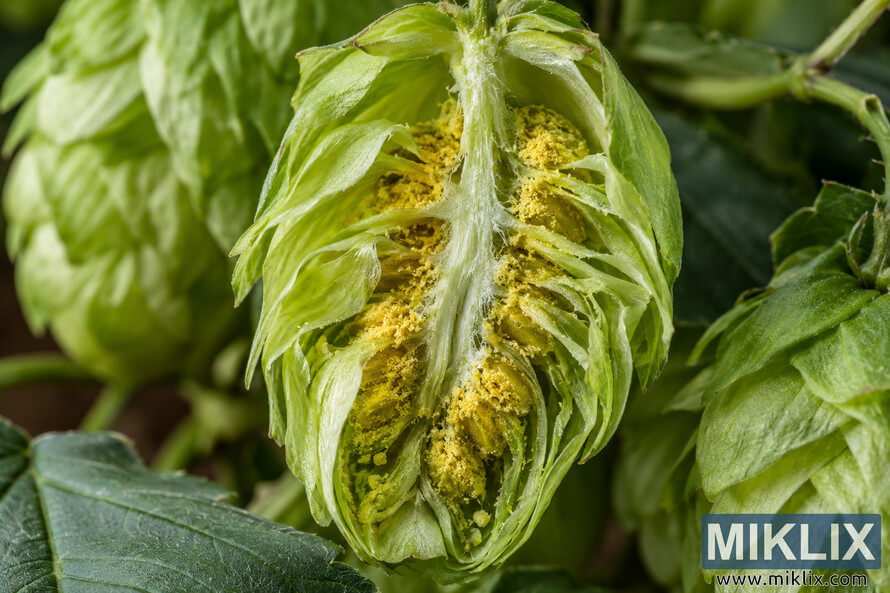
Cone structure affects brewing performance significantly. Blisk produces medium to large cones. The lupulin content appears abundant when you rub fresh cones.
Cone Appearance
Visual inspection reveals quality indicators. Fresh Blisk hops display vibrant green coloration. Yellow lupulin glands concentrate near the cone base.
Proper cones feel slightly sticky. This indicates high essential oil content. Avoid hops with brown discoloration or papery texture.
Click or tap the image for more information and higher resolutions.
Sensory Evaluation Tips
Proper evaluation techniques reveal hop quality. Start with visual inspection. Then move to tactile and aromatic assessment.
- Examine color uniformity across the cone surface
- Gently squeeze to release aromatic oils
- Rub between palms to assess lupulin content
- Smell immediately after rubbing for true aroma profile
- Check for any off-odors indicating oxidation
Alpha Acid Content and Usage Rates for Homebrewing
Alpha acid levels determine bittering potential. Blisk typically ranges between eight and eleven percent. This moderate level provides brewing flexibility.
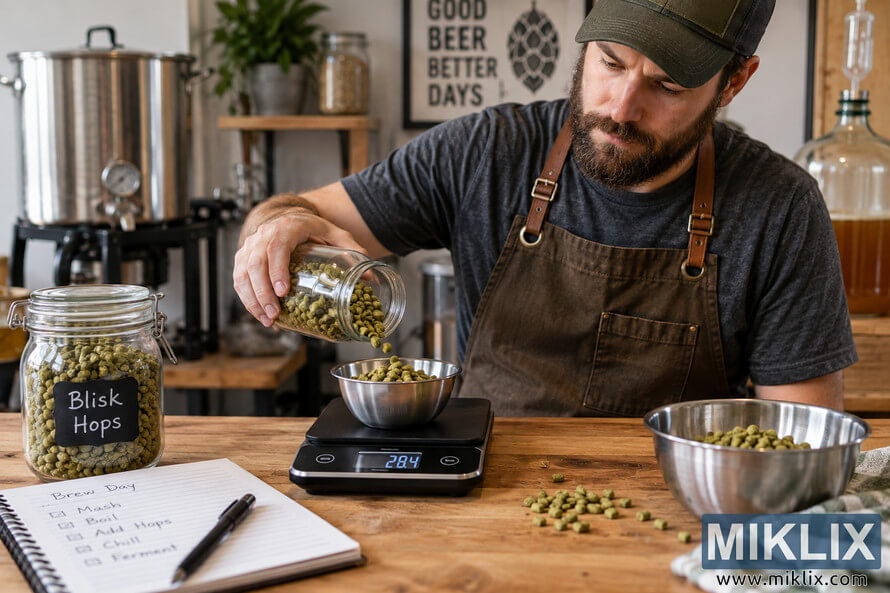
Most homebrewers use Blisk primarily for aroma. The alpha content still contributes mild bitterness. Understanding proper dosage prevents overpowering your beer.
Click or tap the image for more information and higher resolutions.
Typical Usage Rates by Addition Timing
| Addition Timing | Rate per 5 Gallons | Purpose | IBU Contribution |
| Bittering (60 min) | 0.5-1.0 oz | Base bitterness | 15-30 IBUs |
| Flavor (15 min) | 1.0-2.0 oz | Flavor development | 5-10 IBUs |
| Aroma (5 min) | 1.0-3.0 oz | Aroma enhancement | 2-5 IBUs |
| Whirlpool (170°F) | 2.0-4.0 oz | Maximum aroma | 3-8 IBUs |
| Dry Hop (fermentation) | 2.0-6.0 oz | Intense aroma | 0 IBUs |
Alpha Acid Calculation Fundamentals
Calculating bitterness requires understanding several factors. Boil time affects isomerization rates. Wort gravity influences utilization efficiency.
Quick Calculation: For approximate IBUs, multiply hop weight (ounces) by alpha acid percentage, then multiply by utilization factor (typically 25% for 60-minute boil, 5% for whirlpool additions). Divide by batch size in gallons.
Pellet vs. Whole Cone Considerations
Form factor influences usage rates. Pelletized hops offer better utilization. Increase whole cone amounts by approximately fifteen percent.
- Pellets provide consistent alpha acid content batch to batch
- Whole cones require more storage space but offer traditional character
- Pellets dissolve more completely during the boil
- Whole cones create natural filter bed in whirlpool
- Both forms deliver excellent results with proper technique
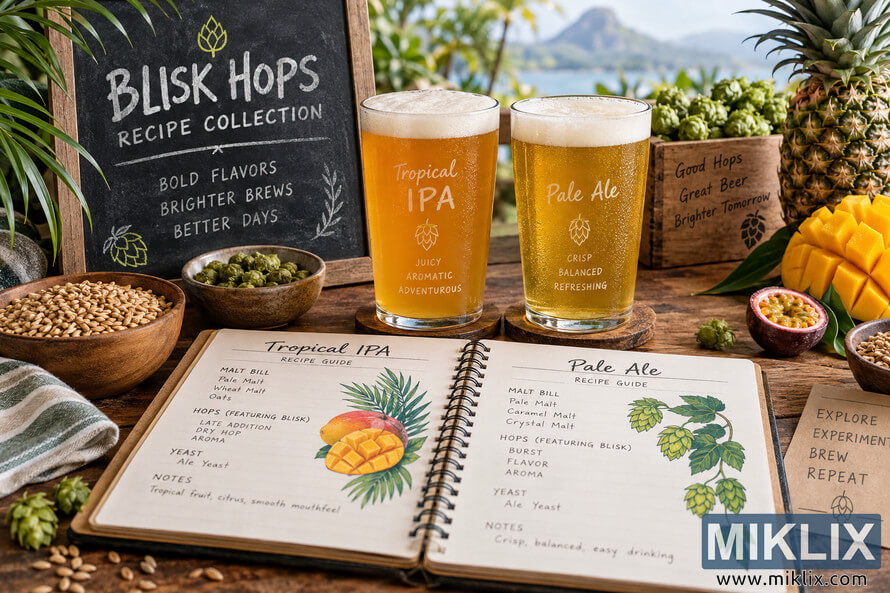
Click or tap the image for more information and higher resolutions.
Ideal Beer Styles That Showcase Blisk Hops
Certain beer styles maximize Blisk potential. The hop shines brightest in lighter, fruit-forward beers. Tropical characteristics complement specific malt profiles perfectly.
Modern craft styles embrace these flavor combinations. Traditional styles also benefit from creative applications. Your style selection determines final beer character.
Top Three Beer Styles for Blisk
New England IPA
Tropical fruit character aligns perfectly with NEIPA expectations. Hazy body showcases aroma without harsh bitterness. Heavy dry hopping brings out maximum fruit notes. Highly recommended.
American Pale Ale
Moderate alcohol content lets hop character shine. Clean malt backbone supports tropical notes. Traditional pale ale drinkers appreciate the modern twist. Popular style.
Wheat Beer
Wheat provides soft mouthfeel enhancing fruit perception. Low bitterness requirements suit moderate alpha content. Refreshing summer beer option.
Seasonal favorite.
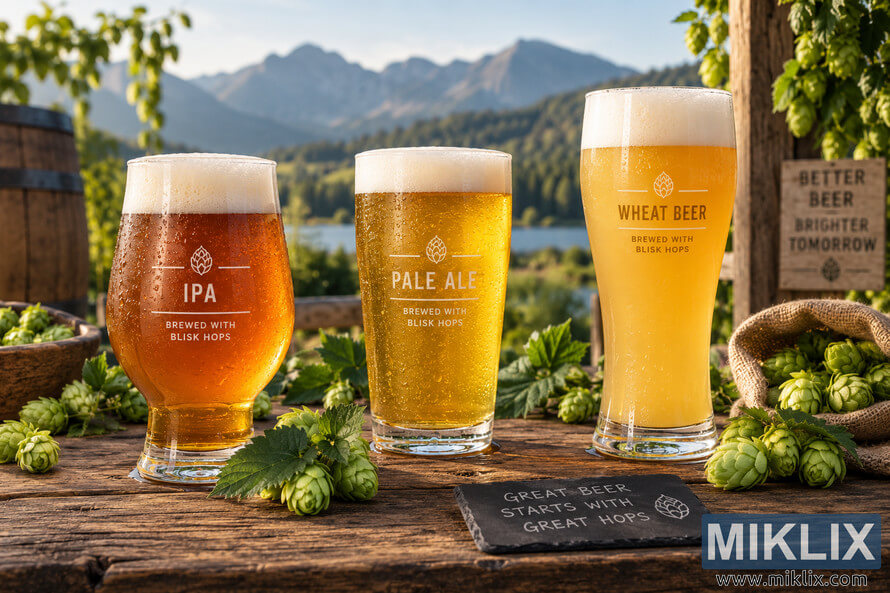
Click or tap the image for more information and higher resolutions.
Style-Specific Brewing Considerations
Each style requires different approaches. Hop timing varies based on desired outcomes. Understanding these nuances improves your results significantly.
High-Alcohol Styles
Imperial IPAs and double IPAs need aggressive hopping. Higher alcohol tolerates more hop intensity. Balance requires careful planning.
- Use three to five ounces per five gallons
- Multiple dry hop additions maintain freshness
- Extended whirlpool extracts maximum aroma
- Consider biotransformation during fermentation
Session Styles
Lower alcohol beers demand restraint. Hop character still shines at moderate rates. Drinkability remains the priority.
- Limit to one to two ounces total
- Focus on late additions and dry hopping
- Avoid excessive bittering charges
- Emphasize aroma over aggressive flavor
Experimental Styles
Creative brewing welcomes experimentation. Blisk works in unexpected applications. Consider fruit beer additions or sour beer complements.
- Pair with actual tropical fruits
- Blend with complementary hop varieties
- Try in kettle sours for unique character
- Experiment with mixed fermentation beers
Traditional Adaptations
Classic styles benefit from modern hops. Replace traditional varieties strategically. Maintain style guidelines while adding character.
- Substitute in English pale ale recipes
- Modernize blonde ale formulations
- Enhance cream ale with subtle tropical notes
- Experiment in Belgian-style golden ales
Brewing Techniques and Tips for Homebrewers Using Blisk
Proper technique maximizes hop potential. Timing decisions affect final beer character dramatically. Temperature control during additions proves critical.
Experienced brewers develop personal preferences. Basic principles still guide decision-making. These techniques apply across various brewing systems.
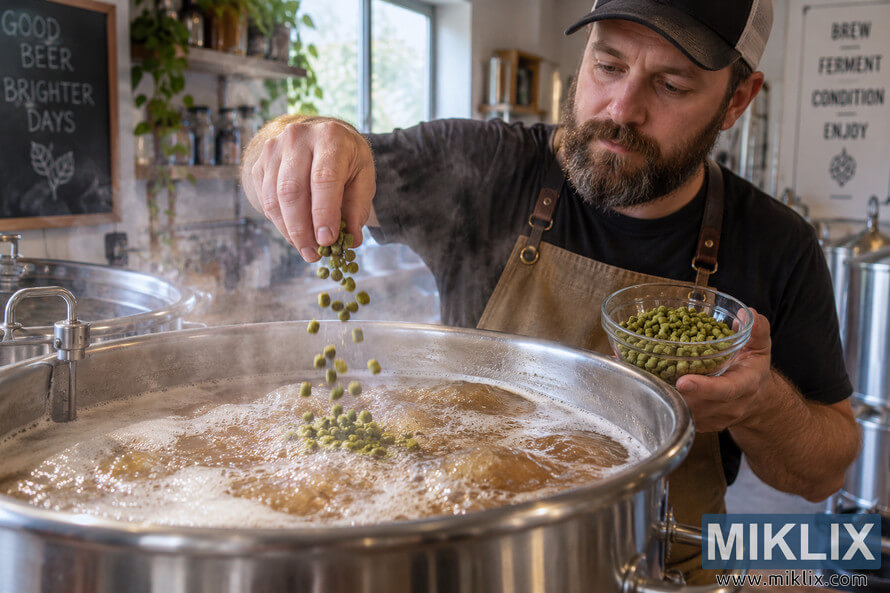
Click or tap the image for more information and higher resolutions.
Dry Hopping Best Practices
Dry hopping extracts maximum aroma without bitterness. Timing and temperature significantly impact results. Multiple additions often outperform single large doses.
- Add first dry hop charge when fermentation reaches seventy-five percent complete
- Maintain temperature between sixty-five and seventy degrees Fahrenheit
- Use hop bags or stainless containers for easy removal
- Contact time of three to five days provides optimal extraction
- Consider second dry hop addition after cold crash begins
- Remove hops before final packaging to prevent vegetal flavors
Whirlpool and Hop Stand Techniques
- Temperature management during whirlpool affects aroma retention. Lower temperatures preserve volatile compounds. Extended contact time builds intensity without harshness.
- Optimal Whirlpool Temperature: Target one hundred seventy to one hundred eighty degrees Fahrenheit. This range extracts essential oils while minimizing alpha acid isomerization. Steep for twenty to thirty minutes with occasional gentle stirring.
Water Chemistry Adjustments
Water profile influences hop character perception. Sulfate accentuates hop bitterness and dryness. Chloride enhances malt sweetness and fullness.
| Beer Style | Sulfate (ppm) | Chloride (ppm) | Sulfate: Chloride Ratio | Effect on Blisk |
| Hop-Forward IPA | 200-300 | 50-75 | 3:1 to 4:1 | Crisp, dry finish highlights tropical notes |
| Balanced Pale Ale | 150-200 | 75-100 | 2:1 | Rounded fruit character with malt support |
| Malt-Forward Wheat | 50-100 | 100-150 | 1:2 | Soft, subtle hop presence complements grain |
Fermentation Temperature Management
Yeast strain selection impacts hop character expression. Some strains biotransform hop compounds during fermentation. Temperature influences this transformation significantly.
- New England ale strains enhance tropical fruit characteristics
- Ferment slightly warmer (sixty-eight to seventy-two degrees) for biotransformation
- Avoid excessive heat that creates fusel alcohols
- Consistent temperature throughout fermentation maintains quality
- Cold crash before packaging settles yeast and hop particles
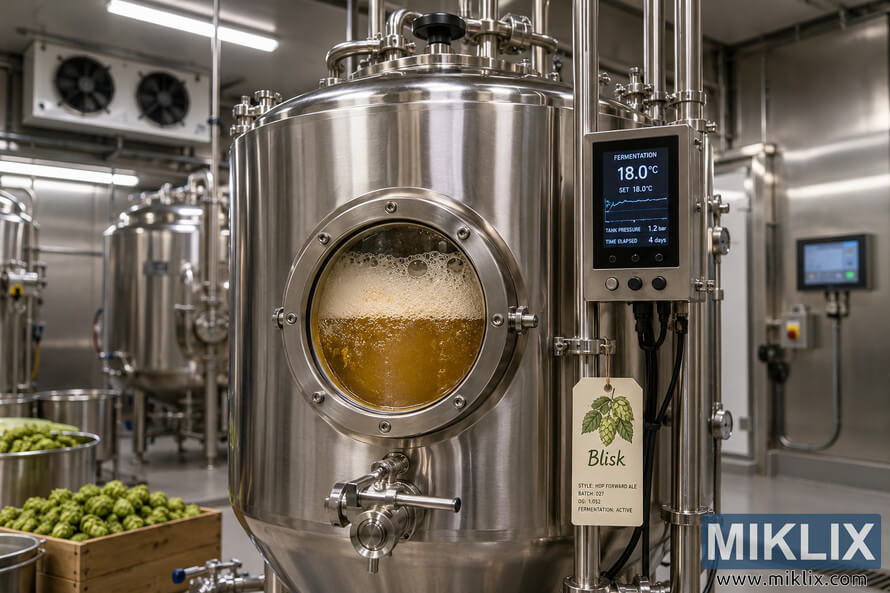
Click or tap the image for more information and higher resolutions.
Common Mistakes to Avoid
More hops do not always mean better beer. Excessive Blisk additions create muddled flavors and astringency. Start conservative and increase gradually in subsequent batches based on tasting results.
- Adding dry hops too early extracts grassy, vegetal flavors
- Boiling whirlpool hops drives off delicate aroma compounds
- Leaving dry hops in beer too long creates harsh bitterness
- Ignoring oxygen exposure during transfers oxidizes hop character
- Using old or improperly stored hops produces cheesy off-flavors
Storage and Handling Best Practices for Blisk Hops
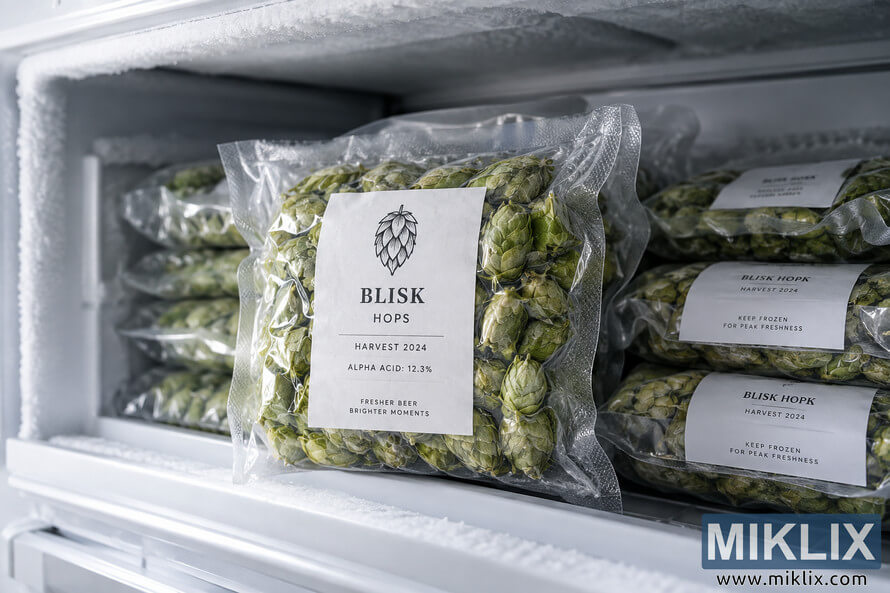
Proper storage preserves hop quality over time. Oxygen, light, and heat degrade essential oils rapidly. Following best practices maintains aroma intensity for months.
Fresh hops deliver superior results consistently. Storage conditions determine how long quality persists. Small investments in proper storage pay significant dividends.
Click or tap the image for more information and higher resolutions.
Optimal Storage Conditions
Temperature control matters most for long-term storage. Freezer storage dramatically extends shelf life. Oxygen barrier packaging prevents rapid degradation.
Freezer Storage Benefits
- Maintains alpha acid content for twelve plus months
- Preserves aromatic oil composition effectively
- Prevents oxidation when properly sealed
- Convenient for long-term hop inventory
- Cost-effective for buying bulk quantities
Common Storage Mistakes
- Storing at room temperature accelerates degradation
- Opening packages repeatedly introduces oxygen
- Using non-barrier bags allows moisture penetration
- Forgetting to label packages causes confusion
- Mixing old and fresh hops reduces overall quality
Packaging Options Comparison
Different packaging methods offer varying protection levels. Understanding options helps you make informed purchasing decisions. Proper repackaging extends opened hop life.
Vacuum-Sealed Foil
Best ProtectionCommercial vacuum-sealed packages provide maximum freshness. Foil barrier blocks light and oxygen completely. Purchase hops in this format when possible.
- Shelf life up to eighteen months frozen
- Complete oxygen barrier protection
- Light-proof construction
- Maintains original hop character
Mylar Bags with Oxygen Absorbers
Excellent ChoiceFood-grade mylar bags combined with oxygen absorbers work excellently. Heat-seal bags after adding absorber packets. Cost-effective for repackaging bulk purchases.
- Shelf life up to twelve months frozen
- Affordable repackaging solution
- Good oxygen barrier when sealed properly
- Reusable with new oxygen absorbers
Mason Jars
Glass jars provide decent short-term storage. Vacuum-seal lids improve performance significantly. Store in freezer away from light exposure.
- Shelf life up to six months frozen
- Convenient for frequent access
- Reusable and environmentally friendly
- Requires dark storage location
Quality Assessment Methods
Regular quality checks prevent using degraded hops. Visual and aromatic inspection reveals storage effectiveness. Trust your senses when evaluating hop condition.
- Check color retention - fresh Blisk maintains vibrant green appearance
- Assess aroma intensity immediately after opening package
- Look for oxidation signs including browning or dull appearance
- Feel lupulin content - should remain sticky and resinous
- Compare against recently purchased hops when possible
- Discard hops showing cheesy or rancid aromas
Handling During Brewing Day
- Minimize oxygen exposure during brewing preparation. Remove only needed quantities from storage. Return unused portions to freezer immediately.
- Portion hops into individual brew-day amounts before freezing. This eliminates repeatedly opening main storage packages. Label each portion with variety, alpha acid percentage, and date packaged.
Start Brewing Amazing Beer with Blisk Hops Today
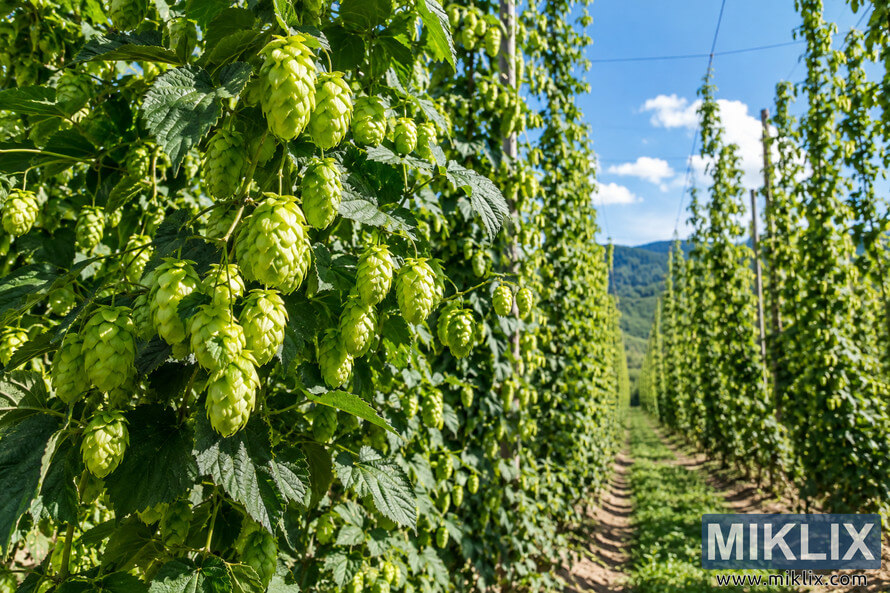
Blisk hops offer homebrewers exceptional brewing potential. Tropical fruit character elevates modern beer styles dramatically. Your next great beer starts with understanding this unique variety.
Success comes from combining quality ingredients with proper technique. Storage practices preserve hop freshness between brew days. Experimentation reveals personal preferences and optimal applications.
The homebrewing community continues discovering new uses for Blisk. Share your experiences with fellow brewers. Each batch teaches valuable lessons for future brewing sessions.
Click or tap the image for more information and higher resolutions.
Frequently Asked Questions About Blisk Hops
What makes Blisk hops different from other tropical hop varieties?
Blisk hops stand out through their unique combination of mango and passion fruit aromatics. Tone Wagner developed this variety specifically to deliver intense tropical character. The moderate alpha acid content provides brewing flexibility other tropical hops lack.
Compared to varieties like Mosaic or Galaxy, Blisk offers cleaner fruit expression. The aroma profile remains focused rather than complex. This makes Blisk ideal for single-hop beers showcasing specific characteristics.
Can beginners successfully brew with Blisk hops?
Absolutely. Blisk works wonderfully for brewers at all experience levels. The forgiving alpha acid range prevents accidental over-bittering. Focus additions on late kettle and dry hopping for foolproof results.
Start with simple recipes featuring Blisk as the primary hop. This approach helps you understand the variety's character. Graduate to complex hop combinations once you master basic applications.
How long do Blisk hops stay fresh in the freezer?
Properly stored Blisk hops maintain quality for twelve to eighteen months. Vacuum-sealed packaging in freezer temperatures preserves essential oils effectively. Always check aroma before brewing with stored hops.
Degradation accelerates once packages open. Repackage unused portions in oxygen-barrier bags immediately. Label packages with dates to track storage duration accurately.
What's the ideal dry hop temperature for maximizing Blisk aroma?
Target temperatures between sixty-five and seventy degrees Fahrenheit during dry hopping. This range optimizes aroma extraction without promoting harsh flavors. Avoid dry hopping above seventy-five degrees as heat drives off volatile compounds.
Some brewers add second dry hop charges during cold crash. Lower temperatures around thirty-five to forty degrees extract different aroma compounds. Experiment to find your preferred approach.
Should I use pellets or whole cone Blisk hops?
Both forms deliver excellent results with slight differences. Pellets offer better utilization and consistent alpha acid content. Whole cones provide traditional character some brewers prefer.
Most homebrewers choose pellets for convenience. They store more compactly and dissolve completely during brewing. Increase whole cone amounts by fifteen percent to match pellet performance.
What other hop varieties pair well with Blisk in beer recipes?
Blisk blends beautifully with complementary tropical varieties. Citra adds grapefruit notes enhancing citrus character. Mosaic contributes berry complexity balancing mango dominance.
Consider traditional varieties for balance. Cascade provides floral background. Centennial adds classic American hop character. Start with seventy percent Blisk and thirty percent complementary variety.
Further Reading
If you enjoyed this post, you may also like these suggestions: