
Hops in Beer Brewing: Orbit
Published: February 14, 2026 at 9:45:02 PM UTC
Orbit, a hop variety from New Zealand, has become a favorite among modern craft brewers. It is a dual-purpose hop, suitable for both bittering and late additions. This versatility makes it a valuable addition to many recipes.
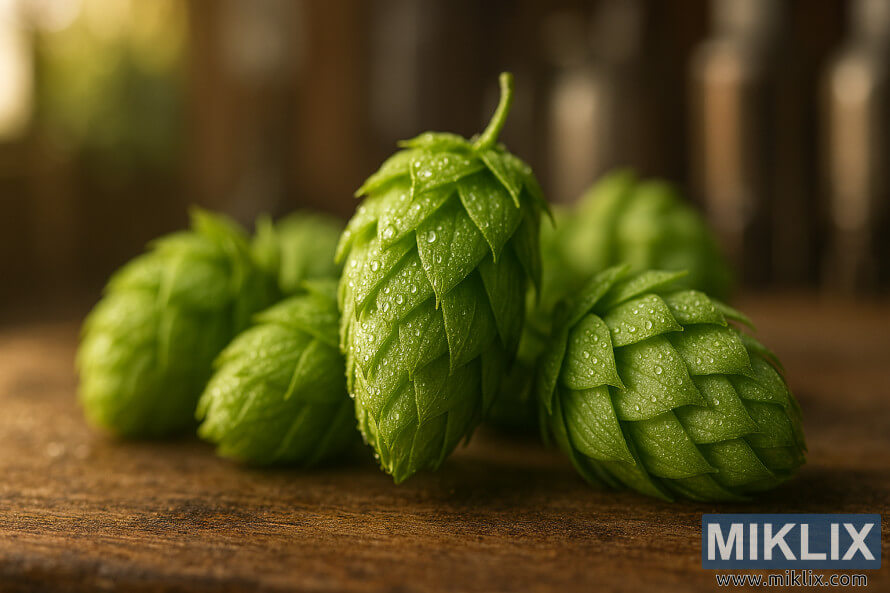
Click or tap the image for more information and higher resolutions.
Alpha acid values for Orbit hops vary, but a commonly cited figure is around 6% for bittering. However, some sources list a broader range, from 4.3% to 12.3%. Brewers often check the current analysis before planning their mash schedule.
Orbit hops introduce sweet, tropical fruit notes, complementing American and New Zealand staples like Citra, Centennial, Mosaic, and Nelson Sauvin. They are frequently used in dozens of brews, making up about 35% of the hop bill when they are a key component.
In the United States, brewers looking to experiment with New Zealand hops will find Orbit a versatile choice. Its balance of aroma and moderate bittering power makes it ideal for pale ales, IPAs, and hybrid styles that emphasize fruit-forward hop character.
Key Takeaways
- Orbit hops are a New Zealand hop variety used as a dual-purpose hop.
- Orbit alpha acid commonly centers around 6%, though values can vary by lot.
- Flavor notes include sweet and tropical fruit characters.
- Often used in recipes as about 35% of the total hop bill.
- Pairs well with Citra, Centennial, Mosaic, and Nelson Sauvin.
Introduction to Orbit hops and their place in brewing
Orbit, a hop from New Zealand, has caught the eye of craft brewers. It's known for its balanced aroma and bittering qualities. Developed through breeding in New Zealand, Orbit is among the top New Zealand hop varieties sought globally.
Orbit's moderate alpha acids make it versatile in brewing. It can be used early in the boil for clean bitterness or late for enhancing aroma. This flexibility solidifies its role in both single-hop and blended recipes.
Orbit is increasingly featured in homebrew and commercial recipes. It's a key ingredient in many, making up about 35% of the hop bill. This shows brewers depend on it for both flavor and bitterness, not just as a minor accent.
As a dual-purpose hop, Orbit simplifies recipe design. It allows brewers to achieve the desired bitterness while adding floral, citrus, or tropical notes without changing hops.
Orbit's profile suits a variety of beer styles, from pale ales to hazy IPAs and lighter lagers. As part of the New Zealand hop family, Orbit offers brewers a blend of aroma complexity and practical utility.
Orbit hops aroma and flavor profile
Orbit hops are celebrated for their bright, fruit-forward character, making them a favorite for late additions. The aroma profile is centered on tropical and sweet notes, enhancing pale ales and IPAs.
Those who taste Orbit often mention mango, pineapple, and ripe citrus as key flavor notes. This places Orbit among the top tropical fruit hops, known for creating juicy, aromatic beers.
When used in the whirlpool or for dry hopping, the sweet hop flavor becomes even more pronounced. The aromatic intensity increases, while the bitterness remains controlled, perfect for New World–style beers.
Orbit's fruit-forward aroma makes it versatile across various styles. Its ability to hold up in both early and late additions makes it a go-to for brewers seeking tropical fruit hops. It delivers a fragrant and sweet hop flavor.
- Best for late additions: emphasize Orbit aroma profile.
- Dry hopping: amplifies Orbit flavor notes and perceived sweetness.
- Pale ales and IPAs: ideal platforms for tropical fruit hops.
Chemical characteristics of Orbit hops
Orbit hops have a balanced chemical makeup, making them versatile in brewing. Brewers often design recipes around an average alpha acid content of 6%. However, actual values can range from 4.3% to 5.5%, with some catalogs reporting higher figures.
Orbit beta acid levels are generally consistent. Most lot sheets indicate a beta acid content of around 2.0%. This stability is crucial for predicting how the beer will age and contributes to its bitterness over time.
The alpha range for Orbit can fluctuate based on harvest and processing methods. It's essential to refer to the hop alpha range on the supplier's certificate for precise IBU calculations. While an average can serve as a rough guide, analyzing each lot ensures accuracy in your recipes.
Grasping the intricacies of hop chemistry allows for the effective use of Orbit as a dual-purpose hop. Its moderate alpha acid content provides the right amount of bitterness without overpowering the hop aroma. This balance is key for both early kettle hopping and late additions for aroma.
Here are some tips to maintain consistency in your recipes:
- Always request a certificate of analysis for each lot.
- Adjust your boil additions based on the reported alpha acid content.
- Consider the beta acid when anticipating changes in flavor over time.
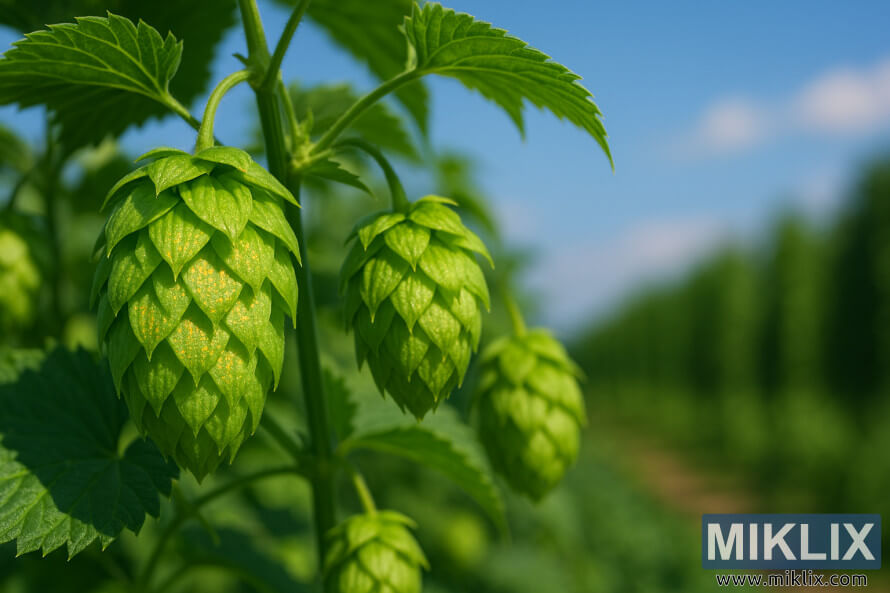
Click or tap the image for more information and higher resolutions.
Orbit hops as a dual purpose hop
Orbit is categorized as a dual purpose hop, making it ideal for both early boil additions and late aroma work. Brewers appreciate Orbit for its steady, moderate IBUs. This is without the sharpness of high-alpha varieties.
When added late in the boil or as a dry-hop, Orbit's aroma brings out sweet, tropical notes. These notes complement pale ales and hazy IPAs well. The hop's consistency across the full boil schedule links bitterness and scent seamlessly.
Orbit often takes center stage in hop blends. Recipes frequently use about 35% of total hops for Orbit. This reflects brewers' trust in its versatility beyond supporting roles.
- Early additions: reliable Orbit bittering with predictable alpha-acid contributions.
- Late additions: emphasized Orbit aroma use for fruit-forward character.
- Dry-hopping: hop utilization that boosts aroma without excessive harshness.
Utilizing Orbit across various stages streamlines recipe timing and boosts flavor coherence. For brewers aiming to bridge bitterness and aroma with one hop, Orbit stands out. It offers consistent hop utilization.
Dosage guidelines for Orbit in recipes
In multi-hop recipes, Orbit typically makes up about one third of the total hop weight. Real-world data indicates Orbit often constitutes around 35% of the hop bill. This is when it serves as a primary flavor and aroma contributor.
Orbit's alpha acid ranges from roughly 4.3% to 12.3%. Brewers must calculate bittering additions based on the specific alpha acid of the lot. This ensures bitterness remains consistent when determining how much Orbit to add for boil additions.
For late kettle additions and dry-hop, treat Orbit similarly to other dual-purpose varieties. Begin with modest amounts and then increase based on taste. Late additions typically have lower hop percentages than bittering additions but can be adjusted for a stronger aromatic impact.
- Example benchmark: in a three-hop recipe, set Orbit at ~35% of total hops.
- For bittering swaps, match IBUs by adjusting for alpha acid differences when considering hop substitution rates.
- For aroma swaps, match subjective intensity rather than strict weight equivalence.
When replacing another hop with Orbit, calculate equivalent bittering pounds using alpha acid. For dry-hop swaps, compare aromatic profiles and then adjust weight. These steps clarify hop substitution rates and help decide how much Orbit hops to use in a blend.
Use an ordered testing approach: 1) set bittering additions by IBU, 2) add Orbit at your chosen hop percentage in recipes for late flavor, 3) fine-tune with small dry-hop trials. This method reduces guesswork and improves consistency across batches.
Common beer styles that suit Orbit hops
Orbit excels in New World pale ales, aiming for bright, tropical fruit notes. Brewers choose Orbit for pale ales to emphasize mango, pineapple, or sweet citrus. This is done to avoid harsh bitterness.
IPAs are a natural fit for Orbit. It creates a juicy, aromatic profile suitable for both west coast and hazy IPAs. Many brewers add Orbit late in the boil or as dry hops to enhance its fruit-forward character.
Session IPAs and hop-forward golden ales benefit from Orbit’s dual-purpose nature. These lighter beers emphasize aroma while maintaining body and drinkability. The hop's versatility allows brewers to adjust bitterness or aroma based on the recipe's goals.
- Craft pale ales that focus on hop aroma will pair well with Orbit.
- Hop-forward golden ales can use Orbit to add a clean fruit sweetness.
- Balanced pale ales can use Orbit for both bittering and finish, leveraging its dual-purpose traits.
Recipe counts and usage stats reveal a trend toward modern, aromatic styles over traditional English ales. Brewers experimenting with hybrid styles will find Orbit flexible and expressive.
When planning batches, consider target bitterness and hop timing to highlight the hop’s aromatic strengths. This approach yields some of the best beer styles for Orbit. It allows Orbit in IPA and Orbit in pale ale to shine without overwhelming base malts.
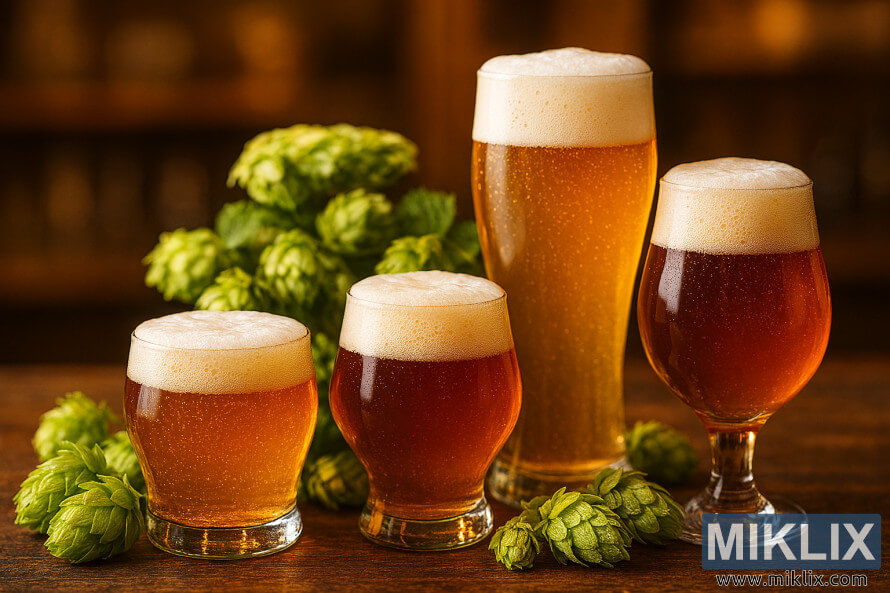
Click or tap the image for more information and higher resolutions.
Pairing Orbit hops with other hop varieties
Orbit hops pair well with other varieties for layered fruit and citrus notes. Common pairings include Citra, Mosaic, Nelson Sauvin, and Centennial. These combinations enhance depth while preserving Orbit's sweet, tropical essence.
Orbit and Citra create a bright citrus and lime profile that elevates Orbit's mango and stone-fruit notes. Adding Citra late in the boil or during dry hopping maintains freshness without increasing bitterness.
Orbit and Mosaic introduce complex berry and tropical layers. Mosaic's blueberry and pine complement Orbit's sweeter notes. A split dry-hop schedule can highlight each hop's unique characteristics.
Centennial provides a sturdy citrus backbone and predictable bitterness. When Orbit is used primarily for aroma, Centennial stabilizes the hop character during boiling or whirlpool addition.
Nelson Sauvin sharpens white-wine and gooseberry notes. Pairing Nelson with Orbit creates a focused New World fruit profile, ideal for pale ales and hazy IPAs.
- Use low to moderate bittering with Orbit-centered blends to preserve aroma.
- Stagger whirlpool and dry-hop additions to layer Orbit with Citra or Mosaic.
- When targeting clarity in flavor, let Centennial carry early kettle bitterness.
For the best hops with Orbit, conduct small-scale trials to fine-tune timing and rates. Brewers often discover that slight adjustments in addition timing can transform a muddled mix into a bright, fruit-forward beer.
Yeast and fermentation choices with Orbit
Orbit's bright, tropical profile shines when paired with the right yeast. Brewers often opt for neutral American ale strains. This choice keeps the hop notes clear and clean. Safale US-05, Wyeast 1056, and White Labs WLP001 are top picks.
When selecting yeast, consider attenuation and ester production. A clean, moderately attenuative yeast brings out Orbit's citrus and stone-fruit flavors. This enhances head retention and drinkability in pale ales and IPAs.
Some brewers prefer New England–style or English strains for extra fruit complexity. These yeasts add esters that blend with Orbit's tropical notes. This choice is intentional for a softer bitterness and juicier mouthfeel.
- For hop-forward clarity: US-05, Wyeast 1056, White Labs WLP001.
- For ester-driven complexity: English ale strains or NEIPA blends.
- For consistent results: match yeast health and fermentation temp to the recipe.
The best yeast for hoppy beers depends on your goal. For Orbit to dominate, choose a neutral ale yeast. For a layered fruit profile, select a strain with mild esters. Always monitor fermentation temperature to preserve hop aroma and achieve consistent attenuation.
Recipe examples featuring Orbit hops
Below are practical Orbit recipe examples drawn from a dataset of 76 documented brews. Each entry highlights typical additions, target IBUs, and style notes you can adapt for home or commercial batches.
- Pale Ale template — single-hop focus: 5-gallon batch using Orbit at 10% AA. Whirlpool 10 g at 15 minutes and dry-hop 40 g for five days. This Orbit homebrew recipe emphasizes bright tropical top notes with a clean malt bill.
- West Coast IPA hybrid: bitter with late additions. Use Orbit at 20 g at 60 minutes, 25 g at 10 minutes, and 60 g split between whirlpool and dry-hop. Brewers report balanced bitterness and lingering citrus in craft beer with Orbit.
- New Zealand-style pale: combine Orbit with Nelson Sauvin and Citra. Add Orbit early for bitterness and again at whirlpool for aroma. This Orbit hop recipes approach layers stone fruit and pine when dosed in multiple additions.
- Session IPA — low ABV, high aroma: mash for full attenuation, use conservative IBUs, and load Orbit in the dry-hop. An Orbit homebrew recipe like this produces a flavorful, drinkable beer with hop perfume up front.
Many brewers, including those who posted brewday videos after sourcing samples from suppliers such as Dean on eBay, follow a similar pattern: early addition for balanced bitterness, later and whirlpool hops for flavor, and dry-hop for aroma.
When scaling any Orbit recipe examples, check the lot alpha-acid numbers on your hops. Adjust bittering additions to hit your target IBU and calculate dry-hop masses by batch size to preserve intended aroma intensity.
For experimentation, try blending Orbit with Mosaic, Centennial, or Citra at a roughly 1:1 whirlpool ratio, then dial dry-hop to taste. These craft beer with Orbit combinations often yield floral, tropical, and resinous notes that work well across pale ales and IPAs.
Reference documented recipes and brewday notes for specifics on water chemistry, yeast choice, and timing. Use the provided templates to create a dependable Orbit homebrew recipe that matches your local ingredients and equipment.
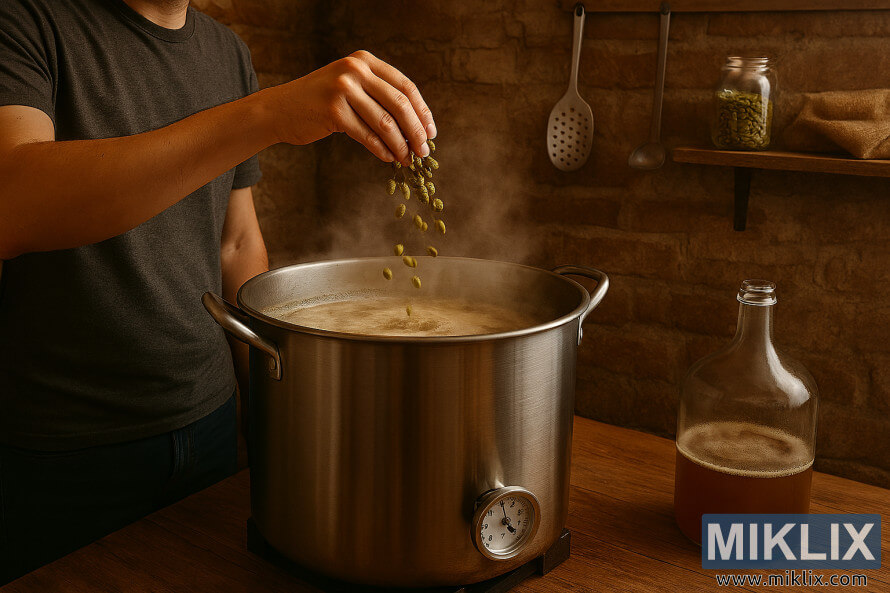
Click or tap the image for more information and higher resolutions.
Practical brewing tips when using Orbit hops
Before scaling recipes, confirm the alpha acid percentage from your supplier. The reported alpha acid can vary. Plan your bittering additions based on the assay value to achieve the desired IBUs.
Use Orbit for late additions or dry hopping to enhance sweet, tropical aromas. Early kettle additions will provide moderate bitterness and a subtle aromatic lift. This is less pronounced than whirlpool or dry-hop additions.
- For bittering, calculate IBUs with the lot assay. Then, reduce early quantities if large late additions are planned.
- For aroma, prioritize hop timing Orbit towards flameout, whirlpool, or dry-hop. This preserves volatile compounds.
If Orbit constitutes 30–40% of the hop bill, balance it with complementary varieties. Citra, Mosaic, Centennial, and Nelson Sauvin complement Orbit's sweet-tropical character without overpowering it.
When substituting Orbit, focus on matching IBUs rather than weight alone. Orbit's sweet and tropical profile differs from sharp citrus or resin. Adjust late additions and dry-hop rates to achieve the desired aroma profile.
- Check alpha acid assay for bittering math.
- Shift aroma additions later in the brew to highlight tropical notes.
- Store hops cold and sealed to preserve aroma compounds.
Proper storage is key: cold, vacuum-sealed or nitrogen-flushed packaging slows aroma loss. Store hops in the freezer between brew sessions for consistent results.
Experiment in small batches when adjusting hop timing Orbit or substituting Orbit. Small-scale trials help you understand how dry-hopping versus whirlpool additions affect the beer's aroma and mouthfeel.
Tasting and review notes for beers brewed with Orbit
Orbit tasting notes frequently highlight sweet and tropical fruit aromas. This is especially true when hops are added late in the boil or used for dry-hop. Tasters often mention mango, passionfruit, and light stone fruit. These flavors enhance the aroma without overpowering the malt or yeast character.
In an Orbit beer review, bitterness is noted as moderate and smooth when added early in the boil. This balance makes Orbit ideal for pale ales and session IPAs. It provides a clean backbone that supports hop flavor without a harsh bite.
Hop tasting Orbit in blends reveals its fruit-forward profile pairs well with punchier varieties. Brewers find good interplay with Citra and Mosaic. A complementary contrast with Nelson Sauvin adds grape-like complexity to the mix.
Practical tasting notes from homebrew logs and brewpub trials often document brew-day adjustments and follow-up sensory evaluations. Many reviewers plan formal Orbit beer review posts once conditioning and carbonation settle. They aim to capture changes over time.
- Look for tropical top notes in aroma and finish.
- Expect moderate bitterness from early additions.
- Test Orbit with Citra or Mosaic for layered fruit character.
When scoring the flavor of Orbit beers, note how late hops and dry-hop timing amplify ester-like fruit. Early hop work keeps bitterness restrained. This dynamic gives brewers options to dial a beer toward aromatic brightness or toward a balanced hop footprint.
Orbit hops availability and sourcing in the United States
Orbit hops can be sourced through both retail and wholesale channels in the US. Homebrew shops often list Orbit in their catalogs upon seasonal imports. Craft breweries, meanwhile, partner with established suppliers to secure consistent batches.
For the latest stock and harvest updates, check with well-known hop distributors and local homebrew stores. Given Orbit's New Zealand origin, import timing and crop yields impact availability in the US. It's crucial to inquire about alpha-acid assays and harvest dates to confirm the hops' freshness.
Online marketplaces can fill gaps when traditional suppliers are out of stock. Some brewers have bought small, rare lots through eBay hop suppliers. However, it's important to verify the seller's reputation, packaging, and assay data before making a purchase.
- Contact hop distributors like Yakima Chief or independent homebrew shops for quotes.
- Request alpha-acid assays and harvest dates to ensure quality.
- Consider smaller test packs from reputable eBay hop suppliers only when assays are provided.
To maintain steady production, establish a reliable relationship with Orbit hop suppliers. Place orders well before peak season to increase the likelihood of securing the desired quantities. If urgent purchases are necessary, prioritize certified packaging and clear provenance.

Click or tap the image for more information and higher resolutions.
Comparing Orbit to similar New Zealand and international hops
Orbit is part of the New World group, known for their bright, fruity aromas. In a comparison with Nelson Sauvin, Nelson Sauvin is noted for its white-wine and gooseberry flavors. Orbit, however, offers sweeter tropical fruit notes, appealing to brewers seeking a milder, dessert-like quality.
When comparing Orbit to Citra, Citra is known for its intense citrus and tropical flavors. Orbit, on the other hand, provides fruit-forward aromas without the sharp citrus bite. This makes Orbit ideal for brewers aiming to add tropical sweetness without overpowering malt or yeast flavors.
New Zealand hops are often celebrated for their unique ester-like qualities. Orbit stands out as a balanced dual-purpose hop. It has moderate alpha acids, allowing it to contribute both bitterness and aroma in a single addition. This versatility sets it apart from hops that are strictly bittering or aromatic.
Practical considerations for using Orbit include its alpha-acid variability and flavor objectives. Always check recent lab assays to accurately calculate IBUs. Opt for Orbit when you desire a sweet tropical profile, Nelson Sauvin for its vinous gooseberry notes, and Citra for its bright citrus intensity.
- Flavor focus: Orbit — sweet tropical; Nelson Sauvin — white-wine/gooseberry; Citra — citrus/tropical.
- Usage: Orbit — dual-purpose; some rivals — more specialist roles.
- Recipe tip: use late additions or dry hop with Orbit to highlight aroma without excess bitterness.
Popularity and trends for Orbit in craft brewing
Orbit's popularity has been on the rise, with brewers incorporating it into at least 76 recipes. Its unique fruit-forward profile and moderate alpha acids make it ideal for modern pale ales and IPAs. This versatility has cemented its place in the craft brewing world.
The trend of blending Orbit with other hops like Citra, Centennial, Mosaic, and Nelson Sauvin is gaining traction. This approach creates a complex mix of citrus and tropical flavors. It showcases a broader trend where New World hops are combined to enhance complexity without overwhelming the malt and yeast.
Orbit is part of a larger movement in craft brewing, as seen in videos, brewer notes, and tasting plans. Small breweries and seasoned homebrewers in the United States are exploring New Zealand hops beyond Nelson Sauvin. They seek to discover new aromatic profiles.
- Dual-purpose use drives recipe choices and hop schedules.
- Pairings with Citra and Mosaic emphasize bright, fruity aromatics.
- Moderate alpha acids suit late additions and dry hopping.
Currently, New Zealand hop trends lean towards varieties with intense fruit aromas, perfect for hop-forward styles. Orbit bridges the gap between intense aroma hops and reliable bittering hops. This gives brewers more flexibility to create balanced, enjoyable beers.
Conclusion
Orbit is a New Zealand dual-purpose hop with a moderate alpha-acid profile near 6%. It brings sweet, tropical fruit aromatics to beers. This makes Orbit perfect for pale ales, IPAs, and other hop-forward styles. It adds bright, fruity character without overwhelming bitterness.
To use Orbit hops effectively, check the lot-specific alpha and beta acids. Store hops cold to preserve volatile oils. Place Orbit at roughly 35% of a multi-hop bill for balanced complexity. Brewers often pair it with Citra, Centennial, Mosaic, or Nelson Sauvin. This enhances citrus, stone fruit, and tropical notes while keeping the beer drinkable.
The best use of Orbit depends on your goals. Use it for late additions and dry hopping to emphasize aroma. Or include portions earlier for gentle bittering, adding fruit with backbone. Recipe counts and brewday reports show Orbit's flexibility and reliability. It's becoming more common among craft brewers seeking New Zealand-style fruit-forward profiles.
For brewers in the United States, Orbit offers predictable fruit-forward character and versatile functionality. Pay attention to assay values and storage to keep the aroma intact. Thoughtful blending unlocks Orbit's full potential in modern hop-forward beer recipes.
Further Reading
If you enjoyed this post, you may also like these suggestions: