
Fermenting Beer with White Labs WLP570 Belgian Golden Ale Yeast
Published: February 1, 2026 at 7:17:37 PM UTC
White Labs WLP570 Belgian Golden Ale Yeast is a versatile choice for brewers aiming to craft bright, fruity Belgian-style ales. It boasts 78–85% attenuation, low flocculation, and very high alcohol tolerance above 15%. This makes it perfect for Belgian Golden Strong ales, tripels, dubbels, and saisons.
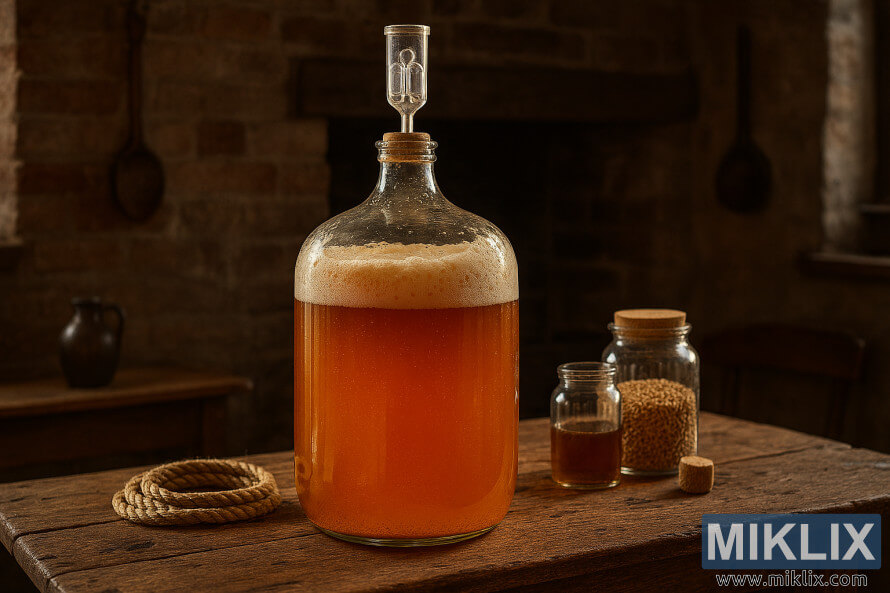
Click or tap the image for more information and higher resolutions.
When fermenting with WLP570, expect a balance of fruity esters and subtle phenolic spice typical of East Flanders strains. Brewers report a transient sulfur note during active fermentation that dissipates with conditioning. White Labs offers PurePitch and Vault formats, a pitch rate calculator, and an organic option. Retailers suggest using cold packs for shipping to protect viability.
Practical recipes and brewing blogs show how WLP570 fits into classic Belgian techniques. Brewers use pilsner malt with candi sugar, choose between multi-rest and single infusion mashing, and ferment at the higher end of the recommended range. With proper pitching rate and temperature control, fermenting WLP570 yields lively, complex beers. These beers benefit from extended conditioning and cold storage.
Key Takeaways
- White Labs WLP570 Belgian Golden Ale Yeast delivers 78–85% attenuation and low flocculation.
- WLP570 review highlights fruity esters, phenolic spice, and transient sulfur that clears with time.
- Recommended fermentation temperature is 68–75°F (20–24°C), with controlled ramps for more esters.
- Available in Vault and PurePitch formats, including an organic option; ship with a cold pack when possible.
- Ideal for Belgian Golden Strong, Tripel, Dubbel, Pale Ale, and Saison styles when paired with pilsner malt and candi sugar.
Overview of White Labs WLP570 Belgian Golden Ale Yeast
WLP570 originates from East Flanders, where brewers sought strains that harmonize fruity esters with spicy phenolics. This yeast is celebrated for its broad attenuation range and consistent performance across various gravities. It's particularly valued for its ability to create ester-driven fruit notes while maintaining a crisp finish.
Its intended applications range from traditional Belgian golden strong ales to dubbels and saisons. It excels in recipes using pilsner malt and candi sugar, reminiscent of Duvel. Its adaptability makes it an excellent choice for beers with ABVs from 2% to 12%.
In practical brewing, WLP570 can be used interchangeably with other renowned Belgian strains. It is often compared to Wyeast 1388 for strong ales, due to similar attenuation and phenolic profiles. The choice between strains hinges on the intensity of esters and how they respond to fermentation temperature.
- Origin and lineage: clear link to East Flanders yeast traditions.
- Versatility: suited to Belgian Dark Strong, Tripel, Dubbel, Pale Ale, and Saison styles.
- Comparative notes: stands well in Belgian ale yeast comparison tests for robust attenuation and balanced spice-to-fruit ratios.
Opt for WLP570 for a dependable Belgian profile that accentuates fruit and spice, culminating in a dry, refreshing finish. The WLP570 origin and White Labs strain background offer brewers a reliable means to achieve classic Belgian flavors.
Key Fermentation Characteristics of WLP570
White Labs WLP570 is a favorite among Belgian ale brewers for its fermentation profile. It offers a wide attenuation window, ensuring dryness. The yeast remains active late in fermentation and tolerates strong alcohol well, ideal for very strong ales.
https://www.youtube.com/watch?v=dMjpr6T4SdA
Attenuation for this strain ranges from 78–85%, leading to beers with low finishing sugars. This characteristic is perfect for Belgian Golden Strong and Duvel-style beers. When crafting recipes, aim for a final gravity of WLP570 near the lower end of typical targets. An original gravity of 1.071 can result in a finish of 1.007, thanks to high fermentation activity.
Yeast flocculation low is a key trait. This means cells stay suspended longer, enhancing sugar uptake and fuller attenuation. Expect slower natural clearing. Cold conditioning, fining, or a cold crash can help achieve clearer beer without losing attenuation.
WLP570 boasts very high alcohol tolerance, at 15% and above. It's an excellent choice for Belgian Tripels, Dark Strongs, and high-gravity ales. Retailers and labs confirm it can ferment up to the low teens percent ABV, provided with proper pitching, oxygenation, and nutrient support.
- Plan for high attenuation when sizing fermentables and priming calculations.
- Use cold conditioning or clarifying steps to counter yeast flocculation low.
- Treat WLP570 as a high ABV yeast when designing large-gravity recipes; stepped oxygenation and staggered nutrients help performance.
Optimal Fermentation Temperature and Temperature Management
Mastering the WLP570 fermentation temp is key to shaping flavor, attenuation, and clarity. This strain exhibits classic Belgian ester and phenol characteristics within its recommended temperature range. Brewers can tweak these traits through subtle temperature adjustments during primary and conditioning phases.
The recommended starting temperature for WLP570 is between 68–75°F. This range produces balanced esters without overpowering phenolic spice. To achieve cleaner initial activity, many start near the lower end and closely monitor fermentation vigor.
For those seeking stronger attenuation or more pronounced ripe-fruit esters, a temperature ramp is beneficial. A common strategy is to begin fermentation at around 64°F, then gradually increase the temperature over several days to the low 80s. This controlled warming aids in complete attenuation and helps volatile sulfur compounds dissipate during the warm conditioning phase.
Effective homebrew temp control tools are essential for stable results. Options include a fermentation chamber with a PID controller, a FermWrap paired with a controller, or an insulated cooler with an aquarium heater. Water baths with heat belts offer even heat transfer for carboys and buckets.
- Avoid wide temperature swings; sudden jumps stress yeast and can create off-flavors.
- Monitor ambient and wort temps with a reliable probe or thermometer placed near the fermenting vessel.
- Plan a modest ramp rather than aggressive heat bursts to nudge esters and phenolics into balance.
For brewers seeking predictability, logging temperatures daily and making slow adjustments to setpoints is advisable. Good homebrew temp control preserves the Belgian character WLP570 is renowned for. It also empowers brewers to fine-tune aroma and finish with precision.
Flavor Profile and Aroma Contributions
WLP570 offers a vibrant mix of fruit and spice, typical of Belgian golden ales. It presents with bright, pear- and apple-like esters and a subtle clove-like phenolic bite. The final beer's flavor is shaped by fermentation control and recipe choices.
Fruity ester production typical of East Flanders strains
Fermenting in the higher part of the recommended range brings out pronounced Belgian esters. These esters impart a ripe stone-fruit aroma, enhancing light malt bills. A simple grist of pilsner malt with candi sugar boosts dryness, allowing the ester character to shine.
Phenolic spice character and how to accentuate or minimize it
WLP570 exhibits classic phenolic spice yeast traits when warmed or stressed. To enhance phenolics, ferment at the top of the range and use conservative pitching rates. For a milder clove-like edge, maintain steady fermentation temperatures and pitch a healthy, active starter. This balance allows brewers to adjust between esters and phenolics.
Transient sulfur production during fermentation and resolution
Sulfur in fermentation is common with active Belgian strains. Small sulfur notes often appear during vigorous activity but usually fade during warm conditioning and cold storage. Allow the beer to finish fermentation fully, rest at ale temperatures for a short conditioning period, then cold-crash or lager briefly to clear residual volatiles.
- Temperature control shapes Belgian esters and phenolic spice yeast expression.
- Simple grists and higher finishing temps favor a dry, effervescent Duvel-like profile.
- Patience in conditioning helps dissipate sulfur in fermentation and polish flavors.
Pitching Rates and Starter Recommendations
Accurate yeast cell count and vitality are crucial for Belgian ales. Utilize the White Labs pitch rate calculator or standard charts to determine your target. For 5.5-gallon strong ales, extra cells are necessary due to yeast stress and increased attenuation demands.
Choose between multiple packs and a starter based on timing and availability. For many strong ales, two to three Vault or PurePitch packs suffice. However, for precise cell counts, a yeast starter is essential to enhance volume and vitality.
When to use multiple packs versus a starter
- Multiple packs are convenient when packs are fresh and the brew is moderately strong.
- Opt for a yeast starter WLP570 for precise counts, older packs, or beers over 9% ABV.
- Combine a small starter with an extra pack for very high gravity beers to boost fermentation.
Calculating pitch rate for high-gravity beers up to 12% ABV
- Use a pitching calculator to estimate target cells; increase count for higher gravity worts.
- For beers near 12% ABV, plan for a significantly larger inoculum to avoid lag and off-flavors.
- Consider WLP570’s high attenuation and alcohol tolerance when setting goals; more cells ensure clean fermentation.
Health checks and oxygenation best practices before pitching
- Verify manufacture date and cold storage for viability. If unsure, create a yeast starter WLP570 instead of relying on packs.
- Perform a viability check by examining suspension clarity and smell; active, fresh yeast is milky and slightly yeasty.
- Ensure adequate oxygenation for Belgian yeast. Aerate or oxygenate wort well, especially for high gravity worts. Good oxygenation supports sterol production and cell membrane integrity.
- Use yeast nutrients or staged additions for strong beers. Nutrients reduce stress and lower stalled fermentation risk when pitching high gravity beers.
By following these steps, you can optimize WLP570 pitching rate and yeast performance. Proper planning, attention to oxygenation, and starter health are key to reducing risk and enhancing flavor in strong Belgian ales.
White Labs WLP570 Belgian Golden Ale Yeast
White Labs WLP570 is a top-notch Belgian golden ale strain, renowned for crafting robust, fruity ales. It boasts an attenuation range of 78–85%, exhibits low flocculation, and has an impressive alcohol tolerance. Available in various formats, it caters to different brewing styles and storage needs.
Official product data and Vault/PurePitch options
White Labs presents WLP570 in both Vault and PurePitch formats. The WLP570 Vault is cryo-preserved, ensuring a longer shelf life and easier storage. On the other hand, the PurePitch ships as ready-to-pitch liquid yeast, preferred by many for its convenience. Typically, the PurePitch Next Generation format is priced around $14.99 per vial, though prices can fluctuate based on the retailer.
Availability in organic format and purchasing tips
An organic version of WLP570 is available for those prioritizing certified organic ingredients. When purchasing WLP570 online, verify the presence of STA1 QC results and lot numbers to ensure authenticity. Consider the storage duration and immediate pitching needs when deciding between Vault and PurePitch formats.
Packaging, storage, and shipping considerations for live yeast
- Shipments of liquid yeast must include cold packs and expedited transit. Retailers recommend adding cold packs to protect the yeast's viability.
- Store WLP570 Vault or PurePitch in refrigeration and use before the expiration date indicated on the vial or package.
- Upon receipt, inspect the manufacture and lot dates. Maintain cold storage until brew day to ensure optimal performance.
The choice between Vault and PurePitch hinges on storage requirements and brewing schedules. Opting for certified organic WLP570 supports organic brewing endeavors. When purchasing WLP570, ensure shipping is expedited to minimize warm transit time and preserve yeast quality.
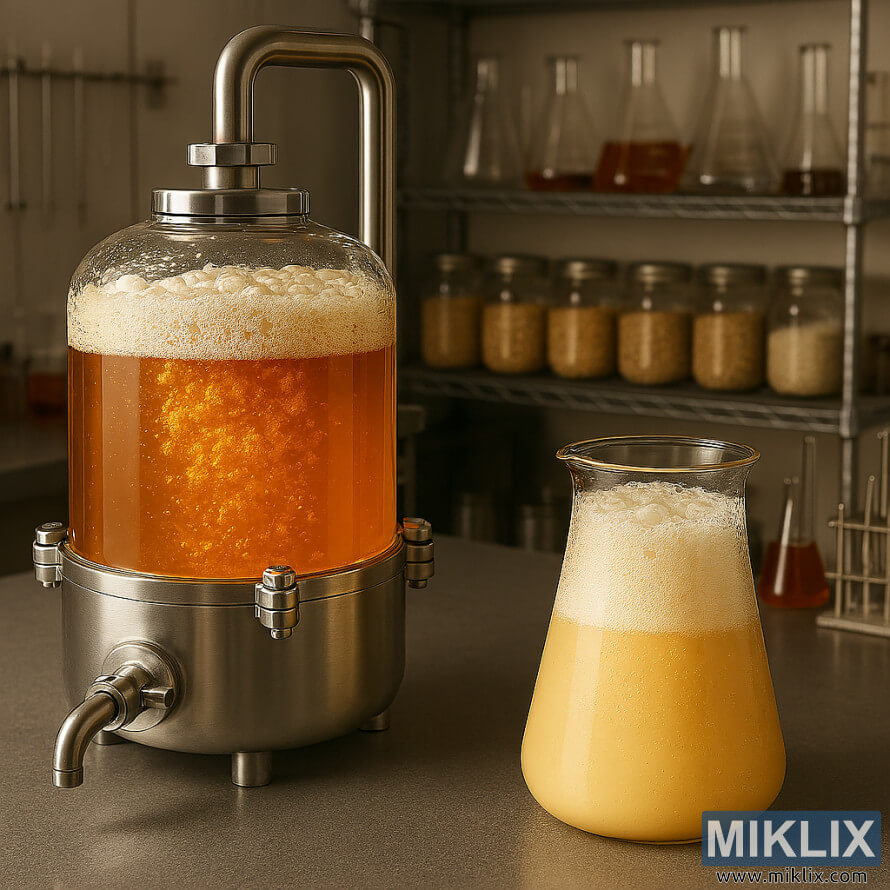
Click or tap the image for more information and higher resolutions.
Recipe Design Considerations Using WLP570
Creating a recipe with WLP570 requires a focus on balance. For golden strongs, keep the grain bill simple to highlight yeast esters. Adjust grains and adjuncts in dubbels or pale ales to support yeast character without overshadowing it.
Malt choices that complement Belgian esters
Opt for a pilsner base for light-bodied Belgian Golden Strongs. Incorporate small amounts of Munich or Vienna for added breadiness in tripels and pale ales. For dubbels and dark strongs, darker malts like Special B or aromatic are ideal to build caramel and toffee notes.
Many brewers use simple sugars to dry the finish. Belgian malt choices pair well with sugar adjuncts when used sparingly to prevent thinness.
Incorporating candi sugar recipes
Clear or pale Belgian candi sugar lightens color and boosts fermentables without adding heavy malt flavors. Dextrose is a cost-effective alternative for achieving high attenuation.
For a Duvel-style profile, add candi syrup late in the boil. This enhances estery fruitiness while maintaining a lean body. Test small batches to find the right amount for your desired ABV and mouthfeel.
Hop selection and bitterness targets
Choose noble or continental varieties like Styrian Goldings, Saaz, or Hallertau for subtle support. Aim for a bitterness of 30–40 IBU for golden strongs to balance malt and yeast. Use gentle late additions and minimal whirlpool hopping to avoid hiding yeast-driven flavors.
In dubbels and tripels, moderate bitterness and restrained late hops are key. This maintains a clean backbone while showcasing phenols and esters.
Water profile Belgian ales
Begin with a soft, neutral water profile for pilsner-focused beers. Aim for a balanced sulfate-to-chloride ratio near 1:1 for neutral hop and malt expression. Raise sulfate slightly to accentuate perceived dryness and hop bite when desired.
For richer dubbels, boost chloride for rounder maltiness. Always check mash pH and adjust with calcium carbonate or lactic acid to hit the ideal 5.2–5.6 range for enzyme performance and clarity.
- Keep grain bills simple for yeast clarity.
- Add Belgian candi sugar for dryness and alcohol lift.
- Choose mild continental hops and target moderate IBUs.
- Tune water profile Belgian ales to support either dryness or malt richness.
Mashing and Mash Schedule Recommendations
The mash schedule you choose significantly impacts the body, head retention, and fermentability of Belgian Golden styles. Brewers often prefer multi-step mashes with continental malts for WLP570. However, a single infusion method is viable for simpler setups or those using extracts.
For traditional continental malts, a multi-rest mash Belgian approach is key. It preserves proteins, crucial for foam and mouthfeel. Begin with a protein rest at 131°F for 20 minutes. Then, a saccharification rest near 146°F for about 60 minutes is recommended. This generates a fermentable wort with enough body.
Mash-out and mash handling
End the multi-rest with a mash-out at 168°F for 15 minutes. This step stops enzymatic activity and enhances lautering. It also reduces the risk of a stuck mash, especially with dense grists.
Single infusion alternative
For those with limited time or equipment, a single infusion mash Belgian method is a good alternative. Maintain the mash at roughly 146°F for 90 minutes. This long rest effectively converts starches, producing a wort suitable for WLP570 without the need for complex equipment.
Typical mash temps Belgian recipes
- Protein rest: 131°F (optional, 20 minutes)
- Saccharification: 146°F (60 minutes for multi-rest; 90 minutes for single infusion)
- Mash-out: 168°F (15 minutes)
Practical tips
Accurate temperature control is crucial. Use a reliable digital probe and stir gently to prevent temperature stratification. Adjust the water-to-grist ratio to facilitate lautering and predictable attenuation when following a WLP570 mash schedule.
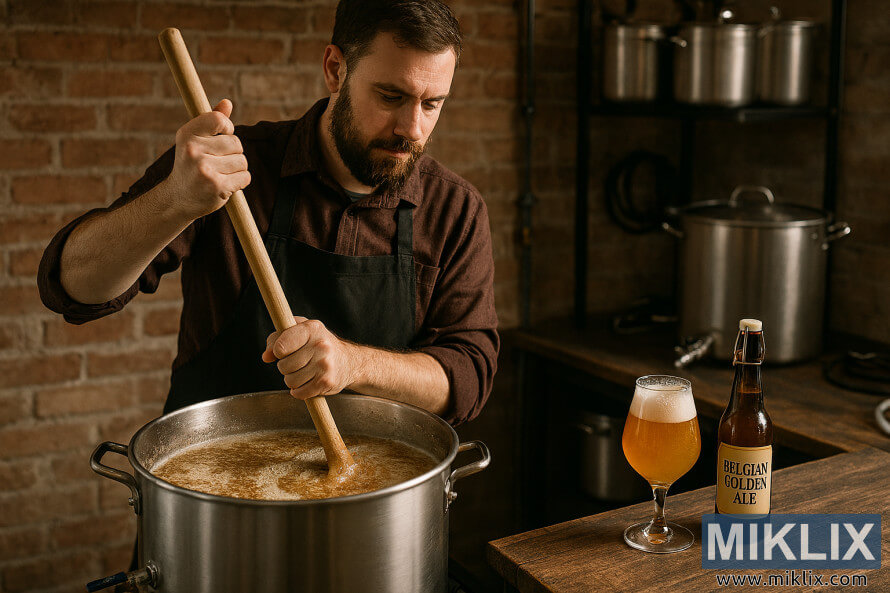
Click or tap the image for more information and higher resolutions.
Fermentation Schedule Examples for Belgian Golden Ale
Below are practical schedules for brewing Belgian Golden Ales with White Labs WLP570. Each plan covers pitching, temperature control, and timing. This allows brewers to choose a low- or high-gravity approach that matches their setup and target flavor profile.
Low-gravity example (5–7% ABV):
- Chill wort to 68–70°F and pitch a healthy starter or PurePitch. This follows a standard WLP570 fermentation schedule for lighter beers.
- Hold at 68–72°F for primary fermentation. Expect active fermentation in 48–72 hours.
- Primary duration: 5–7 days or until gravity is stable for 2–3 readings.
- Perform a short warm rest of 1–2 days if sulfur or esters need cleanup, then cold crash Belgian beers for 24–48 hours before packaging.
High-gravity example (8–12% ABV) and Duvel-style schedule:
- Chill wort to 64°F and pitch a large starter or multiple packs to meet a higher pitch rate.
- Allow a controlled ramp to 82°F over about five days to encourage full attenuation. This deliberate ramp to 82°F supports yeast vitality in dense worts.
- Maintain at ~82°F for up to two weeks for thorough attenuation and flavor development.
- Typical primary fermentation duration for these beers can range from 10–21 days depending on gravity and yeast health. Watch for stable gravity readings and minimal krausen as signs of completion.
- After the warm period, cold crash Belgian beers and lager at near-freezing temperatures. For Duvel-style, a lager at 32°F for three weeks improves clarity and polish prior to packaging.
Signs fermentation is complete:
- Specific gravity remains unchanged across three consecutive days.
- Krausen has collapsed and visible bubbling has slowed markedly.
- Trub begins to settle and beer shows early clearing.
Conditioning and clarity steps:
- Allow a warm conditioning rest of 3–7 days to let yeast reabsorb off-flavors and reduce transient sulfur.
- Use a cold crash to drop yeast and particulates quickly. Cold crash Belgian beers for 24–72 hours to speed clearing without harming carbonation potential.
- Extended lagering at low temps will further polish the beer and stabilize flavors prior to bottling or kegging.
When planning your WLP570 fermentation schedule, balance temperature control, pitch rate, and patience. Correct ramping and adequate primary time make the difference between a lively Belgian ale and one that stalls before reaching its potential.
Managing High-Gravity Fermentations with WLP570
Working with very high original gravities requires careful planning and attention. WLP570's high gravity performance makes it ideal for potent Belgian ales. Success hinges on proper pitch size, oxygen levels, and a well-planned yeast nutrient schedule. Small errors early on can lead to significant cleanup efforts during conditioning.
For beers fermenting at 12% ABV or higher, a robust pitching strategy is essential. Consider using two to three PurePitch packs or a starter calculated with a yeast calculator for a 5.5-gallon batch. A healthy cell count reduces lag time and stress on the culture, minimizing fusel formation and off-flavors.
Oxygenation is crucial for high-gravity worts. Target higher dissolved oxygen levels than for ordinary ales. Aerate fully before pitching and consider a second oxygen dose early in fermentation for very high OG batches. Proper oxygenation aids in sterol and membrane synthesis as yeast multiply.
Adopt a staged nutrient approach rather than a single addition. A yeast nutrient schedule that spaces amino acids, minerals, and vitamins across the first 24 to 72 hours ensures sustained access. Staggered additions promote healthy attenuation and reduce the risk of a stuck ferment.
- Pre-pitch: oxygenate, add a baseline nutrient dose.
- 24–48 hours: second nutrient boost as vigorous fermentation begins.
- 72 hours: final small addition if fermentation still shows strong activity.
Expect extended conditioning for aging Belgian strong ales. Aging these beers for weeks to months softens harsh esters and allows sulfur compounds to dissipate. Cold conditioning or gentle lagering after primary cleanup often yields a cleaner final profile.
Monitor gravity drops and taste periodically rather than relying solely on calendar time. If gravity approaches target but flavors remain young, give the beer more time. Patience is key when letting WLP570 finish and mature. A rested strong ale reveals complexity and balance that rushed conditioning cannot produce.
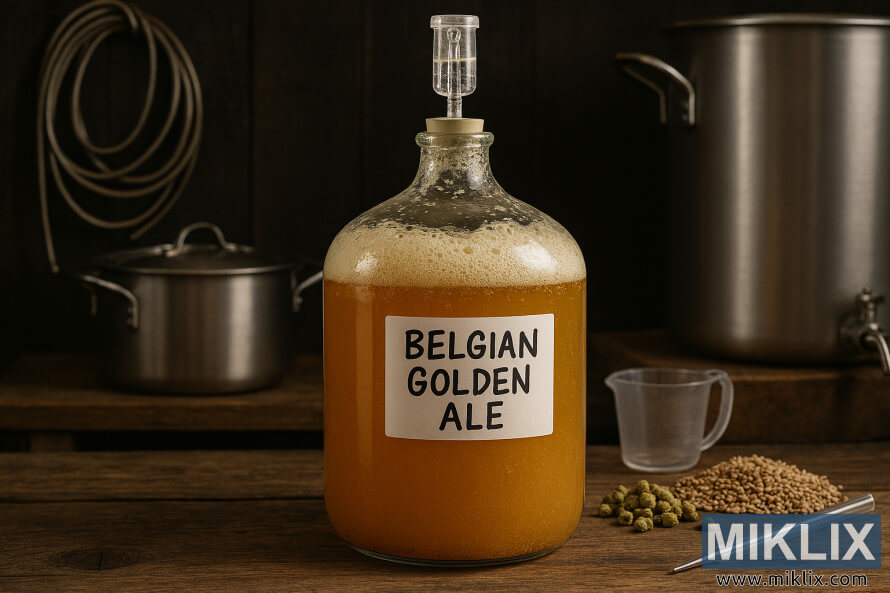
Click or tap the image for more information and higher resolutions.
Common Fermentation Issues and Troubleshooting
Brewers using White Labs WLP570 might face common problems that disrupt fermentation or change the beer's taste. Quick checks and simple fixes can often get things back on track. This way, the beer's character remains intact.
- Confirm pitch size. Underpitching slows activity; use a starter or multiple packs for high-gravity worts.
- Ensure proper oxygenation before pitching. Yeast needs oxygen for healthy growth and fermentation vigor.
- Keep fermentation temps steady in the recommended range. A gentle rise of a few degrees can restart a stalled ferment.
- For true stuck fermentation WLP570, prepare an active yeast starter of the same or a neutral ale yeast and add it with sanitation. Recheck gravity and sanitation practices if problems persist.
Addressing unwanted sulfur or off-flavors
- Transient sulfur production is common with this strain early in fermentation. Allow warm conditioning for several days to let volatiles dissipate naturally.
- Avoid rapid temperature swings that shock yeast and prolong sulfur presence.
- If sulfur off-flavors persist after conditioning, verify oxygen and nutrient levels for future batches and consider racking off lees to reduce reductive aromas.
Remedies for over-attenuation or excessive phenolics
- If the beer finishes drier than intended, raise mash temperatures to create more dextrins next time or blend with a less attenuated batch to restore body.
- Excessive phenolics often stem from high fermentation temperatures or stressed yeast. Reduce temps and confirm adequate pitching and oxygenation to limit phenol expression.
- Rule out contamination from wild yeasts or bacteria if phenolic spice seems atypical for the style.
Use these troubleshooting steps as a practical checklist for WLP570 troubleshooting. Careful control of pitch, oxygen, nutrients, and temperature prevents most stalled ferments and flavor faults with this yeast.
Packaging and Carbonation for Belgian Styles Fermented with WLP570
Choosing between natural bottle conditioning and force-carbonating in a keg impacts the beer's mouthfeel and appearance. WLP570’s low flocculation ensures yeast remains suspended for effective bottle conditioning of Belgian ales. On the other hand, kegging offers brewers precise control over carbonation and quicker service.
- Kegging advantages
- Precise control of volumes and carbonation rate.
- Ability to serve at specific Belgian carbonation volumes for styles such as Tripel.
- Reduced risk of over-carbonation during warm conditioning.
- Bottle conditioning advantages
- Traditional, natural carbonation and evolving flavor from yeast interaction.
- WLP570 carbonation behavior typically produces fine, lasting effervescence.
- Suitable for bottling festivals and gifting, with authentic presentation.
Carbonation levels vary by style. Belgian Golden Strong ales and Tripels usually have high carbonation, around 2.5–3.0 volumes CO2. Duvel-style beers aim for the upper end for a more pronounced effervescence. Adjust these targets based on glassware and service temperature.
For bottle conditioning Belgian ale, precise priming sugar calculation is key. Use a priming sugar calculator that considers beer temperature and desired volumes. Common sugars include dextrose (corn sugar) or sucrose (table sugar). Strong ales require extra time for carbonation and flavor blending.
- Bottle timeline
- Store bottles at fermentation temperature for at least 2–4 weeks for moderate-strength beers.
- For high-ABV Belgian styles, allow several weeks to months for stable carbonation and integration.
- Check carbonation with one bottle before bulk aging to confirm volumes.
- Kegging timeline
- Force-carbonate at 12–14 psi for most fridges, then adjust to taste.
- Set pressure to reach chosen Belgian carbonation volumes; colder beer holds more CO2.
- Service soon after chilling when desired effervescence is reached.
Final checks: when bottle conditioning Belgian ale, confirm yeast viability if beer was highly filtered. During kegging Belgian beer, monitor pressure and temperature to hit Belgian carbonation volumes without over-carbonating. These steps preserve WLP570’s bright esters and peppery phenolics, delivering the lively carbonation Belgian drinkers expect.
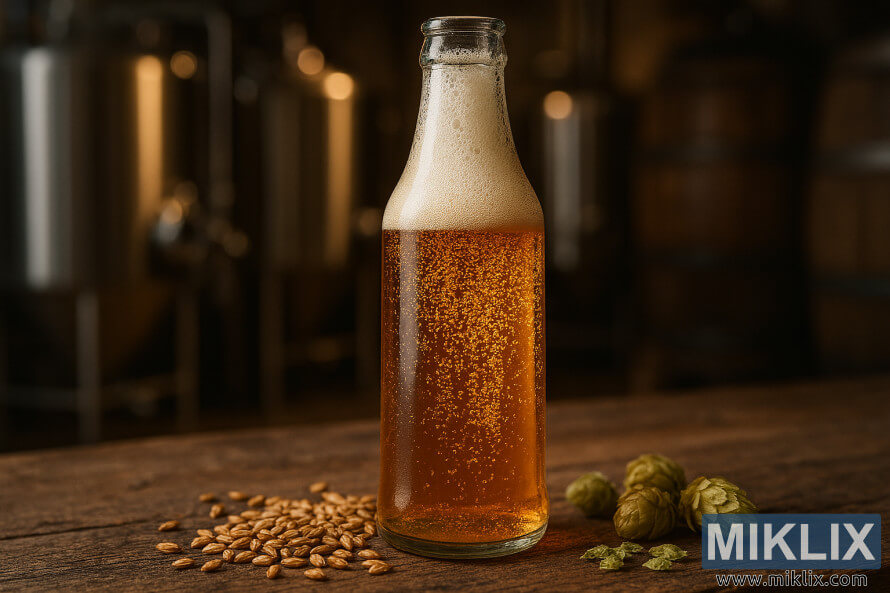
Click or tap the image for more information and higher resolutions.
Suggested Styles and Example Recipes
White Labs WLP570 opens options for classic Belgian styles and creative hybrids. Below are compact outlines and one full example you can adapt. These notes blend mash, hops, and fermentation cues to let yeast personality drive the beer.
- Grain: 12 lb Belgian Pilsner malt, 2.5 lb clear candi syrup.
- Hops: Styrian Goldings + Saaz, total ~35 IBU.
- Mash: multi-rest (131°F protein, 146°F saccharification, 168°F mash-out) or single infusion 146°F for 90 min.
- Fermentation: chill to 64°F, pitch high-quality yeast, ramp to ~82°F over 5 days and hold at 82°F for two weeks; then cold crash and lager at 32°F for three weeks.
- Yeast options: White Labs WLP570 or Wyeast 1388 produce similar profiles for a Duvel clone when pitched and warmed as above.
Use that base to explore Belgian Tripel recipe changes or darker variants. Swap in pilsner malt and extra candi sugar for a brighter Tripel. Increase Munich and darker candi for a dubbel-like color and caramel notes.
Tripel, Dubbel, and Pale variations
- Belgian Tripel recipe: keep a pilsner base, raise candi sugar proportion, aim for 8–10% ABV, moderate bitterness so yeast esters stand out.
- Belgian Dubbel with WLP570: use richer malts—Munich, aromatic, and dark candi—to deepen color and add toasty sugar complexity while still allowing phenolic spice.
- Pale Ale variation: reduce candi sugar and add English or noble hops for balance; retain WLP570 to supply fruity esters and gentle phenolics.
Saison adaptations
- Saison with WLP570 can be lively when fermented warm. Push temps to emphasize fruity esters and peppery phenols.
- Keep the mash slightly lower for dryness, use light noble hops, and limit late hop bitterness to let yeast aroma dominate.
- Consider dry hopping sparingly if you want extra aromatics without masking yeast character.
Below are quick recipe tips to tune final character.
- To increase dryness: raise mash temps little or add simple sugars; finish drier for saison-like profiles.
- To highlight spice: ferment on the warmer side of the recommended range and allow phenolics to develop.
- To preserve delicate fruit esters: moderate fermentation ramp speed and avoid excessive oxygen after lag phase.
These WLP570 recipes and adaptations put yeast expression first. Use the Duvel clone example as a template, then tailor malt, candi sugar, and hopping to create a Belgian Tripel recipe, Belgian Dubbel with WLP570, or a Saison with WLP570 that showcases signature esters and phenolics.
Buying, Storage, and Handling Recommendations
WLP570, a live yeast, requires careful handling from the moment of purchase. Consider the shelf life and shipping options when selecting a source. It's wise to order just before your brew day. Upon arrival, verify the vial or pouch's expiration date.
Where to buy WLP570 and choosing Vault vs PurePitch
White Labs offers WLP570 in both Vault and PurePitch formats. Vault guarantees a higher cell count, ideal for confident pitches. PurePitch, on the other hand, is perfect for homebrewers seeking convenience and easy storage.
In the U.S., many retailers sell PurePitch Next Generation at consumer-friendly prices. When deciding where to buy WLP570, compare local homebrew shops and online sellers. Opt for Vault for robust starters or high-gravity beers. Choose PurePitch for routine batches.
Recommended cold packs and shipping tips for live yeast
Live yeast thrives in cool shipments. Request retailers to ship with cold packs and expedited services. Cold packs help reduce transit stress, ensuring better viability upon arrival.
Plan to receive shipments early in the week to avoid weekend delays. If a package arrives warm, chill it immediately. Then, perform a simple starter to verify activity before pitching.
Storage temperatures and shelf life before use
Follow White Labs' guidance to store refrigerated, preserving viability. Maintain consistent temperatures and check the manufacture and expiration dates on packaging.
If yeast has been refrigerated for weeks, warm it slightly before starting a starter. Use older packs for starters, not direct pitching. Monitor cell activity and aroma to confirm its health.
- Tip: When you must ship liquid yeast cold, choose one- to two-day transit and add cold packs.
- Tip: Note WLP570 storage temperature on arrival and maintain a steady fridge at recommended levels.
- Tip: Use Vault vs PurePitch based on cell-count needs and convenience.
Conclusion
White Labs WLP570 is a strain from East Flanders, known for its 78–85% attenuation and low flocculation. It tolerates very high alcohol levels. Brewers who carefully manage temperature and pitching will find it rewarding. Expect fruity esters, peppery phenolics, and a transient sulfur note that disappears with conditioning.
When designing recipes, WLP570 shines with pilsner malt and candi sugar for Belgian Golden Strong ales. It also works well for Tripels, Dubbels, and saisons. For high ABV brews, use robust starters or multiple PurePitch/Vault packs. Strong oxygenation and staggered nutrients are key. Finishing near 80–82°F can enhance flavors in strong styles.
Proper handling is crucial: purchase from trusted sources, ship with cold packs, and store in the fridge. Adhere to White Labs’ guidelines for pitch rates and storage. This summary and conclusion highlight WLP570's versatility in crafting authentic Belgian beers.
FAQ
What is White Labs WLP570 Belgian Golden Ale Yeast and where does it come from?
WLP570 is a liquid yeast strain from East Flanders, sold by White Labs (Part No. WLP570). It's available in Vault and PurePitch formats, with an organic option too. Known for its balance of fruity esters and phenolic spice, it's a hallmark of East Flanders Belgian strains.
What beer styles is WLP570 best suited for?
WLP570 is versatile for Belgian styles. It's great for Belgian Golden Strong Ale (Duvel-style), Tripel, Dubbel, Belgian Pale Ale, Saison, and Belgian Dark Strong Ale. For golden/Tripel styles, use lighter grists and candi sugar. For dubbels and dark strongs, darker malts or dark candi are better.
What are the key fermentation characteristics (attenuation, flocculation, alcohol tolerance)?
It has an attenuation of 78–85%, leading to very dry final gravities in high-attenuation beers. Flocculation is low, so the yeast stays suspended longer, potentially delaying clearing. It tolerates alcohol very well (15%+), making it suitable for beers up to and beyond 12% ABV with proper pitching and nutrition.
What is the recommended fermentation temperature range for WLP570?
White Labs suggests an optimal range of 68–75°F (20–24°C) for the best ester and phenol expression. Many brewers of strong Belgian styles start cooler and then warm up to finish attenuation and develop the desired ester/phenol balance.
Should I ever ramp temperature above the recommended range?
Yes—ramping is common for high-gravity Belgian ales. A typical Duvel-style approach is to pitch around low 60s–mid 60s°F, then allow the ferment to rise over several days to about 82°F to drive attenuation and ester formation. After warm conditioning, cold crash or lager to clear volatiles like transient sulfur.
How does WLP570 influence flavor and aroma?
The strain produces pronounced fruity esters and phenolic spice. Esters lend pear/banana/stone-fruit notes while phenolics add clove-like spice. Some sulfur can appear during active fermentation but generally dissipates with warm conditioning and cold storage.
How can I accentuate or minimize phenolics and esters?
To accentuate phenolics, ferment at the higher end of the range or use a warm ramp and avoid over-pitching. To minimize phenolics, keep fermentation temperatures moderate, pitch adequate healthy yeast to avoid stress, and maintain stable conditions. Mash temp adjustments (higher mash temp) can also increase dextrins and reduce apparent dryness.
What pitch rate should I use for low- vs high-gravity beers?
For low-gravity Belgian ales, a single PurePitch pack may suffice for a 5–5.5 gallon batch. For high-gravity beers up to 12% ABV, use multiple packs (2–3 packs for typical 5.5-gallon strong ales) or build a large starter sized via a pitch-rate calculator. Calculate required cell count for OG and target ABV to avoid sluggish or stuck ferments.
What oxygenation and nutrient practices should I follow?
Oxygenate wort well before pitching—higher OG worts require more dissolved oxygen. Add yeast nutrient and consider staggered nutrient additions in very high-gravity batches. Proper oxygenation and nutrients support healthy cell reproduction and reduce risk of off-flavors or stuck fermentation.
How do I handle starters, viability, and storage?
Check manufacture and expiration dates and store WLP570 refrigerated until use. If unsure of viability or if yeast is older, make a starter sized to meet the required cell count. For shipped liquid yeast, request cold packs and fast transit to preserve viability. Allow refrigerated yeast to warm slightly before building starters.
What are common fermentation schedules for Duvel-style or Belgian Golden Strong ales using WLP570?
A common schedule: chill wort to ~64°F and pitch; allow fermentation to ramp to ~82°F over about 4–5 days; maintain warm fermentation (around 82°F) for up to two weeks to finish attenuation; then cold crash and lager near freezing (around 32°F) for several weeks to clear and mellow volatile sulfur and fusels.
How long should I condition high-ABV Belgian ales?
Strong ales benefit from extended conditioning. Expect weeks to months of aging or lagering for flavors to integrate, harsh alcohol notes to mellow, and transient sulfur to dissipate. Cold storage after warm conditioning improves clarity and stability.
How does low flocculation affect packaging and carbonation plans?
Low flocculation means yeast remains in suspension, which helps reliable bottle conditioning but may delay natural clearing. For kegging you can fine-filter or allow extra cold conditioning. Target high carbonation (2.5–3.0+ vols CO2) for Tripel/Golden styles; allow longer bottle conditioning times for strong ales to stabilize flavors and carbonation.
What mash schedules and grist choices pair well with WLP570?
For Golden Strong and Tripel, use a pilsner malt base with candi sugar or dextrose to keep body light and dry. For dubbels or dark strongs, add Munich, aromatic malts, or dark candi. Multi-rest mashes (protein rest then saccharification at ~146°F) are traditional with continental malts; a single infusion at ~146°F for 90 minutes is an acceptable modern alternative.
What mash temperatures produce a drier finish versus more body?
Saccharification around 146°F (63°C) yields a more fermentable wort and drier finish. Raising mash temps toward 156–158°F increases dextrins and body, useful if you want more residual sweetness to balance high alcohol or reduce perceived attenuation.
What are signs of a stuck or sluggish fermentation and how do I fix them?
Signs include little gravity drop, collapsed krausen early, or prolonged activity beyond expected time. Remedies: gently raise temperature, ensure adequate oxygen/nutrients (if early), pitch a fresh active starter or additional yeast, and verify sanitation. Prevention is better—use correct pitching rates, oxygenation, and nutrients from the start.
How should I manage transient sulfur during fermentation?
Transient sulfur is common with WLP570 during active fermentation. Allow a warm conditioning/diacetyl rest after terminal gravity is near complete, then cold crash and lager to let sulfur volatiles dissipate. Avoid abrupt temperature drops that trap volatiles in solution.
How does WLP570 compare to other Belgian strong-ale strains like Wyeast 1388?
WLP570 shares East Flanders heritage and produces a fruity/phenolic profile similar to other Belgian strong-ale strains. Brewers often use WLP570 interchangeably with strains like Wyeast 1388 for Duvel-style beers. Differences are subtle—attenuation, ester/phenolic balance, and sulfur tendency vary by strain and fermentation regime.
What packaging and shipping considerations should I follow when buying WLP570 online?
Choose Vault for high guaranteed cell counts when available or PurePitch for convenience. Request cold packs and fast shipping; retailers recommend adding a cold pack to protect viability. Store refrigerated on arrival and check manufacture/expiration dates before use.
Are there product details I should note from White Labs (part number, QC, formats)?
Yes—White Labs lists WLP570 (Part No. WLP570). The strain’s STA1 QC result is positive, showing starch-assimilating traits consistent with high attenuation. It’s sold in Vault and PurePitch formats and an organic variant is available.
What pitching and cell-count planning resources are available?
White Labs supplies a pitch rate calculator and retailers often reference pitch calculators. Use those tools to size starters or determine how many packs you need for your batch size and OG. For a 5–5.5 gallon strong ale up to ~12% ABV, 2–3 packs or a correspondingly large starter is a common recommendation.
What hops and bitterness levels suit beers fermented with WLP570?
For Duvel-style golden strongs, use noble/continental hops like Styrian Goldings and Saaz with bitterness around 30–40 IBU to balance malt and yeast character. For dubbels or darker Belgian ales, choose subtler noble varieties and lower bitterness so yeast and malt remain the focus.
What water profile is best for Belgian styles with WLP570?
For pilsner-forward golden ales, use a soft, neutral water profile and keep chloride low relative to sulfate to emphasize dryness and hop bite. For richer dubbels, a slightly higher chloride and balanced sulfate can support maltiness. Always target proper mash pH for enzyme activity.
Further Reading
If you enjoyed this post, you may also like these suggestions:
- Fermenting Beer with White Labs WLP004 Irish Ale Yeast
- Fermenting Beer with Lallemand WildBrew Philly Sour Yeast
- Fermenting Beer with Wyeast 2565 Kölsch Yeast