
Fermenting Beer with Wyeast 3789-PC Belgian Style Blend
Published: October 21, 2026 at 4:55:20 PM UTC
Belgian-style beers captivate craft beer enthusiasts with their complex flavor profiles. The secret behind these remarkable brews lies in the yeast strain selection. Choosing the right yeast makes the difference between an ordinary beer and an exceptional Belgian ale.
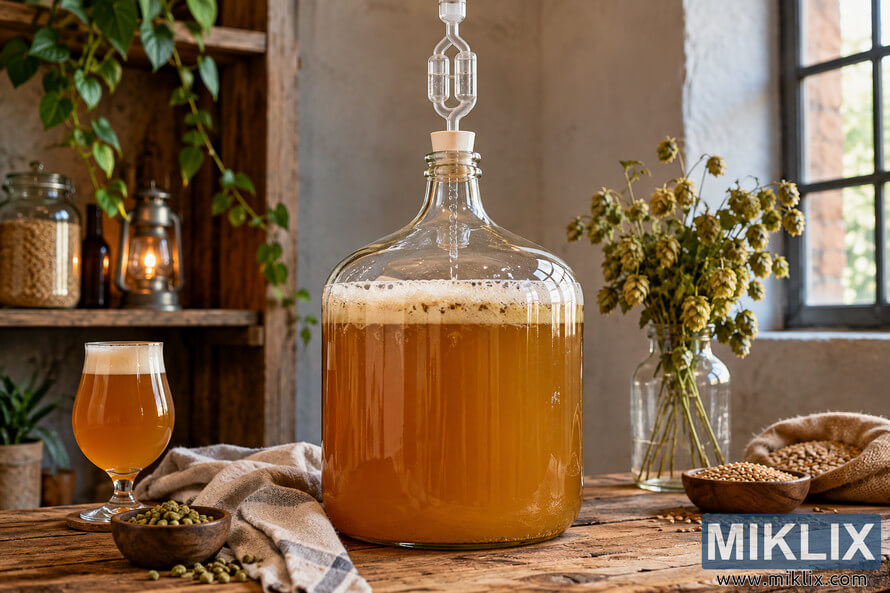
Click or tap the image for more information and higher resolutions.
Wyeast 3789-PC Belgian Style Blend stands out among brewing yeasts. This liquid yeast combines multiple Belgian strains to create authentic character. Homebrewers seeking traditional Belgian notes find this blend delivers consistent results.
Understanding this yeast unlocks the potential to craft professional-quality Belgian ales at home. Temperature control, fermentation timing, and proper handling determine your final beer quality. This comprehensive guide covers everything you need to brew successfully with Wyeast 3789-PC Belgian Style Blend.
Understanding Wyeast 3789-PC Belgian Style Blend Characteristics
This Belgian yeast strain delivers distinctive character to your beer. The blend produces moderate ester levels that create fruity notes. These esters combine with subtle phenolic compounds for authentic Belgian ale flavor.
Fermentation Performance Profile
The yeast performs reliably across various beer styles. Attenuation typically ranges from 74% to 78%. This moderate attenuation leaves residual sweetness that balances the ester character.
Alcohol tolerance reaches up to 12% ABV. This makes the strain suitable for both session-strength and high-gravity Belgian ales. The yeast maintains clean fermentation even at elevated alcohol levels.
Primary Flavor Components
The yeast creates complex flavor layers that define Belgian beer character.
- Fruity ester production with apple and pear notes
- Light phenolic spice character
- Clean fermentation profile without harsh flavors
- Balanced sweetness in finished beer
Fermentation Attributes
Technical specifications guide proper usage for optimal results.
- Attenuation range of 74-78%
- Alcohol tolerance up to 12% ABV
- Moderate flocculation characteristics
- Reliable performance across brew sessions
Suitable Beer Styles
This versatile yeast works well in multiple Belgian ale categories.
- Belgian abbey style ale variations
- Belgian saison and farmhouse ales
- Belgian witbier and white ales
- Classic Belgian strong ales
Yeast Handling Requirements
Proper storage and preparation ensure yeast viability and performance.
- Refrigerated storage until brewing day
- Ice pack insulated shipping recommended
- Activation before pitching improves results
- Direct pitching possible with fresh yeast
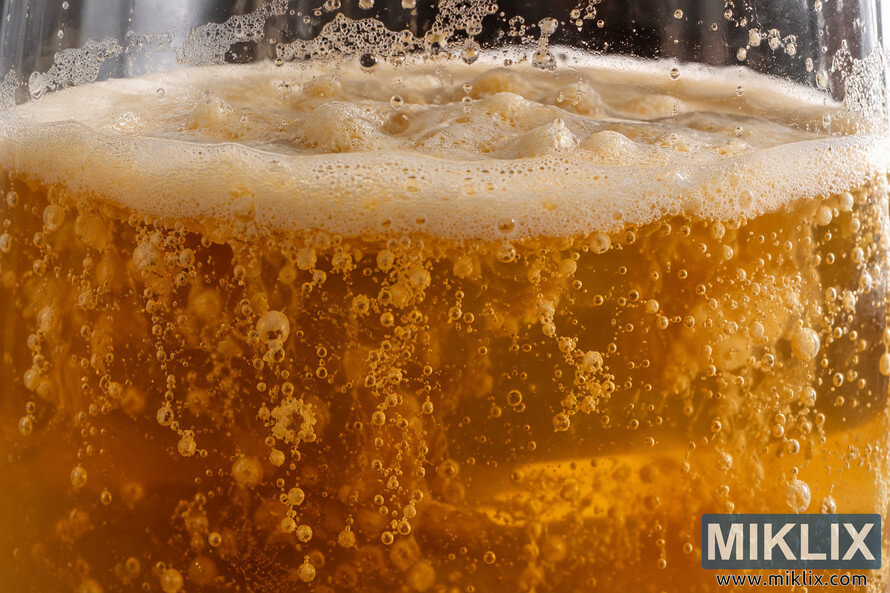
Click or tap the image for more information and higher resolutions.
Optimal Fermentation Temperature Management
Temperature directly impacts the flavor profile your yeast produces. Wyeast 3789-PC Belgian Style Blend performs best between 64°F and 78°F. This wide range offers flexibility for different brewing environments and style targets.
Temperature Range Effects
Lower fermentation temperatures produce cleaner profiles. Fermenting at 64-68°F emphasizes malt character while minimizing ester production. This temperature works well for Belgian abbey style ale where balance matters most.
Higher temperatures increase ester and phenol development. Fermentation at 72-78°F creates more pronounced fruity character. Belgian saison and farmhouse ales benefit from these elevated temperatures.
Pro Tip: Start fermentation at 66-68°F for the first 48 hours. After active fermentation begins, gradually raise temperature to 72-74°F. This technique produces balanced character while maintaining clean fermentation.
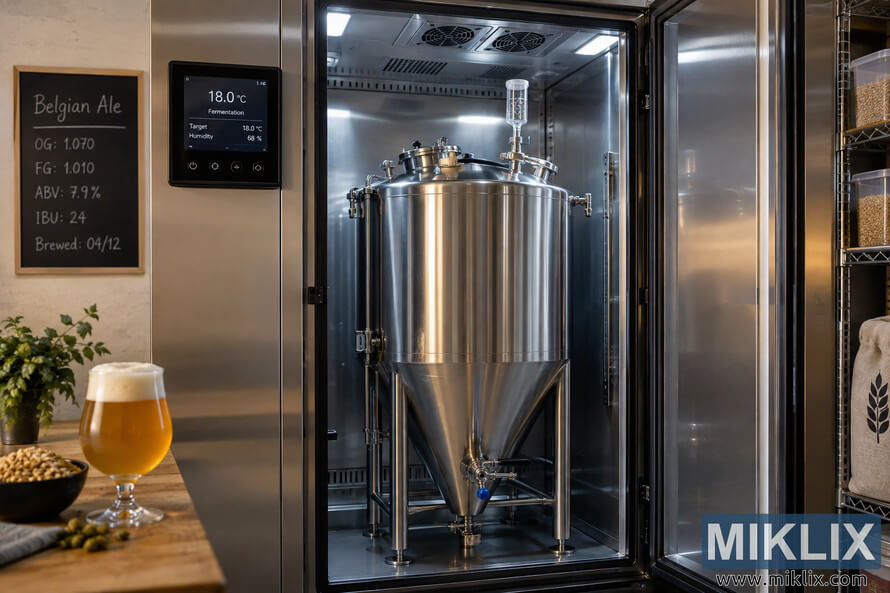
Click or tap the image for more information and higher resolutions.
Temperature Control Methods
Maintaining stable fermentation temperature requires planning. Several approaches work effectively for homebrewers at different experience levels.
- Fermentation chamber with temperature controller provides precise control
- Water bath with frozen bottles offers budget-friendly cooling
- Basement or cool room locations provide natural temperature stability
- Heating wrap or belt raises temperature in cold environments
- Insulated fermentation bag reduces temperature fluctuations
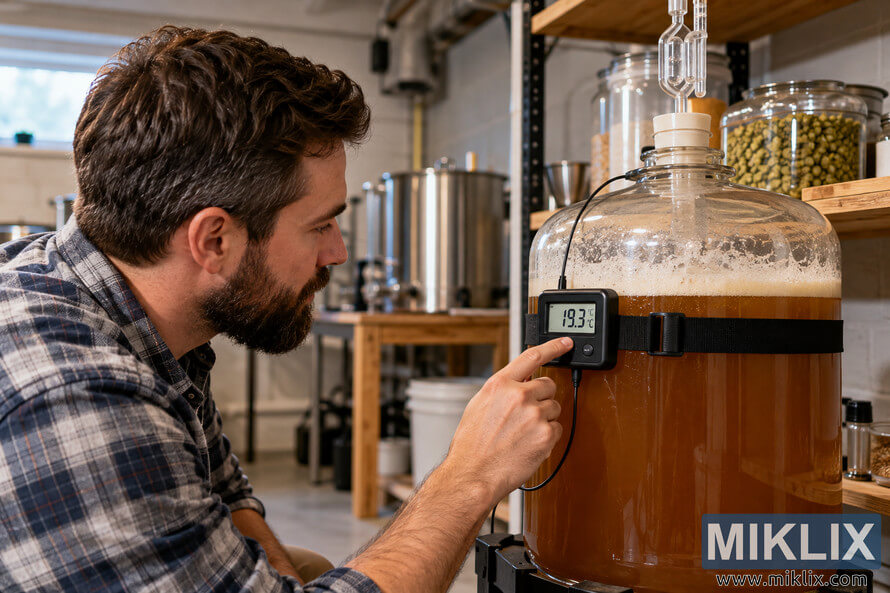
Click or tap the image for more information and higher resolutions.
Seasonal Brewing Considerations
Ambient temperature affects fermentation management. Summer brewing requires cooling solutions to prevent overheating. Winter brewing may need supplemental heating to reach target temperature range.
Plan your brew schedule around seasonal temperature patterns. Belgian saison styles work well for summer when higher temperatures occur naturally. Abbey style ales suit cooler months when lower fermentation temperatures happen easily.
Expected Flavor Profiles and Character Development
The flavor your beer develops depends on fermentation conditions. Wyeast 3789-PC Belgian Style Blend creates distinctive Belgian character through ester and phenol production. Understanding these flavor components helps you target specific style profiles.
Ester Character
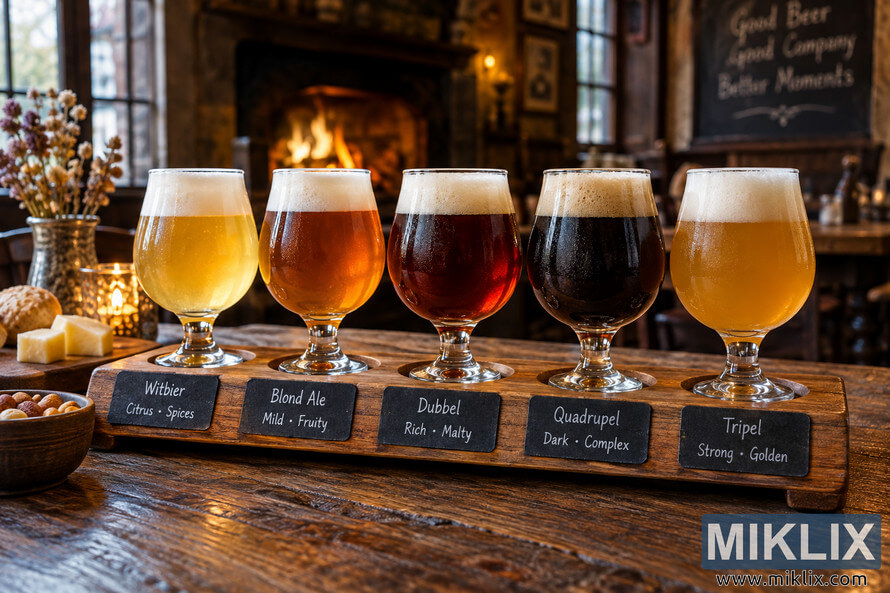
Esters provide fruity notes that define Belgian ales. This yeast produces moderate ester levels with apple and pear characteristics. Light banana notes may appear at higher fermentation temperatures.
The intensity of these esters increases with temperature. Fermentation at 72°F and above amplifies fruity character. Lower temperatures around 66-68°F produce subtle ester notes that complement rather than dominate.
Click or tap the image for more information and higher resolutions.
Phenolic Spice Notes
Phenolic compounds create the signature Belgian spice character. This strain produces gentle clove and pepper notes. These spice notes remain balanced and integrated rather than harsh or overpowering.
Belgian witbier styles benefit from these phenolic characteristics. The yeast character complements traditional spice additions like coriander and orange peel. Belgian abbey style ales showcase these notes alongside rich malt character.
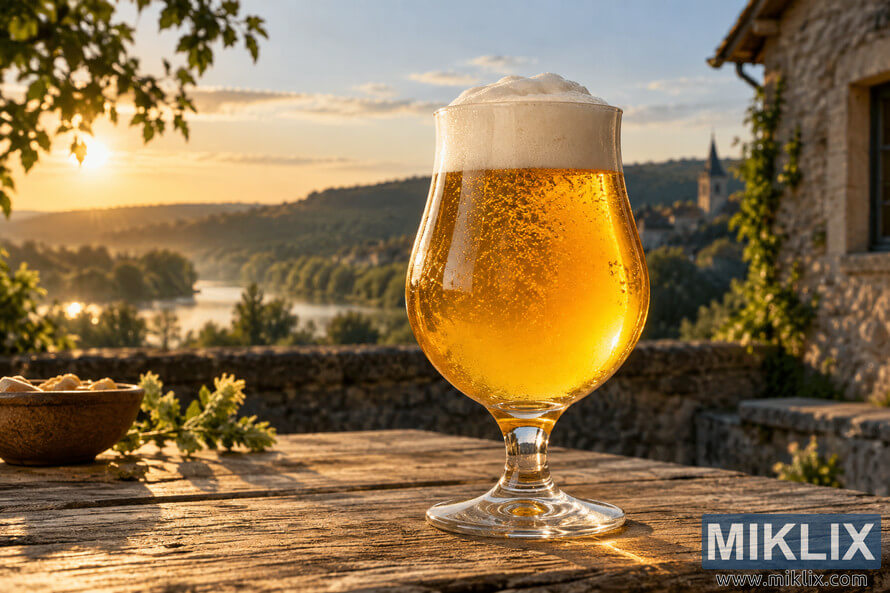
Classic Belgian Saison Profile
Higher fermentation temperatures bring out saison character perfectly.
- Prominent fruity esters with citrus notes
- Peppery phenolic spice character
- Dry finish with crisp carbonation
- Light body despite moderate gravity
- Refreshing drinkability for warm weather
Click or tap the image for more information and higher resolutions.
Mouthfeel and Body
The yeast influences beer texture through attenuation level. Moderate attenuation creates medium body with pleasant mouthfeel. This body level suits most Belgian ale styles perfectly.
Flocculation characteristics affect finished beer clarity. This strain shows moderate flocculation, leaving some yeast in suspension. The result appears slightly hazy, which is acceptable for Belgian styles like witbier and saison.
Comparing yeast strains helps you select the right option. White Labs WLP550 Belgian Ale offers similar characteristics. Wyeast 1214 Belgian Abbey provides higher attenuation for drier finish. Wyeast 3522 Belgian Ardennes creates more pronounced phenolic character.
Homebrewing Usage Tips and Techniques
Proper yeast handling determines fermentation success. Following proven techniques ensures healthy fermentation and optimal flavor development. These practical tips help both new and experienced homebrewers achieve better results.
Yeast Preparation and Pitching
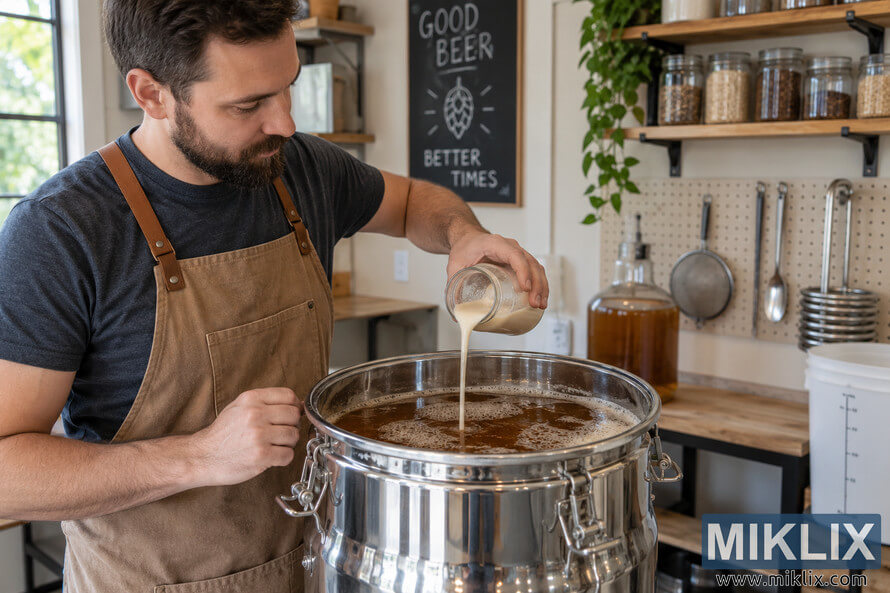
Activating liquid yeast before use improves performance. Remove the yeast package from refrigeration several hours before brewing. Smack the package to break the inner nutrient pouch. Allow the package to swell at room temperature.
Direct pitching works with fresh yeast at proper volumes. Check the manufacturing date on the package. Yeast less than one month old can be pitched directly. Older yeast benefits from a starter to increase cell count.
- Verify yeast package date and storage temperature
- Activate package by smacking and allowing to swell
- Pitch into well-aerated wort at target temperature
- Monitor fermentation activity within 12-24 hours
- Maintain temperature throughout fermentation time
Click or tap the image for more information and higher resolutions.
Wort Preparation Considerations
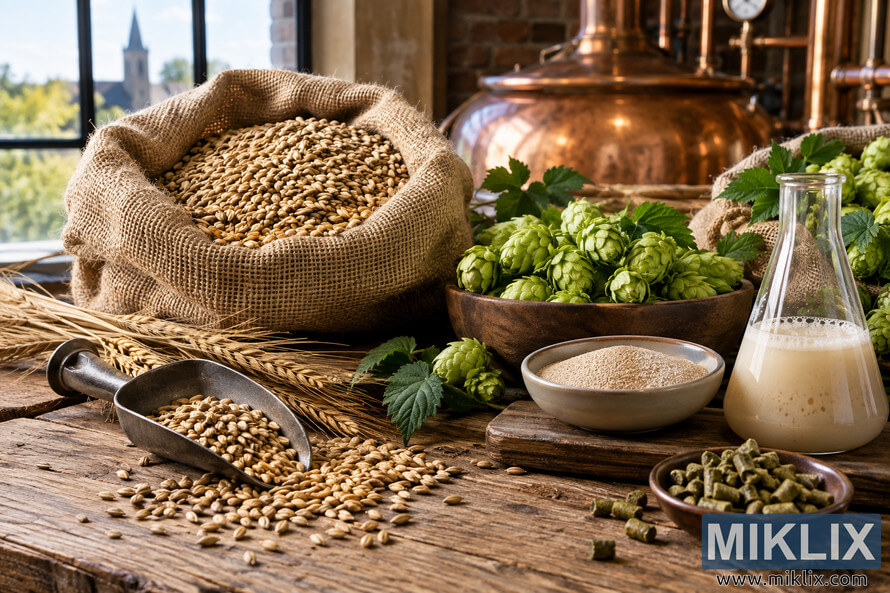
Yeast nutrient additions support healthy fermentation. Belgian styles often use adjuncts like cane sugar. These simple sugars lack nutrients that yeast needs. Adding yeast nutrient prevents stressed fermentation.
Proper wort aeration is critical for ale yeast. Shake the fermenter vigorously for 60 seconds. Use an aeration stone if available. Adequate oxygen allows yeast to reproduce and begin fermentation strongly.
Click or tap the image for more information and higher resolutions.
Fermentation Timeline
Primary fermentation typically completes within one week. Active fermentation begins 12-24 hours after pitching. Peak activity occurs around days 2-3. The fermentation rate then gradually decreases.
Allow extended conditioning time for flavor development. Keep the beer on yeast for two weeks total. This extended time lets the yeast clean up fermentation byproducts. The result is smoother flavor without harsh notes.
Avoid These Common Mistakes: Don't pitch yeast into wort above 80°F. High temperatures stress yeast and create off-flavors. Don't bottle or keg before fermentation completes. Use a hydrometer to verify final gravity stability over three days.
Reusing Yeast
Harvesting yeast from previous batches saves money. Belgian strains maintain character through several generations. Collect yeast from the fermenter after transferring beer.
Store harvested yeast under sterile water or beer in the refrigerator. Use within two to three weeks for best results. Make a small starter before pitching harvested yeast into fresh wort.
Best Practices for Optimal Fermentation Results
Achieving consistent results requires attention to detail throughout the brewing process. These best practices help you avoid common problems and produce excellent Belgian ales every time.
Sanitation and Contamination Prevention
Proper sanitation protects your beer from unwanted microorganisms. Clean all equipment thoroughly before sanitizing. Use no-rinse sanitizer on everything that contacts beer after the boil.
Pay special attention to fermentation vessels and transfer equipment. Contamination after fermentation starts ruins your batch. Belgian styles show off-flavors clearly due to their delicate yeast character.
Click or tap the image for more information and higher resolutions.
Monitoring Fermentation Progress
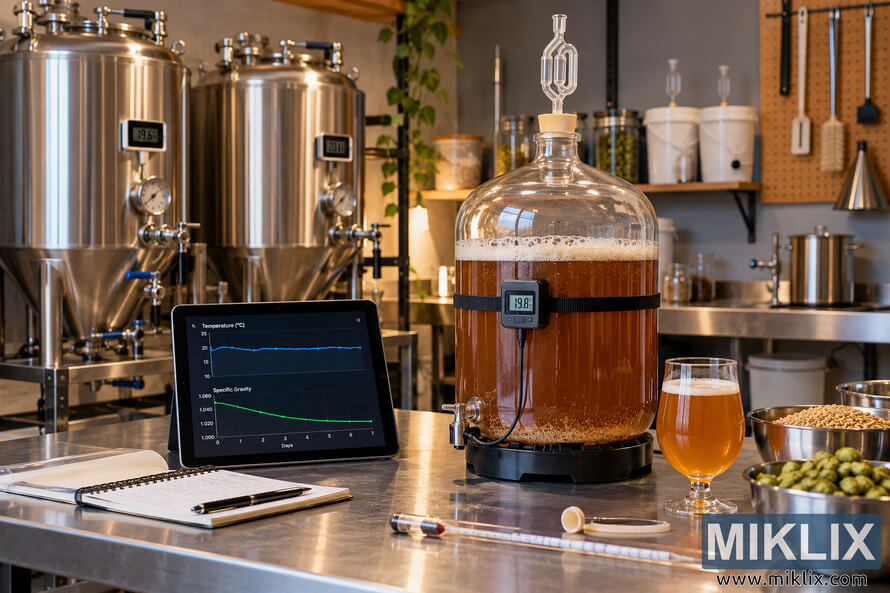
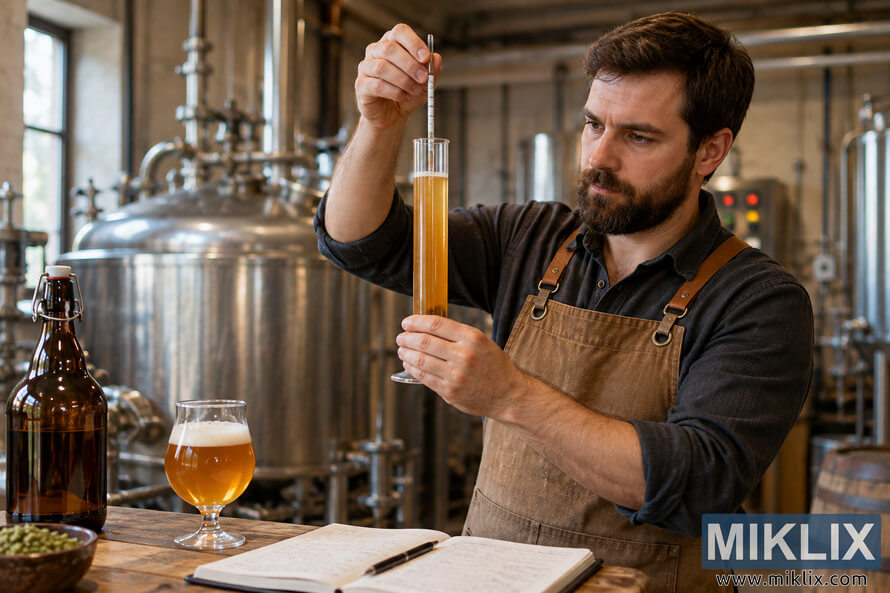
Track fermentation with regular gravity readings. Take the first reading 24 hours after pitching. Check gravity every two to three days during active fermentation.
Record your observations in a brewing journal. Note temperature, gravity readings, and visible activity. This data helps you recognize normal fermentation patterns and identify potential problems early.
Click or tap the image for more information and higher resolutions.
Packaging Considerations
Belgian ales require proper carbonation levels. Most Belgian styles work well at 2.5 to 3.0 volumes of CO2. Higher carbonation enhances the beer's character and mouthfeel.
Bottle conditioning produces authentic Belgian carbonation. Prime with appropriate amounts of priming sugar. Store bottles at room temperature for two to three weeks. Belgian yeast continues working during conditioning, creating fine carbonation.
| Beer Style | Target Gravity | Fermentation Temp | Carbonation Level | Conditioning Time |
| Belgian Witbier | 1.044-1.052 | 66-72°F | 2.5-3.0 vol CO2 | 2-3 weeks |
| Belgian Saison | 1.048-1.065 | 70-78°F | 2.8-3.5 vol CO2 | 3-4 weeks |
| Belgian Abbey Style Ale | 1.060-1.080 | 66-72°F | 2.5-3.0 vol CO2 | 3-4 weeks |
| Belgian Strong Ale | 1.070-1.095 | 68-75°F | 2.3-2.8 vol CO2 | 4-6 weeks |
Aging and Storage
Belgian ales improve with age when stored properly. Keep bottled beer in a cool, dark location. Temperatures between 50-60°F work well for extended aging.
Higher alcohol Belgian styles benefit from months of conditioning. The beer mellows and flavors integrate over time. Abbey style ales and strong ales reach peak quality after three to six months.
Troubleshooting Common Issues
Recognize and address fermentation problems quickly. Slow fermentation start may indicate insufficient yeast cell count or low pitch temperature. Increase yeast amount or verify wort temperature before pitching.
Excessive ester production comes from high fermentation temperatures. Lower temperature to the middle of the recommended range. Harsh phenolic character indicates temperature spikes or stressed yeast. Maintain stable conditions throughout fermentation.
Best Practices Summary
- Use fresh yeast stored at proper temperature
- Maintain stable fermentation temperature throughout
- Provide adequate yeast nutrient for healthy fermentation
- Allow sufficient conditioning time before packaging
- Monitor fermentation progress with regular readings
- Practice strict sanitation procedures
Common Mistakes to Avoid
- Pitching yeast into excessively hot wort
- Insufficient wort aeration before fermentation
- Temperature fluctuations during fermentation time
- Bottling before fermentation fully completes
- Using old or improperly stored yeast
- Inadequate sanitation of equipment
Advanced Brewing Techniques with Belgian Style Blend
Experienced brewers can push this strain further with advanced techniques. These methods create more complex beers or target specific flavor profiles.
Multi-Stage Fermentation
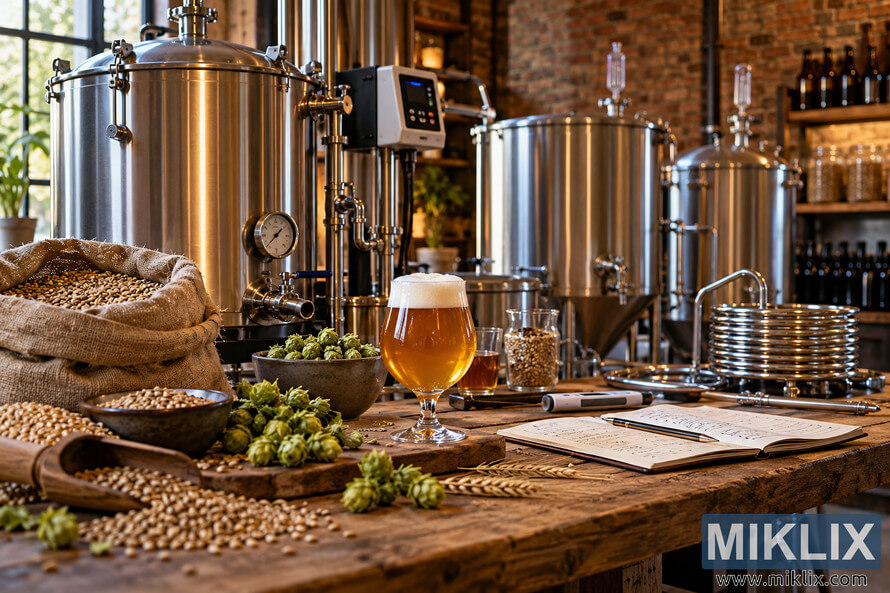
Temperature ramping during fermentation develops layered character. Start at 66°F for clean initial fermentation. Raise temperature by 2°F every day until reaching 74°F. This gradual increase builds complexity while maintaining balance.
Secondary fermentation on fruit or spices enhances Belgian character. Transfer beer to secondary vessel after primary fermentation completes. Add fruit puree or whole spices. Allow two to three weeks for flavor integration.
Click or tap the image for more information and higher resolutions.
Blending Different Batches
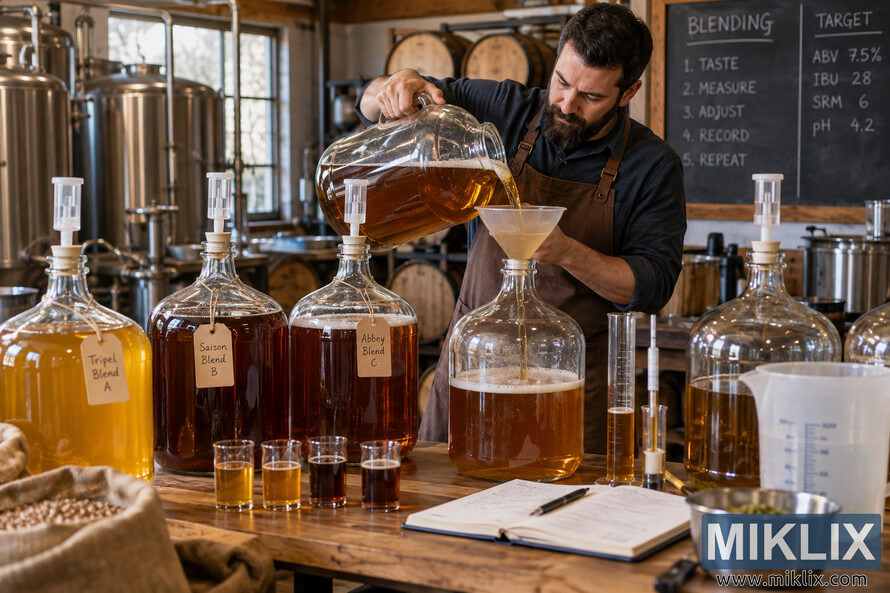
Creating custom blends produces unique beers. Brew separate batches at different temperatures. Blend portions together at packaging time. This technique mimics traditional Belgian brewing methods.
Experiment with different strain combinations. Ferment one batch with Wyeast 3789-PC Belgian Style Blend and another with Wyeast 1214 Belgian Abbey yeast. Blend the finished beers in varying ratios to find your preferred balance.
Click or tap the image for more information and higher resolutions.
High-Gravity Belgian Brewing
This strain handles high alcohol beers effectively. Build a yeast starter for beers above 1.070 original gravity. Use double the normal yeast amount for beers above 1.085.
Step-feeding sugar helps yeast manage high-gravity fermentation. Add Belgian candi sugar in multiple doses rather than all at once. This technique reduces yeast stress and improves attenuation in strong ales.
Frequently Asked Questions About Wyeast 3789-PC
How long does Wyeast 3789-PC Belgian Style Blend remain viable?
Liquid yeast maintains viability for approximately four months when stored properly in refrigeration. Check the manufacturing date on the package. Yeast older than two months benefits from a starter to increase cell count. Always verify the package swells when activated before pitching.
Can I use this yeast strain for Belgian witbier?
Yes, this strain works excellently for Belgian witbier. Ferment at the lower end of the temperature range around 66-68°F. The moderate ester and phenol production complements traditional witbier spices. The result is authentic Belgian white ale character with balanced complexity.
What is the difference between Wyeast 3789-PC and other Belgian strains?
Wyeast 3789-PC Belgian Style Blend provides balanced character between fruity and spicy notes. Compared to Wyeast 3522 Belgian Ardennes which produces more phenolic spice, this blend offers moderate character. White Labs WLP550 creates higher ester levels. The 3789-PC blend suits brewers seeking traditional balanced Belgian ale profile.
Do I need to make a yeast starter?
A starter improves results but is not always required. Fresh yeast less than one month old can be direct-pitched into beers below 1.060 gravity. Beers above 1.060 or yeast older than one month benefit from a starter. High-gravity beers above 1.075 always require a starter for adequate cell count.
Why is ice pack insulated shipping important for liquid yeast?
Liquid yeast viability decreases rapidly at high temperatures. Ice pack insulated shipping maintains cold temperature during transit. This protection ensures healthy yeast arrives ready to ferment. Warm shipping conditions reduce cell count and affect fermentation performance. Always choose ice pack shipping when ordering during warm months.
Can I reuse yeast harvested from previous batches?
Belgian yeast strains can be reused for multiple generations. Harvest yeast from clean fermentations without contamination. Store under sterile beer or water in refrigeration. Use within two to three weeks. The strain maintains its character through five to six generations before showing changes in performance.
Conclusion
Successfully brewing authentic Belgian ales requires understanding your yeast strain thoroughly. Wyeast 3789-PC Belgian Style Blend delivers reliable performance across multiple Belgian beer styles. The balanced ester and phenol production creates classic Belgian character that beer enthusiasts appreciate.
Temperature management remains the most critical factor for achieving desired flavor profiles. Fermenting within the 64-78°F range allows you to target specific style characteristics. Lower temperatures produce cleaner abbey style ales while higher temperatures develop pronounced saison character.
Proper yeast handling and fermentation practices ensure consistent results. Fresh liquid yeast stored correctly and pitched at adequate volumes creates healthy fermentation. Monitoring fermentation progress and maintaining stable conditions throughout the process produces better beer quality.
The techniques covered in this guide provide a foundation for brewing excellent Belgian ales. Whether you brew Belgian witbier, Belgian saison, or Belgian abbey style ale, this yeast strain delivers authentic character. Attention to detail in temperature control, sanitation, and conditioning separates good beers from exceptional ones.
Start your next Belgian ale with confidence using these proven methods. Experiment with different fermentation temperatures to discover your preferred flavor balance. With practice and proper technique, you will consistently produce Belgian beers that rival commercial examples.
Click or tap the image for more information and higher resolutions.
Further Reading
If you enjoyed this post, you may also like these suggestions:
- Fermenting Beer with Fermentis SafAle S-04 Yeast
- Fermenting Beer with Lallemand WildBrew Philly Sour Yeast
- Fermenting Beer with Lallemand Sourvisiae Yeast