
Hops in Beer Brewing: Alliance
Objavljeno:
Posljednje ažurirano: 14. septembar 2026. u 20:35:59 UTC
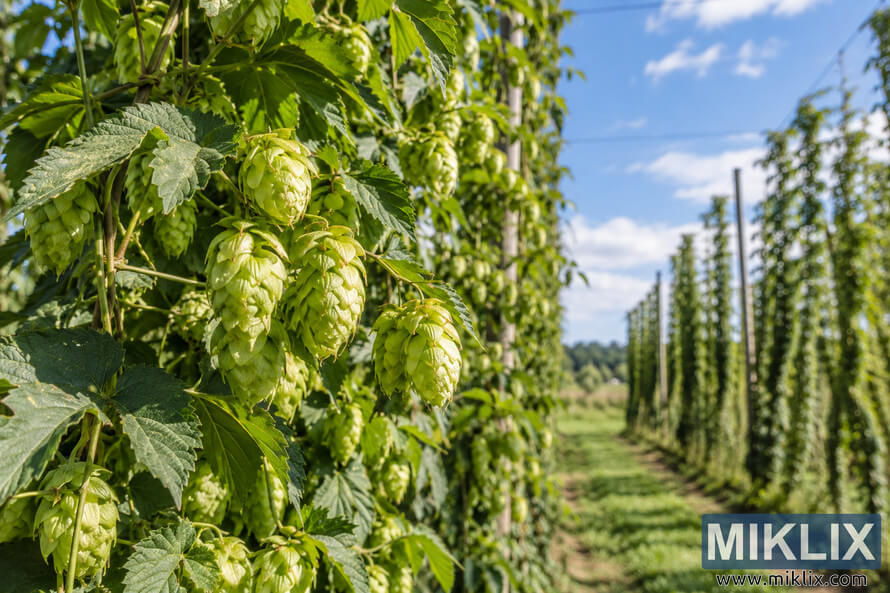
Alliance hops represent one of Michigan's finest contributions to American craft brewing. This dual-purpose hop variety brings unique characteristics that homebrewers can harness to create exceptional beers.
Hops in Beer Brewing: Alliance
Kliknite ili dodirnite sliku za više informacija i veće rezolucije.
Whether you're planning your next IPA or exploring new beer styles, understanding how to work with Alliance hops will elevate your homebrewing game. This guide provides everything you need to brew confidently with this versatile hop.
Understanding Alliance Hops: Origins and Characteristics
Alliance hops originated from a breeding program at Washington State University. Released in 1996, this variety quickly gained recognition for its balanced profile. The Michigan Hop Alliance later championed this hop, establishing it as a signature variety in the Great Lakes region.
This hop variety descends from Brewer's Gold parentage. It combines old-world brewing tradition with new-world innovation. Growers appreciate Alliance for its disease resistance and reliable yield.
Alpha and Beta Acid Profile
Alliance hops typically measure between 6-9% alpha acids. This moderate range makes them suitable for both bittering and aroma applications. Beta acids range from 3.5-5%, contributing to overall bitterness stability.
The balanced acid profile allows flexibility in your brewing schedule. You can add Alliance hops at different boil times without overwhelming your beer. This versatility suits homebrewers working with smaller batch sizes.
Alliance Hop Advantages
- Moderate alpha acids perfect for dual-purpose brewing
- Clean bittering without harsh astringency
- Excellent storage stability
- Locally grown option supporting Michigan hop alliance
- Disease-resistant plants for hop growers
Considerations
- Less aromatic intensity than newer hop varieties
- Limited availability outside Michigan regions
- Subtle flavor profile requires proper technique
Kliknite ili dodirnite sliku za više informacija i veće rezolucije.
Flavor Profile and Aroma Characteristics
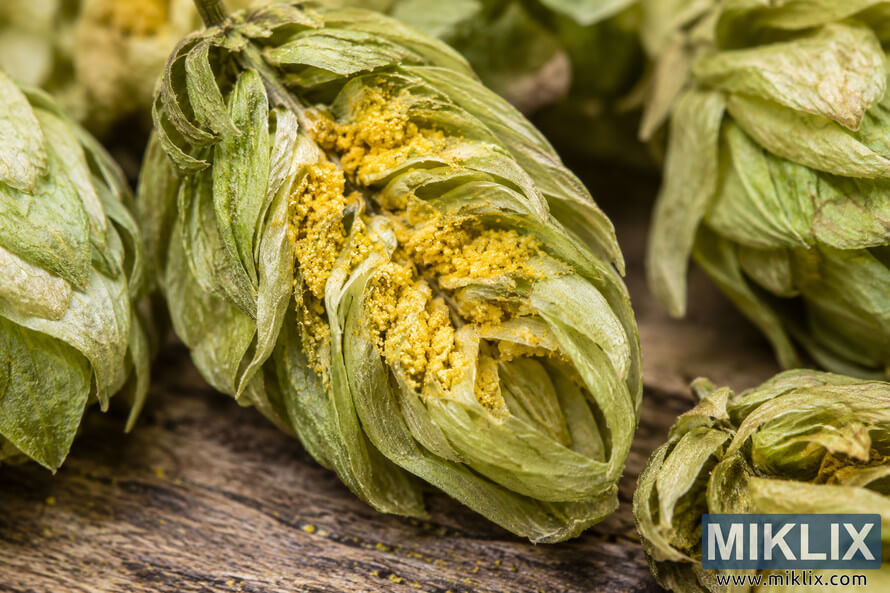
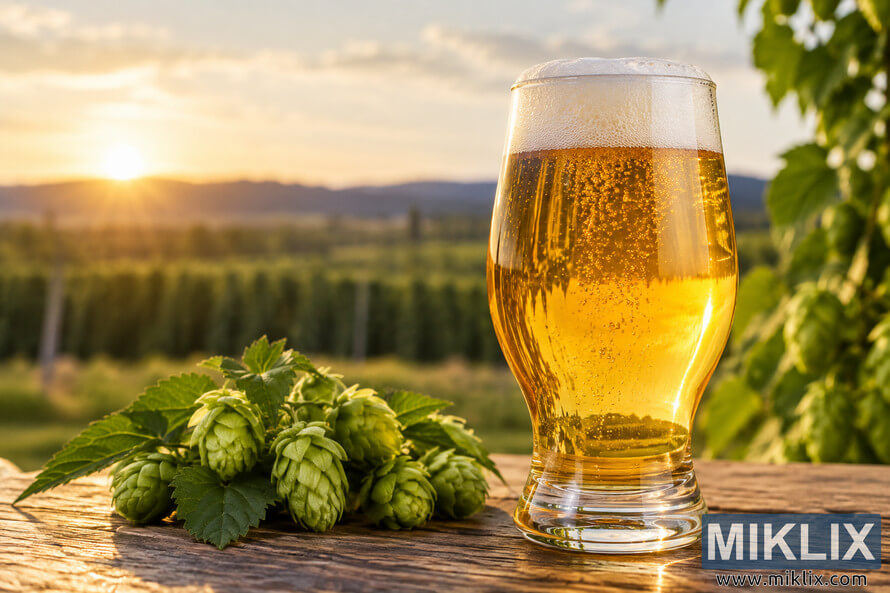
Alliance hops deliver a complex flavor spectrum. The primary notes include citrus, spice, and subtle floral elements. Many brewers detect grapefruit and lemon zest in beers featuring Alliance hops.
The hop also presents herbal qualities reminiscent of traditional European varieties. This makes Alliance excellent for American interpretations of classic styles. The spice character leans toward black pepper and subtle earthy tones.
Kliknite ili dodirnite sliku za više informacija i veće rezolucije.
Sensory Evaluation in Finished Beer
In finished beer, Alliance hops contribute moderate bitterness. The bitterness quality remains clean without lingering harshness. This characteristic supports drinkability across multiple servings.
Aroma intensity falls in the moderate range. Late hop additions and dry hopping amplify the citrus and floral notes. The hop alliance between flavor and aroma makes this variety excellent for session beers.
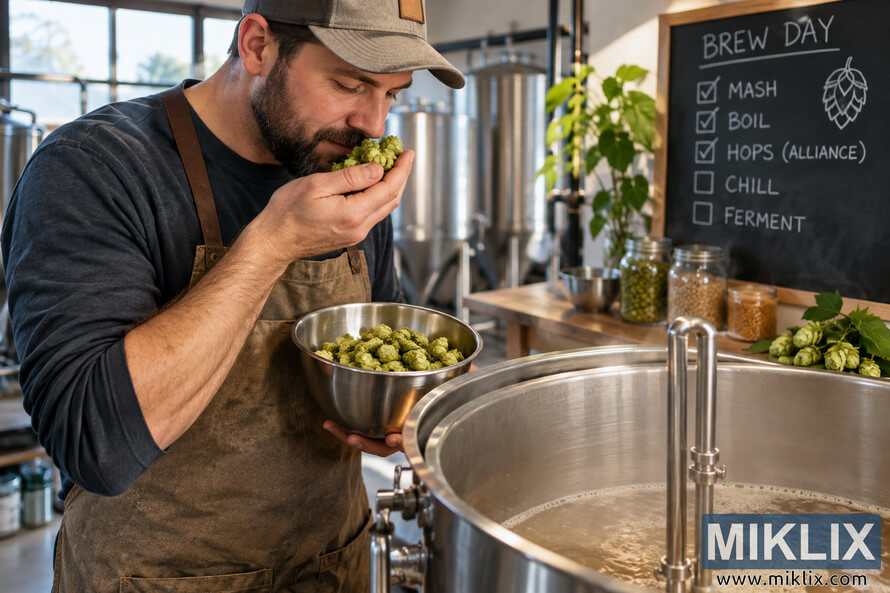
Tasting Note: Professional brewers describe Alliance as delivering "balanced citrus with earthy undertones and a clean bitter finish." The hop works beautifully in beers where you want hop character without overwhelming malt.
Kliknite ili dodirnite sliku za više informacija i veće rezolucije.
Recommended Beer Styles for Alliance Hops
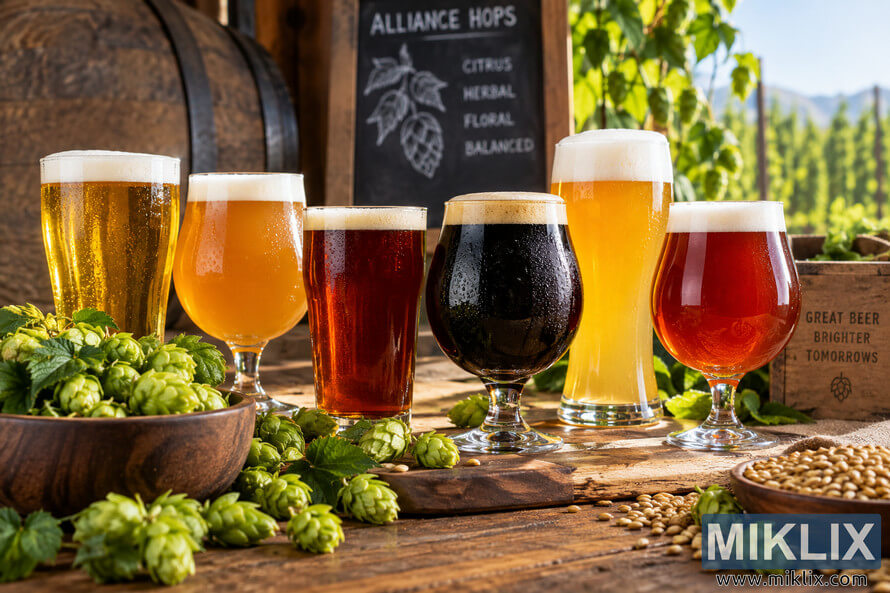
Alliance hops shine in specific beer styles. Understanding which styles complement this hop variety helps you plan successful brews. The moderate alpha acid content suits both traditional and modern approaches.
Kliknite ili dodirnite sliku za više informacija i veće rezolucije.
American Pale Ale and IPA
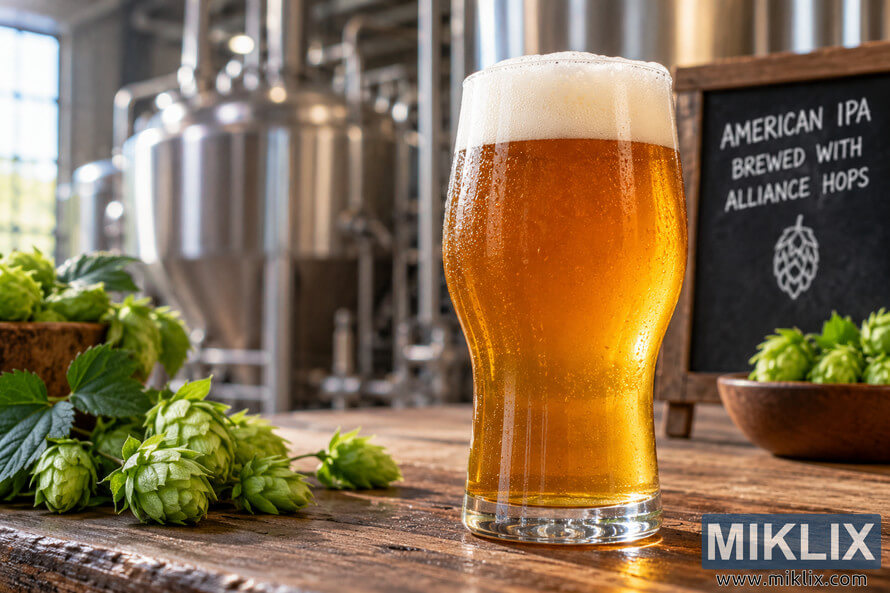
American Pale Ales benefit tremendously from Alliance hops. The citrus character complements pale malt sweetness. Use Alliance as a single hop or blend it with more pungent varieties.
For IPAs, Alliance works best in supporting roles. The clean bitterness provides structure while flashier hops deliver aroma. Some brewing company operations use Alliance for bittering additions in flagship IPAs.
Kliknite ili dodirnite sliku za više informacija i veće rezolucije.
Lagers and Pilsners
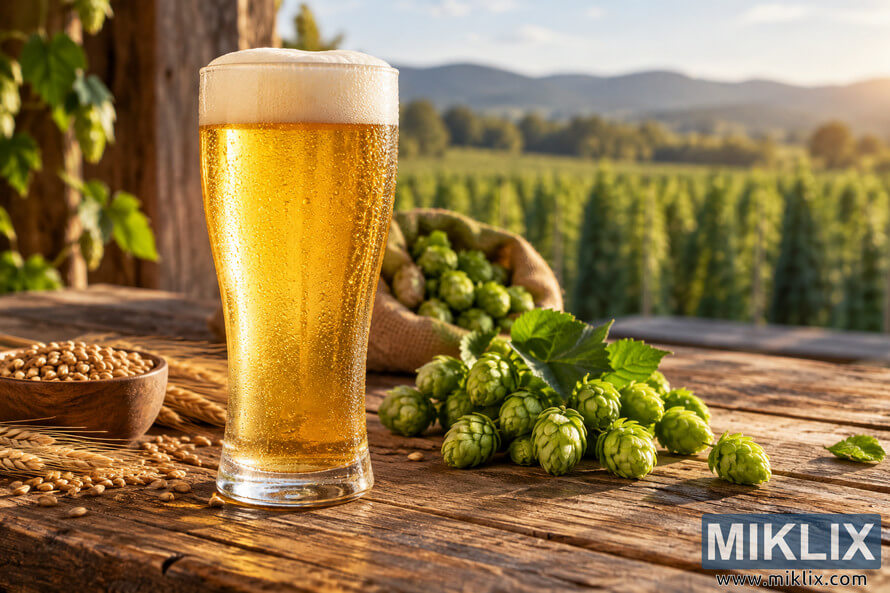
Alliance hops excel in lager brewing. The clean bitterness mirrors noble hop characteristics. Many homebrewers substitute Alliance in German-style Pilsners with excellent results.
The subtle spice notes complement malt-forward lagers beautifully. Consider Alliance for Munich Helles or even Oktoberfest styles. The hop won't overpower delicate malt flavors.
Kliknite ili dodirnite sliku za više informacija i veće rezolucije.
Belgian and Wheat Beers
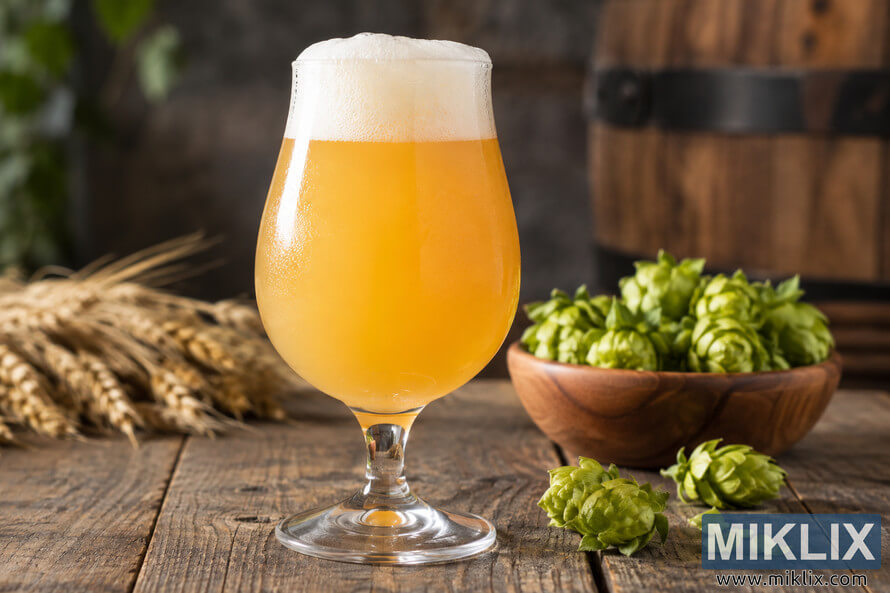
Belgian ales embrace Alliance hops surprisingly well. The herbal qualities harmonize with Belgian yeast phenolics. Try Alliance in Belgian Blonde Ales or Saisons.
Wheat beers also benefit from this hop variety. The citrus notes enhance wheat tartness. American Wheat Ales particularly showcase Alliance characteristics alongside wheat malt sweetness.
Kliknite ili dodirnite sliku za više informacija i veće rezolucije.
Session and Specialty Beers
Session beers represent ideal territory for Alliance hops. The moderate alpha acids allow generous hop additions without excessive bitterness. You can create flavorful beers under 5% ABV.
Specialty styles including Cream Ales and Kölsch-style beers also work wonderfully. The hop provides just enough character without dominating the style. This restraint proves essential in delicate beer styles.
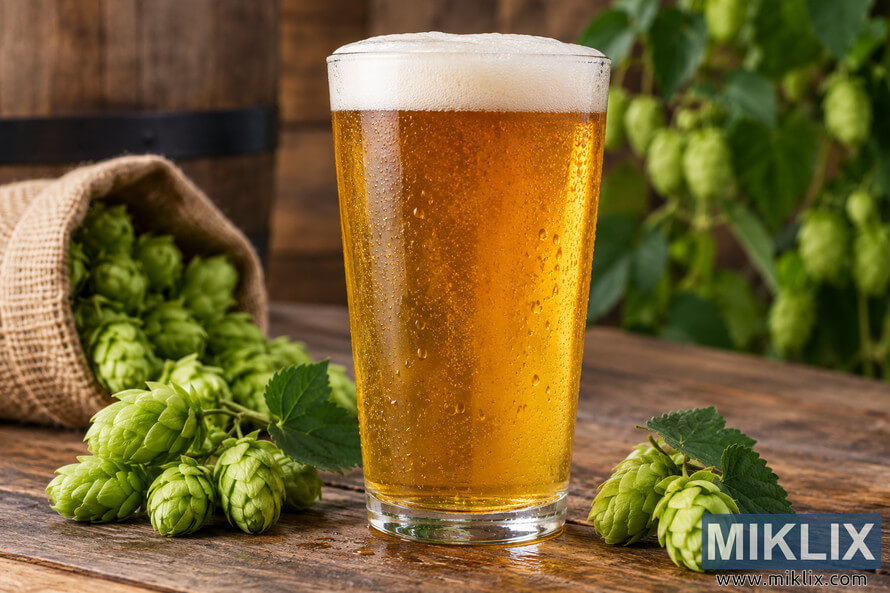
Pale Ales and IPAs
- American Pale Ale
- Session IPA
- American IPA (bittering)
- Blonde Ale
Kliknite ili dodirnite sliku za više informacija i veće rezolucije.
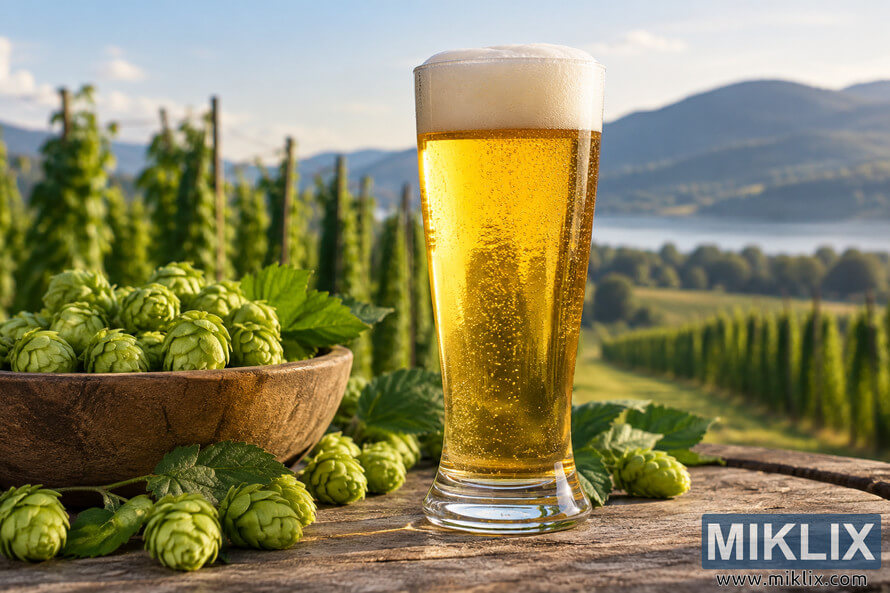
Lagers and Pilsners
- German Pilsner
- Munich Helles
- Vienna Lager
- Cream Ale
Kliknite ili dodirnite sliku za više informacija i veće rezolucije.
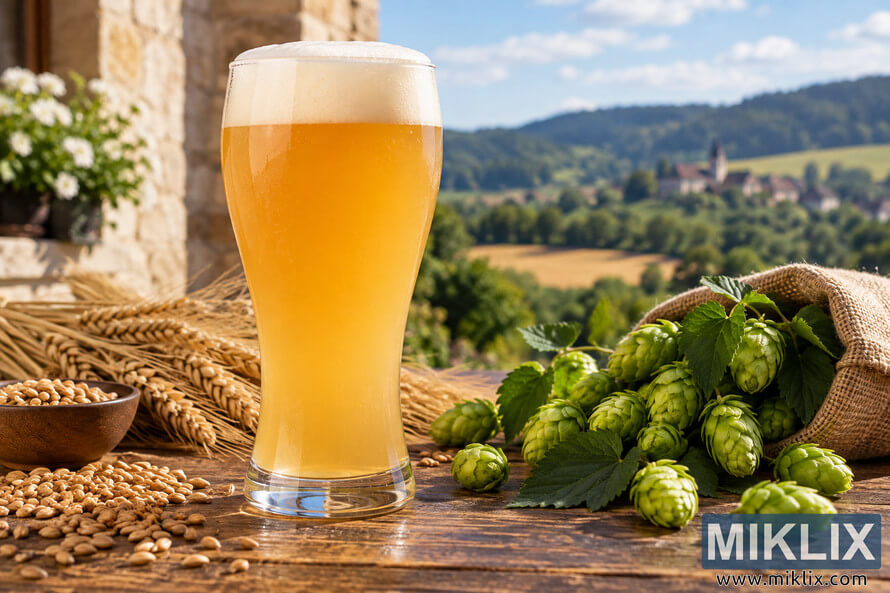
Belgian and Wheat
- Belgian Blonde
- Saison
- American Wheat
- Witbier
Kliknite ili dodirnite sliku za više informacija i veće rezolucije.
Brewing Techniques and Best Practices for Homebrewers
Successful brewing with Alliance hops requires understanding proper techniques. The hop responds well to various addition schedules. Your brewing method significantly impacts the final flavor profile.
Bittering Additions
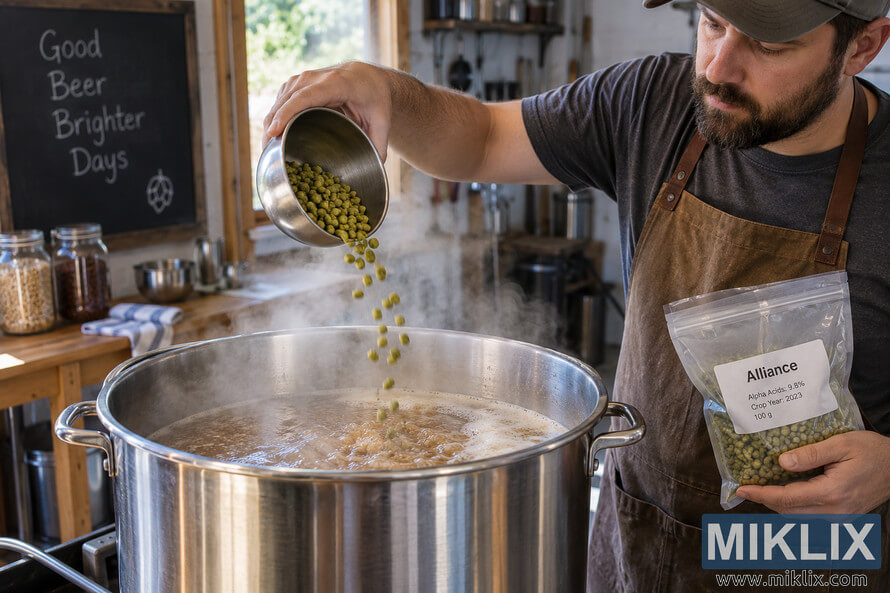
For bittering, add Alliance hops at the start of your boil. A 60-minute addition extracts maximum alpha acids. Calculate your additions using standard brewing software for accuracy.
The clean bitterness develops without harsh edges. Unlike some high-alpha varieties, Alliance won't produce vegetal notes. This makes it forgiving for homebrewers still mastering hop calculations.
Kliknite ili dodirnite sliku za više informacija i veće rezolucije.
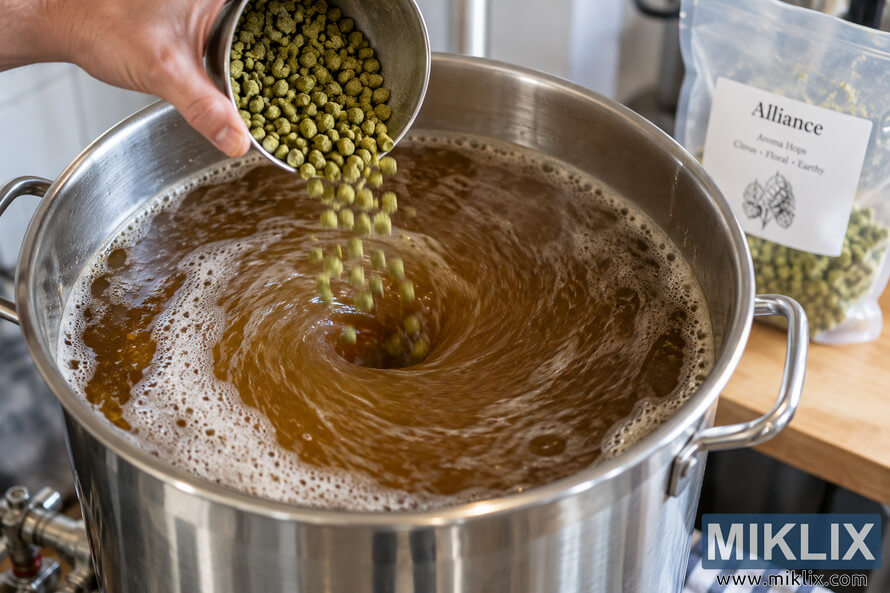
Flavor and Aroma Additions
Flavor additions work best between 15-30 minutes before boil end. This timing preserves essential oils while developing hop flavor. The citrus character emerges prominently with proper timing.
Aroma additions should occur in the final 5 minutes or at flameout. Steep the hops for 10-15 minutes before cooling. This technique maximizes aroma retention in your finished beer.
Kliknite ili dodirnite sliku za više informacija i veće rezolucije.
Dry Hopping Strategies
Dry hopping amplifies Alliance hop aroma significantly. Add 1-2 ounces per 5-gallon batch during active fermentation. The CO2 production helps extract aromatics while scrubbing harsh compounds.
Extended dry hop contact time benefits Alliance varieties. Leave the hops in the fermenter for 5-7 days. Some homebrewers report optimal results with a 3-day primary dry hop followed by a 3-day secondary addition.
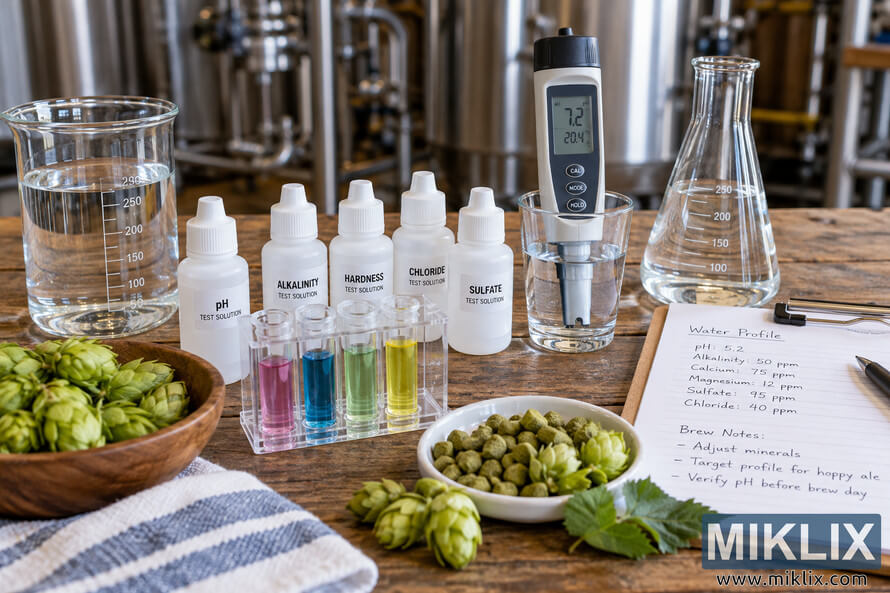
Water Chemistry Considerations
Water chemistry impacts how Alliance hops express themselves. Moderate sulfate levels (150-200 ppm) enhance hop character. Keep chloride lower to avoid soft bitterness that muddles hop perception.
The balance between water and hops matters significantly. If you have soft water, consider adding gypsum. Hard water brewers might need to cut their water with distilled or RO water.
Kliknite ili dodirnite sliku za više informacija i veće rezolucije.
Temperature Management
Fermentation temperature affects hop expression dramatically. For ales using Alliance hops, ferment at the lower end of your yeast's range. This preserves delicate hop aromatics while preventing fusels.
Cold-side hop additions require different temperature strategies. If using a hop stand, aim for 170-180°F. Higher temperatures extract more bitterness; lower temperatures favor aroma.
Dosage Recommendations and IBU Calculations
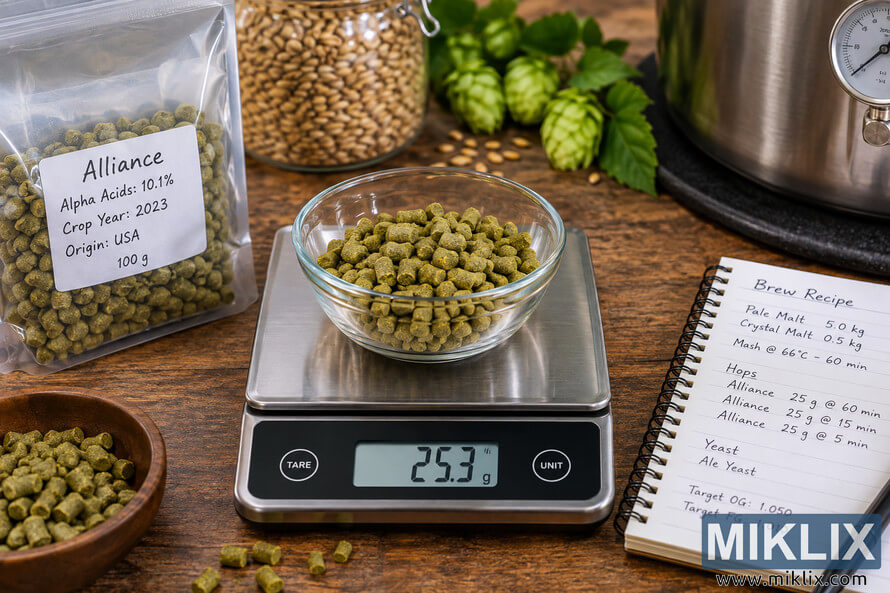
Proper hop dosage separates good beer from great beer. Alliance hops require careful measurement for optimal results. Understanding International Bitterness Units (IBU) helps you hit your target.
Kliknite ili dodirnite sliku za više informacija i veće rezolucije.
Standard Dosage Rates by Beer Style
Pale Ales typically use 1-1.5 ounces of Alliance hops per 5-gallon batch for bittering. Add another 1-2 ounces for late additions. This produces 30-40 IBU beers with balanced hop character.
IPAs require more generous amounts. Budget 2-3 ounces for bittering and 3-4 ounces for late/dry hop additions. This achieves 50-70 IBU while maintaining the hop alliance between bitterness and aroma.
| Beer Style | Bittering (60 min) | Flavor (15 min) | Aroma (5 min) | Dry Hop | Target IBU |
| American Pale Ale | 1.0 oz | 0.5 oz | 0.5 oz | 1.0 oz | 30-40 |
| Session IPA | 1.5 oz | 1.0 oz | 1.0 oz | 2.0 oz | 40-50 |
| American IPA | 2.0 oz | 1.5 oz | 1.5 oz | 3.0 oz | 50-70 |
| German Pilsner | 1.0 oz | 0.5 oz | 0.25 oz | 0 oz | 25-35 |
| Belgian Blonde | 0.75 oz | 0.5 oz | 0.25 oz | 0 oz | 20-30 |
| American Wheat | 0.5 oz | 0.5 oz | 0.5 oz | 0.5 oz | 15-25 |
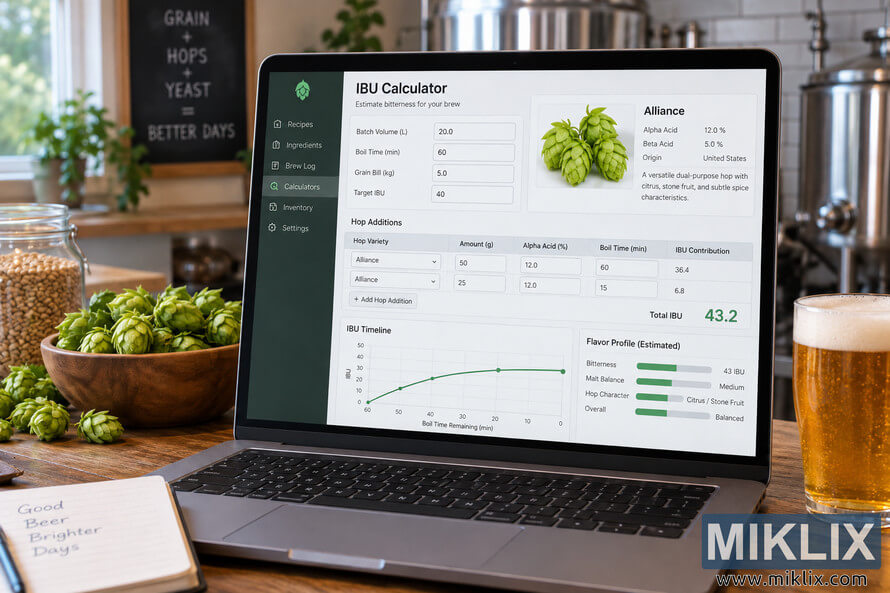
Calculating IBU for Your Recipe
IBU calculation requires knowing your hop's alpha acid percentage. Alliance hops typically range from 6-9% alpha acids. Always check your specific package for exact numbers.
Use the Tinseth formula for homebrewing calculations. Most brewing software includes this automatically. For a 5-gallon batch with 1 ounce of 7.5% alpha Alliance at 60 minutes, expect approximately 25-28 IBU.
Kliknite ili dodirnite sliku za više informacija i veće rezolucije.
Adjusting for Batch Size
Scaling recipes requires proportional hop adjustments. Double your batch size means doubling your hop amounts. However, some brewers reduce late additions slightly in larger batches to avoid over-hopping.
Smaller batches under 3 gallons need special attention. Hop utilization can vary in small kettles. Consider reducing bittering hops by 10-15% and adjusting based on tasting results.
Fresh vs. Aged Hops
Fresh Alliance hops deliver peak performance. Check the harvest date on your package. Hops lose alpha acids over time even with proper storage.
Aged hops require dosage increases. Add 10-20% more hops if they're over a year old. The Michigan hop alliance emphasizes using current-year hops whenever possible for best results.
Storage Warning: Store Alliance hops in oxygen-barrier bags in your freezer. Exposure to oxygen and warmth degrades alpha acids rapidly. Vacuum-sealed hops maintain quality for 2-3 years when frozen.
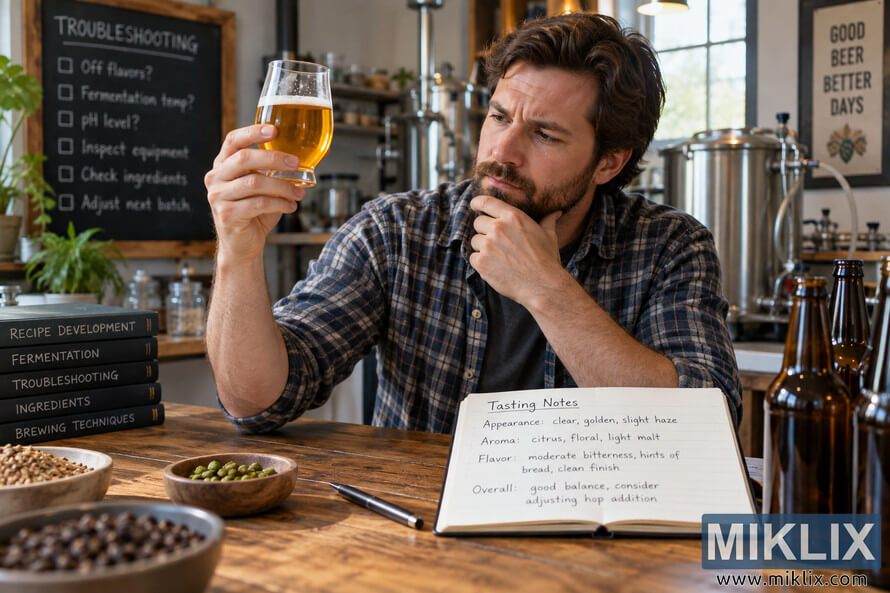
Troubleshooting Common Issues with Alliance Hops
Even experienced brewers encounter challenges. Understanding common problems helps you adjust quickly. Alliance hops present specific considerations worth noting.
Kliknite ili dodirnite sliku za više informacija i veće rezolucije.
Insufficient Hop Character
Weak hop presence often results from insufficient late additions. Alliance requires generous aroma hop amounts compared to bittering. Increase your flameout and dry hop additions by 25-50%.
Old hops also contribute to weak character. Verify your hops' age and storage conditions. Switch to fresh hops if yours are over 18 months old.
Excessive Bitterness
Harsh bitterness usually stems from boil-over or timing errors. Double-check your boil times and ensure accurate measurements. Alliance typically produces clean bitterness, so harshness suggests technique issues.
High mineral content in water can accentuate bitterness. Test your water and adjust if sulfate levels exceed 250 ppm. Sometimes diluting with distilled water solves the problem.
Why does my beer taste grassy with Alliance hops?
Grassy flavors typically result from excessive dry hop contact time beyond 7-10 days or from using damaged hops. Alliance is actually resistant to grassy character compared to many varieties. Check your hops for brown discoloration indicating oxidation.
Can I substitute Alliance hops in recipes calling for other varieties?
Yes, Alliance works as a substitute for moderate-alpha American hops like Cascade or Centennial in bittering applications. For aroma, it substitutes reasonably for traditional European noble hops in German styles. Adjust quantities based on alpha acid percentages.
How do I maximize citrus character from Alliance hops?
Focus on late additions and dry hopping. Use a 170°F whirlpool addition for 20 minutes, then dry hop during active fermentation. The combination of techniques extracts maximum citrus oils. Some brewers add a small amount of Cascade alongside Alliance to amplify citrus.
Inconsistent Results Between Batches
Batch variation often traces to inconsistent processes. Document your procedures carefully for each brew. Small changes in boil vigor or hop addition time create noticeable differences.
Different hop lots vary in alpha acid content. Always recalculate your recipe when opening a new bag. The Michigan hop variety shows relatively stable alpha acids, but individual packages differ.
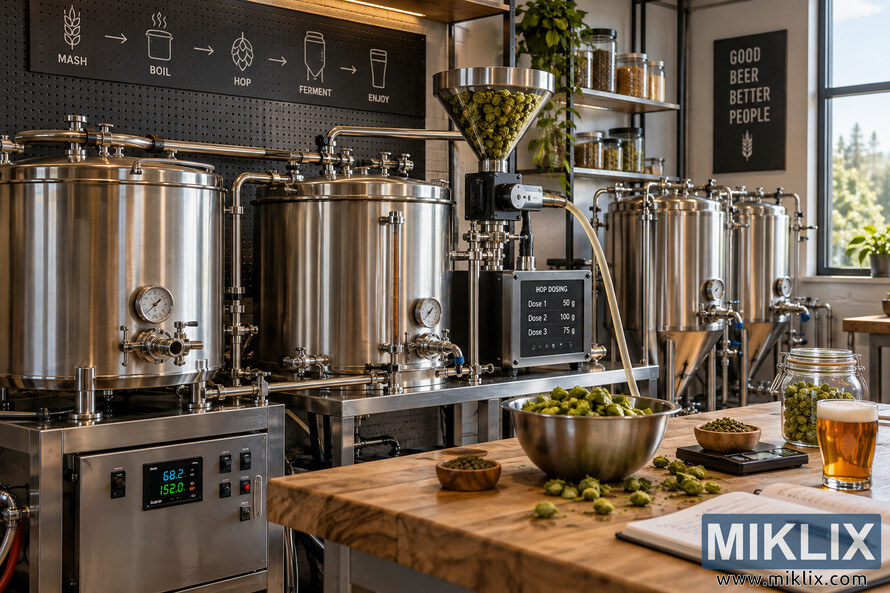
Advanced Techniques for Experienced Homebrewers
Once you master basic Alliance hop brewing, advanced techniques unlock new potential. These methods require more equipment and experience but deliver exceptional results.
Kliknite ili dodirnite sliku za više informacija i veće rezolucije.
Hop Bursting Techniques
Hop bursting concentrates additions late in the boil. Instead of a 60-minute addition, use all your hops in the final 20 minutes. This maximizes flavor while minimizing harsh bitterness.
For Alliance hops, try 4-6 ounces total in a 5-gallon batch. Add half at 20 minutes, half at flameout. The technique works brilliantly in IPAs and Pale Ales.
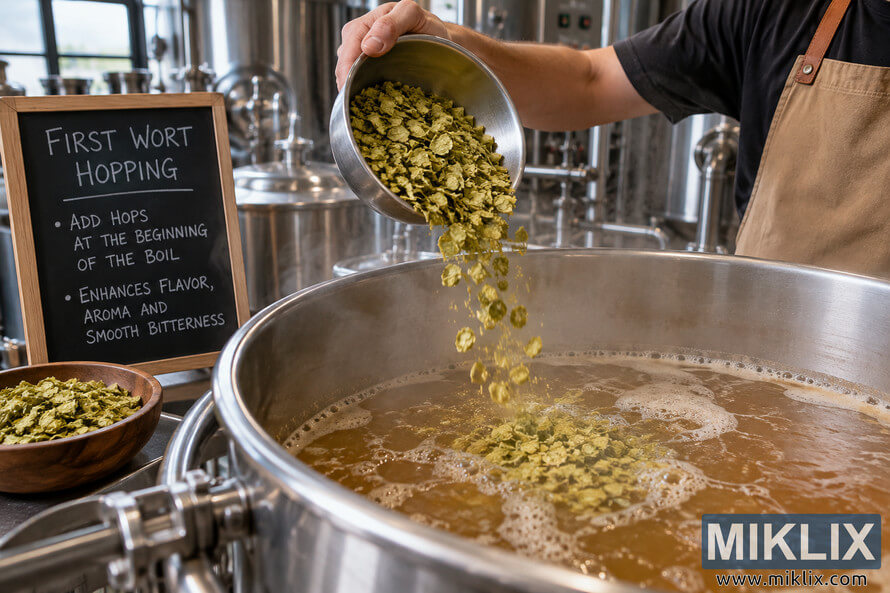
First Wort Hopping
Add hops to your kettle as you begin sparging. This old brewing company technique extracts smooth, refined bitterness. Alliance hops excel in this application.
Use approximately 30% of your total hop bill for first wort hopping. The extended steep time below boiling temperatures preserves delicate aromatics while developing complex bitterness.
Kliknite ili dodirnite sliku za više informacija i veće rezolucije.
Randall and Hop Torpedos
Inline hop devices infuse beer with fresh hop character during serving. Fill a Randall with fresh Alliance hops and push beer through before pouring. The effect resembles super-fresh dry hopping.
This technique works best for special occasions and beer festival presentations. The hop flavor remains intense for several hours before declining. Expect to use 2-4 ounces per session.
Hop Water Extraction
Create hop tea by steeping Alliance hops in hot water. Add the strained liquid at bottling or kegging. This technique provides aroma without additional bitterness or alcohol extraction.
Use 1-2 ounces in 2 cups of 180°F water. Steep for 15 minutes, cool, and add to the fermenter. The hop character stays bright and fresh without grassy notes.
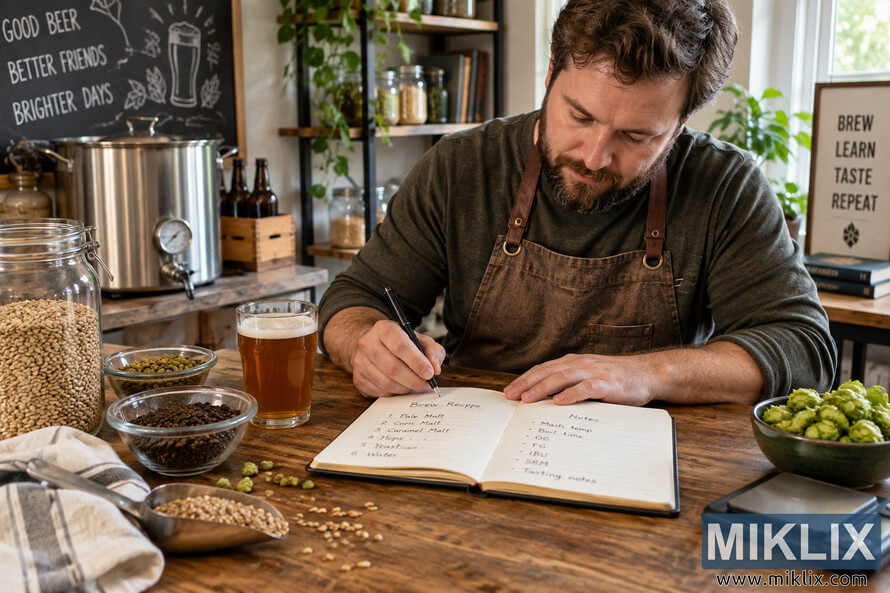
Building Your Own Alliance Hop Recipes
Creating original recipes showcases your brewing creativity. Alliance hops offer flexibility for recipe development. Understanding how to build balanced recipes ensures success.
Kliknite ili dodirnite sliku za više informacija i veće rezolucije.
Malt Bill Considerations
Pair Alliance hops with appropriate malt foundations. For hop-forward beers, use clean base malts like American 2-row. This lets Alliance characteristics shine without malt competition.
Caramel malts between 20-60L complement Alliance well. The toffee sweetness balances citrus bitterness. Avoid heavy crystal malts that might clash with hop character.
Yeast Selection
Choose clean-fermenting yeast strains for Alliance hop beers. American Ale yeasts (Chico/California) work excellently. They showcase hop character without competing esters.
For Belgian styles, select less phenolic strains. The hop and yeast should harmonize rather than compete. Saison yeasts with restrained phenolics pair nicely with Alliance spice notes.
Sample Recipe: Alliance Session IPA
- Batch Size: 5 gallons
- OG: 1.048 | FG: 1.010 | ABV: 5.0%
- IBU: 45 | SRM: 6
Grain Bill:
- 9 lbs American 2-row malt
- 8 oz Caramel 20L
- 8 oz Wheat malt
Hop Schedule (Alliance):
- 1.5 oz at 60 minutes
- 1 oz at 15 minutes
- 1 oz at flameout (15 min steep)
- 2 oz dry hop (5 days)
Yeast: US-05 or WLP001
Fermentation: 66°F for 10 days
Blending with Other Hop Varieties
Alliance plays well with complementary hops. Blend with Cascade for enhanced citrus. Mix with Centennial for additional floral complexity.
For European styles, combine Alliance with traditional noble hops. The blend creates unique American-German hybrids. Try 60% Alliance with 40% Hallertau for interesting Pilsners.
Seasonal Brewing Considerations
Seasonal factors affect how you brew with Alliance hops. Temperature, ingredient availability, and beer style preferences shift throughout the year. Planning around seasons optimizes your brewing.
Spring and Summer Brewing
Warm months favor lighter beer styles. Alliance shines in session beers perfect for outdoor drinking. Focus on wheat beers, Pilsners, and light Pale Ales.
Control fermentation temperatures carefully during summer. Alliance hop character degrades with hot fermentation. Invest in temperature control or brew lagers in naturally cool basements.
Fall and Winter Brewing
Fresh hop harvests occur in fall. This represents prime time for Alliance hop purchases. Buy your year's supply during September and October for peak freshness.
Cooler months suit darker beer styles. Use Alliance in Amber Ales, Brown Ales, and even hoppy Porters. The citrus notes create interesting contrasts with roasted malts.
Beer Festival Planning
Many beer festival events occur in summer and fall. Alliance hop beers work wonderfully for festival presentations. The approachable bitterness appeals to diverse palates.
Plan festival beers 4-6 weeks ahead. This timing ensures peak freshness. A well-made Alliance Pale Ale impresses judges and casual drinkers alike.
Kliknite ili dodirnite sliku za više informacija i veće rezolucije.
Your Journey with Alliance Hops Begins
Alliance hops offer homebrewers a versatile, forgiving variety that delivers consistent results. From crisp Pilsners to bold IPAs, this Michigan hop handles diverse styles with grace. The balanced profile suits both beginners learning hop techniques and advanced brewers exploring complex recipes.
Success with Alliance hops comes from understanding their characteristics and applying proper technique. Fresh hops, accurate measurements, and thoughtful timing create exceptional beer. The Michigan hop alliance between tradition and innovation makes this variety special.
Kliknite ili dodirnite sliku za više informacija i veće rezolucije.
Start with proven recipes, then experiment with your own formulations. Track your results, adjust techniques, and share experiences with fellow homebrewers. Every batch teaches valuable lessons that improve your craft.
Whether you're brewing your first Alliance hop beer or your fiftieth, this hop variety rewards attention to detail. The clean bitterness, pleasant citrus character, and reliable performance make Alliance a permanent fixture in many homebrewers' hop inventories.
Your next great beer awaits. Gather your ingredients, fire up your kettle, and discover what makes Alliance hops a brewing company favorite and homebrewer staple. The hop that built Michigan's craft brewing reputation stands ready to elevate your homebrew.
Kliknite ili dodirnite sliku za više informacija i veće rezolucije.
Dodatno čitanje
Ako vam se svidio ovaj post, možda će vam se svidjeti i ovi prijedlozi: