
Complete Guide to Growing Your Own Quince Trees
Avaldatud:
Viimati uuendatud: 5. märts 2026, kell 21:48:03 UTC
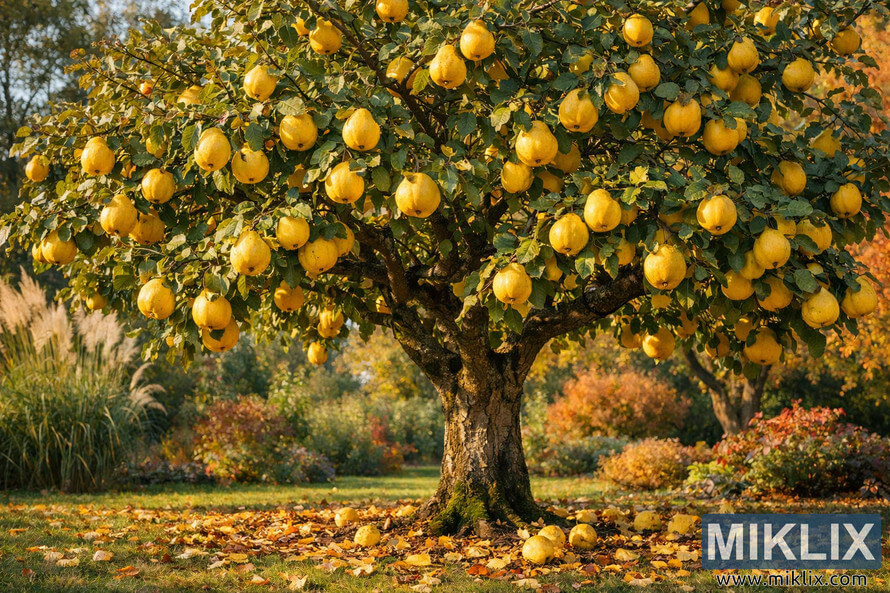
Growing your own quince tree brings unique rewards to any garden. This ancient fruit tree, known scientifically as Cydonia oblonga, produces aromatic golden fruits that have captivated gardeners for centuries. The quince belongs to the rose family and shares many characteristics with apples and other pome fruits.
Complete Guide to Growing Your Own Quince Trees
Klõpsake või koputage pildile, et saada lisateavet ja suuremat resolutsiooni.
While quince cannot be eaten raw due to its astringent quality, the fruit transforms into exceptional jellies, desserts, and preserves when cooked. The tree itself offers ornamental value beyond fruit production. Beautiful spring flowers appear before the leaves, and the twisted growth habit creates visual interest throughout the year.
This comprehensive guide covers everything from selecting the right variety to harvesting your first crop. Whether you plant your first small tree this season or already have established plants, these proven techniques will help you succeed.
What Makes Quince Special
Botanical Characteristics
The quince stands apart from other fruit trees in the rose family. These small trees typically reach 15 to 20 feet at maturity. The growth habit tends toward a shrub-like appearance with multiple trunks unless trained otherwise.
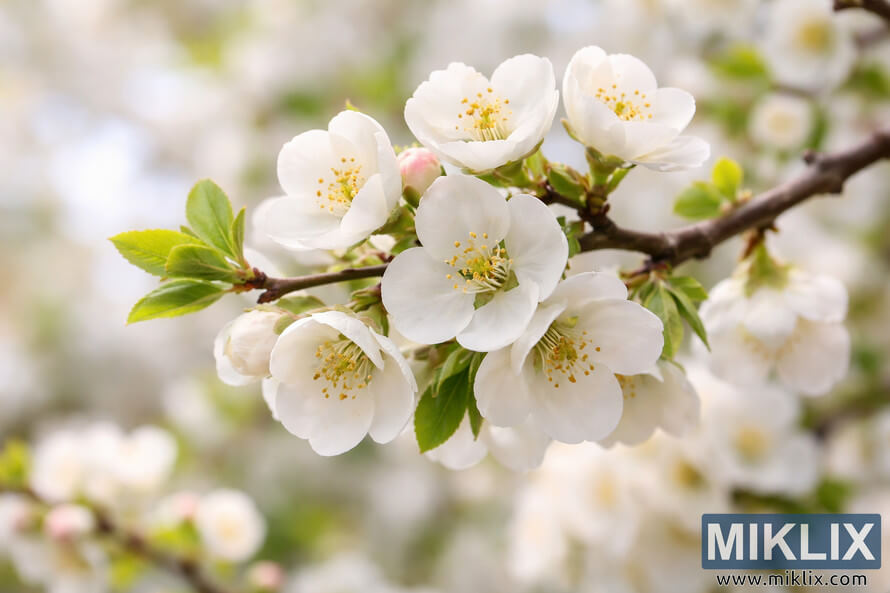
The plant produces large, solitary flowers in spring. These blooms measure up to two inches across and display white to pale pink petals. The flowering period lasts several weeks, making quince one attractive addition to the landscape.
Leaves emerge with a fuzzy, gray-green appearance in early spring. By summer, they mature to a darker green with a smooth upper surface. The distinctive foliage provides easy identification even when fruit is not present.
Klõpsake või koputage pildile, et saada lisateavet ja suuremat resolutsiooni.
Historical Significance and Uses
The quince has a rich history spanning thousands of years. Ancient civilizations in the Mediterranean region cultivated this fruit long before the common apple gained popularity. Historical records from Greece and Rome document quince used in wedding ceremonies and medicinal preparations.
During the medieval period, quince spread throughout Europe. The fruit became essential in cuisine across the continent. By the 18th century, colonists brought quince to the United States, where it gained commercial production status in several regions.
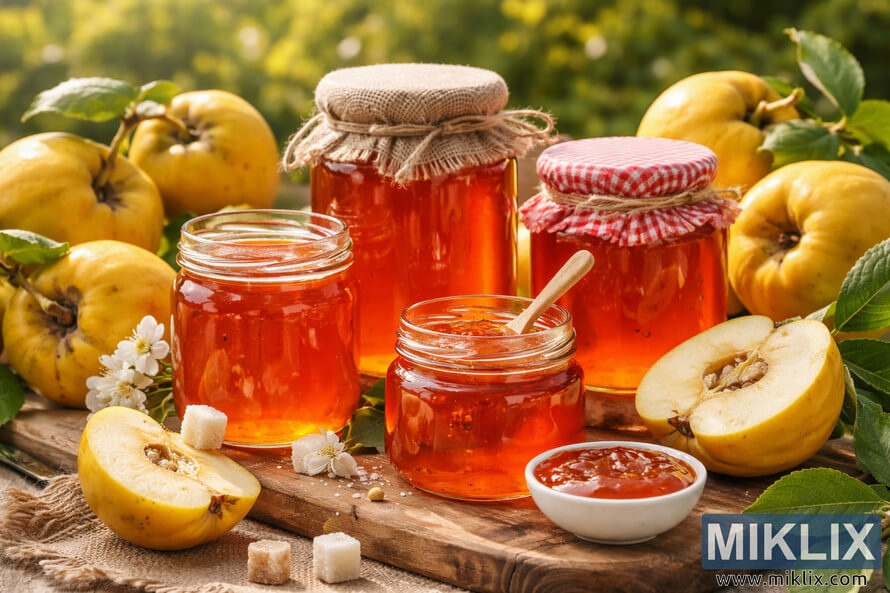
Today, quince finds primary use in cooking rather than fresh consumption. The fruit transforms from hard and astringent to soft and aromatic when heated. Popular preparations include:
- Quince jelly and preserves with exceptional flavor and aroma
- Membrillo (quince paste) popular in Spanish and Portuguese cuisine
- Poached quince as a dessert component
- Quince wine and liqueurs in specialty production
- Traditional remedies using quince seeds and fruit
Klõpsake või koputage pildile, et saada lisateavet ja suuremat resolutsiooni.
Nutritional and Dietary Value
The quince offers significant dietary benefits despite its limited fresh consumption. One medium fruit provides substantial dietary fiber, supporting digestive health. The fruit contains notable amounts of vitamin C, copper, and antioxidant compounds.
Quince seeds have historical use in traditional medicine. The mucilage from seeds creates a gel used in various preparations. However, the seeds contain compounds that require careful handling and should never be consumed whole or crushed.
Important Note: Quince fruit must be cooked before consumption. Raw quince has an unpleasant, astringent quality that makes it inedible. The cooking process develops the fruit's characteristic flavor, aroma, and sweetness while softening the tough flesh.
Choosing the Right Quince Variety for Your Garden
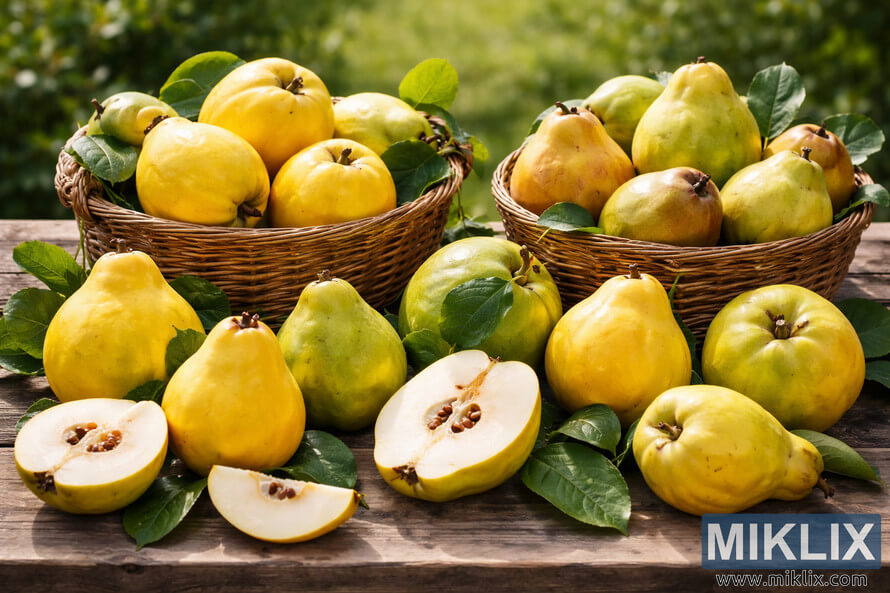
Selecting the appropriate variety determines your success with quince cultivation. Different types offer varying characteristics in terms of fruit size, tree habit, and climate adaptation. Understanding these differences helps match the right plant to your specific growing conditions.
Klõpsake või koputage pildile, et saada lisateavet ja suuremat resolutsiooni.
Popular Quince Varieties for Home Gardens
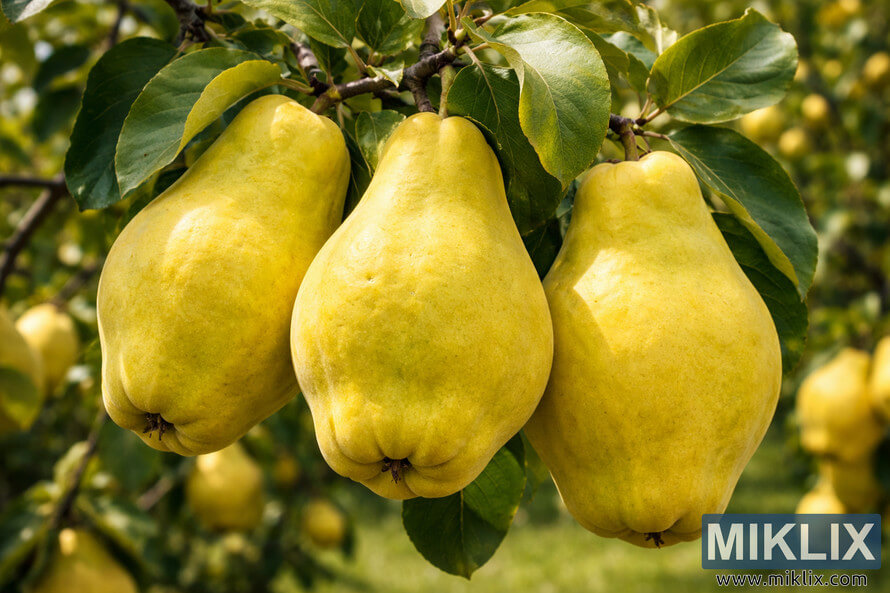
Champion
This variety ranks among the most popular for home production. Champion produces large, pear-shaped fruits with excellent flavor. The tree shows good disease resistance and adapts well to various climates across the United States.
Fruit ripens in mid to late autumn. Trees begin bearing within three to four years after planting. The variety performs reliably in zones 5 through 9.
Best for Beginners
Klõpsake või koputage pildile, et saada lisateavet ja suuremat resolutsiooni.
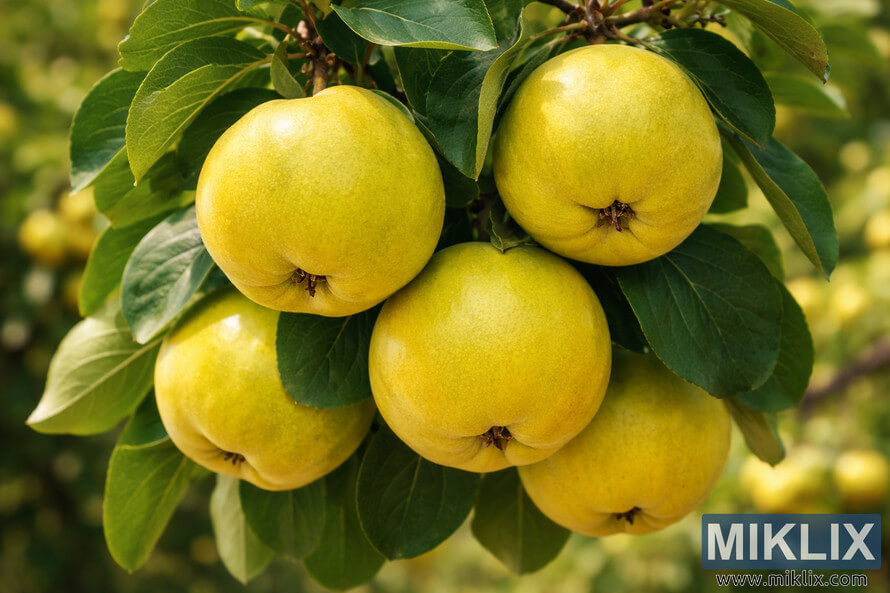
Smyrna
The Smyrna variety originates from Turkey and produces large, round fruits. This type shows exceptional quality for jelly and preserve making. The fruit has a particularly strong, pleasant aroma when ripe.
Trees grow vigorously and require regular pruning. Cold hardiness extends through zone 6. Fruit production begins in the fourth or fifth year after planting.
Klõpsake või koputage pildile, et saada lisateavet ja suuremat resolutsiooni.
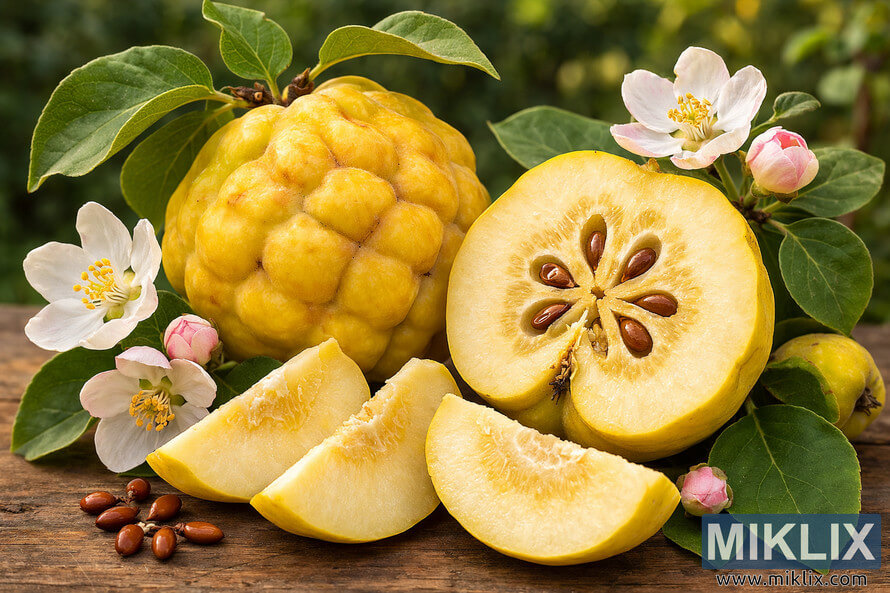
Pineapple
This variety earns its name from the subtle pineapple-like aroma in the cooked fruit. Pineapple quince produces medium-sized, round fruits with tender flesh. The variety excels for dessert preparations.
Trees maintain a more compact size compared to other varieties. This characteristic makes Pineapple suitable for smaller gardens. The variety shows good performance in zones 5 through 9.
Klõpsake või koputage pildile, et saada lisateavet ja suuremat resolutsiooni.
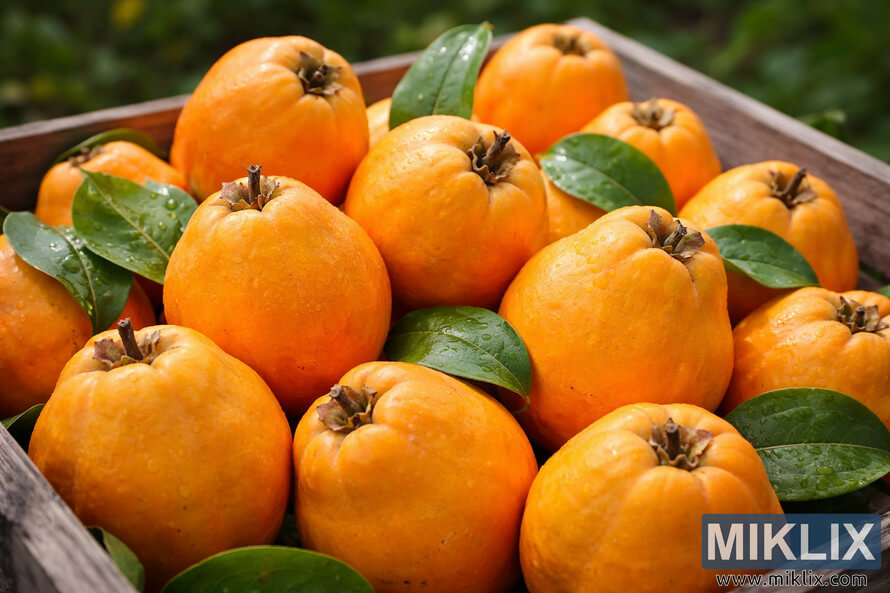
Orange
The Orange variety produces round, medium-sized fruits with golden-orange flesh when cooked. This type shows reliable production across a wide range of conditions. The fruit quality remains consistent from year to year.
Trees exhibit moderate vigor and respond well to training. Cold tolerance extends through zone 5. Orange quince begins bearing in the third or fourth year.
Klõpsake või koputage pildile, et saada lisateavet ja suuremat resolutsiooni.
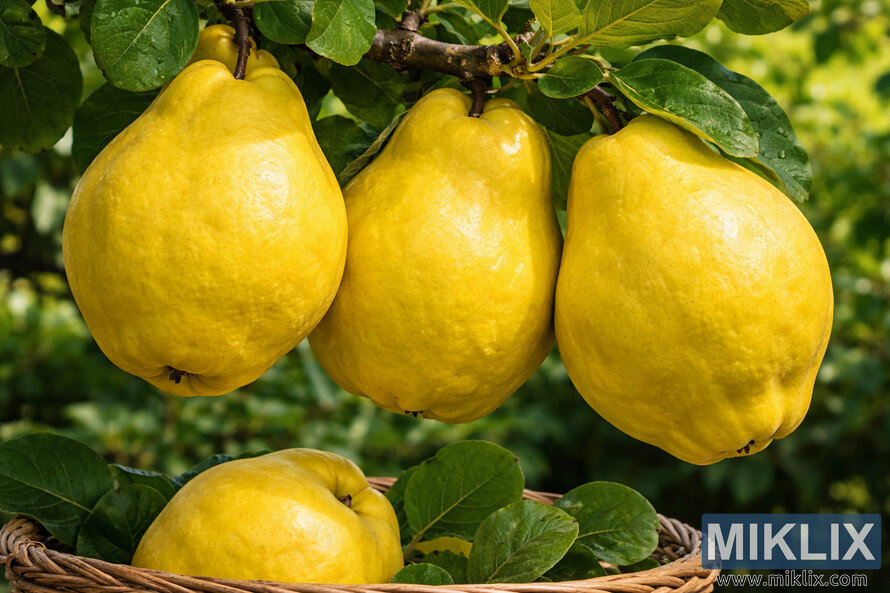
Cooke's Jumbo
This variety lives up to its name with exceptionally large fruits. Individual fruits often exceed one pound in weight. The size makes this variety particularly valued for cooking and preserving where yield matters.
Trees grow vigorously and require adequate space. The variety performs best in zones 6 through 9. Fruit production typically begins in the fourth year after planting.
Klõpsake või koputage pildile, et saada lisateavet ja suuremat resolutsiooni.
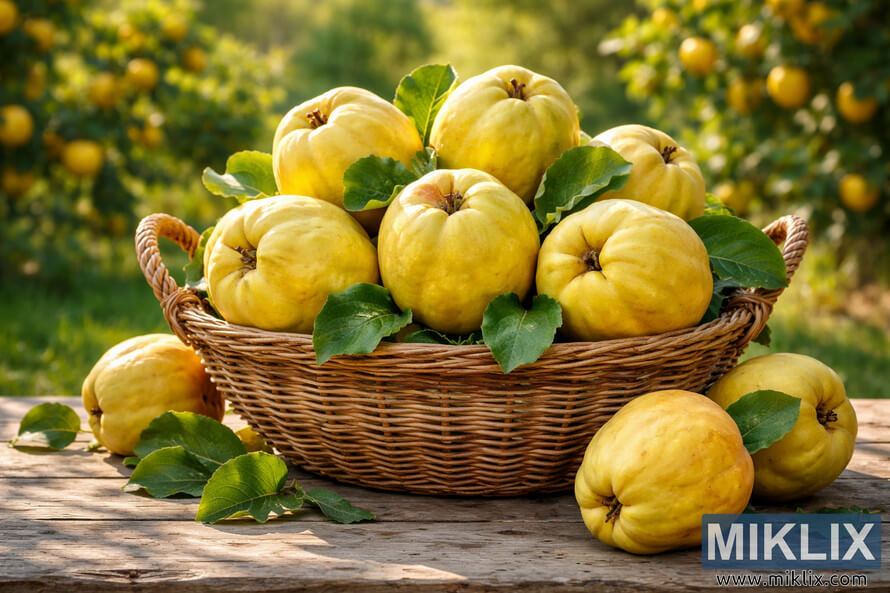
Aromatnaya
This variety originates from Russia and shows excellent cold hardiness. Aromatnaya produces medium to large, pear-shaped fruits with exceptional aroma. The variety tolerates harsh winter conditions better than most types.
Trees grow with good vigor and disease resistance. This variety extends quince growing into zone 4 in protected locations. Production begins in the fourth or fifth year.
Klõpsake või koputage pildile, et saada lisateavet ja suuremat resolutsiooni.
Climate Considerations for Variety Selection
Climate plays a crucial role in variety selection. Quince trees require a certain period of winter chill to break dormancy and set fruit properly. Most varieties need 200 to 400 hours below 45°F during winter months.
Cold Climate Gardeners (Zones 4-6)
- Choose varieties with proven cold hardiness like Aromatnaya
- Provide winter protection for young trees during establishment period
- Select sites with good air drainage to minimize frost damage
- Consider late-blooming varieties to avoid spring frost issues
Warm Climate Gardeners (Zones 8-9)
- Select varieties with lower chill requirements like Pineapple
- Ensure adequate summer water availability
- Choose varieties bred for disease resistance in humid conditions
- Provide afternoon shade in the hottest regions
Planting Your Quince Tree for Long-Term Success
Proper planting establishes the foundation for a healthy, productive quince tree. The planting process requires attention to timing, site selection, and technique. Trees planted correctly establish faster and encounter fewer problems throughout their life.
Optimal Planting Time
Timing significantly impacts establishment success. In most regions of the United States, late winter to early spring provides the best planting window. This period allows roots to establish before summer heat arrives.
Container-grown trees offer more flexibility in planting time. These trees can go into the ground throughout the growing season with proper care. However, avoid planting during extreme heat or drought periods.
Bare-root trees require planting during dormancy. Order these trees for delivery in late winter. Plant immediately upon arrival or heel them into moist soil if planting must be delayed a few days.
Klõpsake või koputage pildile, et saada lisateavet ja suuremat resolutsiooni.
Site Selection Criteria
Sunlight Requirements: Quince trees need full sun for optimal fruit production. Choose a location receiving at least six to eight hours of direct sunlight daily. Trees planted in partial shade produce fewer fruits and show increased disease susceptibility.
Air circulation matters for disease prevention. Avoid planting in low-lying areas where cold air settles or humidity lingers. Good air movement around the tree reduces problems with fire blight and other diseases common in the rose family.
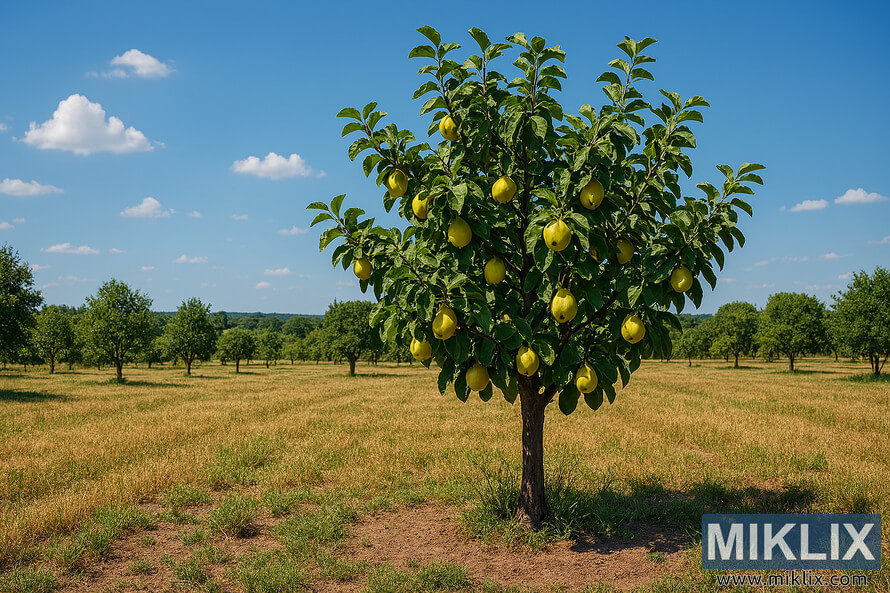
Space considerations prevent future crowding. Standard quince trees need 15 to 20 feet between trees and other large plants. Maintain at least 10 feet from buildings and structures. This spacing ensures adequate light and air circulation as trees mature.
Klõpsake või koputage pildile, et saada lisateavet ja suuremat resolutsiooni.
Soil Requirements and Preparation
Quince trees adapt to various soil types but perform best in well-drained loam. The plants tolerate heavier clay soils better than many fruit trees. However, waterlogged conditions lead to root problems and poor growth.
Soil pH between 6.0 and 7.0 provides optimal conditions. Test soil before planting and amend if necessary. Lime raises pH in acidic soils, while sulfur lowers pH in alkaline conditions. Make adjustments several months before planting when possible.
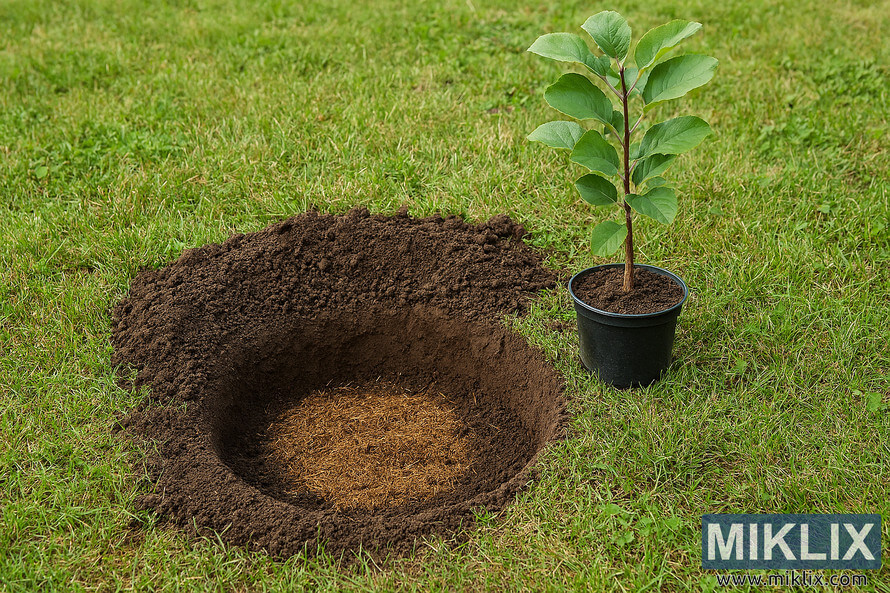
Soil Preparation Steps
- Test soil for pH and nutrient levels several weeks before planting
- Remove all weeds and grass from a four-foot diameter area
- Dig a hole twice as wide and equal in depth to the root ball
- Break up compacted soil in the bottom and sides of the hole
- Mix removed soil with compost at a 3:1 ratio
- Create a small mound in the center of the hole for root support
Klõpsake või koputage pildile, et saada lisateavet ja suuremat resolutsiooni.
Planting Technique
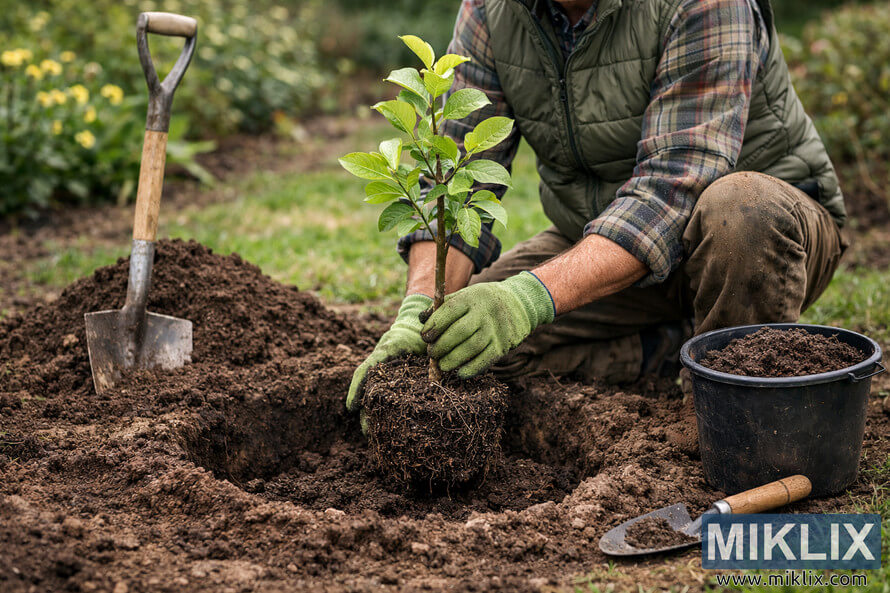
Proper depth prevents many future problems. Locate the graft union on grafted trees. This swollen area appears near the base of the trunk where the variety joins the rootstock. Plant so the graft union sits two to three inches above the final soil line.
Critical Point: Never bury the graft union. Planting too deep encourages the variety to root above the graft, negating the benefits of the rootstock. It also increases susceptibility to root diseases and reduces tree vigor.
Position the tree in the center of the hole. Spread roots naturally over the central mound. Fill the hole halfway with amended soil, gently firming to eliminate air pockets. Water thoroughly to settle soil around roots.
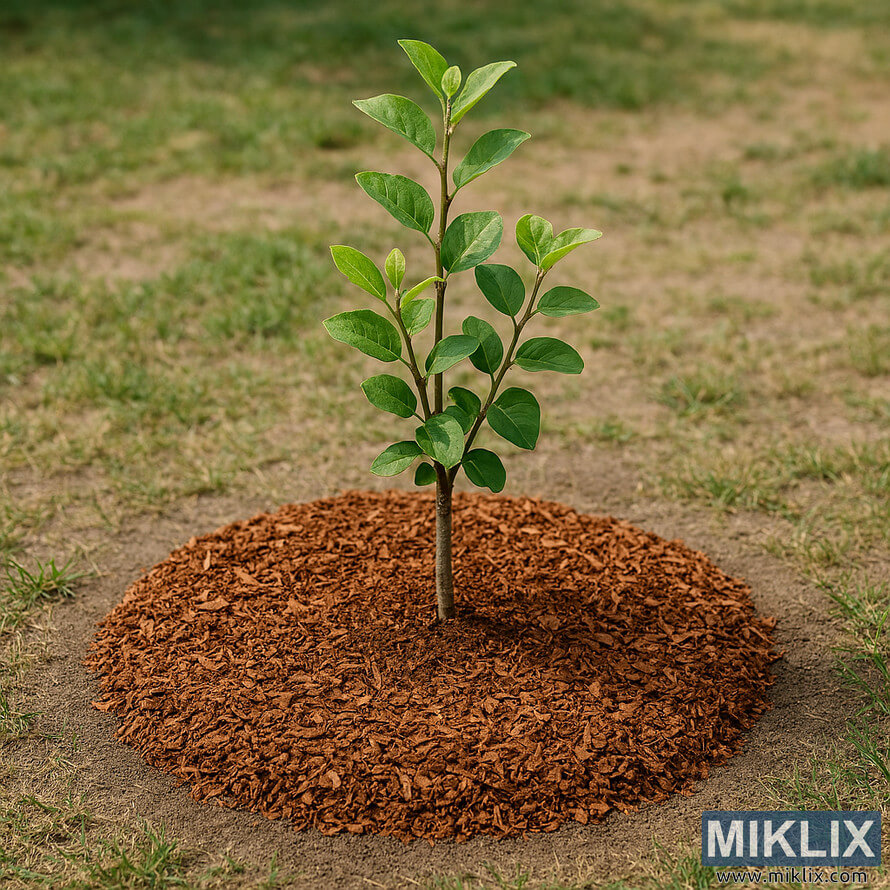
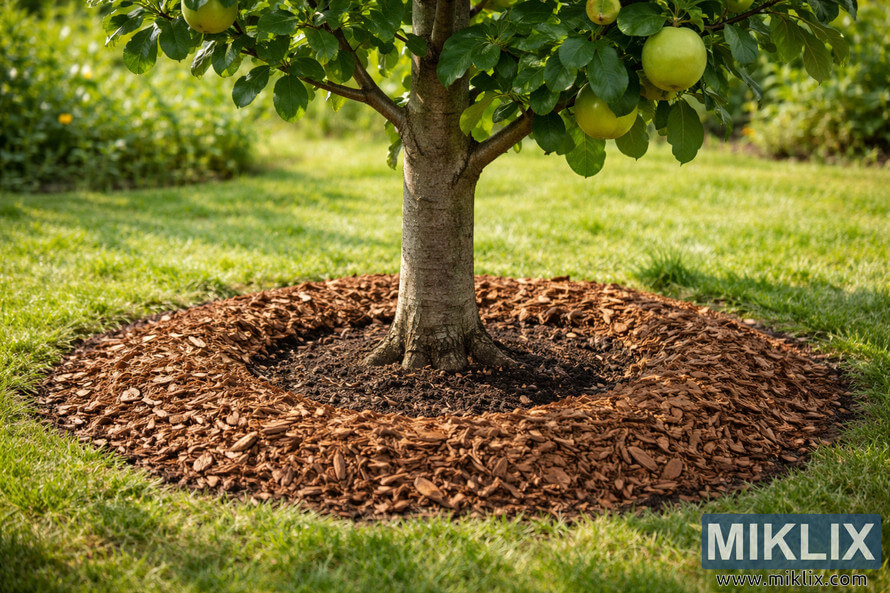
Complete filling the hole with remaining soil. Create a shallow basin around the tree to direct water to the root zone. Apply two to three inches of organic mulch in a ring around the tree, keeping mulch several inches from the trunk.
Klõpsake või koputage pildile, et saada lisateavet ja suuremat resolutsiooni.
Initial Care After Planting
Water deeply immediately after planting. Continue watering every seven to ten days during the first growing season unless significant rain occurs. Newly planted trees need consistent moisture to establish roots.
Staking may benefit trees in windy locations. Use a single stake on the windward side. Attach the tree loosely with flexible material that won't girdle the trunk. Remove stakes after one year.
Avoid fertilizing at planting time. Wait until you observe new growth, then apply a light application of balanced fertilizer. Too much nitrogen during establishment encourages leafy growth at the expense of root development.
Ongoing Care and Maintenance for Healthy Quince Trees
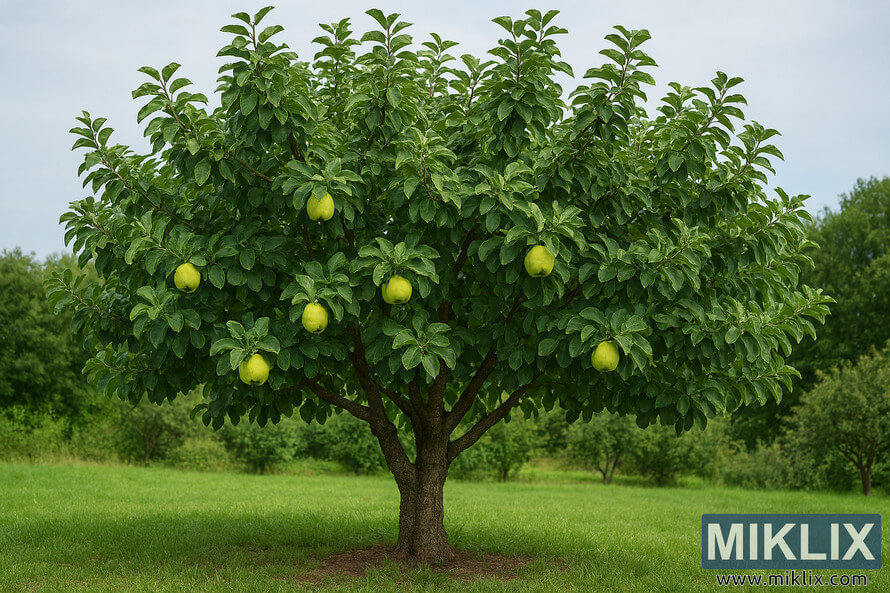
Established quince trees need regular attention to maintain health and maximize fruit production. A consistent care routine addresses water needs, nutrient requirements, and structural maintenance. These practices ensure trees remain productive for many years.
Watering Requirements Throughout the Season
Quince trees need consistent moisture during the growing season. Deep, infrequent watering encourages strong root development. Shallow, frequent watering creates weak root systems vulnerable to stress.
During spring, as growth begins, provide one to two inches of water weekly. Increase watering frequency during hot, dry periods in summer. Trees carrying a heavy fruit load need more water than those without fruit.
Spring Watering
Maintain consistent moisture as buds break and flowers develop. Critical period for flower and fruit set.
- Water deeply once per week
- Adjust based on rainfall
- Monitor soil moisture four inches deep
- Ensure water reaches full root zone
Summer Watering
Increased water needs during fruit development and hot weather. Prevents stress and supports fruit size.
- Water twice weekly during heat
- Apply two inches per session
- Early morning watering reduces disease
- Use mulch to retain moisture
Fall Watering
Continue regular watering as fruit ripens. Prepares tree for winter dormancy period.
- Maintain moisture through harvest
- Water deeply before first frost
- Reduce frequency as leaves drop
- Stop watering once dormant
Winter Considerations
Dormant trees need minimal water but should not dry completely. Prevents winter desiccation damage.
- Water during extended dry periods
- Check soil moisture monthly
- Avoid waterlogged conditions
- Protect from freeze-thaw cycles
Klõpsake või koputage pildile, et saada lisateavet ja suuremat resolutsiooni.
Fertilization Strategy
Quince trees have moderate nutrient needs compared to other fruit trees. Excessive nitrogen produces vigorous growth with reduced fruiting. A balanced approach maintains health without encouraging problems.
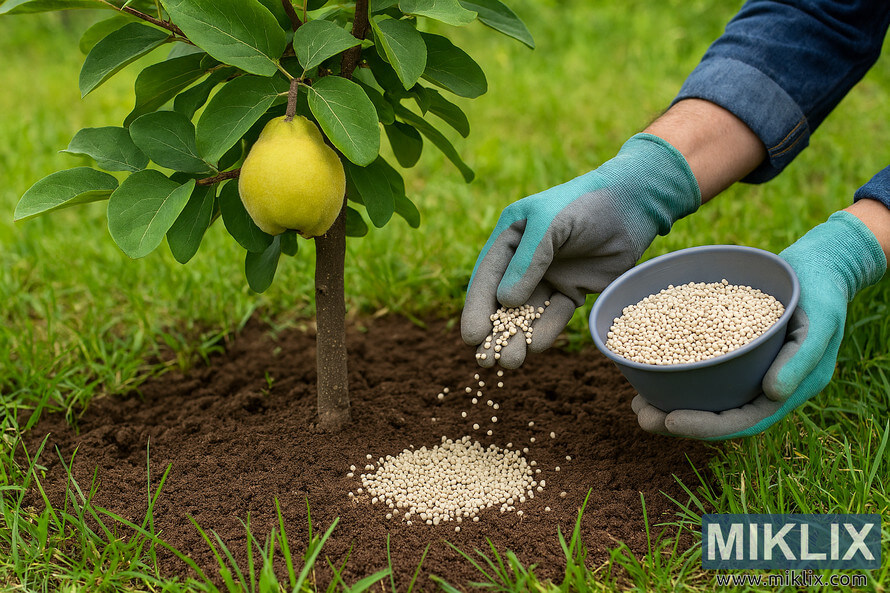
Apply fertilizer in early spring as growth begins. Use a balanced formula such as 10-10-10 at a rate of one pound per inch of trunk diameter. Spread fertilizer in a ring starting one foot from the trunk and extending to the drip line.
Young trees under three years old need lighter fertilization. Apply half the rate recommended for mature trees. Monitor growth response and adjust in subsequent years. Trees showing vigorous growth may need no fertilizer at all.
Growth Indicators: Healthy quince trees produce 12 to 18 inches of new growth annually. Less growth suggests nutrient deficiency or other problems. More than 24 inches of growth indicates excessive nitrogen that may reduce fruiting.
Klõpsake või koputage pildile, et saada lisateavet ja suuremat resolutsiooni.
Pruning Techniques for Quince Trees
Pruning shapes the tree, removes damaged wood, and improves fruit quality. Quince trees fruit on wood one year old and older. Understanding this habit prevents accidentally removing fruiting wood.
Prune during late winter while trees remain dormant. This timing minimizes stress and disease risk. Avoid pruning in fall, as cuts may not heal before cold weather arrives.
First Year Pruning Goals
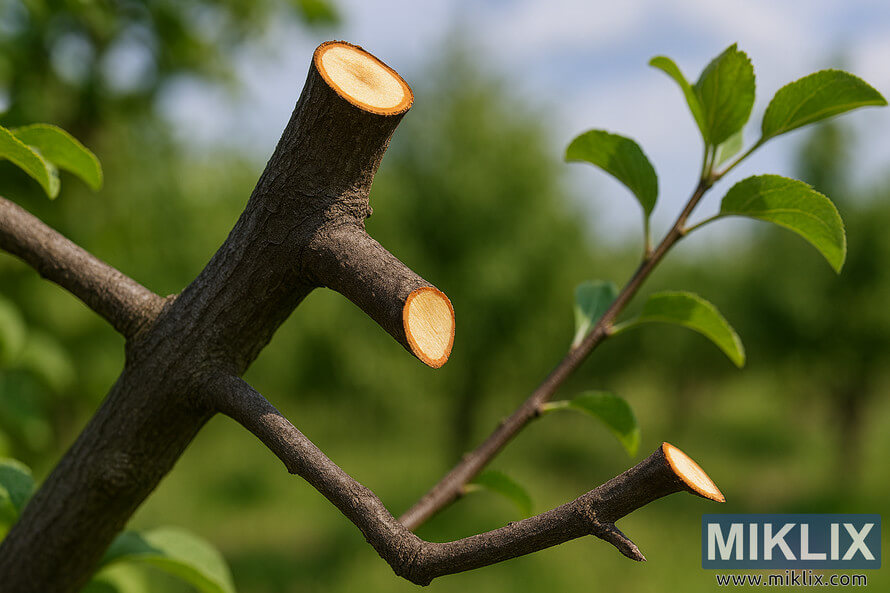
Young trees need training to establish good structure. Select three to five strong branches angled between 45 and 60 degrees from the trunk. These branches become the main scaffold.
Remove competing branches growing at narrow angles. These weak attachments break under fruit load in later years. Cut away any growth below the graft union throughout the tree's life.
Klõpsake või koputage pildile, et saada lisateavet ja suuremat resolutsiooni.
Maintenance Pruning for Established Trees
- Remove dead, diseased, or damaged wood whenever observed
- Thin crossing branches that rub and create wounds
- Cut away water sprouts growing vertically from main branches
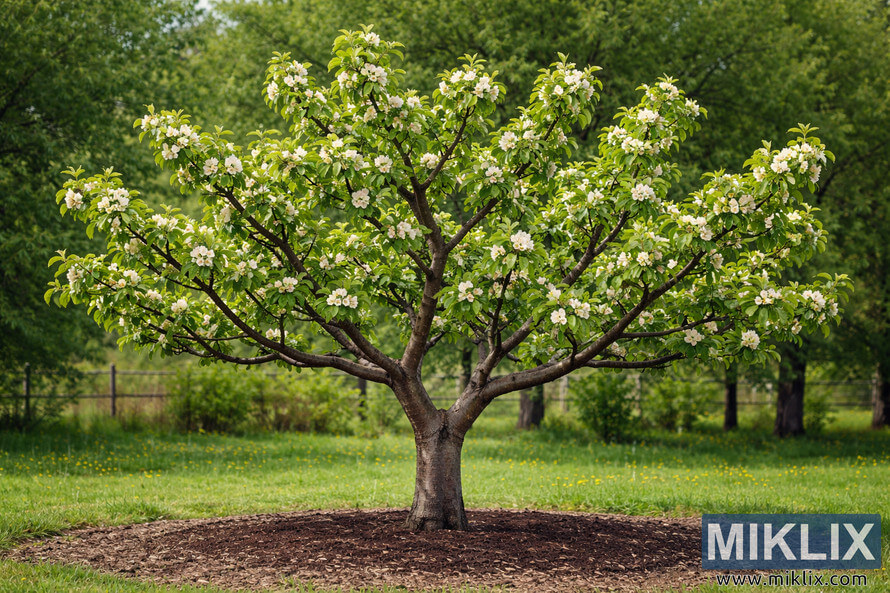
- Maintain an open center for light penetration and air circulation
- Reduce height if trees become too tall for easy harvest
- Remove oldest branches every few years to encourage renewal
Klõpsake või koputage pildile, et saada lisateavet ja suuremat resolutsiooni.
Fire Blight Management Through Pruning
Fire blight poses a serious threat to quince trees in the rose family. This bacterial disease causes branches to appear burned. Prompt removal of infected wood limits spread.
Cut diseased branches 12 inches below visible symptoms. Disinfect pruning tools between cuts using a 10% bleach solution. Burn or dispose of infected wood away from the garden. Never compost diseased material.
Disease Prevention: Avoid heavy pruning during the growing season. Fresh cuts provide entry points for fire blight and other pathogens. Limit summer pruning to removing dead wood or addressing immediate problems.
Mulching and Weed Control
A consistent mulch layer provides multiple benefits. Organic mulch moderates soil temperature, retains moisture, suppresses weeds, and adds nutrients as it decomposes. Maintain a three to four inch layer around trees.
Pull mulch several inches away from the trunk. Mulch piled against bark encourages rot and provides habitat for rodents. Replenish mulch as needed to maintain depth, typically adding fresh material annually.
Control weeds within the tree's root zone. Weeds compete for water and nutrients, reducing tree vigor. Hand-pull weeds or use shallow cultivation. Avoid deep cultivation that damages surface roots.
Klõpsake või koputage pildile, et saada lisateavet ja suuremat resolutsiooni.
Identifying and Solving Common Quince Tree Problems
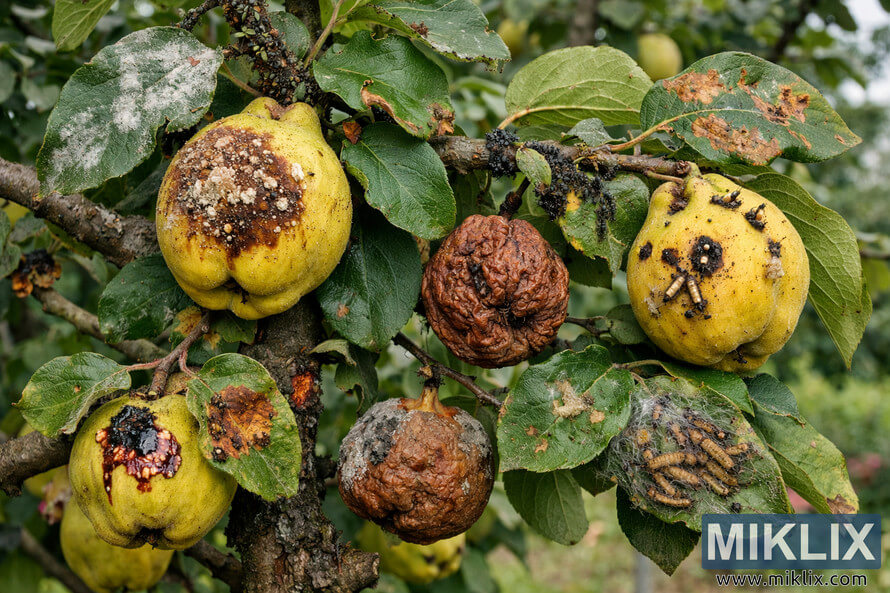
Even well-maintained quince trees encounter occasional problems. Early identification and appropriate response prevent minor issues from becoming serious. Understanding common problems helps gardeners react quickly and effectively.
Klõpsake või koputage pildile, et saada lisateavet ja suuremat resolutsiooni.
Disease Management
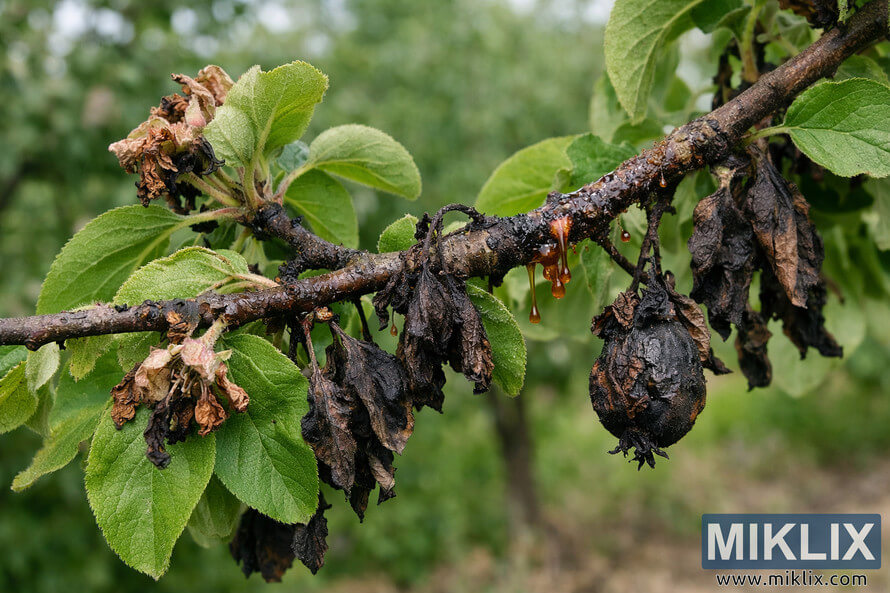
Fire Blight
Fire blight represents the most serious disease threat to quince trees. This bacterial infection affects all members of the rose family. The disease enters through flowers, wounds, or new growth during warm, wet weather.
Infected shoots wilt suddenly and turn black as if burned. A characteristic shepherd's crook forms at shoot tips. Cankers develop on branches, oozing bacteria during wet periods.
- Prevention and Control Strategies
- Choose resistant varieties when available in your region
- Avoid excessive nitrogen that promotes succulent growth
- Prune only during dormancy to minimize infection risk
- Remove infected branches immediately, cutting well below symptoms
- Disinfect all pruning tools between cuts during outbreak
- Apply copper-based sprays during dormancy in problem areas
- Control insects that spread bacteria between trees and plants
Klõpsake või koputage pildile, et saada lisateavet ja suuremat resolutsiooni.
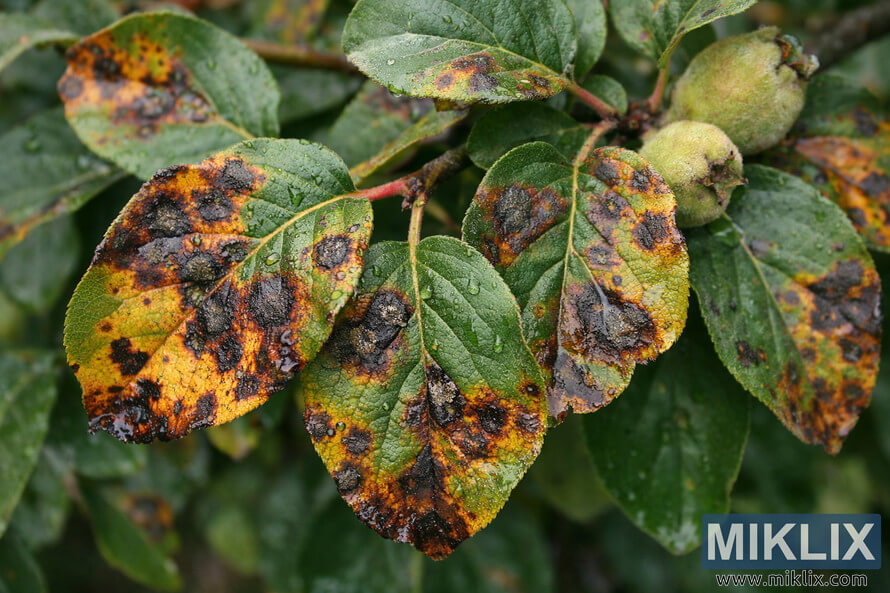
Leaf Spot Diseases
Several fungal organisms cause leaf spots on quince. These diseases rarely threaten tree health but reduce photosynthesis when severe. Spots appear as brown or black lesions on leaves during summer.
Good cultural practices usually provide adequate control. Rake and destroy fallen leaves in autumn to reduce overwintering spores. Ensure good air circulation through proper spacing and pruning. Apply fungicides only in severe cases.
Klõpsake või koputage pildile, et saada lisateavet ja suuremat resolutsiooni.
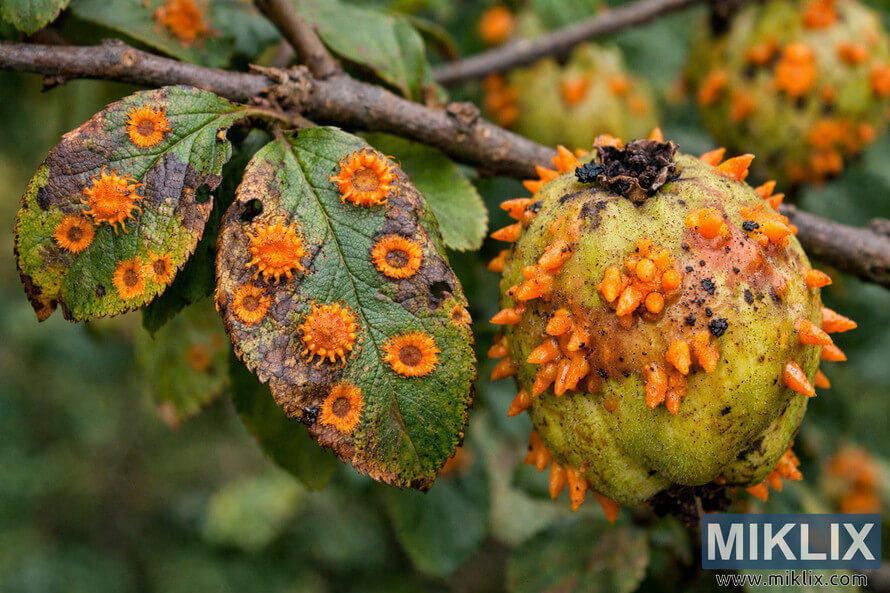
Cedar-Quince Rust
This fungal disease requires two host plants to complete its life cycle. The fungus alternates between junipers (cedars) and plants in the rose family including quince. Orange spots appear on leaves and fruit during summer.
Remove nearby juniper plants if possible, especially those within several hundred feet. Fungicide applications during spring protect new growth. Resistant varieties show fewer symptoms even when disease pressure exists.
Klõpsake või koputage pildile, et saada lisateavet ja suuremat resolutsiooni.
Common Insect Pests
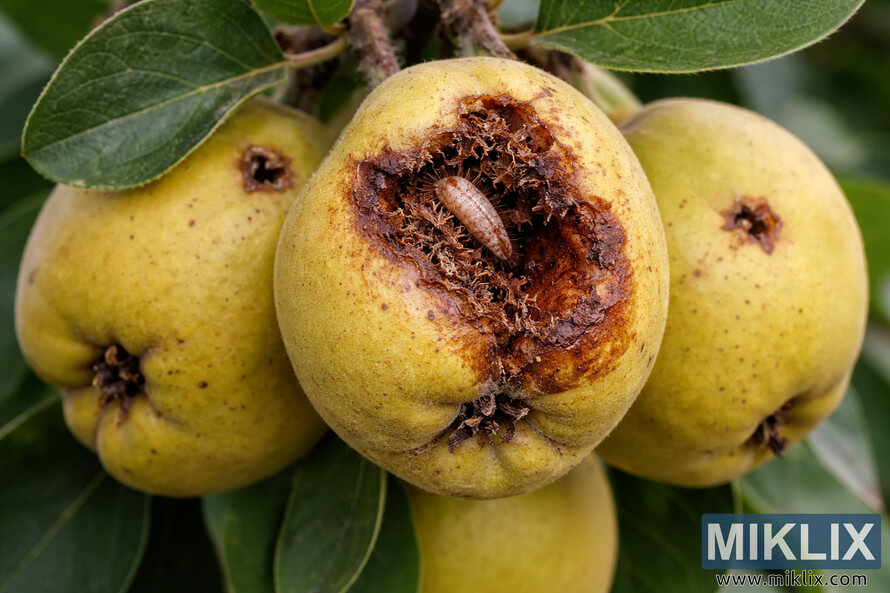
Codling Moth
Codling moth larvae tunnel into developing fruit, making quince unmarketable and reducing the food value. The adult moth lays eggs on leaves and fruit during spring and summer. Larvae hatch and immediately bore into fruit.
Adult moths have gray wings with copper-colored tips. They emerge at petal fall and continue through summer. Larvae are pink to white caterpillars that feed inside fruit. Exit holes appear on fruit surface.
- Use pheromone traps to monitor moth emergence
- Inspect fruit regularly for entry holes
- Check for frass (sawdust-like material) near holes
- Note timing of first moth capture each year
Multiple strategies work together for effective management. Combining cultural, mechanical, and biological controls reduces reliance on chemical sprays.
- Bag individual fruits with paper bags after thinning
- Remove and destroy infested fruit immediately
- Scrape loose bark to eliminate overwintering sites
- Apply kaolin clay to deter egg laying
- Use targeted insecticides at egg hatch timing
Klõpsake või koputage pildile, et saada lisateavet ja suuremat resolutsiooni.
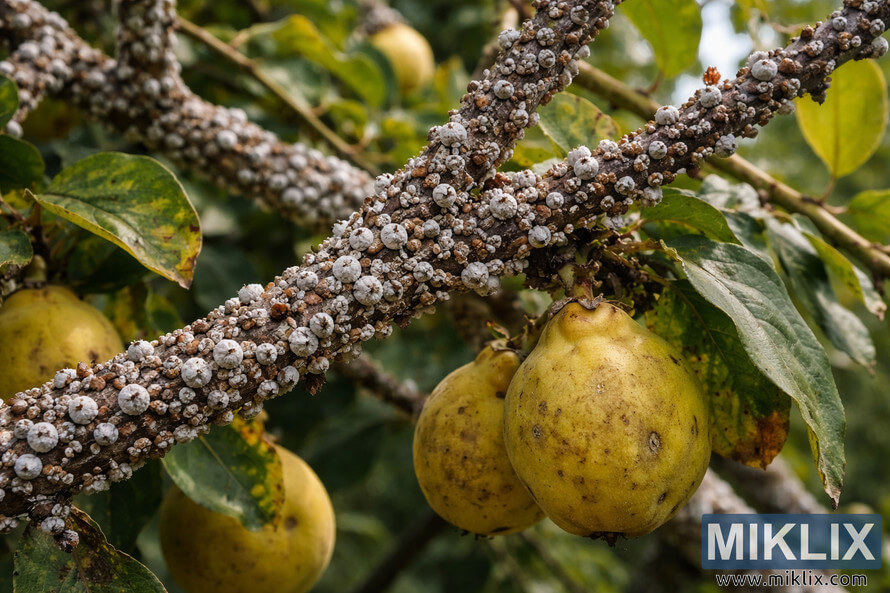
Scale Insects
Several scale species attack quince trees. These small insects attach to bark and feed on sap. Heavy infestations weaken trees and reduce fruit production. Scales appear as small bumps on branches and twigs.
Dormant oil sprays applied in late winter smother overwintering scales. These horticultural oils work effectively without harming beneficial insects. Apply when temperatures remain above freezing but before buds swell.
Klõpsake või koputage pildile, et saada lisateavet ja suuremat resolutsiooni.
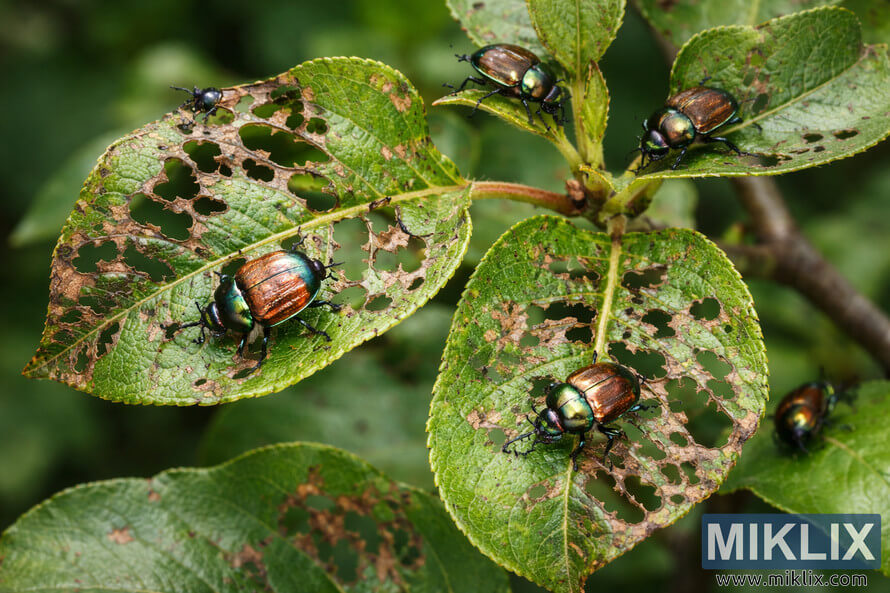
Japanese Beetles
These metallic green beetles skeletonize leaves during mid-summer. Adult beetles feed for four to six weeks before laying eggs in soil. Damage is primarily aesthetic on mature trees but can stress young plants.
Hand-pick beetles early in morning when they are sluggish. Drop them into soapy water. Avoid using beetle traps, as these attract more beetles to the area than they capture. Consider row covers on small trees during peak emergence.
Klõpsake või koputage pildile, et saada lisateavet ja suuremat resolutsiooni.
Environmental and Nutritional Problems
Drought Stress
Insufficient water during fruit development causes multiple problems. Fruit remains small and may drop prematurely. Leaves wilt and turn brown at margins. Trees under drought stress show increased susceptibility to insects and diseases.
Water deeply during dry periods. Young trees need more attention than established plants. Apply two to three inches of water per week during fruit development. Mulch helps maintain consistent soil moisture between waterings.
Iron Chlorosis
Quince trees growing in alkaline soils sometimes develop iron deficiency. New leaves emerge yellow with green veins. Severe cases show completely yellow or white leaves. The problem results from high soil pH preventing iron uptake.
Correction Strategy: Apply chelated iron as a foliar spray for quick symptom relief. Long-term correction requires lowering soil pH through sulfur applications. Test soil annually to monitor pH changes. Choose rootstocks tolerant of alkaline conditions in problem soils.
Sunscald and Winter Injury
Bark on young trees may crack during winter. Temperature fluctuations cause bark to expand and contract. The southwest side of trunks suffers most damage. Affected bark dies and peels away from the wood.
Wrap trunks of young trees with tree wrap or paint with white latex paint. Both methods reflect sunlight and moderate temperature swings. Remove wraps in spring to prevent moisture buildup and insect problems.
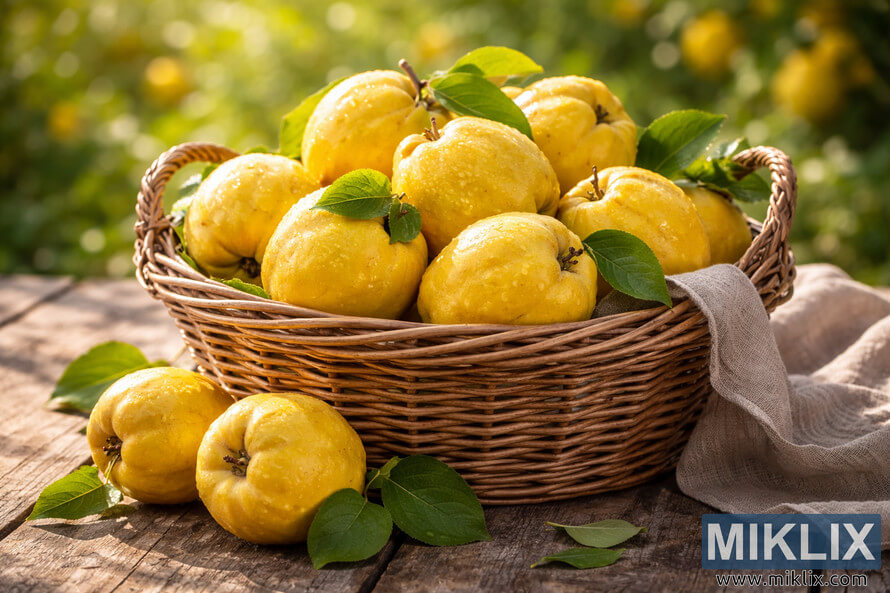
Harvesting and Handling Your Quince Crop
Proper harvest timing and handling maintain fruit quality for cooking and storage. Quince requires different treatment than apples and other pome fruits. Understanding when and how to harvest ensures you enjoy the full value of your crop.
Klõpsake või koputage pildile, et saada lisateavet ja suuremat resolutsiooni.
Determining Harvest Readiness
Quince fruit ripens in autumn, typically from September through November depending on variety and location. Unlike apples that can be eaten raw, quince must be cooked regardless of ripeness. However, harvesting at the right time affects storage life and cooking quality.
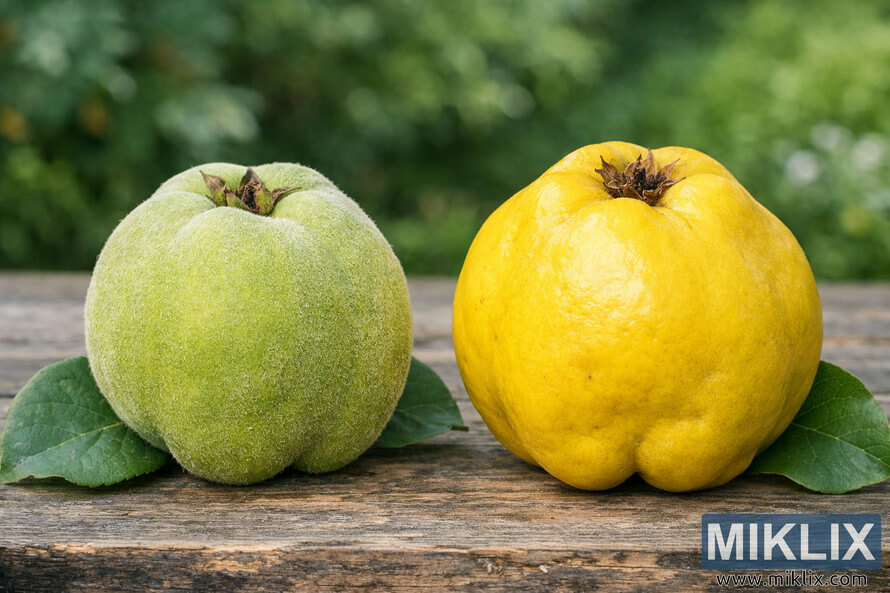
Ripe quince shows several indicators. The skin changes from green to golden yellow. The fuzzy coating becomes less pronounced. Fruit develops the characteristic sweet, floral aroma that intensifies as maturity approaches.
Ripeness Indicators
- Color shifts from green to golden yellow throughout
- Fruit separates easily from branch with gentle twist
- Strong, pleasant aroma detectable near the tree
- Seeds turn from white to brown inside the fruit
- Flesh yields slightly to firm pressure (not soft)
Harvest before hard frost in cold climates. Light frost does not damage fruit, but temperatures below 28°F cause internal browning. Check weather forecasts and complete harvest during a warm period if frost threatens.
Klõpsake või koputage pildile, et saada lisateavet ja suuremat resolutsiooni.
Harvest Techniques
Handle quince carefully despite the firm texture. Bruised areas brown internally even though damage may not show externally. These damaged areas develop off-flavors during cooking and reduce storage life.
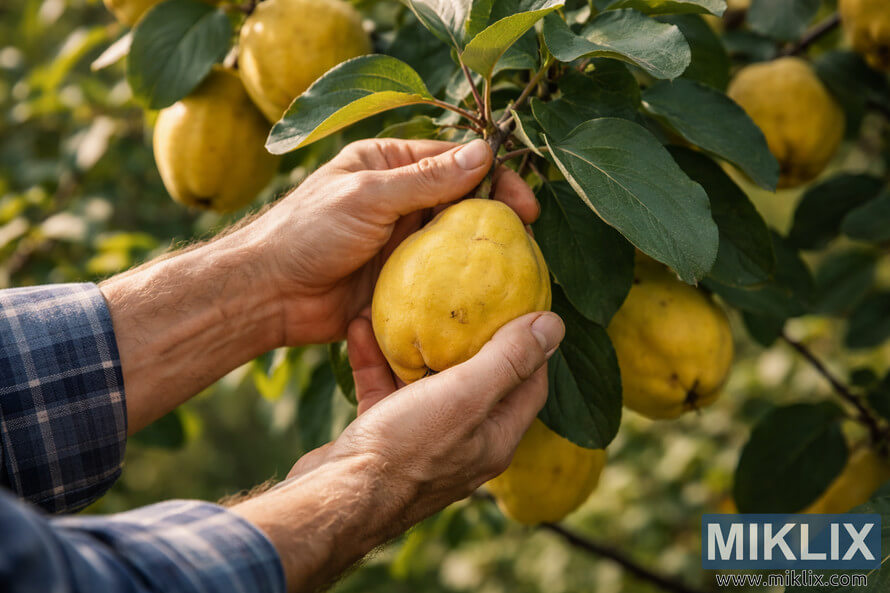
Grasp each fruit and twist gently while lifting. Ripe fruit separates easily from the spur. Use pruning shears if stems do not break cleanly. Leave a short stem attached to each fruit to prevent rot at the stem end.
Place harvested fruit gently in shallow containers. Avoid dropping or piling fruit deeply. The weight of stacked fruit causes bruising. Transport containers to storage area promptly to maintain quality.
Klõpsake või koputage pildile, et saada lisateavet ja suuremat resolutsiooni.
Post-Harvest Handling
Quince benefits from a ripening period after harvest. Store fruit at room temperature for one to two weeks. During this time, the aroma intensifies and the flesh softens slightly. The fruit remains too astringent to eat raw but develops better cooking characteristics.
Storage Tip: The strong quince aroma transfers to other foods. Store fruit separately from other produce. The scent is pleasant but overwhelming in enclosed spaces. Some people place a few fruits in closets or rooms for natural air freshening.
Short-Term Storage
After the ripening period, move quince to cold storage. Ideal conditions include temperatures between 32 and 35°F with 90% humidity. A refrigerator provides adequate conditions for most home storage needs.
Wrap individual fruits in paper to prevent moisture loss. Check stored fruit weekly and remove any showing decay. One rotting fruit quickly affects others nearby. Properly stored quince keeps for two to three months.
Long-Term Preservation
Processing soon after harvest provides the best flavor for preserved products. The fruit's high pectin content makes exceptional jellies and preserves. Quince wine and liqueurs offer additional preservation options with historical tradition.
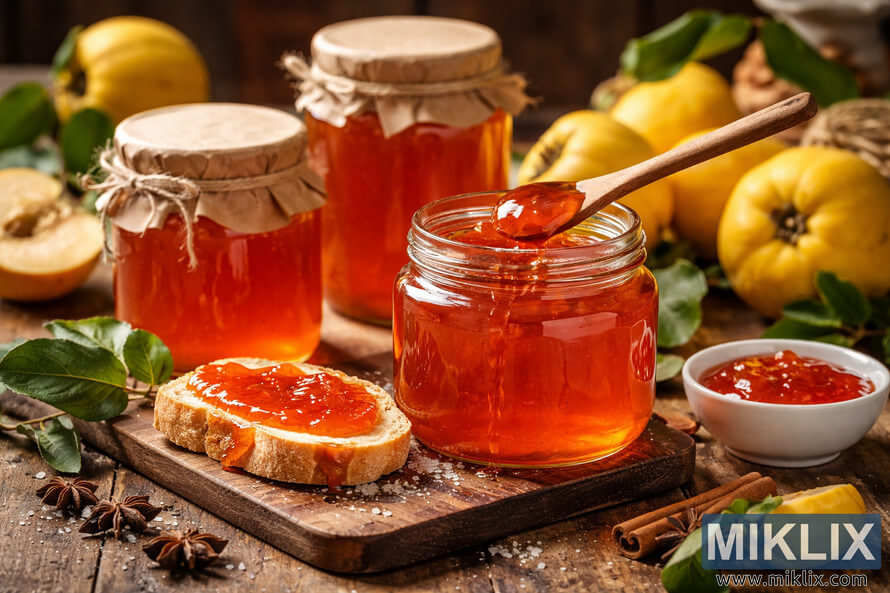
Quince Jelly
The high pectin content ensures reliable gel formation. Cook fruit with minimal water, strain, then cook juice with sugar. The jelly develops a beautiful rose color and intense flavor.
Klõpsake või koputage pildile, et saada lisateavet ja suuremat resolutsiooni.
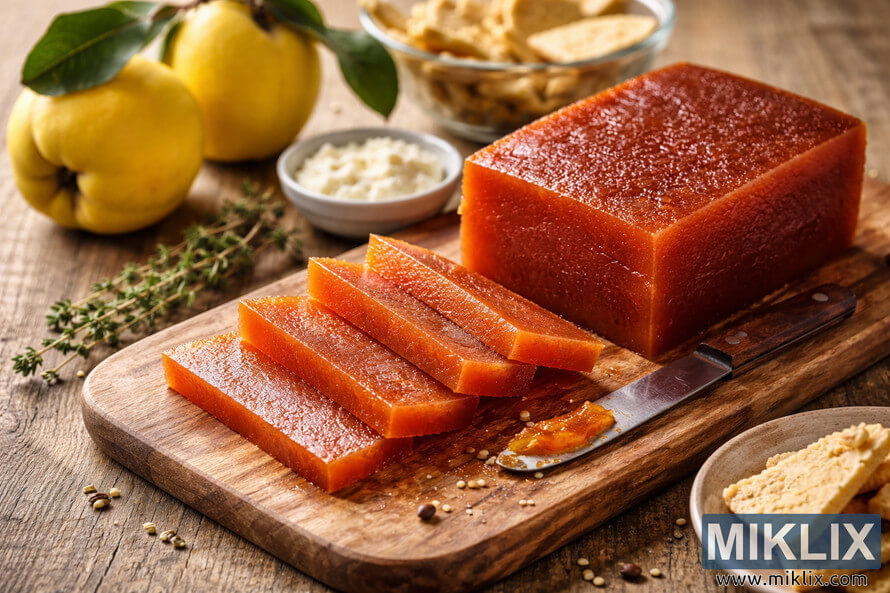
Membrillo (Quince Paste)
This concentrated paste is a specialty in Spanish cuisine. Cook fruit to softness, puree, then cook with sugar until very thick. The paste firms as it cools and slices cleanly.
Klõpsake või koputage pildile, et saada lisateavet ja suuremat resolutsiooni.
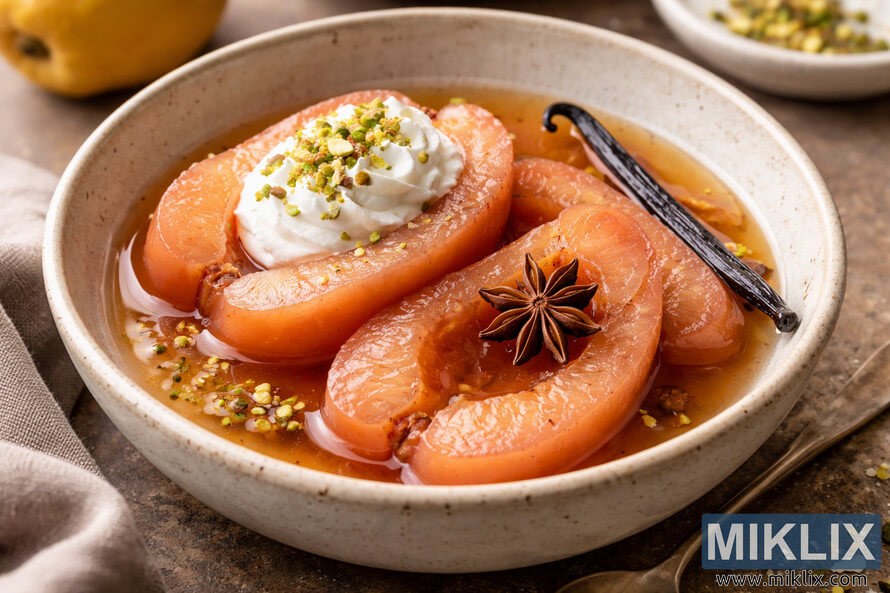
Poached Quince
Slow cooking in syrup transforms the hard fruit into a tender, pink dessert. Add spices like cinnamon and star anise. Serve warm or cold with cream or as a filling for tarts.
Klõpsake või koputage pildile, et saada lisateavet ja suuremat resolutsiooni.
Expected Yield
Production varies with tree age, variety, and growing conditions. Young trees produce lightly during the first bearing years. Mature trees in good health provide abundant crops.
| Tree Age | Expected Yield | Fruit Quality | Notes |
| 3-4 years | 5-10 fruits | Variable size | First bearing period, light production |
| 5-7 years | 15-30 fruits | Improving size | Production increasing annually |
| 8-10 years | 40-60 fruits | Full size | Approaching mature production |
| 10+ years | 60-100+ fruits | Excellent size | Mature tree, full production |
One mature tree typically produces enough fruit for a household's annual quince needs. The fruit's concentrated use in cooking means a little goes far. A single quince makes a substantial amount of jelly or paste compared to other fruits.
Essential Tips for Growing Successful Quince Trees
Success with quince comes from understanding the tree's specific needs and maintaining consistent care. These key points summarize the most important factors for healthy trees and reliable fruit production.
Site Selection Makes the Difference
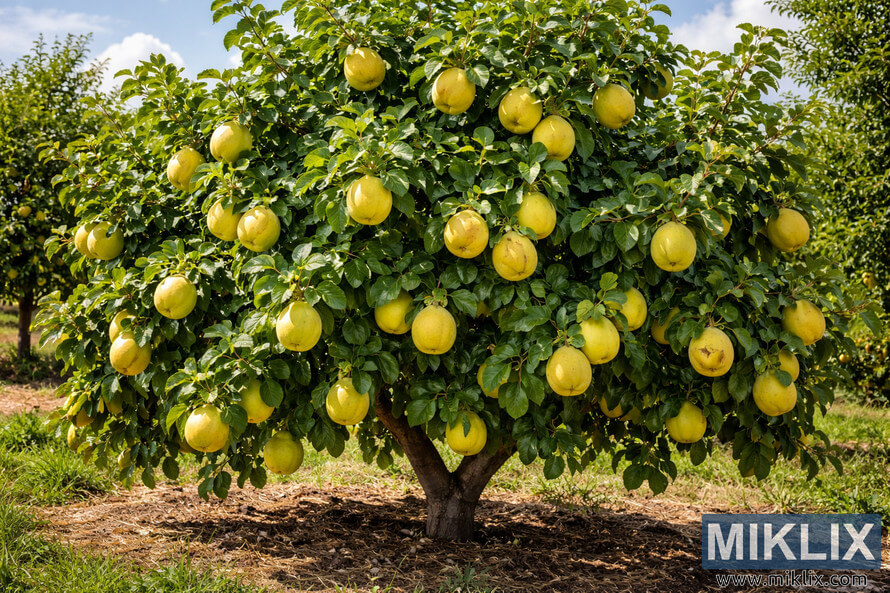
Choose the location carefully before planting. Moving an established tree causes significant stress and setback. Full sun exposure ranks as the single most important site characteristic. Trees in shade produce fewer flowers and fruit while showing increased disease problems.
Good air drainage prevents frost damage and reduces humidity around foliage. Avoid low spots where cold air settles. These frost pockets damage flowers in spring and encourage fungal diseases during the growing season.
Klõpsake või koputage pildile, et saada lisateavet ja suuremat resolutsiooni.
Patience During Establishment
Young quince trees need time to develop strong root systems before heavy fruiting begins. The first few years after planting focus on growth rather than production. Removing flowers during the first two years helps trees establish faster.
Consistent care during establishment pays dividends for decades. Regular watering, light fertilization, and protection from pests create healthy trees that begin reliable production in year three or four.
Advantages of Growing Quince
- Tolerates various soil types including heavy clay
- Shows good cold hardiness across most United States regions
- Requires less spray than apples for acceptable fruit quality
- Provides ornamental value with beautiful spring flowers
- Produces unique fruit not available in most stores
- Trees remain manageable size for home gardens
- Long productive life once established properly
- High pectin content ensures reliable jelly making
Challenges to Consider
- Fruit cannot be eaten raw due to astringent quality
- Fire blight poses serious disease threat in some regions
- Requires processing for all culinary uses
- Several years needed before first substantial harvest
- Limited variety selection compared to apples
- Strong aroma may overwhelm in storage areas
- Codling moth control needed for clean fruit
- Less information available than for common fruits
Key Cultural Practices
Spring Tasks
- Apply balanced fertilizer as growth begins
- Complete dormant pruning before bud break
- Monitor for fire blight during bloom period
- Begin regular watering schedule
- Inspect for scale insects and treat if needed
- Refresh mulch layer around trees
Summer Tasks
- Maintain consistent watering through fruit development
- Monitor for codling moth and other insects pests
- Remove fire blight infections immediately
- Thin fruit if crop is extremely heavy
- Watch for drought stress during heat
- Control weeds in root zone area
Fall Tasks
- Harvest fruit before hard frost arrives
- Remove and destroy any diseased fruit
- Rake and destroy fallen leaves
- Apply winter protection to young trees
- Take soil samples for testing
- Plan pruning cuts for dormant season
Winter Tasks
- Prune during dormancy for structure
- Apply dormant oil spray for scale
- Protect trunks from sunscald damage
- Check stored fruit for decay
- Order any new trees for spring
- Review year's successes and challenges
Variety Selection Guidelines
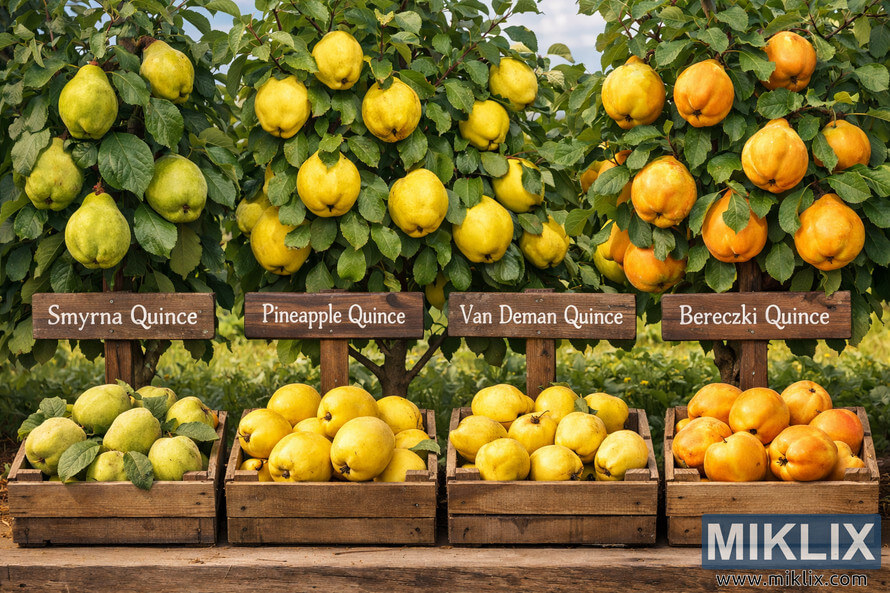
Choose varieties proven in your climate zone. Local nurseries and extension offices provide valuable guidance on varieties that perform well in your specific area. Cold hardiness varies between varieties, making selection critical in northern regions.
Consider fruit characteristics when selecting varieties. Some types produce larger fruits better suited for cooking whole. Others yield smaller fruits ideal for jelly and paste production. The aroma intensity also varies between varieties.
Klõpsake või koputage pildile, et saada lisateavet ja suuremat resolutsiooni.
Integrated Pest Management Approach
Combining multiple control strategies reduces pest problems while minimizing chemical use. Start with resistant varieties and good cultural practices. Monitor regularly for early problem detection. Use targeted controls only when pest populations exceed acceptable thresholds.
Encourage beneficial insects by maintaining diverse plantings around fruit trees. Many predatory insects control pest populations naturally. Avoid broad-spectrum insecticides that kill both pests and beneficial species.
Record Keeping Benefits
Maintain simple records of care activities and observations. Note bloom dates, harvest dates, yields, and any problems encountered. These records help identify patterns over years and guide future decisions.
Track which varieties perform best in your specific conditions. Record weather events and their effects on production. Document successful control measures for reference when problems recur.
Get Seasonal Growing Tips Delivered
Join our community of fruit growers and receive monthly guidance tailored to your growing zone. Timely reminders ensure you never miss critical care tasks. Plus, get instant access to our downloadable Quince Growing Calendar.
Email Address We respect your privacy. Unsubscribe anytime.
Your Growing Zone (Optional) Helps us send relevant seasonal information
Learning From Experience
Every garden presents unique conditions. What works perfectly for one grower may need modification in another location. Pay attention to how your trees respond to care practices. Adjust techniques based on observed results rather than rigid adherence to general guidelines.
Connect with other quince growers in your area. Local gardening clubs and online forums provide valuable experience-based knowledge. Sharing successes and challenges helps everyone improve their skills.
Beginning Your Quince Growing Journey
Growing quince trees offers unique rewards for the patient gardener. These members of the rose family provide beautiful flowers in spring, attractive foliage through summer, and aromatic fruit in autumn. The trees tolerate various conditions while requiring less intensive care than many other fruit plants.
Success begins with proper variety selection for your climate. Standard cultivars like Champion, Smyrna, and Pineapple perform reliably across most of the United States. Plant in full sun with good drainage and air circulation. Young trees establish best when planted during dormancy in late winter or early spring.
Consistent care maintains tree health and productivity. Water deeply during the growing season, especially while fruit develops. Apply balanced fertilizer in spring at moderate rates. Prune during winter dormancy to maintain good structure and remove problem branches. Monitor for fire blight and address infections promptly to prevent spread.
The fruit requires patience as trees need several years to reach good production. Early bearing begins in year three or four, with full production arriving around year eight to ten. One mature tree typically provides abundant fruit for household needs given quince's concentrated use in cooking.
Harvest when fruit turns golden yellow and separates easily from branches. Allow a ripening period at room temperature before using or moving to cold storage. The fruit's high pectin content creates exceptional jellies and preserves that capture the unique quince aroma and flavor.
The challenges of growing quince are manageable with attention and appropriate practices. Fire blight poses the most serious disease threat but good cultural practices reduce risk significantly. Codling moth requires monitoring and timely control for clean fruit. Neither issue prevents successful production in home gardens.
The investment in establishing quince trees returns value for many years. Mature trees produce reliably with modest care. The fruit's uniqueness and versatility in cooking make the effort worthwhile for adventurous gardeners. Few store-bought products match the quality of home-grown quince properly prepared.
Klõpsake või koputage pildile, et saada lisateavet ja suuremat resolutsiooni.
Lisalugemist
Kui see postitus teile meeldis, võivad teile meeldida ka need soovitused:
- Täielik juhend laimide kasvatamiseks oma koduaias
- Vaarikate kasvatamine: mahlaste kodumaiste marjade juhend
- Täielik juhend greipide kasvatamiseks istutamisest saagikoristuseni