
Loquat: The Sweet Fruit Packed with Real Health Benefits
Publié :
Dernière mise à jour : 3 septembre 2026 à 20 h 27 min 26 s UTC
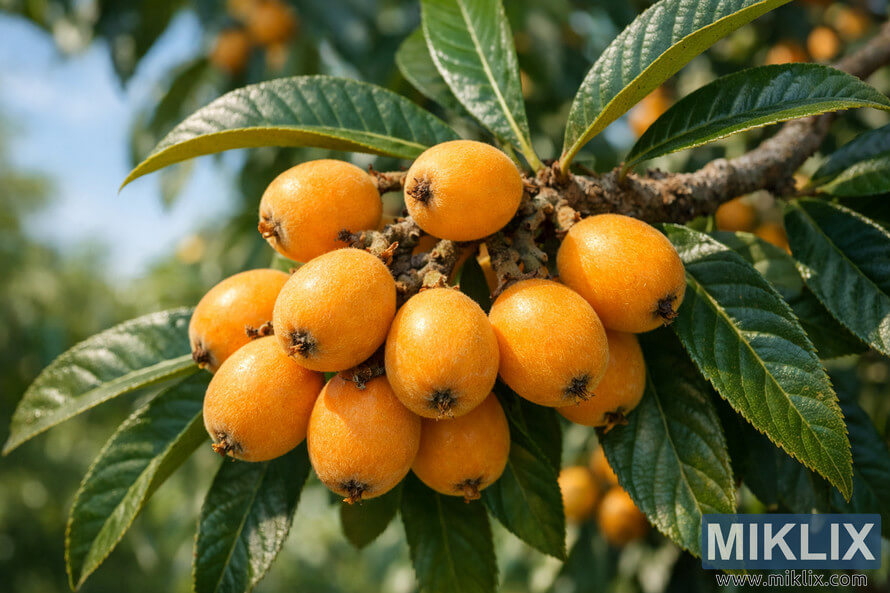
Have you ever walked past a tree bearing small, golden-orange fruits and wondered about their story? The loquat, a fruit native to China with thousands of years of traditional use, offers remarkable health benefits that modern science continues to validate.
Loquat: The Sweet Fruit Packed with Real Health Benefits
Cliquez ou appuyez sur l'image pour plus d'informations et des résolutions supérieures.
This sweet, tangy fruit from the Eriobotrya japonica tree has been cherished across Asian cultures for generations, and today, health enthusiasts worldwide are discovering why this ancient treasure deserves a place in contemporary nutrition.
Whether you're seeking natural ways to support your digestive health, boost immunity, or simply add variety to your diet, understanding loquat's nutritional profile can transform your wellness journey. This comprehensive guide explores evidence-based health benefits, practical consumption methods, and everything you need to know about incorporating this exceptional fruit into your lifestyle.
What Is Loquat? Understanding This Golden Treasure
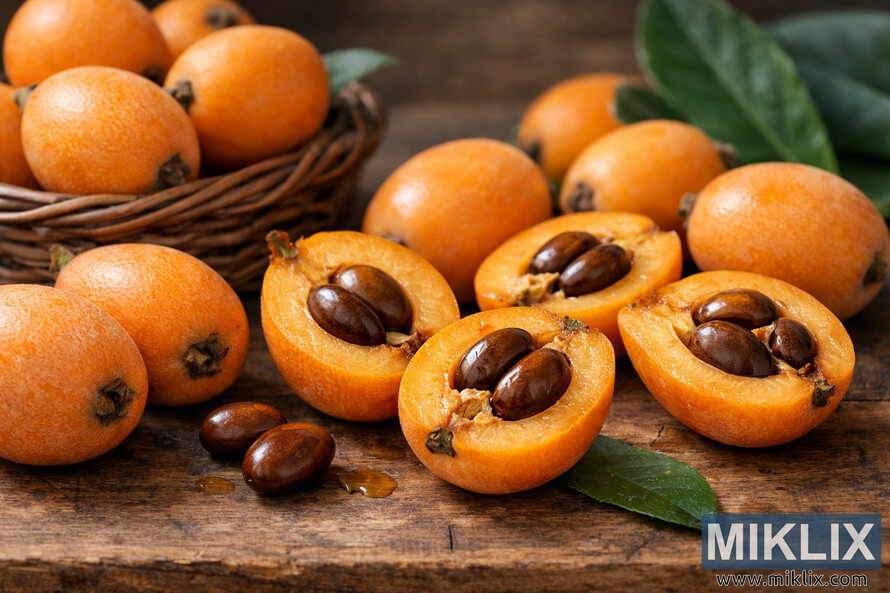
Loquat, scientifically known as Eriobotrya japonica, belongs to the rose family and produces distinctive pear-shaped fruits with smooth, golden skin. Despite its scientific name suggesting Japanese origins, this fruit is native to China, where it has been cultivated for thousands of years. The loquat tree thrives in subtropical climates and has spread throughout the world, from Mediterranean regions to parts of the United States.
Cliquez ou appuyez sur l'image pour plus d'informations et des résolutions supérieures.
Physical Characteristics
The fruit typically measures one to two inches in diameter. Its thin skin ranges from pale yellow to deep orange when ripe. Inside, you'll find tender, juicy flesh surrounding two to five large, brown seeds. The flavor profile combines sweetness with a subtle tartness, often compared to a blend of peach, citrus, and mild mango.
Tree and Growth
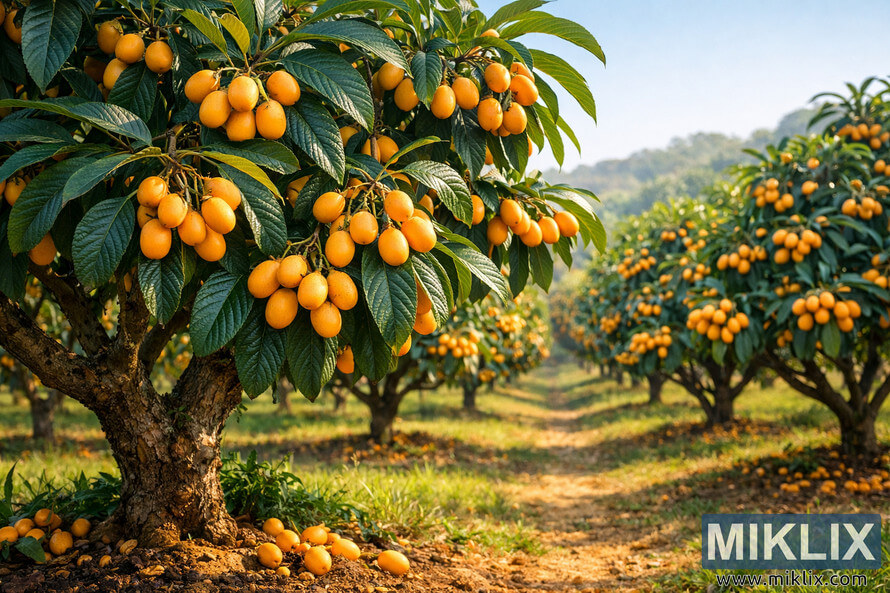
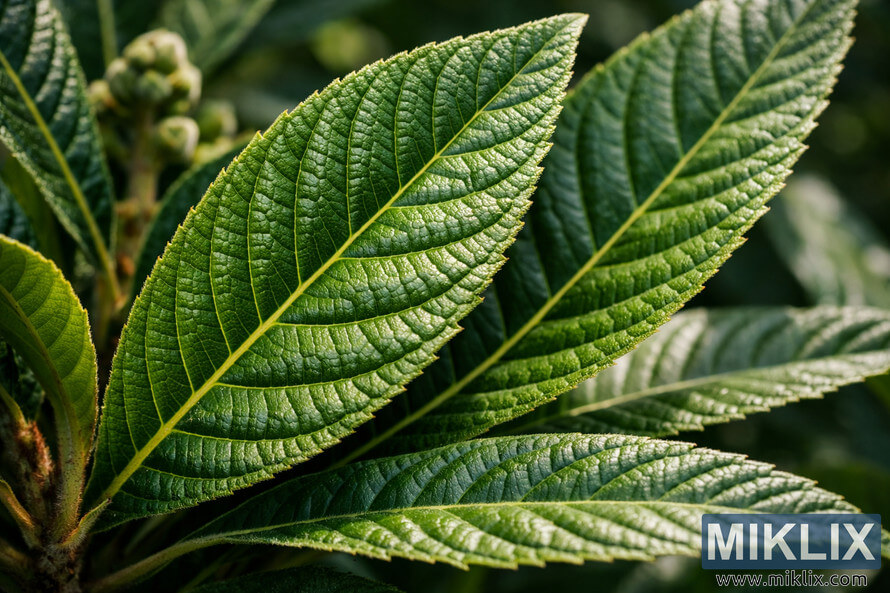
Loquat trees are evergreen, reaching heights of fifteen to thirty feet. They produce fragrant white flowers in fall and winter, with fruits ripening in spring. This unique flowering pattern sets loquats apart from most fruit trees. The leaves are large, dark green, and have been used in traditional medicine for centuries.
Historical Significance
For over two thousand years, cultures throughout Asia have valued both loquat fruit and leaves for medicinal purposes. Ancient Chinese texts reference the use of loquat leaf extracts for respiratory ailments. Japanese traditional medicine incorporated loquat preparations for digestive wellness. Today, modern research validates many of these traditional applications.
Global Cultivation and Varieties
Different loquat varieties offer distinct flavor profiles and characteristics. Chinese varieties tend toward larger fruit size with more seeds. Japanese cultivars often feature sweeter flesh with fewer seeds. California and Mediterranean regions have developed their own adapted varieties suited to local climates.
The tree's adaptability has made it popular in home gardens worldwide. Gardeners appreciate the dual benefits of attractive ornamental value and edible fruit production. Many loquat trees produce fruit within three to five years of planting, making them rewarding for patient cultivators.
Cliquez ou appuyez sur l'image pour plus d'informations et des résolutions supérieures.
Nutritional Profile: What Makes Loquat a Superfruit
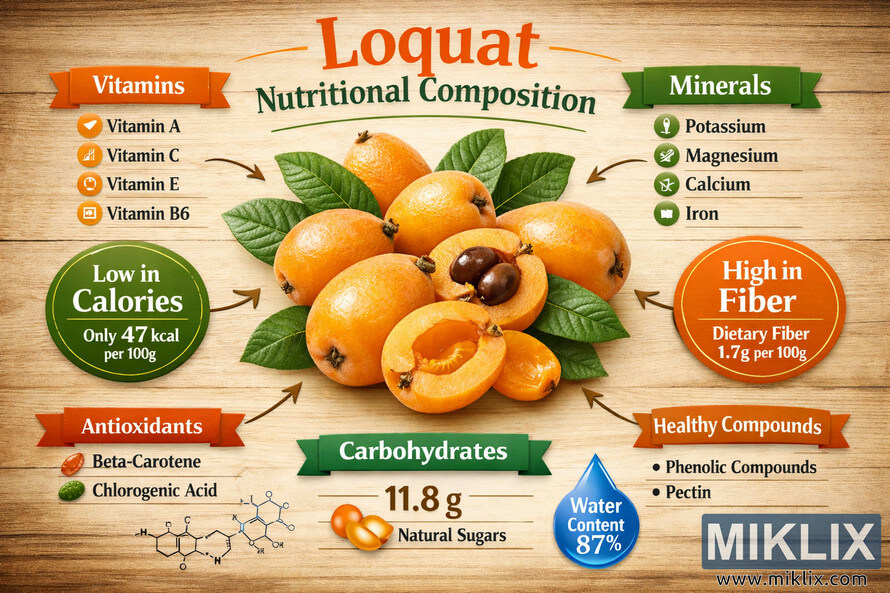
Understanding loquat nutrition reveals why this fruit deserves recognition as a powerful addition to healthy diets. A comprehensive analysis of its vitamin, mineral, and bioactive compound content demonstrates remarkable nutritional density relative to its modest calorie count.
Macronutrient Composition
A one-cup serving of fresh loquat provides approximately seventy calories, making it an excellent choice for calorie-conscious individuals. The fruit contains minimal fat, moderate natural sugars for energy, and beneficial dietary fiber that supports digestive function.
| Nutrient | Amount per Cup (149g) | Daily Value Percentage |
| Calories | 70 kcal | 3.5% |
| Carbohydrates | 18g | 6% |
| Dietary Fiber | 2.5g | 10% |
| Protein | 0.6g | 1% |
| Fat | 0.3g | 0.5% |
Cliquez ou appuyez sur l'image pour plus d'informations et des résolutions supérieures.
Vitamin Content
Loquats stand out for their impressive vitamin A content. This fat-soluble vitamin plays crucial roles in vision health, immune function, and cellular communication. The fruit also provides substantial vitamin C, supporting immune defense and collagen synthesis throughout the body.
Vitamin A (Carotenoids)
One cup delivers approximately fifty percent of the recommended daily intake. Beta-carotene, the primary carotenoid in loquat, converts to active vitamin A in your body. This antioxidant protects cells from oxidative damage while supporting eye health.
Vitamin C (Ascorbic Acid)
Each serving provides about thirty percent of daily vitamin C needs. This water-soluble antioxidant neutralizes harmful free radicals. It enhances iron absorption and maintains healthy skin through collagen production.
Essential Minerals
The mineral profile of loquat contributes significantly to its health-promoting properties. Potassium supports cardiovascular function and helps regulate blood pressure. Manganese assists in bone formation and wound healing. Copper aids iron absorption and nervous system health.
- Potassium: Supports heart health and fluid balance regulation
- Manganese: Essential for metabolism and antioxidant defense
- Copper: Facilitates iron utilization and connective tissue formation
- Magnesium: Involved in hundreds of enzymatic reactions
- Calcium: Contributes to bone strength and muscle function

Cliquez ou appuyez sur l'image pour plus d'informations et des résolutions supérieures.
Bioactive Compounds and Phytonutrients
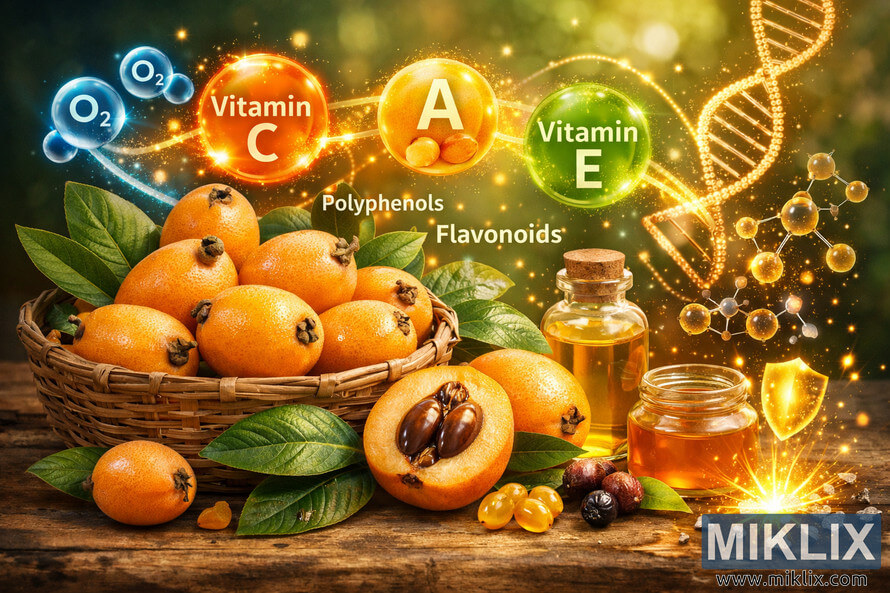
Beyond standard vitamins and minerals, loquat contains numerous plant compounds with therapeutic potential. Polyphenols, including chlorogenic acid and flavonoids, demonstrate anti-inflammatory and antioxidant activities in research studies. These bioactive substances work synergistically with vitamins to protect cellular health.
Antioxidant Capacity
Research measuring the oxygen radical absorbance capacity of various fruits places loquat among fruits with notable antioxidant power. The combination of carotenoids, vitamin C, and polyphenols creates a comprehensive antioxidant system that protects your body from oxidative stress.
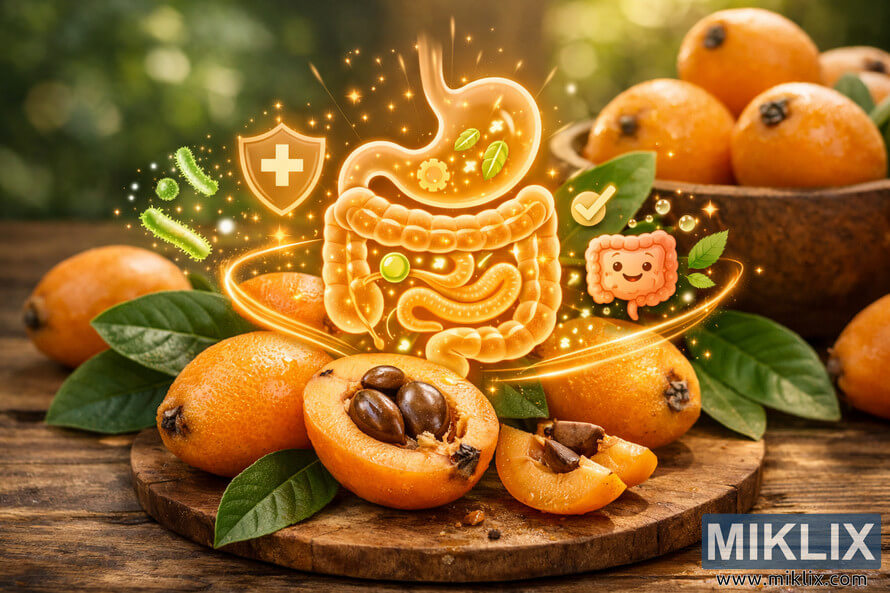
Loquat for Digestive Health: Natural Support for Your Gut
The digestive benefits of loquat have been recognized in traditional medicine for centuries. Modern scientific investigation validates these traditional uses while uncovering the specific mechanisms through which loquat supports gastrointestinal wellness.
Dietary Fiber Benefits
Each serving of loquat provides significant dietary fiber. This fiber includes both soluble and insoluble types. Soluble fiber dissolves in water, forming a gel-like substance that slows digestion and helps regulate blood sugar levels. Insoluble fiber adds bulk to stool, promoting regular bowel movements and preventing constipation.
The pectin content in loquat acts as a prebiotic, feeding beneficial gut bacteria. These microorganisms ferment fiber into short-chain fatty acids that nourish colon cells. A healthy gut microbiome supports not only digestion but also immune function and mental well-being.
Promoting Regularity
Regular loquat consumption supports consistent bowel movements. The combination of fiber types works together to maintain digestive rhythm. Water content in fresh fruit further aids this process by keeping digestive matter moving smoothly through the intestinal tract.
Preventing Digestive Discomfort
Fiber helps prevent common digestive complaints including bloating and cramping. By supporting regular elimination, loquat consumption may reduce the likelihood of hemorrhoids and diverticular disease. The gentle nature of loquat fiber makes it well-tolerated by most individuals.
Cliquez ou appuyez sur l'image pour plus d'informations et des résolutions supérieures.
Loquat Leaf Compounds for Digestion
Traditional medicine practitioners have long used loquat leaf preparations for digestive ailments. Research has identified specific compounds in leaves that demonstrate anti-inflammatory effects on the digestive tract. Triterpene acids show potential in protecting gastric lining from damage.
While this guide focuses primarily on fruit consumption, understanding the therapeutic potential of leaf extracts provides context for loquat's comprehensive digestive support. Some individuals incorporate loquat leaf tea into their wellness routines, though fruit consumption remains the most accessible approach for most people.
Supporting Digestive Enzyme Function
The natural acids and enzymes present in fresh loquat may assist your body's own digestive processes. Consuming whole fruits alongside meals can potentially aid in breaking down complex nutrients. The vitamin and mineral content supports the production of digestive enzymes throughout your gastrointestinal system.
- Promotes beneficial gut bacteria growth through prebiotic fiber
- Supports regular bowel movements with balanced fiber content
- Provides gentle relief from occasional constipation
- Contains compounds that may protect stomach lining
- Aids nutrient absorption through digestive enzyme support
Important Consideration
While loquat offers digestive benefits, individuals with existing gastrointestinal conditions should consult healthcare providers before making significant dietary changes. Some people may experience sensitivity to new fruits. Start with small portions to assess personal tolerance.
Cliquez ou appuyez sur l'image pour plus d'informations et des résolutions supérieures.
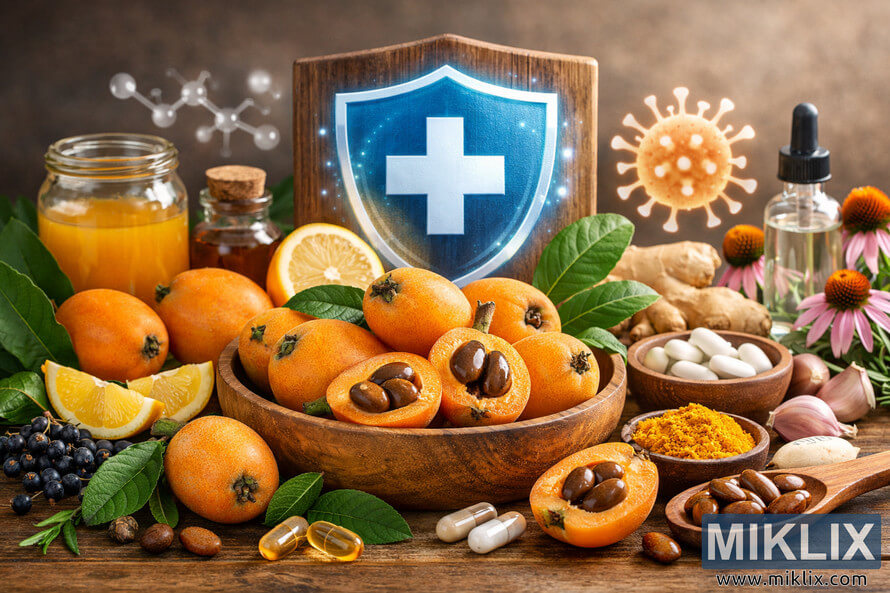
Immune System Support: How Loquat Strengthens Your Defenses
Your immune system requires constant nutritional support to function optimally. Loquat provides a combination of vitamins, minerals, and plant compounds that work together to enhance immune response and protect against illness.
Vitamin C: Your Immune System's Best Friend
Vitamin C plays multiple roles in immune defense. This powerful antioxidant protects immune cells from oxidative damage during infection responses. It stimulates production and function of white blood cells that fight pathogens. Additionally, vitamin C enhances the skin's barrier function, your body's first line of defense against external threats.
Research demonstrates that adequate vitamin C intake reduces the duration and severity of common colds. While loquat alone won't prevent illness, its vitamin C content contributes meaningfully to your overall immune nutrition strategy. Regular consumption helps maintain the vitamin C levels your immune system needs.
Vitamin A and Mucosal Immunity
The beta-carotene in loquat converts to vitamin A, which maintains the integrity of mucous membranes throughout your body. These membranes line your respiratory and digestive tracts, serving as barriers against pathogens. Vitamin A deficiency compromises these barriers, increasing infection susceptibility.
Cliquez ou appuyez sur l'image pour plus d'informations et des résolutions supérieures.
Polyphenols and Immune Modulation
The polyphenolic compounds in loquat demonstrate immunomodulatory effects in laboratory studies. These plant chemicals help regulate immune responses, preventing both underactivity and excessive inflammation. Balanced immune function protects against infections while avoiding autoimmune reactions.
Antioxidant Protection
Immune cells generate reactive oxygen species when fighting infections. While necessary for pathogen destruction, these molecules can damage immune cells themselves. The antioxidants in loquat neutralize excess oxidative stress, protecting immune cell integrity during responses.
Anti-Inflammatory Action
Chronic inflammation weakens immune function over time. The anti-inflammatory compounds in loquat help modulate inflammatory pathways. This reduces unnecessary inflammation while maintaining appropriate immune responses to genuine threats.
Trace Minerals for Immune Function
Copper and manganese, both present in loquat, serve as cofactors for antioxidant enzymes. Superoxide dismutase, one of your body's primary antioxidant enzymes, requires these minerals to function. Without adequate trace mineral intake, even abundant vitamin antioxidants cannot fully protect immune cells.
- Provides thirty percent of daily vitamin C needs per serving
- Delivers fifty percent of vitamin A through beta-carotene conversion
- Contains polyphenols that modulate immune responses
- Supplies trace minerals essential for antioxidant enzyme function
- Supports mucosal barrier integrity in respiratory and digestive systems
Cliquez ou appuyez sur l'image pour plus d'informations et des résolutions supérieures.
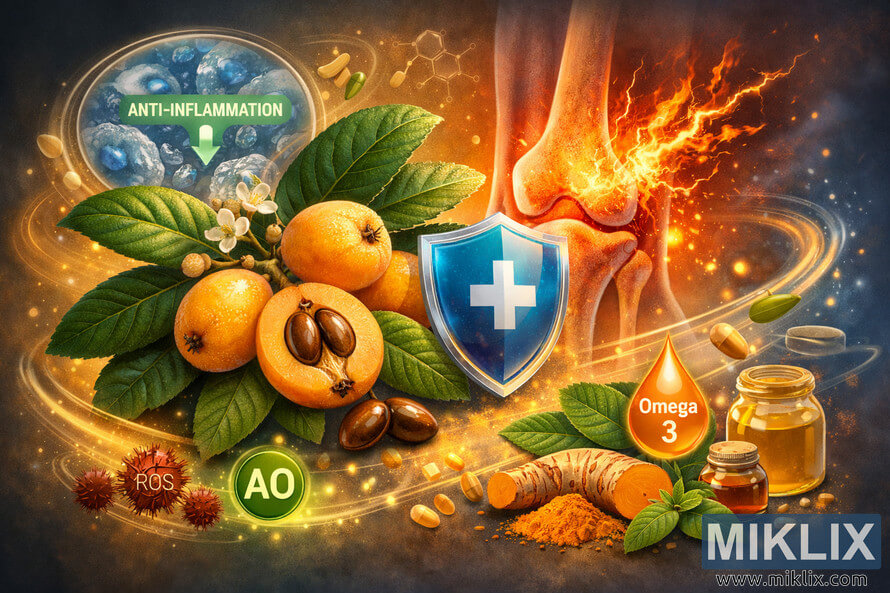
Anti-Inflammatory Properties: Fighting Chronic Inflammation
Chronic inflammation underlies many modern health challenges, from cardiovascular disease to metabolic disorders. Dietary choices significantly influence inflammatory status throughout your body. Loquat contains multiple compounds that demonstrate anti-inflammatory effects through various mechanisms.
Understanding Inflammation and Diet
Inflammation serves as a protective response to injury and infection. However, when inflammatory processes persist without resolution, they damage healthy tissues. Modern Western diets often promote inflammation through excessive processed foods, refined sugars, and unhealthy fats. Introducing anti-inflammatory whole foods like loquat helps counterbalance these effects.
The standard American diet tends to be deficient in antioxidants and phytonutrients that regulate inflammatory pathways. Incorporating fruits rich in these compounds provides your body with tools to manage inflammation naturally. This dietary approach complements rather than replaces appropriate medical treatment for inflammatory conditions.
Cliquez ou appuyez sur l'image pour plus d'informations et des résolutions supérieures.
Key Anti-Inflammatory Compounds in Loquat
Chlorogenic Acid
This polyphenol demonstrates potent anti-inflammatory activity in research studies. It inhibits pro-inflammatory enzymes and reduces inflammatory marker production. Chlorogenic acid also exhibits antioxidant properties that protect cells from inflammation-related damage.
Carotenoids
Beta-carotene and other carotenoids in loquat modulate inflammatory responses. These fat-soluble antioxidants accumulate in cell membranes, protecting them from inflammatory damage. Research links higher carotenoid intake with reduced inflammatory markers in blood tests.
Flavonoids
Various flavonoid compounds in loquat influence inflammatory pathways at cellular and molecular levels. These plant chemicals interact with enzymes involved in inflammation, helping regulate their activity. The diverse flavonoid profile provides multi-targeted anti-inflammatory support.
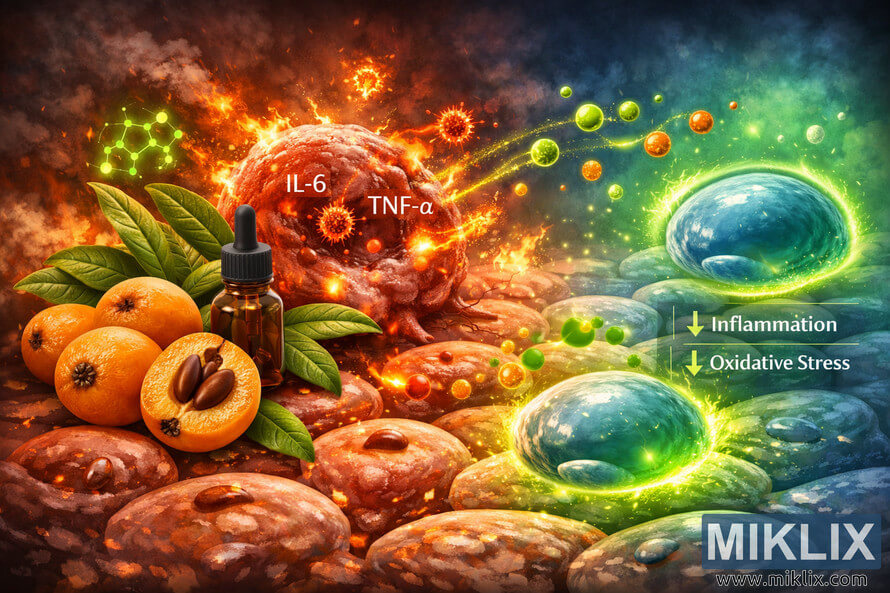
Mechanisms of Anti-Inflammatory Action
The anti-inflammatory effects of loquat compounds work through several pathways. They inhibit cyclooxygenase enzymes that produce inflammatory prostaglandins. They reduce nuclear factor kappa B activation, a master regulator of inflammatory gene expression. They also enhance the activity of anti-inflammatory signaling molecules your body produces naturally.
Cliquez ou appuyez sur l'image pour plus d'informations et des résolutions supérieures.
Potential Benefits for Inflammatory Conditions
While loquat should not replace medical treatment, its anti-inflammatory properties may provide complementary support for various conditions. Research suggests potential benefits for arthritis symptoms, inflammatory bowel conditions, and metabolic inflammation associated with obesity. Always consult healthcare providers before using diet to manage medical conditions.
| Compound Type | Primary Mechanism | Potential Benefit |
| Polyphenols | Enzyme inhibition | Reduced inflammatory mediator production |
| Carotenoids | Membrane protection | Cellular defense against oxidative inflammation |
| Vitamin C | Free radical neutralization | Prevention of inflammation-induced tissue damage |
| Triterpenes | Gene expression modulation | Regulation of inflammatory response genes |
Synergistic Effects
The anti-inflammatory power of loquat comes not from a single compound but from the interaction of multiple bioactive substances. This synergy means whole fruit consumption provides benefits beyond isolated supplement compounds. The matrix of vitamins, minerals, fiber, and phytonutrients works together more effectively than individual components alone.
Research Insight
Laboratory studies using loquat extracts demonstrate reduced inflammatory markers in cell cultures and animal models. While human clinical trials remain limited, preliminary evidence supports traditional uses for inflammatory conditions. Ongoing research continues to investigate specific applications and optimal dosing strategies.
Eye Health Benefits: Protecting Your Vision Naturally
Your eyes require specific nutrients to maintain optimal function throughout life. Age-related vision decline affects millions worldwide, but dietary choices can significantly influence eye health outcomes. The exceptional carotenoid content in loquat makes this fruit particularly valuable for vision protection.
Cliquez ou appuyez sur l'image pour plus d'informations et des résolutions supérieures.
Beta-Carotene and Vision
Beta-carotene converts to vitamin A, absolutely essential for vision. Your retina uses vitamin A to produce rhodopsin, a protein that enables vision in low-light conditions. Deficiency leads to night blindness and, in severe cases, permanent vision loss. The abundant beta-carotene in loquat helps prevent deficiency and supports optimal visual function.
Beyond basic vision, vitamin A maintains the health of your cornea, the clear front surface of your eye. It supports tear production, preventing dry eye syndrome. Adequate intake reduces the risk of corneal damage and related vision problems.
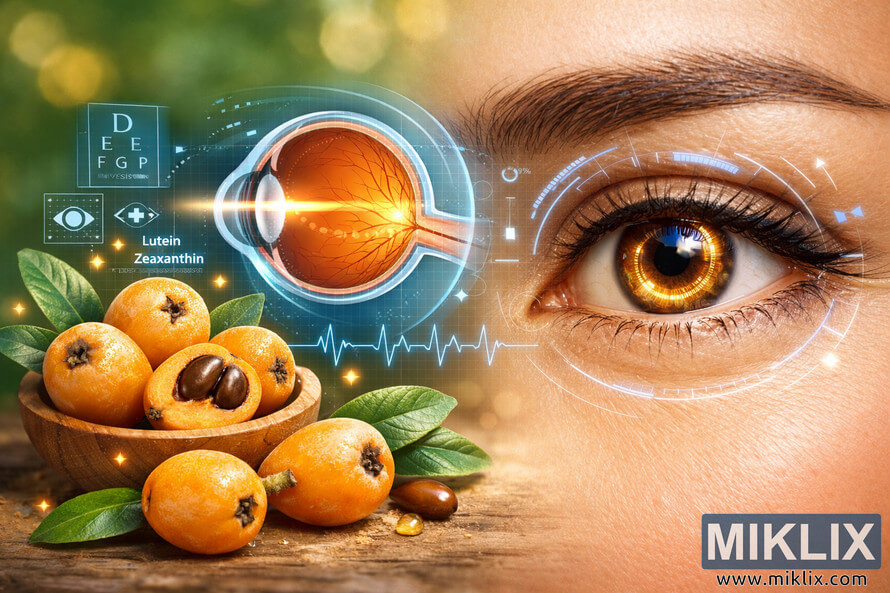
Lutein and Zeaxanthin Protection
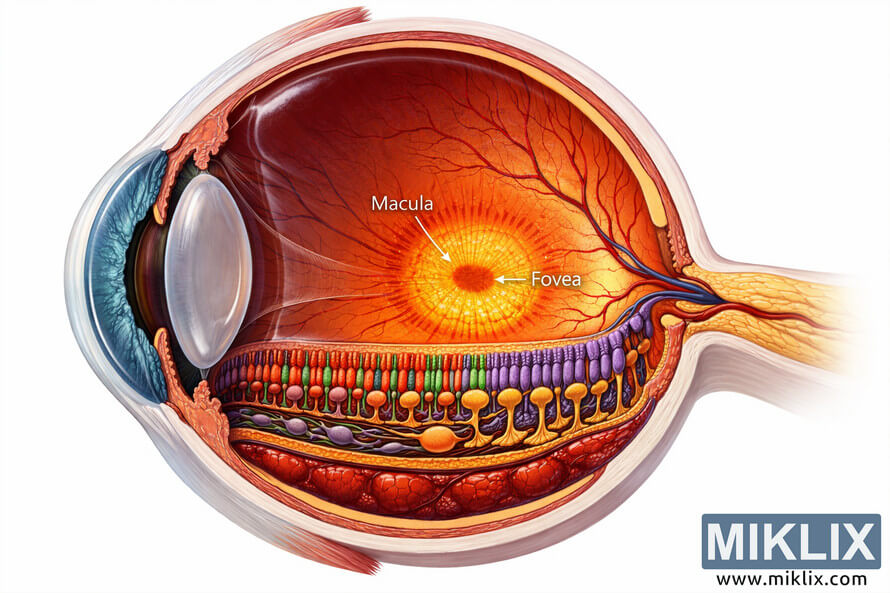
These carotenoids concentrate specifically in the macula, the central portion of your retina responsible for detailed vision. They act as natural sunglasses, filtering harmful blue light before it damages photoreceptor cells. Research demonstrates that higher lutein and zeaxanthin intake correlates with reduced risk of age-related macular degeneration.
Macular Degeneration Prevention
Age-related macular degeneration remains a leading cause of vision loss in older adults. The antioxidant carotenoids in loquat help protect macular tissue from oxidative damage. While genetics play a role, nutritional factors significantly influence disease risk and progression.
Cataract Risk Reduction
Oxidative stress contributes to cataract formation, the clouding of your eye's natural lens. Antioxidant vitamins and carotenoids in loquat neutralize free radicals that damage lens proteins. Regular consumption of antioxidant-rich fruits like loquat may help delay cataract development.
Cliquez ou appuyez sur l'image pour plus d'informations et des résolutions supérieures.
Antioxidant Protection for Eye Tissues
Eye tissues face constant oxidative stress from light exposure and high metabolic activity. The combination of vitamin C, vitamin A, and polyphenols in loquat provides comprehensive antioxidant protection. This multi-faceted defense system helps maintain the health of all eye structures, from cornea to retina.
- Provides fifty percent of daily vitamin A needs through beta-carotene
- Delivers lutein and zeaxanthin for macular protection
- Offers vitamin C to maintain lens clarity and corneal health
- Contains antioxidants that protect against light-induced damage
- Supports tear production and prevents dry eye symptoms
Vision Health Strategy
While loquat provides valuable eye nutrients, comprehensive vision protection requires a holistic approach. Combine nutrient-rich foods with UV-protective sunglasses, regular eye examinations, and lifestyle factors like not smoking. This multi-pronged strategy offers the best protection for long-term vision health.
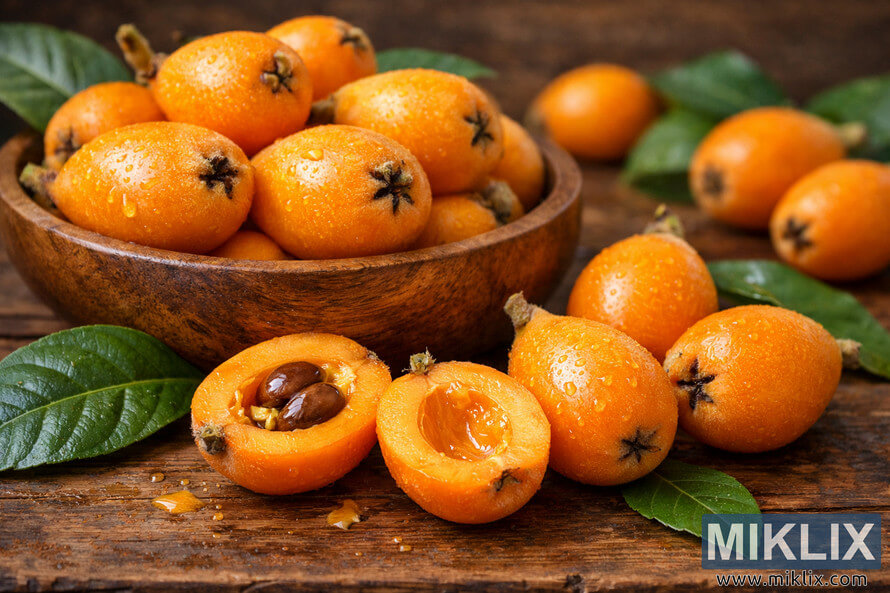
Cliquez ou appuyez sur l'image pour plus d'informations et des résolutions supérieures.
Cardiovascular Benefits: Supporting Heart Health
Heart disease remains the leading cause of mortality worldwide. Dietary patterns profoundly influence cardiovascular risk through multiple pathways. Loquat offers several heart-protective benefits through its unique combination of nutrients and bioactive compounds.
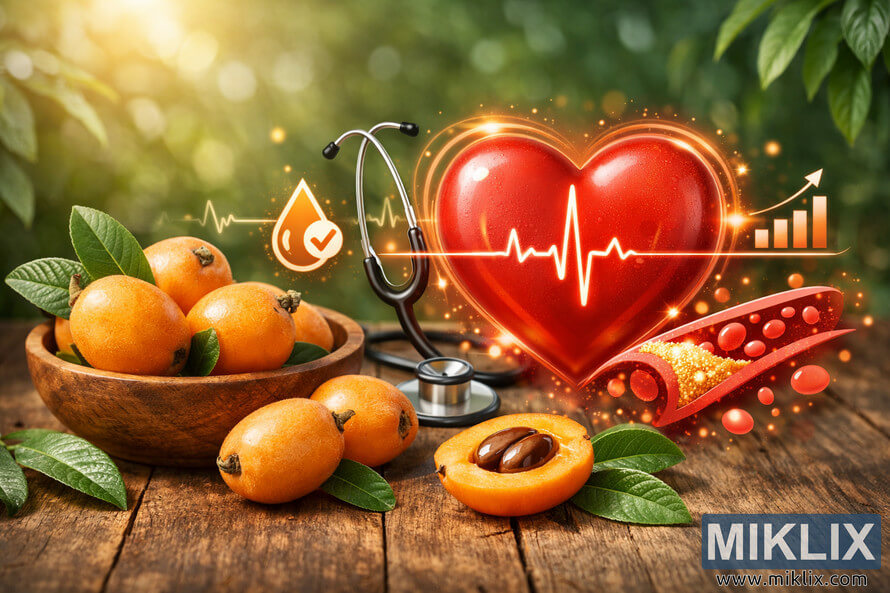
Cliquez ou appuyez sur l'image pour plus d'informations et des résolutions supérieures.
Potassium and Blood Pressure Regulation
Each serving of loquat provides meaningful potassium, an essential mineral for cardiovascular function. Potassium helps counteract sodium's blood pressure-raising effects. It assists in maintaining proper fluid balance and supports healthy blood vessel dilation. Research consistently shows that higher potassium intake correlates with lower blood pressure readings.
Modern diets often contain excessive sodium relative to potassium, creating an imbalance that promotes hypertension. Incorporating potassium-rich fruits like loquat helps restore the sodium-potassium balance your cardiovascular system requires. This dietary adjustment complements other blood pressure management strategies.
Fiber and Cholesterol Management
The soluble fiber in loquat binds to cholesterol in your digestive tract, reducing absorption. This mechanism helps lower LDL cholesterol levels, the type associated with increased cardiovascular risk. Studies demonstrate that regular fiber intake from whole fruits contributes to improved cholesterol profiles over time.
LDL Cholesterol Reduction
Soluble fiber forms a gel in your digestive system that traps cholesterol and bile acids. Your body eliminates these bound substances rather than reabsorbing them. This forces your liver to pull cholesterol from blood to produce new bile acids, thereby lowering circulating LDL levels.
HDL Cholesterol Support
While fiber directly lowers LDL, the overall dietary pattern that includes fruits like loquat supports healthy HDL levels. HDL cholesterol transports excess cholesterol away from artery walls to the liver for disposal. Maintaining optimal HDL levels provides crucial cardiovascular protection.
Antioxidants and Arterial Health
Oxidized LDL cholesterol infiltrates arterial walls more readily than unoxidized forms, promoting atherosclerosis development. The antioxidants in loquat help prevent LDL oxidation, reducing this key step in plaque formation. Vitamin C, carotenoids, and polyphenols work together to protect circulating lipids from oxidative modification.
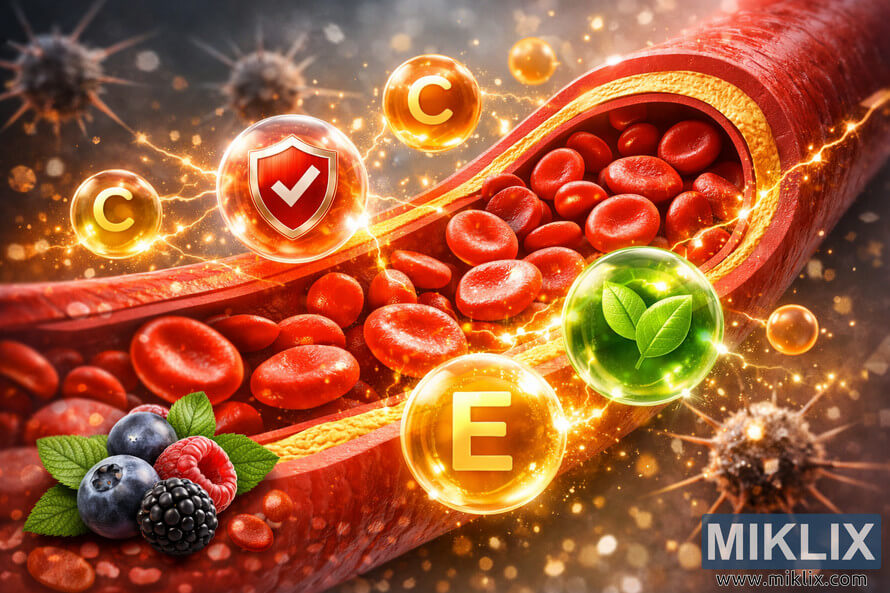
Cliquez ou appuyez sur l'image pour plus d'informations et des résolutions supérieures.
Anti-Inflammatory Effects on Blood Vessels
Chronic inflammation in blood vessel walls contributes to atherosclerosis progression. The anti-inflammatory compounds in loquat help reduce vascular inflammation, potentially slowing plaque development. This effect complements the direct cholesterol-lowering benefits of fiber consumption.
| Cardiovascular Factor | Loquat Component | Mechanism of Benefit |
| Blood Pressure | Potassium | Counters sodium, promotes vessel dilation |
| LDL Cholesterol | Soluble Fiber | Binds cholesterol, reduces absorption |
| Arterial Inflammation | Polyphenols | Inhibits inflammatory pathways |
| Oxidative Stress | Antioxidants | Neutralizes free radicals, protects lipids |
| Blood Sugar | Fiber | Slows glucose absorption, stabilizes levels |
Blood Sugar Regulation
While discussed more thoroughly in the weight management section, blood sugar control deserves mention for cardiovascular health. Elevated blood sugar damages blood vessels and increases heart disease risk. The fiber in loquat slows sugar absorption, helping maintain stable glucose levels that protect vascular health.
Medical Considerations
Individuals taking blood pressure medications or cholesterol-lowering drugs should consult physicians before significantly increasing fruit intake. While loquat provides health benefits, it should complement rather than replace prescribed treatments. Regular monitoring ensures dietary changes support rather than interfere with medical management.
Weight Management Benefits: Smart Nutrition for Healthy Weight
Maintaining healthy body weight involves complex interactions between calorie intake, nutrient density, satiety, and metabolism. Loquat offers several properties that support weight management goals when incorporated into a balanced dietary pattern.
Low Calorie Density
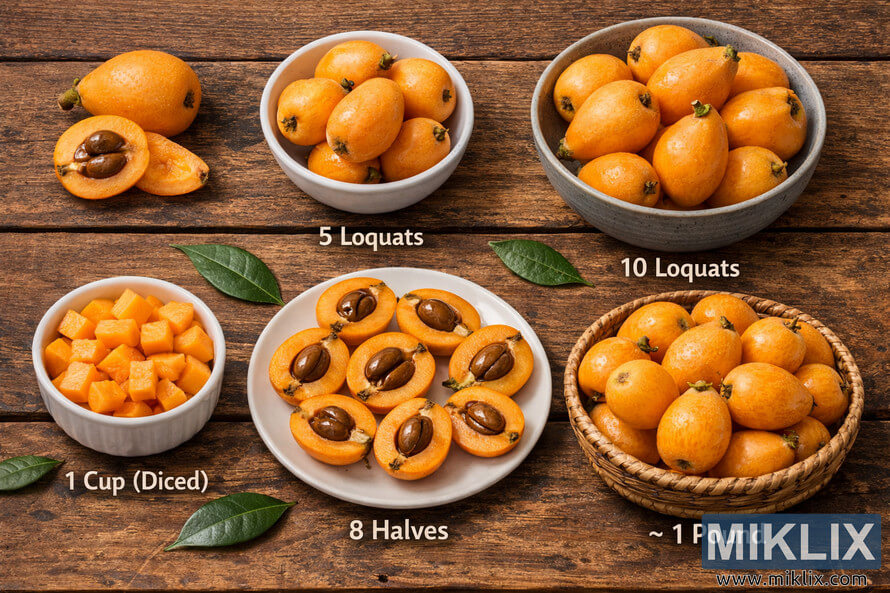
Calorie density refers to the number of calories per gram of food. Foods with low calorie density allow you to eat satisfying portions without excessive calorie intake. At approximately seventy calories per cup, loquat provides substantial volume with modest energy content. This characteristic makes it an excellent choice for individuals seeking to control portion sizes and total calorie consumption.
The high water content in fresh loquat contributes to low calorie density. Water adds weight and volume to food without adding calories. This means you can enjoy a generous serving of loquat that physically fills your stomach while consuming relatively few calories. This strategy helps create the calorie deficit necessary for weight loss.
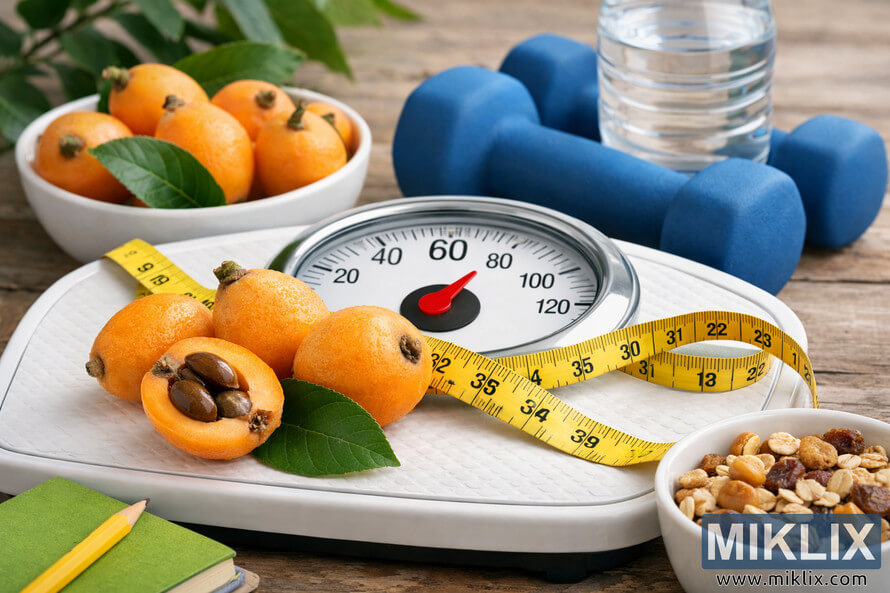
Cliquez ou appuyez sur l'image pour plus d'informations et des résolutions supérieures.
Fiber and Satiety
Dietary fiber promotes feelings of fullness through multiple mechanisms. It slows stomach emptying, extending the time you feel satisfied after eating. It triggers satiety hormones that signal your brain that you've eaten enough. The combination of soluble and insoluble fiber in loquat maximizes these satiety benefits.
Reducing Hunger Between Meals
Snacking on loquat between meals can help control hunger without derailing calorie goals. The fiber and water content provide physical fullness while the natural sugars offer gentle energy. This prevents the excessive hunger that often leads to overeating at main meals.
Replacing High-Calorie Snacks
Substituting loquat for processed snacks dramatically reduces calorie intake while improving nutrient quality. A serving of loquat contains a fraction of the calories found in chips, cookies, or candy, yet provides significantly more vitamins, minerals, and beneficial plant compounds.
Cliquez ou appuyez sur l'image pour plus d'informations et des résolutions supérieures.
Blood Sugar Stabilization
Rapid blood sugar fluctuations trigger hunger and cravings. The fiber in loquat slows the absorption of natural fruit sugars, preventing sharp glucose spikes followed by crashes. This stabilization helps maintain consistent energy levels and reduces the urge to consume additional food shortly after eating.
Stable blood sugar also influences fat storage patterns. Insulin surges promote fat storage, particularly around the abdomen. By moderating insulin response, the fiber in loquat may help reduce this tendency. However, total calorie intake remains the primary determinant of weight change over time.
Nutrient Density
Nutrient density describes the ratio of beneficial nutrients to calories. Loquat ranks high in nutrient density, delivering substantial vitamins, minerals, and antioxidants relative to its calorie content. This matters during weight loss because calorie restriction can compromise nutrient intake if food choices lack density.
- Provides satisfying portions with only seventy calories per cup
- Delivers fiber that promotes fullness and reduces overall food intake
- Stabilizes blood sugar to prevent hunger-inducing crashes
- Offers nutrient density that supports health during calorie restriction
- Replaces processed snacks with whole-food nutrition
Metabolic Support
While no food magically burns fat, certain nutrients support optimal metabolism. The B vitamins and minerals in loquat serve as cofactors for metabolic enzymes. These micronutrients help your body efficiently convert food into energy rather than storing it as fat. Adequate micronutrient intake supports the metabolic processes necessary for healthy weight management.
Realistic Expectations
No single food causes weight loss. Loquat supports weight management as part of an overall healthy dietary pattern combined with appropriate calorie intake and physical activity. Sustainable weight management requires comprehensive lifestyle changes rather than reliance on specific foods alone.
Skin Health Benefits: Nourishing Your Skin from Within
Your skin reflects your overall health and nutritional status. While topical treatments address surface concerns, lasting skin health requires proper nutrition from within. Loquat provides several nutrients essential for maintaining vibrant, healthy skin throughout life.
Vitamin C and Collagen Production
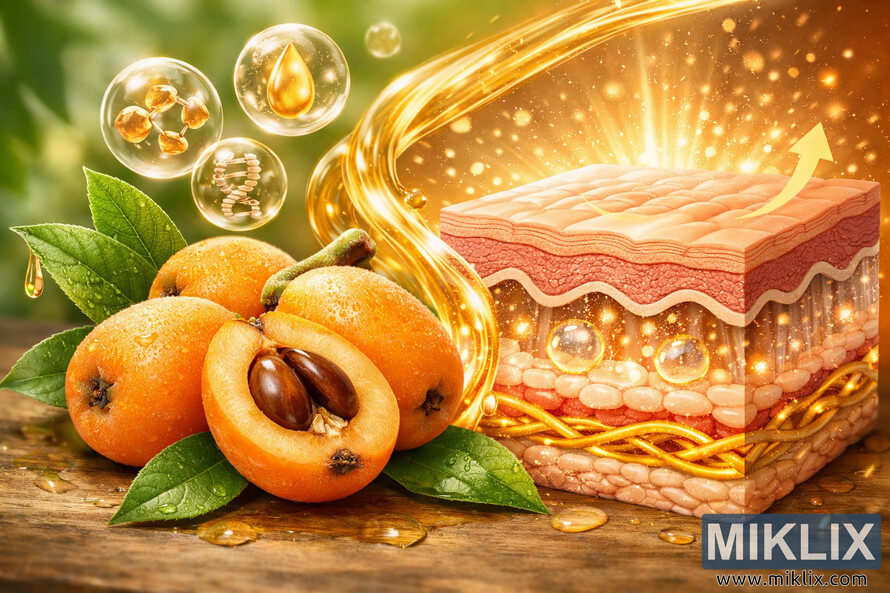
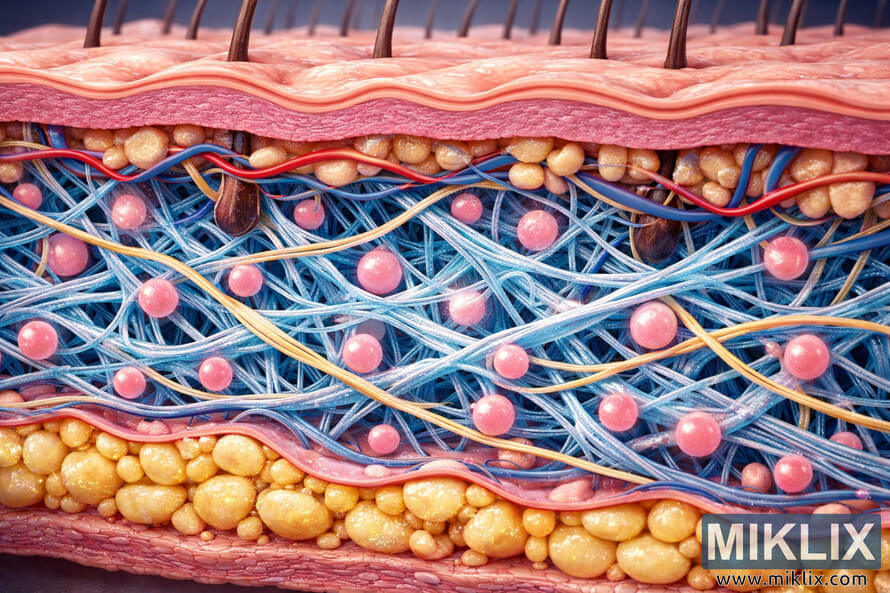
Collagen forms the structural foundation of your skin, providing firmness and elasticity. Your body cannot produce collagen without adequate vitamin C. This vitamin serves as an essential cofactor for enzymes that synthesize collagen molecules. Without sufficient vitamin C, collagen production slows, leading to weakened skin structure and premature aging signs.
The vitamin C in loquat supports not only new collagen synthesis but also collagen maintenance. It protects existing collagen from degradation by free radicals. This dual action helps preserve skin firmness and reduces the appearance of fine lines and wrinkles associated with collagen loss.
Cliquez ou appuyez sur l'image pour plus d'informations et des résolutions supérieures.
Antioxidant Protection Against Photoaging
Ultraviolet radiation from sun exposure generates free radicals in skin cells. These reactive molecules damage DNA, proteins, and lipids, accelerating aging processes. The comprehensive antioxidant system in loquat, including vitamin C, carotenoids, and polyphenols, helps neutralize UV-induced free radicals.
Beta-Carotene for Skin Protection
Beta-carotene accumulates in skin tissue, providing internal photoprotection. While not replacing sunscreen, dietary carotenoids offer supplemental defense against UV damage. Research suggests that higher carotenoid intake may reduce sunburn severity and support skin's natural protective mechanisms.
Polyphenols Against Environmental Stress
Beyond UV radiation, skin faces oxidative stress from pollution, smoking, and other environmental factors. The polyphenols in loquat provide broad-spectrum antioxidant protection that helps defend against these various stressors. This comprehensive defense supports overall skin health and appearance.
Cliquez ou appuyez sur l'image pour plus d'informations et des résolutions supérieures.
Hydration and Skin Moisture
The high water content in fresh loquat contributes to overall hydration status. While topical moisturizers address surface dryness, internal hydration provides the foundation for plump, healthy skin. Adequate fluid intake from water-rich fruits helps maintain skin's moisture balance from the inside out.
Anti-Inflammatory Benefits for Skin Conditions
Many skin conditions involve inflammatory processes. Acne, eczema, psoriasis, and rosacea all feature inflammation as a key component. The anti-inflammatory compounds in loquat may help modulate systemic inflammation that manifests in skin. While not a cure for skin conditions, anti-inflammatory nutrition supports overall skin health.
- Provides vitamin C essential for collagen synthesis and maintenance
- Delivers beta-carotene for internal photoprotection
- Offers polyphenols that protect against environmental oxidative stress
- Contributes to hydration for moisturized, plump skin
- Contains anti-inflammatory compounds that support skin healing
Supporting Wound Healing
Skin repairs itself constantly, from minor cuts to surgical incisions. This healing process requires robust collagen production and controlled inflammation. The vitamin C and other nutrients in loquat support both aspects of wound healing. Adequate nutrition accelerates healing while minimizing scar formation.
Comprehensive Skin Care
Optimal skin health requires a multi-faceted approach combining nutrition, sun protection, gentle cleansing, and appropriate topical treatments. Loquat provides valuable nutritional support but works best as part of a complete skin care strategy that addresses both internal and external factors.
How to Consume Loquat: Fresh, Preserved, and Creative Applications
Enjoying loquat's health benefits requires knowing how to select, prepare, and consume this fruit. Multiple consumption methods allow you to incorporate loquat into your diet in ways that suit your preferences and lifestyle.

Cliquez ou appuyez sur l'image pour plus d'informations et des résolutions supérieures.
Eating Fresh Loquat
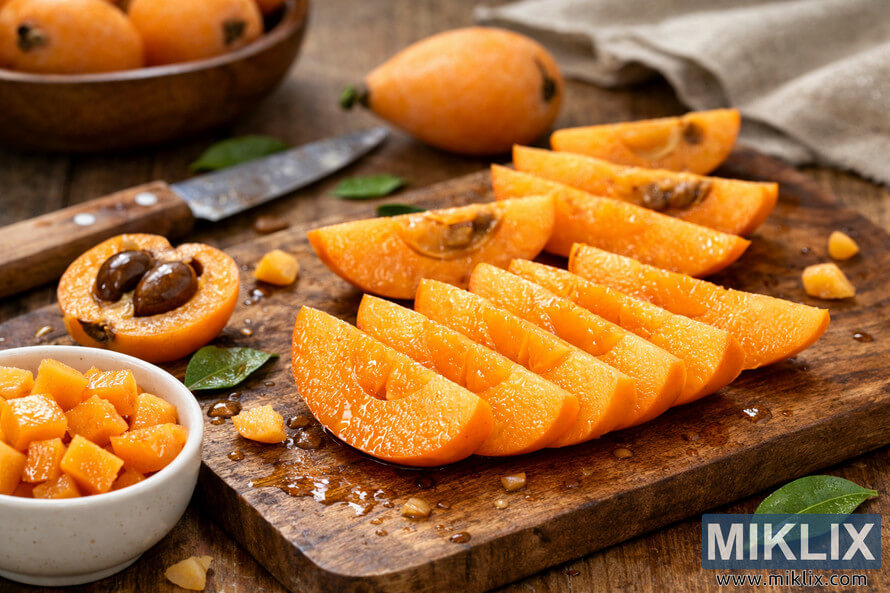
Fresh consumption preserves maximum nutrient content. Wash loquats thoroughly under running water. The thin skin is edible, though some prefer removing it due to slightly bitter flavor. Cut the fruit in half lengthwise and remove the large seeds, which are not edible and contain compounds that should not be consumed.
The flesh can be eaten directly, added to fruit salads, or used as a garnish. Fresh loquat pairs well with other fruits and adds color and flavor to mixed dishes. Some enjoy sprinkling loquat slices with a touch of lime juice to enhance the natural tartness.
Fresh Consumption Tips
- Eat loquats at room temperature for optimal flavor development
- Remove all seeds completely before consumption
- Try the skin first to decide if you prefer peeled fruit
- Combine with yogurt or cottage cheese for balanced snacks
- Add to green salads for sweet-tart contrast
Cliquez ou appuyez sur l'image pour plus d'informations et des résolutions supérieures.
Loquat Juice and Smoothies
Juicing or blending loquat creates refreshing beverages. For juice, process fresh loquat flesh with a juicer, straining out seeds and any fiber you prefer to remove. The juice can be consumed straight or mixed with other fruit juices for flavor complexity.
Smoothies offer versatility and retain fiber content that pure juice removes. Blend loquat flesh with banana for creaminess, add leafy greens for nutrients, or incorporate protein powder for post-workout recovery. The mild flavor of loquat complements many smoothie combinations without overpowering other ingredients.
Tropical Loquat Smoothie
- 1 cup fresh loquat flesh
- 1 banana
- 1/2 cup pineapple chunks
- 1 cup coconut water
- 1 tablespoon chia seeds
Blend until smooth for a refreshing tropical beverage rich in vitamins and fiber.

Cliquez ou appuyez sur l'image pour plus d'informations et des résolutions supérieures.
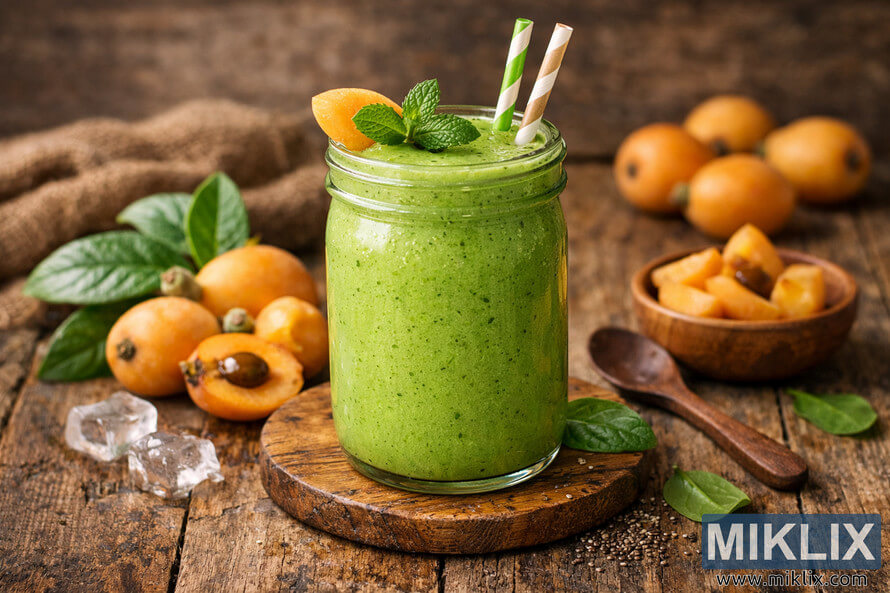
Green Energy Loquat Blend
- 1 cup loquat flesh
- 2 cups spinach
- 1/2 avocado
- 1 cup almond milk
- 1 tablespoon honey
Nutrient-dense green smoothie with creamy texture and balanced sweetness.
Cliquez ou appuyez sur l'image pour plus d'informations et des résolutions supérieures.
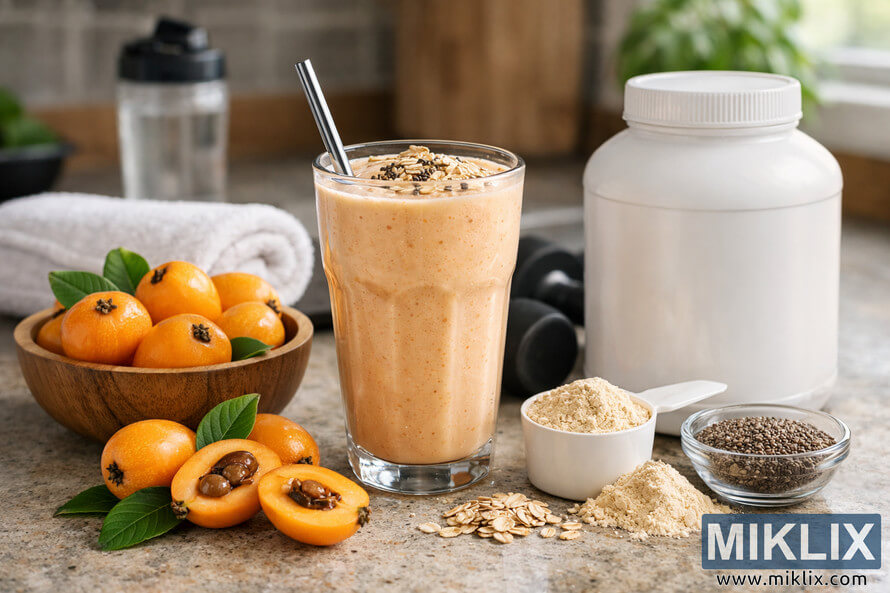
Protein Power Loquat Shake
- 1 cup loquat flesh
- 1 scoop vanilla protein powder
- 1 cup Greek yogurt
- 1/2 cup oats
- 1 cup milk of choice
Post-workout recovery shake combining fruit benefits with protein for muscle support.
Cliquez ou appuyez sur l'image pour plus d'informations et des résolutions supérieures.
Cooked and Preserved Preparations
Cooking loquat transforms its texture and concentrates flavors. The fruit works well in pies, tarts, and crumbles. Its pectin content makes it suitable for jams and preserves. Cooking does reduce some heat-sensitive vitamins like vitamin C, though many minerals and some antioxidants remain stable.
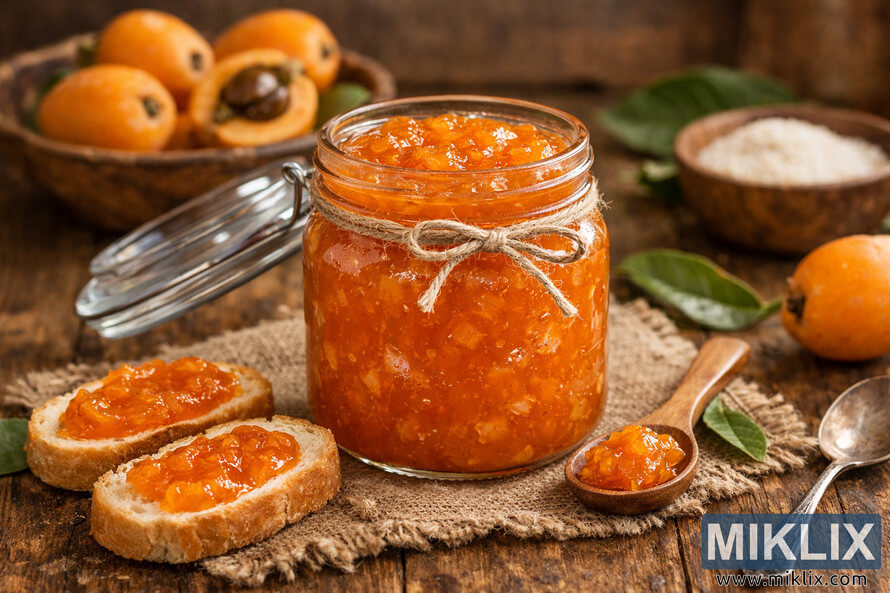
Loquat Jam Recipe
Combine four cups of loquat flesh with two cups of sugar and juice from one lemon. Cook over medium heat, stirring frequently, until mixture thickens and reaches jam consistency, approximately thirty to forty minutes. Pour into sterilized jars and process according to standard canning procedures for long-term storage.
Cliquez ou appuyez sur l'image pour plus d'informations et des résolutions supérieures.
Loquat in Savory Dishes
The sweet-tart flavor of loquat complements savory applications. Try adding sliced loquat to chicken or pork dishes during the final minutes of cooking. The fruit pairs particularly well with ginger, soy sauce, and citrus flavors common in Asian cuisine. Loquat chutney makes an excellent condiment for grilled meats.
Dried Loquat
Dehydrating concentrates sugars and extends shelf life. Dried loquat makes a portable snack, though the drying process reduces water-soluble vitamin content. Some commercial dried loquat products add sugar, so check labels if monitoring calorie or sugar intake. Home dehydration allows complete control over ingredients and sweetness levels.
| Preparation Method | Nutrient Retention | Best For |
| Fresh | Maximum vitamins and enzymes | Snacking, salads, immediate consumption |
| Juice/Smoothie | High vitamin C, varies by method | Quick nutrition, beverage preferences |
| Cooked | Reduced vitamin C, stable minerals | Desserts, preserves, flavor concentration |
| Dried | Concentrated minerals, reduced vitamins | Portable snacks, long-term storage |
Potential Side Effects and Precautions: Safe Loquat Consumption
While loquat fruit offers numerous benefits, understanding potential concerns ensures safe consumption. Most people tolerate loquat well, but certain situations require awareness and caution.
Seed Toxicity
Loquat seeds contain amygdalin, a compound that breaks down into cyanide when digested. Never consume loquat seeds. Always remove them completely before eating the fruit or using it in recipes. While accidental ingestion of one or two seeds likely poses minimal risk, intentional seed consumption can cause serious toxicity.
Symptoms of cyanide poisoning include headache, dizziness, confusion, and in severe cases, respiratory distress. If significant seed ingestion occurs, seek immediate medical attention. This precaution particularly matters when preparing loquat for children, who might not recognize seeds as inedible.
Seed Safety Guidelines
- Always remove all seeds before consuming loquat
- Supervise children when eating loquat
- Never use seeds in cooking or tea preparations
- Discard seeds immediately after removing from fruit
- Seek medical care if seeds are swallowed
Allergic Reactions
Food allergies to loquat remain relatively uncommon but can occur. Individuals allergic to other members of the rose family, including apples, pears, peaches, or plums, may experience cross-reactivity with loquat. Symptoms range from mild oral itching to severe anaphylaxis in rare cases.
First-time loquat consumers with known fruit allergies should start with small amounts and monitor for reactions. Discontinue consumption if you experience itching, swelling, hives, difficulty breathing, or gastrointestinal distress. Severe reactions require immediate emergency medical attention.
Blood Sugar Considerations
While loquat's fiber helps moderate blood sugar response, the fruit still contains natural sugars. Individuals with diabetes should monitor blood glucose levels when incorporating new fruits into their diets. Work with healthcare providers to determine appropriate portion sizes that fit within carbohydrate goals.
The glycemic response to loquat varies between individuals based on factors including ripeness, portion size, and what other foods accompany it. Pairing loquat with protein or healthy fats can further moderate blood sugar impact.
Medication Interactions
The vitamin K content in loquat leaves may interact with blood-thinning medications. While the fruit itself contains minimal vitamin K, individuals on anticoagulants should maintain consistency in their fruit intake. Sudden increases in vitamin-rich fruits could theoretically affect medication effectiveness.
Potassium content deserves consideration for individuals taking certain blood pressure medications or those with kidney disease. Excessive potassium can be problematic in these situations. Consult healthcare providers about appropriate fruit intake levels.

Cliquez ou appuyez sur l'image pour plus d'informations et des résolutions supérieures.
Digestive Sensitivity
The fiber content that benefits most people may cause discomfort in individuals with sensitive digestive systems. Introducing loquat gradually allows your system to adapt. Start with small portions and increase slowly over several days or weeks.
Excessive consumption of any high-fiber fruit can cause bloating, gas, or loose stools. Moderation prevents these issues while still providing health benefits. Balance loquat intake with other varied fruits and vegetables for optimal nutrition.
Pregnancy and Breastfeeding
Loquat fruit in normal food amounts appears safe during pregnancy and breastfeeding. The vitamins and minerals support maternal and fetal health. However, avoid medicinal amounts or concentrated extracts without professional guidance. Traditional medicine uses of loquat leaf preparations during pregnancy lack sufficient safety research.
Quality and Pesticide Concerns
Like all produce, loquat may contain pesticide residues if grown conventionally. Wash fruit thoroughly under running water before consumption. Organic loquat eliminates synthetic pesticide exposure, though availability varies by region. When organic options are unavailable, proper washing significantly reduces residue levels.
When to Consult Healthcare Providers
Discuss loquat consumption with medical professionals if you have diabetes, kidney disease, food allergies, take medications regularly, are pregnant or breastfeeding, or have any chronic health conditions. Professional guidance ensures loquat fits safely within your overall health management plan.

Cliquez ou appuyez sur l'image pour plus d'informations et des résolutions supérieures.
How to Select and Store Loquat: Maximizing Freshness and Quality
Proper selection and storage preserve loquat's nutritional value and flavor. Understanding ripeness indicators and optimal storage conditions helps you enjoy the fruit at peak quality.
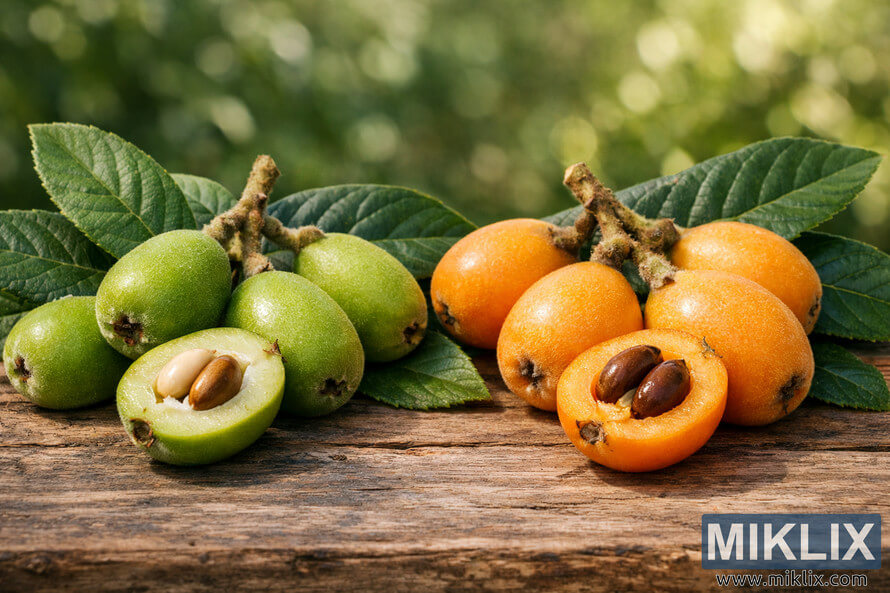
Selecting Ripe Loquat
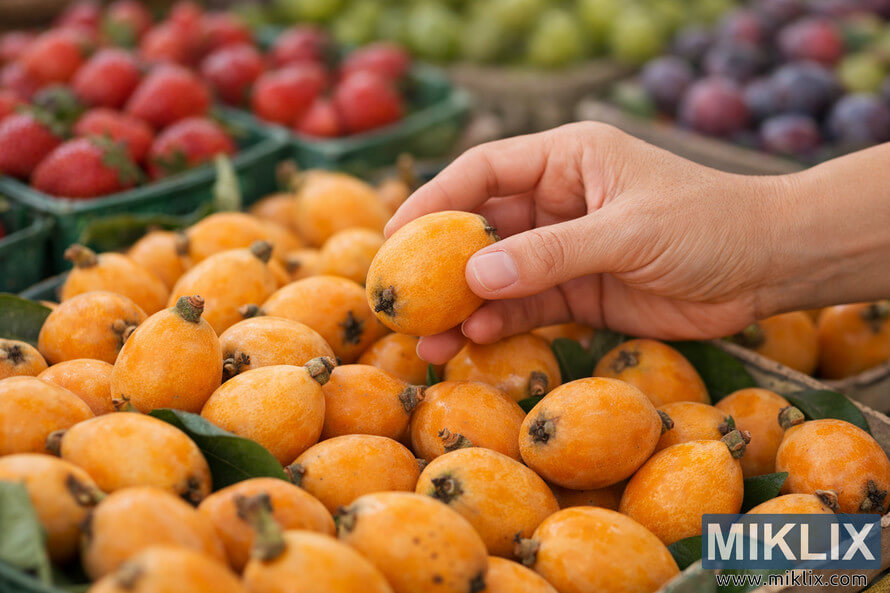
Ripe loquat displays golden to orange skin color depending on the variety. Avoid fruits with green patches, which indicate underripeness. The skin should appear smooth without blemishes, bruises, or soft spots. Gentle pressure should yield slightly, similar to a ripe apricot or plum. Hard fruit needs additional ripening time.
Size varies by variety, but within a given variety, larger fruits often indicate better development and flavor. Check the stem end for freshness. Brown, dried stems suggest older fruit that may have been stored too long. Fresh loquat should have a subtle, pleasant fragrance at the stem end.
Cliquez ou appuyez sur l'image pour plus d'informations et des résolutions supérieures.
Visual Quality Indicators
- Golden to deep orange skin color
- Smooth, unblemished surface
- Fresh green leaves if attached
- No signs of mold or decay
- Consistent color without green patches
Touch and Smell Tests
- Slight give when gently squeezed
- Firm but not hard texture
- Sweet, pleasant aroma at stem
- Not mushy or overly soft
Cliquez ou appuyez sur l'image pour plus d'informations et des résolutions supérieures.
Ripening Underripe Loquat
If you purchase underripe loquat, allow it to ripen at room temperature. Place fruit in a single layer away from direct sunlight. Check daily for color change and softening. Ripening typically takes two to four days depending on initial maturity.
To accelerate ripening, place loquat in a paper bag with a banana or apple. These fruits release ethylene gas that triggers ripening. Do not use plastic bags, which trap moisture and promote mold growth. Once ripe, use promptly or refrigerate to prevent overripening.
Refrigeration and Short-Term Storage
Ripe loquat stores in the refrigerator for three to five days. Place fruit in a perforated plastic bag or container to maintain humidity while allowing air circulation. Store in the crisper drawer where temperature and humidity levels are optimized for produce.
Bring refrigerated loquat to room temperature before eating for best flavor. Cold temperatures mute the fruit's aromatic compounds. Allow thirty minutes to one hour at room temperature for flavor to fully develop before consumption.
| Storage Method | Duration | Best For |
| Room Temperature | 1-2 days (ripe fruit) | Immediate consumption, optimal flavor |
| Refrigerator | 3-5 days | Extending freshness of ripe fruit |
| Freezer (whole) | 2-3 months | Long-term storage, smoothies |
| Freezer (pureed) | 4-6 months | Recipes, consistent texture |
Freezing for Long-Term Storage
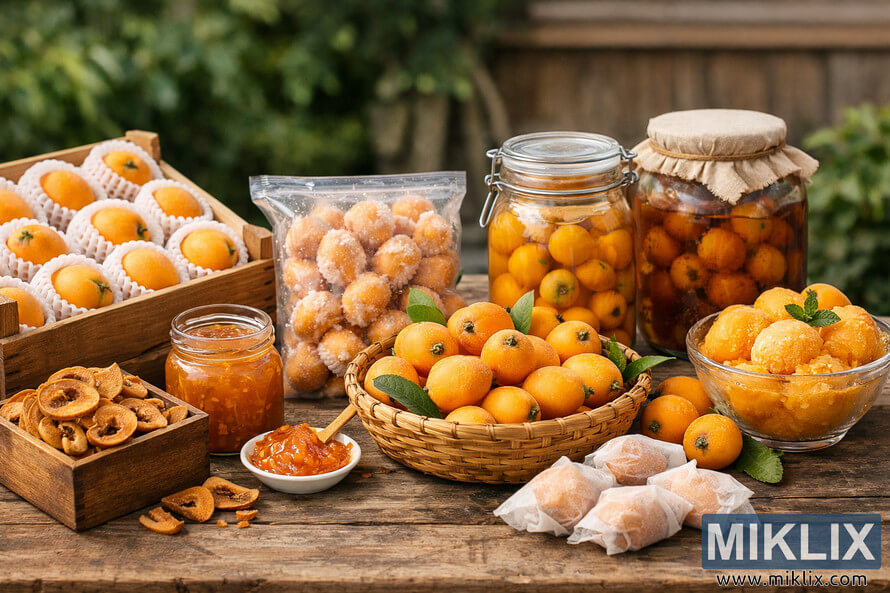
Freezing preserves loquat for several months. Wash fruit thoroughly and remove seeds. You can freeze whole halves or puree the flesh first. For whole pieces, arrange in a single layer on a baking sheet and freeze until solid, then transfer to freezer bags. This prevents pieces from clumping together.
Pureed loquat freezes well in ice cube trays for portion control. Once frozen, transfer cubes to freezer bags. This method works particularly well for smoothie preparation. Frozen loquat maintains nutritional value well, though texture changes make it less suitable for eating fresh after thawing.
Signs of Spoilage
Discard loquat showing signs of decay. Mold appears as fuzzy growth in various colors. Fermented odors indicate overripeness and spoilage. Excessive softness, liquid leaking, or darkened flesh all signal that fruit has passed peak quality. When in doubt, throw it out to avoid foodborne illness risk.
Seasonal Availability
Fresh loquat typically appears in markets during spring, from March through June in most regions. Availability peaks in April and May. Plan to enjoy fresh loquat during this window, using freezing methods to preserve fruit for year-round use. Some specialty markets import loquat from different hemispheres, extending availability.
Cliquez ou appuyez sur l'image pour plus d'informations et des résolutions supérieures.
Frequently Asked Questions About Loquat
Can I eat loquat skin?
Yes, loquat skin is edible and contains beneficial fiber and antioxidants. The skin is thin and becomes tender when the fruit ripens. Some people prefer removing it due to slightly bitter taste, but from a nutritional standpoint, eating the skin increases fiber intake and provides additional phytonutrients. Wash fruit thoroughly before consuming with skin to remove any pesticide residues or dirt.
How many loquats can I safely eat per day?
Most people can safely consume one to two cups of loquat daily as part of a varied fruit intake. This provides significant vitamins and fiber without excessive calories or sugar. Individual tolerance varies based on digestive sensitivity and overall diet composition. Start with smaller amounts and increase gradually. People with diabetes should monitor blood sugar responses and consult healthcare providers about appropriate portions fitting within carbohydrate goals.
What does loquat taste like?
Loquat flavor combines elements of peach, citrus, and mild mango with subtle tartness. Ripe fruit offers balanced sweetness without being cloying. The taste varies somewhat between varieties, with some leaning more toward apricot flavor and others showing stronger citrus notes. Texture resembles a firm plum when ripe, with juicy flesh that becomes softer as the fruit matures further.
Are loquat seeds poisonous?
Yes, loquat seeds contain amygdalin, which converts to cyanide when digested. Never consume loquat seeds. Always remove them completely before eating the fruit or using it in recipes. While accidentally swallowing one or two seeds likely poses minimal risk to adults, intentional seed consumption can cause serious toxicity. Symptoms include headache, dizziness, confusion, and respiratory distress. Keep seeds away from children and pets.
Can diabetics eat loquat?
Diabetics can include loquat in their diets with appropriate portion control and blood sugar monitoring. The fiber in loquat helps moderate blood sugar response compared to refined sugars. However, the fruit still contains natural sugars that affect glucose levels. Work with healthcare providers or registered dietitians to determine appropriate serving sizes that fit within individual carbohydrate targets. Pairing loquat with protein or healthy fats can further stabilize blood sugar response.
Where can I buy fresh loquat?
Fresh loquat appears in specialty produce markets, Asian grocery stores, and some farmers markets during spring season, typically March through June. Availability peaks in April and May in most United States regions. Some online specialty produce retailers ship fresh loquat when in season. In areas with suitable climates, home gardeners grow loquat trees for personal consumption. Check local Asian markets first, as they most consistently stock this fruit.
How do I know when loquat is ripe?
Ripe loquat displays golden to deep orange skin color without green patches. The fruit yields slightly to gentle pressure, similar to a ripe plum or apricot. You should detect a subtle sweet fragrance at the stem end. Avoid fruits that feel rock-hard or show extensive bruising and soft spots. If you purchase underripe loquat, allow it to ripen at room temperature for two to four days until color deepens and texture softens.
Can I freeze loquat?
Yes, loquat freezes well for long-term storage. Remove seeds and freeze whole halves or pureed flesh. For whole pieces, arrange in a single layer on a baking sheet, freeze until solid, then transfer to freezer bags to prevent clumping. Pureed loquat can freeze in ice cube trays for portion control. Frozen loquat maintains nutritional value for four to six months and works excellently in smoothies, though texture changes make it unsuitable for fresh eating after thawing.
Is loquat good for weight loss?
Loquat supports weight management through low calorie density, high fiber content, and nutrient richness. At approximately seventy calories per cup, it provides satisfying portions without excessive energy intake. The fiber promotes fullness and reduces overall food consumption. However, no single food causes weight loss. Loquat works best as part of a comprehensive approach including appropriate total calorie intake, varied nutrition, and regular physical activity. It makes an excellent replacement for processed, calorie-dense snacks.
What nutrients are in loquat?
Loquat provides exceptional vitamin A (as beta-carotene), supplying about fifty percent of daily needs per cup. It offers significant vitamin C, approximately thirty percent of daily requirements. The fruit contains potassium, manganese, copper, and magnesium. Dietary fiber supports digestive health. Bioactive compounds include polyphenols like chlorogenic acid, various flavonoids, and carotenoids including lutein and zeaxanthin. This nutrient density makes loquat particularly valuable for immune support, eye health, and antioxidant protection.
Conclusion: Embracing Loquat for Comprehensive Wellness
The journey through loquat's health benefits reveals why this ancient fruit deserves modern recognition. From digestive support through fiber content to immune enhancement via vitamin C and antioxidants, loquat offers multifaceted wellness contributions. The cardiovascular benefits of potassium and fiber, combined with anti-inflammatory properties, position this fruit as a valuable component of heart-healthy diets.
Eye health support through carotenoids addresses a growing concern as screen time increases across all age groups. The skin benefits from vitamin C's collagen synthesis role complement external skincare routines. Weight management becomes more achievable when nutrient-dense, low-calorie foods like loquat replace processed snacks.
Understanding safe consumption practices, from seed removal to appropriate portions for individual health conditions, ensures you maximize benefits while minimizing risks. Proper selection and storage techniques preserve nutritional value and flavor, allowing year-round enjoyment through freezing methods.

Cliquez ou appuyez sur l'image pour plus d'informations et des résolutions supérieures.
Key Takeaways
- Loquat provides exceptional vitamin A and C content for immune and eye health
- Fiber supports digestive wellness and cardiovascular health
- Antioxidants combat inflammation and oxidative stress
- Low calorie density aids weight management goals
- Multiple preparation methods suit various preferences
- Seeds must always be removed before consumption
- Proper storage extends freshness and availability
Implementing Loquat in Your Life
- Start with small portions to assess tolerance
- Seek fresh loquat during spring peak season
- Experiment with various preparation methods
- Freeze extras for year-round availability
- Combine with other nutritious foods for balanced meals
- Consult healthcare providers about specific health concerns
- Track how loquat affects your individual wellness
No single food provides complete nutrition or solves all health challenges. Loquat contributes valuable nutrients and bioactive compounds as part of a varied, whole-food diet. Its benefits amplify when combined with other fruits, vegetables, whole grains, lean proteins, and healthy fats. This comprehensive approach to nutrition, alongside appropriate physical activity and lifestyle factors, creates the foundation for lasting wellness.
The growing body of research into loquat's therapeutic compounds continues to validate traditional uses while uncovering new applications. As interest in functional foods and plant-based nutrition expands, loquat stands poised to gain wider recognition. Its unique combination of culinary appeal and health benefits makes it an ideal fruit for those seeking both enjoyment and nutrition.
Whether you're discovering loquat for the first time or rediscovering a childhood favorite, incorporating this remarkable fruit into your routine offers an opportunity to enhance your health naturally. The modest investment in seeking out quality loquat during its seasonal availability pays dividends in nutritional value and culinary satisfaction. Your body deserves the comprehensive support that whole foods like loquat provide.

Cliquez ou appuyez sur l'image pour plus d'informations et des résolutions supérieures.
Lectures complémentaires
Si vous avez apprécié cet article, vous aimerez peut-être aussi ces suggestions :
- Au-delà de la torréfaction : comment l’extrait de café vert accélère le métabolisme, équilibre la glycémie et protège vos cellules
- Les remarquables bienfaits du coing pour la santé : le superfruit oublié de la nature
- Pourquoi l'aronia devrait être le prochain superfruit de votre alimentation