
The Powerful Health Benefits of Radishes: Your Complete Nutrition Guide
Publié :
Dernière mise à jour : 10 juillet 2026 à 16 h 31 min 10 s UTC
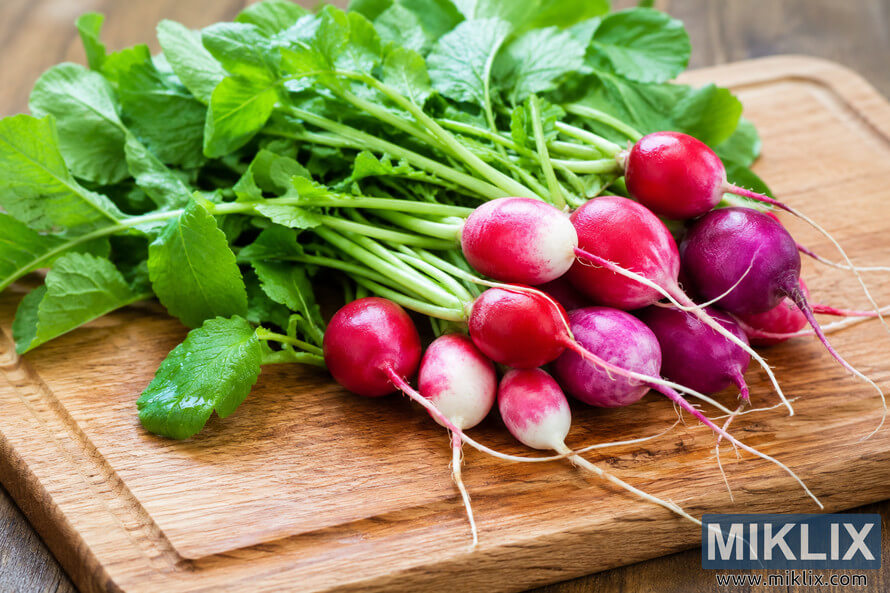
Radishes are far more than a colorful garnish on your salad plate. These crisp root vegetables pack an impressive nutritional punch that can transform your health in surprising ways.
The Powerful Health Benefits of Radishes: Your Complete Nutrition Guide
Cliquez ou appuyez sur l'image pour plus d'informations et des résolutions supérieures.
Whether you prefer the mild crunch of spring radishes or the robust flavor of winter radishes, these humble vegetables offer benefits that extend from your digestive system to your cardiovascular health.
Many people overlook radishes when planning their meals. Yet these vegetables deliver essential vitamins, minerals, and powerful plant compounds. The best part is that radishes are incredibly easy to incorporate into your daily diet through simple preparation methods.
This comprehensive guide explores everything you need to know about radish nutrition and health benefits. You will discover how these vegetables support your body and learn practical ways to add them to your meals.
Nutritional Profile of Radishes
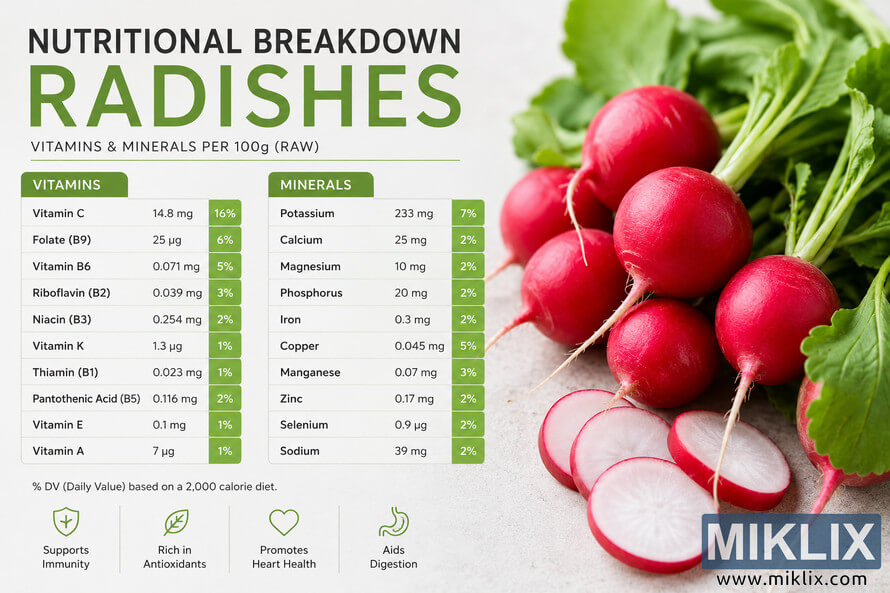
Radishes stand out as a low-calorie vegetable choice. A single cup of sliced radishes contains only nineteen calories. This makes them perfect for anyone watching their calorie intake while seeking maximum nutrition.
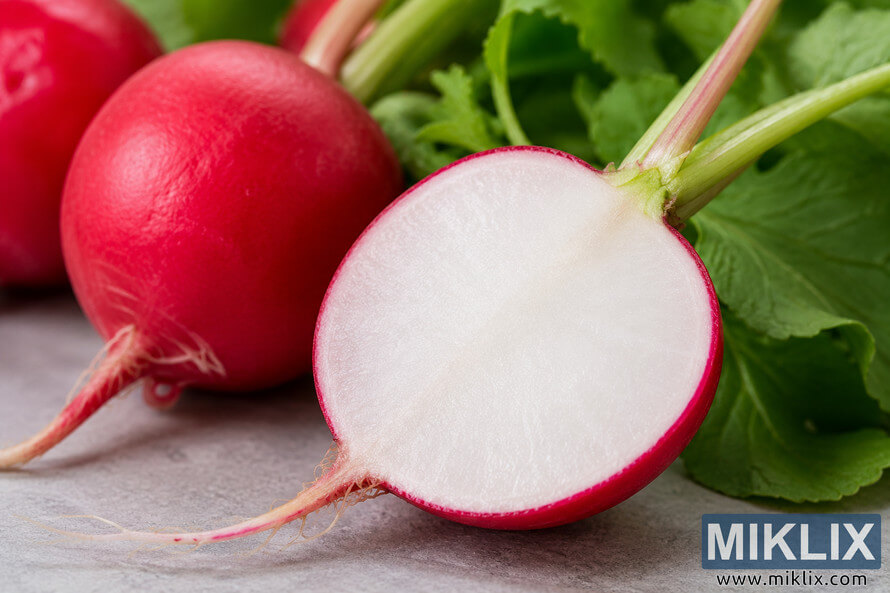
The white flesh of radishes holds substantial vitamin C content. One serving provides about twenty-nine percent of your daily vitamin C needs. This essential nutrient supports immune function and skin health throughout the year.
Cliquez ou appuyez sur l'image pour plus d'informations et des résolutions supérieures.
Essential Vitamins in Radishes
Beyond vitamin C, radishes contain several B vitamins. These include folate and vitamin B6. Both vitamins play crucial roles in energy metabolism and brain function.
The roots also provide small amounts of vitamin K. This nutrient helps your blood clot properly and supports bone health. Spring and summer radishes deliver these vitamins in their most concentrated form when harvested fresh.
Mineral Content and Benefits
Radishes supply important minerals your body needs daily. Potassium ranks as the most abundant mineral in these vegetables. This electrolyte helps regulate blood pressure and supports heart function.
Other minerals found in radishes include calcium, magnesium, and phosphorus. These minerals work together to maintain strong bones and teeth. The mineral profile varies slightly between different radish varieties.
Cliquez ou appuyez sur l'image pour plus d'informations et des résolutions supérieures.
Fiber and Water Content
Each serving of radishes provides nearly two grams of dietary fiber. This fiber content supports digestive health and helps you feel satisfied after meals. The combination of fiber and water makes radishes excellent for maintaining healthy digestion.
Radishes contain approximately ninety-five percent water. This high water content contributes to hydration while providing nutrients. The crisp texture comes from this water combined with the vegetable's natural fiber structure.
Supporting Digestive Health with Radishes
Your digestive system benefits significantly from regular radish consumption. The fiber in radishes acts as a prebiotic, feeding beneficial gut bacteria. These bacteria play essential roles in nutrient absorption and immune function.
Radishes contain compounds that stimulate bile production. Bile helps break down fats and supports liver function. This process improves your body's ability to digest meals efficiently and absorb fat-soluble vitamins.
Promoting Regular Bowel Movements
The fiber content in radishes helps prevent constipation naturally. Both soluble and insoluble fiber work together to promote regularity. Eating radishes regularly can help establish consistent digestive patterns.
Water content also contributes to digestive health. The combination of water and fiber creates bulk in your digestive tract. This bulk helps food move through your system at a healthy pace.
Reducing Bloating and Discomfort
Many people experience reduced bloating when they add radishes to their diet. The natural compounds in radishes may help reduce gas formation in the intestines. This effect brings relief from uncomfortable digestive symptoms.
Radishes also support stomach acid production at healthy levels. Proper acid levels are essential for breaking down proteins and preventing indigestion. The mild spicy flavor of radishes comes from compounds that aid this process.
Daikon radishes, a popular winter radish variety, show particularly strong digestive benefits. These large white radishes contain enzymes that help digest starches and proteins. Many Asian cuisines use daikon specifically to aid digestion after heavy meals.
The leaves of radishes also offer digestive support. These greens contain additional fiber and nutrients. You can add radish leaves to salads or cook them like other leafy greens.
Cliquez ou appuyez sur l'image pour plus d'informations et des résolutions supérieures.
Boosting Immune Function
Your immune system receives substantial support from the vitamin C in radishes. This antioxidant vitamin helps white blood cells function properly. These cells form your body's first line of defense against infections and diseases.
Research shows that regular vitamin C intake may reduce the duration of common colds. While radishes alone will not prevent illness, they contribute to your overall immune defense strategy. The vitamin C content remains stable when radishes are eaten raw.
Antioxidant Properties
Radishes contain various antioxidant compounds beyond vitamin C. These include anthocyanins, which give red and purple radishes their vibrant color. Antioxidants neutralize harmful free radicals that can damage cells and accelerate aging.
The skin of radishes holds the highest concentration of antioxidants. Eating radishes with their skin intact provides maximum benefit. Always wash radishes thoroughly but avoid peeling them to retain these valuable compounds.
Anti-Inflammatory Effects
Chronic inflammation contributes to many health problems. The compounds in radishes demonstrate anti-inflammatory properties in research studies. These effects may help reduce inflammation throughout your body when consumed regularly.
Winter radishes, including varieties like black radish, show particularly strong anti-inflammatory effects. These larger radish types contain higher concentrations of certain beneficial compounds. Their robust flavor reflects this increased potency.
Quick Tip: Store radishes in your refrigerator for up to two weeks. Keep them in a plastic bag with a damp paper towel. This method maintains their crunch and preserves their vitamin content for maximum immune support.

Cliquez ou appuyez sur l'image pour plus d'informations et des résolutions supérieures.
Supporting Weight Management Goals
Radishes make an excellent addition to any weight management plan. Their low calorie density means you can eat a satisfying portion without consuming many calories. This property helps you feel full while maintaining a calorie deficit.
The fiber content creates feelings of fullness that last between meals. This satiety effect can reduce snacking and help control portion sizes at meals. Many people find that including radishes in salads helps them eat less overall.
Metabolism and Fat Burning
Some research suggests that radishes may influence metabolism positively. The compounds that create their spicy flavor might stimulate metabolic processes. While more research is needed, early studies show promising results.
Radishes contain virtually no fat and minimal carbohydrates. This macronutrient profile fits well into various diet approaches. Whether you follow low-carb, low-fat, or balanced eating plans, radishes adapt easily to your needs.
Cliquez ou appuyez sur l'image pour plus d'informations et des résolutions supérieures.
Blood Sugar Regulation
Maintaining stable blood sugar levels supports weight management and overall health. The fiber in radishes slows down sugar absorption from meals. This effect helps prevent the blood sugar spikes that trigger increased hunger and cravings.
Studies indicate that radish consumption may improve insulin sensitivity. Better insulin sensitivity helps your body regulate blood sugar more effectively. This benefit extends beyond weight management to general metabolic health.
Different types of radishes offer similar benefits for blood sugar control. Spring radishes, with their mild flavor, work well in daily meals. Winter radishes provide these benefits in a more concentrated form due to their larger size and denser flesh.

Cliquez ou appuyez sur l'image pour plus d'informations et des résolutions supérieures.
Promoting Cardiovascular Health
Your heart health receives multiple benefits from eating radishes regularly. The potassium content helps regulate blood pressure by balancing sodium levels. This mineral combination supports healthy circulation and reduces strain on blood vessels.
Radishes contain compounds called anthocyanins that support heart health. These pigments give certain radish varieties their red or purple color. Research links anthocyanin consumption to reduced heart disease risk.
Cholesterol Management
The fiber in radishes helps manage cholesterol levels naturally. Soluble fiber binds to cholesterol in your digestive system and helps remove it from your body. This process can lead to modest improvements in cholesterol profiles over time.
Some studies suggest that radish consumption may specifically help reduce LDL cholesterol. This type of cholesterol contributes to arterial plaque when levels become too high. Including radishes in a heart-healthy diet offers multiple approaches to cholesterol management.
Cliquez ou appuyez sur l'image pour plus d'informations et des résolutions supérieures.
Blood Pressure Benefits
The potassium in radishes plays a vital role in blood pressure regulation. Most people consume too much sodium and too little potassium. Radishes help correct this imbalance naturally through their favorable mineral profile.
Research shows that increasing potassium intake can lower blood pressure in people with hypertension. While radishes should not replace prescribed medications, they support overall cardiovascular health as part of a balanced diet. The water content in radishes also contributes to healthy blood volume and circulation.
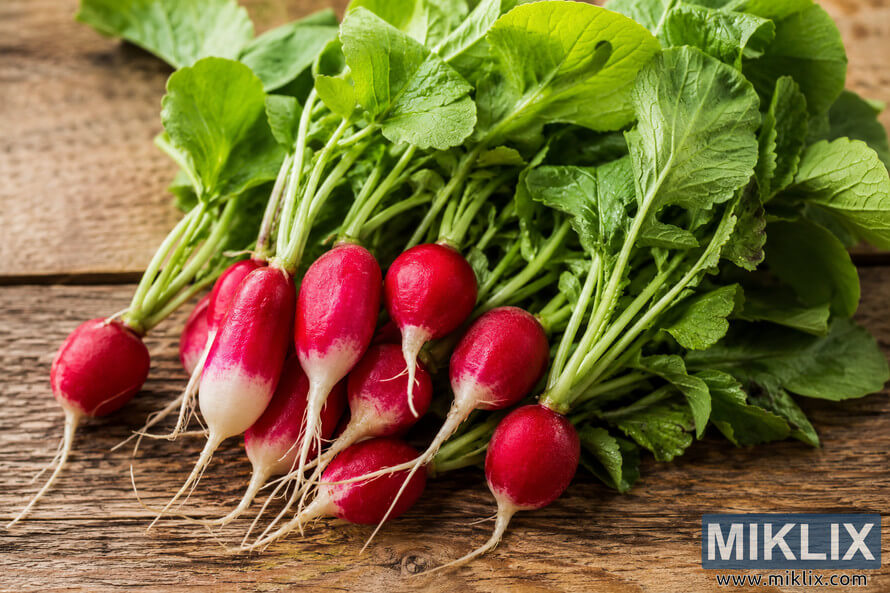
Spring Radishes
These quick-growing varieties mature in just three to four weeks. Their mild flavor and crisp texture make them perfect for fresh salads and snacks. Spring radishes support heart health with their concentrated nutrient content.
Cliquez ou appuyez sur l'image pour plus d'informations et des résolutions supérieures.
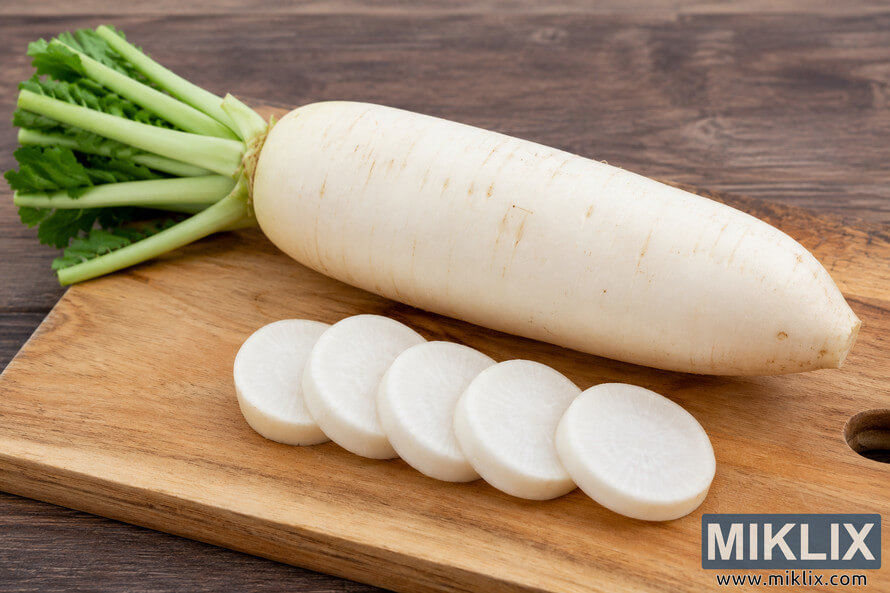
Winter Radishes
Larger varieties like daikon grow throughout late summer and fall. These radishes store well and provide robust flavor. Their dense flesh contains concentrated nutrients that support cardiovascular health during winter months.
Cliquez ou appuyez sur l'image pour plus d'informations et des résolutions supérieures.
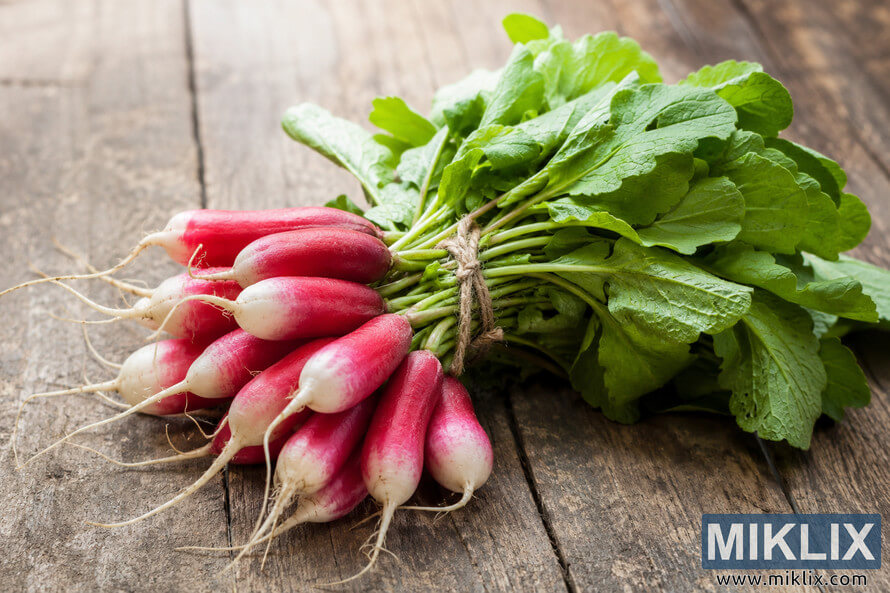
French Breakfast
This elegant variety combines the best of spring and summer radishes. French breakfast radishes offer mild flavor with beautiful coloring. Their balanced nutrient profile supports heart health while adding visual appeal to dishes.
Cliquez ou appuyez sur l'image pour plus d'informations et des résolutions supérieures.
Cancer-Fighting Compounds in Radishes
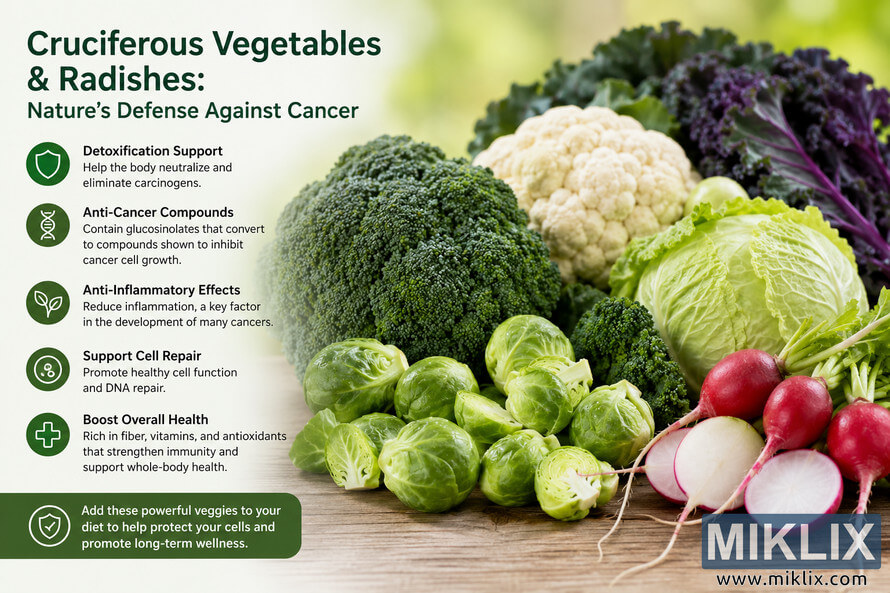
Radishes belong to the cruciferous vegetable family. This plant family includes broccoli, cabbage, and kale. All cruciferous vegetables contain compounds that show cancer-fighting properties in research studies.
The specific compounds in radishes include glucosinolates and isothiocyanates. When you chew radishes, these compounds activate and become available to your body. Research suggests they may help prevent certain types of cancer development.
Detoxification Support
Your liver performs crucial detoxification functions daily. Radishes contain compounds that support these liver processes. Enhanced detoxification may help your body eliminate potentially harmful substances more effectively.
The sulfur compounds in radishes specifically aid Phase II detoxification pathways. These pathways neutralize toxins and prepare them for elimination. Regular consumption of radishes and other cruciferous vegetables supports this natural protection system.
Cell Protection Mechanisms
The antioxidants in radishes protect cells from DNA damage. This protection represents one mechanism through which vegetables may reduce cancer risk. While no single food prevents cancer, radishes contribute to a protective dietary pattern.
Research continues to explore the specific anticancer properties of different radish varieties. Black radishes and other winter radishes show particularly strong effects in laboratory studies. These varieties contain higher concentrations of beneficial compounds compared to spring radishes.
Scientific Note: Most research on radishes and cancer prevention comes from laboratory and animal studies. Human studies are limited but promising. Include radishes as part of a varied diet rich in fruits and vegetables for optimal cancer prevention benefits.
Cliquez ou appuyez sur l'image pour plus d'informations et des résolutions supérieures.
Radishes for Healthy Skin
Your skin health reflects your overall nutrition status. The vitamin C in radishes supports collagen production. Collagen provides structure to your skin and helps maintain its firmness and elasticity.
The water content in radishes contributes to skin hydration from within. Well-hydrated skin appears more plump and healthy. This internal hydration complements topical skincare products for comprehensive skin health.
Protection Against Skin Damage
Antioxidants in radishes help protect skin from environmental damage. Sun exposure, pollution, and other factors create free radicals that accelerate skin aging. The antioxidants neutralize these harmful compounds before they damage skin cells.
Vitamin C also acts as a photoprotectant. While it does not replace sunscreen, dietary vitamin C provides additional protection against UV damage. This benefit works from the inside out to support your external sun protection efforts.
Anti-Aging Benefits
The nutrients in radishes support skin cell turnover. This process removes old cells and replaces them with fresh ones. Regular cell turnover helps maintain youthful-looking skin and may reduce the appearance of fine lines.
Sulfur compounds in radishes support skin clarity. These compounds help regulate oil production and may reduce acne breakouts. The mild antibacterial properties of radishes also contribute to clearer skin.
Some people apply radish juice topically for skin benefits. While eating radishes provides systemic benefits, topical application may offer localized effects. The vitamin C and antioxidants can brighten skin when applied directly.
Always test any topical application on a small area first. The compounds that give radishes their spicy flavor may irritate sensitive skin. For most people, consuming radishes provides sufficient skin benefits without topical application.

Cliquez ou appuyez sur l'image pour plus d'informations et des résolutions supérieures.
Supporting Bone Strength and Density
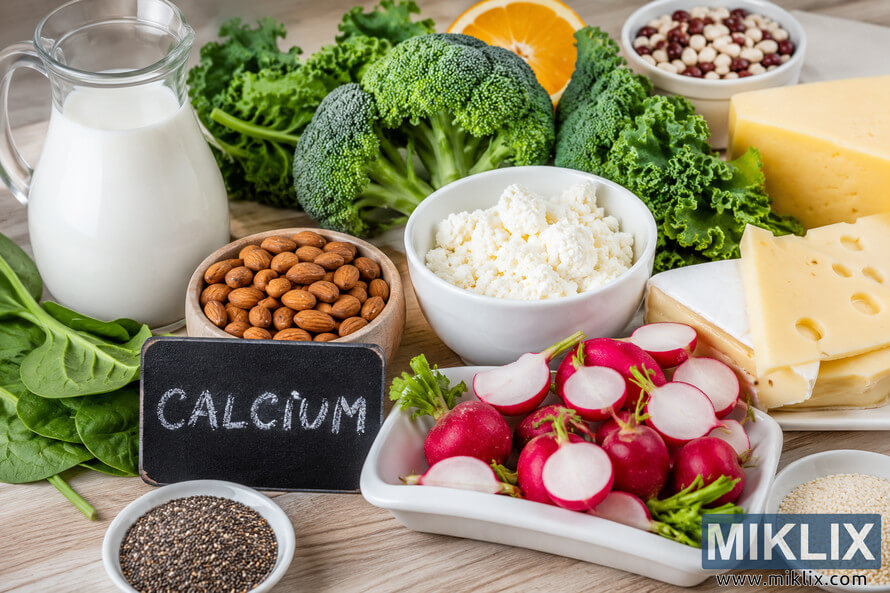
Radishes contain several nutrients that contribute to bone health. Calcium provides the building blocks for bone tissue. While radishes are not a primary calcium source, they contribute to your daily intake alongside other foods.
Vitamin K in radishes plays a crucial role in bone metabolism. This vitamin helps activate proteins that bind calcium to bone tissue. Adequate vitamin K intake associates with better bone density and reduced fracture risk.
Mineral Balance for Bones
Potassium in radishes helps prevent calcium loss from bones. When your diet contains excess sodium, your body excretes calcium to maintain balance. Potassium helps counteract this effect and preserves bone calcium.
The alkalizing effect of radishes may also protect bone health. Despite their slightly spicy flavor, radishes have an alkalizing effect in your body. This effect may help maintain the pH balance that supports bone density.
Phosphorus and Bone Structure
Phosphorus works with calcium to form the mineral complex in bones. Radishes provide modest amounts of this essential mineral. The phosphorus content contributes to the overall mineral balance needed for strong bones.
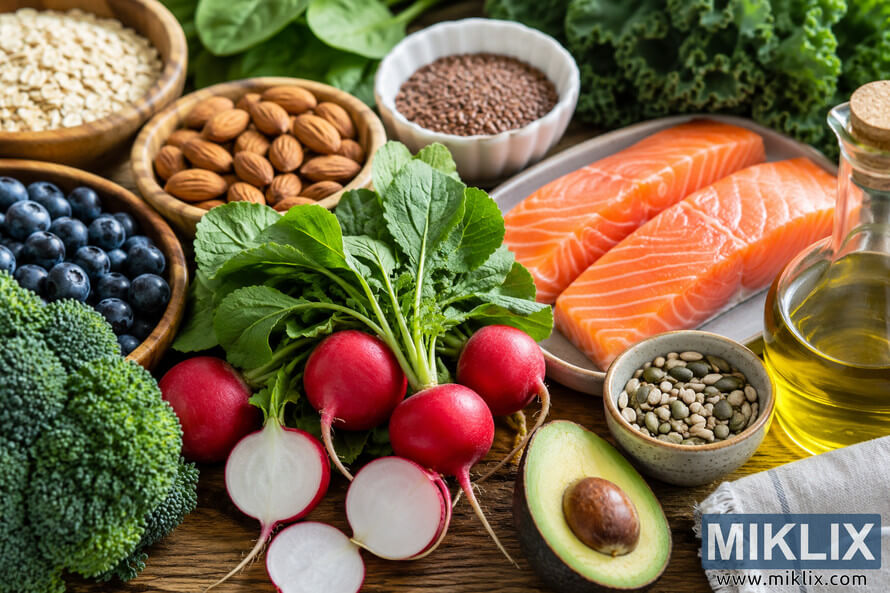
Maintaining bone health requires a comprehensive approach. Radishes support this goal as part of a diet rich in various nutrients. Combine radishes with other bone-supporting foods like leafy greens, dairy products, and fatty fish for optimal benefits.
Cliquez ou appuyez sur l'image pour plus d'informations et des résolutions supérieures.
Different Types of Radishes and Their Benefits
Radishes come in many varieties beyond the common red globes. Each variety offers slightly different nutritional profiles and flavors. Exploring different types adds variety to your diet while providing diverse health benefits.
The growing season influences which radish variety performs best. Spring radishes prefer cool weather and grow quickly. Summer and winter radishes tolerate different temperature ranges and offer seasonal variety.
Spring and Summer Radishes
These radishes grow quickly and prefer cool weather. Most mature in twenty to thirty days from seed. Their small size and mild flavor make them perfect for fresh eating in salads.
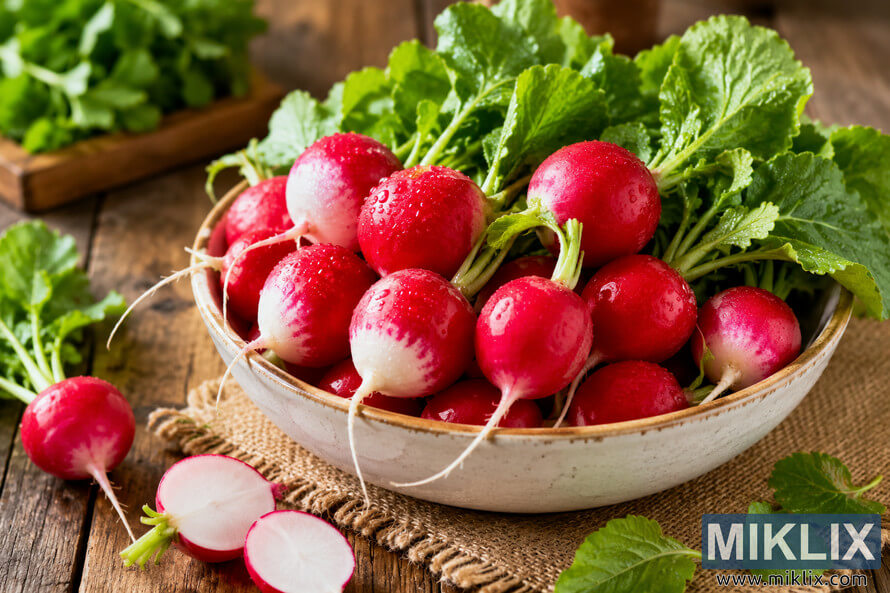
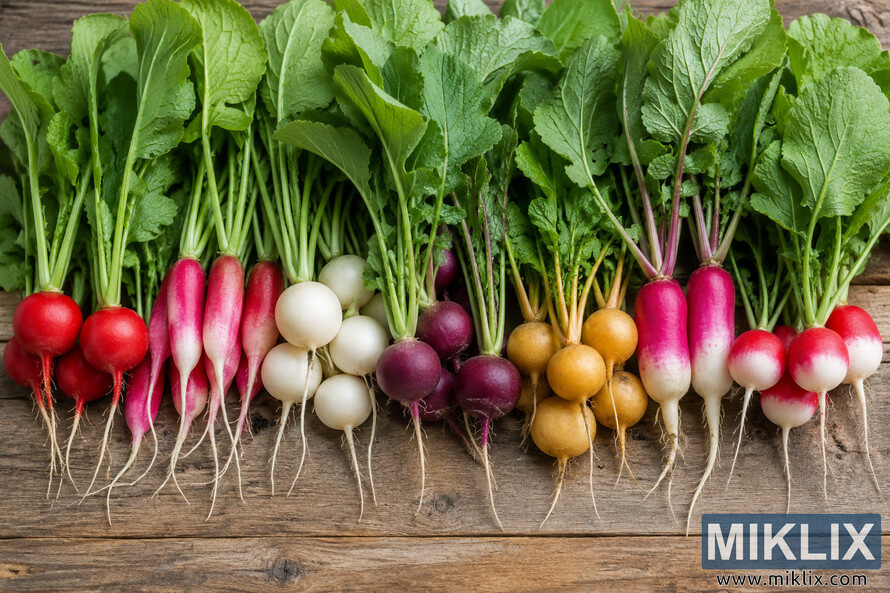
Common spring varieties include Cherry Belle, Easter Egg, and French Breakfast. Each variety provides similar nutritional benefits with slightly different flavor profiles. The skin color varies from red to pink to purple, but the white flesh remains consistent.
Cherry Belle
Round red radishes with crisp white flesh. These represent the classic radish most people recognize. They grow well in containers and garden beds alike.
Easter Egg Mix
A colorful blend of pink, purple, red, and white radishes. This variety adds visual interest to dishes while providing standard radish nutrition benefits.
French Breakfast
Elongated shape with red skin and white tip. Slightly milder flavor than round varieties. Popular in European cuisine for its elegant appearance and crunch.
Cliquez ou appuyez sur l'image pour plus d'informations et des résolutions supérieures.
Winter Radishes
Winter radishes grow larger and store better than spring types. These varieties take longer to mature, typically sixty to seventy days. Their robust flavor and dense texture suit different culinary applications than spring radishes.
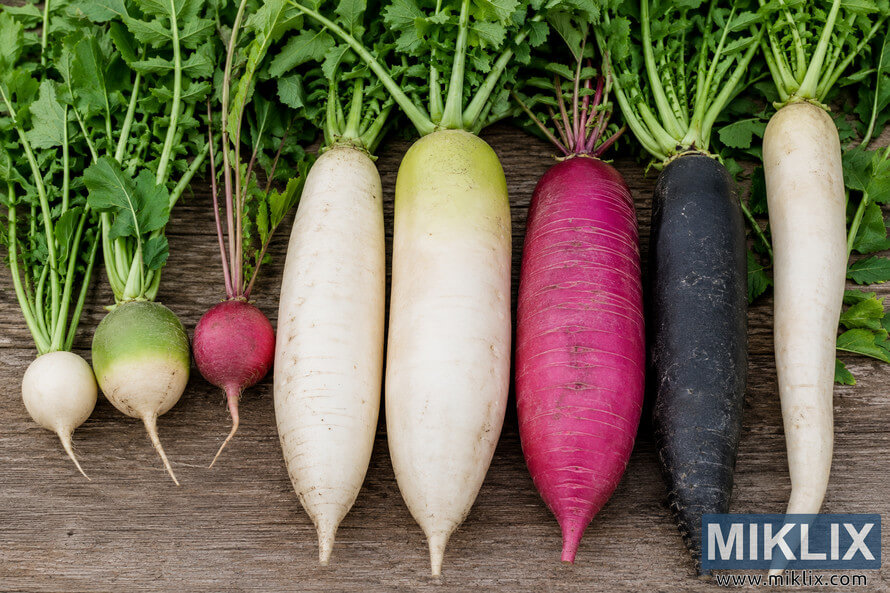
Daikon represents the most popular winter radish variety. This large white radish features prominently in Asian cuisine. Daikon contains digestive enzymes that aid in breaking down starches and proteins.
Black radishes have dark skin and white flesh. Their pungent flavor reflects higher concentrations of beneficial compounds. Spanish radishes grow large and round with variable skin colors. These winter varieties store for weeks under proper conditions.
Cliquez ou appuyez sur l'image pour plus d'informations et des résolutions supérieures.
Specialty Varieties
Watermelon radishes offer stunning visual appeal. Their pale green skin hides vibrant pink and white flesh inside. The mild, sweet flavor differs from typical radish varieties. Watermelon radishes work particularly well as raw garnishes.
Icicle radishes grow long and white. Their mild flavor and crisp texture make them versatile in the kitchen. This variety bridges spring and summer growing seasons effectively. The shape allows for different cutting styles in recipes.
How to Incorporate Radishes Into Your Diet
Adding radishes to your daily diet requires minimal effort. These versatile vegetables work in both raw and cooked preparations. Start with simple methods and gradually explore more creative applications.
Raw radishes provide maximum vitamin C content. The crisp texture and peppery flavor enhance many dishes naturally. Cooking radishes mellows their flavor and creates entirely different culinary possibilities.
Fresh and Raw Preparations
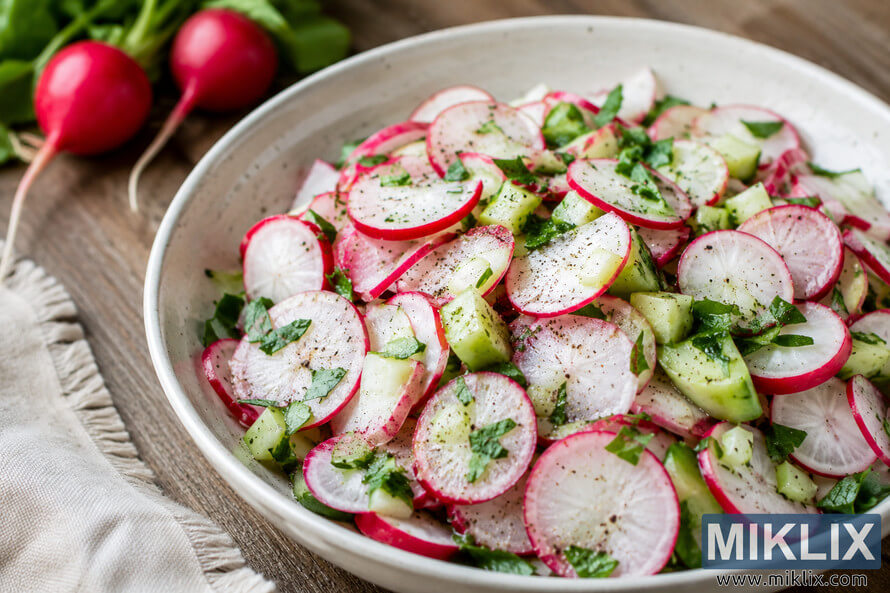
Salads represent the most common use for radishes. Slice them thin for delicate texture or leave them whole for dramatic presentation. Radishes pair well with lettuce, cucumber, and other fresh vegetables in spring and summer salads.
Create a simple radish snack by slicing them and serving with salt. This traditional preparation highlights their natural crunch and flavor. The salt brings out the subtle sweetness beneath the peppery notes.
Quick Radish Salad
- Slice two cups of mixed radishes thin
- Add fresh herbs like dill or cilantro
- Dress with lemon juice and olive oil
- Season with salt and pepper to taste
- Let flavors meld for ten minutes before serving
Radish Toast Topper
- Spread cream cheese or butter on toast
- Layer thinly sliced radishes on top
- Sprinkle with flaky sea salt
- Add fresh herbs or microgreens
- Enjoy as breakfast or afternoon snack

Cliquez ou appuyez sur l'image pour plus d'informations et des résolutions supérieures.
Cooked Radish Recipes
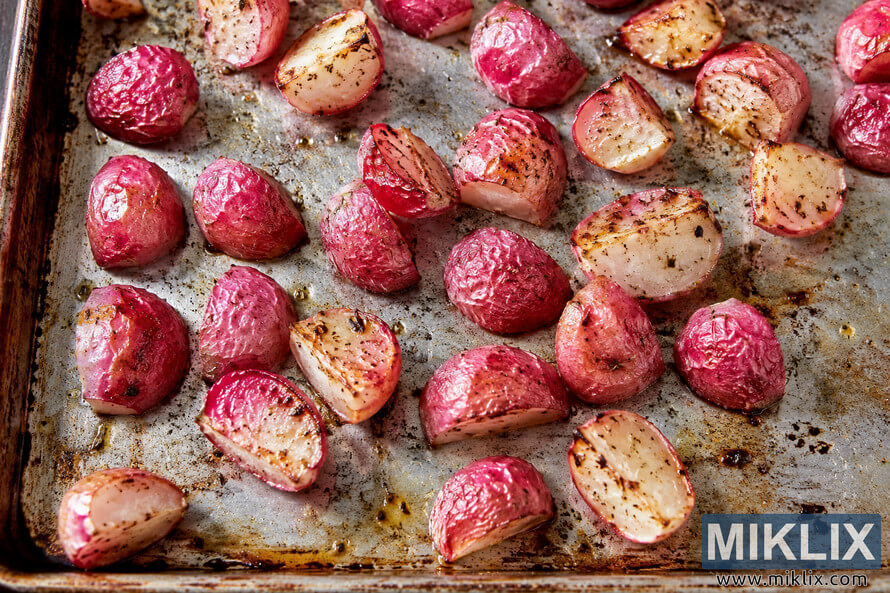
Roasting transforms radishes completely. The high heat mellows their spice and brings out natural sweetness. Roasted radishes develop a texture similar to roasted potatoes while maintaining fewer calories.
To roast radishes, halve them and toss with olive oil. Season with salt, pepper, and herbs of your choice. Roast at four hundred degrees Fahrenheit for twenty to twenty-five minutes. The result surprises people who only know raw radishes.
Sautéing offers another quick cooking method. Heat butter or oil in a pan and add sliced radishes. Cook until tender but still slightly crisp, about five to seven minutes. This method works well as a side dish for meat or fish.
Cliquez ou appuyez sur l'image pour plus d'informations et des résolutions supérieures.
Pickled and Fermented Options
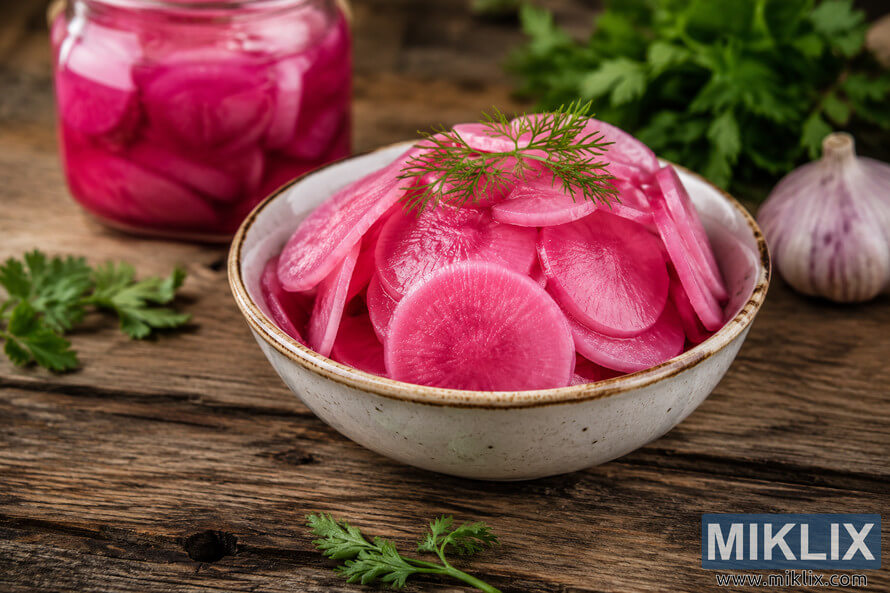
Pickling preserves radishes and creates tangy additions to meals. Quick pickles require just vinegar, water, salt, and sugar. Pour the hot brine over sliced radishes and refrigerate. They become ready to eat within a few hours.
Fermented radishes offer probiotic benefits. The fermentation process creates beneficial bacteria that support gut health. Traditional Korean cuisine includes various fermented radish preparations called kkakdugi and dongchimi.
| Preparation Method | Time Required | Best Radish Type | Key Benefits |
| Raw Sliced | 5 minutes | Spring radishes | Maximum vitamin C, crisp texture |
| Roasted | 30 minutes | Any variety | Mellowed flavor, increased sweetness |
| Pickled | 2-24 hours | Daikon, spring radishes | Extended shelf life, tangy flavor |
| Sautéed | 10 minutes | Spring, French breakfast | Quick side dish, tender texture |
| Fermented | 3-7 days | Daikon, winter varieties | Probiotic content, complex flavor |
Cliquez ou appuyez sur l'image pour plus d'informations et des résolutions supérieures.
Using Radish Greens
The leaves attached to radishes are completely edible. These greens contain even more nutrients than the roots in some cases. Never discard radish greens when they come fresh and vibrant from the garden or market.
Sauté radish greens like spinach or kale. They cook quickly and develop a mild, pleasant flavor. Add them to soups, stir-fries, or pasta dishes. The greens provide additional fiber, vitamins, and minerals.
Young, tender leaves work well in fresh salads. Mix them with other salad greens for varied texture and nutrition. The slightly peppery flavor complements vinaigrette dressings particularly well.
Growing Your Own Radishes
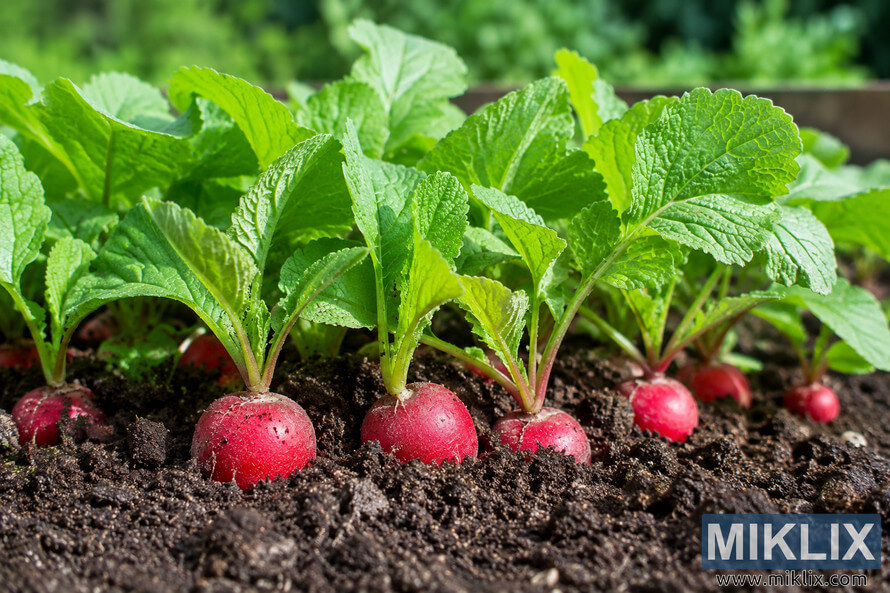
Growing radishes at home provides the freshest possible vegetables. These crops rank among the easiest vegetables for beginning gardeners. Radishes grow quickly and tolerate various growing conditions.
Most radish varieties mature within three to six weeks. This quick growth makes them perfect for impatient gardeners or teaching children about growing food. The fast results encourage continued gardening efforts.
Soil and Planting Requirements
Radishes prefer loose, well-draining soil. Heavy clay soil produces misshapen roots. Amend dense soil with organic matter like compost to improve drainage and texture.
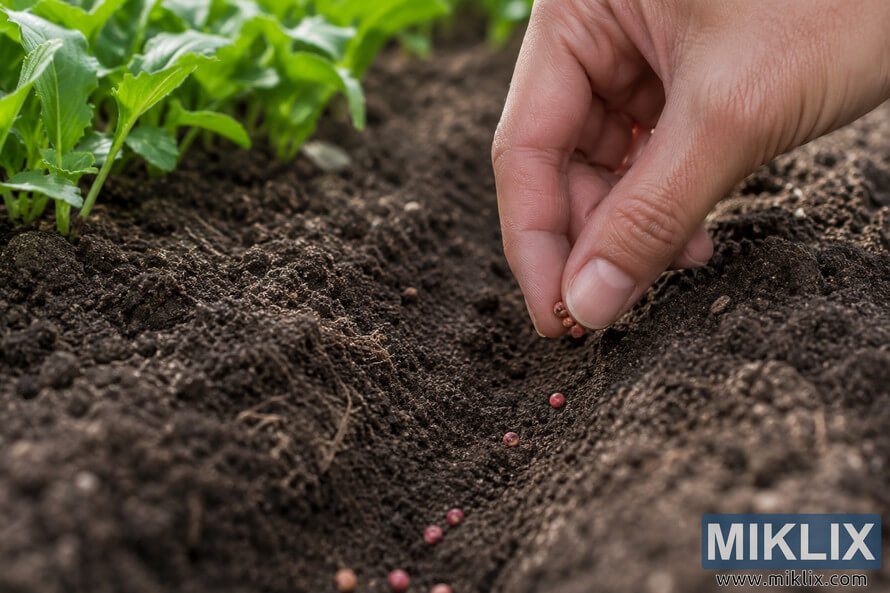
Plant radish seeds directly in the garden or containers. These vegetables do not transplant well due to their taproot structure. Sow seeds about half an inch deep and one inch apart. Thin seedlings to proper spacing once they emerge.
Cliquez ou appuyez sur l'image pour plus d'informations et des résolutions supérieures.
Easy Grow Tips
Radishes need consistent moisture for best growth. Water regularly to keep soil evenly moist but not waterlogged. Inconsistent watering leads to cracked or woody roots.
These vegetables tolerate partial shade but prefer full sun. At least six hours of direct sunlight produces the best results. In hot weather, afternoon shade helps prevent bolting.
Succession planting extends your harvest season. Sow new seeds every two weeks throughout spring and fall. This method provides continuous fresh radishes rather than one large harvest.
Cliquez ou appuyez sur l'image pour plus d'informations et des résolutions supérieures.
Spring and Summer Growing
Spring represents the ideal time for growing radishes in most climates. Cool weather produces the best flavor and texture. Plant seeds as soon as soil becomes workable in early spring.
Summer radishes require more attention to prevent bolting. Choose heat-tolerant varieties for late summer planting. Provide afternoon shade and consistent moisture during hot weather to maintain quality.
French breakfast radishes bridge spring and early summer seasons effectively. This variety tolerates slightly warmer weather than standard spring types. Plant in succession for extended harvest through late spring.
Winter Radish Cultivation
Winter radishes require longer growing seasons. Plant these varieties in late summer for fall harvest. They tolerate light frosts and actually improve in flavor after cold weather exposure.
Daikon and other winter types need deeper soil than spring radishes. Their larger size requires more growing space. Allow at least four to six inches between plants for proper root development.
Winter radishes store well after harvest. Keep them in cold, humid conditions like a root cellar or refrigerator. Proper storage maintains quality for several weeks or even months.
Container Growing
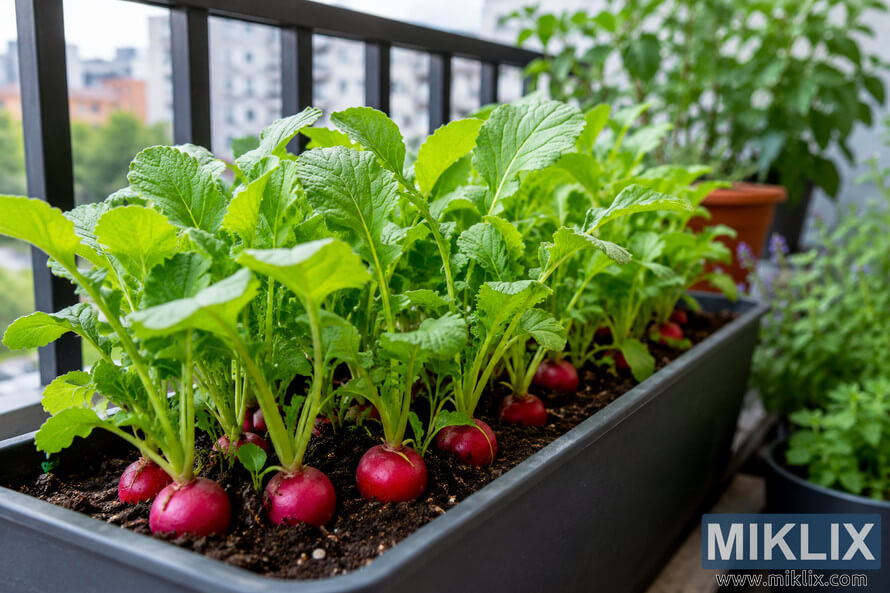
Radishes adapt well to container growing. Choose pots at least six inches deep for spring varieties. Winter radishes need containers twelve inches or deeper to accommodate their larger roots.
Use quality potting soil rather than garden soil in containers. Potting mixes drain better and provide appropriate nutrition. Add slow-release fertilizer if your potting mix does not include nutrients.
Container radishes dry out faster than garden plants. Check soil moisture daily and water as needed. The smaller soil volume in pots cannot retain moisture as long as ground soil.
Cliquez ou appuyez sur l'image pour plus d'informations et des résolutions supérieures.
Common Growing Problems
Cracked roots result from irregular watering. Maintain consistent soil moisture throughout the growing period. Mulching helps regulate moisture levels and prevents rapid drying.
Hot weather causes radishes to bolt or go to seed prematurely. Once this happens, root quality declines rapidly. Time plantings to avoid the hottest part of summer or provide shade protection.
Flea beetles create tiny holes in radish leaves. These pests rarely affect root development significantly. Row covers prevent beetle damage if populations become severe. The roots remain perfectly edible even when leaves show damage.
Selecting and Storing Radishes
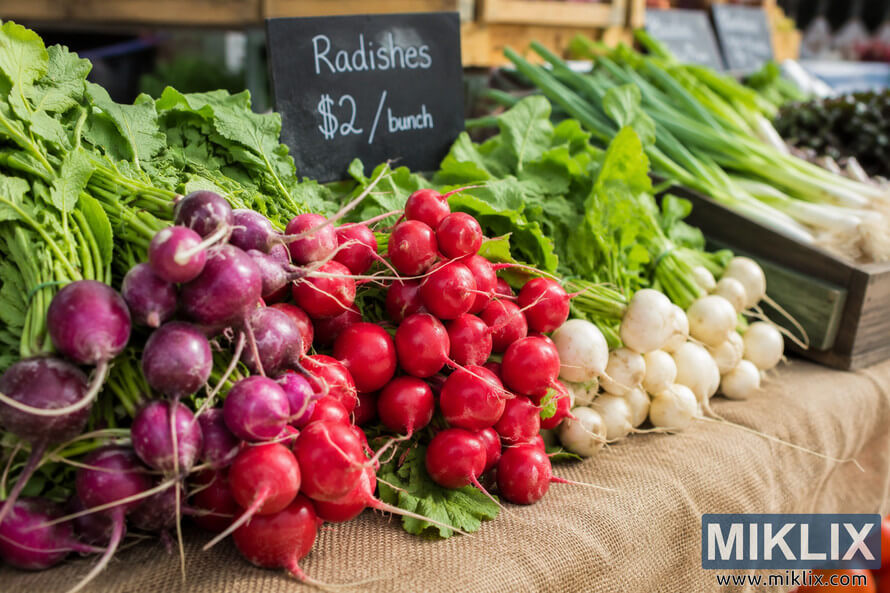
Choosing high-quality radishes ensures the best flavor and nutrition. Fresh radishes feel firm when gently squeezed. Soft or spongy texture indicates age or poor storage conditions.
Look for radishes with bright, fresh-looking greens attached. The leaves indicate how recently the vegetables were harvested. Wilted or yellowed leaves suggest the radishes have been stored too long.
What to Look For
The skin should appear smooth and unblemished. Small cracks or splits indicate the radish grew too quickly or received inconsistent water. These imperfections do not affect nutrition but may impact texture.
Size matters less than overall quality. Large radishes are not necessarily worse than small ones within the same variety. However, extremely oversized radishes may have woody or pithy texture.
Cliquez ou appuyez sur l'image pour plus d'informations et des résolutions supérieures.
Signs of Fresh Radishes
- Firm, solid feel when squeezed
- Bright, perky green leaves
- Smooth, unblemished skin
- Heavy for their size
- Vibrant color appropriate to variety
- No soft spots or splits
Avoid Radishes With
- Soft or spongy texture
- Wilted or yellowed greens
- Large cracks or splits
- Light weight for size
- Faded or dull coloring
- Visible mold or decay
Proper Storage Methods
Remove greens from radishes before storage. The leaves draw moisture from the roots and cause them to become limp. Store the greens separately if you plan to use them within a day or two.
Place radishes in a plastic bag with a damp paper towel. This method maintains humidity while allowing some air circulation. Store in the refrigerator crisper drawer for up to two weeks.
Winter radishes store longer than spring varieties. Keep them in cold, humid conditions similar to other root vegetables. Some winter types remain fresh for several months under ideal storage conditions.
Preparing Radishes for Use
Wash radishes thoroughly under cool running water. A vegetable brush helps remove any soil clinging to the skin. Most radishes need only washing, not peeling, before use.
Trim the stem and root ends just before using. Cut away any blemishes or soft spots. The remaining radish flesh should appear crisp and white or slightly translucent.
Slice radishes just before serving for maximum crunch. Cut surfaces begin to lose moisture once exposed to air. If you must slice ahead, store cut radishes in ice water to maintain crispness.
Precautions and Considerations
Radishes are safe for most people to consume regularly. However, certain individuals should exercise caution or moderate their intake. Understanding potential concerns helps you make informed dietary decisions.
The compounds that give radishes their characteristic flavor can cause digestive discomfort in some people. Start with small amounts if you are new to eating radishes. Gradually increase portions as your digestive system adjusts.
Potential Side Effects
Some people experience gas or bloating after eating radishes. The fiber and sulfur compounds can increase intestinal gas production. This effect typically diminishes as your gut bacteria adapt to regular radish consumption.
Raw radishes may cause heartburn in individuals with acid reflux. The peppery compounds can irritate sensitive digestive tissues. Cooking radishes thoroughly reduces this potential irritation.
Important: People with thyroid conditions should consult their healthcare provider about cruciferous vegetable intake. Large amounts may interfere with thyroid hormone production in susceptible individuals. Cooking radishes reduces this concern significantly.

Cliquez ou appuyez sur l'image pour plus d'informations et des résolutions supérieures.
Medication Interactions
Vitamin K in radishes can interact with blood-thinning medications like warfarin. Maintain consistent vitamin K intake rather than varying amounts dramatically. Discuss dietary changes with your doctor if you take blood thinners.
No other significant medication interactions are known with radishes. The vegetable does not typically interfere with common medications. However, always inform your healthcare provider about significant dietary changes.
Allergic Reactions
True radish allergies are rare but possible. Symptoms may include itching, swelling, or difficulty breathing after consumption. Stop eating radishes immediately if you experience these symptoms and seek medical attention.
Cross-reactivity can occur in people with other food allergies. Those allergic to mustard or other cruciferous vegetables may react to radishes. Introduce radishes carefully if you have related food allergies.
Special Populations
Pregnant and breastfeeding women can safely eat radishes as part of a balanced diet. The vegetables provide beneficial nutrients during these life stages. No special precautions are necessary for most expectant or nursing mothers.
Children can enjoy radishes once they transition to solid foods. The crisp texture makes them a choking hazard for very young children. Slice radishes thinly or grate them for young eaters.
Older adults benefit from radish nutrition without special concerns. The fiber supports digestive health that often declines with age. The low calorie content helps maintain healthy weight in less active individuals.
Frequently Asked Questions About Radishes
How many radishes should I eat daily for health benefits?
Most people benefit from eating one-half to one cup of radishes daily. This amount provides significant vitamin C and fiber without causing digestive discomfort. Start with smaller portions if you are new to eating radishes regularly. You can gradually increase intake as your digestive system adapts. Remember that variety matters more than quantity in vegetable consumption.
Are cooked radishes as nutritious as raw ones?
Cooking reduces vitamin C content but preserves most other nutrients. Heat-sensitive vitamins decline during cooking, while minerals remain stable. Cooked radishes still provide fiber, potassium, and beneficial compounds. The gentler flavor of cooked radishes encourages larger portions, potentially offsetting nutrient losses. Include both raw and cooked radishes in your diet for balanced nutrition.
Can radishes help with weight loss?
Radishes support weight loss efforts through their low calorie density and high water content. The fiber creates satiety that reduces overall calorie intake. However, no single food causes weight loss independently. Include radishes as part of a balanced, calorie-controlled diet combined with regular physical activity. Their versatility makes them easy to incorporate into various meals throughout your weight loss journey.
What is the difference between spring and winter radishes?
Spring radishes grow quickly in cool weather and have mild flavor. They mature in three to four weeks and feature small, round or oblong roots. Winter radishes take longer to grow and develop larger size. These varieties like daikon have more robust flavor and denser texture. Winter radishes store much longer than spring types. Both provide similar health benefits with slightly different nutrient concentrations.
Are radish greens edible and nutritious?
Radish greens are completely edible and highly nutritious. The leaves contain more vitamin C than the roots in many cases. They also provide calcium, iron, and additional fiber. Use young, tender leaves raw in salads. Cook mature leaves like spinach or kale. Always choose radishes with fresh, vibrant greens for maximum nutrition and flavor.
Do radishes need to be peeled before eating?
Most radishes do not require peeling. The skin contains beneficial nutrients and fiber. Simply wash radishes thoroughly under running water. Use a vegetable brush to remove any soil. Some winter varieties with tougher skin benefit from peeling. Black radishes in particular have thick skin that many people prefer to remove. For spring radishes and daikon, eating the skin provides maximum nutrition.
Making Radishes Part of Your Healthy Lifestyle
Radishes deserve recognition as a nutritional powerhouse. These humble vegetables provide remarkable health benefits through their unique combination of vitamins, minerals, and beneficial plant compounds. From supporting digestive health to protecting your cardiovascular system, radishes contribute to wellness in multiple ways.
The versatility of radishes makes them accessible to everyone. Whether you prefer them raw in salads, roasted as a side dish, or pickled for tangy flavor, radishes adapt to your taste preferences. Their quick cooking time and minimal preparation requirements fit into busy lifestyles.
Growing your own radishes provides the freshest possible vegetables while connecting you to your food source. These easy-to-grow crops succeed even for beginning gardeners. The satisfaction of harvesting homegrown radishes enhances both your gardening skills and your nutrition.
Start incorporating radishes into your diet today. Begin with small amounts in familiar preparations like salads. Gradually explore different varieties and cooking methods. Your body will thank you for adding these nutrient-dense vegetables to your regular meal rotation.
Cliquez ou appuyez sur l'image pour plus d'informations et des résolutions supérieures.
Lectures complémentaires
Si vous avez apprécié cet article, vous aimerez peut-être aussi ces suggestions :
- Le guide complet des bienfaits pour la santé de l’endive
- Le secret de la sérotonine : les puissants bienfaits de la supplémentation en 5-HTP
- Petits fruits, grand impact : le pouvoir des abricots sur votre santé