
A Complete Guide to Growing Pride of Barbados in Your Own Garden
Published: October 29, 2026 at 8:07:14 PM UTC
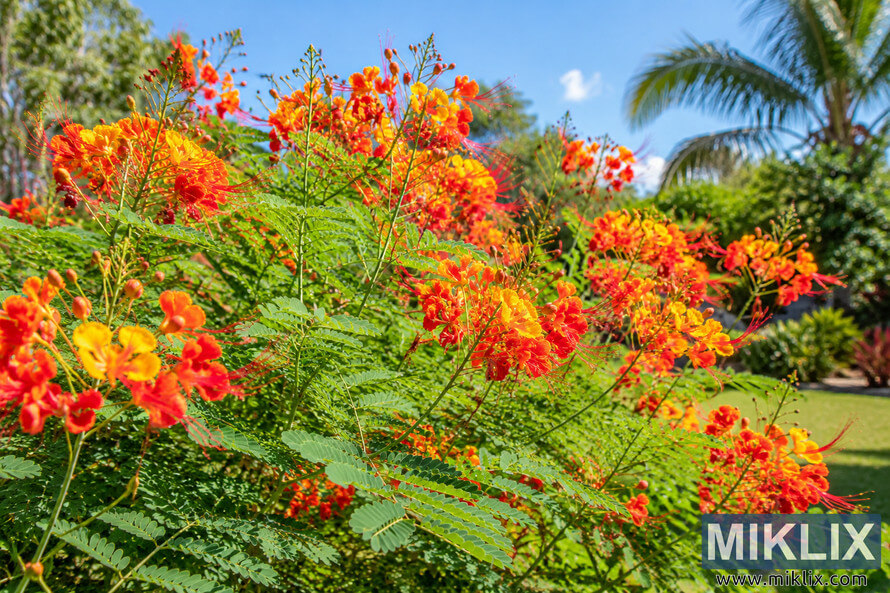
Growing Pride of Barbados (Caesalpinia pulcherrima) can turn a sunny garden into a bright display of red, orange, or yellow flowers. This warm-climate plant rewards good drainage, steady care, and protection from cold.
Click or tap the image for more information and higher resolutions.
What Pride of Barbados Looks Like and Where It Grows
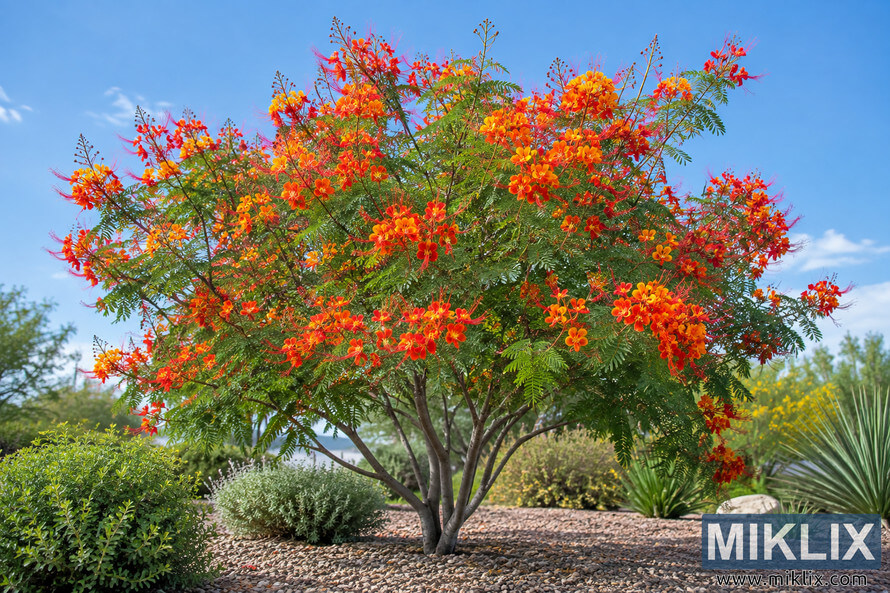
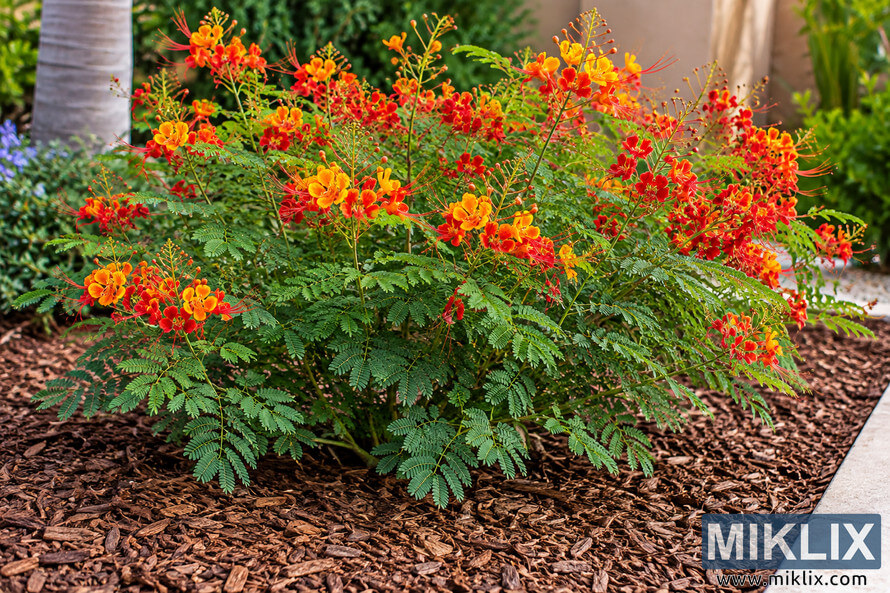
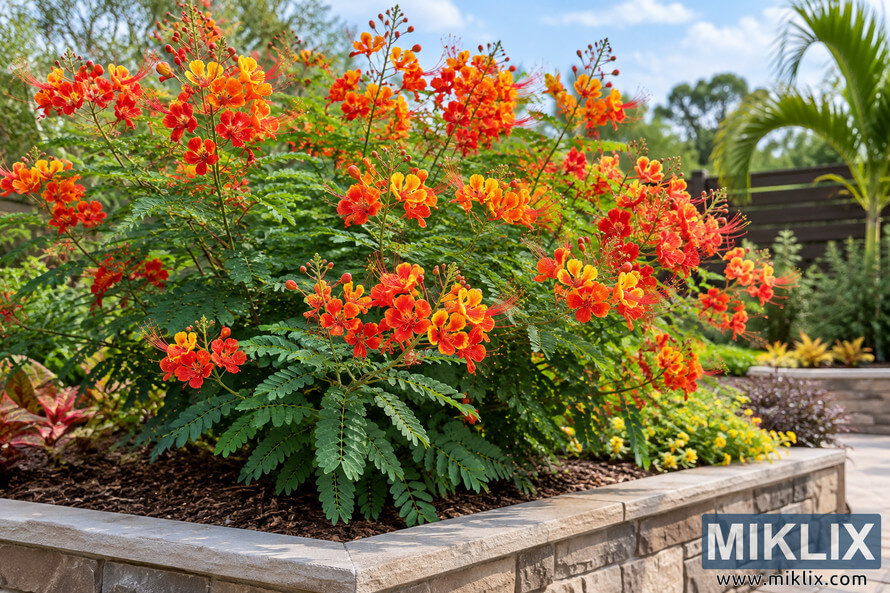
Pride of Barbados, also called peacock flower, is the common name for Caesalpinia pulcherrima. It is a flowering shrub that can also be trained as a small tree. In warm climates, mature plants often reach about 10 to 20 feet, though pruning, soil, and cold can limit size.
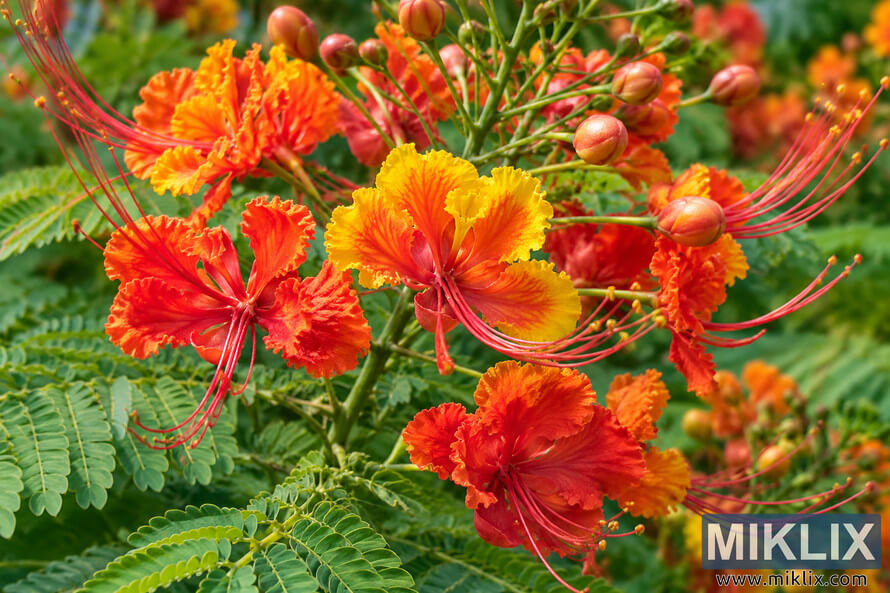
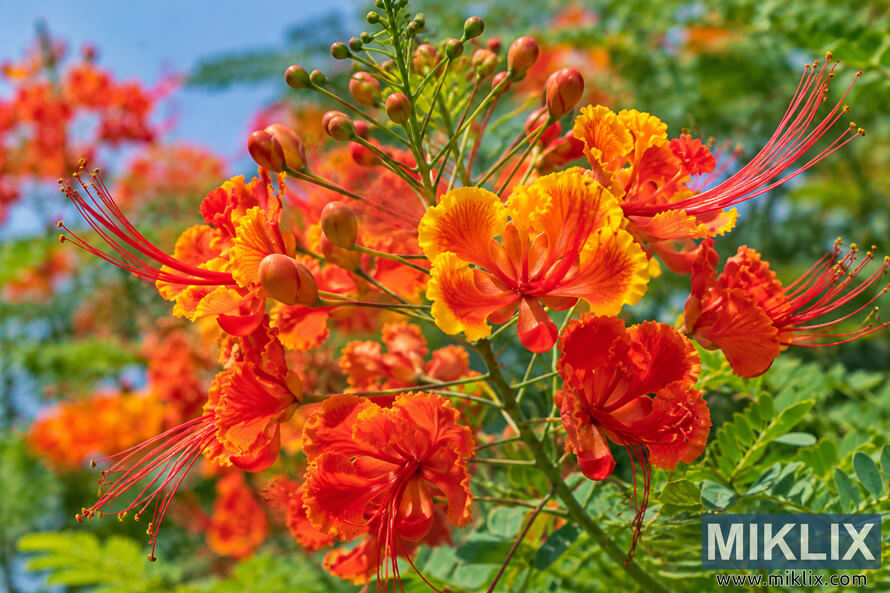
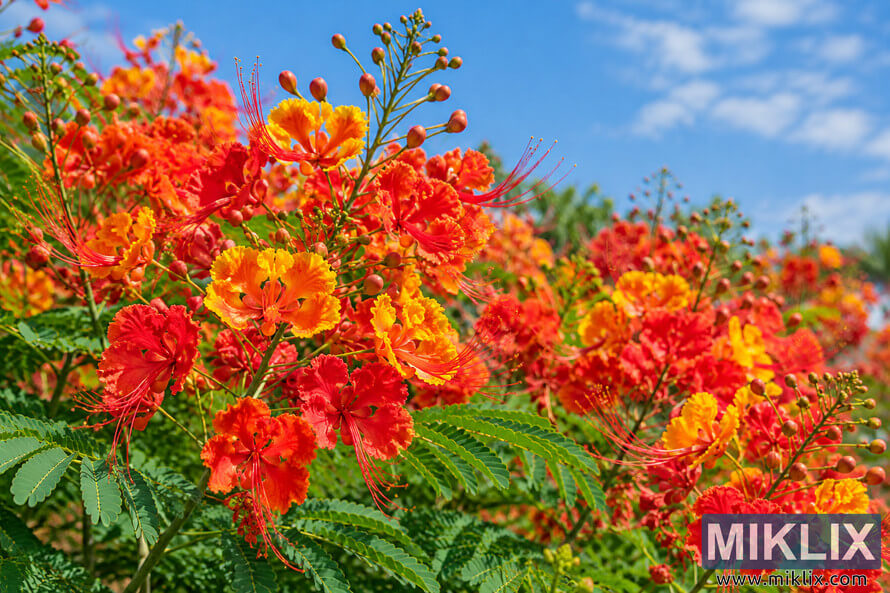
The plant has airy, finely divided leaves and showy flower clusters. Blooms may be red, orange, yellow, or a blend of those colors. Blooming usually increases from spring through fall when the plant receives enough sun and warmth.
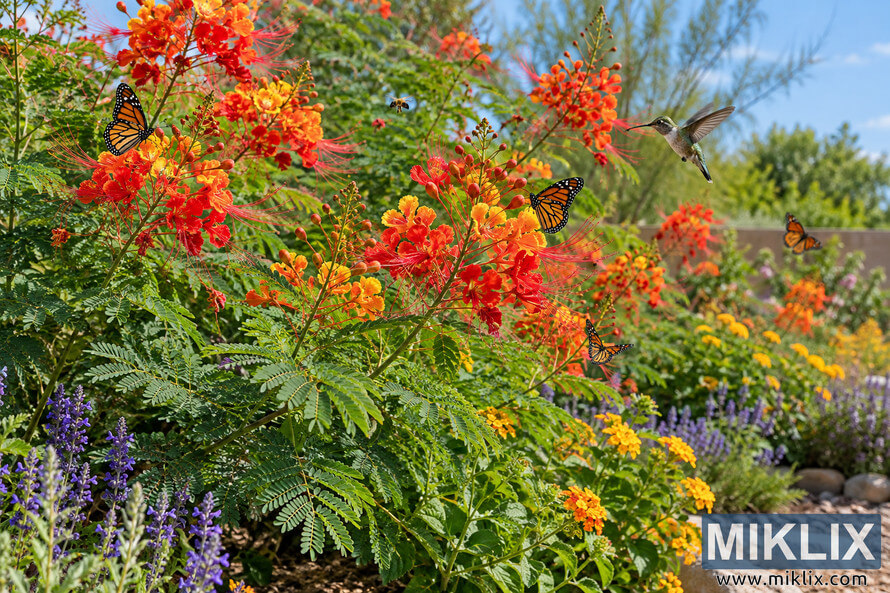
Branches may have sharp thorns. Wear gloves when planting or pruning, and place the plant away from narrow paths. Flowers can attract bees, butterflies, and other pollinators. However, seeds and plant parts should not be eaten. Keep fallen seeds away from children and pets.
Click or tap the image for more information and higher resolutions.
Climate, Sun, and Soil Requirements
- Best performance is usually in USDA zones 9 through 11.
- Choose a site with at least 6 to 8 hours of full sun.
- Use loose, fertile soil that drains quickly.
- Avoid low ground where water remains after rain.
- Allow room for mature width and thorny branches.
Click or tap the image for more information and higher resolutions.
How to Plant Pride of Barbados in Ground or Containers
Planting a Nursery-Grown Plant
- Choose a healthy plant with green leaves and no signs of pests.
- Plant in spring after the danger of frost has passed. In warm climates, early spring is often the best time.
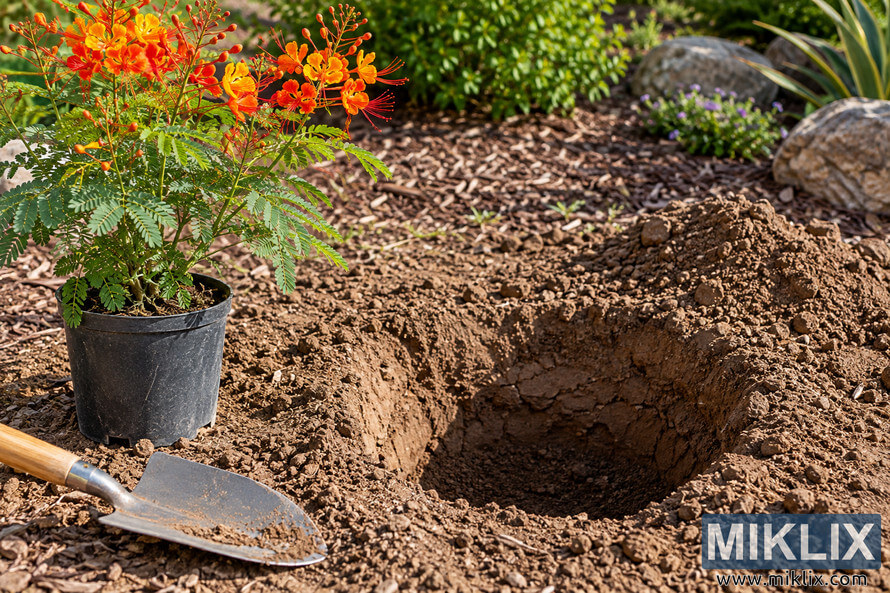
- Dig a hole about twice as wide as the root ball and no deeper than its original container.
- Set the plant so the top of the root ball is level with the surrounding ground.
- Backfill with the native soil. Do not bury the stem.
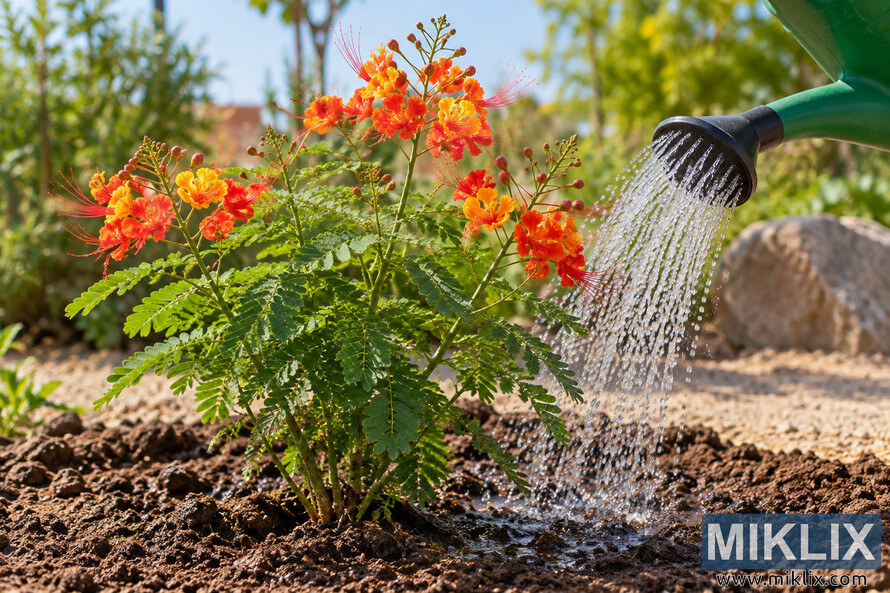
- Water slowly until the root zone is evenly moist.
- Add a thin mulch layer, leaving several inches around the stem clear.
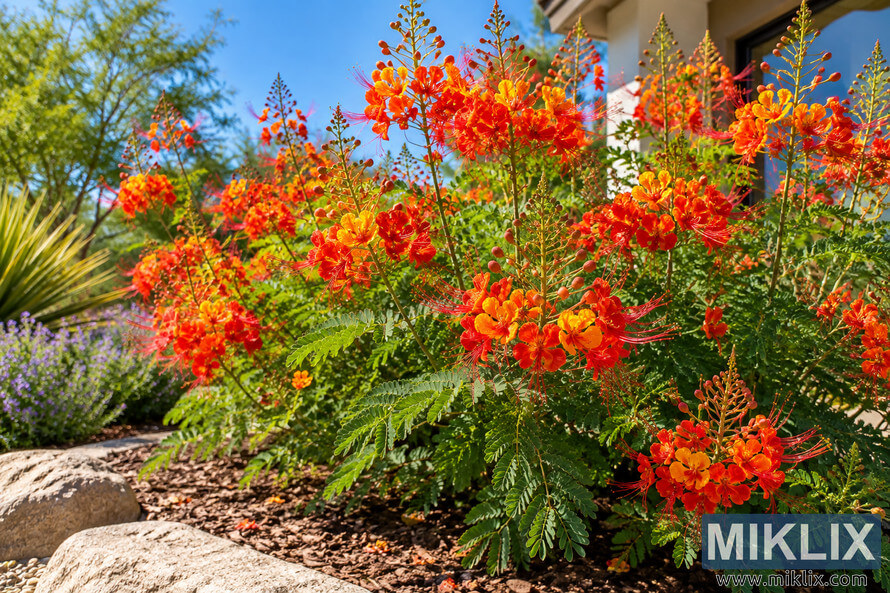
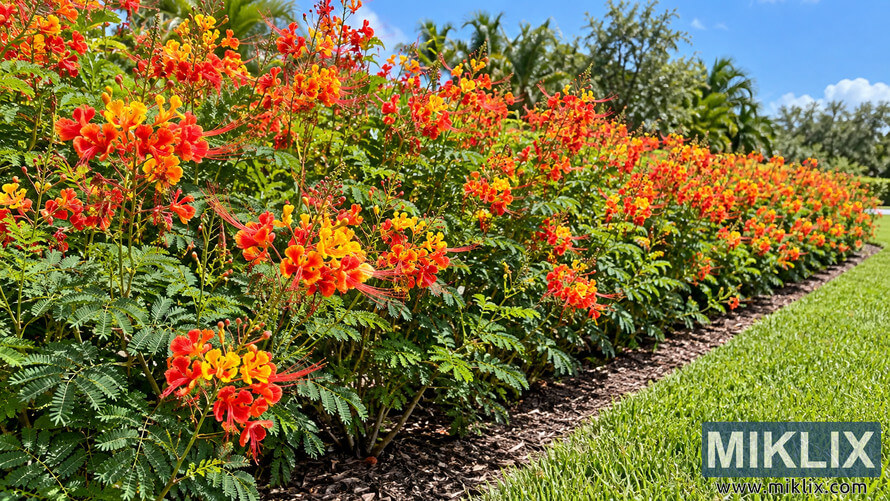
- Space shrubs according to their expected mature width. A crowded planting receives less air movement and may flower poorly. For a hedge, measure from the center of one plant to the next rather than placing plants side by side.
Click or tap the image for more information and higher resolutions.
Growing Pride of Barbados in a Container
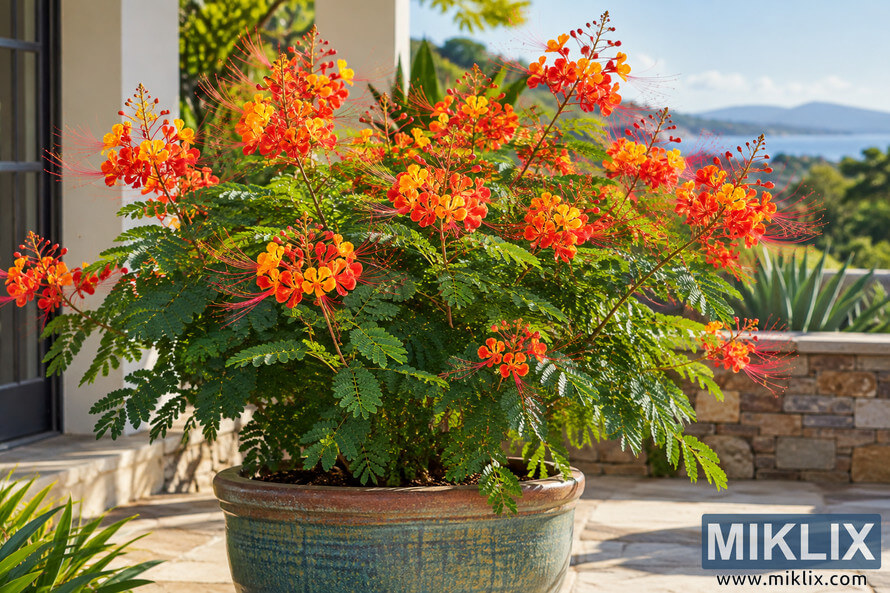
Select a heavy container with drainage holes. Use a quality potting mix amended for drainage, not heavy garden soil. A container that is 2 to 3 inches wider than the root ball is a good starting point. Move the pot into a bright, protected place when temperatures fall.
Containers dry faster than ground plantings. Check the top inch of soil often during hot weather. Water deeply, then allow excess water to drain. Never let the pot stand in a full saucer.
Click or tap the image for more information and higher resolutions.
Watering, Feeding, and Mulching
During establishment, water when the top inch of soil begins to dry. Deep watering once or twice each week is often better than a little water every day, but adjust for rain, heat, soil, and container size. Mature plants tolerate short dry periods once rooted.
Feed in spring with a balanced, slow-release fertilizer. Follow the product label. Too much nitrogen can produce leaves instead of flowers. Refresh mulch in spring, keeping it away from the trunk or main stems.
Click or tap the image for more information and higher resolutions.
Propagation, Pruning, and Seasonal Care
Starting Pride Barbados Seed
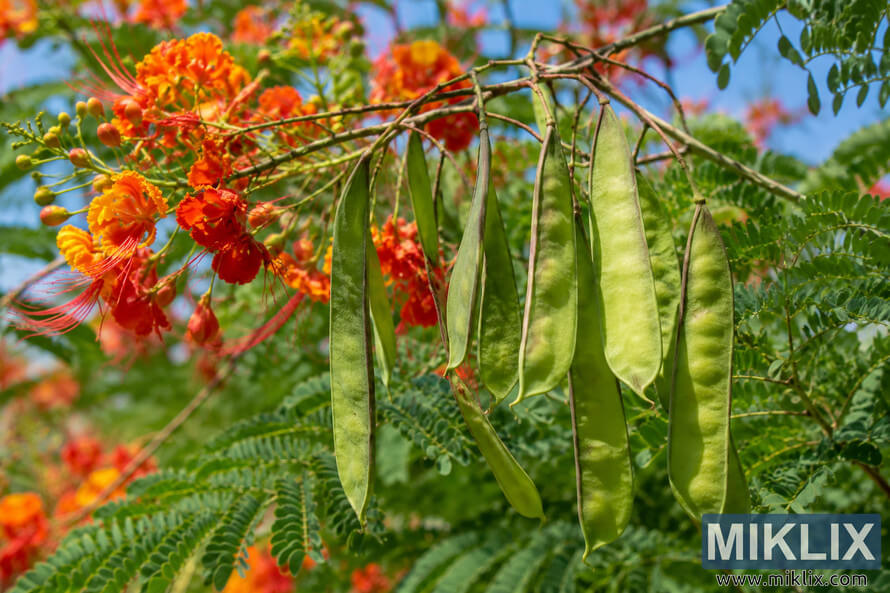
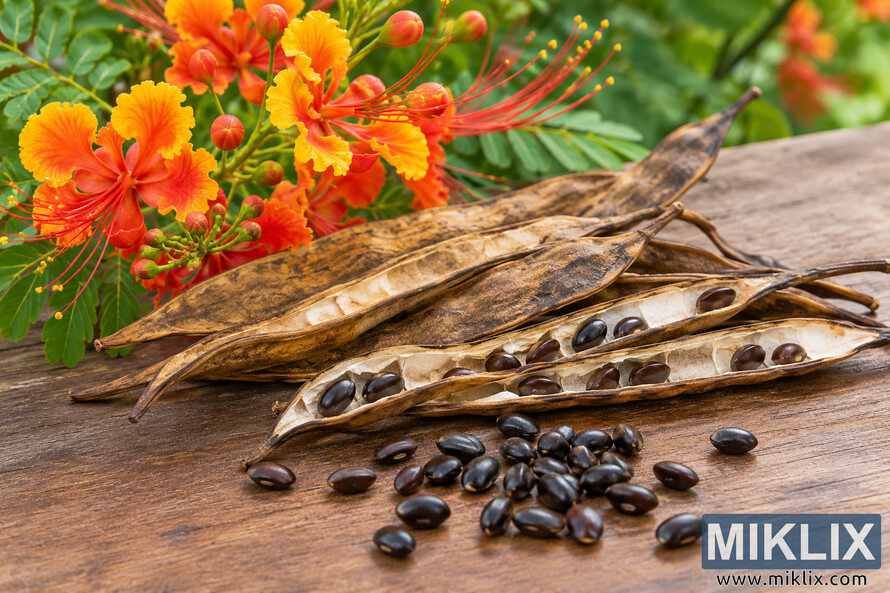
Collect mature, dry pods and remove the seeds. The hard seed coat benefits from scarification. Lightly nick one area with a file, taking care not to damage the inner seed. Another option is to soak seeds in warm water for several hours before sowing.
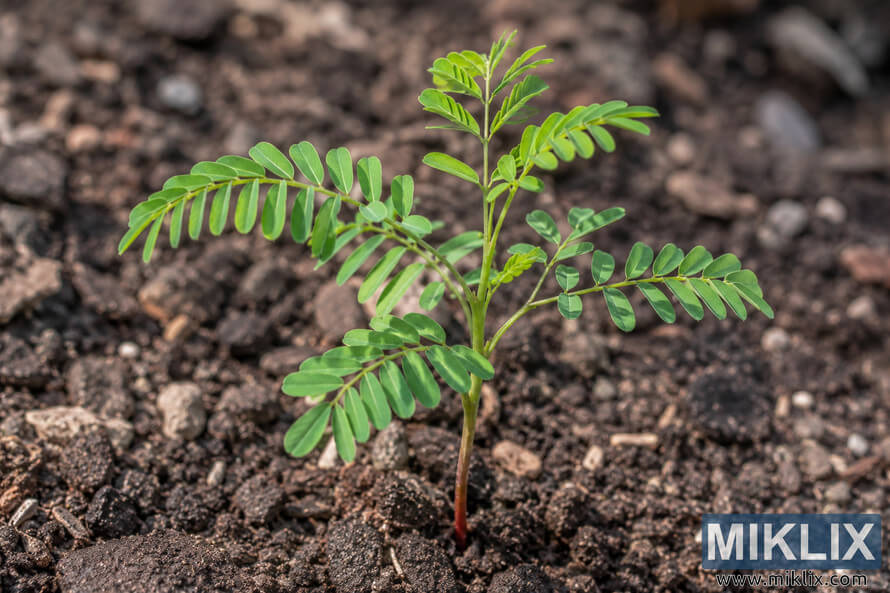
Sow the pride barbados seed about one-quarter inch deep in a sterile, well-drained mix. Keep the medium warm and lightly moist. Place the tray in bright light. Germination time varies, so avoid letting the mix become soggy. Transplant seedlings when they have several true leaves and a firm root system.
Click or tap the image for more information and higher resolutions.
Click or tap the image for more information and higher resolutions.
Click or tap the image for more information and higher resolutions.
Propagation from Cuttings
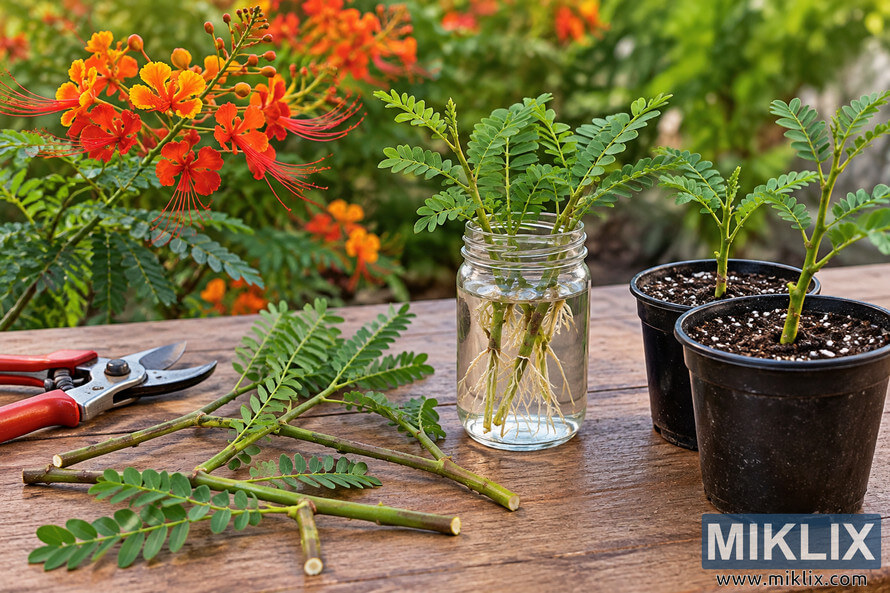
Take a healthy, non-flowering cutting during the warm growing season. Remove the lower leaves and place the cutting in a moist, airy propagation mix. Bright shade and steady warmth can support rooting. Gently tug after several weeks. Resistance may indicate roots. Move the new plant gradually into stronger sun.
Click or tap the image for more information and higher resolutions.
Click or tap the image for more information and higher resolutions.
Click or tap the image for more information and higher resolutions.
Pruning and Deadheading
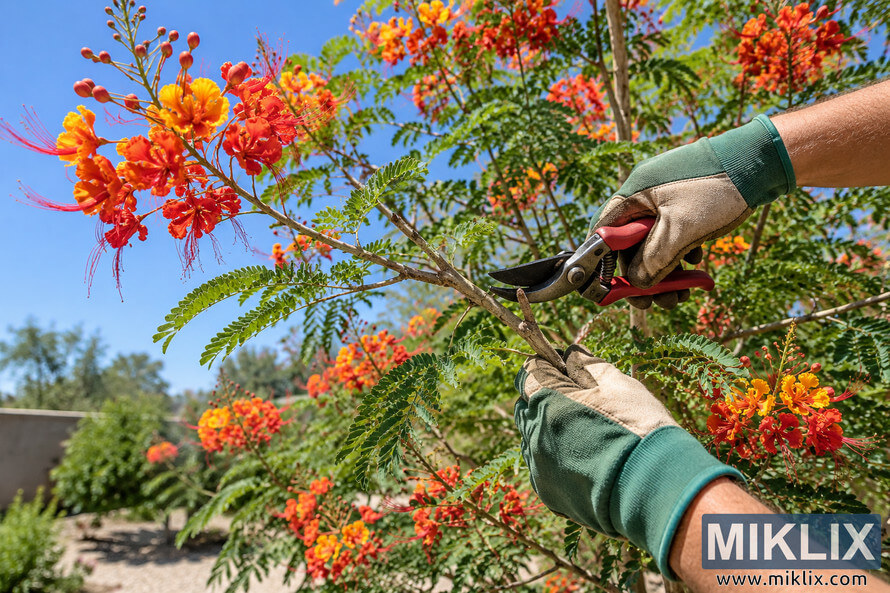
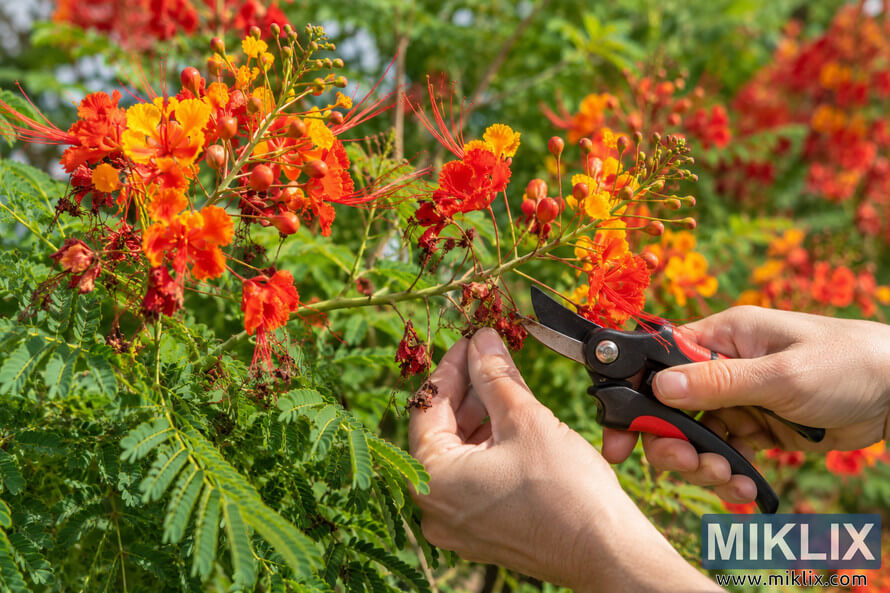
Prune in late winter or early spring before strong new growth begins. Remove dead, damaged, or crossing branches first. Then shape the shrub lightly. Do not remove more than about one-third of the plant at one time. Deadhead spent flowers during the growing season to keep the display tidy and encourage continued flowering.
Click or tap the image for more information and higher resolutions.
Click or tap the image for more information and higher resolutions.
Click or tap the image for more information and higher resolutions.
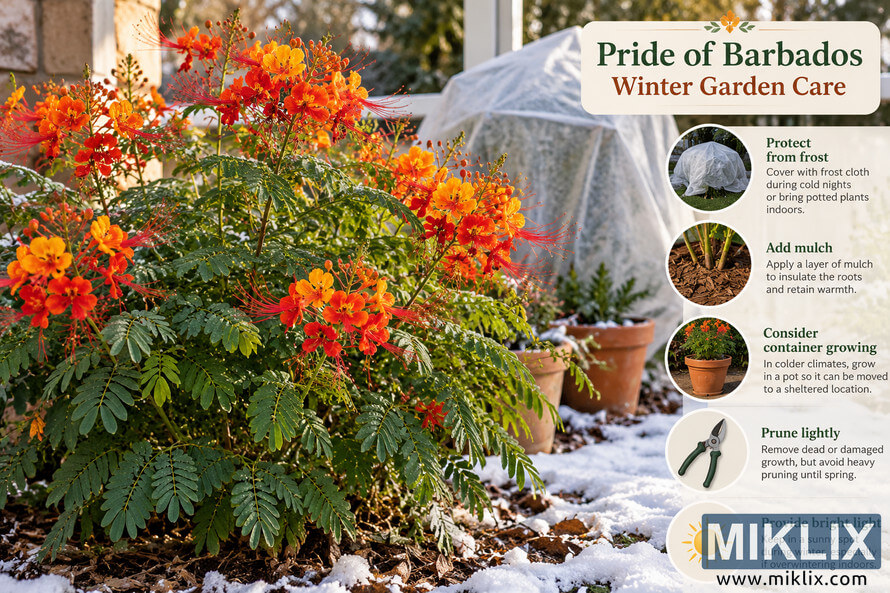
Winter and Frost Protection
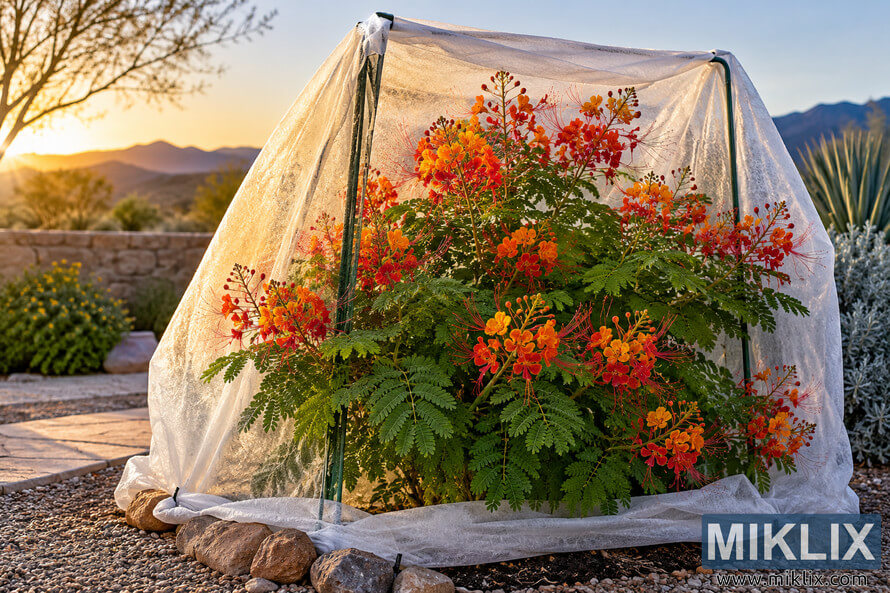
In warm zones, apply less water during cool weather and protect the root zone with mulch. In colder climates, a frost may damage the top growth. Cover small plants during short cold events, but remove covers after temperatures rise.
Container plants can be moved indoors before temperatures approach freezing. Place them near a bright window, reduce watering, and inspect leaves for pests. Growth may slow in winter. Return the plant outdoors in spring after gradually increasing light exposure.
Click or tap the image for more information and higher resolutions.
Click or tap the image for more information and higher resolutions.
Troubleshooting Common Pride Barbados Problems
Poor flowering
Check for inadequate sun, excess nitrogen, drought stress, or recent hard pruning. Move container plants to full sun when possible.
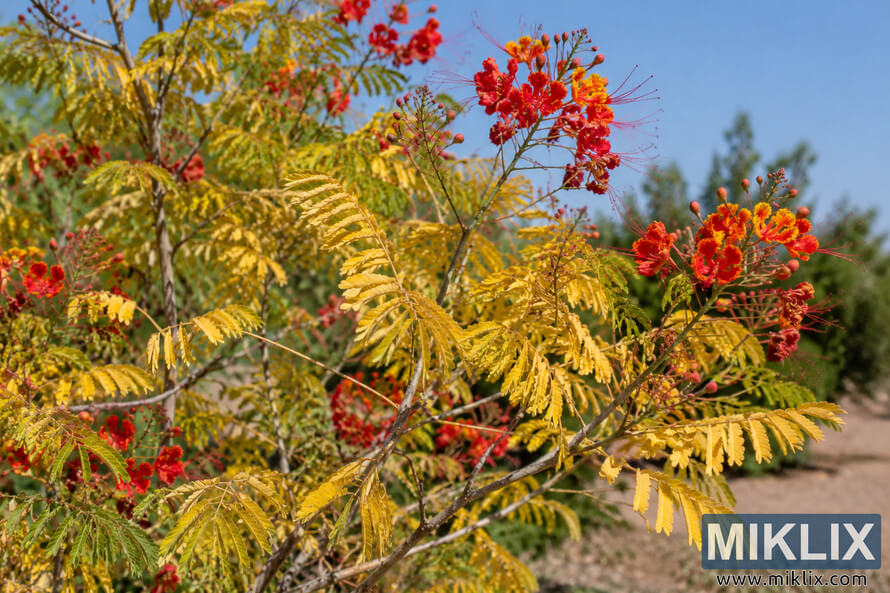
Yellow leaves
Yellow leaves may follow overwatering, poor drainage, cold weather, or a nutrient problem. Check the roots and soil before adding fertilizer.
Click or tap the image for more information and higher resolutions.
Root rot
Soft roots and a declining plant often point to wet soil. Improve drainage, reduce watering, and replant only healthy roots in fresh mix.
Drought stress
Wilting, leaf drop, and dry soil call for slow, deep watering. Add mulch and check containers more often during heat.
Common pests
Aphids, scale, and mites may gather on new growth. Inspect often, wash small infestations away, and use a labeled treatment when needed.
Diseases
Good spacing, clean tools, full sun, and dry foliage help reduce disease pressure. Remove badly affected material and avoid overhead watering.
Safe Placement and Garden Uses
Because thorns can scratch, keep the plant away from play areas and busy walkways. Families with children or pets should prevent chewing and supervise access to pods and seeds. Ask a veterinarian or poison-control service for advice after suspected ingestion.
Use the plant as a flowering shrub, hedge, accent, or container specimen. A trained small tree can frame an entry, while a shrub works well in a sunny border. In warm climates, the peacock flower also adds height and color to pollinator gardens.
Always wear gloves when handling thorny branches. Confirm local growing conditions and follow fertilizer and pest-control labels.
Click or tap the image for more information and higher resolutions.
Click or tap the image for more information and higher resolutions.
Click or tap the image for more information and higher resolutions.
Care Checklist and FAQ for Growing Pride of Barbados
Quick Care Checklist
- Provide full sun and fast drainage.
- Water deeply during establishment.
- Feed lightly in spring.
- Prune in late winter or early spring.
- Deadhead through the flowering season.
- Protect plants from freezing temperatures.
- Wear gloves around thorny stems and pods.
How fast does Pride of Barbados grow?
Growth is usually moderate to fast in warm, sunny conditions with adequate water. Cold, shade, poor soil, and root problems slow it.
When does it bloom?
Flowers commonly appear from spring through fall in warm climates. Blooming may begin later after a cold winter or hard pruning.
How often should I water it?
Water when the top inch of soil dries during establishment. Mature plants need less frequent watering, while containers may need checks every few days in heat.
What is the best time to prune?
Late winter or early spring is the usual time for structural pruning. Light deadheading can continue while flowers fade.
Can I grow it from seeds?
Yes. Scarify or soak seeds, sow them in warm, well-drained mix, and keep them lightly moist until they sprout.
Can Pride of Barbados survive winter?
It can remain outdoors in suitable warm zones. In colder climates, frost may kill top growth, so container plants should be moved indoors and ground plants protected.
Click or tap the image for more information and higher resolutions.
Further Reading
If you enjoyed this post, you may also like these suggestions:
- A Guide to the Most Beautiful Sunflower Varieties to Grow in Your Garden
- A Guide to the Most Beautiful Varieties of Black-Eyed Susan to Grow in Your Garden
- A Complete Guide to Growing Ghost Flower in Your Own Garden