
A Complete Guide to Growing Ghost Flower in Your Own Garden
Published: October 5, 2026 at 4:27:14 PM UTC
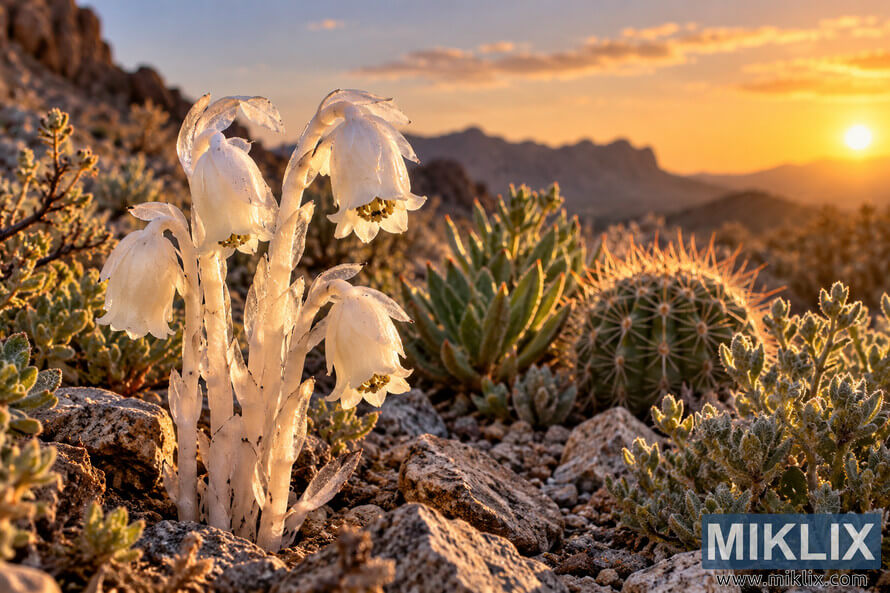
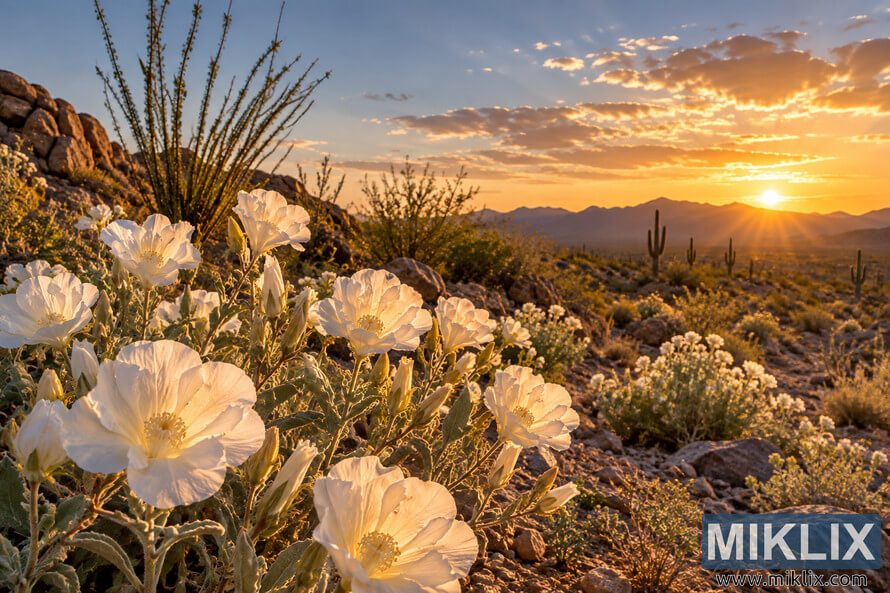
Ghost Flower (Mohavea confertiflora) looks delicate, yet it is built for harsh desert seasons. Its pale, snapdragon-like flower carries dark marks that guide visiting bees. With the right timing, drainage, and careful watering, this native annual can bring a brief but memorable display to a dry garden.
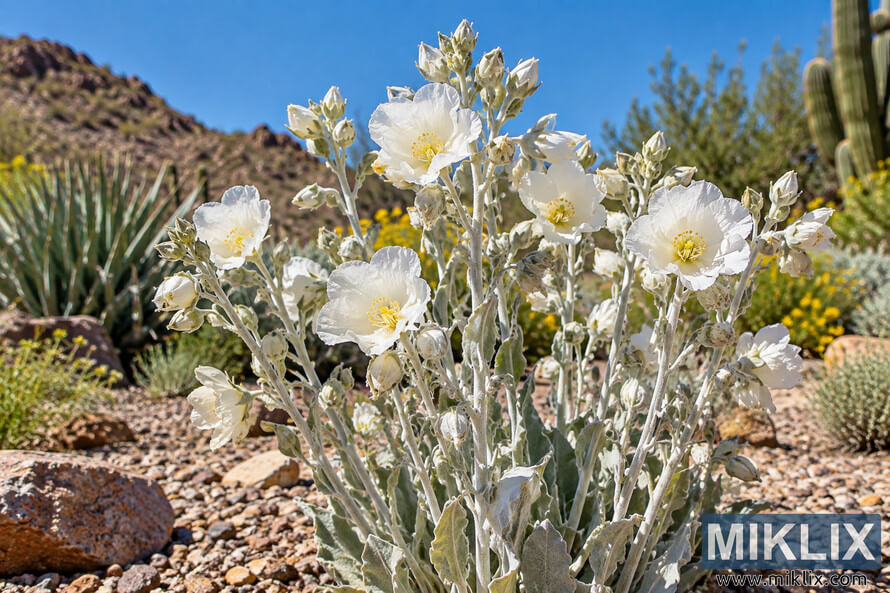
Click or tap the image for more information and higher resolutions.
What Is Ghost Flower (Mohavea confertiflora)?
Mohavea confertiflora is a small annual in the plantain family, Plantaginaceae. Older references may place related plants in a different classification, so labels can vary. It is native to parts of the Mojave Desert and Sonoran Desert, where seasonal rain triggers growth.
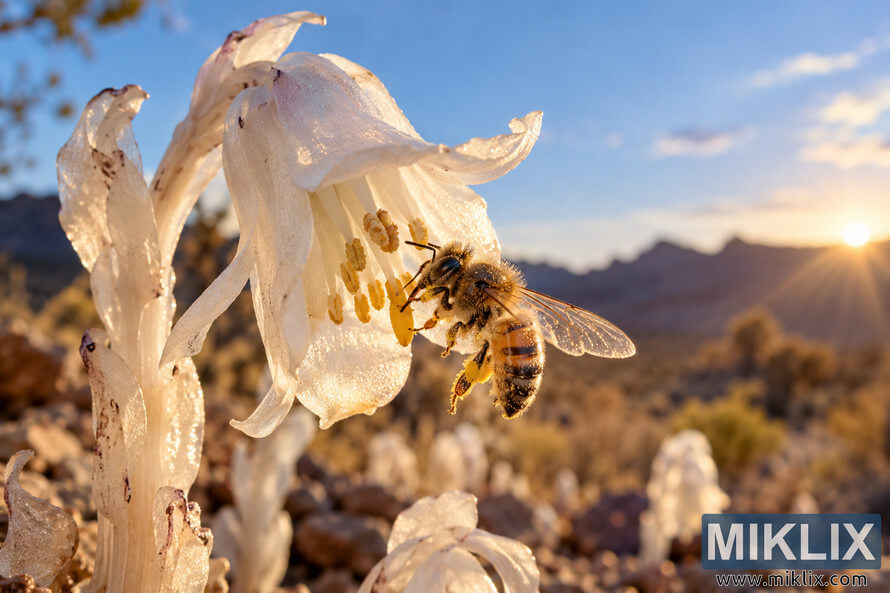
The plant forms slender, branching stems. It commonly reaches about 8 to 20 inches tall, or 20 to 50 centimetres. Its flowers are usually pale yellow, cream, or white. Purple-brown marks near the throat act as a sign for pollinators.
Flowering often occurs from late winter through spring after useful rain. Timing changes with elevation, rainfall, and local temperature. In a dry year, plants may stay small or fail to appear.
Do not confuse this plant with Mentzelia involucrata, another desert wildflower sometimes called ghost flower. Confirm the genus and species before buying seed. Mohavea confertiflora is valued for native habitat gardens, xeriscapes, desert borders, and pollinator areas.
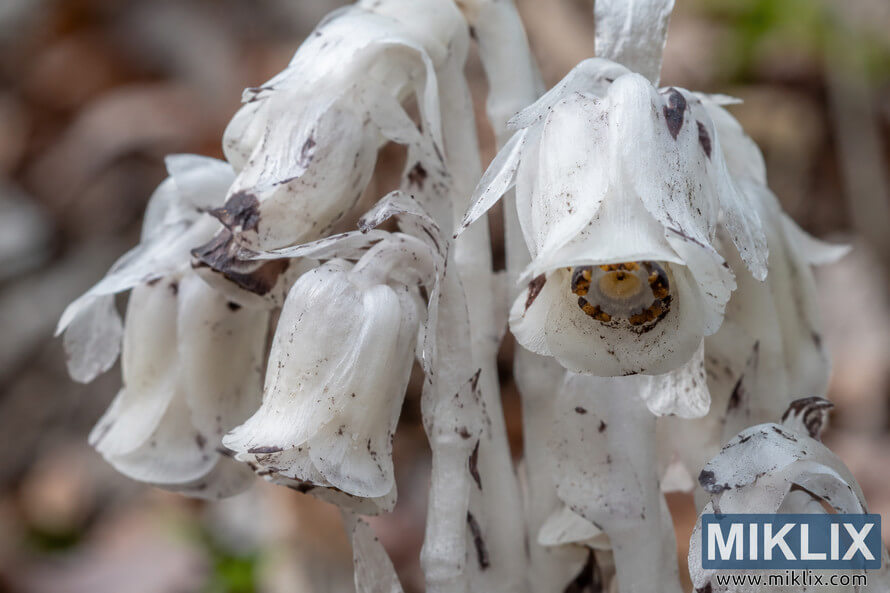
Click or tap the image for more information and higher resolutions.
Why grow it?
- Supports native pollinators, including female bees.
- Needs little water after establishment.
- Adds seasonal color to gravel and rock gardens.
- Offers interest without becoming a permanent shrub.
What to expect
- Growth follows cool-season moisture.
- Plants may disappear during summer dormancy.
- Self-seeding depends on rainfall and site conditions.
- Performance varies across deserts and warm regions.
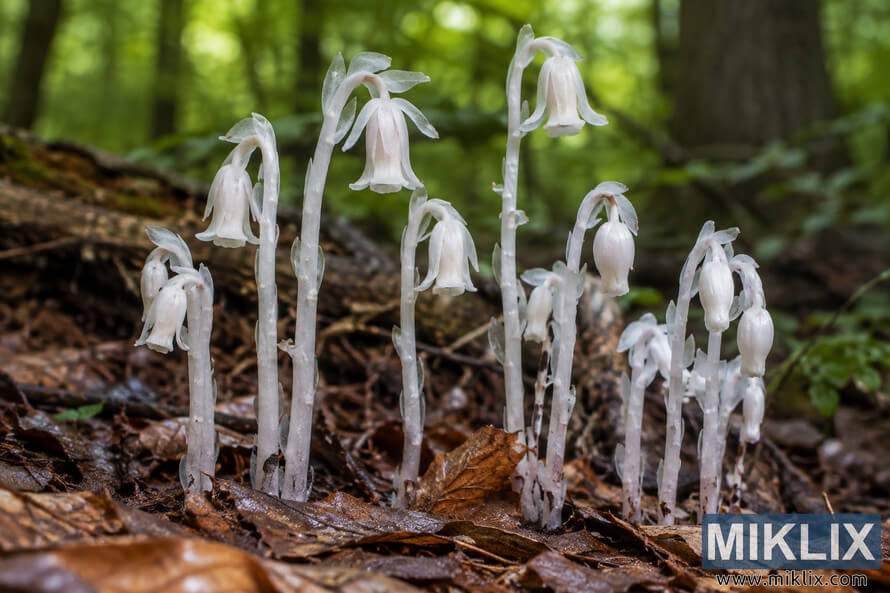
Click or tap the image for more information and higher resolutions.
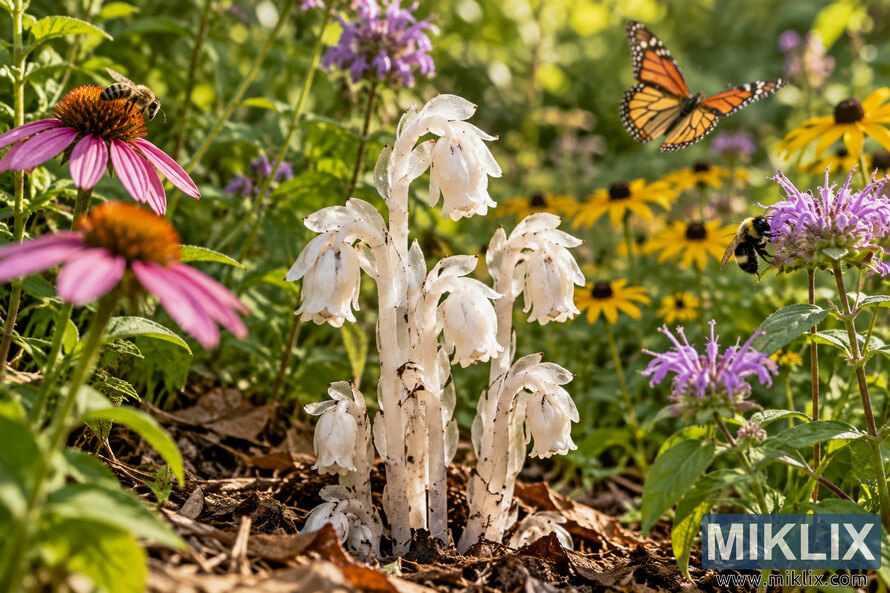
Click or tap the image for more information and higher resolutions.
Planting Mohavea confertiflora: Site, Soil, and Seed
Choose a sunny, open location
Select full sun with at least six hours of direct light. Good airflow helps the foliage dry after rain. A slope, raised bed, or open gravel pocket is useful. Avoid heavy shade, lawn irrigation, and places where water collects.
In very hot areas, bright morning sun with light afternoon protection may reduce stress. Avoid dense competition from vigorous plants. The roots need space, and seedlings are easy to lose among weeds.
Prepare fast-draining soil
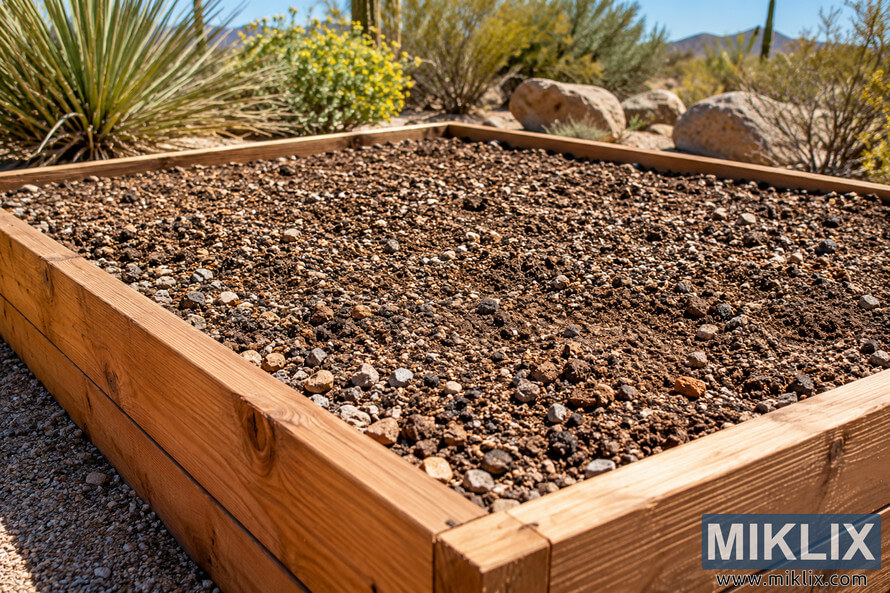
Use lean soil that drains within minutes rather than holding water. Sandy, gravelly, or rocky soil is usually better than rich clay. To improve a bed, loosen the top 8 to 12 inches, or 20 to 30 centimetres, and blend in mineral grit or coarse sand.
Do not add a thick layer of compost. Excess fertility can produce weak, leggy growth. Containers can work if they have drainage holes and a gritty cactus-style mix. A pot at least 8 inches wide gives seedlings room to develop.
Sow seeds in the correct season
Direct sowing is usually best. In much of the Southwest, sow after the worst summer heat has passed and before the cool rainy season. This may mean early fall. In colder areas, sow as soon as the soil can be worked in spring.
- Clear weeds and rake the surface smooth.
- Scatter seeds about 6 to 12 inches apart, or 15 to 30 centimetres.
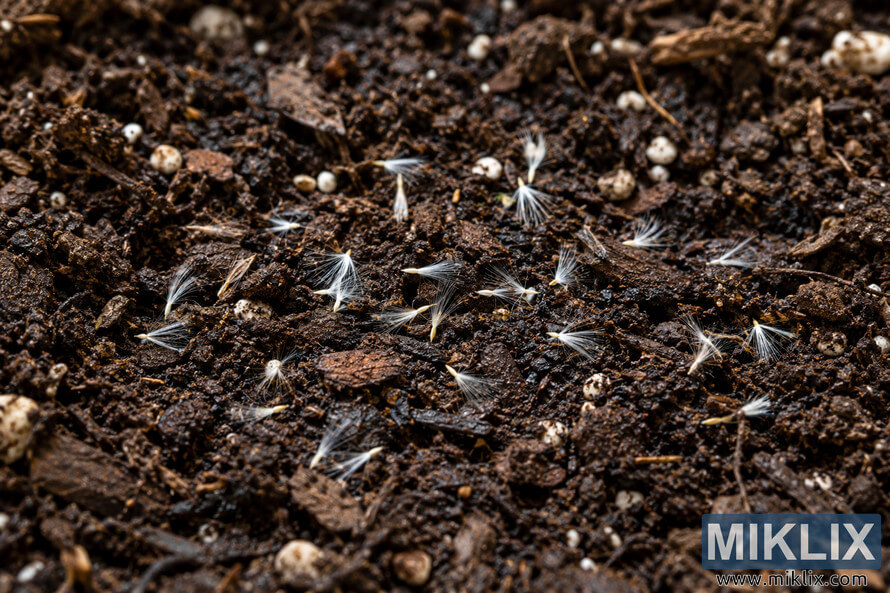
- Press seeds onto the soil surface. Cover only with a very thin dusting.
- Mist gently so seeds stay in place.
- Thin crowded seedlings when they show several true leaves.
- Light can help small seed germinate, so deep planting is a common mistake. Germination may take one to three weeks when moisture and temperature are suitable. Transplanting is risky because young roots dislike disturbance. If needed, move very small seedlings with a full soil plug.
Click or tap the image for more information and higher resolutions.
Click or tap the image for more information and higher resolutions.
Water by growth stage
Keep the seedbed lightly and evenly moist during germination. Use a fine spray instead of a strong stream. Once seedlings are established, let the top inch of soil dry before watering again.
During active growth, water deeply but infrequently. Flowering plants may need supplemental water during an unusually dry spell. Stop routine irrigation as the plant yellows and enters dormancy. Constantly wet soil causes root rot.
Make planting easier
Save the sowing steps before you begin. A simple seasonal checklist helps you remember shallow seed placement, spacing, and careful early watering.
Ghost Flower Care, Pests, and Troubleshooting
Routine care
Remove weeds while plants are small. A thin layer of gravel can reduce weeds without trapping excess moisture. Keep mulch away from the stems. Fertilizer is rarely needed in native desert soil. Do not prune healthy plants. Deadheading is optional and may reduce natural reseeding.
Watch for aphids, thrips, chewing insects, and slugs after wet weather. Remove small infestations by hand or use a firm water spray. For larger problems, choose a product labeled for the pest and follow its directions. Avoid spraying open flowers when bees are active.
Root rot appears as yellowing, collapse, or a sour smell from wet soil. Improve drainage, reduce watering, and remove badly affected plants. Powdery growth or leaf spots often follow poor airflow and prolonged moisture.
Troubleshooting quick guide
- Poor germination: sow fresh seed at the correct season, keep it shallow, and maintain surface moisture.
- Leggy growth: provide more light, reduce fertility, and increase spacing.
- Yellow leaves: check for wet roots before adding water or fertilizer.
- No flowers: review sunlight, rainfall, temperature, and seed timing.
- Plant decline: inspect drainage, root damage, heat stress, and competition from weeds.
Click or tap the image for more information and higher resolutions.
Click or tap the image for more information and higher resolutions.
Collect and store seed
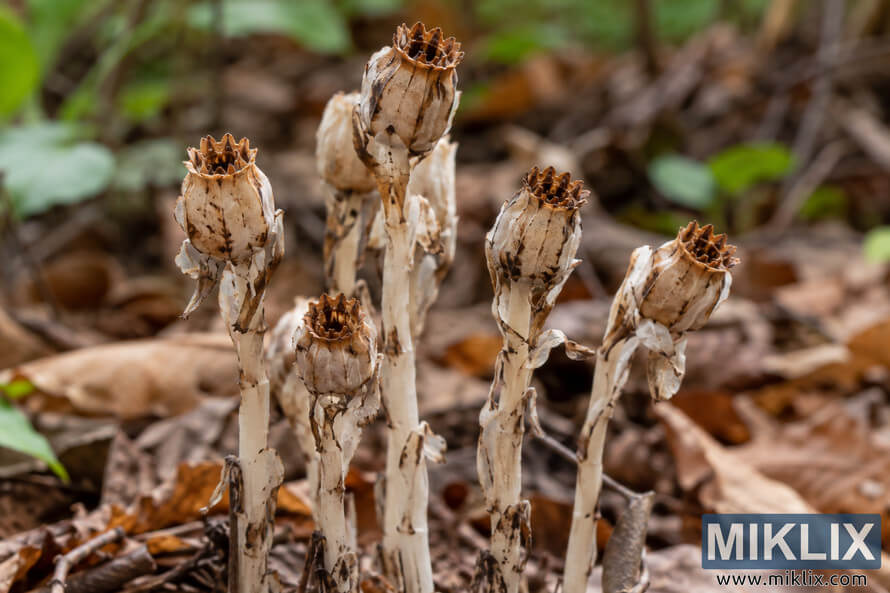
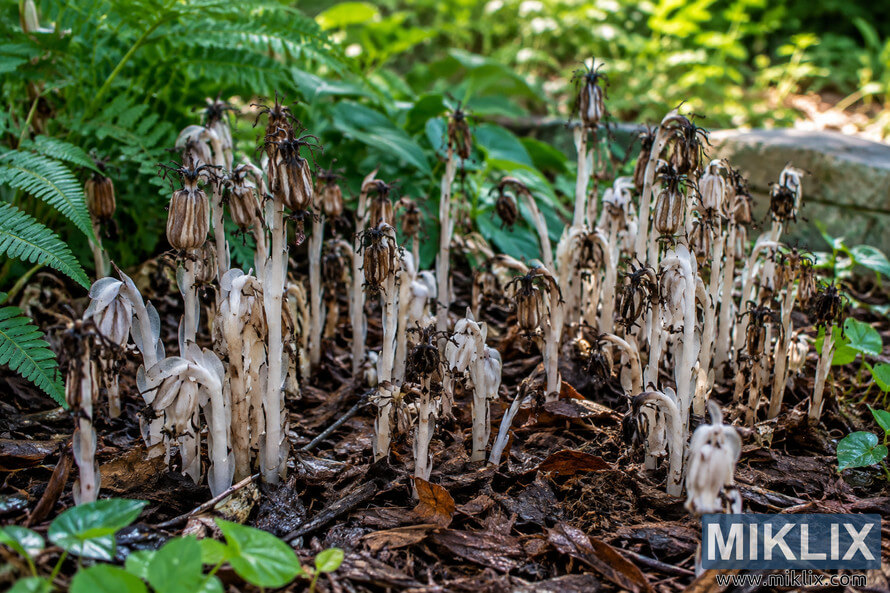
Allow flowers to fade on the plant. Mature capsules should turn dry and brown. Collect them before they split. Place the material in a paper bag for several days, then gently shake out the seed.
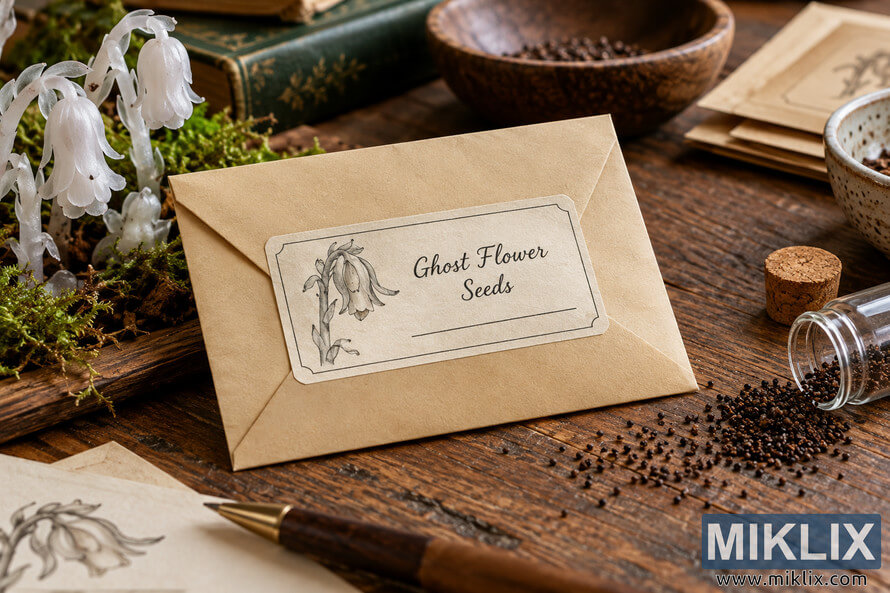
Store clean seed in a labeled envelope inside a cool, dry, dark container. A refrigerator can help when seed is sealed against moisture. Record the collection date and location. Sow some seed promptly because local storage life can vary.
Garden Design, Seasonal Calendar, and FAQs
Use Ghost Flower in a natural design
Place it in gravel pockets, between boulders, along a dry path, or at the front of a native border. Combine it with other plants that accept seasonal dryness, such as penstemon, brittlebush, desert marigold, buckwheat, and small native grasses. Leave open soil around each group so seedlings can emerge.
Its pale flowers can brighten dark rock and complement blue-gray foliage. Nectar and flower marks attract pollinators, including bees. Do not expect a continuous summer display. This plant follows a desert cycle rather than a typical perennial garden schedule.
Seasonal care calendar
| Season | Care | What to expect |
| Late summer | Clear weeds and prepare gritty soil. | Dormant beds may look empty. |
| Fall | Sow seed and provide light moisture. | Cool weather may trigger germination. |
| Winter | Water only when soil is dry and rain is absent. | Seedlings form low growth. |
| Spring | Reduce irrigation as heat increases. | Flowers appear, then seed capsules mature. |
| Summer | Stop routine watering and save mature seed. | Plants fade or enter dormancy. |
Frequently asked questions
Is Ghost Flower a perennial?
Usually, it behaves as a seasonal annual. It may return from seed, but the original plant commonly fades after flowering and seed production.
Can it grow outside the deserts?
It can grow in other warm regions if the soil drains well and the timing matches a cool, moist growth season. Humid climates may cause more disease and weaker growth.
Does it need fertilizer?
Usually not. Lean soil supports a more natural habit. Fertilizer may encourage foliage at the expense of flowers.
Will it self-seed?
It may self-seed when flowers mature and the site receives suitable seasonal moisture. Leave some seed capsules in place if you want future plants.
Growing Mohavea confertiflora is mainly an exercise in timing. Provide sun, fast drainage, shallow seed placement, and restrained water. Respect its seasonal nature, and this desert native can support pollinators while adding a short, striking bloom to your garden.
Click or tap the image for more information and higher resolutions.
Click or tap the image for more information and higher resolutions.
Click or tap the image for more information and higher resolutions.
Click or tap the image for more information and higher resolutions.
Click or tap the image for more information and higher resolutions.
Click or tap the image for more information and higher resolutions.
Further Reading
If you enjoyed this post, you may also like these suggestions:
- Top 15 Most Beautiful Rhododendron Varieties to Transform Your Garden
- 15 Most Beautiful Flowers to Grow in Your Garden
- A Complete Guide to Growing Chinese Lantern in Your Own Garden