
Fringed Gentian: A Practical Growing Guide
Published: October 4, 2026 at 2:24:34 PM UTC
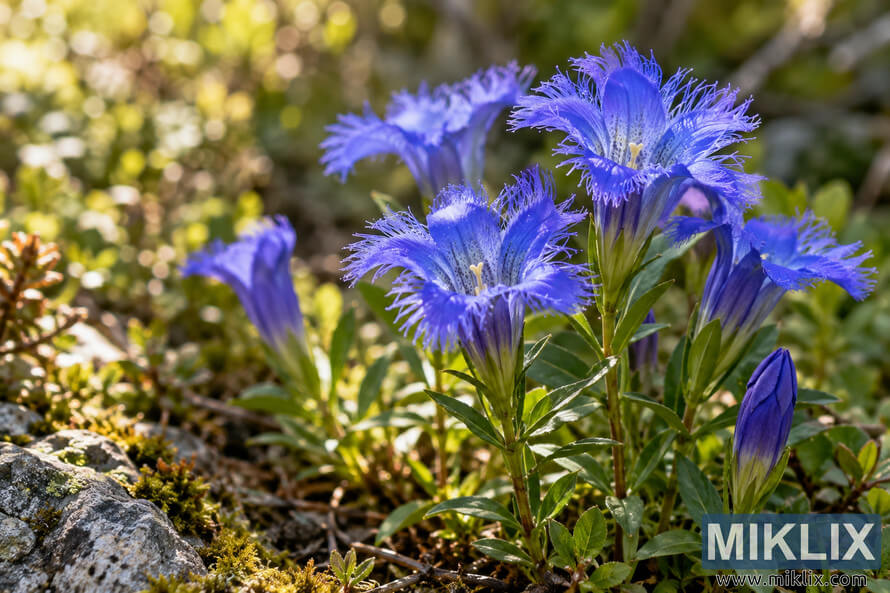
Few native flowers look as delicate and dramatic as Fringed Gentian (Gentianopsis crinita). Its blue petals open late in the season, often when many summer blooms have faded. Growing it at home takes patience, steady moisture, and a site that feels more like a meadow than a dry border.
Click or tap the image for more information and higher resolutions.
This species is also called greater fringed gentian or greater fringed-gentian. Older references may list it as Gentianella crinita. The current name, gentianopsis crinita, helps separate it from other native gentians sold or discussed in North America.
Click or tap the image for more information and higher resolutions.
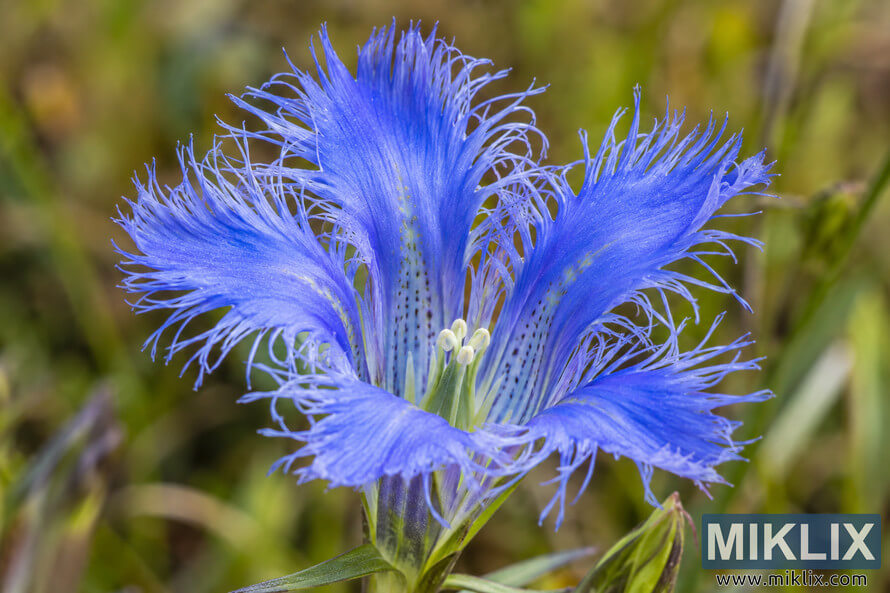
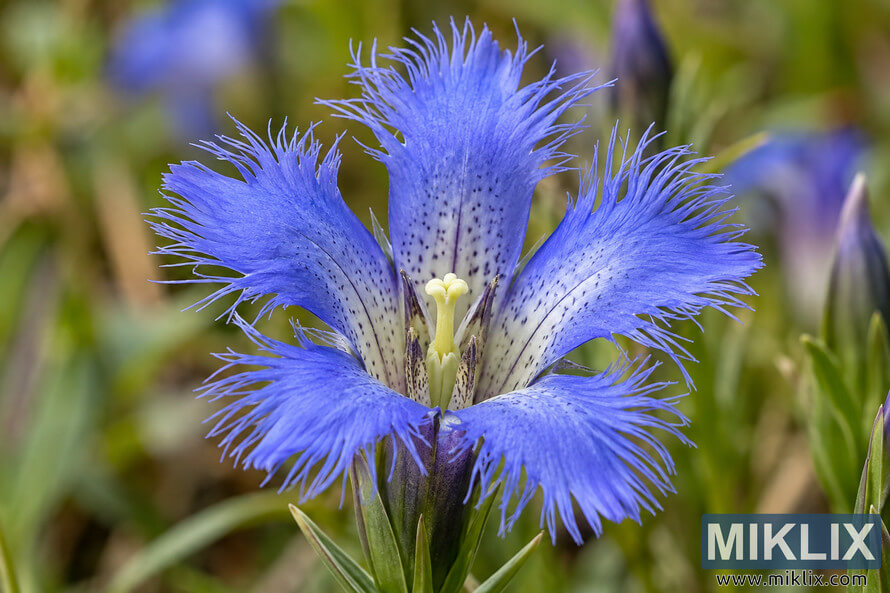
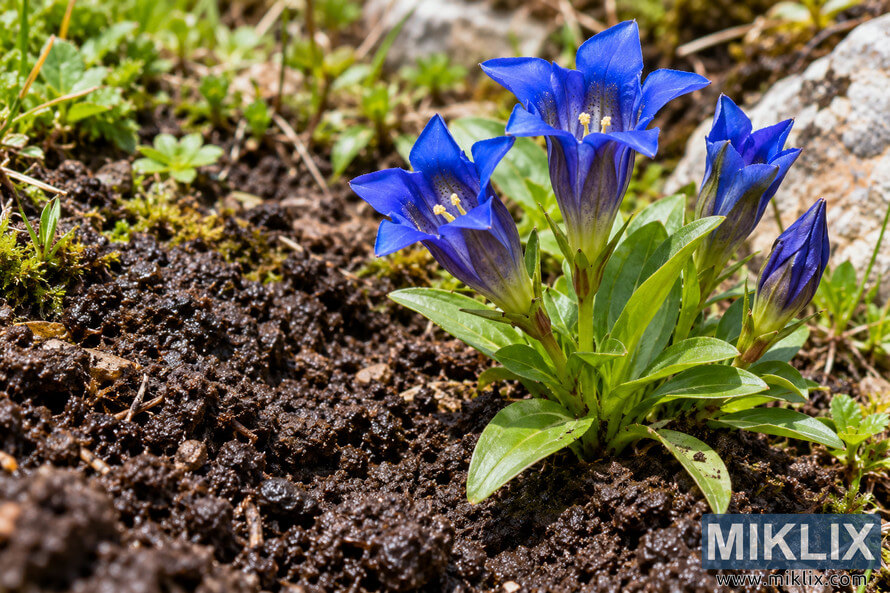
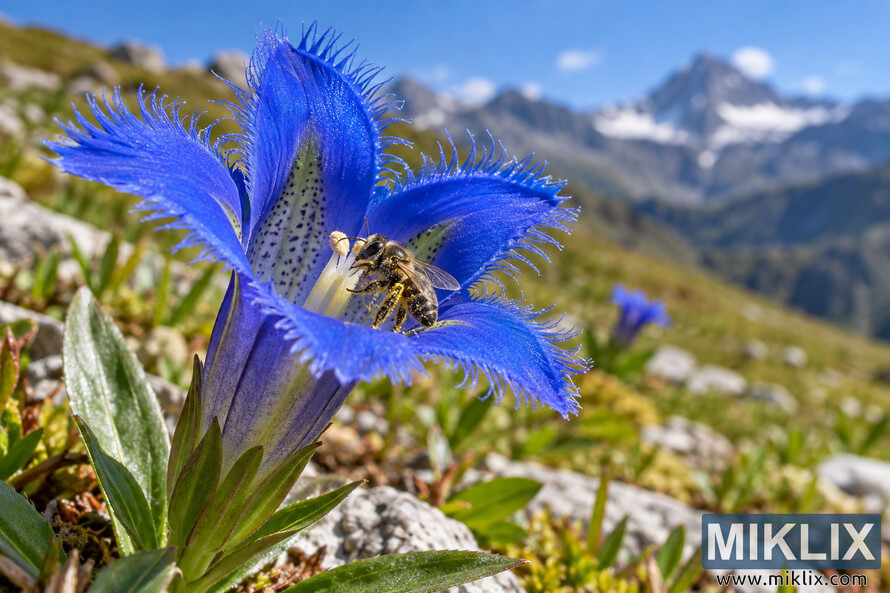
The flower is the clearest field mark. Each petal has a fringed edge, so the bloom looks finely cut. The color is usually blue, blue-violet, or a rich violet-blue. Petals may show pale marks near the base. The number and shape of lobes can vary slightly, but the fringed margin is the key feature.
Click or tap the image for more information and higher resolutions.
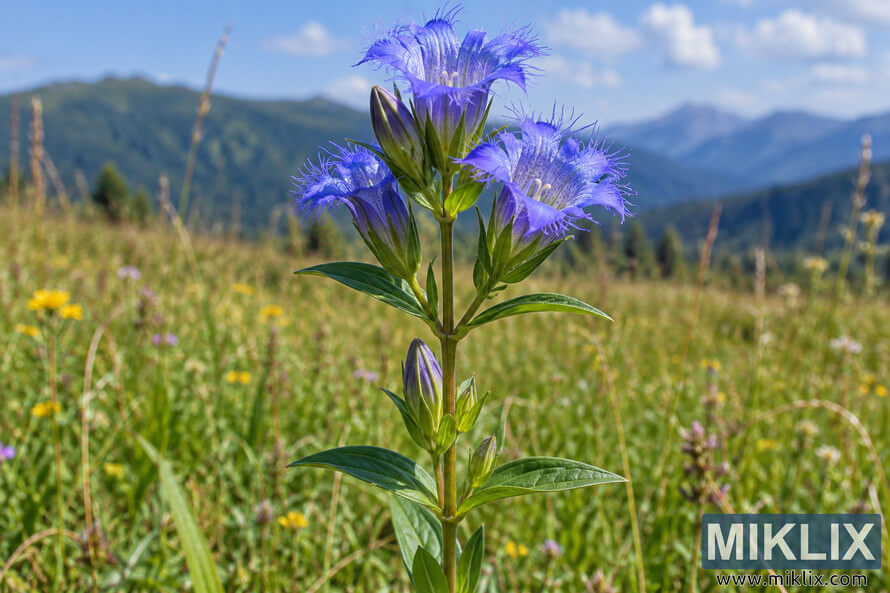
The plant forms an upright stem with opposite leaves. Leaves are usually smooth, narrow to oval, and clasp the stem to some degree. The lower leaves may fade before the flower reaches its peak. Look for a slender stem rather than a low rosette with flowers pressed to the ground.
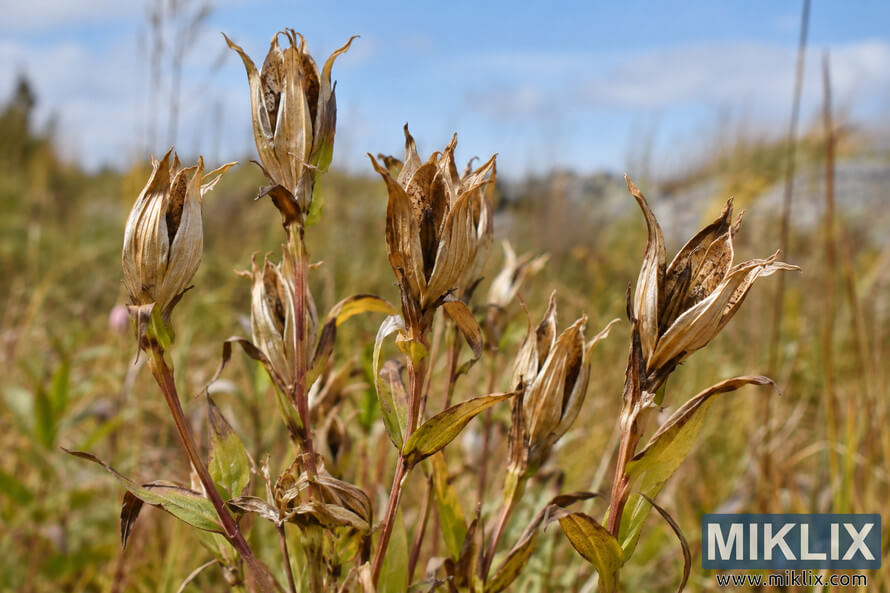
After bloom, the flower develops a capsule. This dry fruit type holds many small seeds. Do not confuse the capsule with a fleshy berry. A hand lens can help when checking the sepals, petal base, stamens, and style.
Range maps from native-plant databases show a broad eastern North American distribution, but local status differs. A species can be common in one county and rare in another. Use a current county map, state status list, and local herbarium record before planning a restoration project.
Identification tip: verify the fringed petal edges, opposite leaves, upright stem, blue color, and dry capsule together. One feature alone is not enough.
Click or tap the image for more information and higher resolutions.
Native Habitat, Distribution, and Life Cycle
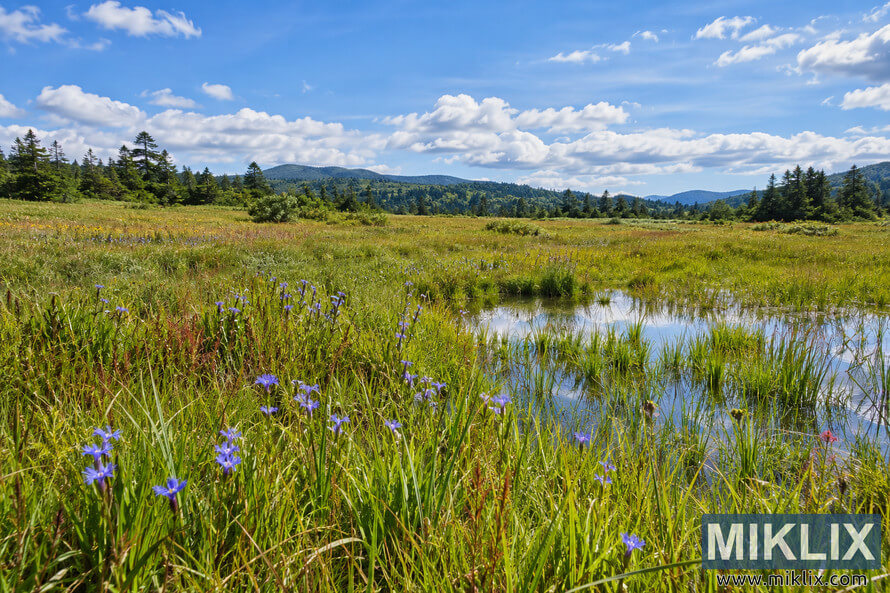
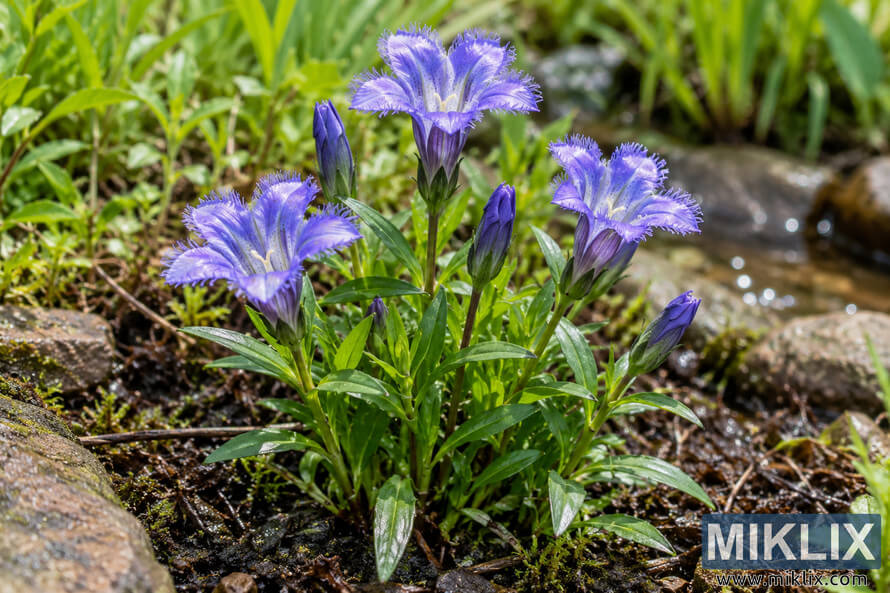
In the wild, Fringed Gentian grows in open, moist places. Typical habitat includes wet meadows, damp prairies, roadside openings, seepage areas, and edges of marshes. The best sites stay moist during the growing season but are not permanently covered by deep standing water.
Light is important. A meadow with full sun supports stronger stems and more flowers. Light afternoon shade can work in hot areas, especially when the soil dries quickly. Dense shade reduces bloom and may encourage weak, leaning growth.
The life cycle is often biennial or short-lived perennial in garden conditions. A plant may make leaves during one year and flower during the next. Some plants bloom sooner, while others need more than one year to reach flowering size. Treat it as a short-lived plant with the potential to reseed.
Click or tap the image for more information and higher resolutions.
Seeds fall near the parent plant when the capsule opens. Reseeding is more likely where bare soil, stable moisture, and limited competition occur. Heavy mulch can block new seedlings. A lightly managed patch usually works better than a heavily disturbed garden bed.
Click or tap the image for more information and higher resolutions.
Choose the Right Garden Site
Select a location that receives at least six hours of sun. Morning sun and light afternoon shade may be useful in a warm, dry garden. Avoid a site beneath dense tree roots, beside thirsty shrubs, or near a downspout that creates sudden flooding.
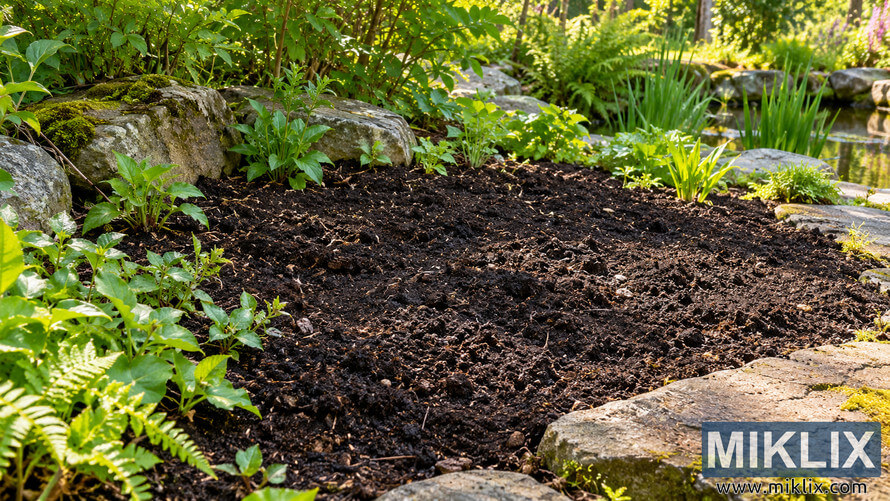
The soil should hold moisture while allowing air to reach the roots. A loam or sandy loam with organic matter is a good starting point. Heavy clay may need a raised planting area or a shallow slope so excess water can move away. Do not create a rich, constantly wet pocket.
Click or tap the image for more information and higher resolutions.
Test the soil before adding amendments. Fringed Gentian does not need heavy feeding. If the soil is very fertile, tall weeds may outgrow the plant. Improve structure with modest compost, but avoid turning the bed into a high-nitrogen border.
Click or tap the image for more information and higher resolutions.
Space plants about 12 to 18 inches apart when mature size is uncertain. This gives each stem air and leaves room for nearby seedlings. A natural colony may look less formal, but it should not be crowded by aggressive ground covers.
- Choose open sun or bright partial shade.
- Provide even moisture without permanent flooding.
- Leave a small area of exposed soil for reseeding.
- Keep vigorous grasses and spreading plants under control.
Seed Starting and Propagation
Buy seed from a reputable native-plant nursery or conservation-minded seed company. Select seed grown in cultivation when possible. Local or regional sources can improve adaptation, but do not collect seed from public land, protected populations, or private property without clear permission.
Fresh seed can have uneven germination. Some seed may sprout after a cold, moist period, while other seed waits until the following season. This is normal for a plant adapted to changing meadow conditions. Sow more than one container or patch so one poor result does not end the project.
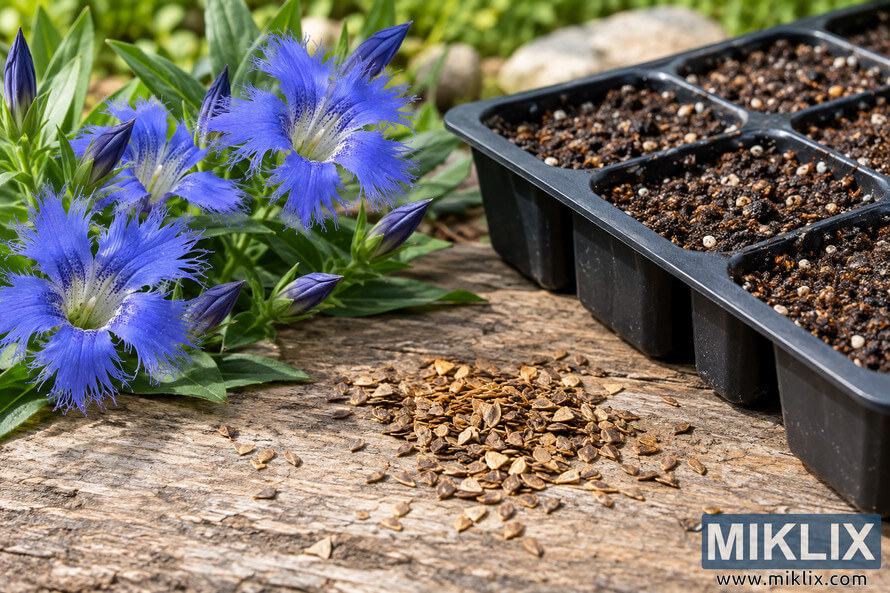
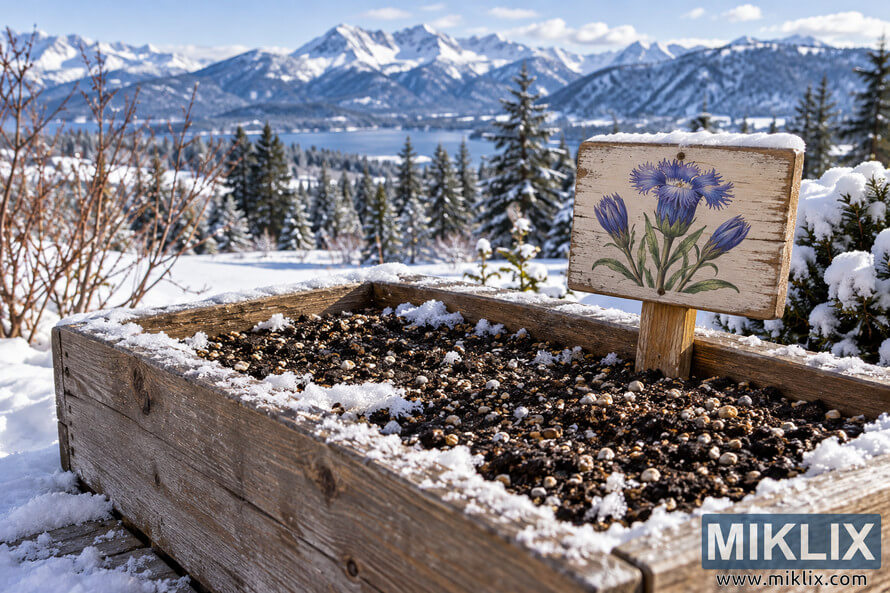
In late fall, press seed onto a prepared outdoor bed or a container of fine, well-drained mix. Do not bury it deeply. The seed needs contact with the surface and access to moisture. A very thin dusting of fine material is enough.
Click or tap the image for more information and higher resolutions.
For controlled sowing, place containers outdoors through winter. Protect them from rodents while allowing natural cold and temperature changes. Keep the medium damp, never saturated. Spring warmth may trigger germination, but some seeds may wait for another cycle.
Transplant young plants only after they have a useful root system. Handle the root ball gently. Set the crown at the same depth as it grew in the container. Water slowly after planting, then maintain steady moisture while roots settle.
Click or tap the image for more information and higher resolutions.
Planting, Watering, and Routine Care
Plant young starts in spring or early fall when the soil is workable. Dig a hole slightly wider than the root ball. Firm the soil around the roots, then water deeply. A thin layer of leaf mold can reduce evaporation, but keep mulch away from the stem base.
Water when the top inch of soil begins to dry. During hot weather, check the bed often. Short, repeated sprinkling can keep the surface wet while leaving deeper soil dry. A slow soak is better. Reduce watering during cool, rainy periods.
Click or tap the image for more information and higher resolutions.
Skip routine fertilizer unless a soil test shows a clear need. Too much nitrogen can produce soft growth, more weeds, and fewer flowers. Hand-pull weeds while they are small. Avoid herbicide drift, which can damage leaves and young seedlings.
Support pollinators by avoiding broad-spectrum pesticides during bloom. Add nearby native plants with different flower shapes and bloom times. Leave some stems and seed capsules until late winter if they are not diseased. This gives insects shelter and allows mature seed to fall.
Most healthy plants have few serious pest problems. Slugs may damage young leaves in wet conditions. Improve airflow, remove hiding debris near seedlings, and inspect plants after rain. If leaves yellow, check drainage and roots before adding fertilizer.
Click or tap the image for more information and higher resolutions.
Seasonal Care Calendar and Troubleshooting
Late winter and spring
- Keep winter-sown containers damp but not waterlogged.
- Watch for seedlings as temperatures rise.
- Remove competing weeds without disturbing shallow seedlings.
- Plant nursery starts after severe frost has passed.
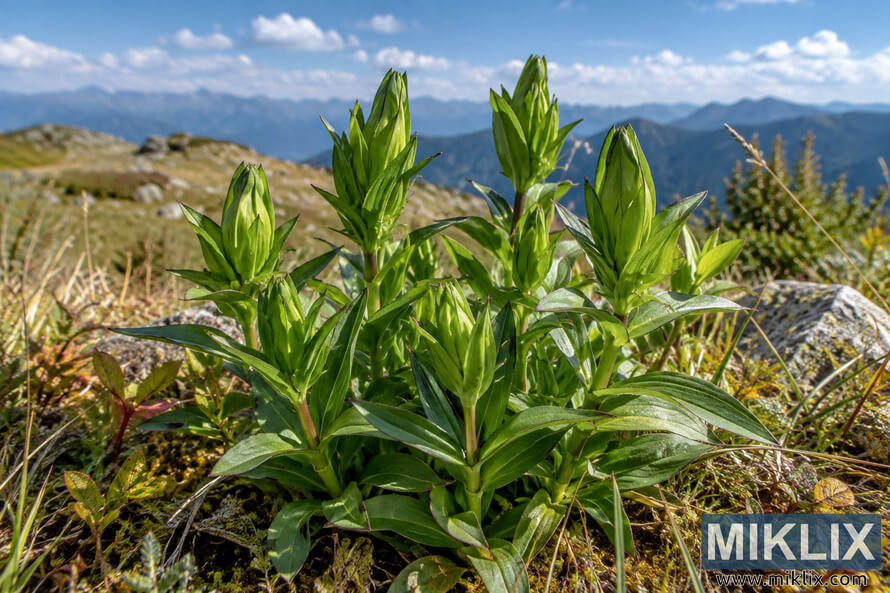
Click or tap the image for more information and higher resolutions.
Summer
Check moisture during dry spells. A plant that wilts each afternoon may need a better site, not simply more frequent watering. Keep paths and nearby grass from overtaking the planting area. Do not move a plant during heat or full bloom.
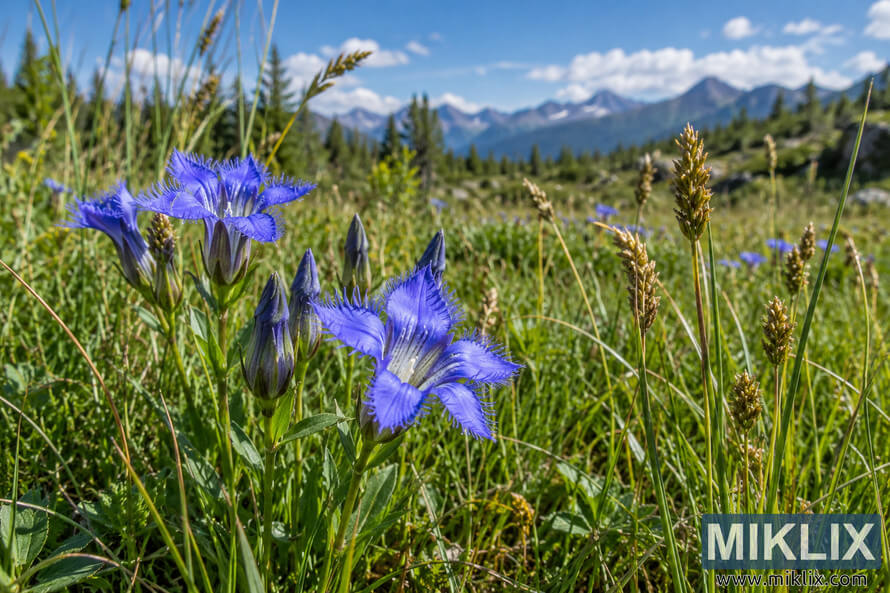
Click or tap the image for more information and higher resolutions.
Late summer and fall
Expect bloom from late summer into fall, depending on region and weather. Mark the plant before foliage fades. Allow capsules to mature if you want reseeding. Collect only cultivated seed that you are legally allowed to collect, and label the source and year.
Winter
Leave a light layer of natural litter. Avoid thick compost or mulch that seals the soil surface. Protect containers from animals while allowing cold exposure. Review the garden map and decide where new seedlings can remain.
Do not dig wild plants for a home garden. Wild populations may be small, and transplant shock is often severe. Responsible cultivation begins with legally obtained, nursery-grown seed or plants.
Common problems
- No germination: use fresh seed, surface sow, provide cold moisture, and allow more than one year.
- Leggy stems: move future sowings to brighter light and reduce crowding.
- Yellow leaves: check standing water, root damage, and poor drainage.
- No flowers: allow time for the life cycle and avoid excess nitrogen.
- Seedlings disappear: reduce slug habitat and mark small plants clearly.
Key Growing Requirements at a Glance
- Light: full sun to bright partial shade.
- Soil: moist, moderately fertile, and well drained.
- Water: steady moisture, with no prolonged flooding.
- Spacing: about 12 to 18 inches, adjusted for the site.
- Propagation: fresh seed, surface sowing, and cold moist exposure.
- Maintenance: weed control, limited fertilizer, and careful watering.
- Wildlife: protect pollinators and leave mature seed where suitable.
- Expectation: germination may be slow, and flowering may take more than one year.
Fringed Gentian rewards a patient approach. Give it a bright, moist meadow setting, use responsibly sourced seed, and accept that its life cycle may not follow a neat garden schedule. With careful preparation, a small planting can provide unusual late-season flowers while supporting a more diverse native garden.
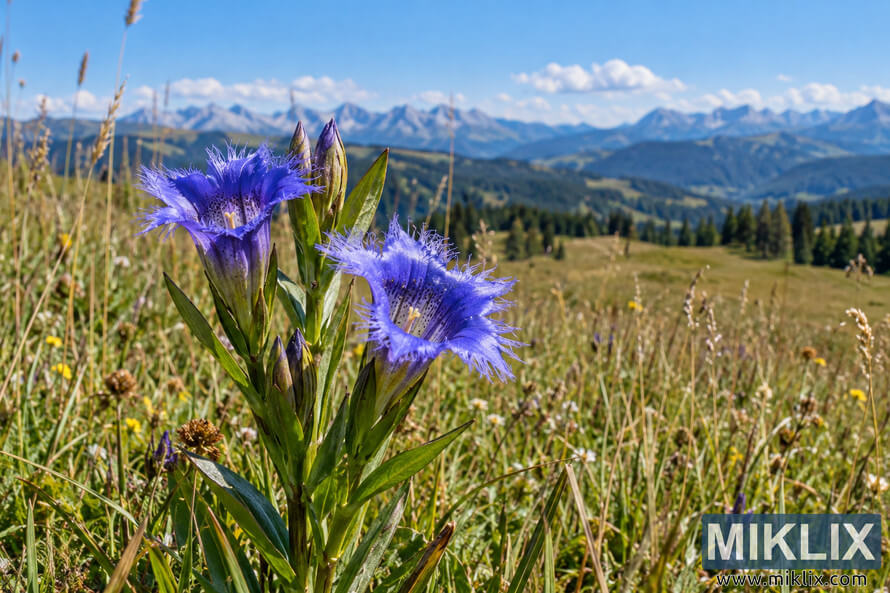
Click or tap the image for more information and higher resolutions.
Further Reading
If you enjoyed this post, you may also like these suggestions:
- 12 Stunning Delphinium Varieties to Transform Your Garden
- Beautiful Foxglove Varieties to Transform Your Garden
- Growing Crown Imperial: A Complete Garden Guide