
Great Blue Lobelia: A Practical Guide to Growing It
Published: October 8, 2026 at 10:09:09 PM UTC
Great Blue Lobelia (Lobelia siphilitica) brings rich blue flowers to damp garden spaces where many perennials struggle. With the right soil, light, and moisture, this native plant can become a reliable source of color and nectar from summer into fall.
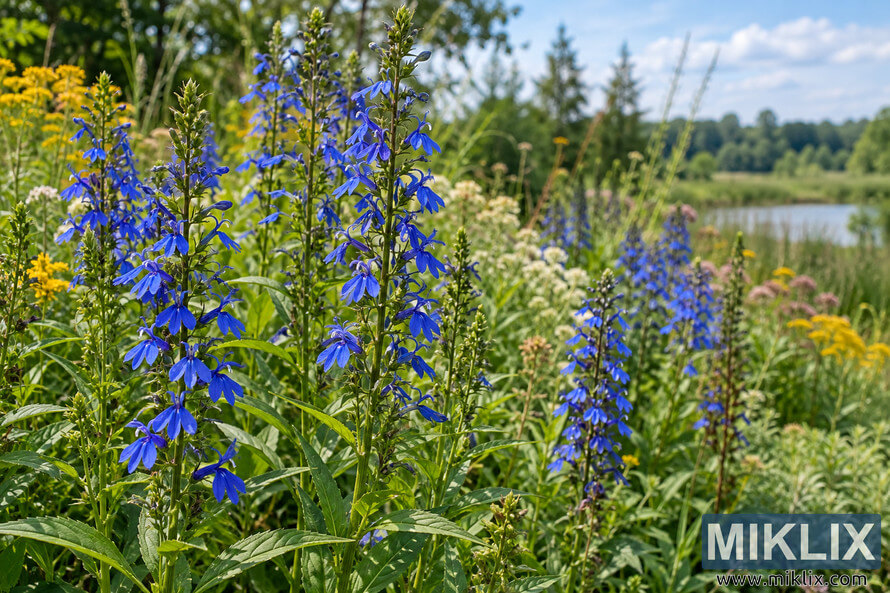
Click or tap the image for more information and higher resolutions.
Great Blue Lobelia Plant Profile and Benefits
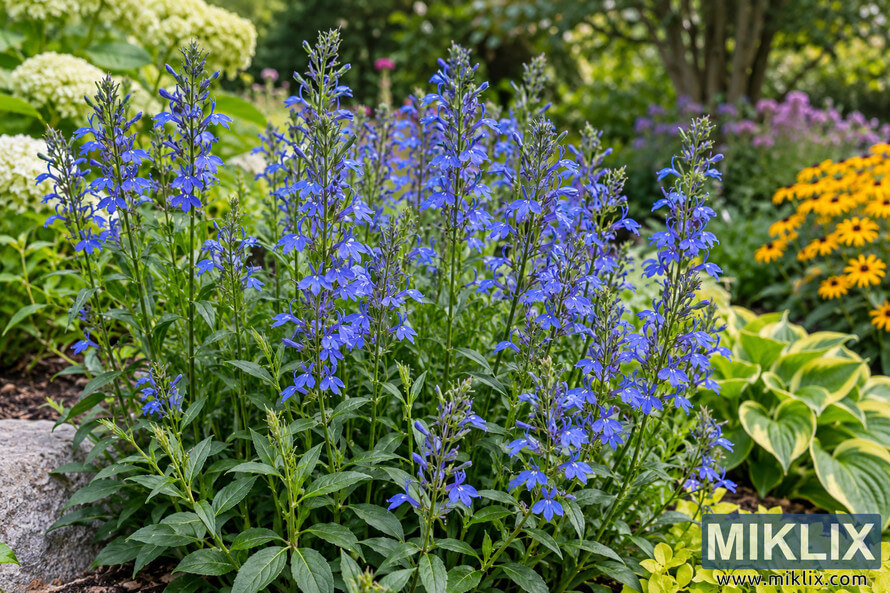
Great Blue Lobelia, or lobelia siphilitica, is an herbaceous perennial in the bellflower family. It is native to parts of North America, including North Carolina and other eastern and central regions. Mature plants often reach 2 to 4 ft. tall and about 12 to 18 inches wide.
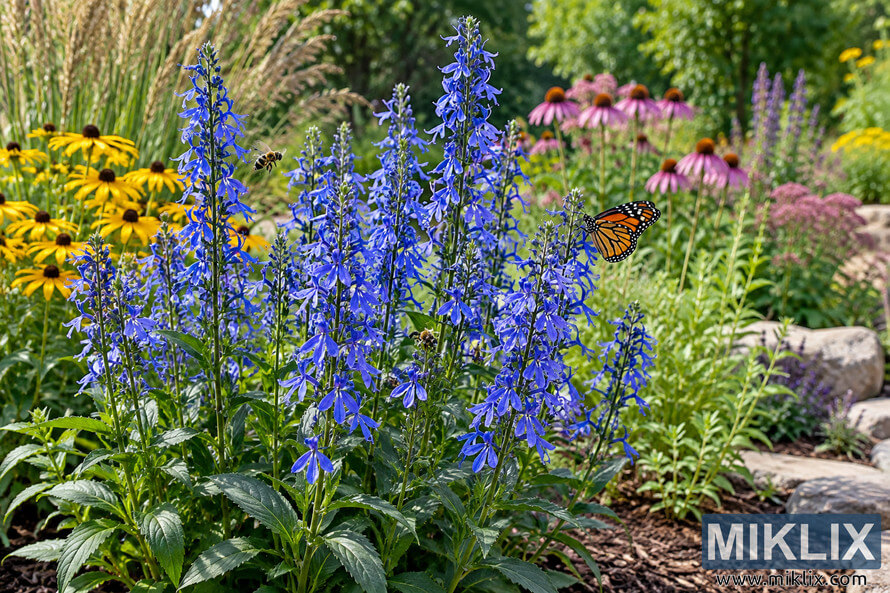
The upright stem holds narrow leaves and clusters of blue flowers. Each flower has a three-lobed lower lip and a smaller upper part. The color works well beside yellow, white, pink, and purple plants.
This species supports hummingbirds and many insects. Deer may browse it in some areas, but the plant is not usually a first choice for heavy deer pressure. Its greatest garden value is its ability to bring vertical form and late summer color to moist areas.
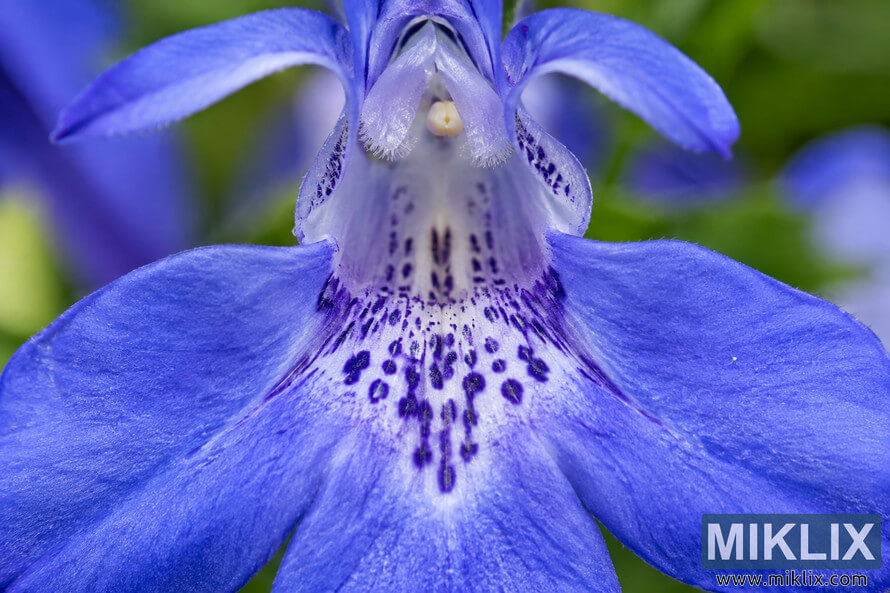
Click or tap the image for more information and higher resolutions.
Choose the Right Site, Soil, and Light
The best location has steady moisture but does not remain deeply flooded. A rain garden, pond edge, stream margin, low meadow, or damp border can work well. In a dry area, the plant will need regular irrigation throughout summer.
Give it full sun to partial shade. Full sun encourages stronger stems and more flowers when the soil stays moist. Light shade is useful in hot regions or where afternoon heat dries the ground quickly.
Use rich soil with plenty of organic matter. Clay, loam, and sandy soil can all work if moisture is managed. Mix compost into poor ground before planting, but do not create a small pocket of rich soil surrounded by hard, dry soil. Roots need a wider zone that holds water.
Site test: Dig a hole about 12 inches deep. Fill it with water twice. If the soil drains within a day but remains cool and damp, it may suit this plant. If water stands for several days, choose a higher spot.
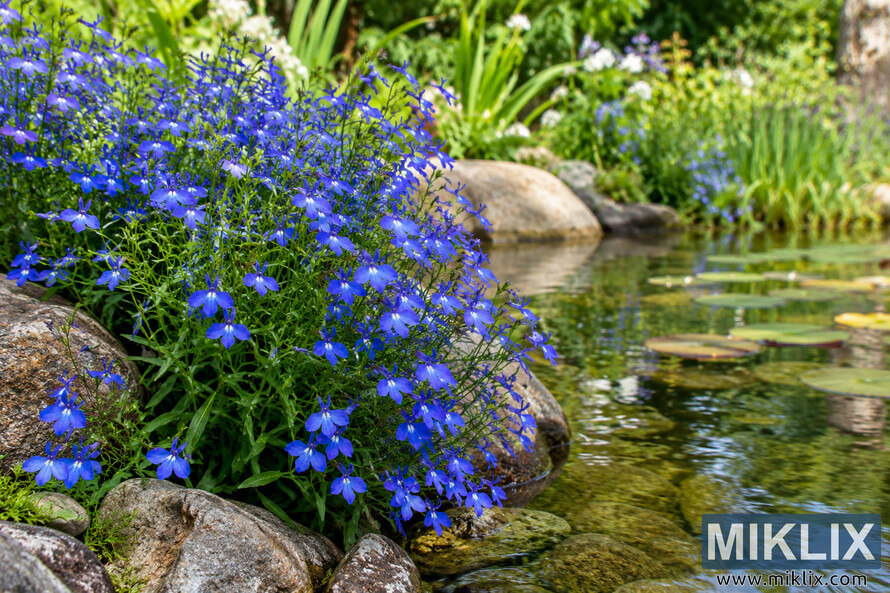
Click or tap the image for more information and higher resolutions.
Planting and Propagation Steps
How to plant
- Plant in spring or fall when temperatures are mild.
- Clear weeds and loosen the soil across the full root area.
- Dig a hole twice as wide as the root ball and no deeper than its container.
- Set the crown at the same level it occupied in the pot.
- Backfill with native soil, water slowly, and add a thin mulch layer.
- Leave about 12 to 18 inches between plants. Air movement helps reduce leaf problems, while enough space allows each stem to develop its natural form.
Grow new plants from seeds
Collect mature seeds in fall when the capsules turn brown. Store them in a cool, dry place. Sow the seeds on the soil surface in late fall or early spring because light can help germination. Press them gently into the soil, but do not bury them deeply.
Keep the seed bed evenly moist. Germination may be uneven. Young plants often grow slowly at first, then gain size during the second season. Remove weeds carefully so shallow roots are not disturbed.
Use division for mature plants
Division is best done in spring as new leaves emerge. Lift the clump, separate sections with healthy roots and shoots, and replant them at once. Water each division well. Division is useful when a mature plant becomes crowded or when you want several plants in one damp area.
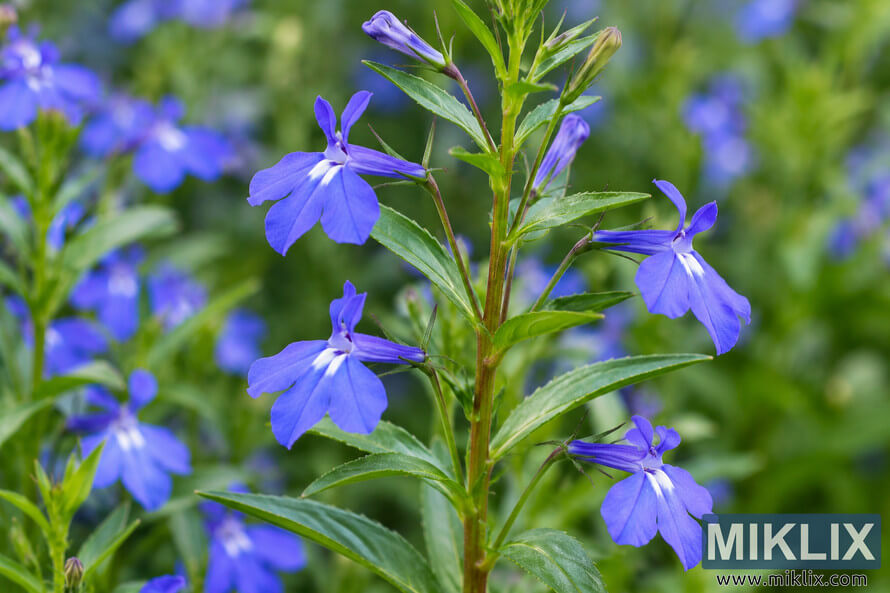
Click or tap the image for more information and higher resolutions.
Watering, Fertilizing, and Seasonal Maintenance
Watering and feeding
Water deeply when the top inch of soil begins to dry. During hot summer weather, check the plant twice each week. A 2-inch layer of leaf mulch can slow evaporation and protect roots.
Most plants do not need heavy fertilizer. Add compost in spring or use a mild, slow-release native plant fertilizer if growth is weak. Too much nitrogen may produce soft stems and leaves instead of strong flowers.
Pruning and winter care
Remove damaged leaves during the growing season. After flowering, cut back spent stems if you want a cleaner look, or leave some seed heads for birds and natural reseeding. Remove dead stems in late winter or early spring.
The roots are generally more important than the old top growth. Keep mulch light and away from the crown. In cold areas, stable soil moisture and a thin winter mulch can reduce root stress.
Pollinator-friendly care
Avoid broad-spectrum insecticides near open flowers. Leave some leaf litter in nearby areas, add shallow water sources, and combine this plant with species that bloom in spring, summer, and fall. This creates a longer food supply for insects and hummingbirds.
Common Problems and Garden Design Ideas
What usually works
- Moist soil with organic matter
- Morning sun or bright partial shade
- Open spacing around each stem
- Native companion plants with similar needs
What to avoid
- Dry soil during summer heat
- Deep standing water around the crown
- Heavy fertilizer and weak, soft growth
- Dense planting with poor air flow
Yellow leaves often point to watering stress, poor drainage, or root damage. Brown leaf edges usually mean the soil is too dry. Thin stems may result from too much shade or excess fertilizer. Improve the site before adding plant food.
Watch for slugs, aphids, and leaf-chewing insects. Hand-pick pests when possible, rinse aphids from leaves with water, and encourage beneficial insects. Remove badly damaged leaves and clean up fallen debris in fall. Good spacing and careful watering can reduce disease pressure.
Use blue lobelia at the back of a rain garden, beside cardinal flower, or among sedges and moisture-loving grasses. It also fits cottage gardens, native borders, pond edges, and informal meadow designs. Place shorter plants in front so the tall flower stems remain visible.
Its tall form adds structure without making the garden feel formal. Repeated groups of three or five plants create stronger visual impact than scattered single specimens.
Click or tap the image for more information and higher resolutions.
Your Great Blue Lobelia Growing Plan
Start with a damp site that receives full sun or light shade. Improve the soil with compost, plant in spring or fall, and water deeply while roots settle. Once established, keep moisture consistent and avoid heavy feeding.
Use seeds when you want many plants and division when you want quick results from a mature clump. Watch leaves and stems for early signs of stress. With simple maintenance, this perennial can provide blue flowers, garden height, and lasting value for pollinators.
Click or tap the image for more information and higher resolutions.
Further Reading
If you enjoyed this post, you may also like these suggestions:
- A Complete Guide to Growing American Lotus in Your Own Garden
- Beautiful Foxglove Varieties to Transform Your Garden
- A Guide to the Most Beautiful Rose Varieties for Gardens