
Growing Dragon Arum: A Complete Garden Guide
Published: October 16, 2026 at 5:45:30 PM UTC
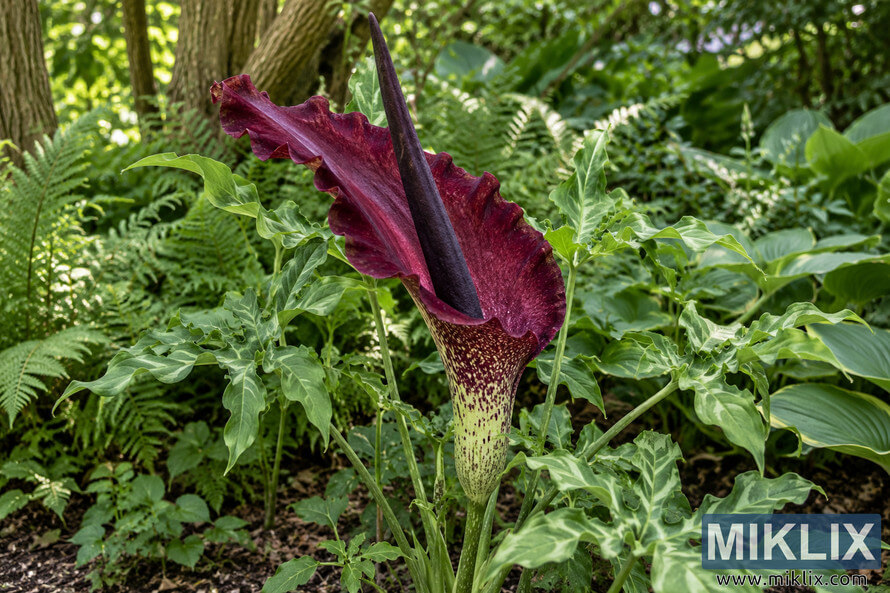
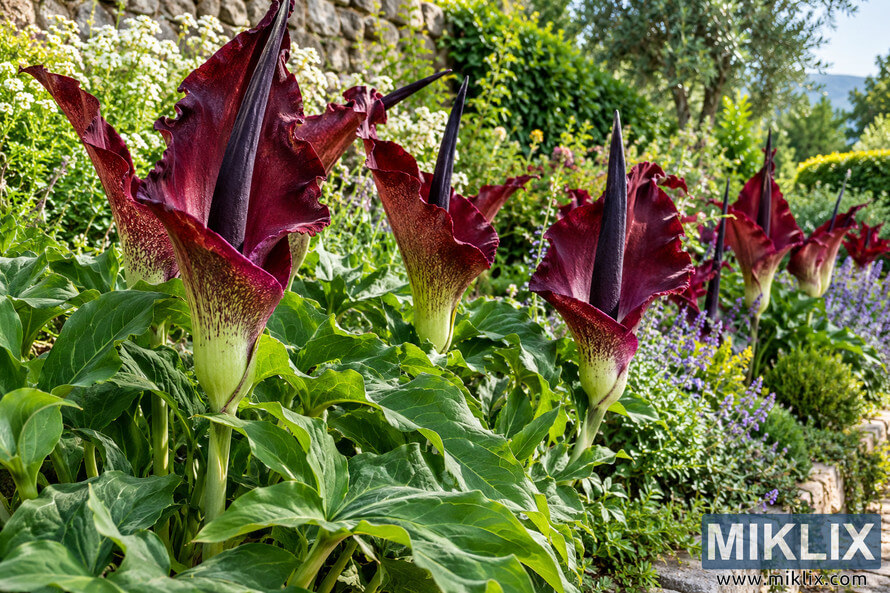
Growing Dragon Arum (Dracunculus vulgaris) rewards patient gardeners with dramatic leaves and a remarkable flower. Its deep maroon spathe and tall spadix create a bold display. The bloom also produces a strong odor, so choose its location with care.
Click or tap the image for more information and higher resolutions.
Know the Plant Before You Grow It
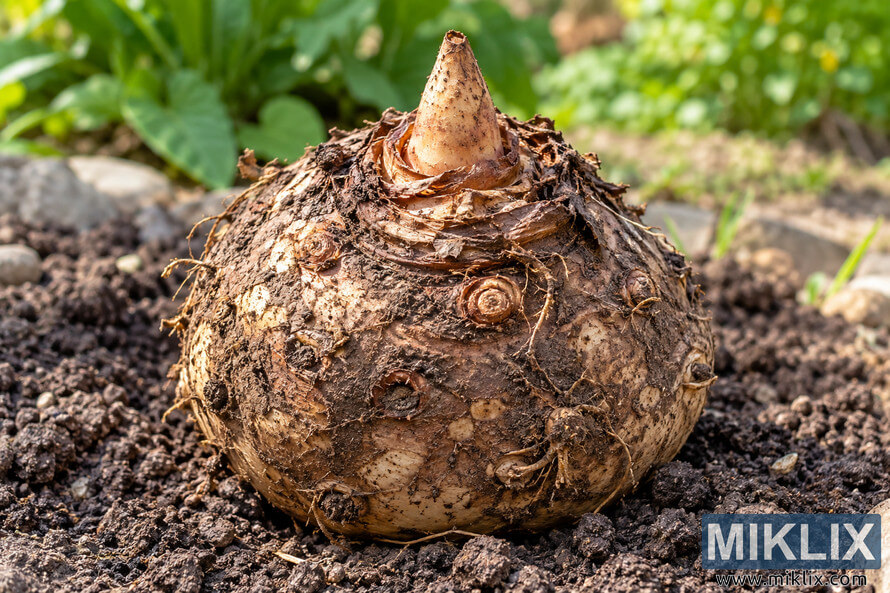
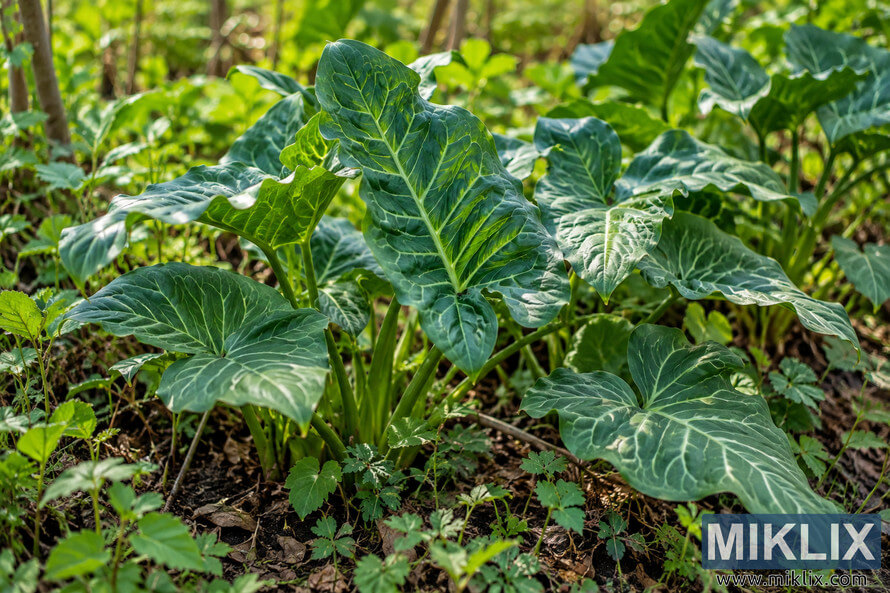
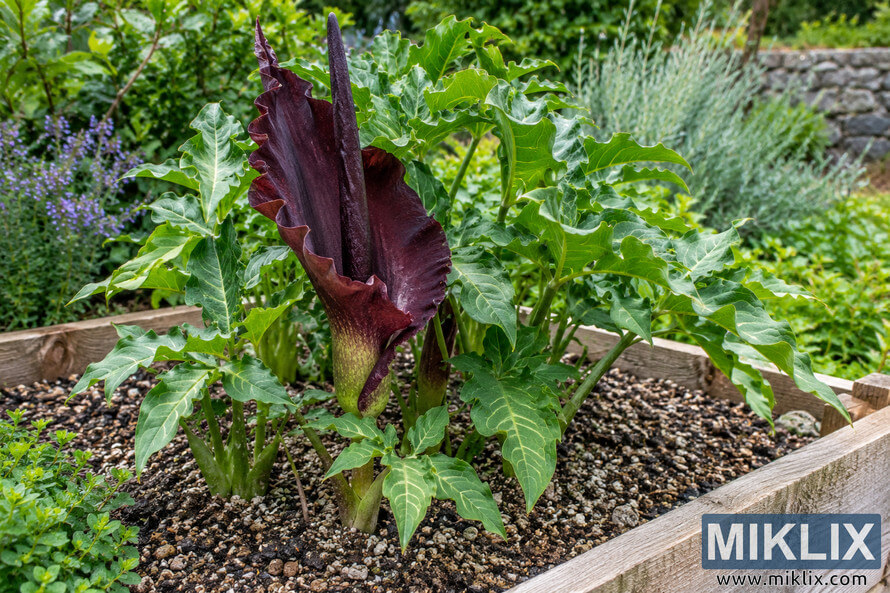
Dragon arum is a perennial plant from the Mediterranean region. It grows from an underground tuber. In spring, large divided leaves rise in a spreading cluster. Mature plants may reach about three feet tall, with a similar width in good conditions.
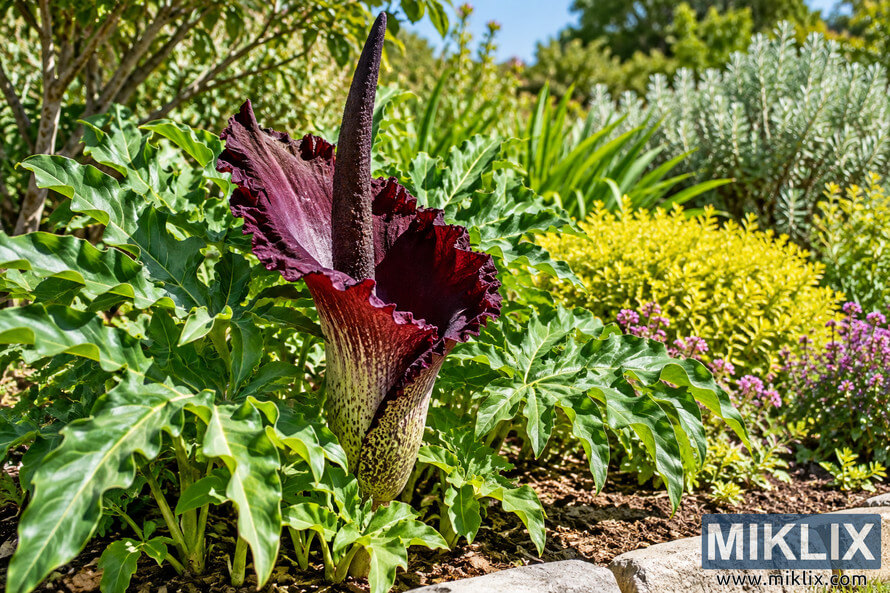
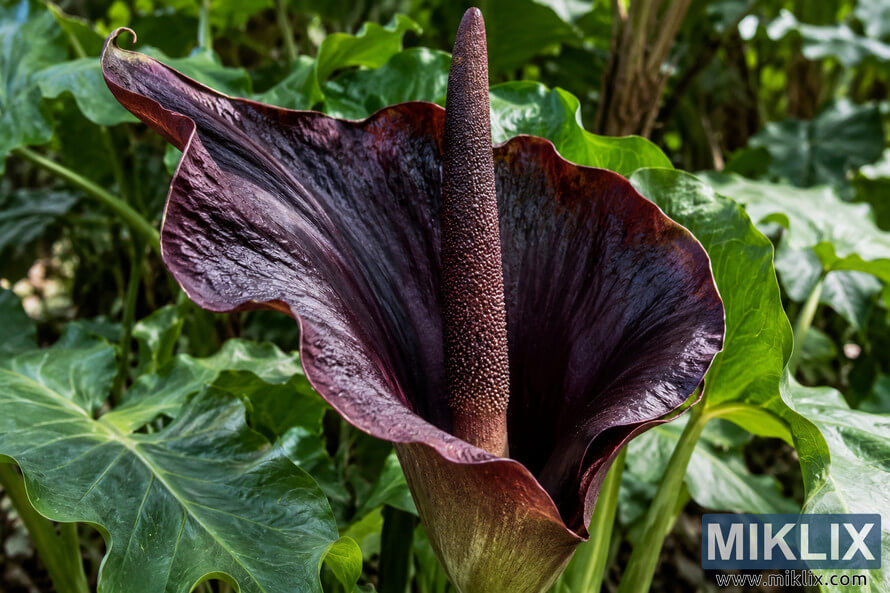
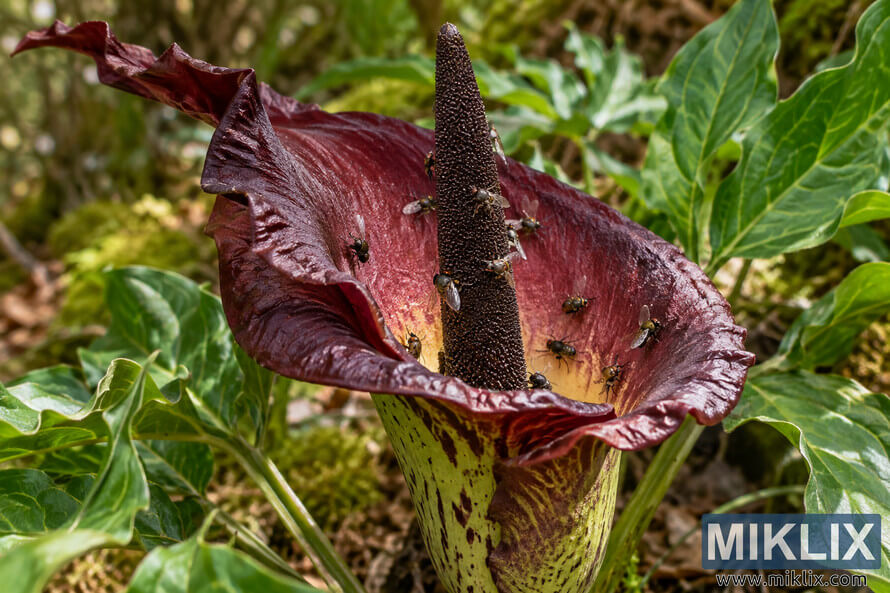
The flower appears in late spring or early summer. A dark purple spathe surrounds the central spadix. The spadix can look like a short, upright club. During bloom, the plant releases an odor like rotting meat. This smell helps attract pollinators such as flies, which visit the flower instead of bees.
After flowering, the leaves continue to feed the tuber. They fade as the plant enters dormancy. In warm areas, it may return each year. In colder areas, winter protection or indoor storage may be needed.
Planting Dragon Arum for Strong Growth
Choose sun, soil, and drainage
Select a site with full sun or light afternoon shade. Full sun encourages stronger growth and better flowering. In very hot regions, some afternoon shade can protect the leaves.
The soil must drain well. Heavy, wet soil can cause rot. Improve clay soil with compost and coarse organic matter. Do not place the tuber where water collects after rain. A raised bed can provide better drainage.
Click or tap the image for more information and higher resolutions.
Plant at the correct depth
- Loosen the soil to about twelve inches deep.
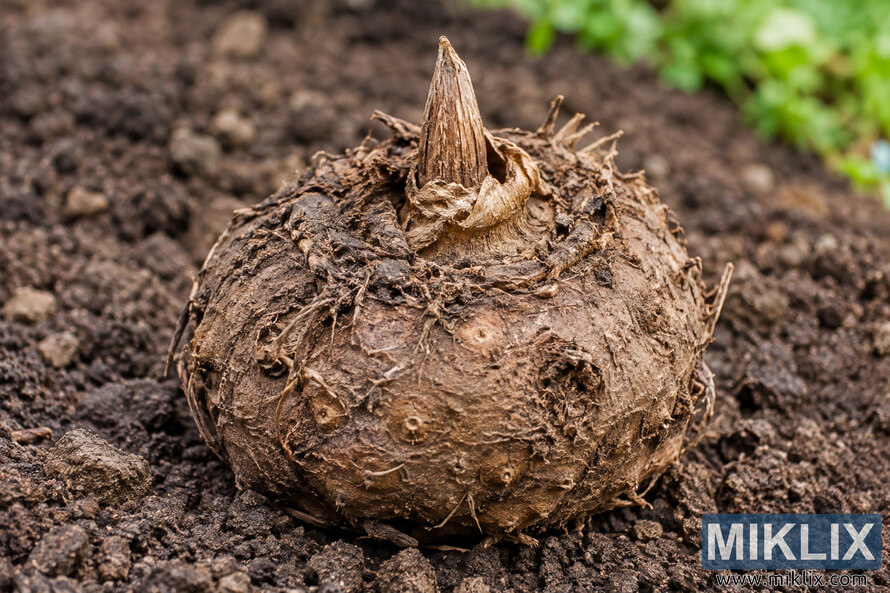
- Set the tuber with its growing point facing upward.
- Cover it with about four to six inches of soil.
- Space plants about eighteen to twenty-four inches apart.
- Water once to settle the soil, then allow excess water to drain.
- Leave room for the mature leaves to spread.
Click or tap the image for more information and higher resolutions.
Water and feed carefully
- Water during active growth when the top inch of soil feels dry. Give the plant a deep drink, then wait until the surface dries. Constant moisture is more harmful than a short dry spell.
- Apply a balanced, slow-release fertilizer when shoots emerge. A second light feeding may help after flowering. Avoid excess nitrogen. It can produce large leaves but fewer flowers.
- Add a thin mulch layer to conserve moisture and reduce weeds. Keep mulch away from the stem and crown. Wet mulch touching the plant can encourage decay.
Seasonal Care, Containers, and Winter Protection
Spring through summer
Watch for shoots in spring. Keep weeds away and water when needed. Do not cut healthy leaves after flowering. They restore energy to the tuber.
When the bloom fades, remove it only if you do not want seed. Leave the leaves in place until they turn yellow. The odor is strongest during flowering, so avoid paths, patios, and frequently used doors.
Click or tap the image for more information and higher resolutions.
Growing in containers
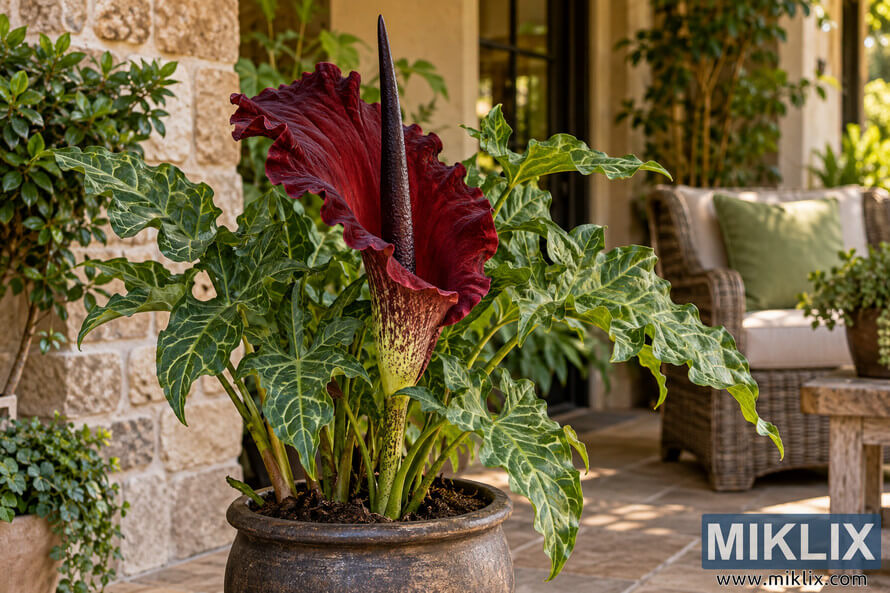
Use a heavy container with drainage holes. Choose a pot at least sixteen inches wide and deep. Use a loose mix made for bulbs, with added perlite or coarse material. Place the container in full sun or bright partial shade.
Containers dry faster than garden beds. Check moisture often, but never leave the pot standing in water. Move it to a protected place before hard freezes.
Click or tap the image for more information and higher resolutions.
Cold-climate storage
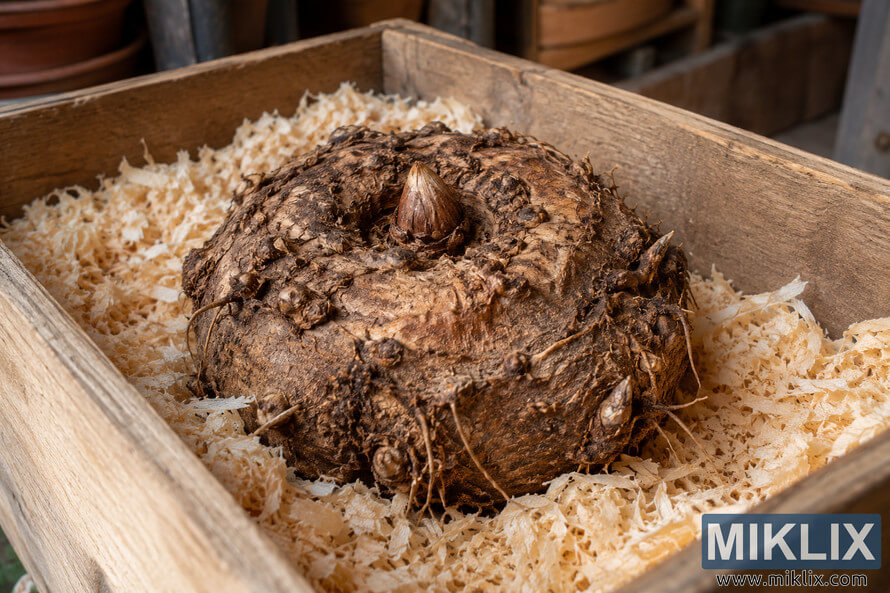
In USDA Zones 7 and colder, lift tubers after the foliage dies back and before the ground freezes. Dig carefully to avoid cuts. Let the tuber dry for several days in a cool, airy place.
Store it in dry peat, vermiculite, or shredded paper at about 40 to 50°F. Check it during winter. Discard any soft or moldy sections. Replant in spring after severe frost has passed. Keep stored tubers dry and well ventilated.
Click or tap the image for more information and higher resolutions.
Propagation, Problems, and Safe Handling
Offsets and seeds
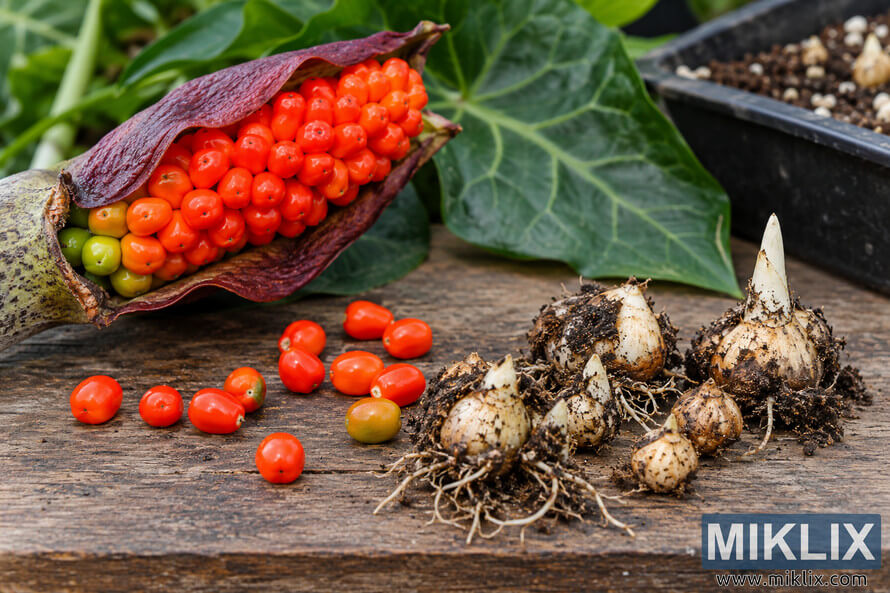
The easiest propagation method is division. When the plant is dormant, separate healthy offsets from the main tuber. Replant them at the same depth and keep the soil lightly moist until growth starts.
Seeds can also produce new plants, but they need patience. Sow fresh seeds in a sterile, well-drained mix. Keep them warm and lightly moist. Seed-grown plants may take several years to flower, and their traits can vary.
Click or tap the image for more information and higher resolutions.
Fix common problems
- Rot: Move the plant to better drainage. Reduce watering and remove damaged tissue with a clean tool.
- No flowers: Check light, tuber age, planting depth, and fertilizer use. Too much shade or nitrogen can delay bloom.
- Yellow leaves: Some yellowing after flowering is normal. Early yellowing may signal wet soil or root stress.
- Chewed leaves: Inspect for slugs, snails, and other pests. Remove pests by hand or use a garden-safe control.
Click or tap the image for more information and higher resolutions.
Handle the plant with care
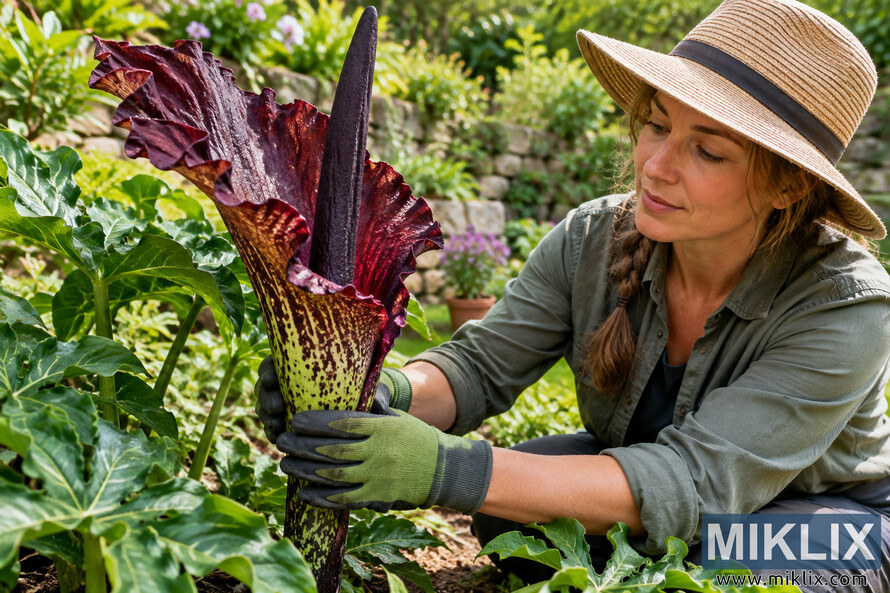
All parts of the plant are toxic if eaten. Keep tubers, leaves, flowers, and berries away from children and pets. Wear gloves when planting or dividing. Sap may irritate sensitive skin. Wash hands and tools after handling.
Do not eat any part of dracunculus vulgaris. Seek medical advice or contact poison control if a person or pet has swallowed plant material.
Click or tap the image for more information and higher resolutions.
Quick care summary
With the right site and patient seasonal care, vulgaris can become a striking garden feature. Expect unusual flowers, a temporary odor, and a dormant period. Treat the plant as toxic, wear gloves, and plan its location before planting.
- Plant tubers four to six inches deep in well-drained soil.
- Provide full sun or light afternoon shade.
- Water when the surface begins to dry.
- Feed lightly during active growth.
- Let leaves die back naturally after flowering.
- Lift and store tubers before freezing weather in cold regions.
- Keep the plant away from pets and children.
Click or tap the image for more information and higher resolutions.
Click or tap the image for more information and higher resolutions.
Click or tap the image for more information and higher resolutions.
Click or tap the image for more information and higher resolutions.
Further Reading
If you enjoyed this post, you may also like these suggestions:
- A Guide to the Most Beautiful Varieties of Bleeding Heart to Grow in Your Garden
- Beautiful Foxglove Varieties to Transform Your Garden
- A Complete Guide to Growing Chinese Lantern in Your Own Garden