
Growing Fire Pink: A Complete Garden Guide
Published: October 21, 2026 at 4:55:46 PM UTC
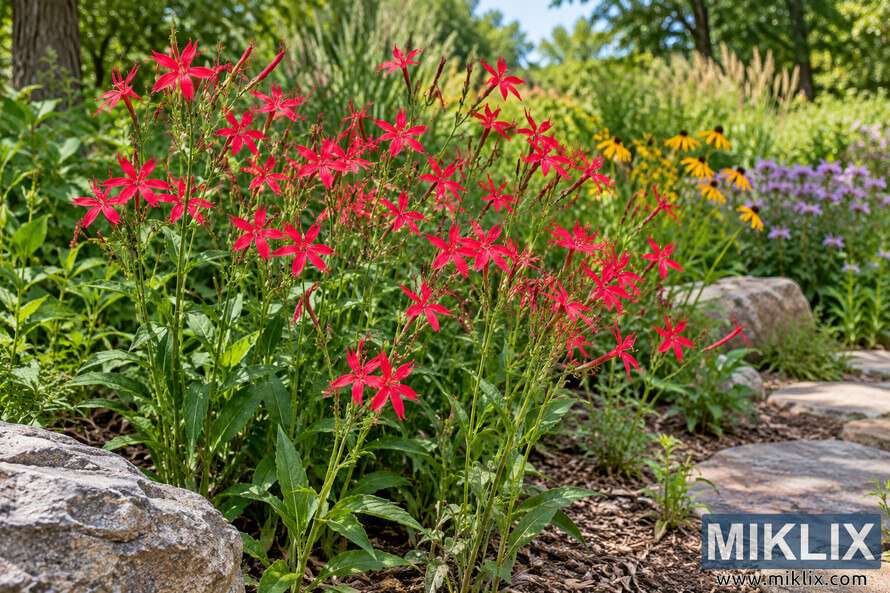
Growing Fire Pink (Silene virginica) brings scarlet red flowers and hummingbirds into a native garden. This woodland plant is beautiful, useful, and easier to grow when its roots have good drainage.
Click or tap the image for more information and higher resolutions.
What Is Fire Pink and Where Does It Grow?
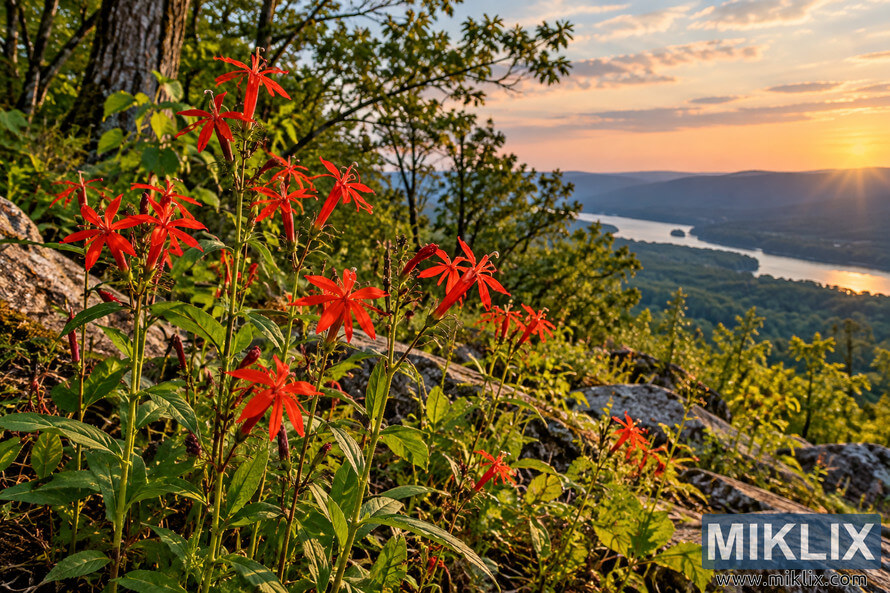
Fire pink is a short-lived perennial native plant of eastern North America. It occurs from the upper Midwest and New England south through the Appalachian region and into parts of the Southeast, including North Carolina.
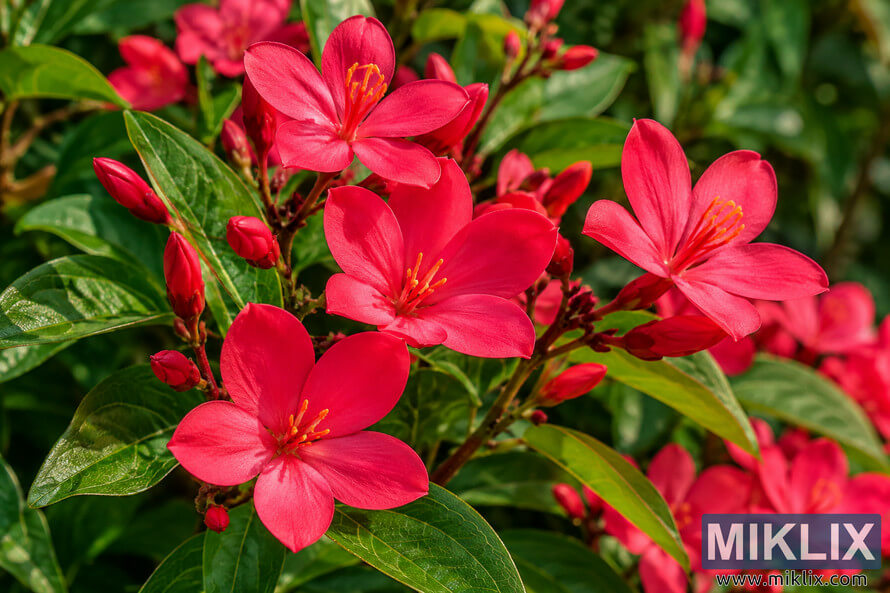
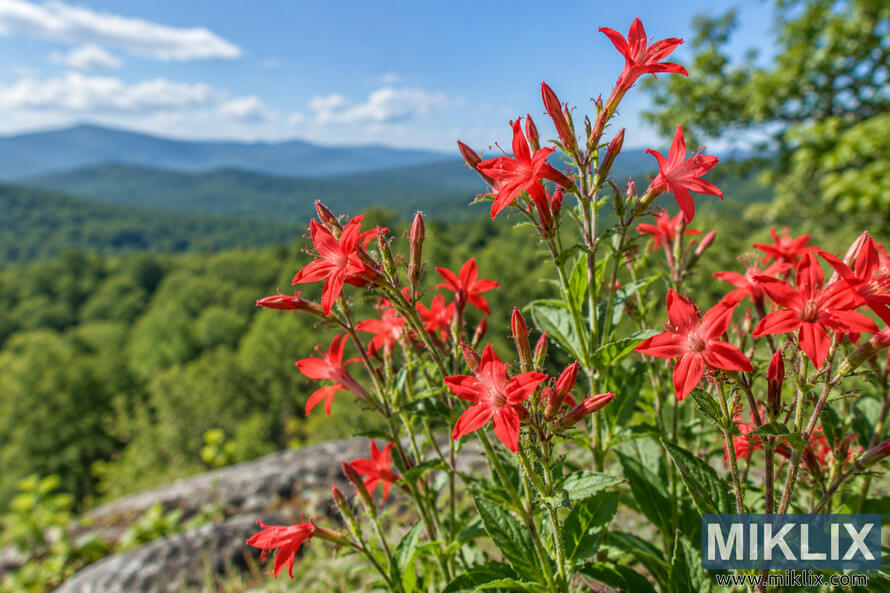
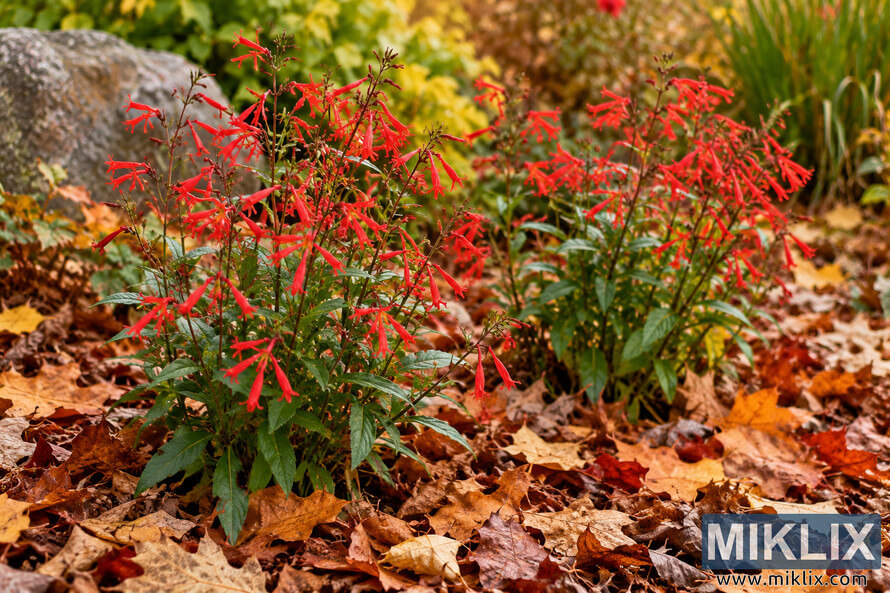
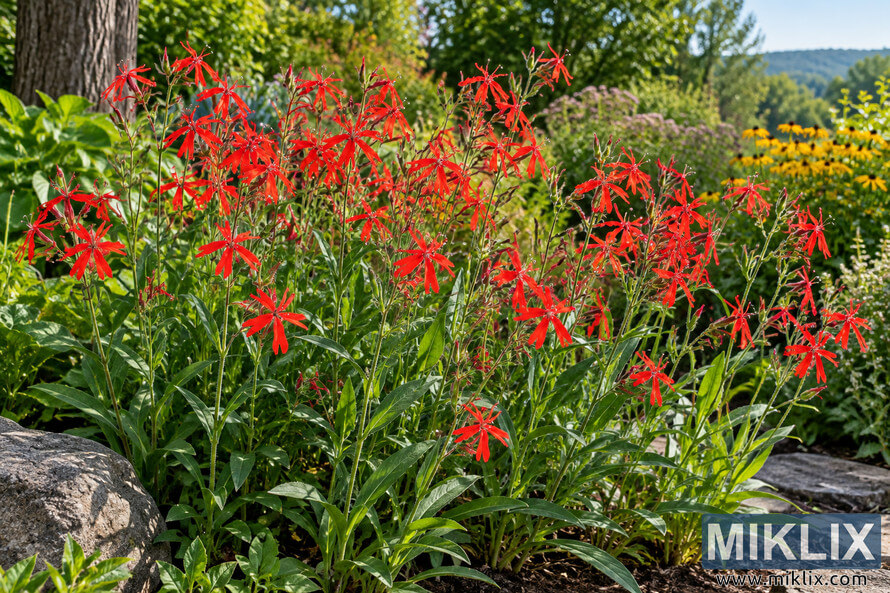
The plant type is usually two to three feet tall. Its narrow green leaves grow along slender stems. Each flower has five deeply cut petals and a bright scarlet red color. The bloom time often starts in late spring and may continue into early summer.
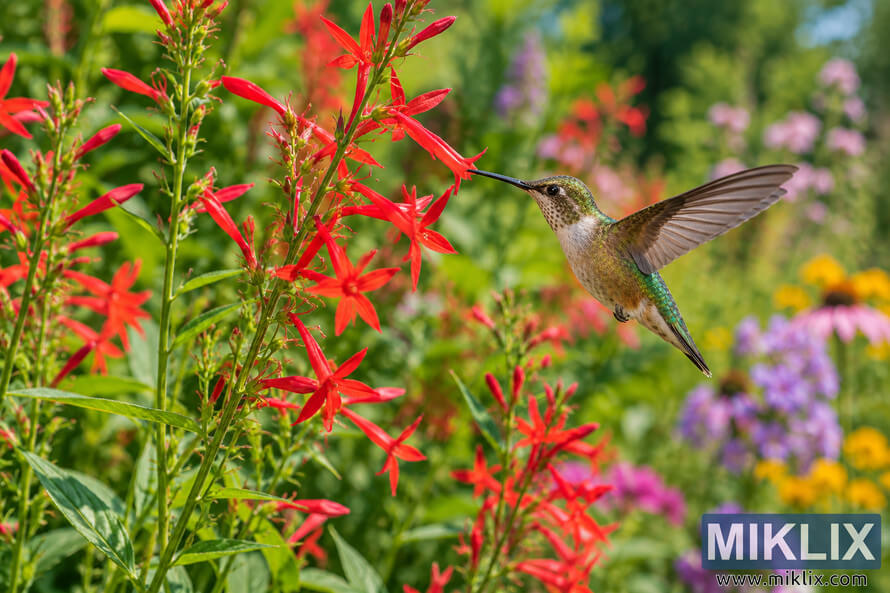
Hummingbirds are the main garden attraction. The long flower tube holds nectar that suits their bills. Other pollinators may visit, but the red flowers are especially valuable in a hummingbird or pollinator garden.
Click or tap the image for more information and higher resolutions.
Quick plant description
- Botanical name: Silene virginica
- Typical height: 1 to 3 feet
- Flower color: scarlet red to vivid fire pink
- Plant habit: upright, clump-forming perennial
Best garden role
- Native woodland planting
- Shade garden accent
- Rock garden or rocky soil border
- Butterfly garden and hummingbird planting
Click or tap the image for more information and higher resolutions.
Choose the Right Light, Soil, and Location
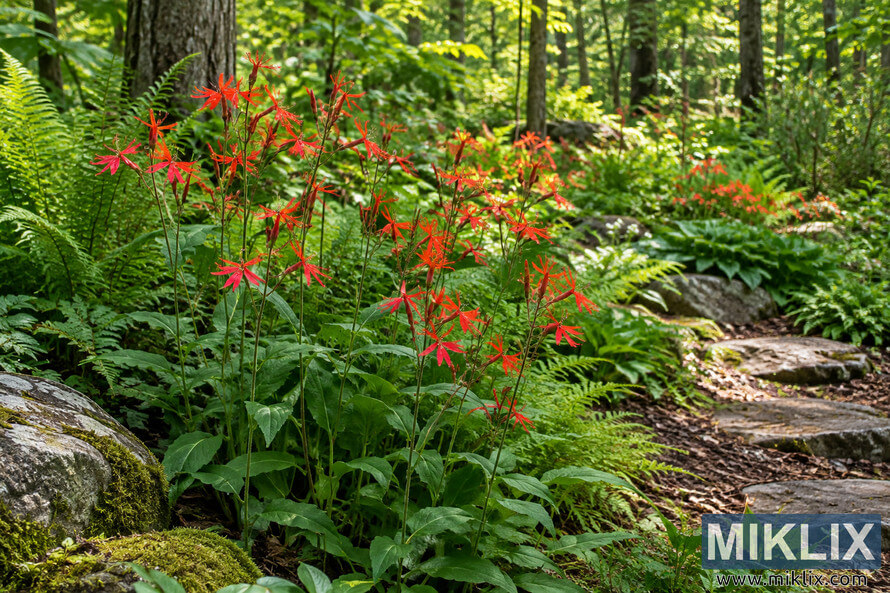
Fire pink grows best in partial sun or bright shade. Early spring light under open trees is ideal. A site with morning sun and afternoon shade can protect the leaves during hot summer weather.
In cooler areas, plants can handle full sun if the soil stays evenly moist. In warm areas, strong afternoon sun may cause stress. Avoid deep, dry shade, since weak light can reduce flowers and create thin stems.
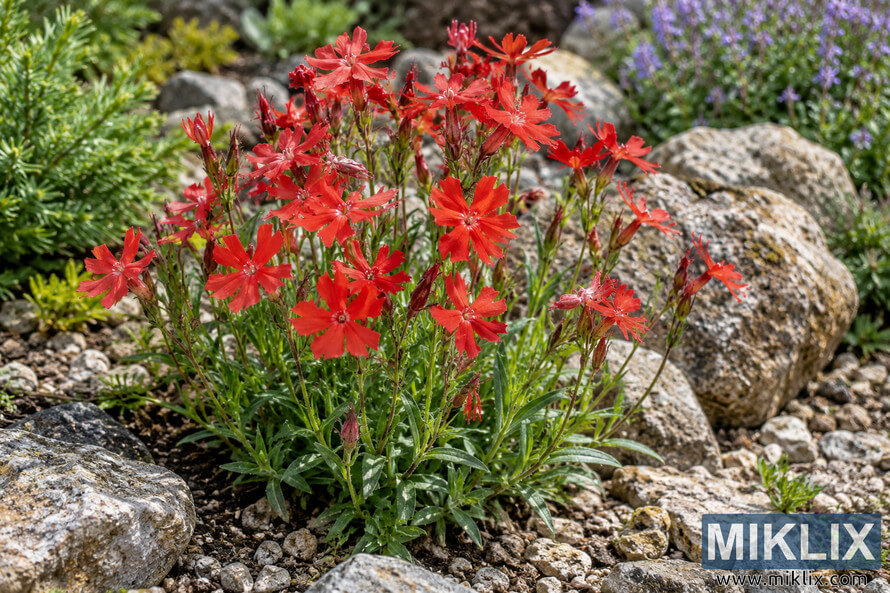
Use loose, humus-rich soil with excellent soil drainage. Rocky soil, gravel rock beds, and sandy loam work well. Heavy clay can hold too much water around the roots. Improve clay with compost and small gravel, but do not create a wet basin.
A gentle slope, woodland edge, raised bed, or rock garden is often better than a low spot. Keep the planting location away from constant irrigation runoff.
Click or tap the image for more information and higher resolutions.
Click or tap the image for more information and higher resolutions.
How to Plant Nursery-Grown Fire Pink
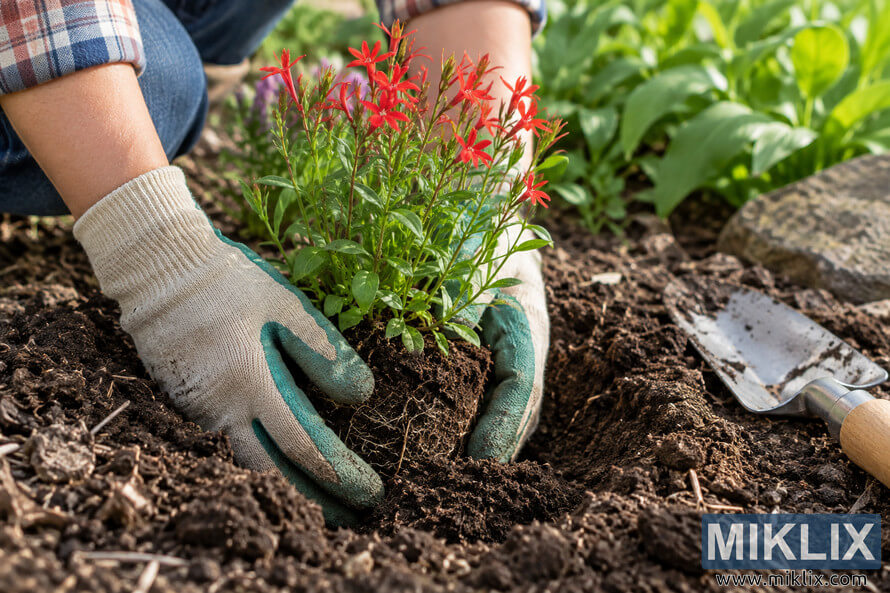
Nursery plants are the simplest way to begin. Plant in early spring or fall when temperatures are mild. Spring planting gives roots time to settle before summer. Fall planting works well where the ground does not freeze soon after planting.
Click or tap the image for more information and higher resolutions.
- Water the nursery plant before removing it from the pot.
- Dig a hole twice as wide as the root ball and no deeper than its soil line.
- Set the plant so the crown is level with the surrounding soil.
- Backfill with native soil, then water slowly.
- Add a thin layer of leaf mulch, leaving space around the stems.
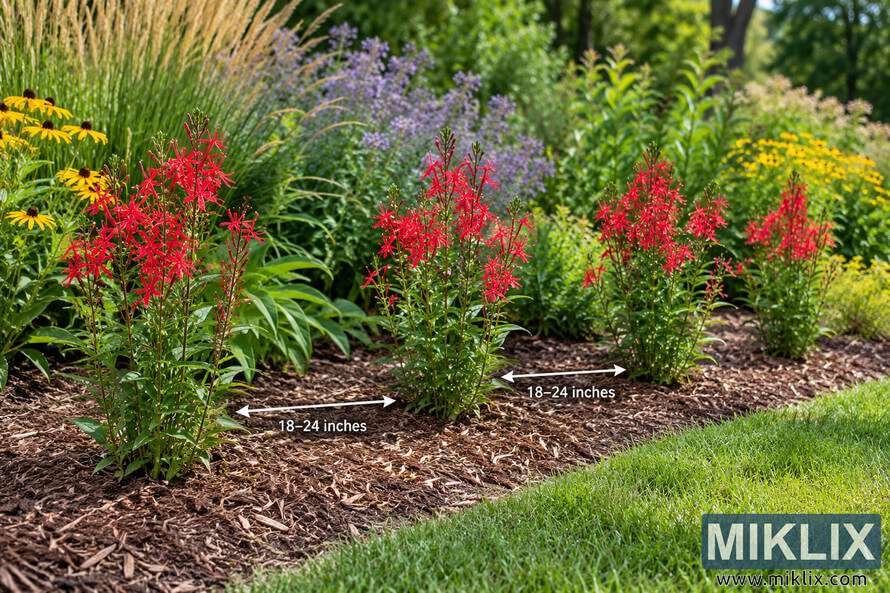
- Space plants about 12 to 18 inches apart. This distance allows air movement and gives each clump room to spread. Water once or twice each week during the first growing season if rain is limited.
- Ready for a nursery plant?
- Use the plant’s light and drainage needs as your buying checklist. Choose a healthy plant with firm stems and no spots.
Click or tap the image for more information and higher resolutions.
How to Grow Fire Pink From Seed
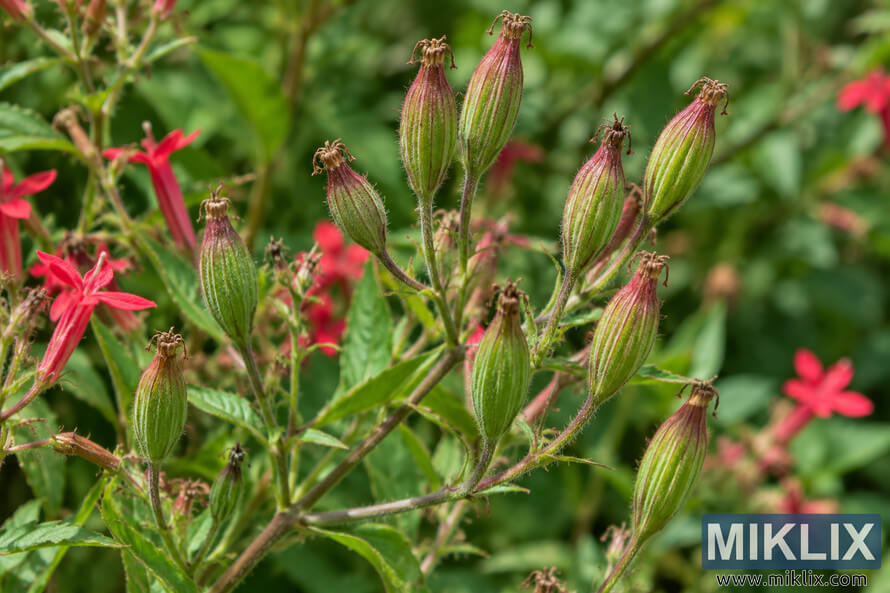
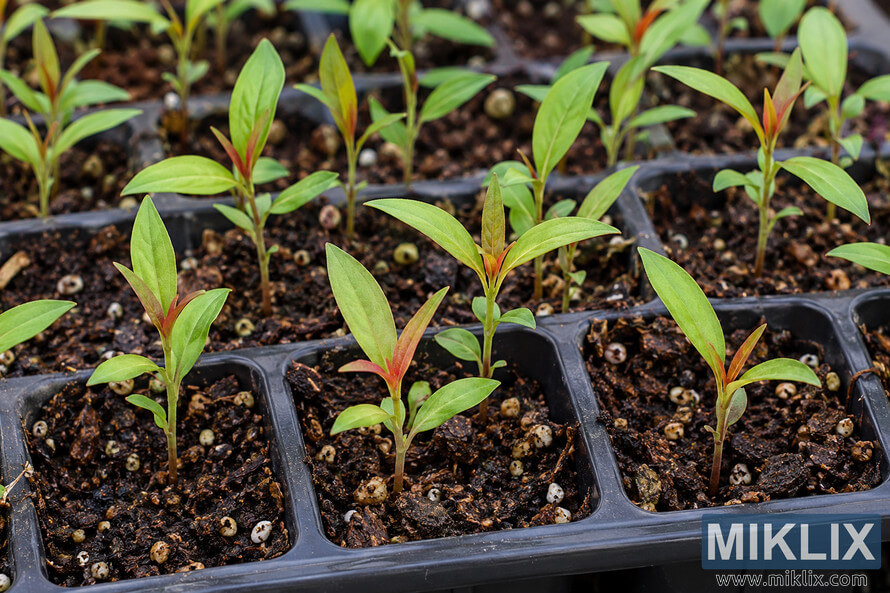
Seed is a low-cost way to grow several plants, but germination may be uneven. Collect seed capsules when they turn dry and begin to open. Keep the seed dry in a labeled paper packet.
Many seeds benefit from a cold, moist period. Mix seed with slightly damp sand in a sealed bag and refrigerate it for about four to eight weeks. Do not freeze it. A fall sowing outdoors can provide natural winter stratification.
- Fill a tray with sterile, well-drained seed mix.
- Press seed onto the surface or cover it very lightly.
- Keep the mix evenly moist, never waterlogged.
- Place the tray in bright light at cool to mild temperatures.
- Transplant seedlings after they develop several true leaves.
- Plant young seedlings outdoors in spring after hard frost. Protect them from slugs and strong afternoon sun. Flowering may take one or two seasons.
Click or tap the image for more information and higher resolutions.
Click or tap the image for more information and higher resolutions.
Ongoing Care Through Spring and Summer
Water deeply when the top inch of soil feels dry. Established plants tolerate brief dry periods, especially in rocky soil, but they perform best with steady moisture during spring and early summer.
Mulch with shredded leaves or compost. Keep mulch away from the crown to reduce rot. Heavy feeding is not needed. If growth is weak, apply a light layer of compost in early spring rather than a strong high-nitrogen fertilizer.
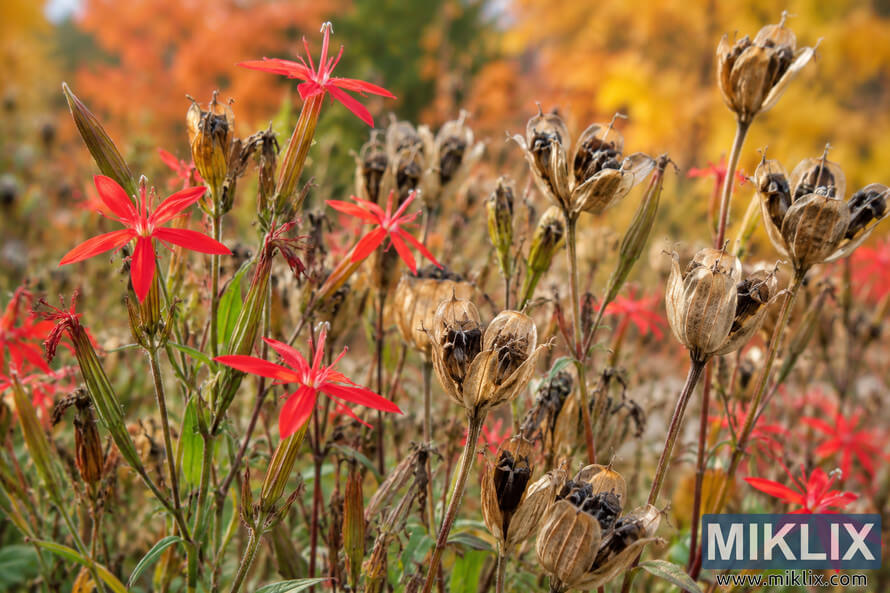
Deadhead spent flowers if you want a tidy look. Leave a few stems if you want natural reseeding. In fall, allow seed capsules to mature, then cut old stems after they turn brown. Leave some leaf litter for winter protection.
Fire pink usually rests above ground during winter. A thin leaf cover is enough in cold areas. Avoid digging or dividing plants during their active bloom time.
Click or tap the image for more information and higher resolutions.
Click or tap the image for more information and higher resolutions.
Build a Native Pollinator Garden With Fire Pink
Combine Fire Pink with plants that share its preference for partial sun and well-drained soil. Native sedges, woodland phlox, golden ragwort, asters, and other regional perennials can create a layered planting.
Place taller plants behind the stems and low groundcovers near the front. Gravel rock can define a path or improve drainage. A small rock garden can echo the plant’s natural setting while keeping the crown dry.
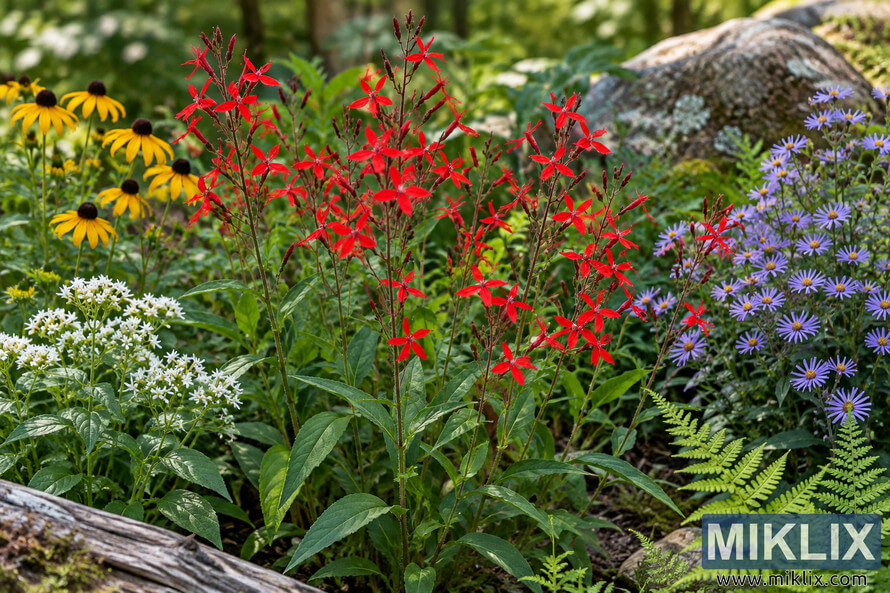
Do not confuse Fire Pink with cardinal flower, bee balm, or red columbine. Fire pink has five deeply divided petals and narrow leaves. Cardinal flower has taller spikes and tubular blooms. Red columbine has distinctive spurs behind its petals.
There is limited dependable information on serious toxicity to people or pets. Do not eat any part of an unknown plant. Label it clearly and keep seed packets away from children and animals.
Click or tap the image for more information and higher resolutions.
Click or tap the image for more information and higher resolutions.
Propagation, Pests, Diseases, and Common Problems
Division is possible when a mature clump has several rooted crowns. Divide in early spring before strong growth or in fall after flowering. Lift the clump gently, separate rooted sections, and replant them at the original depth.
Stem cuttings are less reliable than seed or division. If attempted, take a nonflowering tip, remove lower leaves, and place it in a sterile, lightly moist medium.
Healthy growing signs
- Firm green leaves
- Upright stems
- New growth in spring
- Flowers in bright filtered light
Warning signs
- Soft black roots
- Yellow leaves in wet soil
- Few flowers in deep shade
- Chewed leaves from slugs
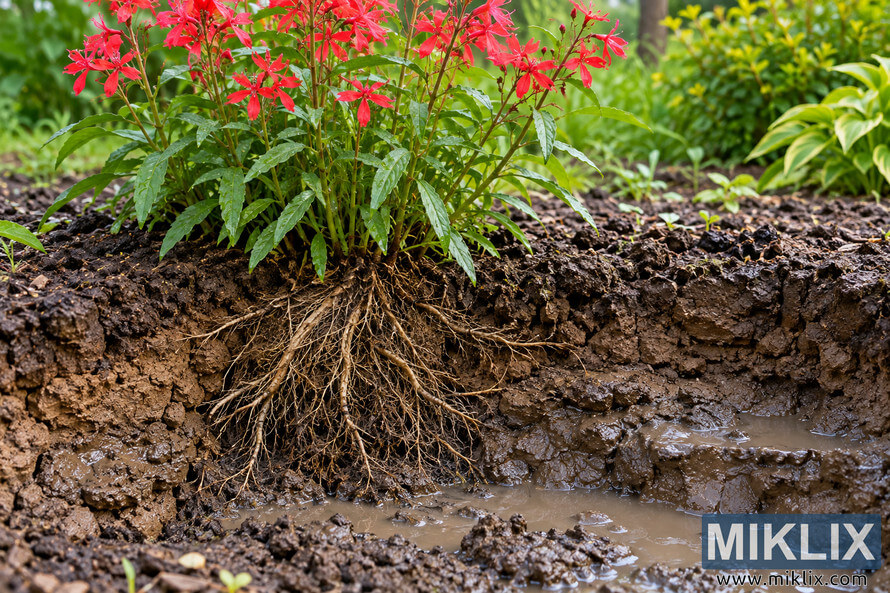
Root rot is the main concern. Improve soil drainage, reduce irrigation, and remove badly damaged roots. Slugs may attack new leaves; hand-pick them or use barriers. Good spacing reduces fungal leaf spots. If flowering is poor, check light, crowding, excess nitrogen, and drought first.
Click or tap the image for more information and higher resolutions.
Click or tap the image for more information and higher resolutions.
A Simple Fire Pink Seasonal Care Calendar
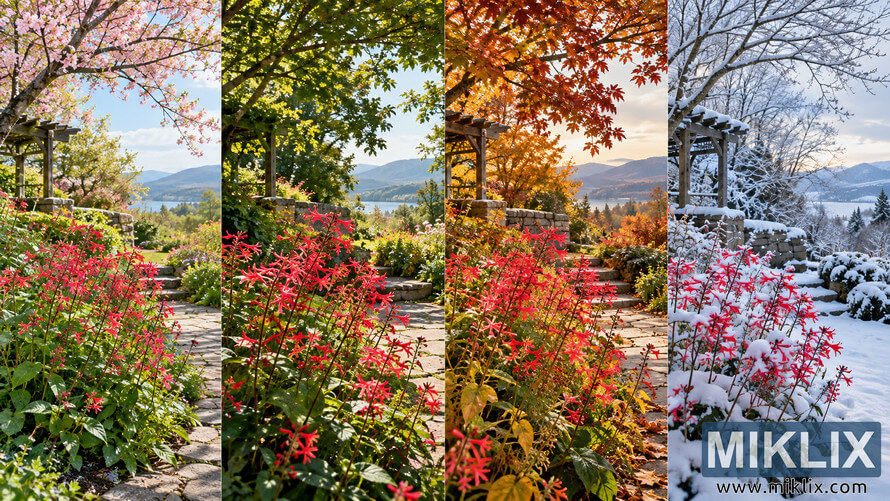
| Season | Recommended work | What to watch |
| Early spring | Plant nursery stock, sow stratified seed, add compost | Slugs and late frosts |
| Spring | Water new plants and enjoy early growth | Dry soil and weak light |
| Early summer | Observe bloom time, water during drought, deadhead selectively | Heat and wilt |
| Fall | Collect seed, divide mature clumps, mulch lightly | Wet crowns |
| Winter | Leave protective leaf litter and plan new sites | Standing water |
Click or tap the image for more information and higher resolutions.
Click or tap the image for more information and higher resolutions.
Fire Pink Success Checklist
Fire Pink rewards gardeners who copy its natural habitat. Give it light shade or partial sun, rocky or sandy soil, and reliable soil drainage. Water new plants during dry spells, but never keep the crown soggy.
- Choose a native plant site with morning light or filtered sun.
- Use well-drained soil; improve clay with compost and gravel.
- Plant nursery stock in early spring or fall.
- Cold-stratify seed or sow it outdoors in fall.
- Space plants 12 to 18 inches apart.
- Leave some flowers for seed and hummingbirds.
- Watch for slugs, root rot, and weak flowering.
- Use leaf mulch, not a thick wet cover.
With these steps, Silene virginica can become a long-term feature in a woodland, rock garden, shade garden, or pollinator garden. Its scarlet red petals bring color in spring and summer while supporting hummingbirds in a sustainable native landscape.
Click or tap the image for more information and higher resolutions.
Further Reading
If you enjoyed this post, you may also like these suggestions:
- Growing Dragon Arum: A Complete Garden Guide
- A Guide to the Most Beautiful Dahlia Varieties to Grow in Your Garden
- A Guide to the Most Beautiful Varieties of Bleeding Heart to Grow in Your Garden