
Growing Passionflower: A Practical Home Garden Guide
Published: October 24, 2026 at 6:18:25 PM UTC
A passionflower (Passiflora incarnata), or maypop, vine can turn a plain fence into a living wall of intricate passion flowers. With the right sun, soil, support, and pruning, one plant can also produce edible passion fruit. The same vigor that makes this native vine rewarding can make it difficult to control.
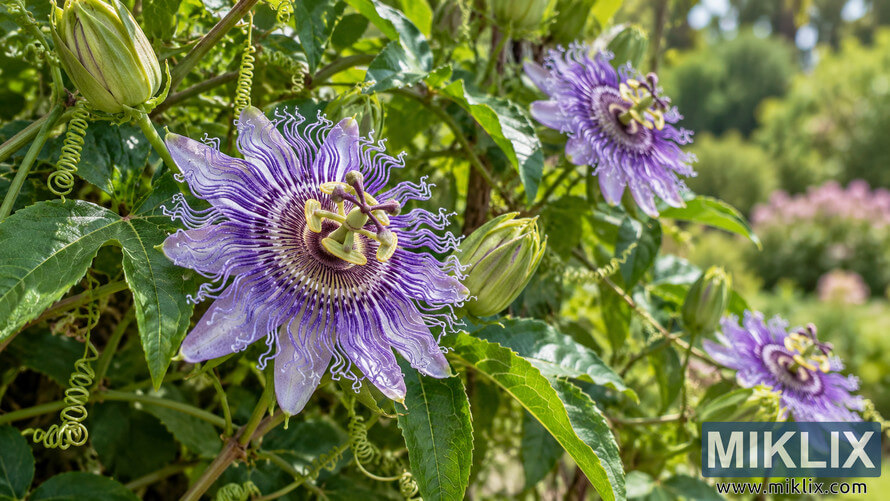
Click or tap the image for more information and higher resolutions.
This guide shows how to grow passionflower from seeds or young plants, protect it through winter, encourage fruit, and keep its roots and vines within bounds.
Know the Plant Before You Grow Passion
Passiflora incarnata is a perennial vine native to much of the southeastern and central United States. Gardeners often call it maypop, wild passion flower, purple passion flower, or simply passionflower. It belongs to a large group of passiflora species, but it is not the same as every tropical passion fruit vine sold in nurseries.
The plant dies back in colder areas and returns from its roots when spring temperatures rise. In warm climates, vines may stay partly green through winter. New growth can spread several feet during one growing season.
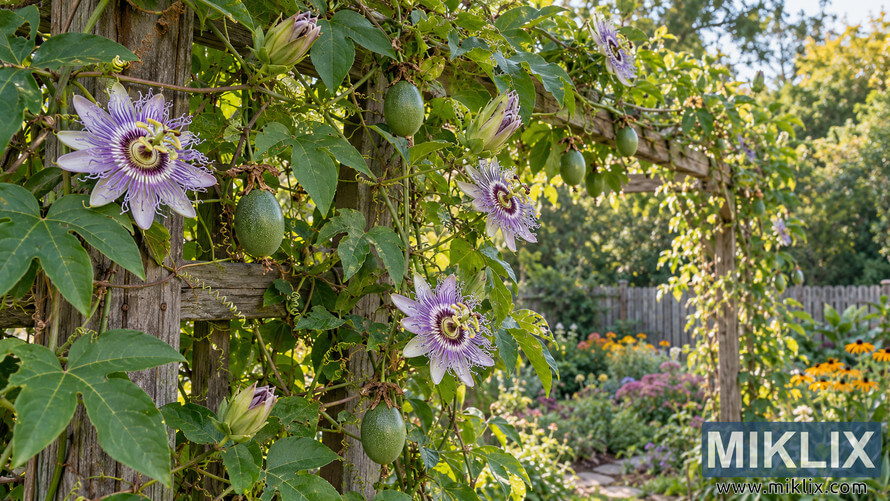
Click or tap the image for more information and higher resolutions.
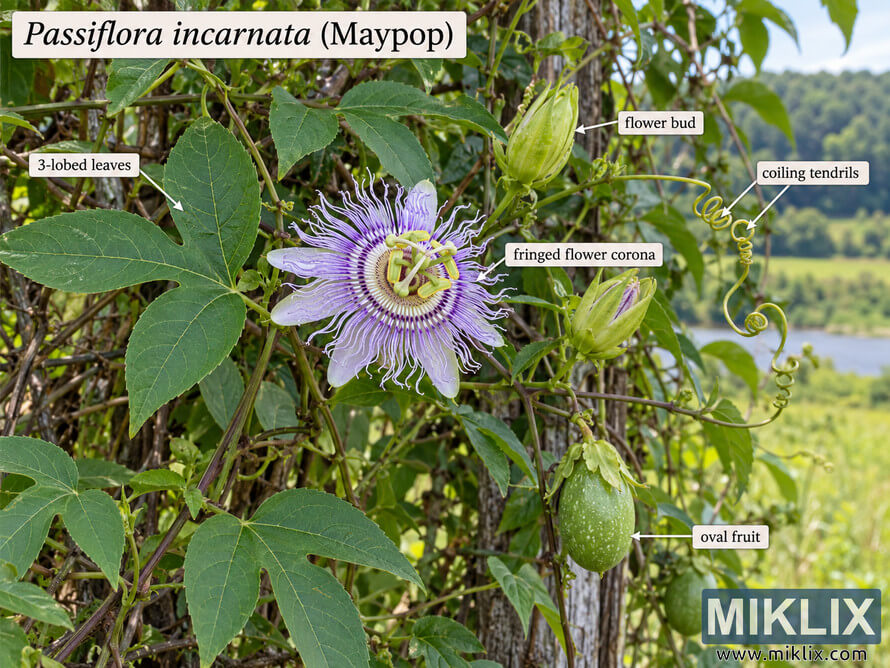
How to identify passiflora incarnata
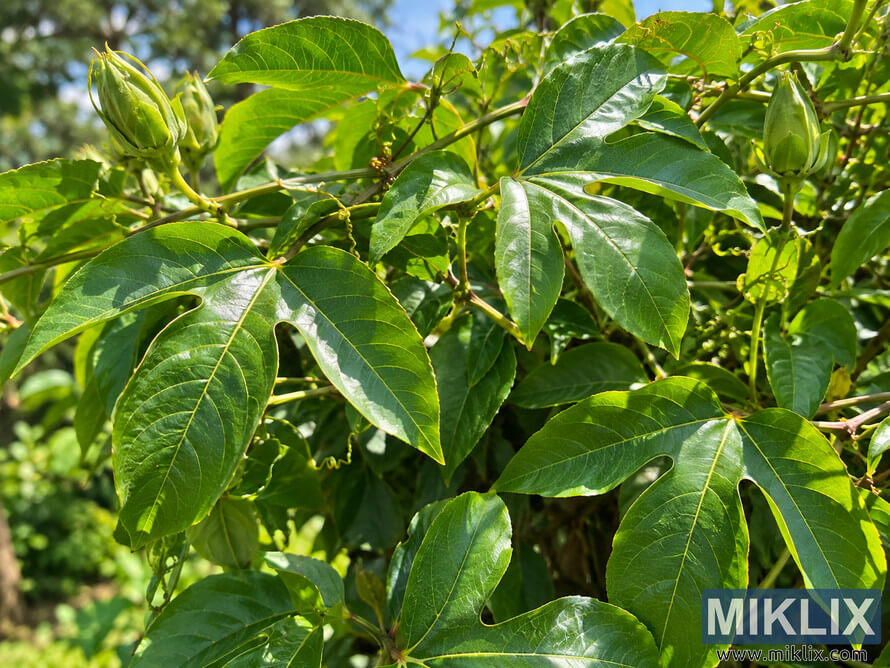
- Leaves usually have three broad lobes and a fresh green color.
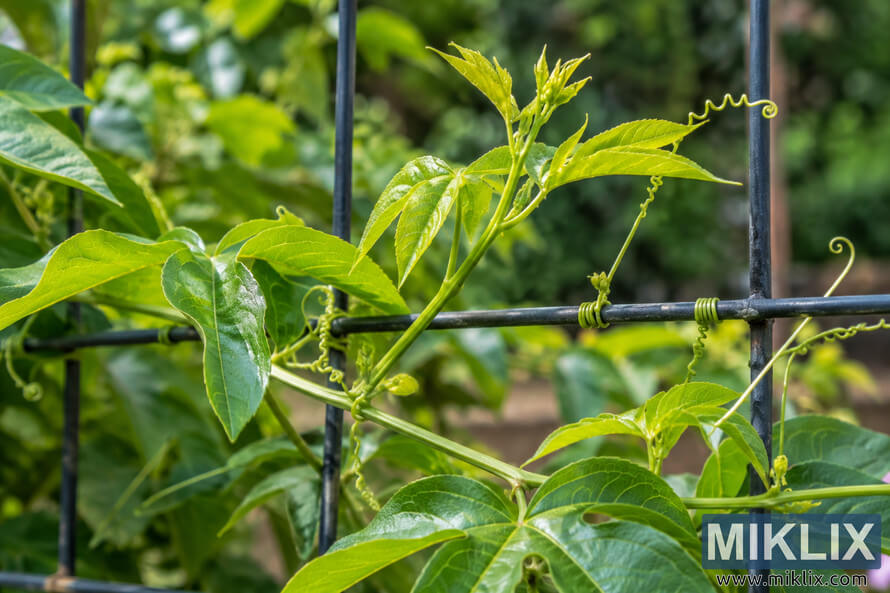
- Young stems form curling tendrils that grasp nearby supports.
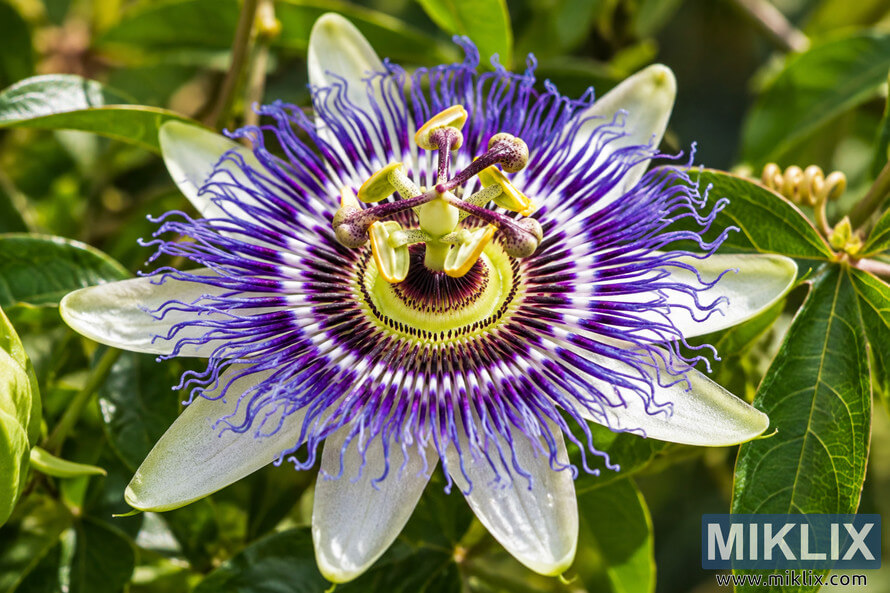
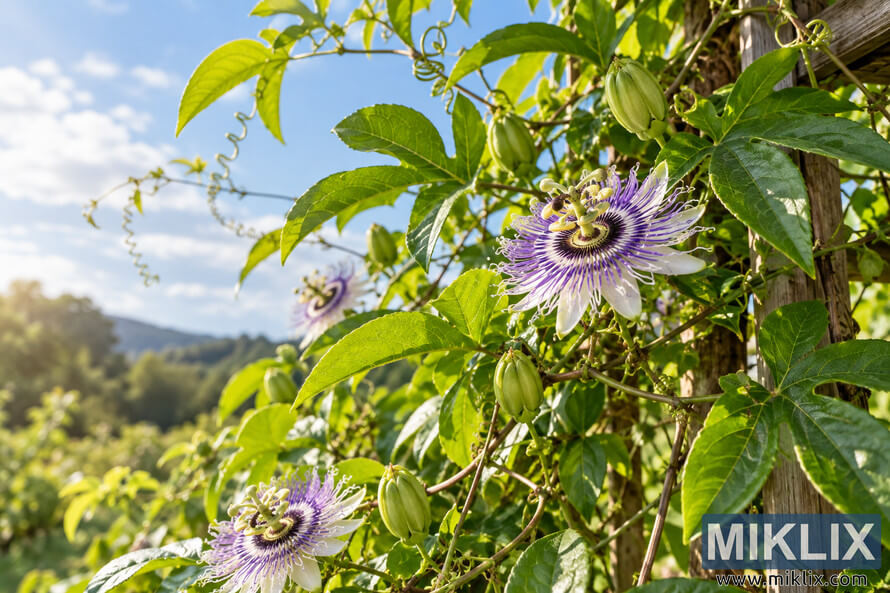
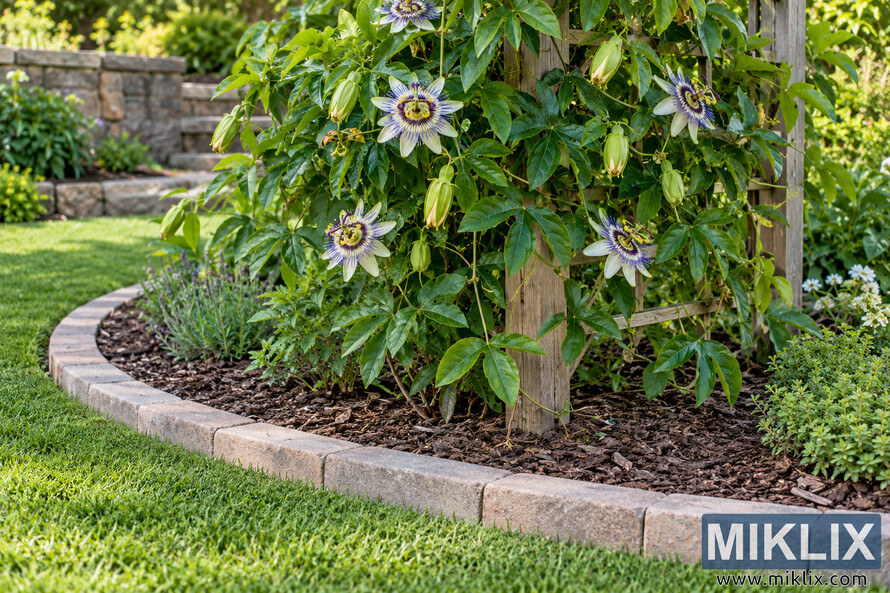
- Flowers have white to lavender petals and a detailed purple corona.
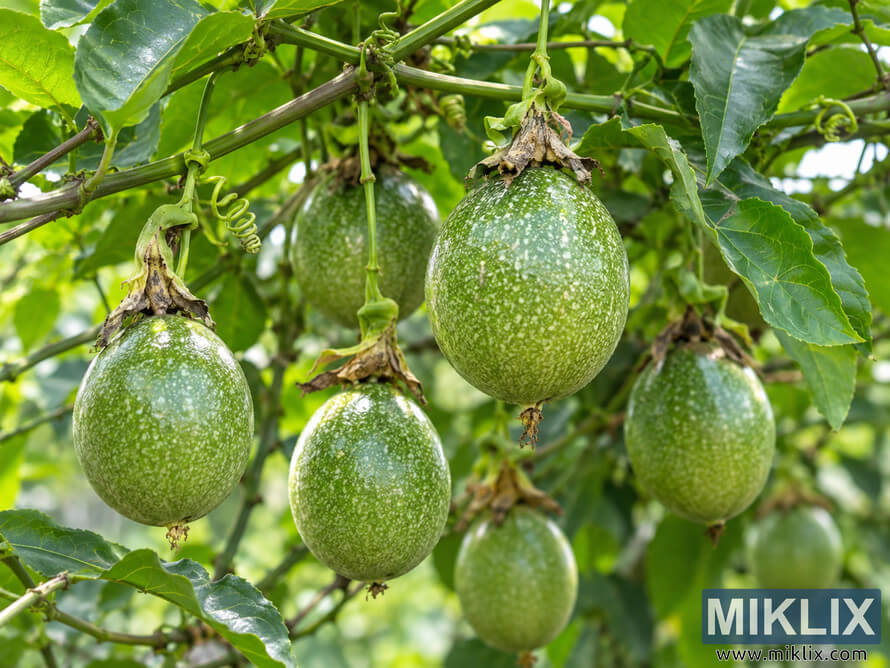
- Round fruit develops after successful pollination and changes from green to yellowish as it matures.
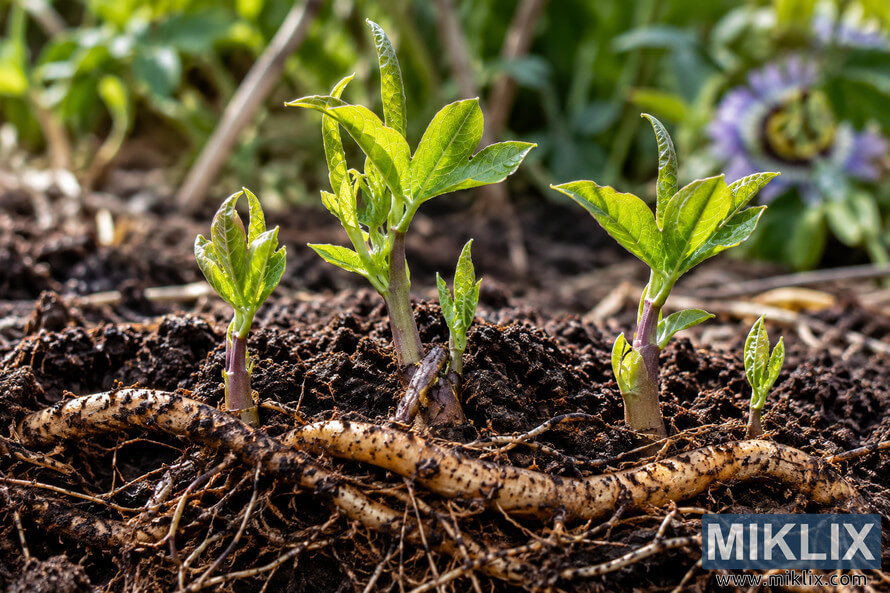
- Underground roots can send up shoots away from the original plant.
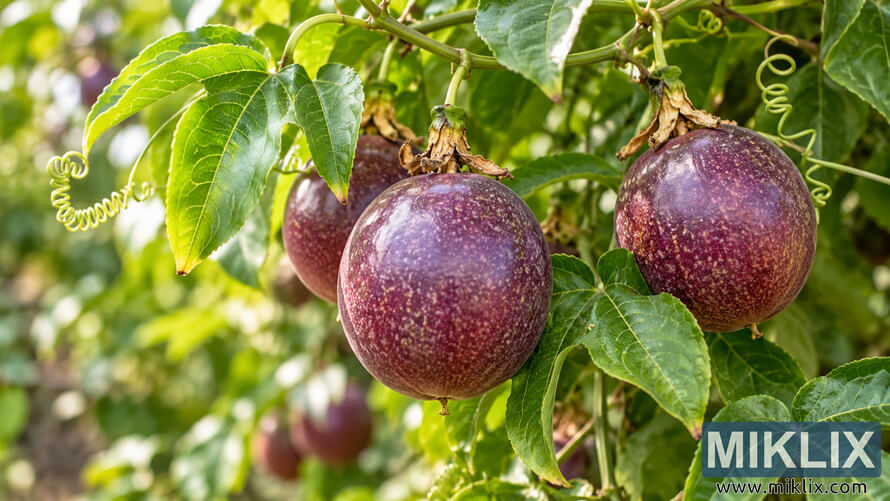
Click or tap the image for more information and higher resolutions.
Flower clues
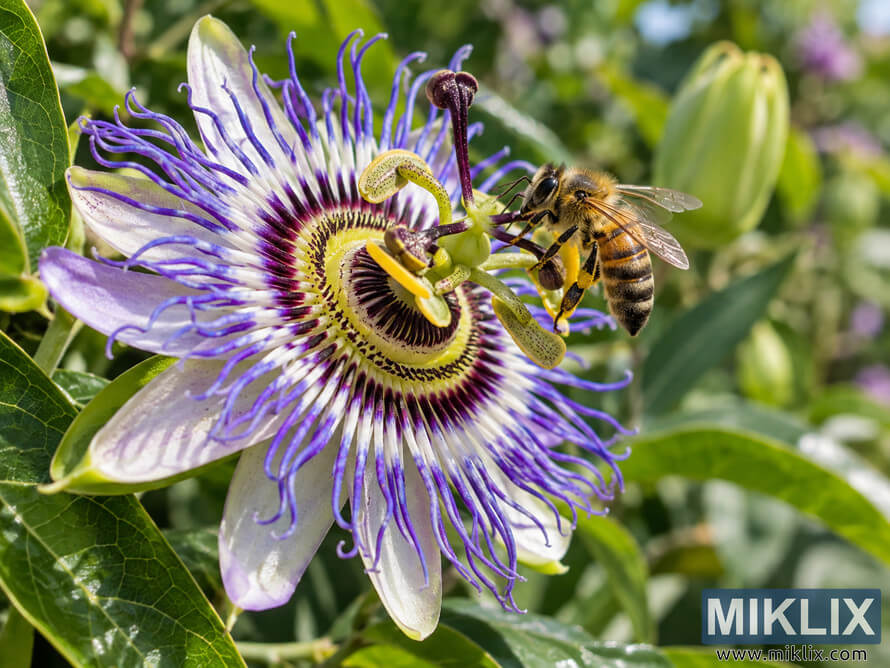
The unusual flower has a layered look. It attracts bees and other pollinators during warm summer days.
Fruit clues
Maypop fruit is usually larger and more rounded than fruit from many tropical passion vines.
Growth clues
Tendrils, runners, and root shoots explain why this plant needs regular training and control.
Choose the Right Climate and Growing Season
Maypop performs best where summers are warm and the plant receives plenty of light. It can tolerate cold better than many tropical passiflora species, yet winter conditions still affect whether the top growth survives.
In much of the United States, plant in spring after hard freezes have passed. This gives the roots time to settle before the strongest summer growth. In mild regions, fall planting may work when the soil remains workable and winter rain does not leave the roots wet.
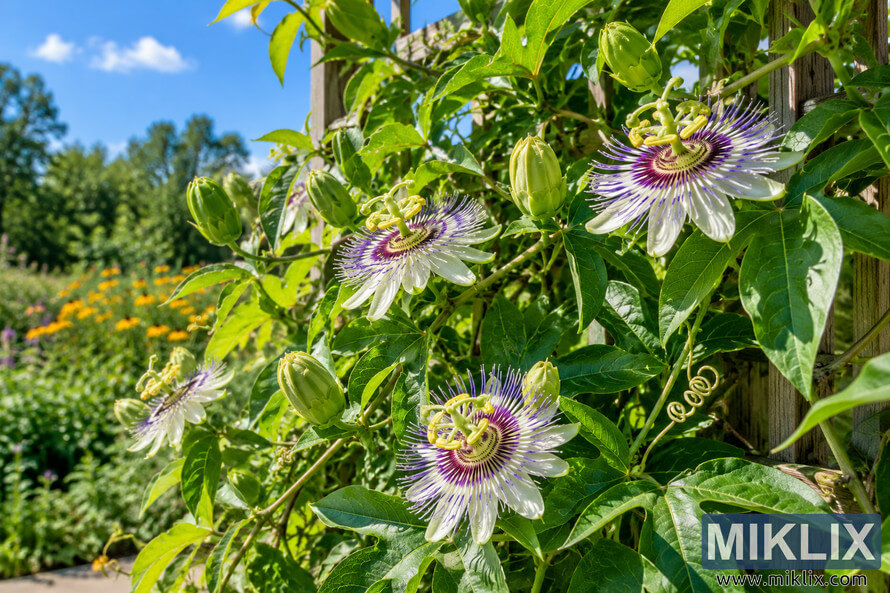
Click or tap the image for more information and higher resolutions.
Match the plant to your region
- In warm Zones 8 through 10, protect the vine from extreme heat and dry wind while it establishes.
- In colder areas, expect the vine to die back after frost and return from its root system.
- In short-season gardens, choose a sunny, sheltered wall to help flowers and fruit mature.
- In humid regions, give the plant moving air and avoid constantly wet foliage.
- In dry regions, use mulch and deep watering to prevent repeated stress.
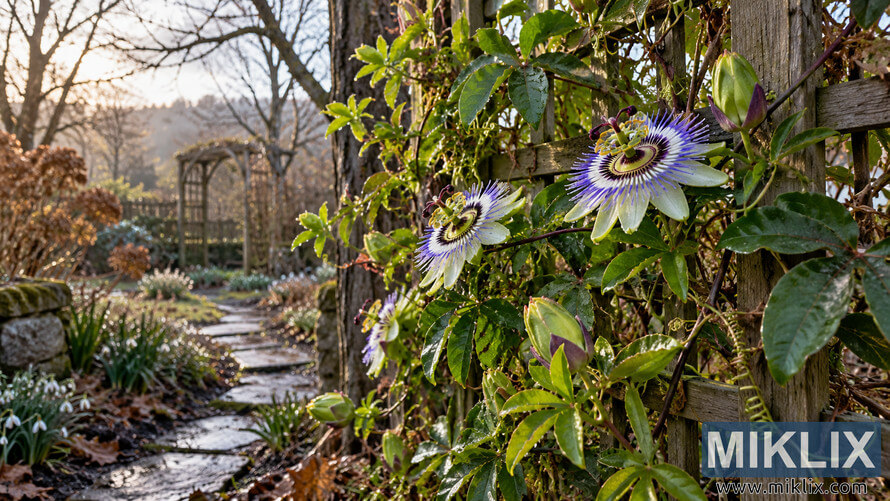
Click or tap the image for more information and higher resolutions.
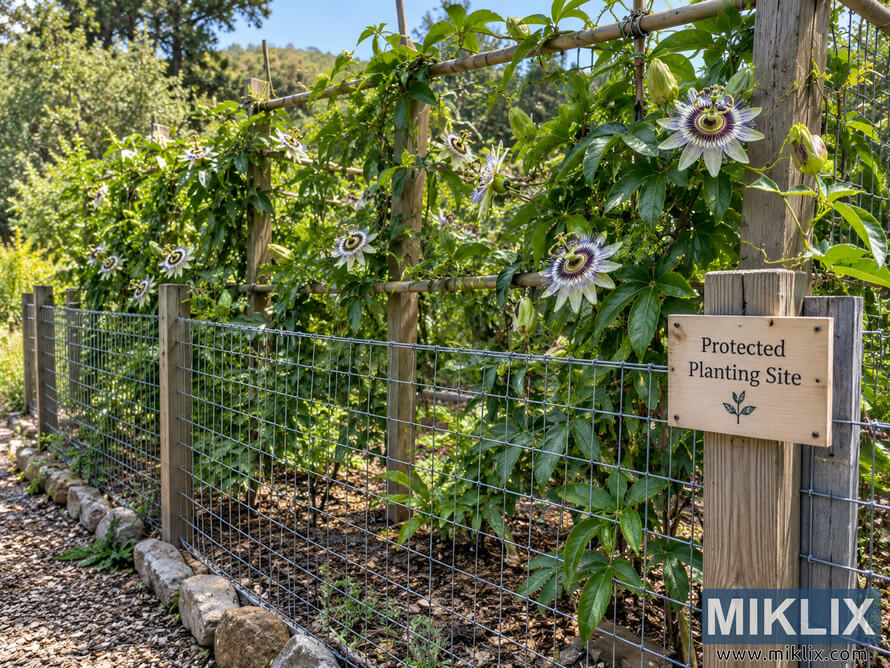
Click or tap the image for more information and higher resolutions.
Select a Site with Full Sun and Room to Spread
Choose a location with at least six hours of direct sun. Full sun encourages strong stems, more blooms, and better fruit production. A little afternoon shade can help in very hot regions, but deep shade often causes weak growth and fewer flowers.
Allow space around the planting site. A mature vine may cover a trellis, fence, arbor, or sturdy railing. Keep it away from small shrubs that can be swallowed by fast-growing vines. Do not plant it beside a narrow path unless you are ready to prune tendrils and runners often.
Check the site before planting
- Confirm that the support receives enough sun for most of the day.
- Look for standing water after heavy rain.
- Keep irrigation lines close enough for deep watering.
- Leave room to inspect leaves, flowers, and fruit.
- Plan a barrier or mowing strip if root shoots could spread into lawn or beds.

Click or tap the image for more information and higher resolutions.
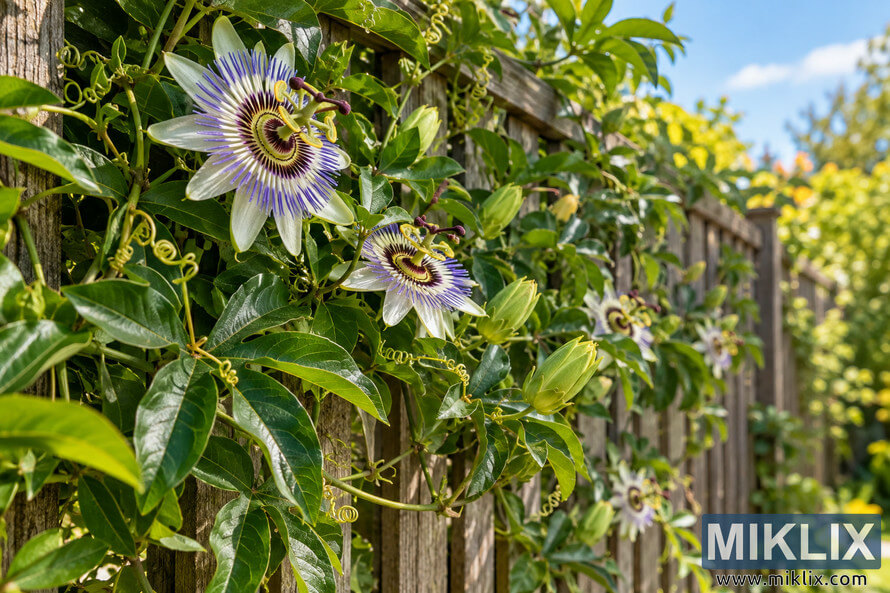
Click or tap the image for more information and higher resolutions.
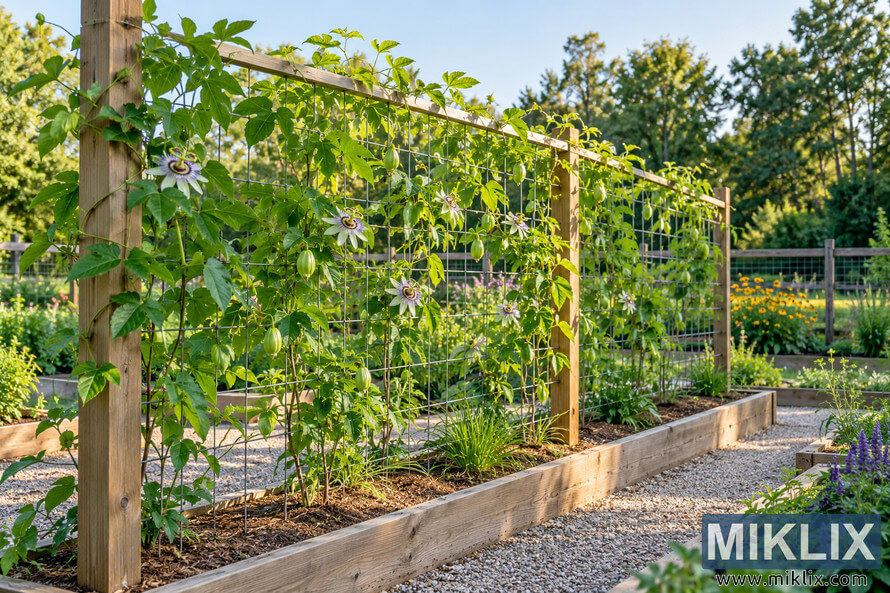
Click or tap the image for more information and higher resolutions.
Prepare Well-Draining Soil
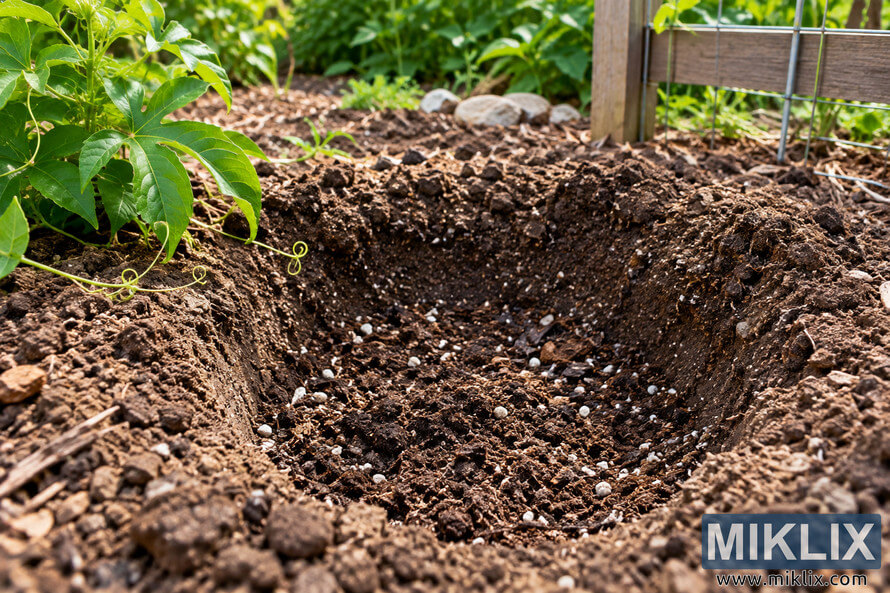
Passionflower grows in many soil types when the soil drains well. A rich, loose soil with organic matter helps roots establish, but heavy clay can hold too much water around the root system. Very wet soil can lead to poor growth and root problems.
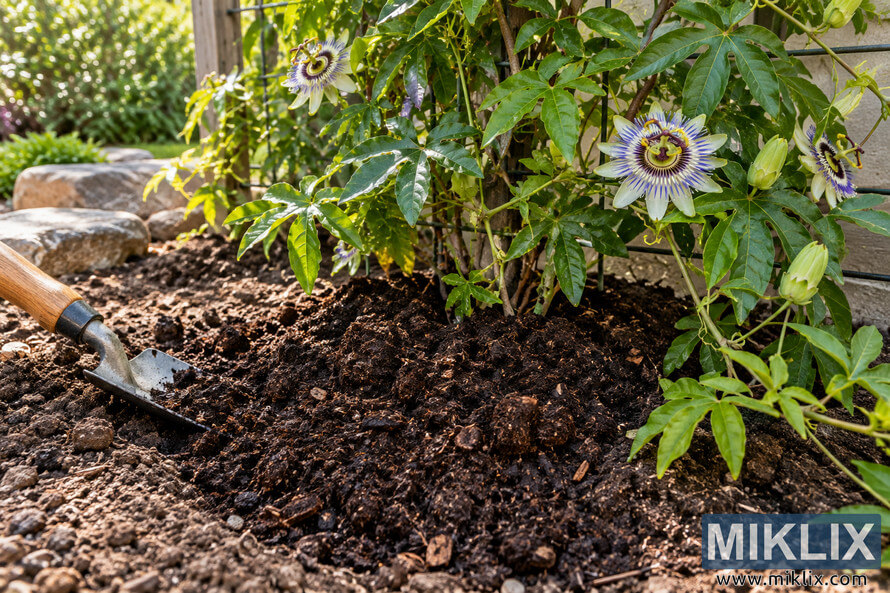
Before planting, loosen the soil across the root zone rather than digging a tiny hole in compact ground. Mix finished compost into poor soil, but avoid creating a soft pocket that drains differently from the surrounding bed.
Simple soil preparation
- Remove weeds, grass, and large stones from the planting area.
- Loosen the soil to about twice the width of the root ball.
- Blend in a modest amount of finished compost.
- Test drainage by filling the hole with water and observing how quickly it empties.
- Set the plant at the same depth it occupied in its container.
Too much clay
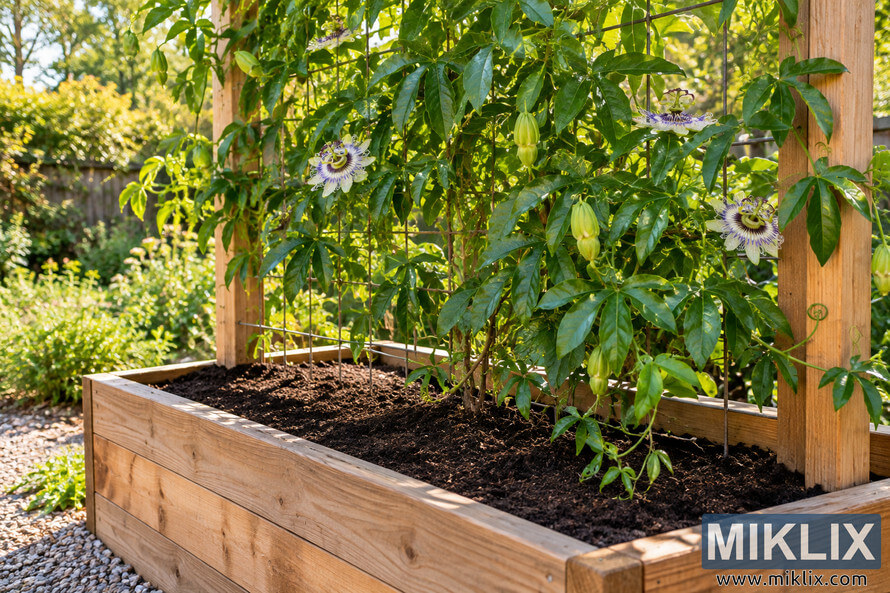
Use a raised bed or mound if water remains near the roots after rain.
Too much sand
Add compost and mulch so water stays available during hot summer days.
Good balance
Healthy soil feels crumbly, drains excess water, and still holds moisture around roots.
Click or tap the image for more information and higher resolutions.
Click or tap the image for more information and higher resolutions.
Click or tap the image for more information and higher resolutions.
Plant Seeds or Young Plants in Spring
Young plants are the fastest way to start. They avoid the slow early stage of seed germination and give you a stronger root system at planting time. Seeds are less costly and offer a rewarding project, but they can be slow or uneven.
Planting a nursery plant
- Water the container plant a few hours before planting.
- Dig a hole no deeper than the root ball and at least twice as wide.
- Gently loosen circling roots without tearing the root ball apart.
- Set the plant level with the surrounding soil.
- Backfill, water deeply, and add a thin mulch layer.
- Guide the first stems toward the trellis without bending them sharply.
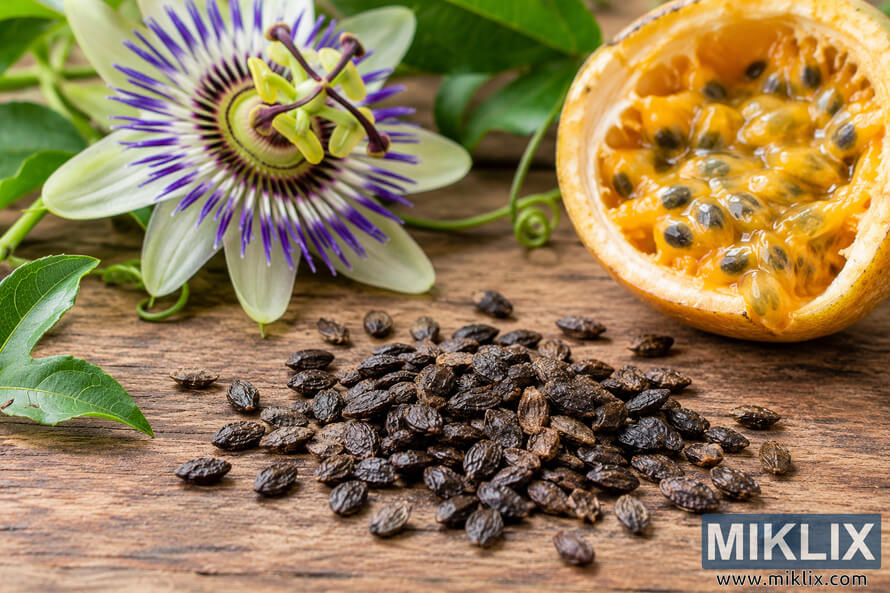
Starting passionflower from seeds
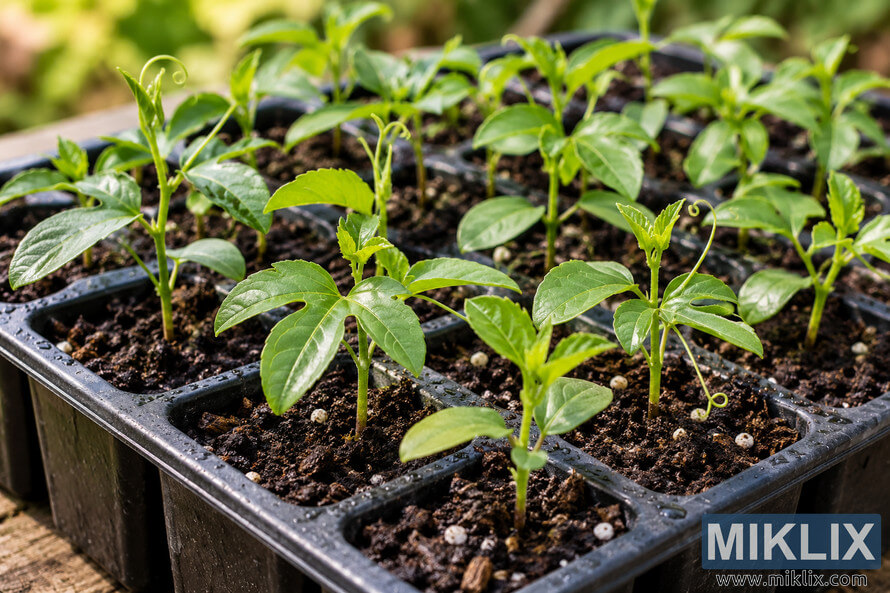
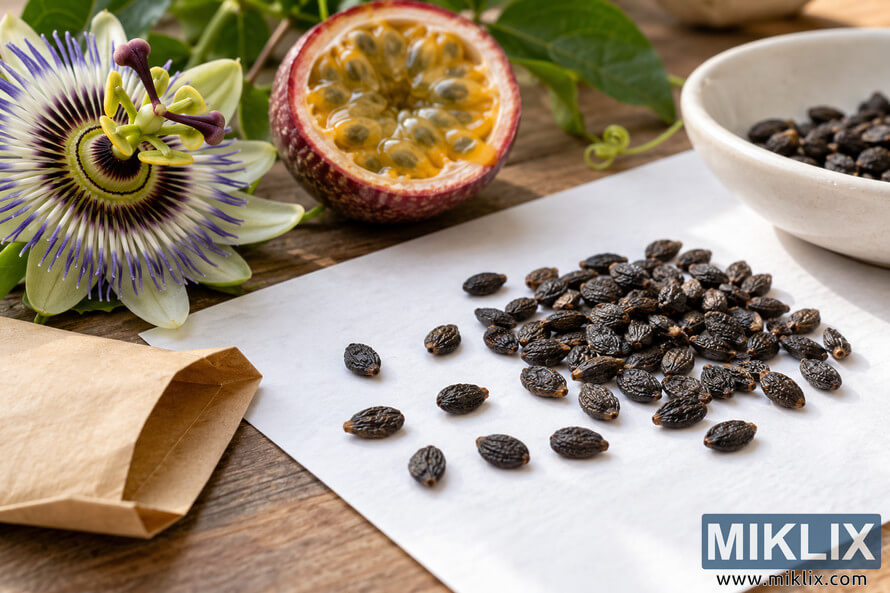
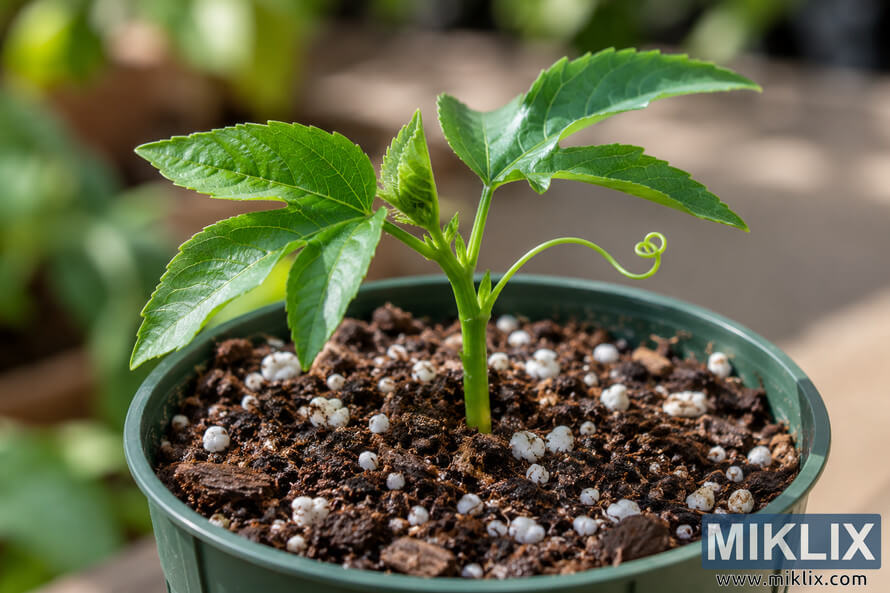
Fresh seeds may germinate more readily than old, dry seeds. Clean away pulp, rinse the seeds, and sow them in a sterile, lightly moist seed-starting mix. Cover them shallowly and keep the container warm with bright light.
Germination can take several weeks. Do not keep the mix saturated while waiting. Once seedlings have several true leaves, move them into individual pots and harden them off before planting outdoors.
Click or tap the image for more information and higher resolutions.
Click or tap the image for more information and higher resolutions.

Click or tap the image for more information and higher resolutions.
Build a Strong Trellis Before the Vine Takes Off
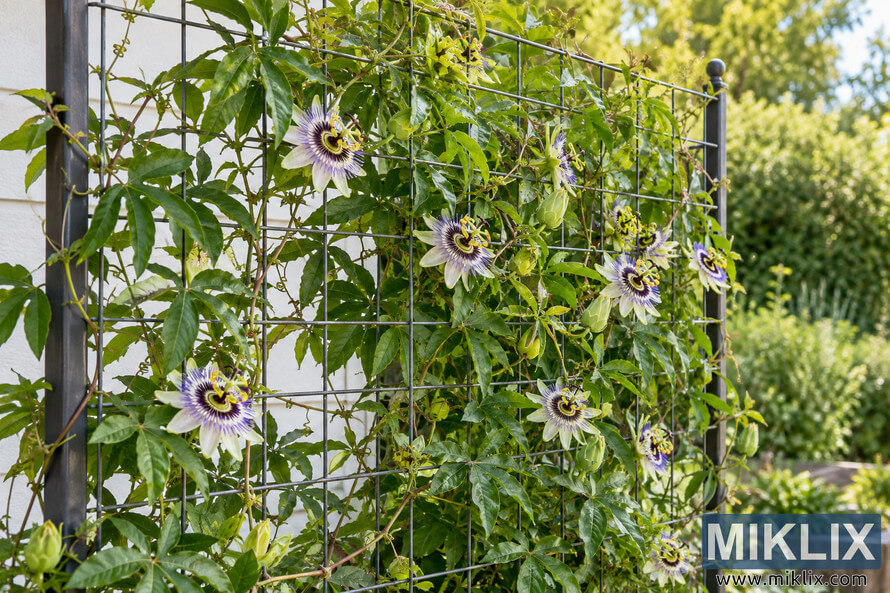
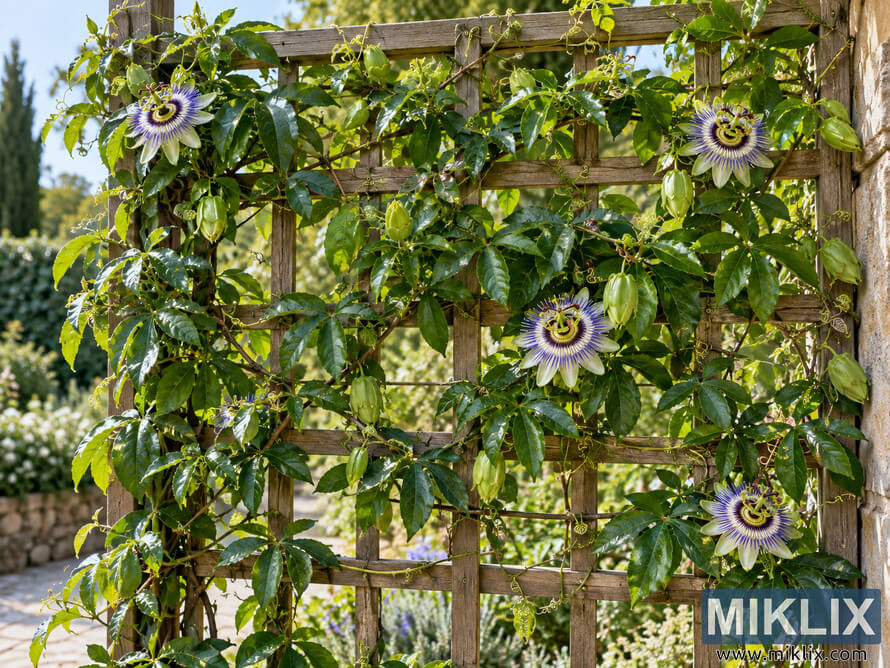
Passionflower vines climb with tendrils, not heavy woody trunks. They need a support that gives the tendrils something narrow to grip. A trellis, wire panel, arbor, or sturdy fence can work well.
Install the support before the plant begins rapid growth. A late support installation can disturb roots or force you to untangle long stems. Leave enough space between the support and a wall for air movement and maintenance.
Useful support choices
- Wire mesh gives tendrils many small points to grasp.
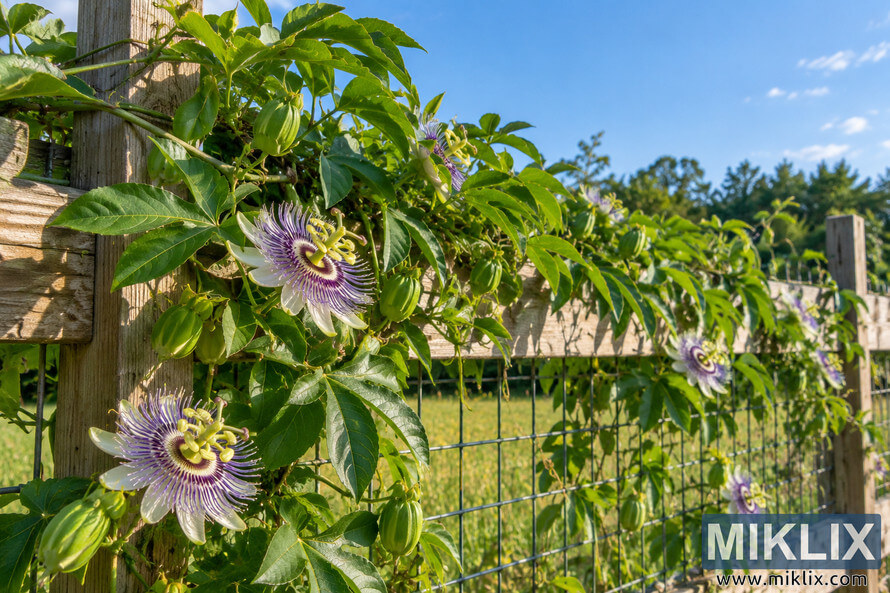
- Horizontal wires help spread vines across a fence.
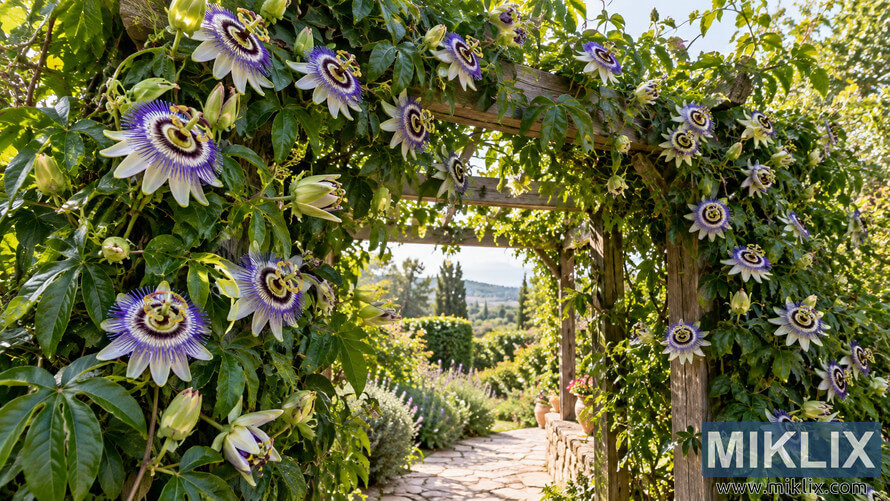
- An arbor creates height but needs regular pruning at the top.
- A freestanding trellis makes root shoots easier to monitor.
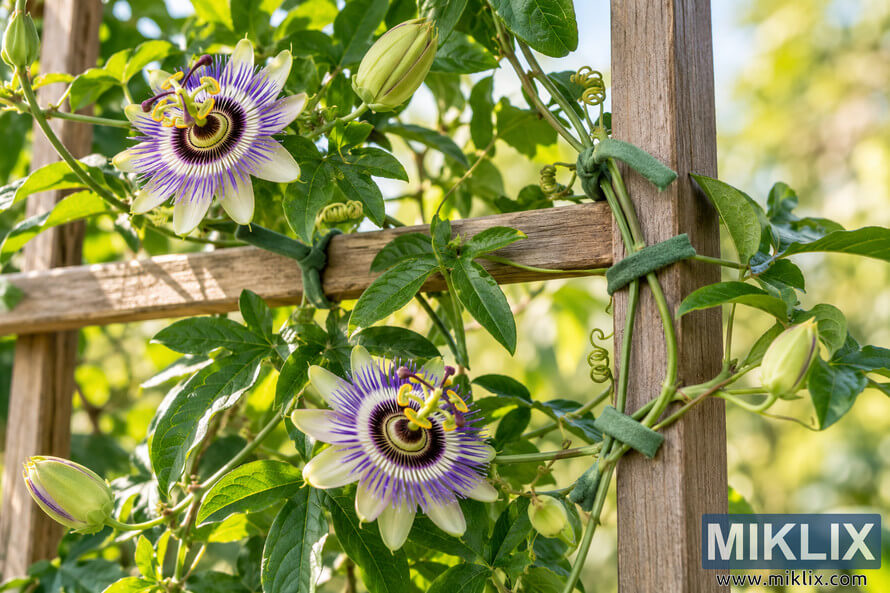
- Strong plant clips can guide stems without cutting into them.
Click or tap the image for more information and higher resolutions.
Click or tap the image for more information and higher resolutions.
Click or tap the image for more information and higher resolutions.
Manage Water, Light, and Fertilizer
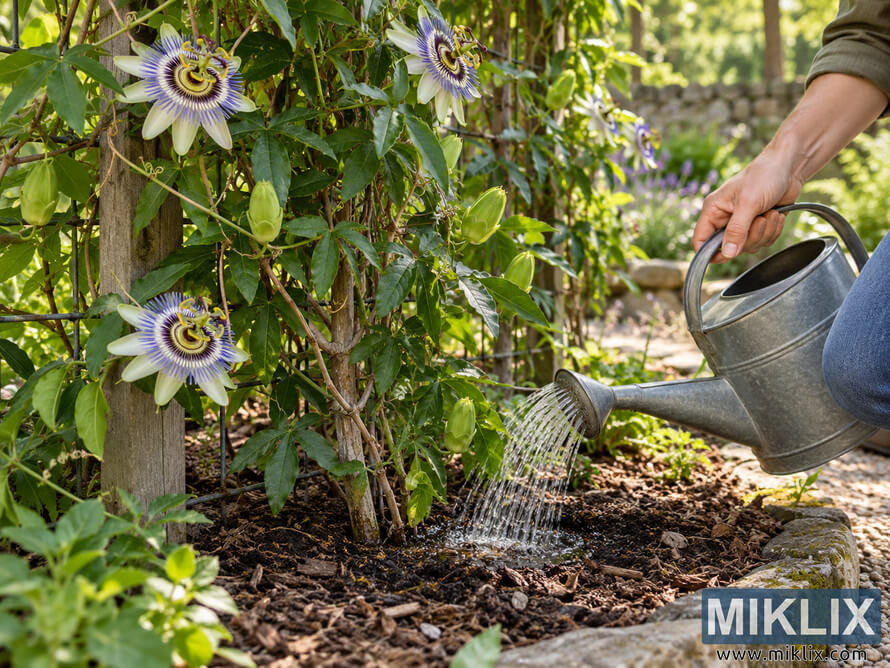
Water newly planted vines when the top inch of soil begins to dry. Deep watering encourages roots to move downward. Frequent shallow watering can leave the surface wet while the lower root zone stays dry.
Established plants are more tolerant, but drought during flowering and fruit formation can reduce blooms or cause small fruit. Water slowly at the base and keep leaves as dry as practical.
Fertilizer basics
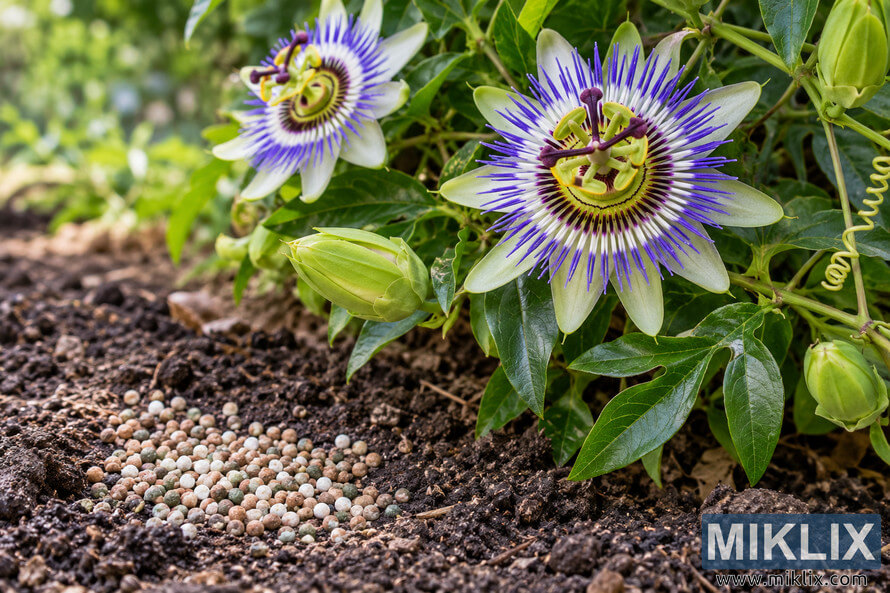
Passionflower does not need a heavy feeding program in fertile soil. Too much nitrogen can produce lots of leaves and vine growth with fewer flowers. Use a balanced, slow-release fertilizer in spring only if growth is weak or a soil test shows a need.
Light and air
- Give the vine six or more hours of sun when possible.
- Use afternoon shade in areas with intense heat and dry conditions.
- Space vines so air can move around leaves and stems.
- Water at the soil line rather than spraying the whole plant.
Click or tap the image for more information and higher resolutions.
Click or tap the image for more information and higher resolutions.
Click or tap the image for more information and higher resolutions.
Train New Growth and Prune with Purpose
Guide young stems toward open areas of the support. Once a tendril catches, it will often hold the vine in place. Use soft ties for stems that need help, and inspect them as the vine thickens.
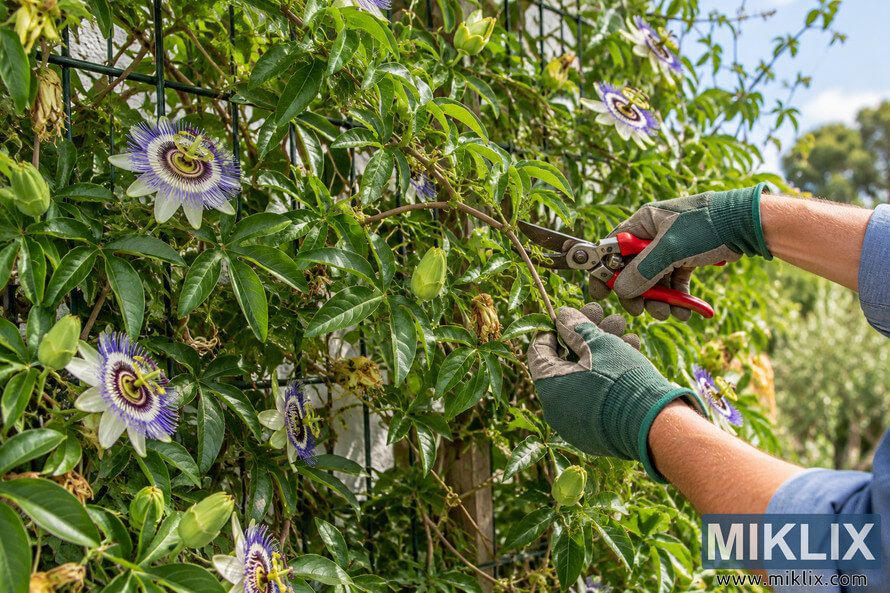
Prune after a major flowering period or during dormancy, depending on your climate. Remove dead, damaged, weak, or badly tangled growth first. Then shorten stems that have moved beyond the space you planned.
Pruning rules for a home garden
- Use clean, sharp pruners.
- Make cuts just above a healthy leaf node or side shoot.
- Do not remove all new growth in spring.
- Cut root shoots at ground level when they appear outside the planned bed.
- Remove spent vines from fences if winter cleanup is easier that way.
Click or tap the image for more information and higher resolutions.
Click or tap the image for more information and higher resolutions.
Click or tap the image for more information and higher resolutions.
Encourage Flowers and Passion Fruit
Flowers often appear after the vine has made strong new growth. Warm temperatures, full sun, adequate water, and a healthy root system all support blooming. A young plant may focus on roots and leaves during its first season.
Fruit forms after pollination. Bees and other insects may transfer pollen, but fruit set can vary with weather and flower timing. If flowers open when few pollinators are active, gently moving pollen between the flower parts with a clean small brush may help.
From bloom to fruit
- Watch for flower buds along vigorous stems.
- Avoid spraying broad-spectrum insecticides during bloom.
- Keep the soil evenly moist during hot, dry periods.
- Allow developing fruit to remain on the vine until mature.
- Collect fallen fruit promptly if you want to limit volunteer seedlings.
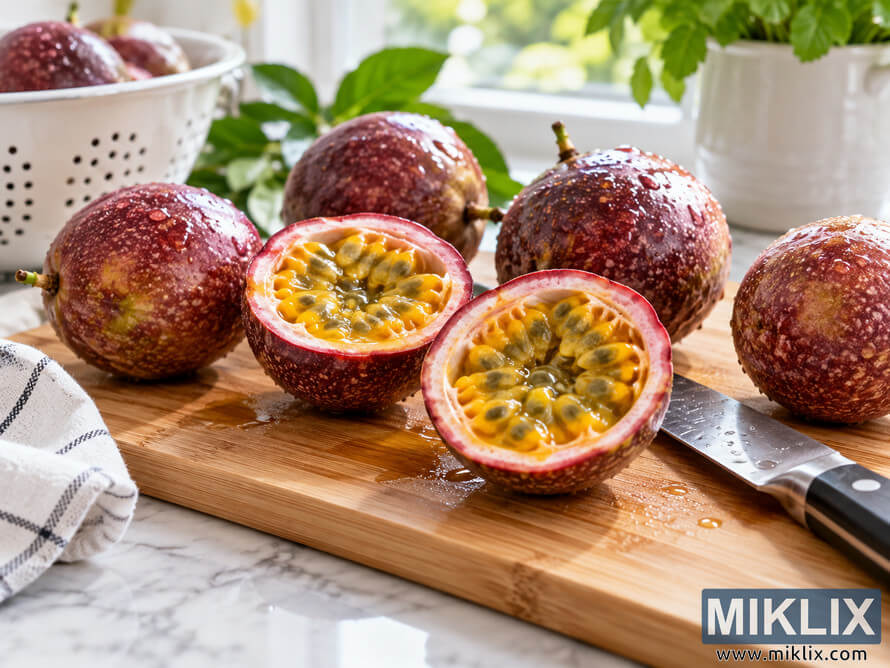
- Maypop fruit may wrinkle slightly as it ripens. Taste and texture can vary by plant and growing conditions. Only consume fruit that is correctly identified, mature, clean, and free from damage.
Click or tap the image for more information and higher resolutions.
Click or tap the image for more information and higher resolutions.
Click or tap the image for more information and higher resolutions.
Propagate Passionflower by Seeds, Cuttings, or Roots
Seeds are useful when you want several plants or wish to share the species. Clean the pulp from seeds before sowing. Some gardeners use a short soak or light scarification, but avoid damaging the embryo.
Softwood cuttings can work during active growth. Take a healthy section with several nodes, remove lower leaves, and place it in a clean, lightly moist rooting medium. Keep humidity steady while roots develop.
Root shoots are often the easiest method because the parent plant already has an established root system. Dig carefully around a shoot, separate it with roots attached, and replant it quickly. This method also helps control unwanted spread.
Propagation checklist
- Use clean tools and containers.
- Label each seed lot or cutting date.
- Keep young roots from drying out.
- Give new plants bright light without harsh midday heat.
- Harden propagated plants before outdoor planting.
Click or tap the image for more information and higher resolutions.
Click or tap the image for more information and higher resolutions.

Click or tap the image for more information and higher resolutions.
Manage Common Pests and Diseases
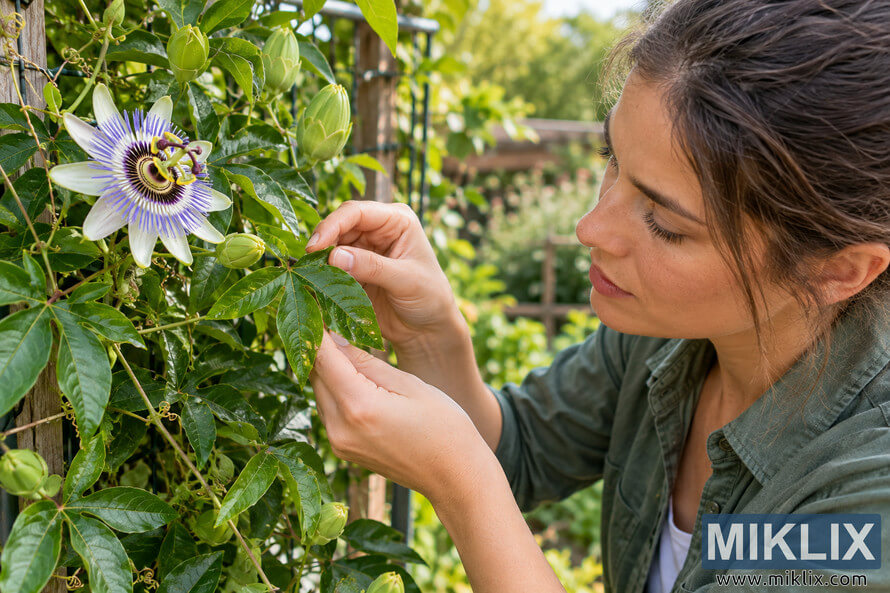
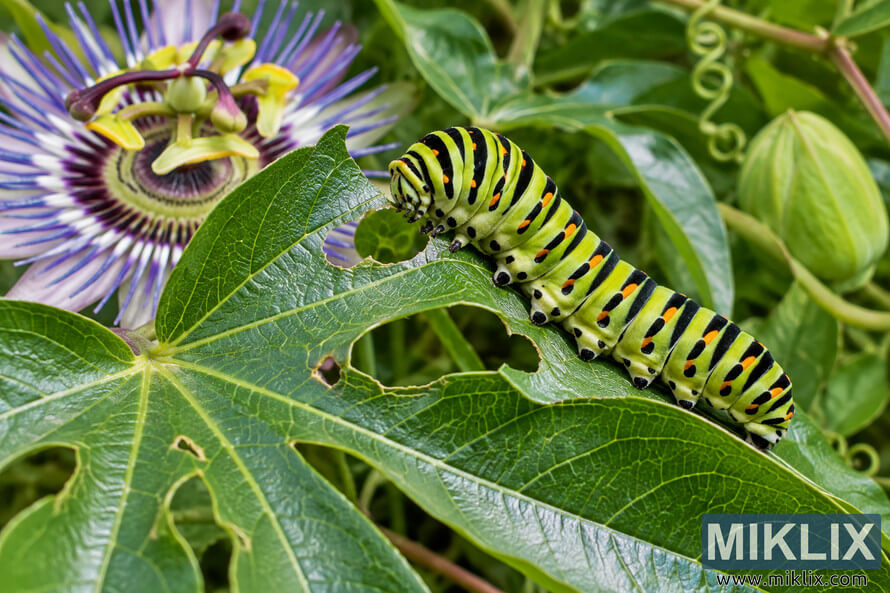
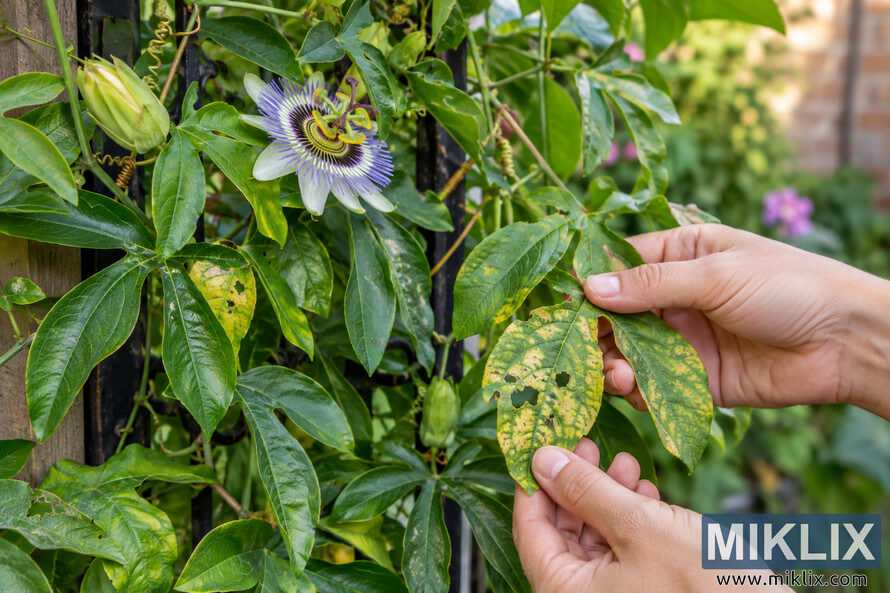
Passionflower leaves may attract caterpillars, aphids, mites, and other insects. Small amounts of feeding are often tolerable, especially when the plant is vigorous. Inspect the undersides of leaves before choosing a treatment.
Yellow leaves, black spots, wilt, or sudden decline can have several causes. Check the soil, roots, watering pattern, air movement, and recent weather before assuming an insect problem.
Low-risk first steps
- Remove badly damaged leaves and place them in the trash.
- Rinse soft-bodied pests from leaves with a gentle water stream.
- Improve spacing and air movement around the vine.
- Water the soil rather than keeping foliage wet overnight.
- Use any pesticide only according to its label and local rules.
- Protect pollinators by avoiding sprays during open flowers.
Signs of manageable stress
- A few chewed leaves
- Limited aphids on new growth
- Temporary wilt during extreme heat
Reasons to investigate quickly
- Persistent wilt in moist soil
- Rapid yellowing across the vine
- Soft, dark roots or spreading leaf spots
Click or tap the image for more information and higher resolutions.
Click or tap the image for more information and higher resolutions.
Click or tap the image for more information and higher resolutions.
Protect Roots and Vines Through Winter
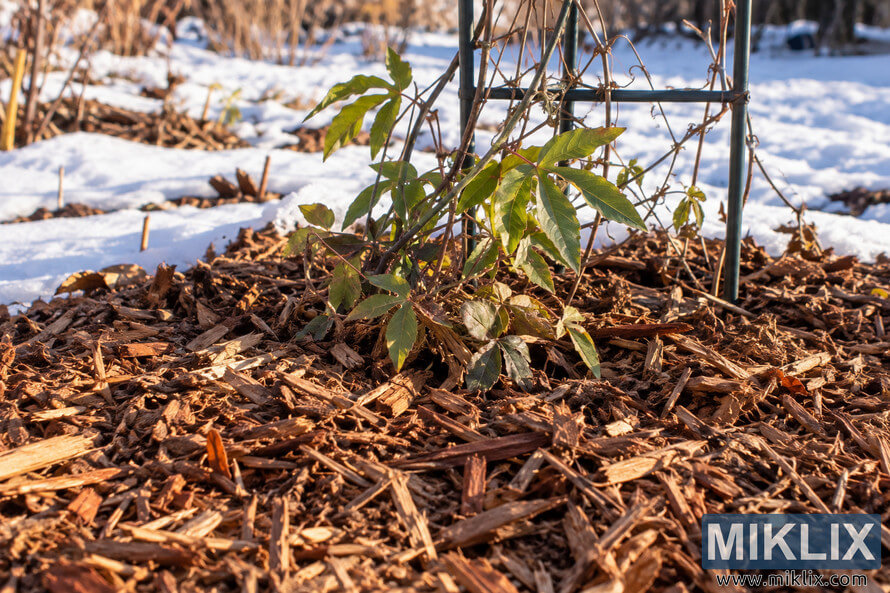
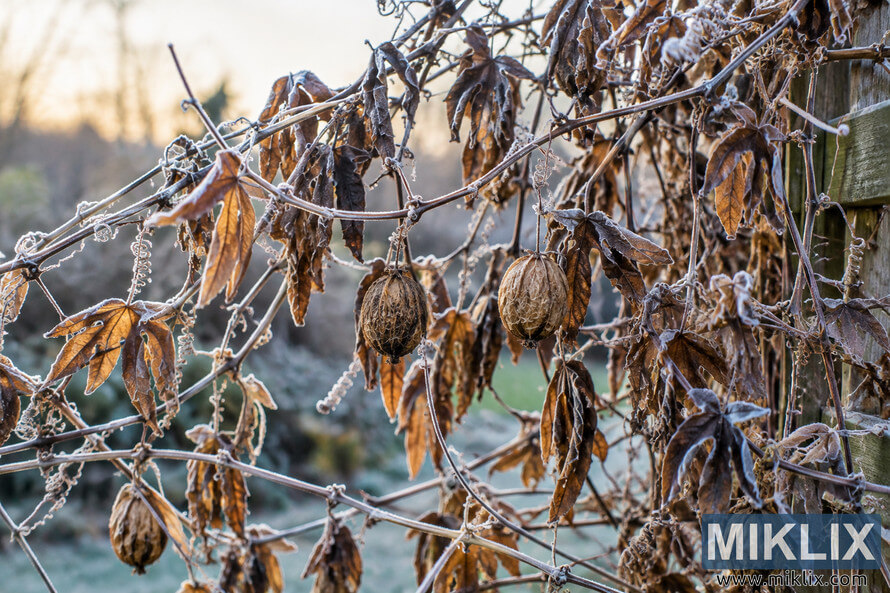
Winter care depends on climate. In mild areas, trim damaged stems and leave healthy structure in place. In colder regions, the above-ground vine may die back after frost while the roots remain alive below the soil.
Apply a layer of mulch over the root zone after the soil cools. Do not pile wet mulch tightly against the crown. In containers, move the plant to a protected location before a hard freeze, but do not keep it warm and dark for a long period.
Winter tasks
- Mark the root area before the vine disappears.
- Remove diseased or broken stems.
- Use mulch to reduce rapid freeze and thaw cycles.
- Reduce watering when the plant is dormant.
- Wait for spring growth before deciding the plant is dead.
Click or tap the image for more information and higher resolutions.
Click or tap the image for more information and higher resolutions.
Click or tap the image for more information and higher resolutions.
Control Vigorous Spreading Without Losing the Plant
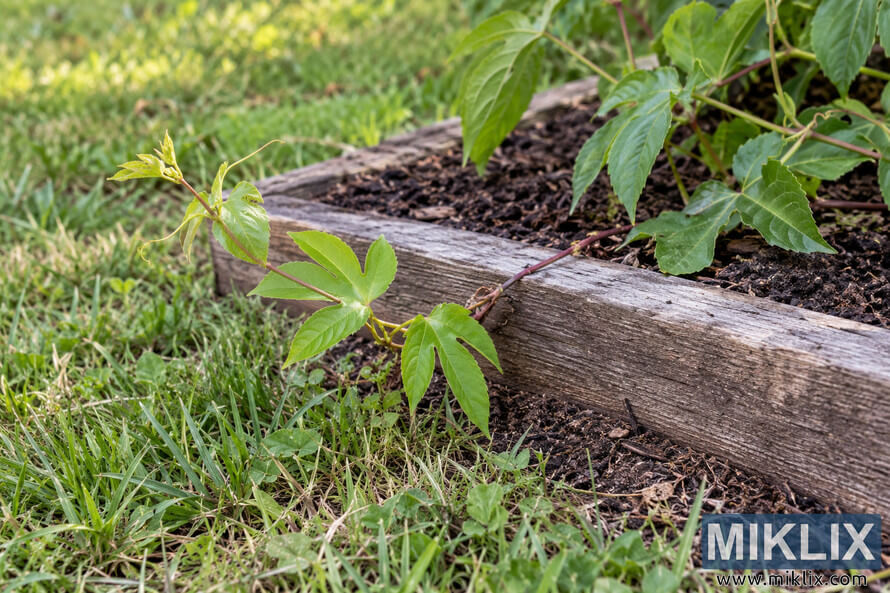
Maypop can spread through underground roots and new shoots. This trait is useful when you want a living screen, but it can become a problem in a small bed. Start control early, before shoots form a dense network.
Cut unwanted shoots at ground level and repeat as needed. Mowing around the planting area can remove young shoots, but do not mow over the main crown. A deep edging barrier can slow roots, though it may not stop every runner over time.
A practical containment plan
- Choose one defined planting zone.
- Install a sturdy trellis inside that zone.
- Inspect for root shoots every few weeks during active growth.
- Remove shoots while they are small.
- Prune vines before they reach nearby trees or shrubs.
- Collect fallen fruit if volunteer seedlings are not wanted.
- Plan for growth: Do not plant maypop where a spreading vine could enter natural areas, a neighbor’s bed, or a protected habitat without permission.
Click or tap the image for more information and higher resolutions.
Click or tap the image for more information and higher resolutions.
Click or tap the image for more information and higher resolutions.
Follow Important Passionflower and Passion Fruit Safety Notes
Correct identification matters. Passiflora includes many species, and not every passion fruit or plant part has the same edible or traditional use. Do not assume that a plant is safe because it has a passion flower.
Only eat fruit that has been positively identified as mature and suitable for consumption. Wash fruit before cutting it. Avoid damaged, moldy, or unripe fruit. Never use leaves, roots, flowers, seeds, or herbal preparations as medicine without guidance from a qualified health professional.
Passionflower herbal products may interact with medicines or cause drowsiness. Pregnant or breastfeeding people, children, and anyone taking sedatives, anesthesia-related medicines, or other treatments should ask a clinician before use.
Safety first: Gardening advice is not medical advice. Do not prepare teas, tinctures, extracts, or supplements from a home-grown plant unless a qualified professional confirms the species, plant part, preparation, dose, and personal safety.
Safe garden habits
- Keep plant labels with the scientific name.
- Prevent children and pets from sampling unknown plant parts.
- Wash hands after handling sap or treated foliage.
- Keep garden chemicals in their original labeled containers.
- Ask a medical professional about herbal products and drug interactions.
Click or tap the image for more information and higher resolutions.
Click or tap the image for more information and higher resolutions.

Click or tap the image for more information and higher resolutions.
Troubleshoot Slow Growth, Few Flowers, and Poor Fruit
A young vine may need time before it flowers. First-year growth can focus on roots, especially after transplanting. Give the plant steady care before making major changes.
| Symptom | Likely cause | First response |
| Long weak stems | Too little light or inadequate support | Move or retrain only if practical; provide stronger light and support. |
| Many leaves but few flowers | Excess nitrogen, shade, or immature plant | Check sun, reduce feeding, and allow more time. |
| Flowers but no fruit | Poor pollination or stressful weather | Protect pollinators, maintain water, and try gentle hand pollination. |
| Yellow leaves | Wet roots, drought, or nutrient imbalance | Check soil moisture and drainage before adding fertilizer. |
| No spring growth | Late dormancy or winter damage | Scratch-test a stem and wait for warmer soil before removing the plant. |
| Vine spreads too far | Root shoots and unchecked tendrils | Remove shoots, prune runners, and improve containment. |
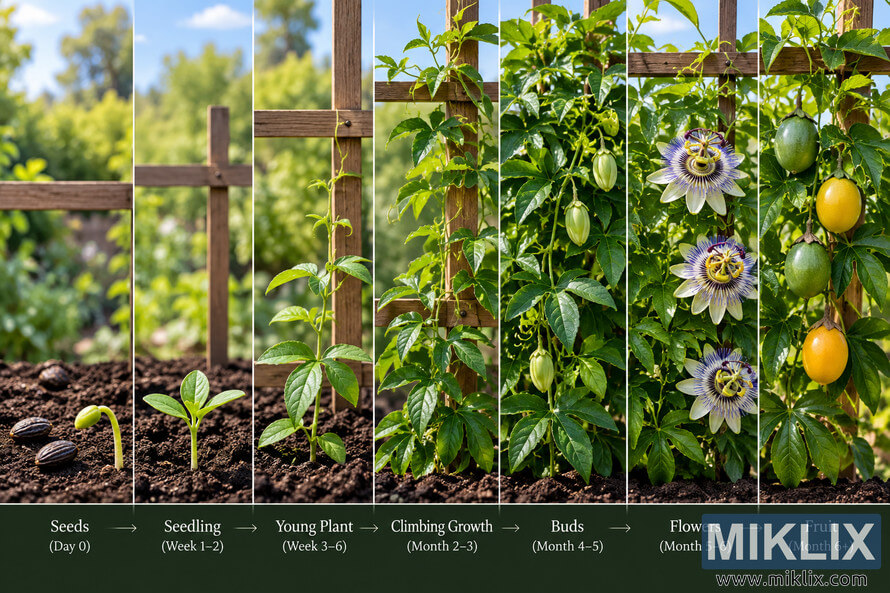
What timeline should you expect?
- Seeds may take several weeks to germinate.
- Young plants often establish roots during the first month.
- Strong vine growth usually begins when temperatures rise.
- Flowers may arrive in the first or second growing season.
- Fruit timing depends on pollination, warmth, plant age, and season length.
- Root shoots may appear at any point during active growth.
Click or tap the image for more information and higher resolutions.
Click or tap the image for more information and higher resolutions.
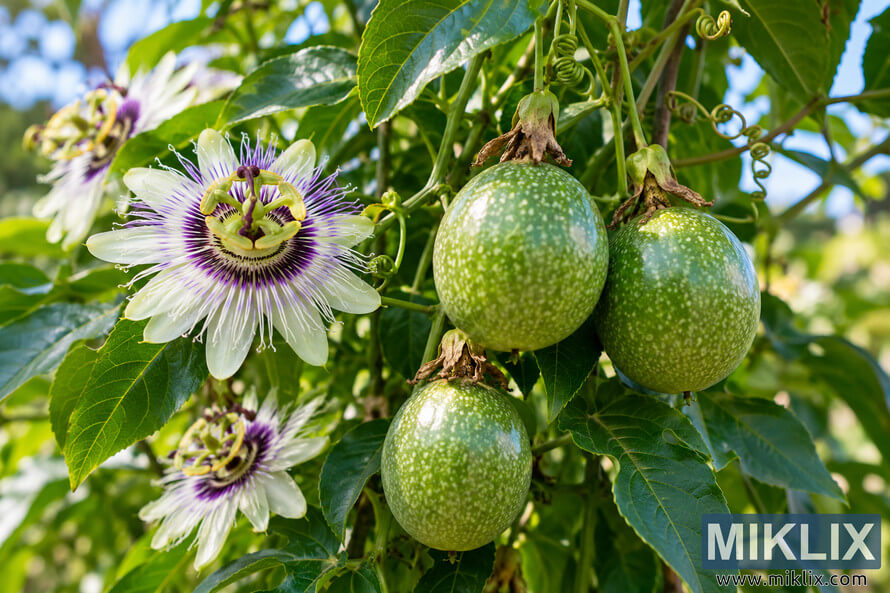
Click or tap the image for more information and higher resolutions.
Seasonal Care Checklist for Growing Passionflower (Passiflora incarnata)
Spring
- Wait until severe frost has passed.
- Check the trellis and repair weak sections.
- Remove dead stems and unwanted root shoots.
- Plant seeds or young plants.
- Begin deep watering as new growth appears.
Summer
- Guide new growth across the support.
- Water during dry spells.
- Watch for flowers, pests, and fruit.
- Keep weeds away from the root zone.
- Prune runners that leave the planned area.
Fall and winter
- Collect mature fruit and remove unwanted fallen fruit.
- Clean damaged or diseased plant material.
- Mark the crown before dormancy.
- Add protective mulch after the soil cools.
- Wait for spring before judging winter survival.
Practical Supplies for a Home Passionflower Garden
For planting
- Clean seed-starting containers
- Well-draining propagation mix
- Compost for poor soil
- Plant labels and a pencil
For support
- Sturdy trellis or wire panel
- Soft plant ties
- Clean hand pruners
- Edging for root-shoot control
For maintenance
- Watering wand or hose
- Organic mulch
- Hand lens for leaf inspection
- Gloves and labeled garden tools
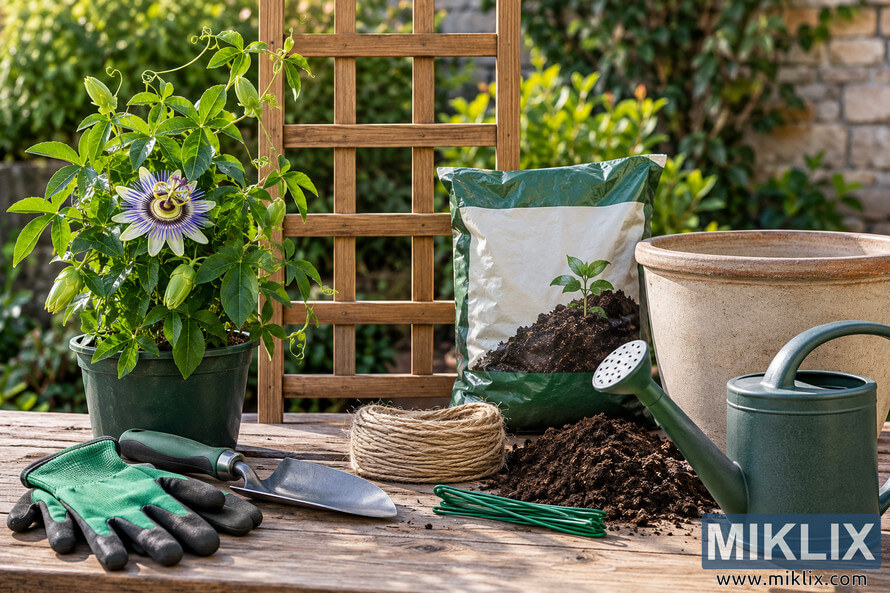
Click or tap the image for more information and higher resolutions.
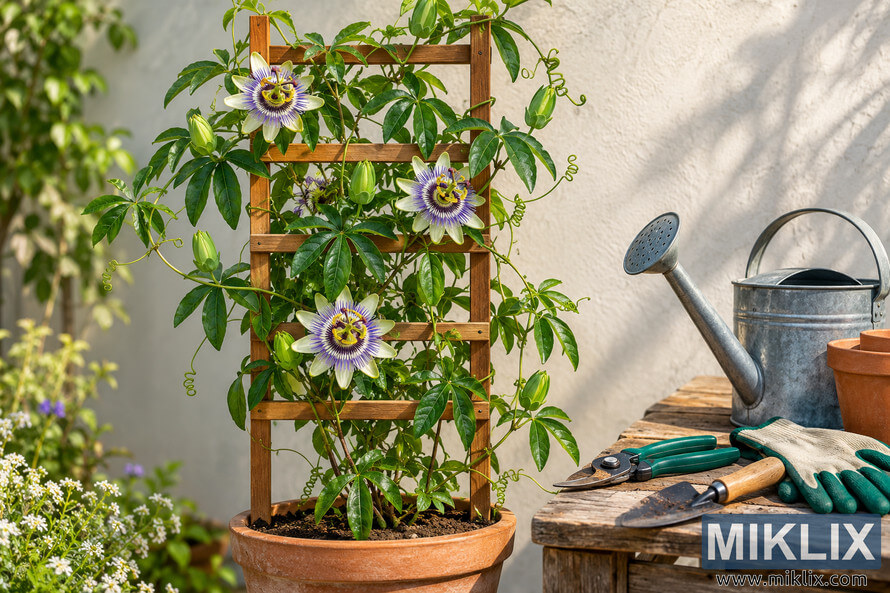
Click or tap the image for more information and higher resolutions.
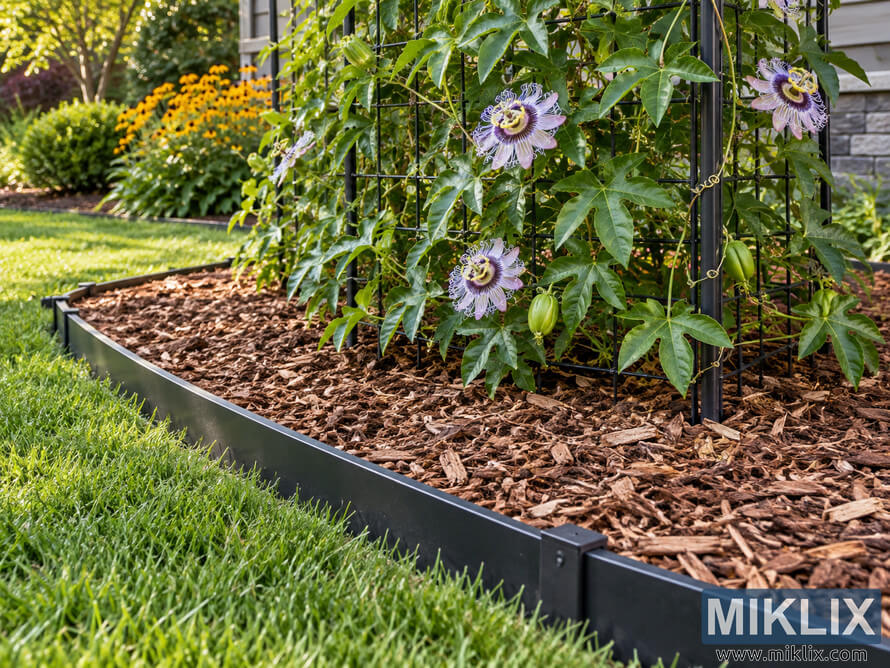
Click or tap the image for more information and higher resolutions.
What the Ranking Pages Teach About Effective CTAs
Gardenia: reference-style plant information
The Gardenia result targets readers who need plant facts, appearance details, growing conditions, and landscape suitability. This is mainly B2C informational traffic. Most visitors are cold or early-stage prospects. Their immediate need is confidence: they want to know whether the plant fits their garden before taking action.
The most suitable CTA format for this audience is a native link or separate block after the growing requirements. A care checklist, plant comparison, or site-planning action is a better fit than a hard purchase prompt. The tone should remain neutral and authoritative.
Growing Spaces: practical instruction with a supply path
The Growing Spaces result is built around growing passion flower for passion fruit. Its audience is still B2C, but the fruit goal creates a warmer need. Readers may be researching a greenhouse, support structure, soil system, or other physical product.
A supply CTA works best after the article explains the item’s role. The offer can be a trellis, growing system, or related garden product. The desired action is a click toward product consideration, not an immediate request for personal information.
Chestnut School of Herbs: education and deeper engagement
The Chestnut Herbs result uses a seed-to-fruit theme. It is likely to attract gardeners, herbal learners, and readers interested in the full life cycle of the plant. These users may be warm prospects for a course, educational resource, seed source, or email series.
The strongest CTA here is educational. A growing calendar, propagation guide, or seasonal email subscription can deepen engagement. Safety language is important because readers may connect passionflower with herbal preparations.
CTA opportunity
- Answer the garden question first.
- Use a checklist as the primary lead offer.
- Place supply links beside relevant instructions.
- Use one action per CTA block.
Audience match
- Cold readers need identification and climate help.
- Warm readers need planting and support details.
- Fruit-focused readers need pollination guidance.
- Herbal readers need careful safety boundaries.
Avoid
- Do not lead with an unrelated product.
- Do not promise fruit in every climate.
- Do not hide safety notes below a sales prompt.
- Do not repeat identical buttons after every paragraph.
Final Growing Plan
Plant maypop in spring, give it full sun and well-draining soil, and install a strong support before rapid growth begins. Water deeply during establishment, avoid excess nitrogen, and train new vines while they are flexible.
Expect flowers and fruit to depend on plant age, weather, pollination, and season length. Inspect leaves, protect roots during winter, and remove unwanted shoots before they become difficult to manage.
With steady care and clear boundaries, Passiflora incarnata can provide striking passion flowers, useful wildlife value, and a rewarding fruit-growing project without overwhelming the rest of the garden.
Further Reading
If you enjoyed this post, you may also like these suggestions:
- Growing Fairy Lantern: A Practical Garden Guide
- Beautiful Foxglove Varieties to Transform Your Garden
- The Most Beautiful Varieties of Peony Flowers to Grow in Your Garden