
A Guide to Growing Eggplant in Your Own Garden
Published: February 1, 2026 at 7:31:00 PM UTC
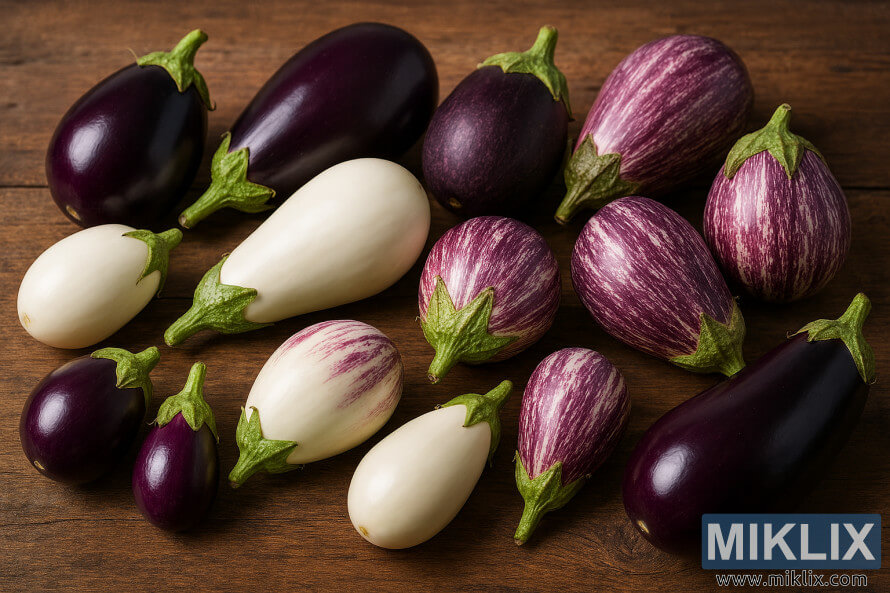
Discover the joy of growing your own eggplant, those glossy purple jewels that transform ordinary meals into culinary adventures. Whether you're drawn to the classic 'Black Beauty' varieties, the slender Japanese types, or the charming miniature ornamentals, growing eggplant rewards you with both beauty and flavor.
Click or tap the image for more information and higher resolutions.
This warm-season vegetable thrives in summer heat and produces abundantly when given the right care. Let's explore how to successfully grow these versatile vegetables from planting to harvest.
About Eggplants
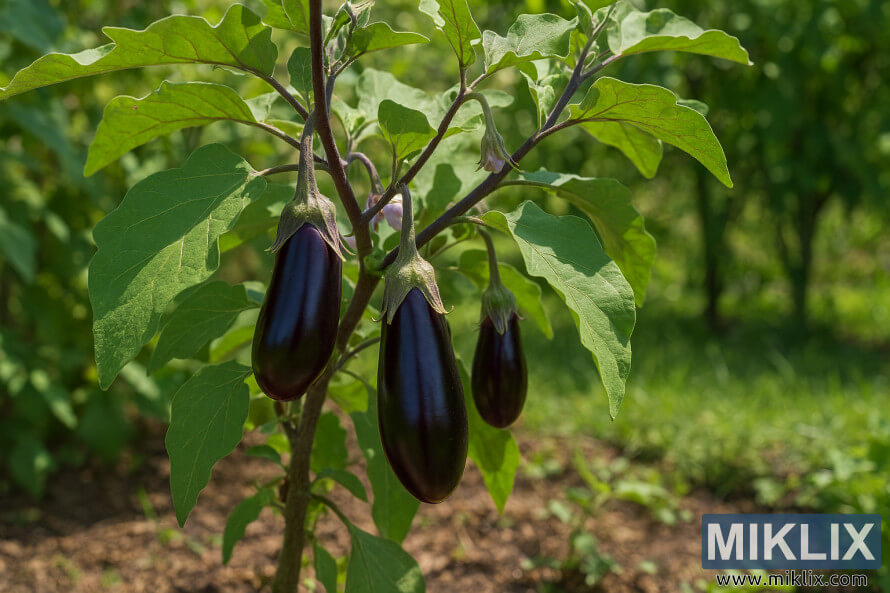
Eggplants (Solanum melongena) are warm-season vegetables in the nightshade family, related to tomatoes and peppers. Native to Southeast Asia, these beautiful plants produce fruits in various shapes, sizes, and colors—from the classic deep purple to white, green, striped, or even orange varieties.
Popular Eggplant Varieties
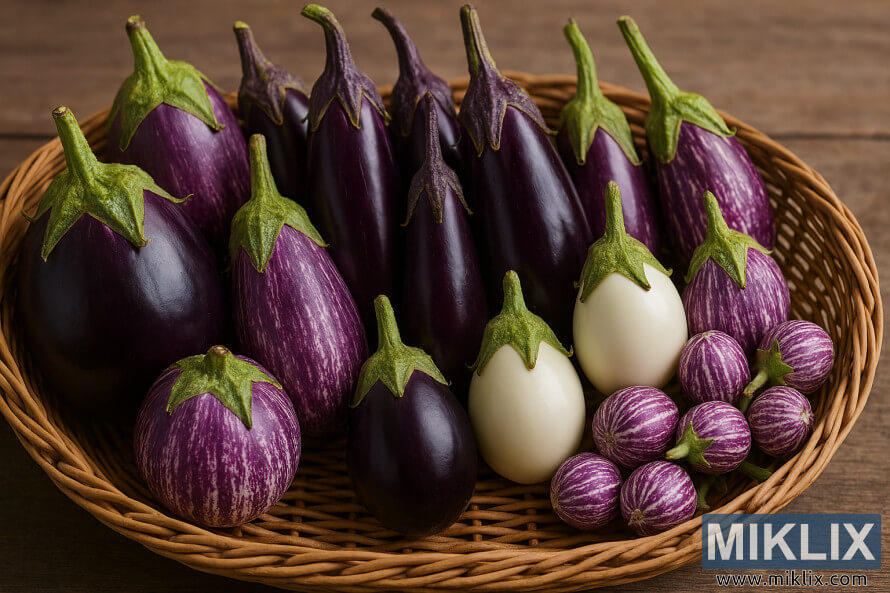
- Black Beauty - The classic large, dark purple eggplant with a mild flavor, perfect for eggplant parmesan
- Ichiban - A Japanese variety with long, slender fruits and sweet, tender flesh ideal for stir-fries
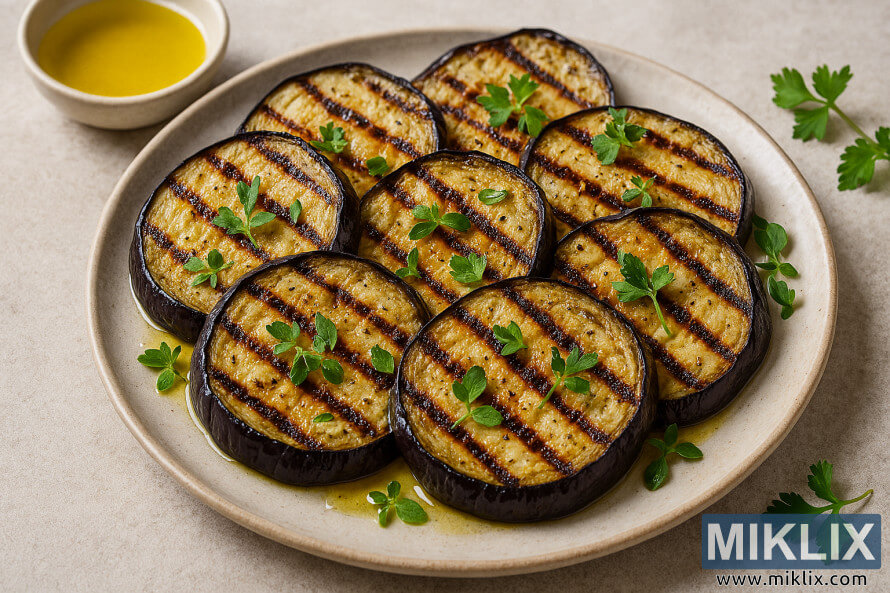
- Fairytale - Small, striped fruits with tender skin and sweeter flavor, excellent for grilling
- White Beauty - Creamy white fruits with mild flavor and fewer seeds
- Little Fingers - Produces clusters of small, finger-sized fruits perfect for containers
Eggplants are not only delicious but also nutritious, containing fiber, potassium, and antioxidants that help protect cells from damage.
Click or tap the image for more information and higher resolutions.
Planning & Planting
Climate & Season Requirements
Eggplants are heat-loving plants that require warm soil and air temperatures to thrive. Understanding their climate needs is essential for successful growth.
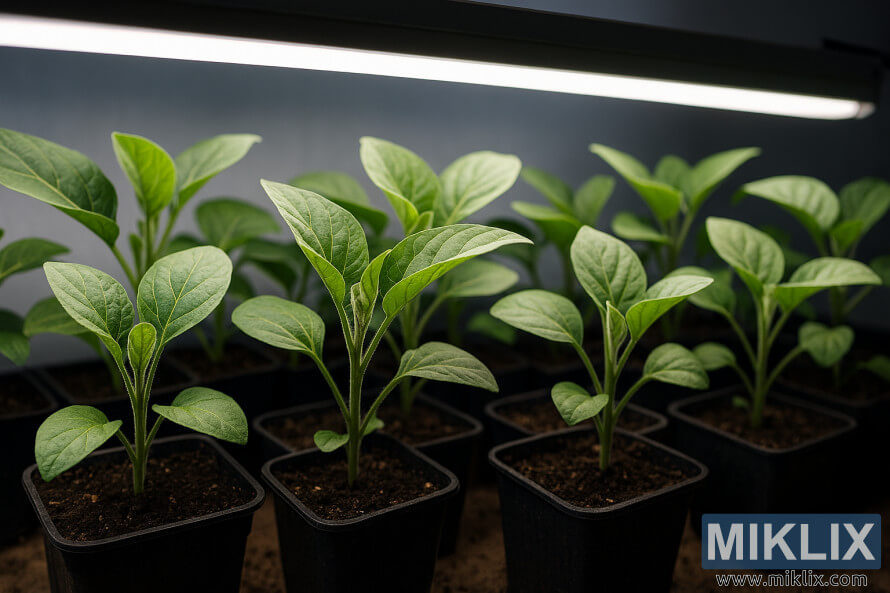
Starting eggplant seeds indoors gives them the warm environment they need to germinate
Temperature Requirements
- Soil temperature should be at least 60°F (15°C) for planting
- Optimal growing temperatures: 70-85°F (21-29°C)
- Plants slow or stop growing below 50°F (10°C)
- Frost will kill eggplants - wait until all danger has passed
Planting Timeline by Zone
- Zones 3-5: Start seeds indoors 8-10 weeks before last frost; transplant after all frost danger
- Zones 6-7: Start seeds 6-8 weeks before last frost; transplant when nights stay above 50°F (10°C)
- Zones 8-10: Start seeds 6 weeks before last frost; can direct sow in warmer regions
Click or tap the image for more information and higher resolutions.
Site Selection
Choosing the right location for your eggplants is crucial for their success. These sun-loving plants need specific conditions to produce abundantly.
Sunlight Requirements
Eggplants need full sun - at least 6-8 hours of direct sunlight daily. In very hot climates, light afternoon shade can be beneficial.
Soil Preferences
- Well-draining, fertile soil rich in organic matter
- Slightly acidic to neutral pH (5.8-6.8)
- Loamy soil texture that holds moisture but doesn't stay soggy
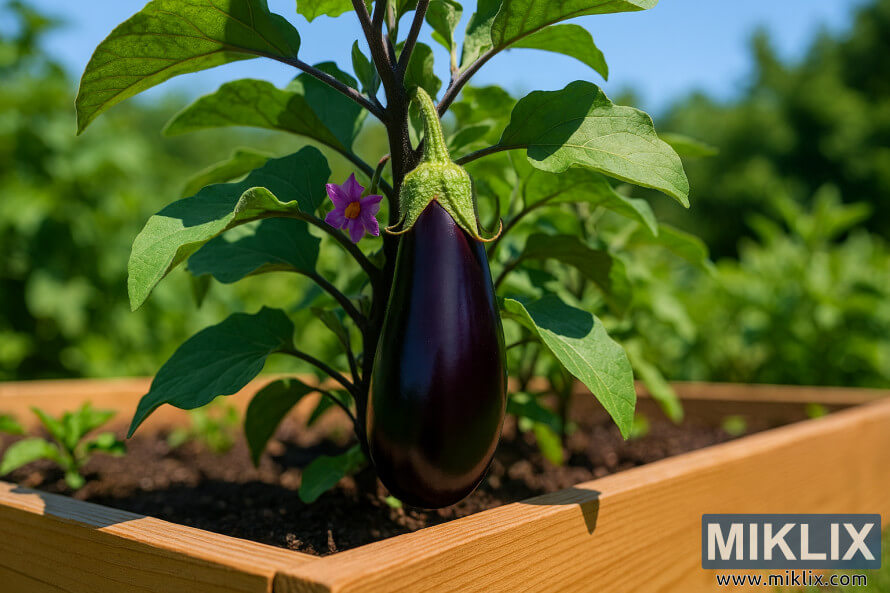
- Raised beds work exceptionally well for eggplants in cooler regions
Click or tap the image for more information and higher resolutions.
Starting Seeds vs. Transplants
Starting from Seeds
- Greater variety selection
- More economical
- Satisfaction of growing from start to finish
- Can select strongest seedlings
Using Transplants
- Faster time to harvest
- Higher success rate for beginners
- Less equipment needed
- Good option for short growing seasons
Starting Seeds Indoors
- Start seeds 6-8 weeks before your last frost date
- Use a sterile seed-starting mix in clean containers with drainage
- Plant seeds ¼ inch deep and keep soil consistently moist
- Maintain soil temperature at 75-85°F (24-29°C) for best germination
- Provide 14-16 hours of light once seedlings emerge
- Thin to strongest seedlings when they develop true leaves
- Begin hardening off 7-10 days before transplanting outdoors
Click or tap the image for more information and higher resolutions.
Planting Process
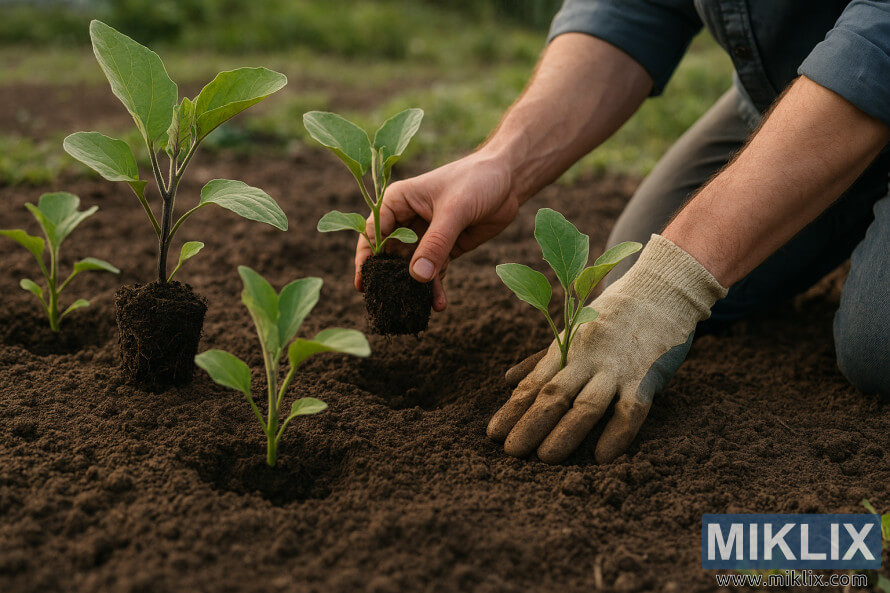
Whether you're using transplants or seedlings you've grown yourself, proper planting technique is essential for establishing healthy eggplants.
- Wait until soil has warmed to at least 60°F (15°C) and all danger of frost has passed
- Prepare soil by incorporating 2-3 inches of compost or aged manure
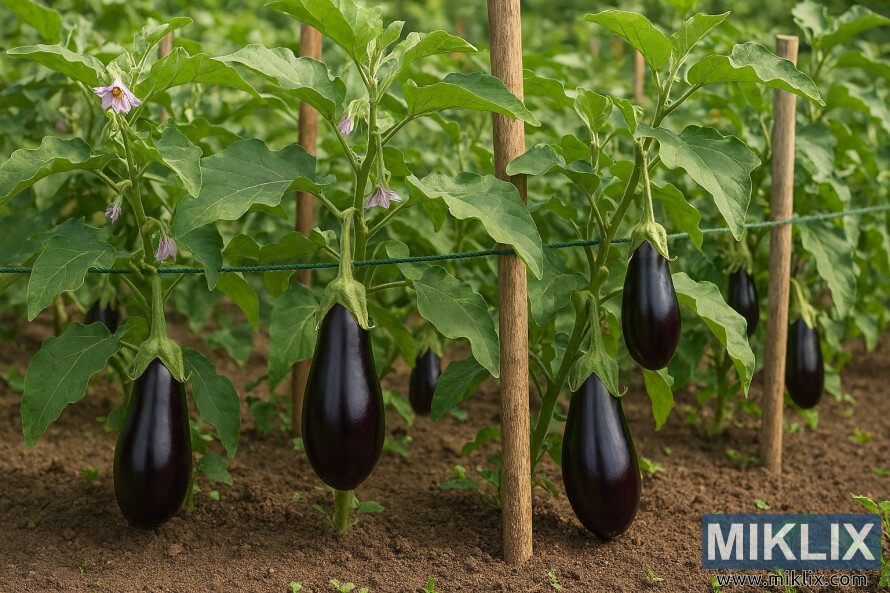
- Space plants 18-24 inches apart in rows 30-36 inches apart
- Dig holes slightly larger than the root ball
- Set plants at the same depth they were growing in their containers
- Water thoroughly after planting
- Install stakes or cages at planting time to avoid root damage later
- Apply a layer of mulch once soil has fully warmed
Click or tap the image for more information and higher resolutions.
Care and Maintenance
Watering Guidelines
Consistent moisture is crucial for eggplant development, especially during flowering and fruiting stages.
- Provide 1-1.5 inches of water weekly, adjusting for rainfall
- Water deeply at the base of plants to avoid wetting foliage
- Maintain even soil moisture - fluctuations can cause problems like blossom end rot
- Increase watering during hot, dry periods and when fruits are developing
- Consider using soaker hoses or drip irrigation for efficient watering
Watering Tip: Irregular watering can cause misshapen fruits and blossom end rot. Aim for consistent moisture, especially during fruit development.
Fertilizing Schedule
Eggplants are moderate to heavy feeders that benefit from regular nutrition throughout the growing season.
Initial Fertilizing
- Mix compost or aged manure into soil before planting
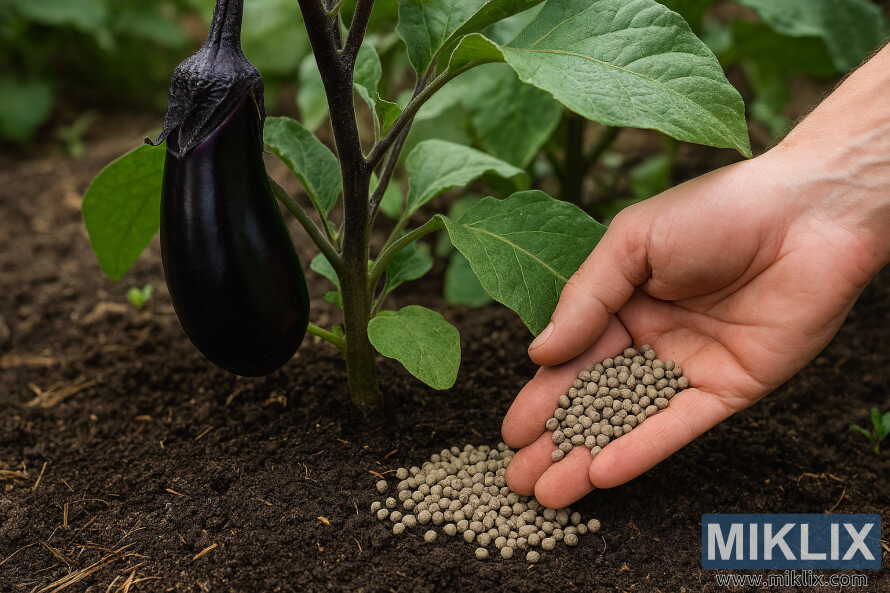
- Apply a balanced fertilizer (10-10-10) at planting time
- Avoid high-nitrogen fertilizers which promote leafy growth at the expense of fruit
Ongoing Nutrition
- Side-dress with compost or balanced fertilizer when first fruits appear
- Apply liquid fertilizer every 2-3 weeks during fruiting
- Consider calcium supplementation if blossom end rot appears
Click or tap the image for more information and higher resolutions.
Mulching Benefits
Proper mulching helps maintain soil temperature, conserve moisture, and reduce weed competition.
- Wait until soil has fully warmed before applying mulch
- Apply 2-3 inches of organic mulch like straw, shredded leaves, or compost
- Keep mulch a few inches away from plant stems to prevent rot
- Black plastic mulch can help warm soil in cooler regions
- Replenish mulch as needed throughout the growing season
Support & Pruning
Eggplants benefit from support as they grow and can be pruned to improve air circulation and fruit production.
Support Methods
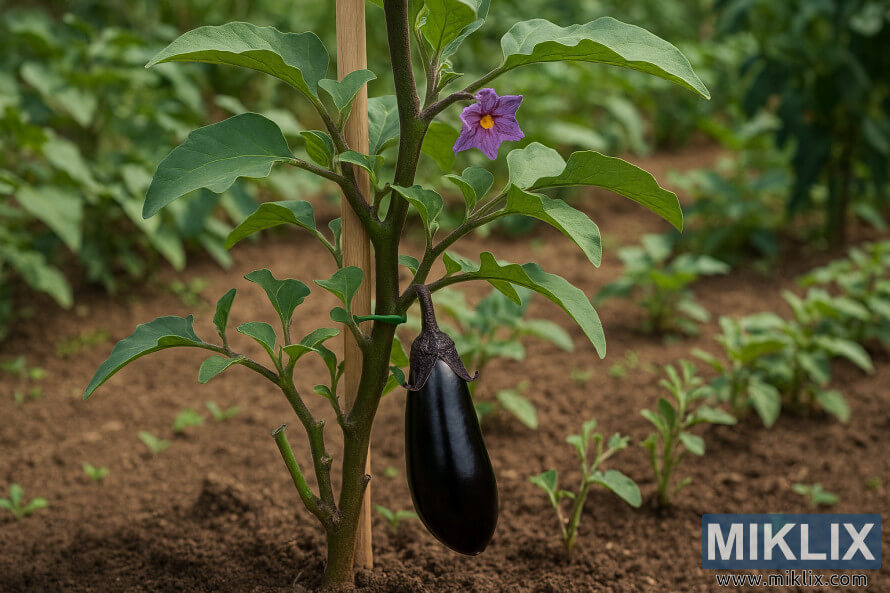
- Install stakes or cages at planting time
- Choose supports at least 24-36 inches tall
- Secure plants to supports with soft garden ties
- Ensure supports are sturdy enough to hold fruit-laden plants
Optional Pruning
- Remove lower leaves that touch the soil
- Prune to 2-3 main stems for larger varieties
- Remove suckers (shoots that grow in leaf axils) for better air circulation
- Pinch growing tips when plants reach desired height
Click or tap the image for more information and higher resolutions.
Pollination
Eggplants are self-pollinating, but they can benefit from some assistance, especially when grown in enclosed spaces.
- Most eggplants are pollinated by wind and insects
- Gently shake plants during flowering to help distribute pollen
- Plant flowers nearby to attract pollinators
- Avoid using insecticides during flowering to protect beneficial insects
Growing Eggplant in Containers
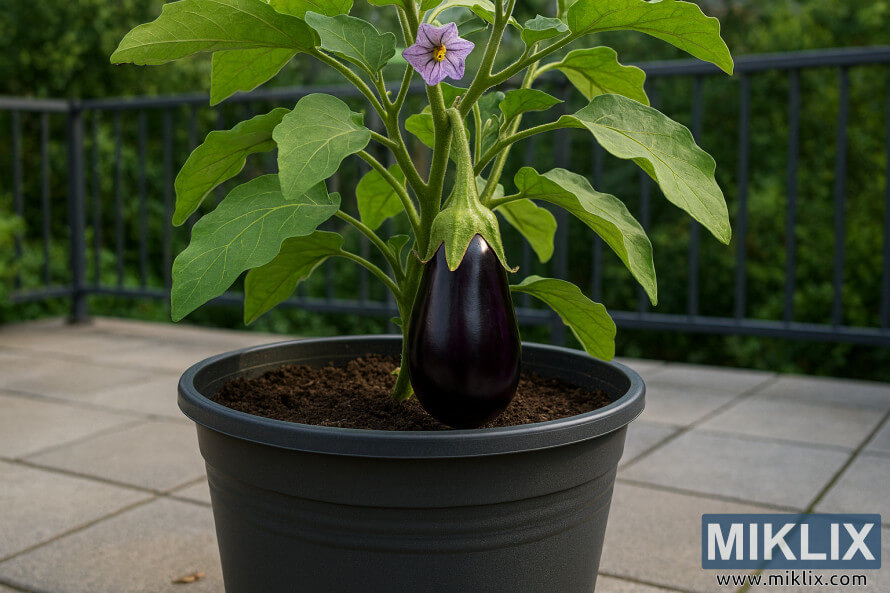
Eggplants are excellent candidates for container growing, making them accessible even to gardeners with limited space.
Container Selection
- Choose containers at least 5 gallons (12 inches) in size
- Ensure containers have adequate drainage holes
- Dark-colored containers absorb heat, warming the soil
- Self-watering containers can help maintain consistent moisture
Best Varieties for Containers
- Fairy Tale - Compact plants with small, striped fruits
- Patio Baby - Dwarf plants producing small, egg-shaped fruits
- Little Fingers - Produces clusters of slim, finger-sized fruits
- Hansel - Compact plants with clusters of slim purple fruits
Container Growing Tips
- Use high-quality potting mix with added compost
- Place containers in a location receiving at least 6 hours of sun
- Water more frequently than in-ground plants as containers dry out faster
- Fertilize every 2 weeks with a balanced liquid fertilizer
- Provide support even for compact varieties
- Move containers to protected areas during extreme weather
Container Tip: In cooler climates, containers allow you to start growing earlier by bringing plants indoors during cold nights.
Click or tap the image for more information and higher resolutions.
Pests & Problems
Being aware of common eggplant pests and diseases helps you identify and address issues before they become serious.
Common Pests
| Pest | Symptoms | Control Methods |
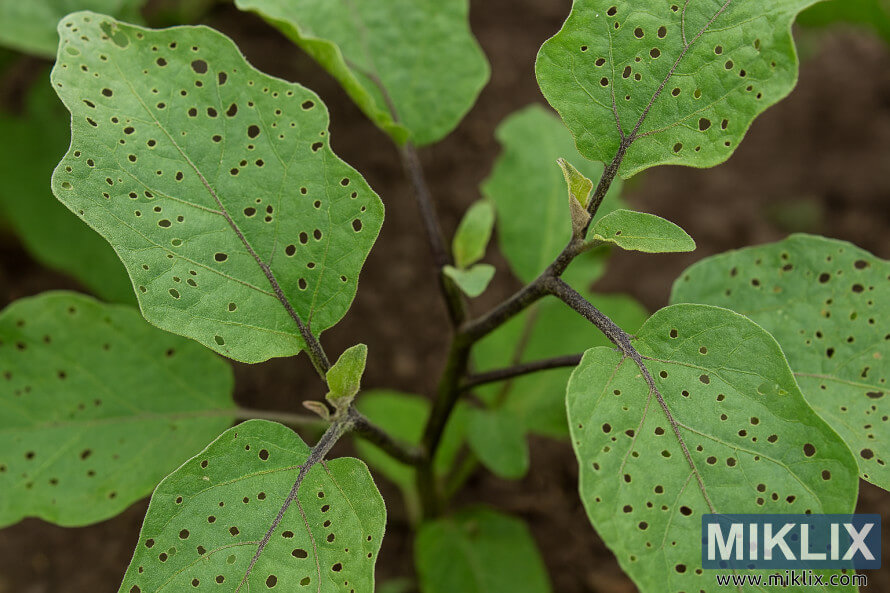
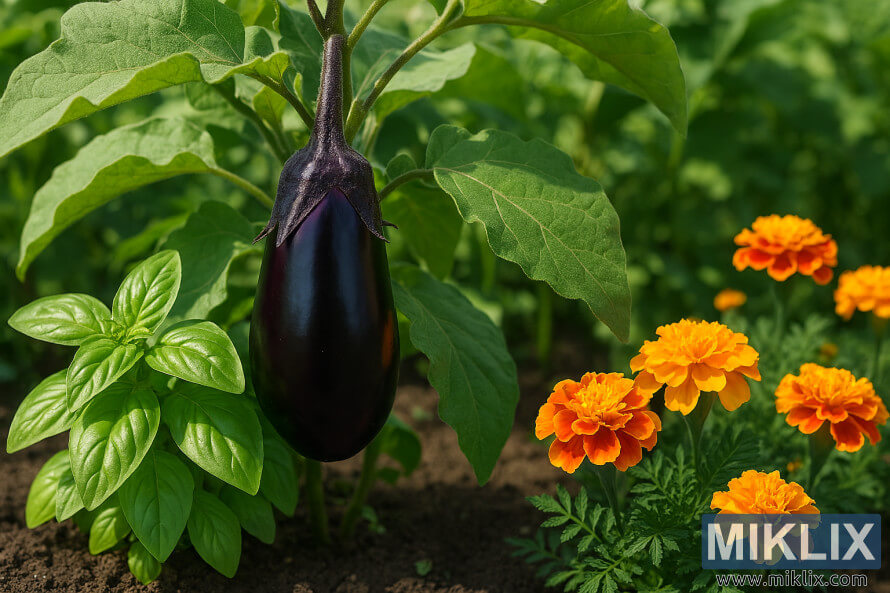
| Flea Beetles | Tiny holes in leaves; stunted growth | Row covers; diatomaceous earth; neem oil; companion planting with basil or marigolds |
| Aphids | Curled leaves; sticky residue; clusters of small insects | Strong water spray; insecticidal soap; neem oil; encouraging beneficial insects |
| Colorado Potato Beetle | Yellow-orange eggs; striped beetles; defoliation | Hand-picking; row covers; Bacillus thuringiensis (Bt); crop rotation |
| Spider Mites | Fine webbing; stippled leaves; tiny moving dots | Strong water spray; increasing humidity; insecticidal soap; neem oil |
| Tomato Hornworms | Large green caterpillars; defoliation; damaged fruit | Hand-picking; Bacillus thuringiensis (Bt); encouraging parasitic wasps |
Click or tap the image for more information and higher resolutions.
Common Diseases
| Disease | Symptoms | Prevention & Control |
| Verticillium Wilt | Yellowing leaves starting at bottom; wilting; stunted growth | Crop rotation; resistant varieties; remove infected plants; avoid planting in affected soil |
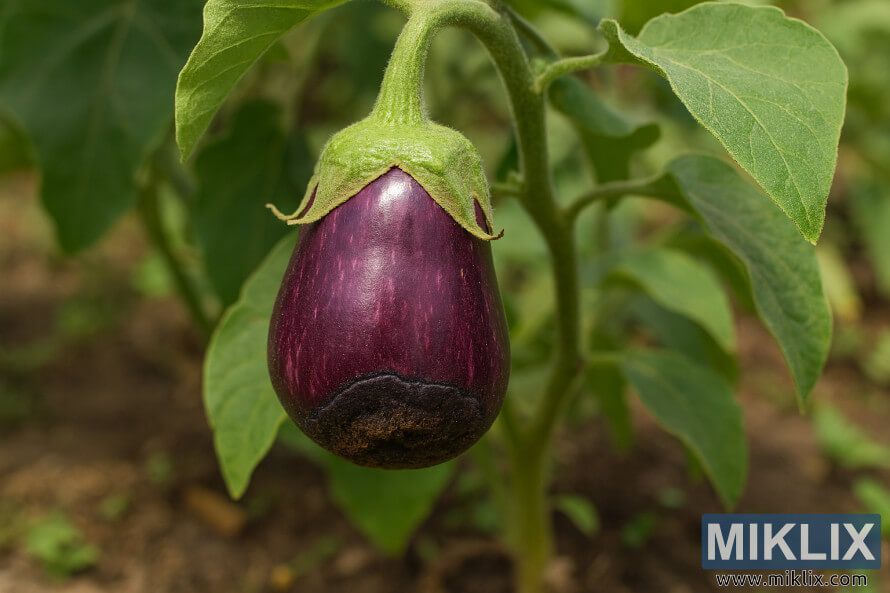
| Blossom End Rot | Dark, sunken areas on fruit bottoms | Consistent watering; calcium supplementation; proper soil pH; mulching |
| Powdery Mildew | White powdery coating on leaves | Good air circulation; avoid overhead watering; neem oil; baking soda spray |
| Early Blight | Dark spots with concentric rings on lower leaves | Crop rotation; proper spacing; remove lower leaves; organic fungicides |
| Bacterial Wilt | Sudden wilting despite adequate water | Control cucumber beetles (vectors); crop rotation; remove infected plants |
Click or tap the image for more information and higher resolutions.
Environmental Issues
Temperature Stress
- Cold damage: Stunted growth; purple leaves; dropped flowers
- Heat stress: Wilting; flower drop; poor fruit set
- Solution: Row covers for cold; shade cloth for extreme heat
Fruit Problems
- Bitter fruit: Overripe or stressed plants
- Misshapen fruit: Poor pollination or inconsistent watering
- Small fruit: Nutrient deficiency or overcrowding
Organic Pest Control Spray: Mix 1 tablespoon neem oil, 1 teaspoon mild liquid soap, and 1 quart water. Spray on plants in the evening, covering all surfaces including leaf undersides. Reapply weekly and after rain.
Harvesting & Storage
Knowing when and how to harvest eggplants ensures you'll enjoy them at their peak flavor and texture.
When to Harvest
Timing is crucial when harvesting eggplant - pick them too early and they'll be underdeveloped; too late and they become bitter and seedy.
- Harvest when fruits are firm, glossy, and have reached the expected size for their variety
- The skin should "bounce back" when gently pressed with your thumb
- Cut open a test fruit - seeds should be visible but not dark and hard
- Most varieties are ready 65-80 days after transplanting
- Smaller varieties are typically harvested when 3-4 inches long
- Standard varieties are usually harvested at 6-8 inches
Overripe eggplants develop a dull appearance, become spongy, and taste bitter. Harvest promptly when fruits reach maturity.
Click or tap the image for more information and higher resolutions.
How to Harvest
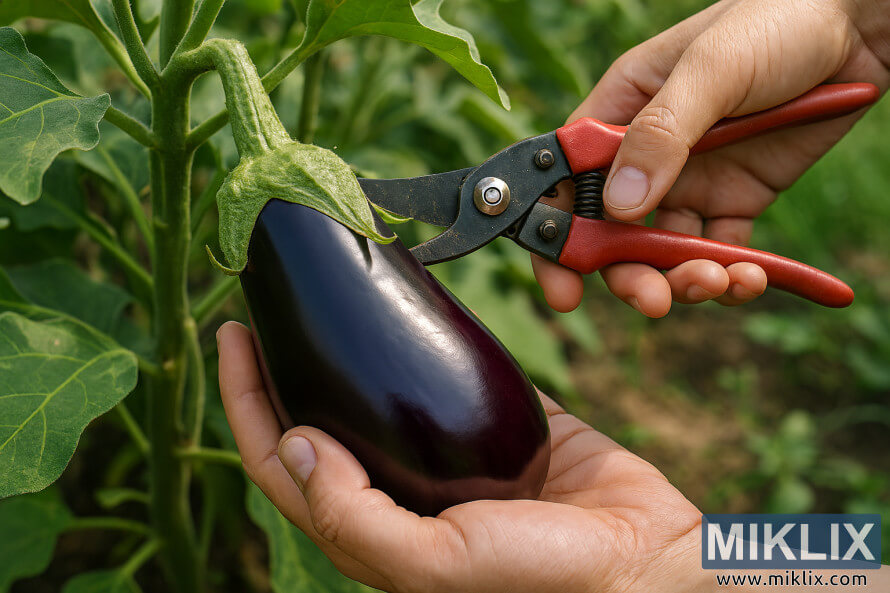
- Use sharp pruning shears or a knife to cut the stem
- Leave about 1 inch of stem attached to the fruit
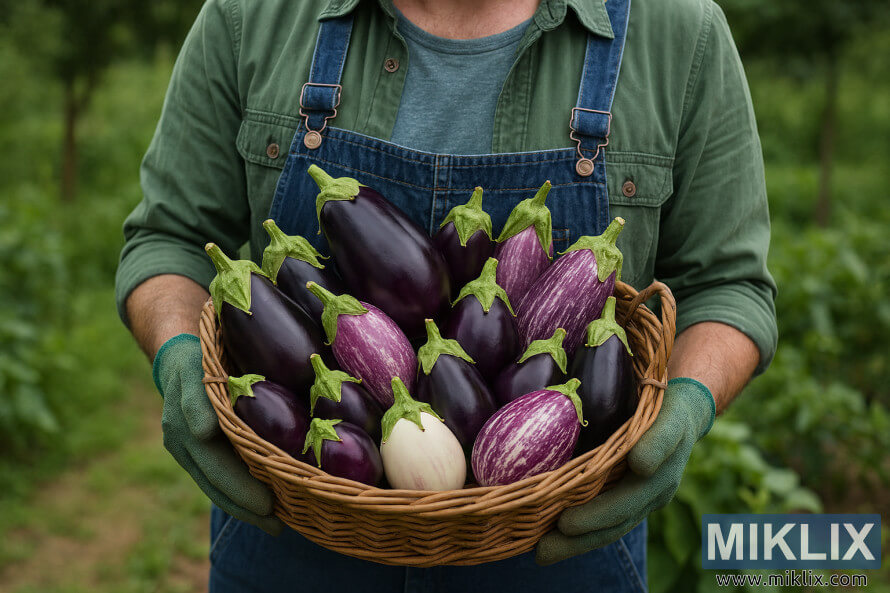
- Wear gloves as some varieties have prickly stems and calyxes
- Handle fruits gently to avoid bruising
- Harvest in the morning when temperatures are cooler
- Regular harvesting encourages continued production
Click or tap the image for more information and higher resolutions.
Storage Tips
Eggplants are best used fresh but can be stored for short periods with proper handling.
Short-Term Storage
- Store unwashed eggplants in a perforated plastic bag
- Keep in the refrigerator crisper drawer at 45-50°F
- Use within 5-7 days for best quality
- Avoid storing near ethylene-producing fruits like apples
Preservation Methods
- Freezing: Slice, blanch, cool, and freeze in airtight containers
- Roasting: Roast, puree, and freeze for later use in dips or sauces
- Drying: Slice thinly and dehydrate for eggplant chips
Click or tap the image for more information and higher resolutions.
Companion Planting for Eggplant
Strategic companion planting can improve your eggplant's growth, deter pests, and maximize garden space.
Beneficial Companions
- Herbs: Basil, thyme, oregano, and mint repel pests and may improve flavor
- Flowers: Marigolds, nasturtiums, and borage attract pollinators and beneficial insects
- Vegetables: Peppers, spinach, and beans make good neighbors
Plants to Avoid
- Fennel: Inhibits growth of many plants including eggplant
- Corn: Attracts pests that can damage eggplant
- Geraniums: May stunt eggplant growth
Click or tap the image for more information and higher resolutions.
Troubleshooting Common Issues
Why are my eggplant flowers dropping without forming fruit?
Flower drop is commonly caused by:
- Temperature extremes (below 55°F or above 95°F)
- Insufficient pollination
- Drought stress or inconsistent watering
- Excessive nitrogen fertilizer promoting leaf growth over fruit
Try hand-pollinating flowers, maintaining consistent watering, and providing afternoon shade during extreme heat.
Why are my eggplant leaves turning yellow?
Yellowing leaves can indicate several issues:
- Nutrient deficiency (especially nitrogen)
- Overwatering or poor drainage
- Pest infestation (check leaf undersides)
- Disease (verticillium or fusarium wilt)
- Natural aging of lower leaves
Examine the pattern of yellowing and check for other symptoms to determine the specific cause.
Why are my eggplants bitter?
Bitterness in eggplants can be caused by:
- Overmaturity - harvest when younger
- Heat or drought stress
- Variety (some are naturally more bitter)
- Inconsistent growing conditions
To reduce bitterness, harvest at peak ripeness, maintain consistent watering, and consider salting cut eggplant and letting it sit for 30 minutes before cooking.
Why are my eggplants small?
Undersized fruits may result from:
- Insufficient nutrients (especially phosphorus and potassium)
- Too many fruits on one plant (consider thinning)
- Insufficient sunlight
- Pest or disease stress
- Variety (some are naturally small)
Feed plants with a balanced fertilizer, ensure adequate sunlight, and remove some fruits to allow others to grow larger.
Conclusion
Growing your own eggplant provides both garden beauty and delicious harvests
Growing eggplant in your home garden offers both challenges and rewards. These beautiful plants add ornamental value with their purple star-shaped flowers and glossy fruits, while providing versatile vegetables for countless culinary creations. With proper planning, care, and attention to their warm-season needs, you can enjoy a bountiful harvest of homegrown eggplants that far surpass store-bought varieties in freshness and flavor.
Remember that eggplants thrive in warm conditions with consistent care. Start with healthy plants or seeds, provide full sun and fertile soil, maintain even moisture, and harvest at peak ripeness for the best results. Whether you're growing the classic Black Beauty, slender Japanese varieties, or compact container types, the satisfaction of picking your own homegrown eggplant makes the effort worthwhile.
So prepare your garden space, select your favorite varieties, and get ready to enjoy the rewards of growing these versatile vegetables. From grilling and roasting to stir-frying and baking, your homegrown eggplants will elevate your meals while providing the pride that comes from successful gardening.
Click or tap the image for more information and higher resolutions.
Further Reading
If you enjoyed this post, you may also like these suggestions:
- How to Grow Radishes: Your Complete Beginner's Guide to a Perfect Harvest
- A Guide to the Best Tomato Varieties to Grow Yourself
- A Guide to Growing Bok Choy in Your Own Garden