
A Guide to Growing Fennel in Your Own Garden
Published: February 2, 2026 at 8:26:11 PM UTC
Fennel is a versatile and rewarding plant that brings both culinary delight and garden beauty. With its feathery foliage, aromatic seeds, and for some varieties, a bulbous base, fennel offers multiple harvests from a single plant.
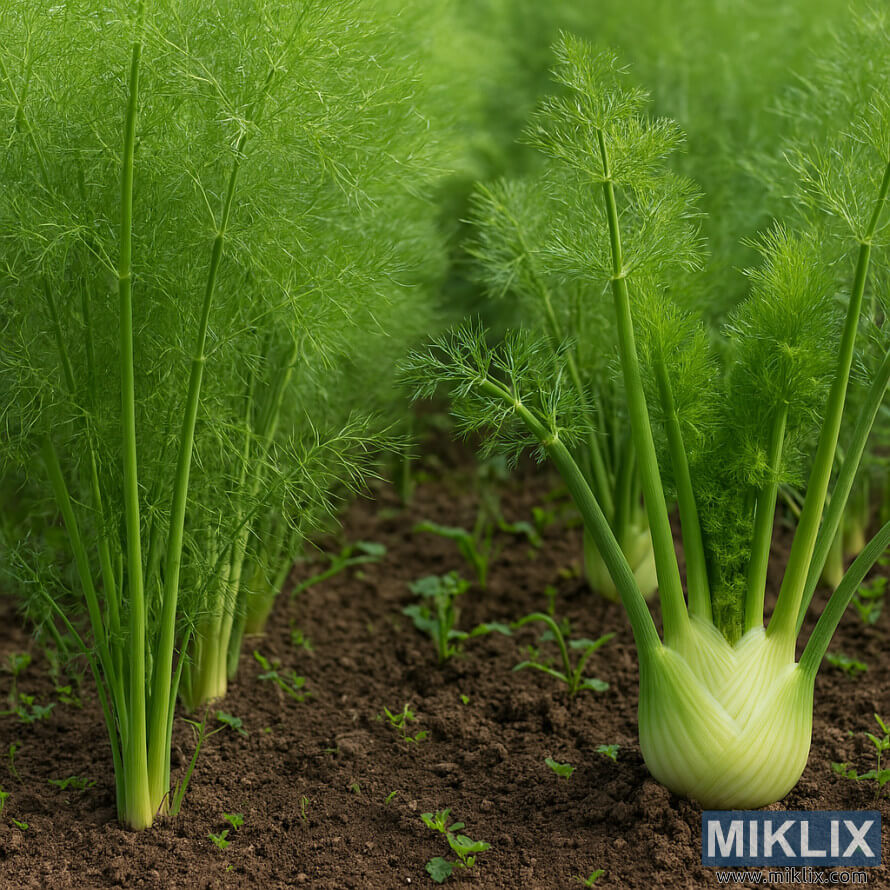
Click or tap the image for more information and higher resolutions.
Whether you're drawn to its licorice-like flavor for cooking or its ornamental qualities, growing fennel is a satisfying addition to any garden. This guide will walk you through everything you need to know to successfully grow, maintain, and harvest this Mediterranean herb in your own garden space.
Choosing the Right Type of Fennel
Before you start growing fennel, it's important to understand that there are two main types, each grown for different purposes:
Herb Fennel (Foeniculum vulgare)
Also known as common or wild fennel, this variety grows tall (up to 6 feet) with feathery foliage. It's primarily grown for its aromatic fronds and flavorful seeds. Herb fennel is a perennial in zones 4-9 and can become quite large over time.
Best for: Harvesting seeds and fronds for culinary use, attracting beneficial insects, and adding vertical interest to gardens.
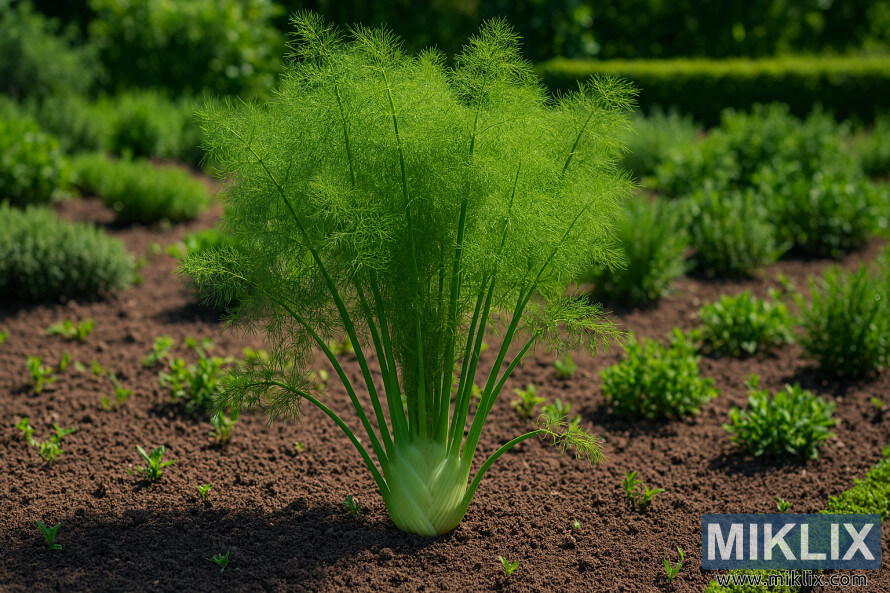
Click or tap the image for more information and higher resolutions.
Florence Fennel (Foeniculum vulgare var. azoricum)
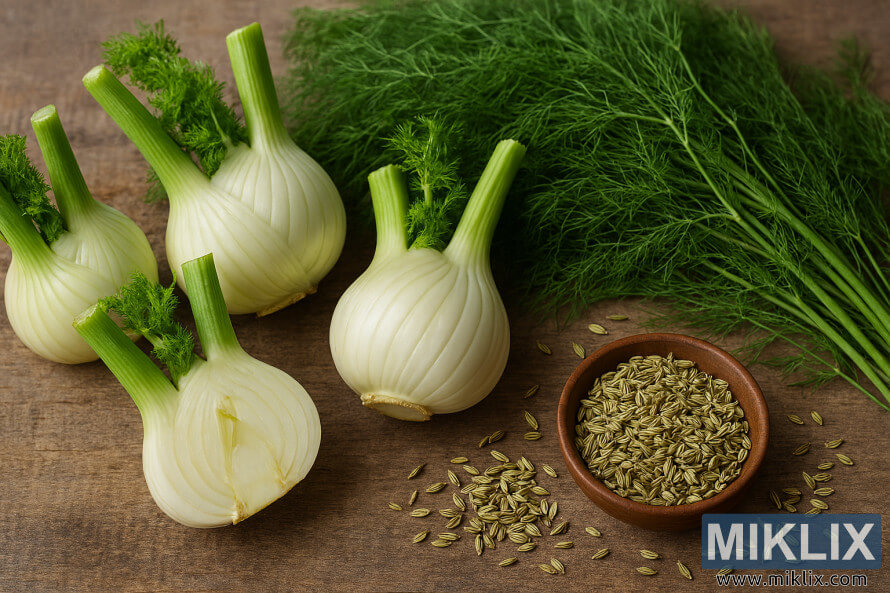
Also called bulb fennel, this variety develops a bulbous, swollen base that's used as a vegetable. It's shorter than herb fennel and is typically grown as an annual. The bulb has a crisp texture and sweet anise flavor.
Best for: Harvesting the bulb for culinary uses like roasting, grilling, or eating raw in salads.
Gardener's Tip: If you're new to growing fennel, consider your culinary preferences. If you enjoy cooking with fennel seeds or fronds, choose herb fennel. If you prefer the crisp vegetable bulb, select Florence fennel.
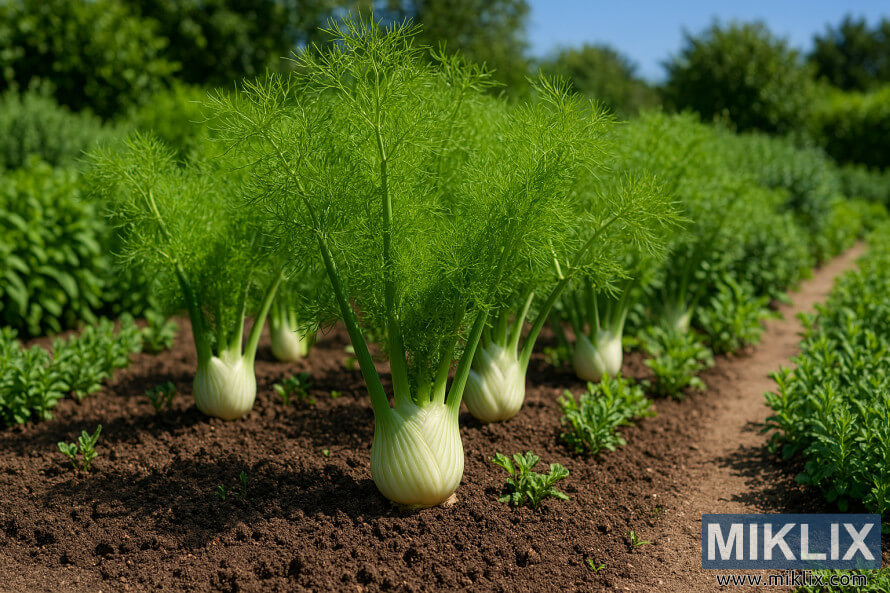
Click or tap the image for more information and higher resolutions.
Fennel Planting Requirements
Climate and Timing
Fennel thrives in moderate temperatures and prefers cooler weather for optimal growth. As a Mediterranean native, it's drought tolerant once established but performs best with consistent moisture during its growing phase.
| Planting Season | Temperature Range | Notes |
| Early Spring | 50-75°F (10-24°C) | Plant after last frost for summer harvest |
| Late Summer | 60-75°F (15-24°C) | Plant 10-12 weeks before first fall frost |
Sunlight Requirements
Fennel requires full sun to thrive, needing at least 6-8 hours of direct sunlight daily. In very hot climates, it can benefit from light afternoon shade, but insufficient sunlight will result in leggy plants with reduced flavor.
Soil Conditions
The ideal soil for growing fennel is:
- Well-draining to prevent root rot
- Fertile with moderate organic matter
- Neutral to slightly acidic pH (6.0-7.0)
- Loose and not compacted, allowing the roots to develop properly
Companion Planting Warning: Fennel is allelopathic, meaning it releases compounds that can inhibit the growth of certain other plants. Avoid planting fennel near beans, tomatoes, or other members of the nightshade family. It also shouldn't be planted near dill as they can cross-pollinate.
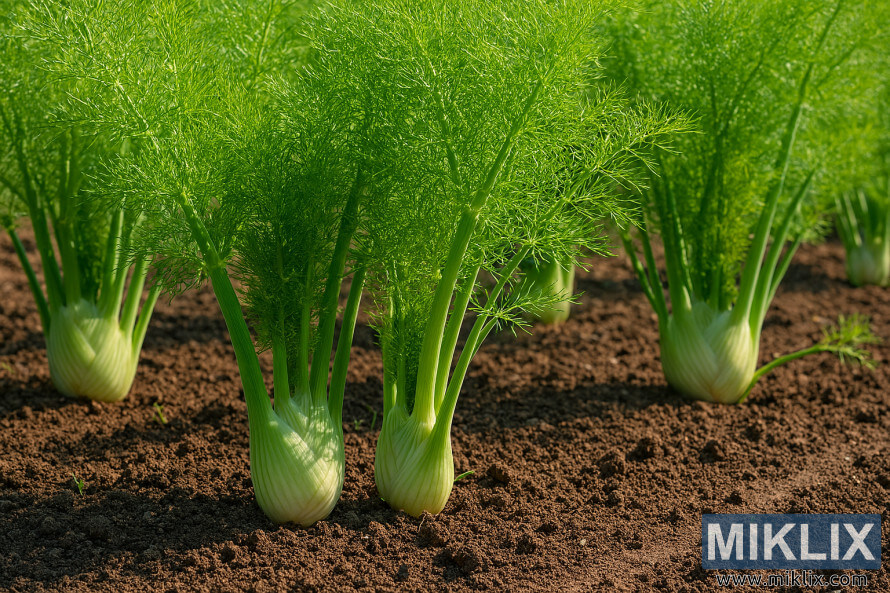
Click or tap the image for more information and higher resolutions.
Step-by-Step Fennel Planting Guide
Direct Sowing vs. Starting Indoors
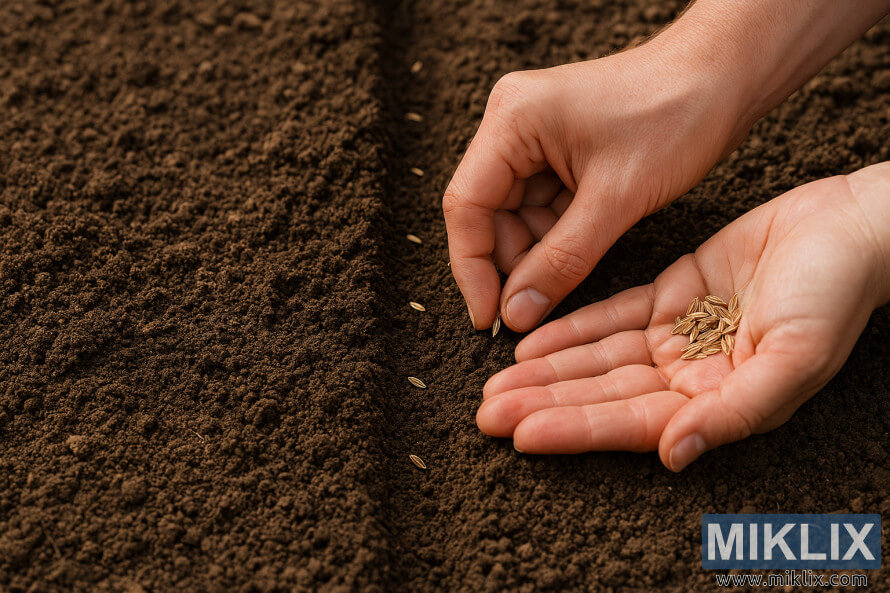
Fennel can be grown either by direct sowing or by starting seeds indoors. Each method has its advantages:
Direct Sowing
- Best for herb fennel and in warmer climates
- Avoids transplant shock (fennel has a taproot that doesn't like disturbance)
- Sow seeds 1/4 inch deep
- Space seeds 4-6 inches apart, then thin to 12-18 inches
- Germination typically occurs in 7-14 days
Starting Indoors
- Gives plants a head start in cooler climates
- Start seeds 4-6 weeks before last frost
- Use biodegradable pots to minimize root disturbance
- Transplant when seedlings are 3-4 inches tall
- Harden off seedlings before planting outside
Click or tap the image for more information and higher resolutions.
Planting Timeline
From planting to harvest, here's what to expect when growing fennel:
| Stage | Timeline | What to Expect |
| Germination | 7-14 days | Tiny seedlings with thread-like leaves |
| Early Growth | 2-4 weeks | Feathery foliage developing |
| Bulb Formation (Florence fennel) | 10-12 weeks | Base begins to swell and form bulb |
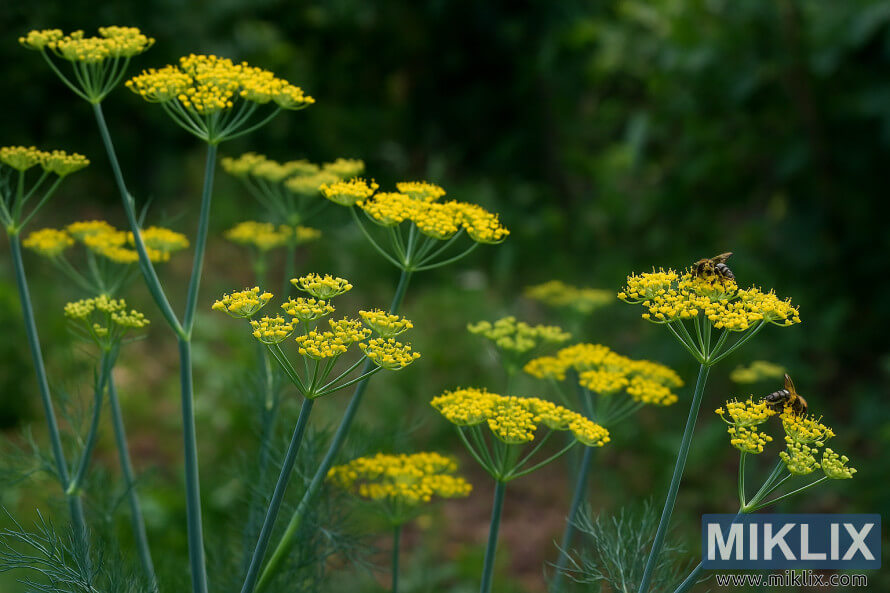
| Flowering (Herb fennel) | 12-16 weeks | Yellow flower umbels appear |
| Seed Production | 16-20 weeks | Seeds form and ripen after flowering |
Fennel Care and Maintenance
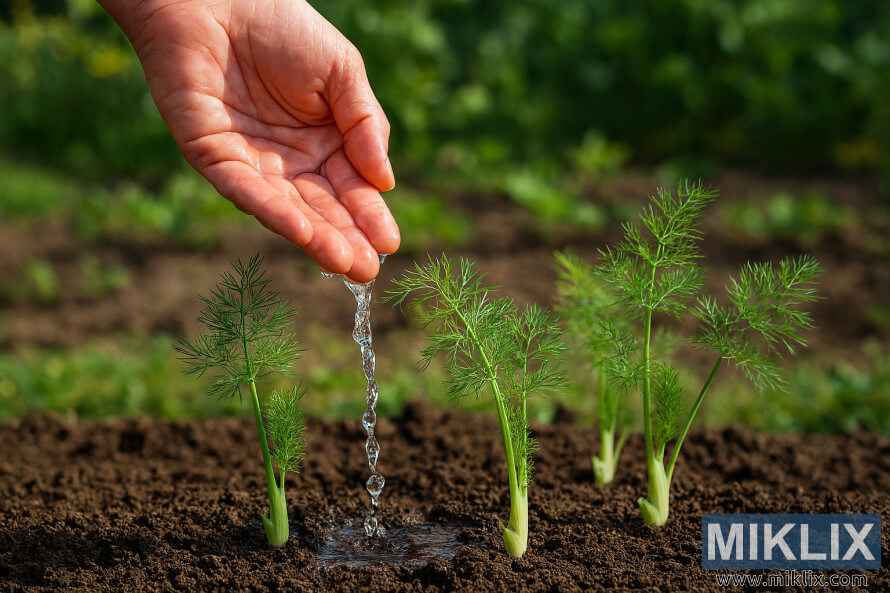
Watering Requirements
Proper watering is crucial for healthy fennel growth, especially for Florence fennel which needs consistent moisture to develop tender bulbs.
- Water regularly to maintain even soil moisture, especially during dry periods
- Provide approximately 1 inch of water per week
- Water at the base of plants to keep foliage dry and prevent disease
- Reduce watering once plants are established and showing vigorous growth
- For Florence fennel, consistent moisture is essential during bulb formation
Click or tap the image for more information and higher resolutions.
Fertilizing Fennel
Fennel doesn't require heavy feeding, but some fertilization helps promote healthy growth:
- Before planting, incorporate compost or aged manure into the soil
- Apply a balanced organic fertilizer (like 5-5-5) at planting time
- For Florence fennel, side-dress with compost when bulbs begin to form
- Avoid high-nitrogen fertilizers which can reduce flavor development
Thinning and Spacing
Proper spacing is important for fennel development, especially for Florence fennel which needs room for bulb formation:
- Thin seedlings when they reach 3-4 inches tall
- Space herb fennel plants 18-24 inches apart
- Space Florence fennel 10-12 inches apart
- Use thinned seedlings in salads or as garnish
Click or tap the image for more information and higher resolutions.
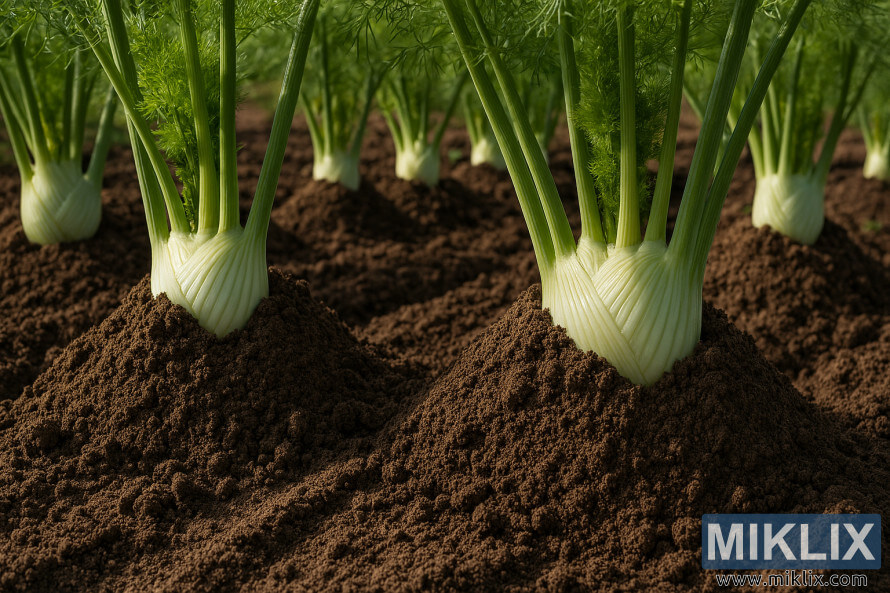
Hilling Florence Fennel
For Florence fennel, hilling (mounding soil) around the developing bulb is an important technique:
- Begin hilling when the bulb is about the size of an egg
- Gently mound soil around the bulb, leaving the leafy fronds exposed
- This process, called blanching, helps produce sweeter, more tender bulbs
- Continue adding soil as the bulb grows larger
Managing Pests and Diseases
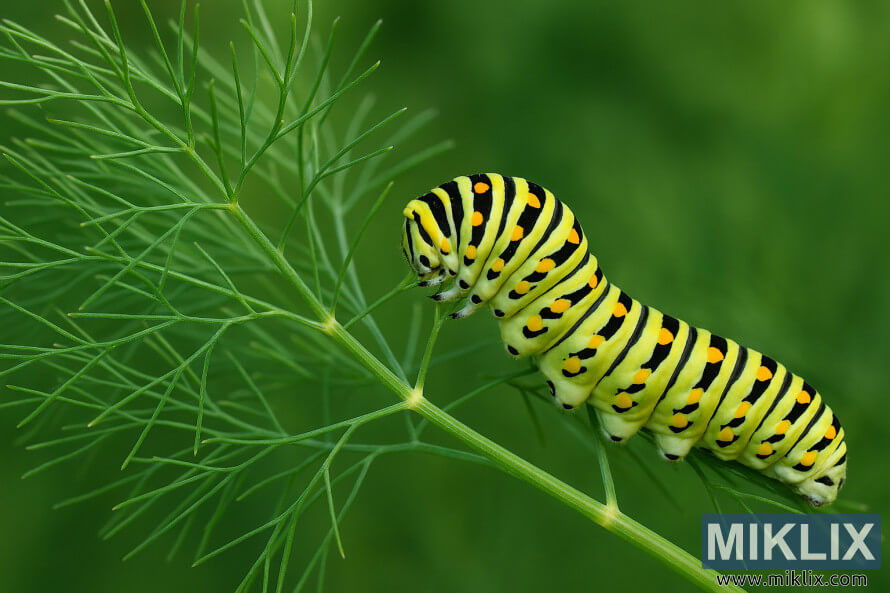
Black swallowtail caterpillars often feed on fennel but are beneficial pollinators in their adult stage
While fennel is relatively pest-resistant, there are a few common issues to watch for:
Common Pests
- Aphids - Control with insecticidal soap or a strong water spray
- Slugs and snails - Use beer traps or diatomaceous earth barriers
- Swallowtail caterpillars - Consider sharing your plants with these beneficial insects
Disease Prevention
- Root rot - Ensure proper drainage and avoid overwatering
- Powdery mildew - Provide good air circulation and avoid overhead watering
- Damping off - Use sterile soil for seedlings and avoid overcrowding
Beneficial Visitors: Fennel flowers attract many beneficial insects including bees, wasps, and hoverflies that help control garden pests. The plant is also a host for black swallowtail butterfly larvae, which many gardeners welcome despite some leaf damage.
Click or tap the image for more information and higher resolutions.
Harvesting Your Fennel
One of the joys of growing fennel is that different parts can be harvested at different times, providing multiple yields from a single plant.
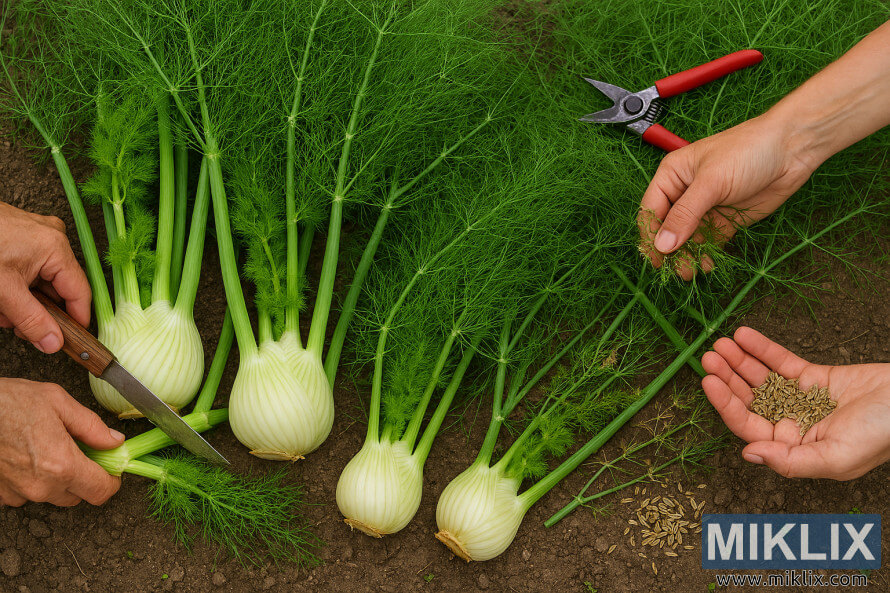
Harvesting Fennel Fronds
The feathery leaves of both herb and Florence fennel can be harvested throughout the growing season:
- Begin harvesting when plants are at least 6 inches tall
- Cut outer leaves first, allowing inner growth to continue
- Harvest no more than one-third of the plant at once
- Snip leaves close to the stem using scissors or garden shears
- Fresh fronds have the best flavor but can be dried or frozen
Click or tap the image for more information and higher resolutions.
Harvesting Florence Fennel Bulbs
Florence fennel bulbs are ready to harvest when they reach the size of a tennis ball:
- Harvest when bulbs are 3-4 inches in diameter, typically 12-14 weeks after planting
- Cut the entire plant at ground level using a sharp knife
- For a continuous harvest, plant successive crops every 2-3 weeks
- Harvest before hot weather causes plants to bolt (flower)
- Trim fronds, leaving about 1 inch attached to the bulb for storage
Harvesting Fennel Seeds
Herb fennel produces aromatic seeds that can be harvested in late summer:
- Allow flower heads to form and seeds to develop
- Seeds are ready when they turn brown but before they fall from the plant
- Cut entire seed heads and place in a paper bag to catch falling seeds
- Hang upside down in a warm, dry place until completely dry
- Rub dried heads between your hands to release remaining seeds
Click or tap the image for more information and higher resolutions.
Storing and Using Your Fennel Harvest
Storing Fresh Fennel
Proper storage helps maintain the flavor and texture of your fennel harvest:
| Plant Part | Storage Method | Expected Shelf Life |
| Bulbs | Refrigerate in plastic bag with slight moisture | 7-10 days |
| Fronds | Refrigerate in damp paper towel in plastic bag | 3-5 days |
| Seeds | Store in airtight container in cool, dark place | 1-2 years |
Preserving Fennel
To enjoy your fennel harvest year-round, try these preservation methods:
- Freezing fronds - Chop and freeze in ice cube trays with water or oil
- Drying fronds - Air dry or use a dehydrator, then store in airtight containers
- Pickling bulbs - Slice thinly and preserve in vinegar brine
- Drying seeds - Air dry completely before storing in airtight containers
Culinary Uses for Fennel
Each part of the fennel plant offers unique flavors and culinary applications:
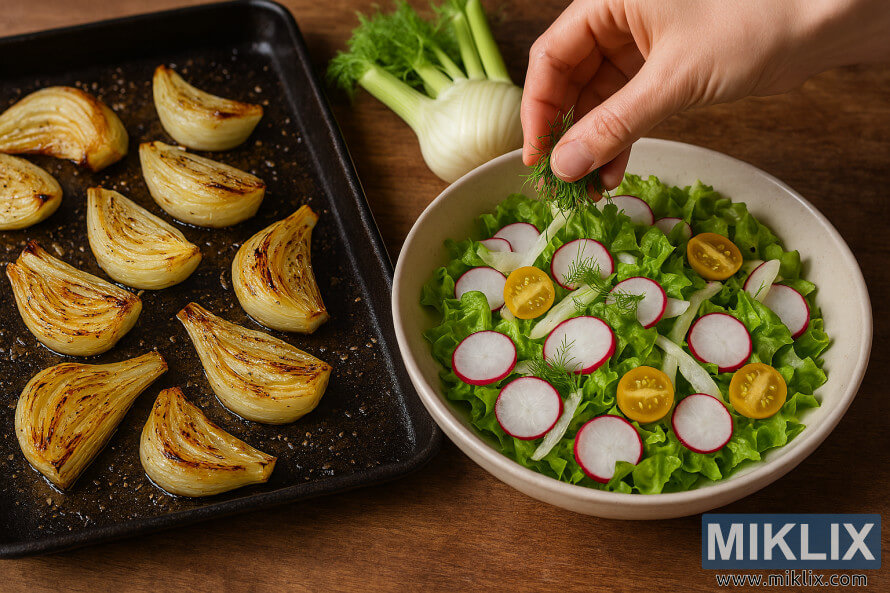
Fennel Bulbs
- Slice thinly for fresh salads
- Roast with olive oil and herbs
- Braise with stock for a side dish
- Add to soups and stews
- Grill for a smoky flavor
Fennel Fronds
- Use as fresh herb garnish
- Add to salad dressings
- Mix into herb butter
- Use in marinades for fish
- Add to homemade teas
Fennel Seeds
- Use in bread and pastries
- Add to spice blends
- Make fennel tea
- Season roasted meats
- Use in pickling brines
Click or tap the image for more information and higher resolutions.
Conclusion
Growing fennel in your garden offers multiple rewards – from the aromatic fronds and flavorful seeds of herb fennel to the crisp, anise-flavored bulbs of Florence fennel. This versatile plant not only provides delicious harvests for your kitchen but also adds ornamental value to your garden with its feathery foliage and attractive yellow flowers that attract beneficial insects.
While fennel does require some specific growing conditions – full sun, well-draining soil, and proper spacing – it's relatively low-maintenance once established. By following the guidelines in this article, you'll be well on your way to successfully growing this Mediterranean herb in your own garden space.
Whether you're a culinary enthusiast looking to expand your herb garden or a gardener seeking plants that offer both beauty and utility, fennel is an excellent choice that will continue to reward your efforts throughout the growing season and beyond.
Click or tap the image for more information and higher resolutions.
Further Reading
If you enjoyed this post, you may also like these suggestions:
- The Best Cherry Varieties to Grow in Your Garden
- Guide to Growing Perfect Pears: Top Varieties and Tips
- A Complete Guide to Growing Guavas at Home