
Image: Microscopic Chlorophyll Structures in Wheatgrass Cells
Published: June 16, 2026 at 2:07:13 PM UTC
Explore a detailed microscopic image of chlorophyll within wheatgrass cells, revealing vibrant green chloroplasts, translucent plant cell walls, and intricate botanical cellular patterns in high resolution.
Available versions of this image
The image files available for download below are less compressed and higher resolution - and as a result of that, higher quality - than the images embedded in articles and pages on this website, which are more optimized for file size in order to reduce bandwidth consumption.
Regular size (1,536 x 1,024)
Large size (3,072 x 2,048)
Very large size (4,608 x 3,072)
Extra large size (6,144 x 4,096)
Comically large size (1,048,576 x 699,051)
- Still uploading... ;-)
Image description
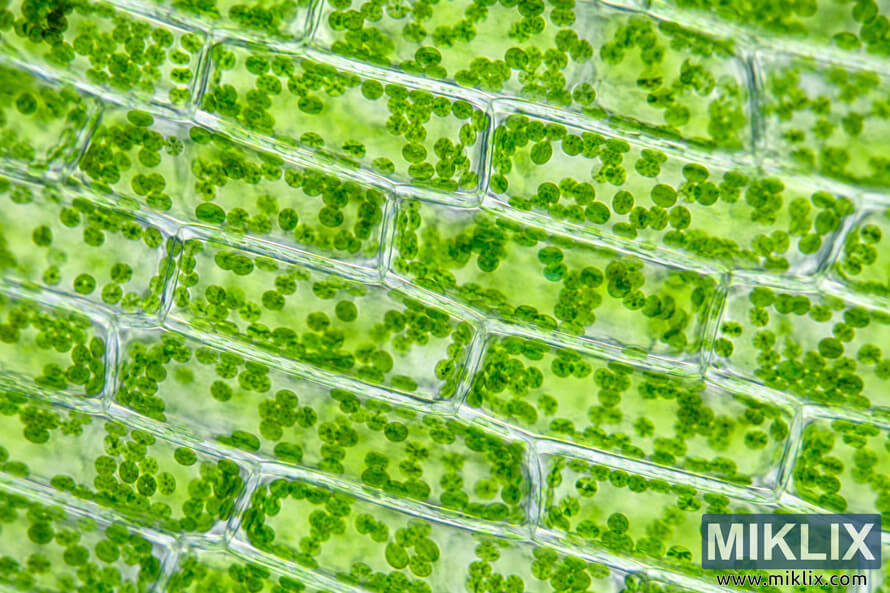
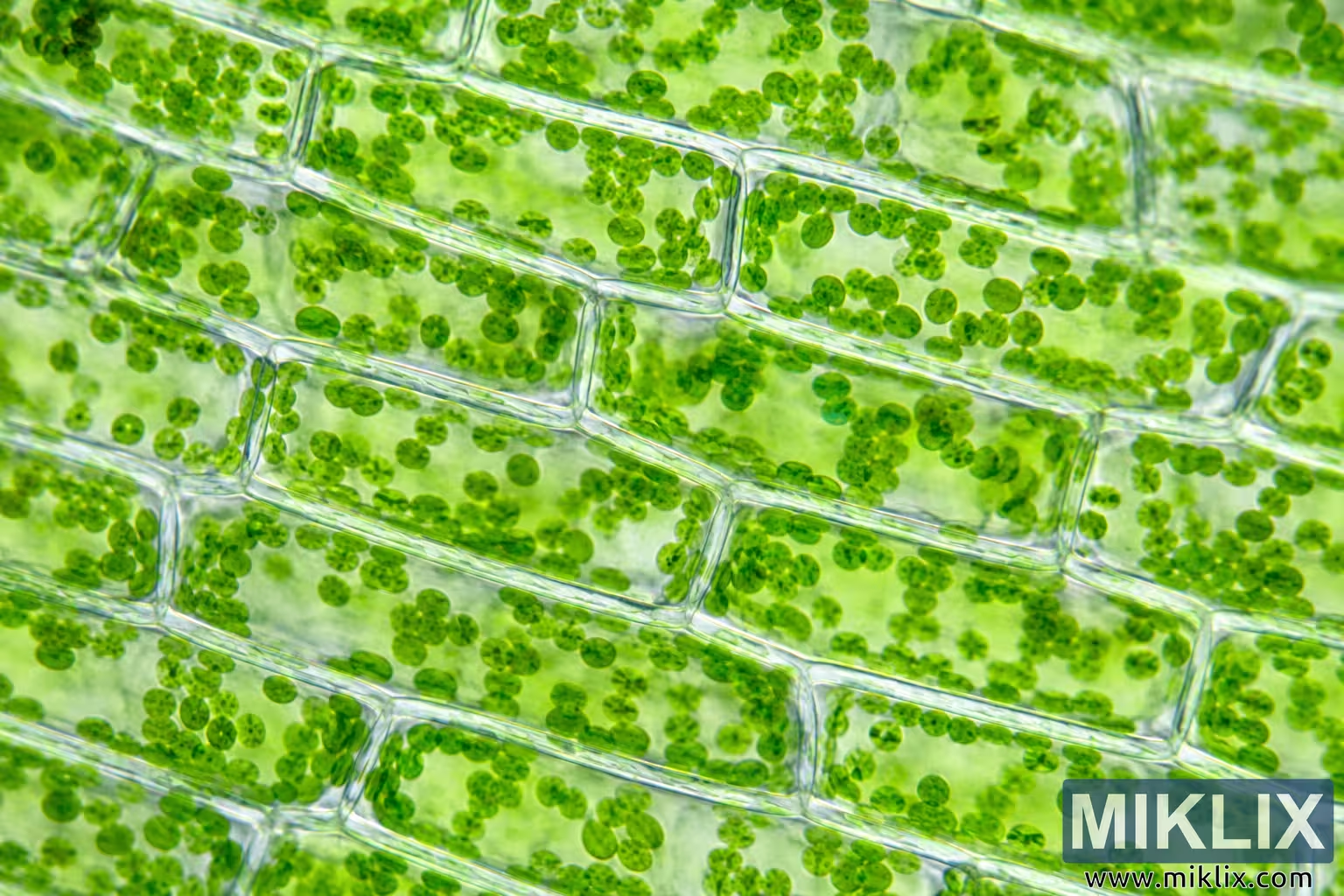
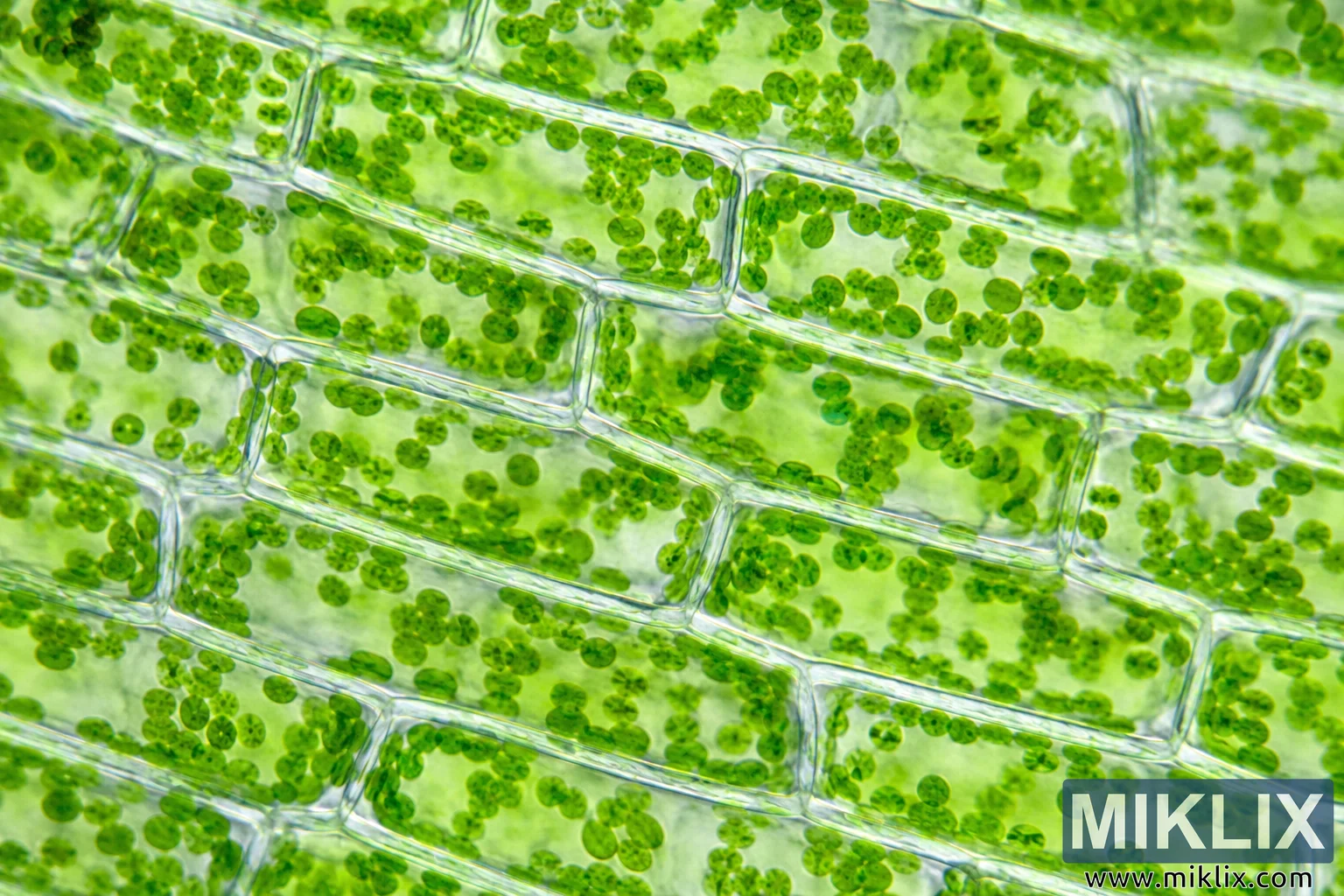
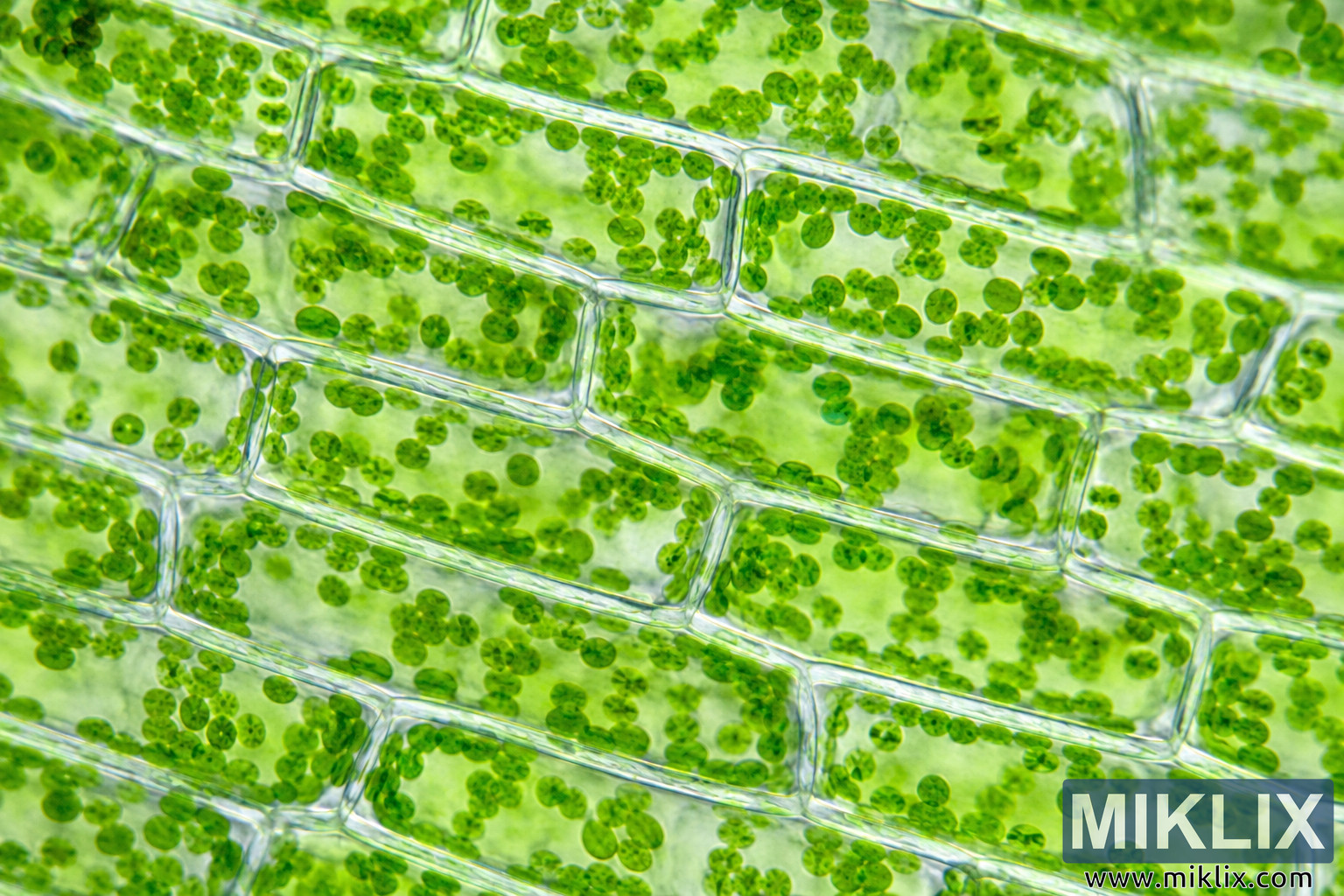
This high-resolution microscopic image presents an extraordinary close-up view of chlorophyll-rich wheatgrass cells observed under magnification, revealing the intricate and highly organized structure of plant tissue at the cellular level. The composition is dominated by elongated rectangular and polygonal plant cells arranged in overlapping diagonal layers that create a visually rhythmic and almost geometric pattern across the frame. Each cell is enclosed by delicate translucent cell walls rendered in pale bluish-gray tones, forming a lattice-like network that separates the internal cellular compartments while maintaining an overall soft organic appearance. The transparency of the walls allows the viewer to observe the dense concentration of chloroplasts suspended within the cells, emphasizing the biological complexity and natural elegance of the microscopic world.
The chloroplasts appear as vivid green circular and oval structures distributed throughout nearly every visible cell. Their coloration ranges from bright lime green to deeper emerald hues, suggesting varying densities of chlorophyll and differences in light absorption within the tissue. Some chloroplasts cluster together near the edges of the cells, while others are more evenly dispersed across the cytoplasmic interior, creating a richly textured appearance with countless speckled details. Under magnification, many chloroplasts display faint internal granulation and subtle tonal variations that enhance the realism and scientific authenticity of the image. The vibrant green pigments stand in striking contrast against the pale semi-transparent cellular background, immediately drawing the eye toward the biological activity associated with photosynthesis.
The lighting in the image is soft, diffuse, and naturalistic, resembling illumination from a laboratory microscope using transmitted light. This creates gentle highlights along the cell membranes and subtle gradients within the cytoplasm, giving the scene a luminous quality. Areas closer to the center of the image appear slightly sharper and more defined, while peripheral regions transition into softer focus, replicating the shallow depth-of-field commonly observed in high-magnification microscopy photography. This focus variation contributes to a realistic scientific aesthetic while simultaneously adding artistic depth and dimensionality.
The arrangement of the wheatgrass cells produces an almost architectural composition, where repeating linear forms intersect diagonally across the landscape-oriented frame. The repeating cellular geometry evokes both scientific precision and natural beauty, transforming microscopic plant anatomy into an abstract visual pattern. The chloroplasts appear suspended like countless tiny green beads within transparent chambers, reinforcing the sense of living biological systems functioning at a microscopic scale.
Fine details throughout the image highlight the structural integrity of the plant tissue. Thin cell boundaries intersect at irregular angles, while occasional thicker junctions indicate areas where multiple cell walls meet. The cytoplasm inside each compartment appears faintly cloudy and translucent, allowing light to pass through while softly diffusing the green coloration of the chloroplasts. The overall visual effect is simultaneously educational, organic, and aesthetically captivating.
The image successfully captures the essence of chlorophyll activity within wheatgrass tissue by focusing on the concentration and distribution of chloroplasts, the organelles responsible for photosynthesis. Their abundance suggests healthy, metabolically active plant cells rich in photosynthetic pigments. The intense green tones communicate vitality, growth, and biological energy, while the microscopic perspective invites viewers to appreciate the hidden complexity of plant life that remains invisible to the naked eye.
Overall, the image combines scientific realism with artistic composition, presenting a detailed botanical microscopy scene filled with vivid chlorophyll structures, translucent cellular architecture, and organic geometric repetition. The result is a visually immersive exploration of wheatgrass at the microscopic scale, showcasing both the beauty and functionality of plant cellular systems in remarkable detail.
The image is related to: A Guide to the Health Benefits of Wheatgrass