
Bok Choy Health Benefits: Transform Your Diet with This Nutritional Powerhouse
Objavljeno:
Zadnje ažuriranje: 12. srpnja 2026. u 20:34:34 UTC
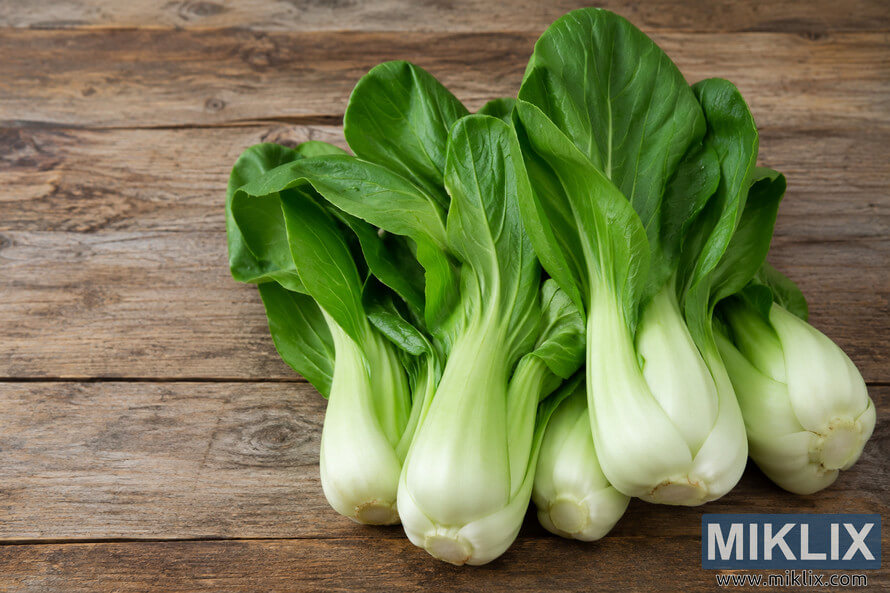
Bok choy stands as one of the most nutrient-dense vegetables you can add to your plate. This leafy green vegetable offers incredible health benefits that extend far beyond basic nutrition.
Bok Choy Health Benefits: Transform Your Diet with This Nutritional Powerhouse
Kliknite ili dodirnite sliku za više informacija i veće rezolucije.
From strengthening bones to supporting heart health, bok choy delivers powerful compounds that your body needs to thrive.
Many people walk past bok choy in grocery stores without realizing they're missing a vegetable that outperforms many common greens. The crisp white stems and dark green leaves pack vitamins, minerals, and antioxidants into every bite. Understanding what makes this Chinese cabbage so special can revolutionize your approach to healthy eating.
This comprehensive guide reveals everything you need to know about bok choy's nutritional profile and health benefits. You'll discover how this versatile vegetable compares to other greens and learn practical ways to incorporate it into your daily meals.
What Is Bok Choy and Why Should You Eat It?
Understanding Bok Choy Varieties
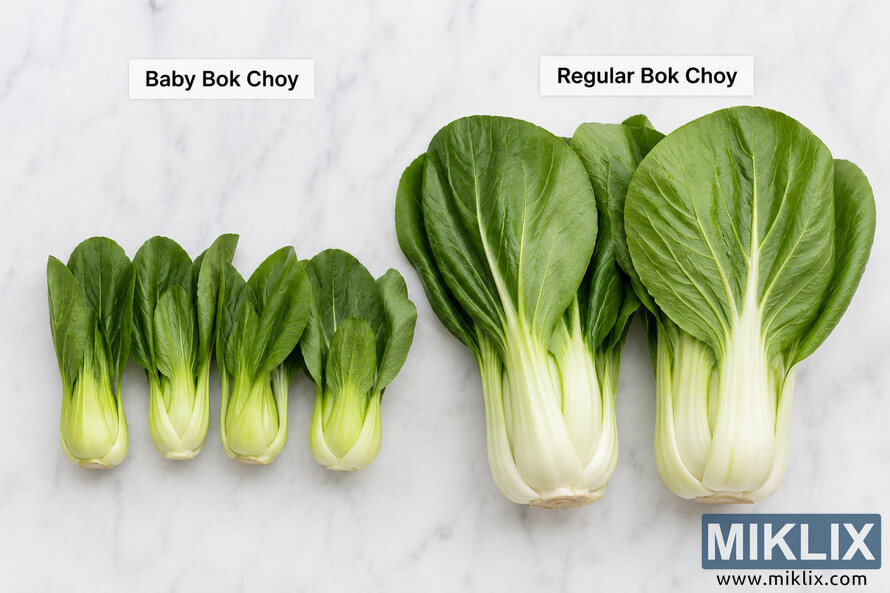
Bok choy belongs to the cruciferous vegetable family alongside broccoli, cabbage, and kale. This Chinese cooking staple comes in several varieties, with baby bok choy being particularly popular for its tender texture and mild flavor. The vegetable features thick white stalks topped with dark green leaves.
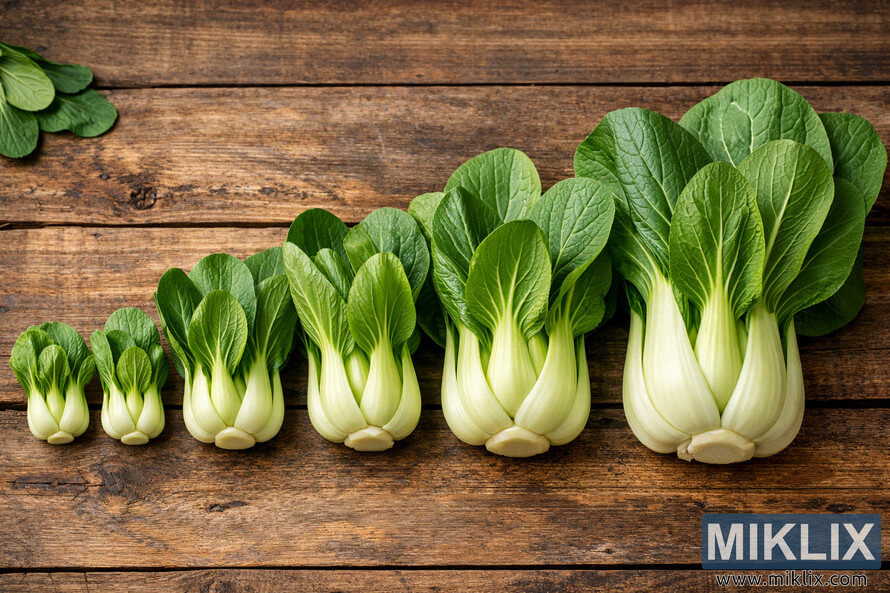
Regular bok choy grows larger than baby bok choy, reaching up to twelve inches in length. Baby bok varieties stay compact at four to six inches. Both types offer similar nutritional benefits, though baby bok choy tends to have a sweeter, more delicate taste that appeals to those new to this vegetable.
Kliknite ili dodirnite sliku za više informacija i veće rezolucije.
A Brief History of This Nutritional Star
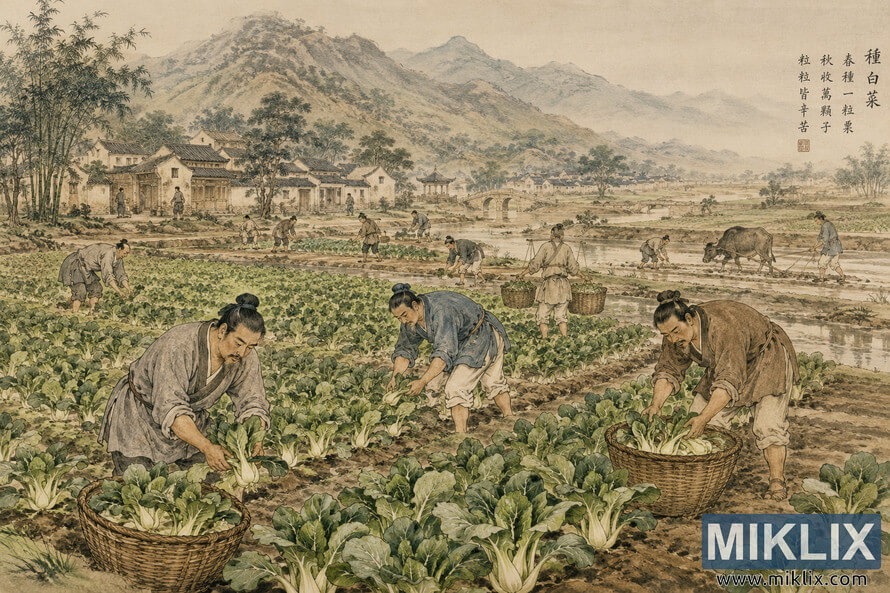
Bok choy has nourished Asian communities for more than five thousand years. Chinese farmers first cultivated this vegetable in the Yangtze River Delta region. The name translates to "white vegetable" in Cantonese, referring to the pale color of its stalks.
Today, bok choy grows in temperate regions worldwide. You can find fresh bok choy in most grocery stores year-round, though it peaks in flavor during cooler months. The vegetable's journey from ancient Chinese gardens to modern supermarkets reflects growing awareness of its exceptional nutritional value.
Kliknite ili dodirnite sliku za više informacija i veće rezolucije.
Bok Choy Nutritional Profile: A Deep Dive into Vitamins and Minerals
Essential Vitamins in Every Serving
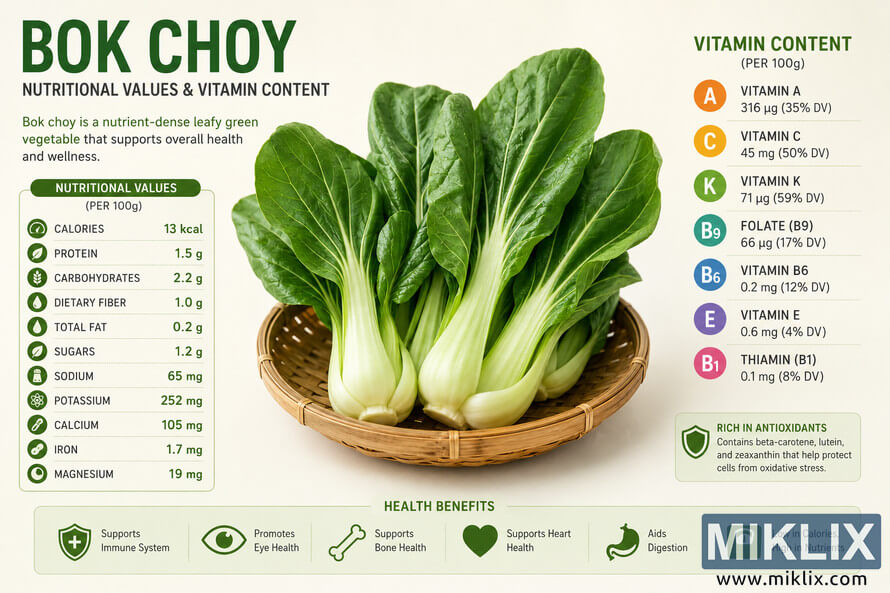
One cup of raw bok choy contains just nine calories yet delivers an impressive array of vitamins. Vitamin K leads the pack with over 27 micrograms per serving, providing more than 30% of your daily needs. This vitamin plays a crucial role in blood clotting and bone metabolism.
Vitamin A appears abundantly in bok choy through beta-carotene compounds. A single serving supplies roughly 20% of your daily vitamin A requirements. Your body converts beta-carotene into active vitamin A, supporting vision, immune function, and skin health.
Vitamin C content reaches approximately 32 milligrams per cup of raw bok choy. This powerful antioxidant strengthens your immune system and helps your body produce collagen. The vitamin C in this leafy green also enhances iron absorption from plant-based foods.
B-Vitamin Complex Benefits
Bok choy provides several B vitamins including folate, B6, and riboflavin. Folate supports cell division and DNA synthesis, making it especially important during pregnancy. These B vitamins work together to convert food into energy your body can use.
Fat-Soluble Vitamin Content
Beyond vitamins K and A, bok choy contains small amounts of vitamin E. This fat-soluble antioxidant protects cell membranes from oxidative damage. Pairing bok choy with healthy fats like sesame oil helps your body absorb these valuable nutrients.
Kliknite ili dodirnite sliku za više informacija i veće rezolucije.
Mineral Powerhouse
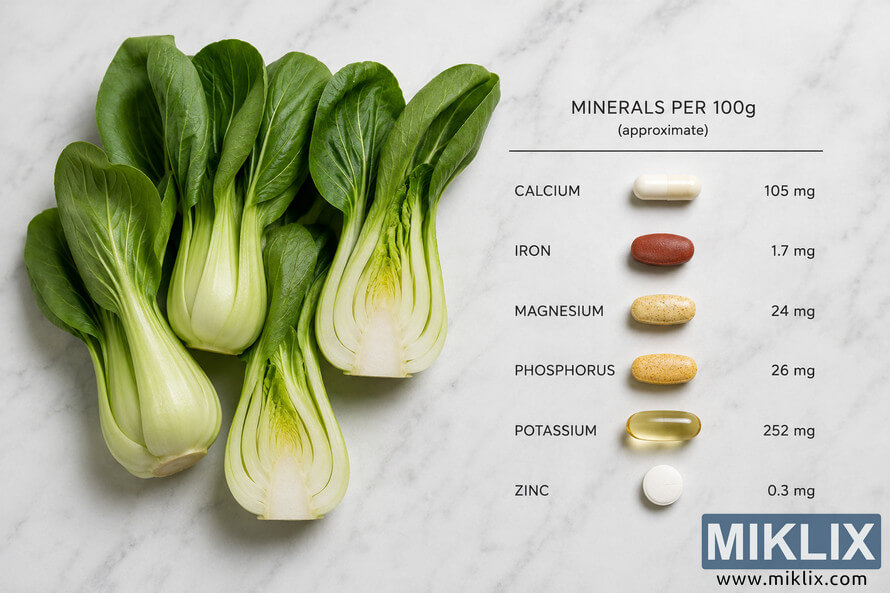
Calcium stands out as one of bok choy's most impressive minerals. One cup delivers approximately 74 milligrams of this bone-building nutrient. Plant-based calcium from bok choy offers a valuable option for those who avoid dairy products.
Potassium content reaches about 176 milligrams per cup, supporting healthy blood pressure levels. This mineral helps balance sodium in your body and maintains proper muscle function. The potassium in bok choy contributes to cardiovascular health.
| Nutrient | Amount per Cup (Raw) | Daily Value % | Primary Benefit |
| Vitamin K | 27 mcg | 32% | Bone health and blood clotting |
| Vitamin A | 156 mcg | 18% | Vision and immune function |
| Vitamin C | 32 mg | 36% | Antioxidant protection |
| Calcium | 74 mg | 6% | Bone strength |
| Potassium | 176 mg | 4% | Heart health |
| Iron | 0.6 mg | 3% | Oxygen transport |
| Folate | 46 mcg | 12% | Cell growth |
Kliknite ili dodirnite sliku za više informacija i veće rezolucije.
Trace Minerals and Micronutrients
Iron content in bok choy reaches approximately 0.6 milligrams per cup. While modest, this iron becomes more bioavailable when consumed with vitamin C-rich foods. The vitamin C naturally present in bok choy actually enhances iron absorption.
Manganese, zinc, and selenium appear in smaller quantities but still contribute to overall nutrition. These trace minerals support enzyme function, wound healing, and antioxidant systems. The variety of minerals makes bok choy a well-rounded addition to any diet.
Strengthening Your Bones: How Bok Choy Supports Skeletal Health
The Vitamin K Connection
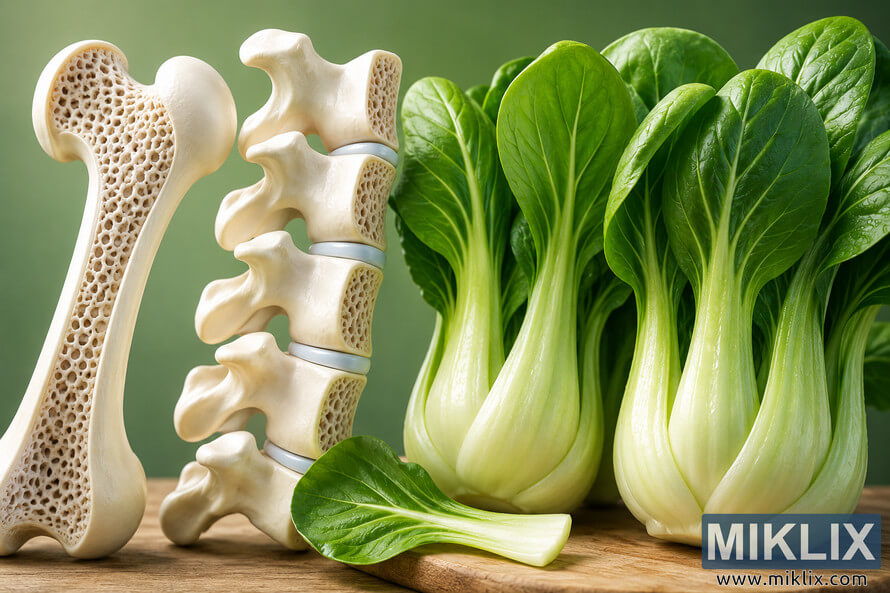
Vitamin K works as a crucial co-factor for proteins that bind calcium in your bones. Without adequate vitamin K, your body cannot properly utilize dietary calcium. Bok choy provides this essential vitamin in significant amounts with every serving.
Research shows that people who consume adequate vitamin K have higher bone density. The vitamin K in bok choy activates osteocalcin, a protein that anchors calcium molecules into bone matrix. This process strengthens bones and reduces fracture risk over time.
Each cup of cooked bok choy delivers even more concentrated vitamin K than raw preparations. Cooking reduces water content while preserving vitamins. Adding bok choy to stir-fries or steaming it as a side dish maximizes your vitamin K intake.
Kliknite ili dodirnite sliku za više informacija i veće rezolucije.
Calcium Beyond Dairy
Many people rely solely on dairy products for calcium, but bok choy offers a plant-based alternative. The calcium in this vegetable comes packaged with other bone-supporting nutrients like magnesium and vitamin K. This combination creates a synergistic effect for bone health.
Your body absorbs calcium from bok choy quite efficiently. The vegetable contains low levels of oxalates, compounds that can interfere with calcium absorption. This makes bok choy superior to spinach and some other greens for bioavailable calcium.
Kliknite ili dodirnite sliku za više informacija i veće rezolucije.
Building Bone Density
Regular consumption of calcium-rich foods like bok choy helps maintain bone density as you age. Women particularly benefit from plant-based calcium sources during and after menopause. The minerals in bok choy work continuously to reinforce your skeletal structure.
Preventing Osteoporosis
Osteoporosis affects millions of people worldwide, causing brittle bones and increased fracture risk. Adding bok choy to your diet provides preventive nutrition. The combination of vitamin K, calcium, and other minerals creates a foundation for long-term bone health.

Kliknite ili dodirnite sliku za više informacija i veće rezolucije.
Magnesium's Supporting Role
Magnesium in bok choy helps convert vitamin D into its active form. Active vitamin D then promotes calcium absorption in your intestines. This mineral also regulates parathyroid hormone, which controls calcium levels in your blood and bones.
About half of your body's magnesium resides in your bones. The magnesium from bok choy contributes to this skeletal reserve while supporting hundreds of enzymatic reactions. Getting adequate magnesium from vegetables ensures optimal bone mineralization.
Boosting Your Immune Function with Bok Choy's Protective Compounds
Vitamin C as Your Immune Shield
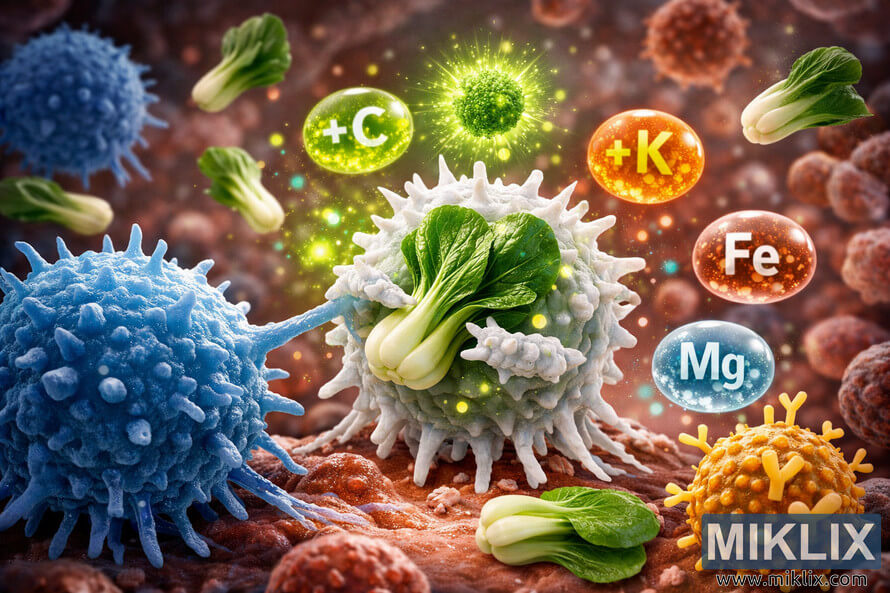
Vitamin C stimulates production and function of white blood cells that fight infection. The vitamin C content in bok choy supports your body's first line of defense against pathogens. This antioxidant also protects immune cells from damage during their attack on invaders.
Your body cannot store vitamin C for extended periods. Regular consumption of vitamin C-rich vegetables like bok choy ensures consistent immune support. Just one cup of raw bok choy provides more than one-third of your daily vitamin C needs.
Cooking bok choy for short periods preserves most of its vitamin C. Quick stir-frying or light steaming maintains nutrient levels while making the vegetable easier to digest. Adding a bit of soy sauce or ginger during cooking enhances both flavor and nutritional value.
Selenium and Immune Response
Selenium acts as a powerful antioxidant that supports immune cell function. This trace mineral helps your body produce cytokines, molecules that coordinate immune responses. Bok choy provides selenium alongside other nutrients that work together to strengthen immunity.
Adequate selenium intake helps prevent oxidative stress in immune tissues. The selenium in bok choy works with vitamin E to protect cell membranes. This protection allows immune cells to function optimally when defending against threats.
Immune-Boosting Tip: Pair bok choy with garlic in your cooking. Garlic contains allicin, a compound with antimicrobial properties. Combined with bok choy's vitamins and minerals, this creates a powerful immune-supporting dish. Try sautéing baby bok choy with minced garlic and a splash of sesame oil for maximum benefits.
Kliknite ili dodirnite sliku za više informacija i veće rezolucije.
Beta-Carotene for Immune Cells
Beta-carotene in bok choy converts to vitamin A, which maintains the integrity of your mucous membranes. These membranes line your respiratory and digestive tracts, forming barriers against pathogens. Healthy mucous membranes prevent many infections before they start.
Vitamin A also regulates immune cell development and function. It influences how your body responds to vaccines and infections. The dark green leaves of bok choy contain the highest concentrations of beta-carotene.

Kliknite ili dodirnite sliku za više informacija i veće rezolucije.
Protecting Your Vision: Bok Choy's Benefits for Eye Health
Vitamin A and Night Vision
Your eyes need vitamin A to produce rhodopsin, a protein that enables vision in low light. The vitamin A from bok choy supports this process naturally. People who don't get enough vitamin A may experience night blindness and other vision problems.
The beta-carotene in bok choy leaves provides provitamin A that your body converts as needed. This form of vitamin A offers advantages over preformed vitamin A from animal sources. Your body regulates conversion, preventing toxic buildup while ensuring adequate supply.

Kliknite ili dodirnite sliku za više informacija i veće rezolucije.
Lutein and Zeaxanthin Protection
Bok choy contains lutein and zeaxanthin, carotenoids that accumulate in your retina. These compounds filter harmful blue light and act as antioxidants in eye tissues. Regular consumption of foods rich in these carotenoids may reduce risk of age-related macular degeneration.
The macula, the central part of your retina responsible for sharp vision, benefits significantly from lutein and zeaxanthin. These nutrients protect delicate photoreceptor cells from oxidative damage. Eating bok choy several times per week supplies these protective compounds consistently.
Preventing Cataracts
Antioxidants in bok choy may help prevent cataract formation. Cataracts develop when proteins in your eye lens become damaged and cloudy. The vitamin C and other antioxidants in this vegetable protect lens proteins from oxidative stress that leads to cataracts.
Supporting Overall Eye Function
The combination of vitamins A, C, and E in bok choy creates comprehensive eye protection. These nutrients work together to maintain healthy corneas, reduce inflammation, and support optimal visual function. Including bok choy in your diet helps preserve vision as you age.
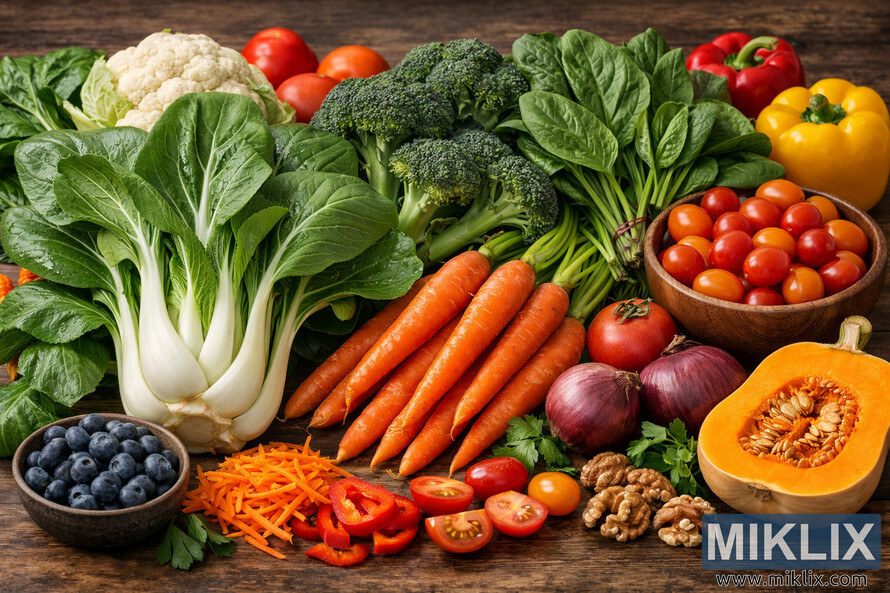
Kliknite ili dodirnite sliku za više informacija i veće rezolucije.
Supporting Cardiovascular Health: How Bok Choy Protects Your Heart
Potassium and Blood Pressure
Potassium helps your body maintain healthy blood pressure by balancing sodium effects. The potassium in bok choy supports blood vessel relaxation, allowing blood to flow more easily. This reduces strain on your cardiovascular system over time.
High blood pressure affects nearly half of American adults. Adding potassium-rich vegetables like bok choy to your diet offers a natural way to support healthy blood pressure levels. The water content in bok choy also promotes hydration, another factor in cardiovascular health.
Folate for Heart Protection
Folate helps your body process homocysteine, an amino acid that can damage blood vessels when levels get too high. The folate in bok choy supports homocysteine metabolism, potentially reducing cardiovascular disease risk. This B vitamin protects your heart through multiple mechanisms.
Adequate folate intake correlates with lower rates of heart disease in population studies. The folate from vegetables like bok choy comes with fiber and other beneficial compounds. This whole-food approach to folate intake offers advantages over isolated supplements.
Heart-Healthy Preparation: Cook bok choy with heart-protective ingredients like garlic, ginger, and a small amount of sesame oil. This combination provides anti-inflammatory compounds and healthy fats that support cardiovascular function. Limit added salt by using low-sodium soy sauce or seasoning with herbs instead.

Kliknite ili dodirnite sliku za više informacija i veće rezolucije.
Antioxidants and Arterial Health
Oxidative stress contributes to atherosclerosis, the buildup of plaque in arteries. Antioxidants in bok choy neutralize free radicals that damage arterial walls. Vitamin C, vitamin E, and various phytonutrients work together to protect your cardiovascular system.
The fiber in bok choy, though modest in amount, still contributes to heart health. Fiber helps reduce cholesterol absorption in your digestive tract. While bok choy shouldn't be your only fiber source, it adds to your total daily intake.
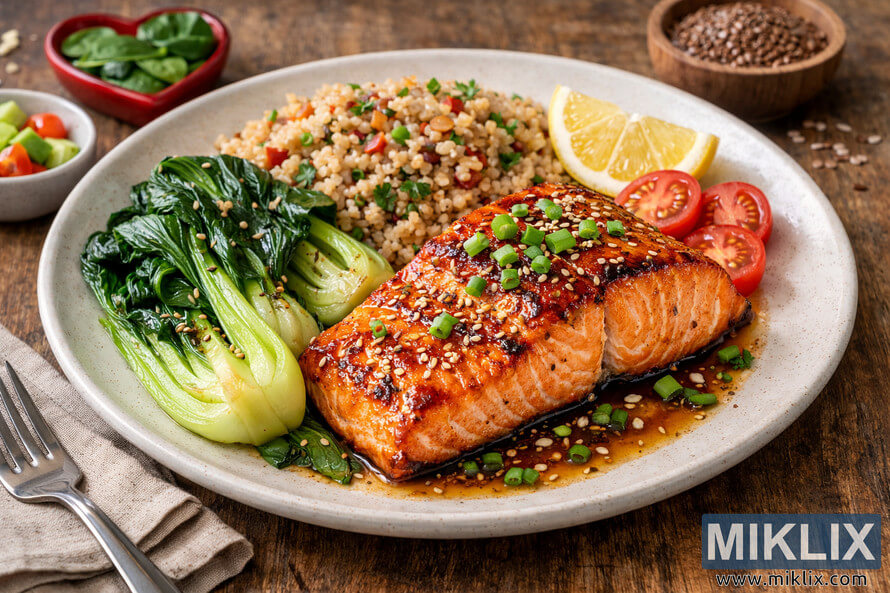
Kliknite ili dodirnite sliku za više informacija i veće rezolucije.
Reducing Inflammation
Chronic inflammation plays a role in heart disease development. Anti-inflammatory compounds in bok choy help modulate your body's inflammatory responses. Regular consumption of anti-inflammatory vegetables supports long-term cardiovascular health.
The omega-3 fatty acids in bok choy, though present in small amounts, still contribute to anti-inflammatory effects. These healthy fats work synergistically with antioxidants. Combining bok choy with other omega-3 sources like fish creates powerful heart protection.
Fighting Inflammation Naturally: Bok Choy's Powerful Anti-Inflammatory Effects
Cruciferous Compounds
As a cruciferous vegetable, bok choy contains glucosinolates that break down into anti-inflammatory compounds. These substances help regulate inflammatory pathways in your body. The specific glucosinolates in bok choy differ from those in broccoli or kale, offering unique benefits.
When you chop or chew bok choy, enzymes convert glucosinolates into isothiocyanates. These powerful compounds modulate inflammatory responses at the cellular level. Research suggests regular consumption of cruciferous vegetables reduces markers of chronic inflammation.

Kliknite ili dodirnite sliku za više informacija i veće rezolucije.
Omega-3 Fatty Acids
Bok choy contains alpha-linolenic acid (ALA), a plant-based omega-3 fatty acid. While amounts are modest, every bit contributes to your overall omega-3 intake. ALA helps balance the omega-6 to omega-3 ratio in your diet, supporting healthy inflammation levels.
Your body can convert some ALA into EPA and DHA, the active forms of omega-3s. This conversion rate varies among individuals, but consuming omega-3-rich plants like bok choy still provides benefits. Pairing bok choy with direct EPA and DHA sources like fish maximizes anti-inflammatory effects.
Joint Health Support
The anti-inflammatory properties of bok choy may benefit people with arthritis and joint pain. Reducing systemic inflammation helps protect cartilage and reduce joint swelling. Many people report improved mobility when they consistently eat anti-inflammatory vegetables.
Digestive System Benefits
Inflammation in the digestive tract responds positively to anti-inflammatory foods. The compounds in bok choy help soothe intestinal inflammation while providing fiber for gut health. This combination supports a healthy digestive environment.

Kliknite ili dodirnite sliku za više informacija i veće rezolucije.
Antioxidant Defense
The link between oxidative stress and inflammation runs deep. Antioxidants in bok choy interrupt this cycle by neutralizing free radicals before they trigger inflammatory responses. Vitamin C, vitamin E, and various polyphenols work as a coordinated antioxidant defense system.
Chronic inflammation contributes to numerous health conditions including diabetes, heart disease, and autoimmune disorders. While bok choy alone cannot prevent these diseases, it forms part of an anti-inflammatory eating pattern. Consistent consumption of vegetables like bok choy reduces overall inflammatory burden.
Optimizing Digestive Health: How Bok Choy Supports Your Gut
Fiber Content and Digestive Function
Bok choy provides both soluble and insoluble fiber that support digestive health. Insoluble fiber adds bulk to stool and promotes regular bowel movements. This prevents constipation and helps maintain a healthy digestive rhythm.
Soluble fiber in bok choy feeds beneficial gut bacteria. These microorganisms ferment fiber into short-chain fatty acids that nourish colon cells. A healthy gut microbiome influences everything from immunity to mental health.
The water content in bok choy works alongside fiber to support digestion. Proper hydration keeps digestive contents moving smoothly through your intestines. This combination of water and fiber makes bok choy particularly easy to digest.

Kliknite ili dodirnite sliku za više informacija i veće rezolucije.
Supporting Gut Microbiome
Beneficial bacteria in your gut thrive on the fiber and phytonutrients from vegetables. Bok choy provides compounds that promote growth of helpful bacterial species. A diverse, balanced microbiome supports immune function, nutrient absorption, and overall health.
The glucosinolates in bok choy may also influence gut bacteria composition. Research shows cruciferous vegetables help maintain healthy bacterial balance. Regular consumption of varied vegetables including bok choy creates an environment where beneficial bacteria flourish.
Digestive Tip: If you're new to eating bok choy, start with cooked preparations rather than raw. Cooking breaks down some of the fiber, making it easier for your digestive system to process. Gradually increase your intake as your gut adjusts to this nutritious vegetable.
Gentle on Sensitive Stomachs
Unlike some cruciferous vegetables that cause gas and bloating, bok choy tends to be well-tolerated. The mild flavor and tender texture make it accessible even for people with sensitive digestive systems. Cooking bok choy further improves digestibility.
The low FODMAP content in bok choy makes it suitable for people following elimination diets. Those with IBS often tolerate bok choy better than other cruciferous options. This versatility allows more people to enjoy its nutritional benefits.
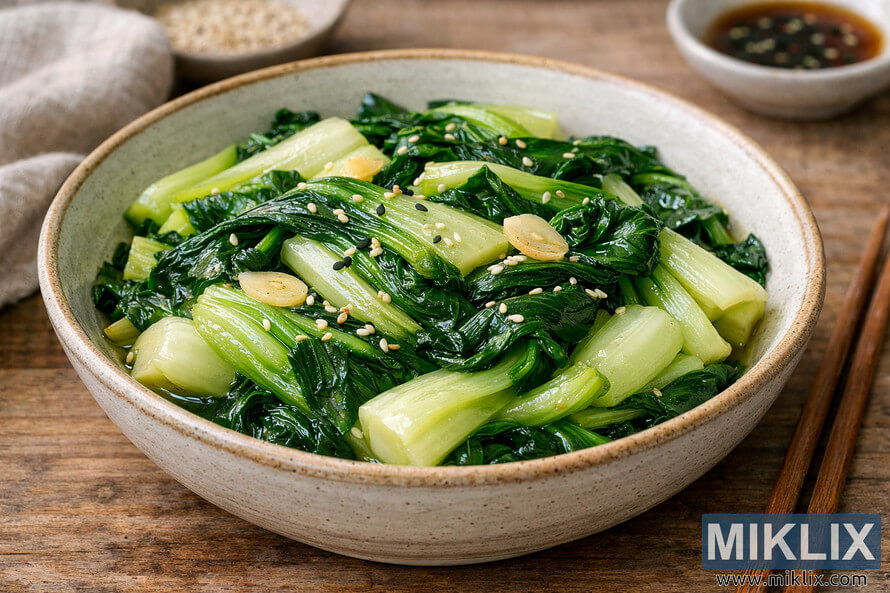
Kliknite ili dodirnite sliku za više informacija i veće rezolucije.
Bok Choy vs Other Leafy Greens: A Comprehensive Nutritional Comparison
Bok Choy Compared to Spinach
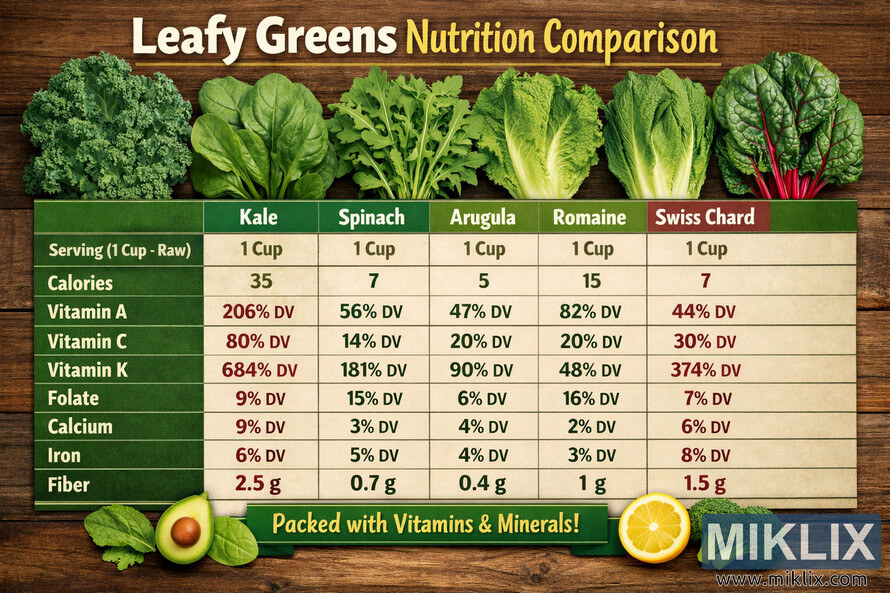
Spinach contains more iron than bok choy but also has higher oxalate levels. Oxalates can interfere with calcium absorption, making bok choy's calcium more bioavailable. Both vegetables offer excellent vitamin K and vitamin A content.
The texture difference between these greens affects their culinary uses. Spinach wilts quickly in cooking, while bok choy maintains some structure. The white stalks of bok choy add a pleasant crunch that spinach cannot match.
Bok Choy Versus Kale
Kale provides slightly more vitamin C and calcium per serving than bok choy. However, bok choy offers a milder flavor that appeals to more palates. Both vegetables belong to the brassica family and share many beneficial compounds.
The cooking time for kale often exceeds that needed for bok choy. Baby bok choy cooks in just minutes, making it convenient for quick meals. This efficiency can make bok choy more practical for busy households.
| Nutrient (per 100g) | Bok Choy | Spinach | Kale | Broccoli | Swiss Chard |
| Calories | 13 | 23 | 35 | 34 | 19 |
| Vitamin K (mcg) | 46 | 483 | 390 | 102 | 830 |
| Vitamin C (mg) | 45 | 28 | 93 | 89 | 30 |
| Calcium (mg) | 105 | 99 | 150 | 47 | 51 |
| Iron (mg) | 0.8 | 2.7 | 1.5 | 0.7 | 1.8 |
| Potassium (mg) | 252 | 558 | 491 | 316 | 379 |
| Folate (mcg) | 66 | 194 | 141 | 63 | 14 |
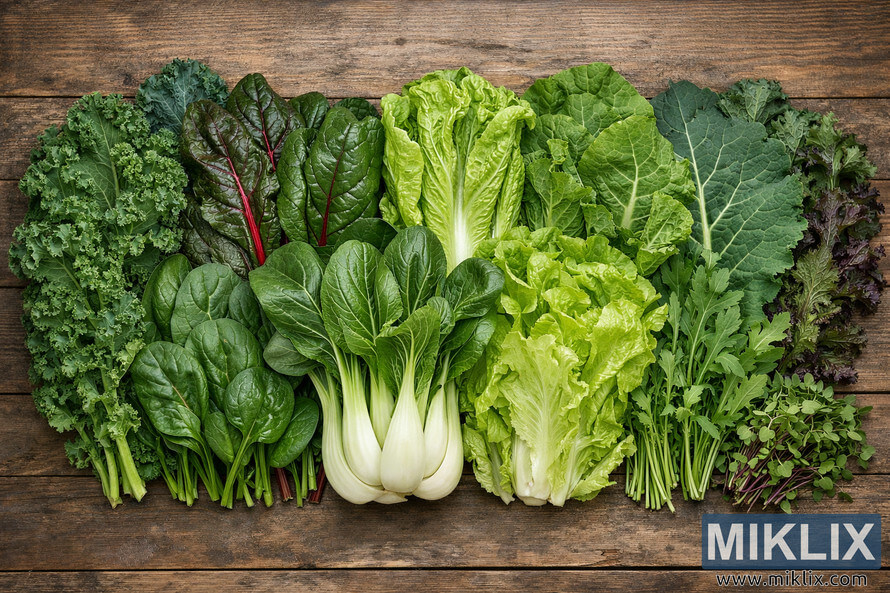
Kliknite ili dodirnite sliku za više informacija i veće rezolucije.
Advantages Over Common Lettuce
Nutritionally, bok choy surpasses iceberg and romaine lettuce significantly. The vitamin and mineral content in bok choy far exceeds that of common lettuce varieties. While lettuce provides hydration and crunch, bok choy delivers substantially more nutrients.
The versatility of bok choy in cooking gives it another advantage. You can enjoy bok choy raw in salads like lettuce, but it also excels in cooked dishes. This flexibility makes bok choy more valuable in a varied diet.
Kliknite ili dodirnite sliku za više informacija i veće rezolucije.
Unique Benefits of Bok Choy
The combination of nutrients in bok choy creates a unique profile. Few vegetables offer such high calcium bioavailability alongside vitamin K. This makes bok choy particularly valuable for bone health compared to other greens.
The mild, slightly sweet flavor of bok choy appeals to children and picky eaters who reject stronger-tasting greens. Getting family members to eat vegetables becomes easier when you include bok choy. This practical advantage shouldn't be underestimated.
Selecting and Storing Bok Choy: Maximize Freshness and Nutrition
What to Look for When Buying
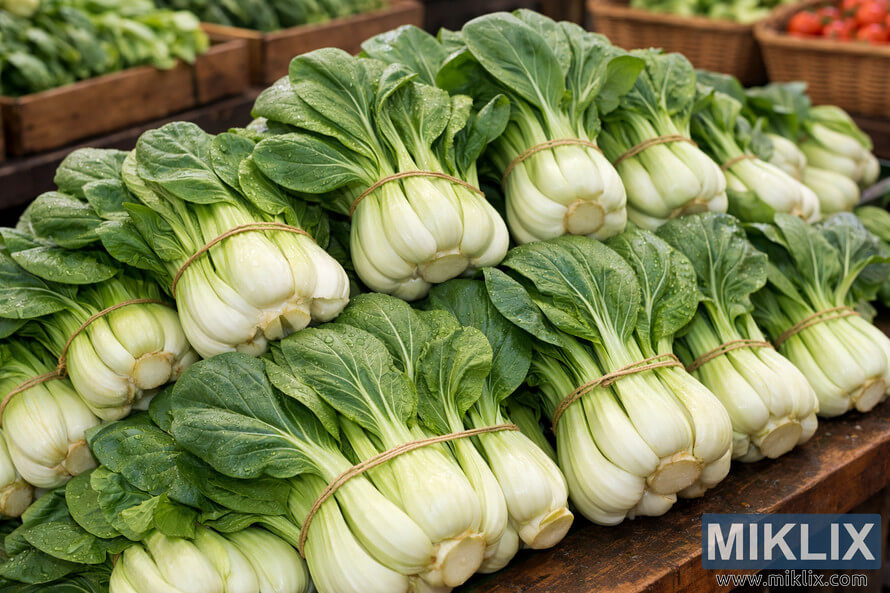
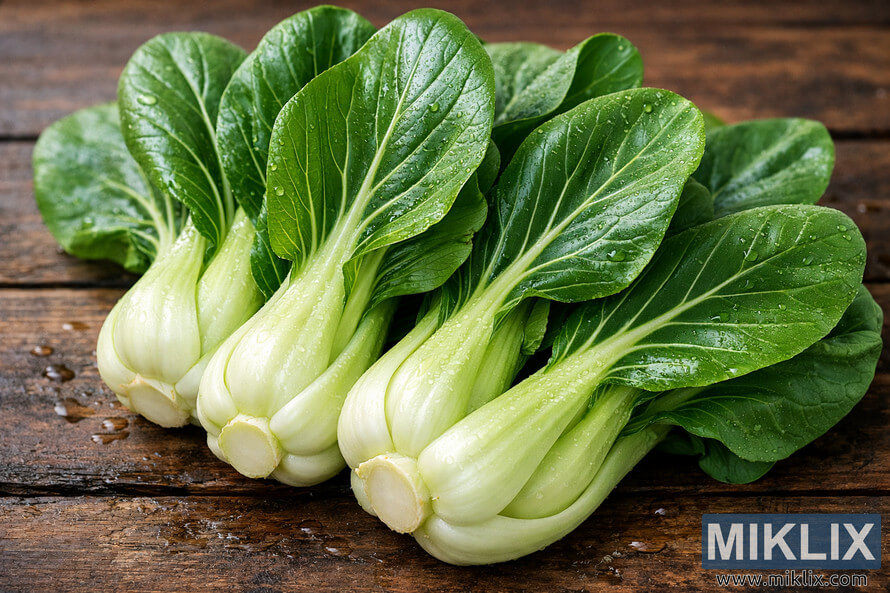
Choose bok choy with firm white stalks and vibrant green leaves. Avoid specimens with brown spots, yellowing leaves, or wilted appearance. Fresh bok choy should feel crisp and heavy for its size.
Baby bok choy and regular bok choy both appear in grocery stores year-round. Check the base of the stalks for signs of drying or splitting. Fresh cuts indicate recent harvesting and better quality.
Organic bok choy costs more but contains fewer pesticide residues. If budget allows, choose organic when possible. However, conventionally grown bok choy still provides excellent nutrition and can be thoroughly washed.
Kliknite ili dodirnite sliku za više informacija i veće rezolucije.
Seasonal Considerations
Bok choy grows best in cooler weather and peaks during fall and spring months. The flavor tends to be sweeter when grown in cool conditions. Summer bok choy sometimes tastes more bitter due to heat stress.
Kliknite ili dodirnite sliku za više informacija i veće rezolucije.
Size Selection
Baby bok choy works wonderfully for individual servings and quick cooking. Regular bok choy provides more volume for family meals. Both sizes offer similar nutritional benefits, so choose based on your recipe needs and serving size.
Kliknite ili dodirnite sliku za više informacija i veće rezolucije.
Proper Storage Methods
Store unwashed bok choy in a plastic bag in your refrigerator's crisper drawer. Moisture from washing can promote spoilage, so wait to rinse until ready to use. Properly stored bok choy stays fresh for three to four days.
Wrap bok choy loosely in paper towels before placing in a plastic bag. This absorbs excess moisture while maintaining appropriate humidity levels. Check stored bok choy daily and remove any leaves showing signs of decay.
You can freeze bok choy for longer storage, though texture changes occur. Blanch bok choy briefly in boiling water, then plunge into ice water before freezing. Use frozen bok choy in cooked dishes rather than raw preparations.
Storage Tip: Keep bok choy away from ethylene-producing fruits like apples and bananas. Ethylene gas accelerates spoilage of leafy greens. Store bok choy in a separate crisper drawer or section of your refrigerator for best results.
Preparation and Washing
Rinse bok choy thoroughly under cool running water before use. Dirt and grit often hide between the tightly packed leaves near the base. Separate leaves and rinse the base area carefully to remove all debris.
Cut about a quarter inch from the bottom of the stalks before cooking. This removes the portion that was attached to the root system. You can cook bok choy whole if small, or chop it into pieces for faster cooking.

Kliknite ili dodirnite sliku za više informacija i veće rezolucije.
Best Ways to Cook Bok Choy: Methods That Preserve Nutrients
Stir-Frying for Quick Meals
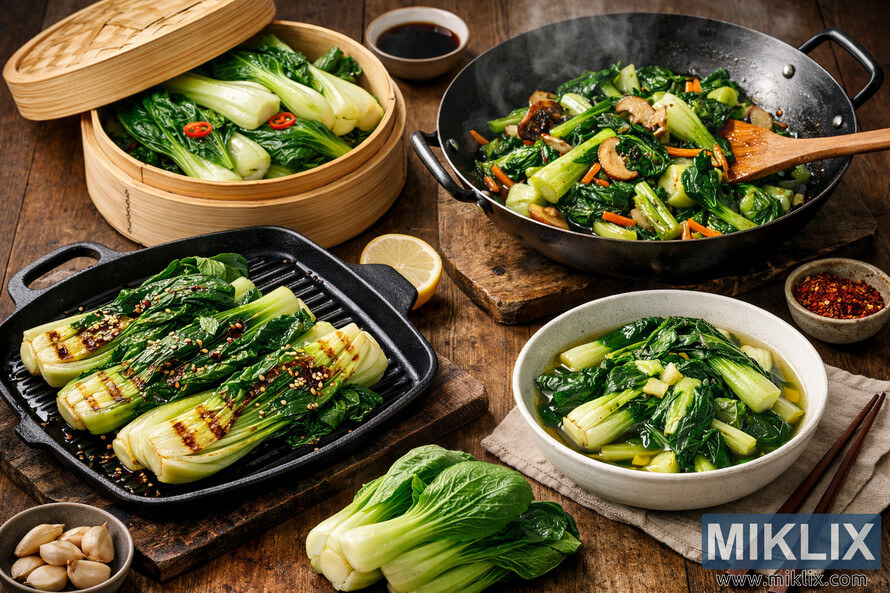
Stir-frying bok choy in a hot pan with a small amount of oil creates delicious results in minutes. Heat your pan until very hot, then add sesame oil or another cooking oil. Toss bok choy pieces quickly, cooking for just two to three minutes.
The high heat of stir-frying preserves nutrients better than long, slow cooking. Add garlic, ginger, or other aromatics for enhanced flavor. A splash of soy sauce near the end of cooking time adds savory depth.
Separate the white stalks from green leaves when stir-frying. Add stalks to the pan first since they take longer to cook. Add leaves thirty seconds later so everything finishes together with perfect texture.
Kliknite ili dodirnite sliku za više informacija i veće rezolucije.
Steaming Technique
Steaming bok choy preserves the most nutrients compared to other cooking methods. Place bok choy in a steamer basket over boiling water for three to five minutes. The vegetable should turn bright green and become tender-crisp.
Season steamed bok choy simply with salt, pepper, and a drizzle of sesame oil. This method allows the natural flavor to shine through. Steamed bok choy makes an excellent side dish for grilled proteins.
Grilling Option
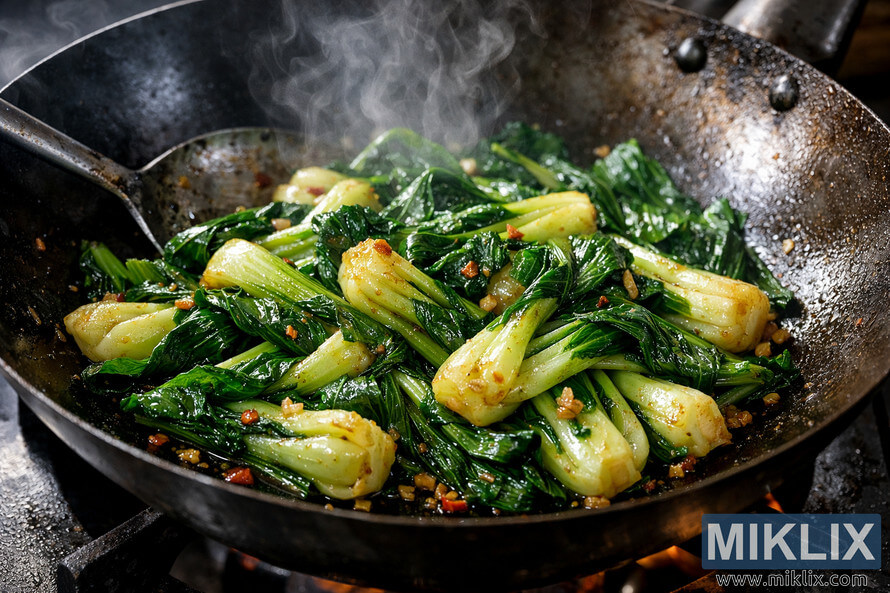
Cut bok choy in half lengthwise and brush with oil before grilling. Place cut side down on a medium-hot grill for three to four minutes. The charred exterior adds smoky flavor while the interior stays tender.
Grilled bok choy pairs wonderfully with Asian-inspired marinades. Try brushing with a mixture of soy sauce, rice vinegar, and honey before grilling. This method works particularly well for entertaining and outdoor cooking.
Kliknite ili dodirnite sliku za više informacija i veće rezolucije.
Raw in Salads
Young, tender bok choy leaves work beautifully in raw salads. Chop baby bok choy finely and mix with other salad greens. The mild flavor complements stronger greens like arugula or mustard greens.
Make an Asian-inspired slaw by thinly slicing bok choy and tossing with carrots, cabbage, and a ginger sesame dressing. This preparation maintains all heat-sensitive vitamins. Raw bok choy provides satisfying crunch and fresh flavor.
Soup and Broth Additions
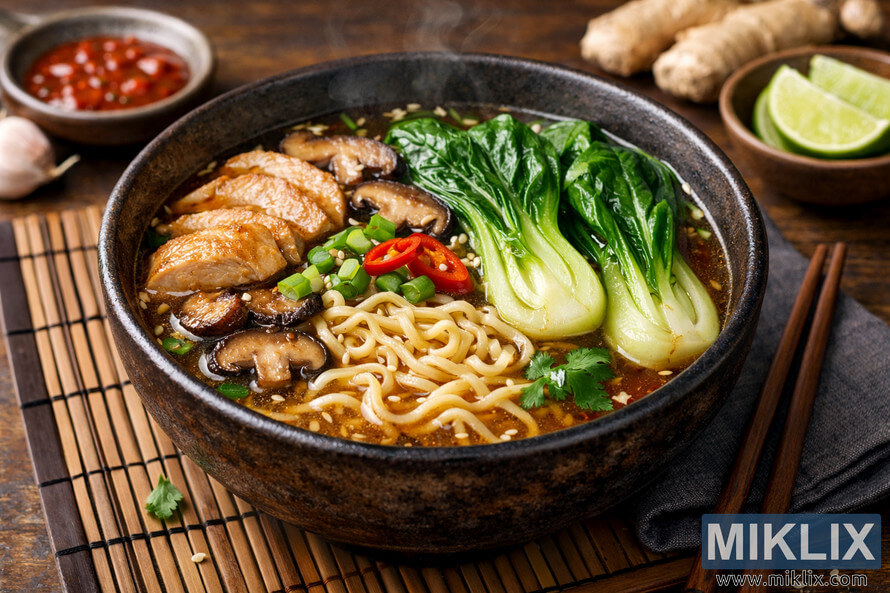
Add bok choy to soups during the last few minutes of cooking. The leaves wilt quickly while stalks retain some texture. Bok choy complements both Asian-style broths and Western-style soups.
The liquid from cooking bok choy contains some water-soluble vitamins. Using bok choy in soups ensures you consume these nutrients in the broth. This method wastes nothing and maximizes nutritional value.
Avoiding Common Cooking Mistakes
Overcooking destroys bok choy's texture and diminishes nutrient content. Cook bok choy just until it turns bright green and reaches tender-crisp texture. Mushy bok choy loses appeal and nutritional value.
Don't crowd the pan when stir-frying bok choy. Overcrowding causes steaming rather than searing, resulting in soggy vegetables. Cook in batches if necessary to maintain high heat and achieve proper browning.
Avoid boiling bok choy in large amounts of water. This method leaches nutrients into cooking liquid that often gets discarded. Steaming, stir-frying, or adding to soups preserves more vitamins and minerals.
Kliknite ili dodirnite sliku za više informacija i veće rezolucije.
Delicious Bok Choy Recipe Ideas: Simple Ways to Enjoy This Superfood
Classic Garlic Bok Choy
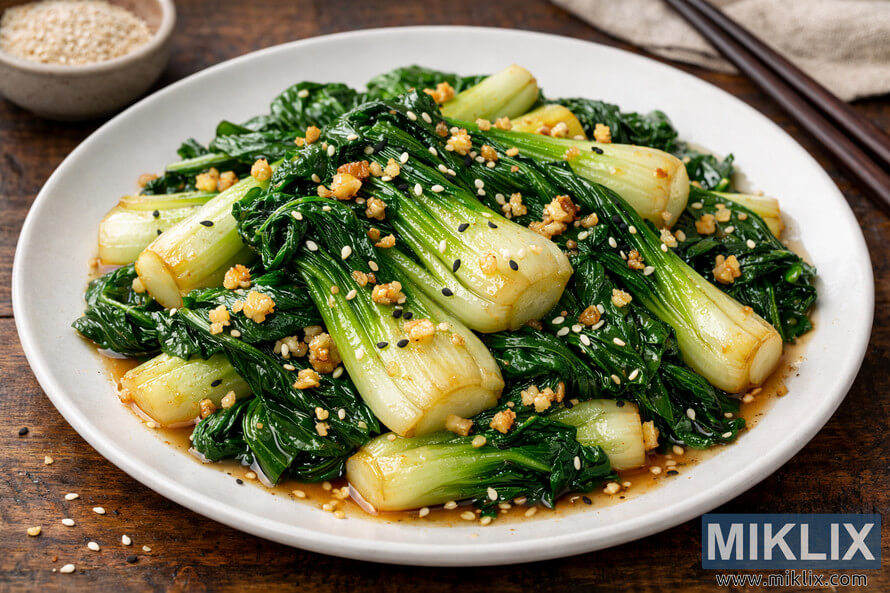
This simple preparation highlights bok choy's natural flavor. Heat sesame oil in a pan over medium-high heat. Add minced garlic and cook for thirty seconds until fragrant. Add bok choy pieces and stir-fry for two minutes.
Season with a splash of soy sauce and a pinch of red pepper flakes if desired. The cooking time should be brief to maintain crisp texture. This recipe works equally well with baby bok choy or regular bok choy.
Serve this dish as a side alongside grilled chicken, fish, or tofu. The garlic complements the mild bok choy without overpowering it. This becomes a go-to recipe once you master the quick cooking technique.
Kliknite ili dodirnite sliku za više informacija i veće rezolucije.
Bok Choy and Ginger Stir-Fry
Ginger adds warming flavor and additional anti-inflammatory benefits to bok choy. Slice fresh ginger thinly and add to hot oil before the bok choy. The ginger infuses the oil with flavor that coats every piece of vegetable.
This combination creates a perfect side dish for Asian-inspired meals. Add a small amount of Chinese cooking wine for depth. The ginger and bok choy pairing offers both culinary and medicinal benefits.
Bok Choy in Miso Soup
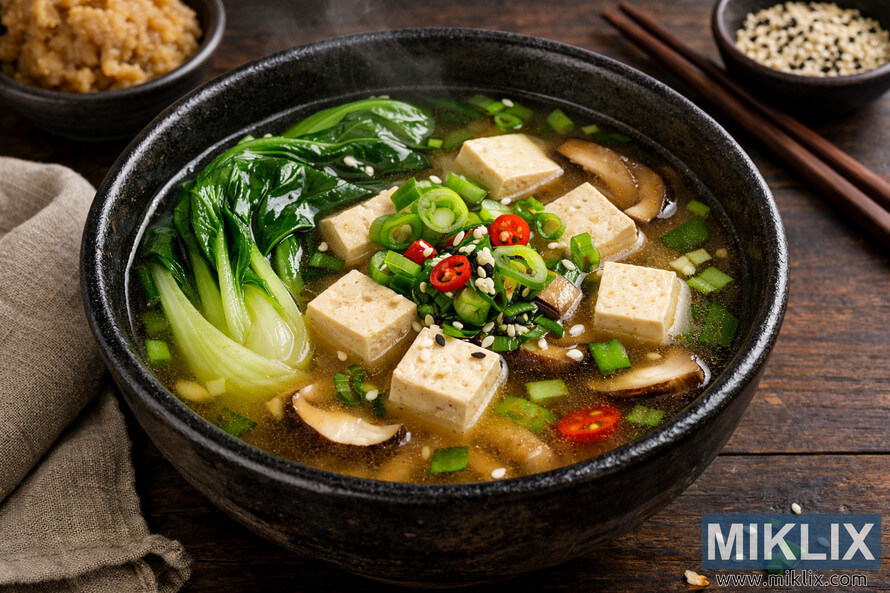
Traditional miso soup gets a nutritional boost from bok choy. Add chopped bok choy to hot miso broth and simmer for two minutes. The bok choy wilts slightly while maintaining structure.
Combine this with tofu cubes, mushrooms, and green onions for a complete light meal. The umami flavor of miso complements bok choy's subtle taste. This soup provides comfort while delivering powerful nutrition.
Kliknite ili dodirnite sliku za više informacija i veće rezolucije.
Baby Bok Choy with Oyster Sauce
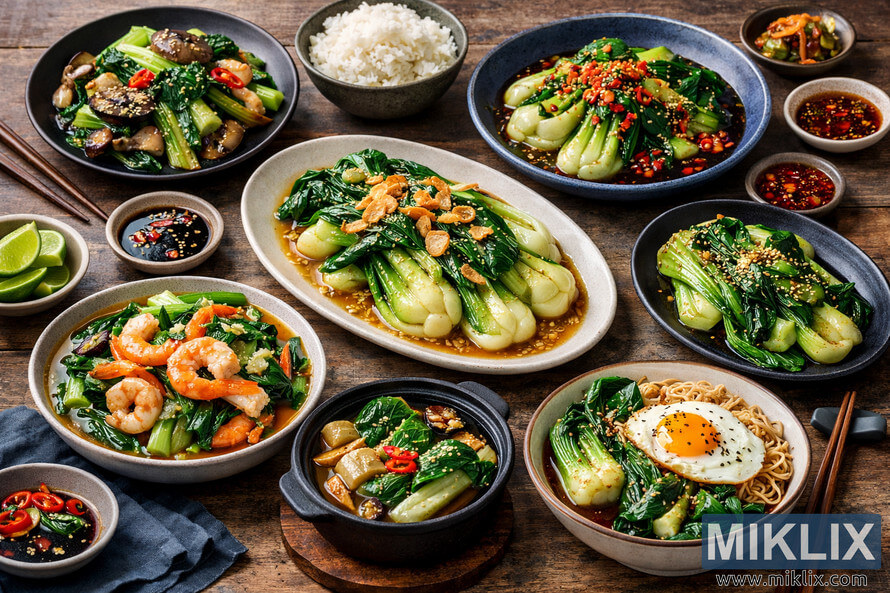
Oyster sauce creates a savory glaze that enhances baby bok choy beautifully. Steam or blanch baby bok choy until just tender. Arrange on a serving plate and drizzle with warm oyster sauce.
This restaurant-style preparation impresses guests while requiring minimal effort. The oyster sauce adds umami depth and a glossy appearance. You can substitute vegetarian oyster sauce to keep the dish plant-based.
Raw Bok Choy Asian Slaw
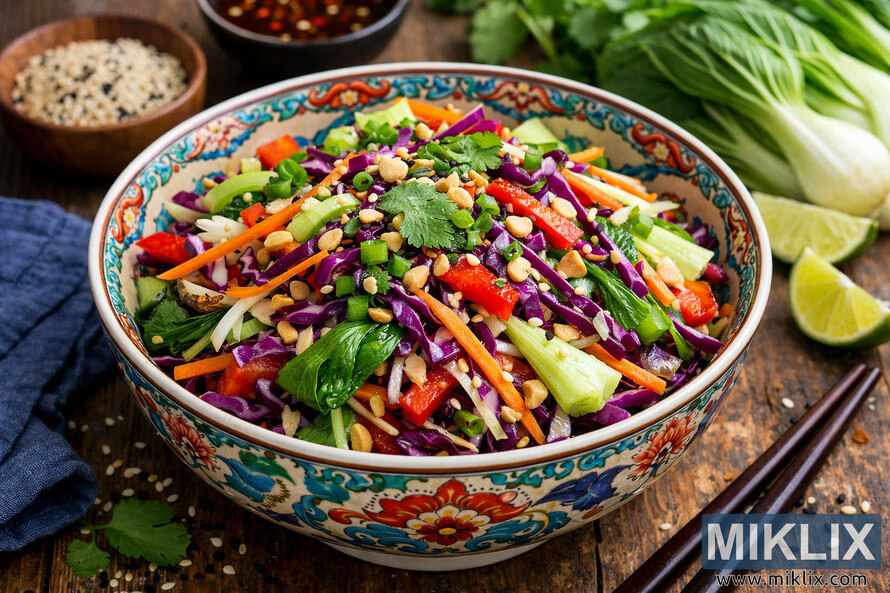
Shred bok choy thinly for a crunchy, refreshing slaw. Combine with shredded carrots, red cabbage, and sliced scallions. Dress with rice vinegar, sesame oil, and a touch of honey.
This preparation maintains all heat-sensitive nutrients in bok choy. The slaw works as a side dish or as a topping for fish tacos. Make it ahead of time as the flavors improve after sitting for an hour.
Kliknite ili dodirnite sliku za više informacija i veće rezolucije.
Bok Choy Smoothie Addition
Add raw baby bok choy leaves to green smoothies for extra nutrients. The mild flavor won't overpower fruit-based smoothies. Blend bok choy with banana, mango, and coconut water for a tropical green smoothie.
Start with a small amount and gradually increase as you adjust to the taste. Bok choy adds vitamins and minerals without the bitterness of kale or spinach. This method helps people who dislike cooked greens still get nutritional benefits.
Kliknite ili dodirnite sliku za više informacija i veće rezolucije.
Incorporating Bok Choy Into Your Healthy Diet: Practical Tips and Strategies
Starting Slowly
If bok choy is new to you, start by adding it to familiar dishes. Toss a handful into your regular stir-fry or soup recipe. This gradual introduction helps you discover how bok choy fits into your cooking style.
Begin with baby bok choy since its milder flavor and tender texture appeal to most palates. Once comfortable, experiment with regular bok choy and different preparation methods. Building confidence with basic recipes leads to more adventurous cooking.
Meal Planning with Bok Choy
Plan to use bok choy within three to four days of purchase for best quality. Designate specific meals where bok choy will appear during your weekly planning. This prevents the vegetable from languishing in your refrigerator.
Stock your pantry with complementary ingredients like soy sauce, sesame oil, garlic, and ginger. Having these items on hand makes it easy to prepare bok choy dishes anytime. Simple preparation becomes effortless with proper planning.
Kliknite ili dodirnite sliku za više informacija i veće rezolucije.
Breakfast Options
Add sautéed bok choy to morning omelets or scrambles. The vegetable pairs well with eggs and provides a nutritious start to your day. Try bok choy in breakfast fried rice or alongside other morning proteins.
Lunch Ideas
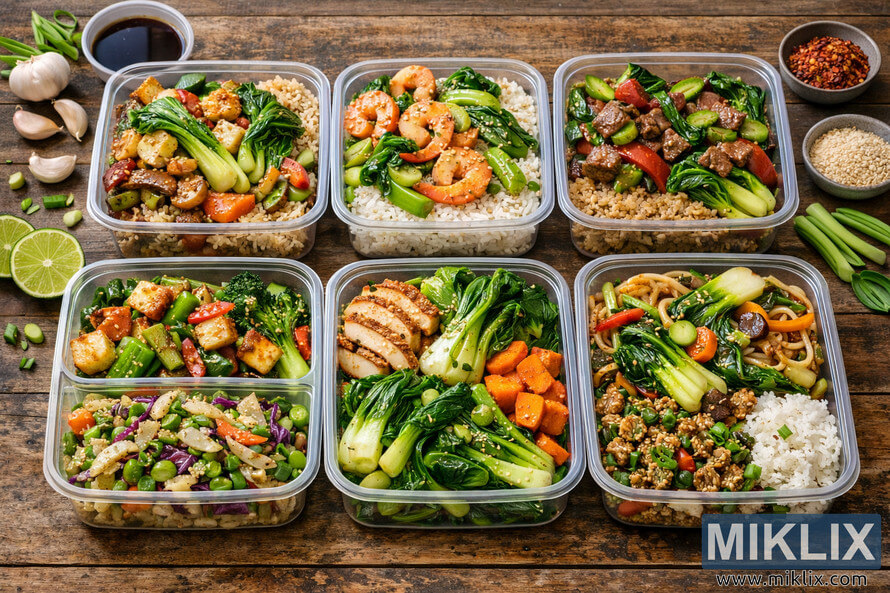
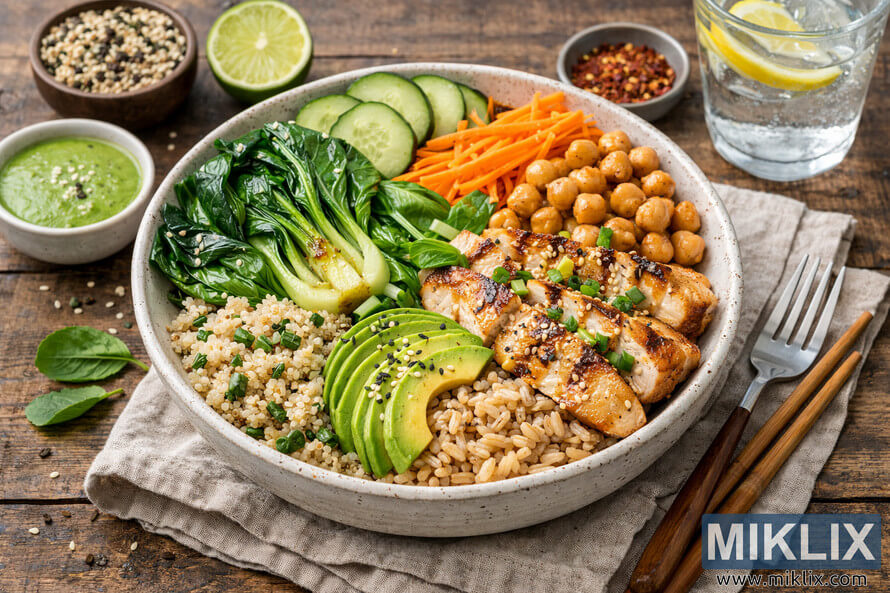
Pack raw bok choy slaw in lunch containers for a crunchy side. Include bok choy in grain bowls with quinoa or brown rice. The vegetable adds volume and nutrition to midday meals without excess calories.
Kliknite ili dodirnite sliku za više informacija i veće rezolucije.
Making Bok Choy Kid-Friendly
Children often enjoy baby bok choy more than larger varieties. The smaller size seems less intimidating and cooks to tender perfection quickly. Let kids help wash and prepare bok choy to increase their interest in eating it.
Incorporate bok choy into dishes children already love. Add it to pasta, fried rice, or chicken soup. When bok choy appears alongside familiar foods, kids try it more readily.
Avoid forcing children to eat bok choy. Offer it repeatedly in different preparations without pressure. Research shows children need ten to fifteen exposures to new vegetables before accepting them.
Budget-Friendly Shopping
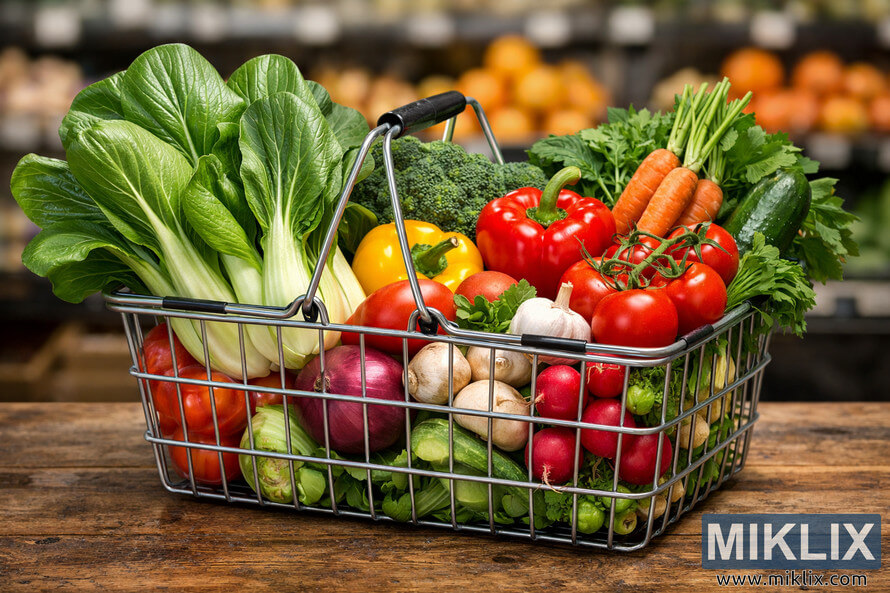
Bok choy typically costs less per pound than many other fresh vegetables. Buy what's on sale and in season for best value. Asian grocery stores often offer bok choy at lower prices than conventional supermarkets.
Purchase whole bok choy rather than pre-cut versions to save money. The minimal prep work required makes whole bok choy practical even for busy cooks. Buying in bulk when prices drop allows you to blanch and freeze extras.
Kliknite ili dodirnite sliku za više informacija i veće rezolucije.
Dining Out Opportunities
Order bok choy dishes at Chinese and Asian restaurants to experience professional preparations. This exposure helps you learn new cooking techniques and flavor combinations. Many restaurants feature bok choy in multiple dishes.
Don't hesitate to ask how restaurants prepare their bok choy. Chefs often share cooking tips and seasoning combinations. These insights can inspire your home cooking adventures with this vegetable.
Growing Your Own Bok Choy: From Garden to Table
Why Grow Bok Choy
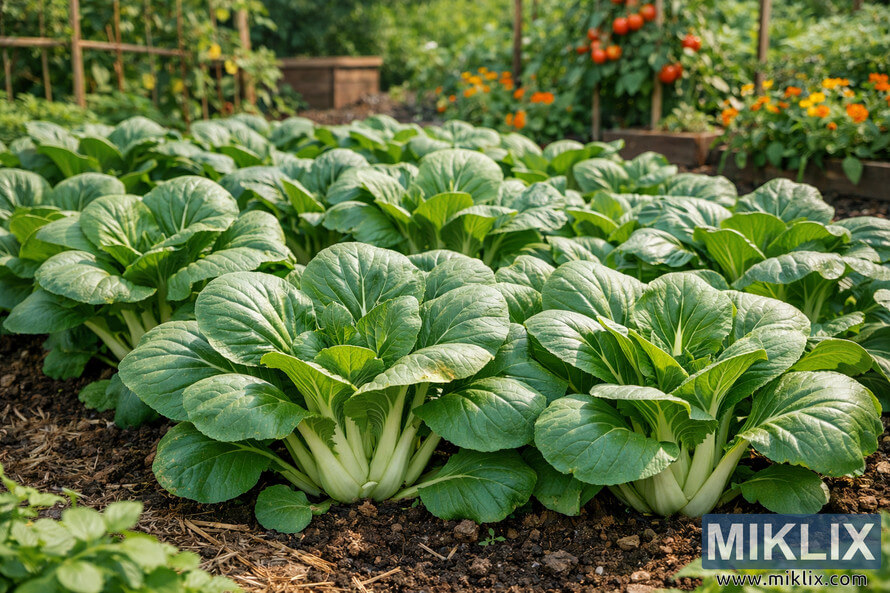
Growing bok choy at home ensures the freshest possible supply of this nutritious vegetable. The plant grows quickly, often reaching harvest size in just forty to fifty days. Home-grown bok choy tastes sweeter and more tender than store-bought varieties.
Bok choy requires minimal space, making it suitable for container gardens and small plots. The plant tolerates partial shade better than many vegetables. These characteristics make bok choy accessible to gardeners of all experience levels.
Kliknite ili dodirnite sliku za više informacija i veće rezolucije.
Planting and Care
Plant bok choy seeds in early spring or late summer for best results. The vegetable prefers cool weather and may bolt in extreme heat. Space seeds four to six inches apart in well-drained soil rich in organic matter.
Water bok choy consistently to maintain moist but not waterlogged soil. Inconsistent watering can cause the plant to bolt prematurely. Apply mulch around plants to retain moisture and regulate soil temperature.
Fertilize bok choy with balanced organic fertilizer every two weeks. The fast-growing plant appreciates regular feeding for optimal development. Watch for common pests like aphids and cabbage worms, treating organically when possible.
Kliknite ili dodirnite sliku za više informacija i veće rezolucije.
Harvesting Tips
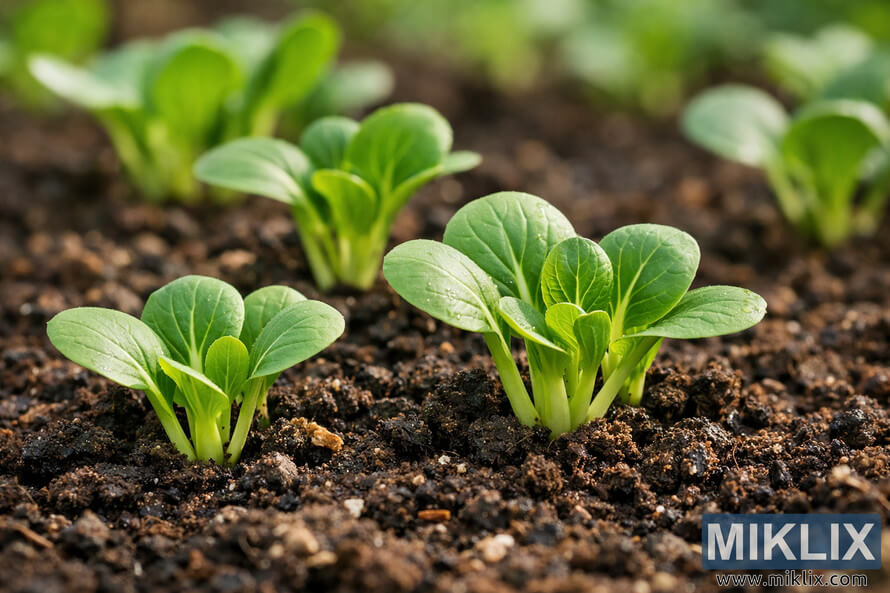
Harvest baby bok choy when plants reach four to six inches tall. Cut the entire plant at soil level with a sharp knife. For larger bok choy, wait until plants reach ten to twelve inches in height.
You can harvest outer leaves individually, allowing the plant to continue producing. This cut-and-come-again method extends your harvest period. Pick leaves in the morning after dew dries for best flavor and storage quality.
Freshly harvested bok choy tastes incredibly sweet and crisp. Use it immediately for maximum nutritional value and flavor. The satisfaction of eating vegetables you grew yourself adds to the health benefits.
Safety Considerations and Potential Concerns When Eating Bok Choy
Thyroid Function Considerations
Cruciferous vegetables like bok choy contain goitrogens, compounds that can interfere with thyroid function in very large amounts. For most people, normal dietary consumption poses no risk. Those with existing thyroid conditions should discuss intake with their healthcare provider.
Cooking bok choy reduces goitrogen content significantly. If you have thyroid concerns, favor cooked preparations over raw. The benefits of eating moderate amounts of bok choy typically outweigh potential risks for most individuals.
Iodine intake can counteract potential goitrogenic effects. Ensure adequate iodine in your diet through iodized salt or seafood. Balance and variety in your vegetable consumption prevents any single compound from causing problems.

Kliknite ili dodirnite sliku za više informacija i veće rezolucije.
Vitamin K and Blood Thinners
People taking blood-thinning medications should maintain consistent vitamin K intake. Bok choy provides significant vitamin K, which can affect medication effectiveness. This doesn't mean avoiding bok choy, but rather eating consistent amounts.
Consult your doctor about appropriate vitamin K intake if you take warfarin or similar medications. They may adjust your medication dose to account for dietary vitamin K. Sudden increases or decreases in bok choy consumption require medical awareness.
Important Notice: This article provides educational information about bok choy nutrition and should not replace medical advice. Consult healthcare professionals regarding specific dietary concerns, especially if you have existing health conditions or take medications. Individual nutritional needs vary based on age, health status, and other factors.
Pesticide Residues
Conventionally grown bok choy may contain pesticide residues. Wash all bok choy thoroughly under running water before eating. Organic bok choy reduces pesticide exposure but costs more.
The Environmental Working Group doesn't list bok choy among the most contaminated vegetables. This suggests conventional bok choy carries relatively low pesticide levels. Still, proper washing removes most surface residues regardless of growing method.
Allergic Reactions
Food allergies to bok choy are rare but possible. Symptoms might include itching, swelling, or digestive upset. Anyone experiencing allergic reactions should avoid bok choy and consult an allergist.
Some people experience digestive discomfort when eating large amounts of cruciferous vegetables. Start with small portions if you're new to bok choy. Gradually increase intake as your digestive system adapts.
Embracing Bok Choy for Optimal Health: Your Next Steps
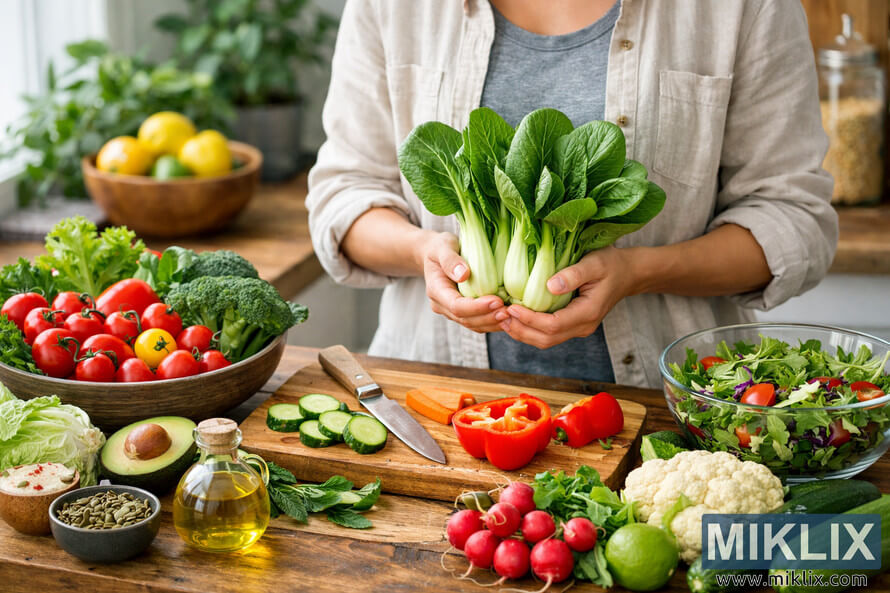
Bok choy delivers exceptional nutritional value that supports multiple aspects of health. From strengthening bones to protecting your heart, this versatile vegetable deserves a regular place in your diet. The vitamins, minerals, and beneficial compounds work together to promote overall wellness.
Starting to cook with bok choy requires minimal skill or special equipment. The fast cooking time and mild flavor make it accessible to cooks of all levels. Whether you stir-fry, steam, or add it to soups, bok choy enhances meals with nutrition and taste.
Finding fresh bok choy has become easier as grocery stores recognize consumer demand. Baby bok choy and regular varieties appear in produce sections nationwide. The affordability and availability remove barriers to incorporating this superfood into your routine.
Kliknite ili dodirnite sliku za više informacija i veće rezolucije.
The health benefits extend beyond basic nutrition to disease prevention and health optimization. Regular bok choy consumption supports immune function, reduces inflammation, and protects vital organs. These long-term benefits accumulate with consistent inclusion in your diet.
Your journey to better health through nutrition can start with a simple trip to your local grocery stores. Pick up some fresh bok choy this week and try one basic recipe. Experience how easy and delicious healthy eating can be when you embrace nutrient-dense vegetables like bok choy.
Remember that sustainable dietary changes happen gradually. Don't pressure yourself to eat bok choy every day immediately. Start with once or twice weekly and build from there as you discover preparations you enjoy.
Share your bok choy experiences with family and friends. Teaching others about this nutritious vegetable spreads health benefits throughout your community. The simple act of trying new vegetables creates positive ripple effects.
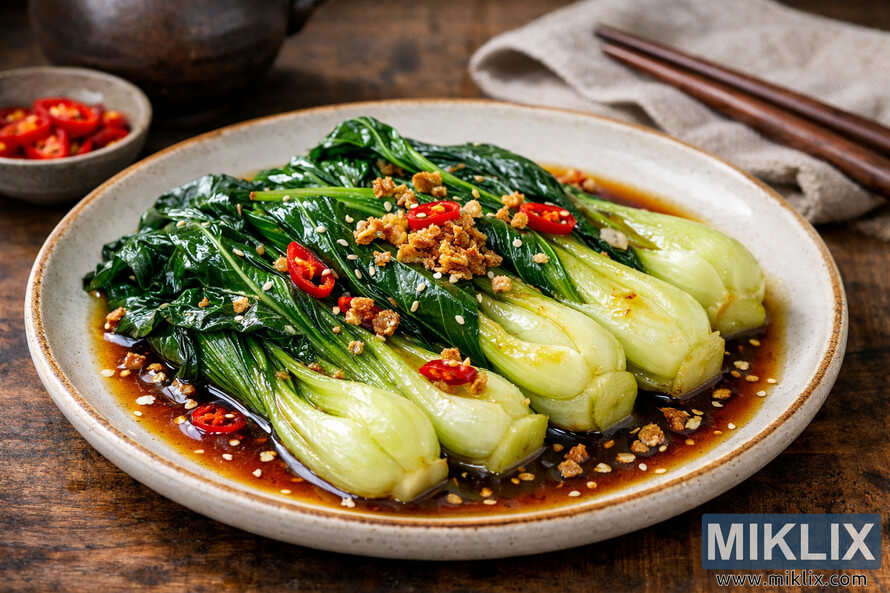
As you explore bok choy's culinary possibilities, you'll discover a world of flavors and textures. This ancient vegetable that nourished generations can now nourish you and your loved ones. Take that first step toward incorporating bok choy into your healthy lifestyle today.
Kliknite ili dodirnite sliku za više informacija i veće rezolucije.
Dodatno čitanje
Ako vam se svidio ovaj post, možda će vam se svidjeti i ovi prijedlozi:
- Tajne moći cimeta: zdravstvene dobrobiti koje bi vas mogle iznenaditi
- Od slatke do superhrane: Skrivene zdravstvene prednosti paprika
- Otkriven L-tartarat: Kako ovaj nepoznati dodatak prehrani potiče energiju, oporavak i metaboličko zdravlje