
Fermenting Beer with White Labs WLP029 Kölsch Ale Yeast
Հրապարակվել է՝
Վերջին թարմացումը՝ 14 մայիսի, 2026 թ., 16:29:51 UTC
This Kölsch yeast review delves into White Labs WLP029 Kölsch Ale Yeast, essential for home and small commercial brewers. WLP029 is celebrated for its clean fermentation, moderate attenuation, and subtle ester production. It thrives within a specific temperature range.
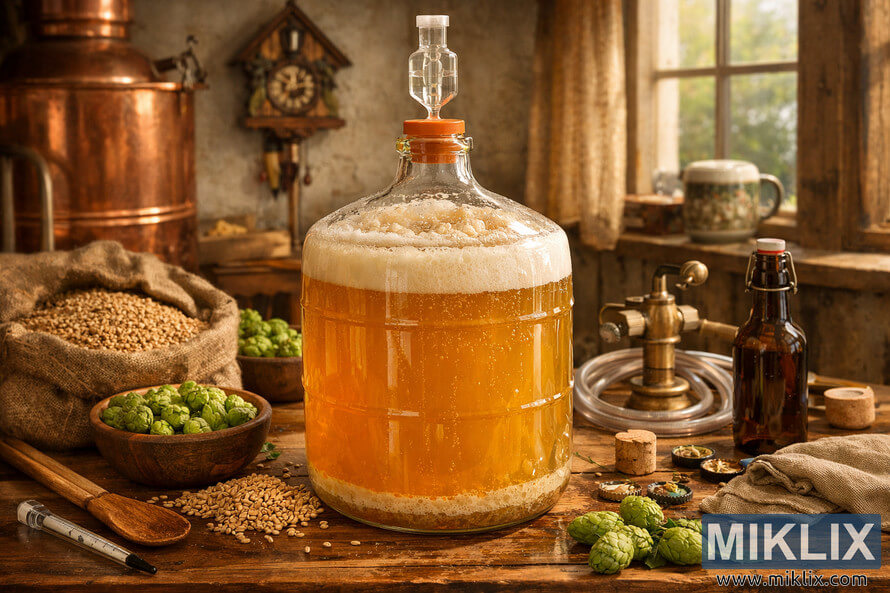
Fermenting Beer with White Labs WLP029 Kölsch Ale Yeast
Սեղմեք կամ հպեք պատկերին՝ ավելի շատ տեղեկություններ և ավելի բարձր թույլտվությամբ պատկերներ ստանալու համար։
Key Takeaways
- White Labs WLP029 Kölsch Ale Yeast delivers a clean, delicate profile suited to Kölsch-style and crisp ales.
- This Kölsch yeast review emphasizes practical tips for handling, pitching, and temperature control.
- The WLP029 fermentation guide will cover starters, oxygenation, and nutrient needs for reliable attenuation.
- Brewing with WLP029 works well for both homebrewers and commercial brewers aiming for clarity and subtle esters.
- The article outlines biology, troubleshooting, recipes, and storage to support consistent results.
Why Choose White Labs WLP029 Kölsch Ale Yeast for Your Brew
The WLP029 strain provides a clean, restrained voice that enhances malt and hop flavors. It adds subtle complexity without overpowering the recipe. This yeast is ideal for light-to-medium ales, offering clarity and balance.
Flavor profile and fermentation character
WLP029's flavor profile is centered on clean fermentation with delicate fruity esters. It produces minimal bready phenolics when fermentation temperature and pitch rate are controlled. The yeast results in a dry, crisp finish, emphasizing malt and hop nuances. It has a light to medium body with excellent drinkability.
Comparison to other Kölsch and ale yeasts
In a Kölsch yeast comparison, WLP029 strikes a balance between neutrality and ale character. It offers a more balanced neutrality than some strains, yet still retains subtle ale traits. It flocculates well, leading to clear beers, but doesn't suppress esters as lager yeasts do.
Typical beer styles that benefit from WLP029
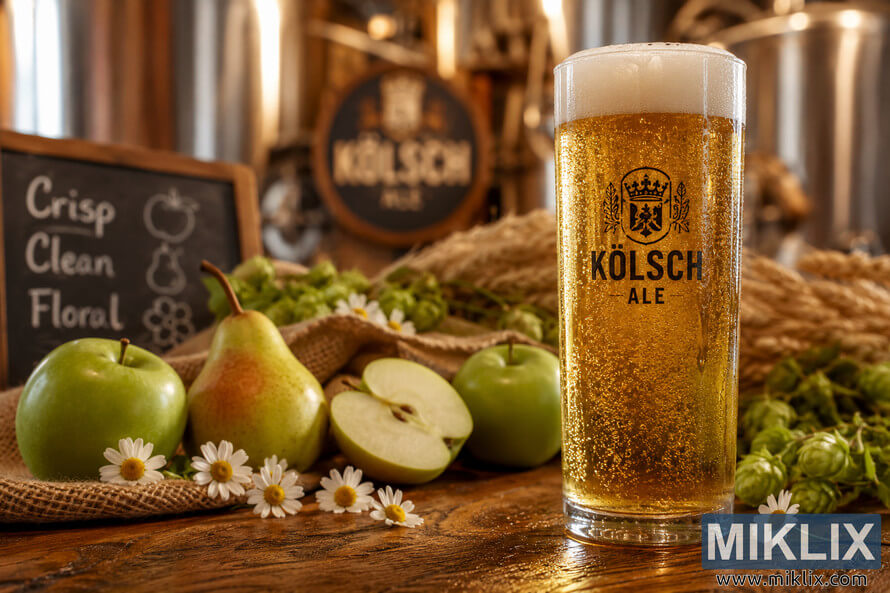
Classic Kölsch is the ideal match for WLP029, often producing textbook results. It's also suitable for blonde ales, modern pale ales, Kölsch hybrids, and session beers. For Belgian-leaning pales, it provides a neutral base. In high-gravity ales, careful management of pitching, oxygenation, and nutrients is crucial.
- Classic Kölsch: stylistic match and crisp finish
- Blonde and session ales: clean base and drinkability
- Modern pale ales and hybrids: lets hops and malt shine
Սեղմեք կամ հպեք պատկերին՝ ավելի շատ տեղեկություններ և ավելի բարձր թույլտվությամբ պատկերներ ստանալու համար։
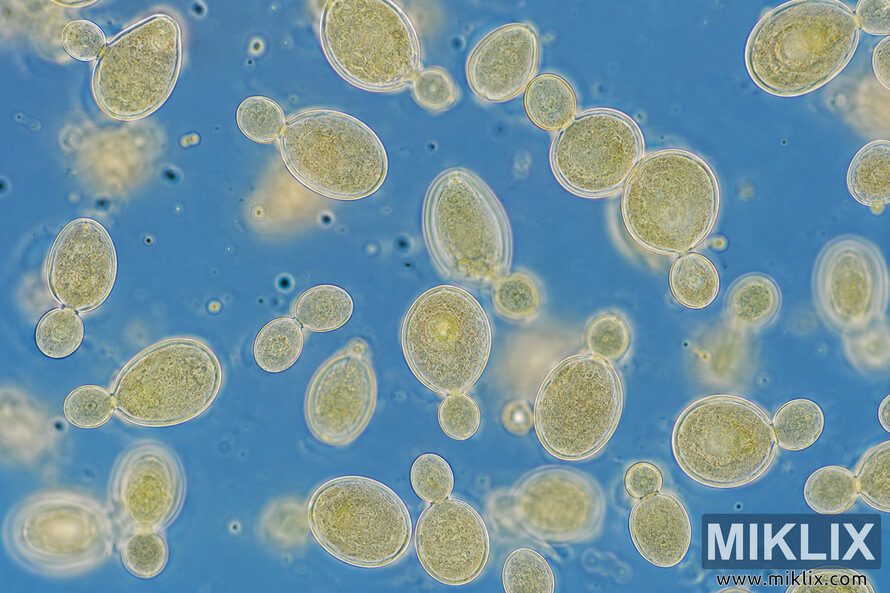
Understanding the Biology of Kölsch Strains
Kölsch yeast biology intricately influences fermentation outcomes. This section delves into the core metabolic pathways, common traits, and stress responses crucial for brewers using White Labs WLP029. It offers practical insights to control flavor and clarity effectively.
Yeast metabolism and ester production
Yeast convert sugars through glycolysis to pyruvate, then divert carbon to ethanol, carbon dioxide, and minor metabolites. These minor metabolites include higher alcohols and esters, which contribute to fruit and solvent notes in beer. Factors like wort composition, fermentation temperature, oxygenation, pitching rate, and yeast health significantly impact yeast ester production.
WLP029 tends to produce restrained esters when kept within its recommended temperature range. Proper oxygenation during early growth and a healthy nutrient profile steer metabolism toward predictable ethanol yield and limited fruity esters.
Attenuation and flocculation traits
Attenuation describes the percent of sugars the yeast ferments, determining final gravity and perceived dryness. WLP029 typically shows moderate to high attenuation, leading to a fairly dry finish in many Kölsch and pale styles.
Flocculation is the yeast's tendency to clump and drop out of suspension. WLP029 displays medium to high yeast flocculation traits, aiding clarity and shortening conditioning time. This behavior can reduce the need for aggressive filtration but may require careful cold conditioning to settle remaining yeast.
Temperature sensitivity and stress responses
Kölsch strains perform best within a narrow temperature range. Temperature swings, high gravity worts, and limited oxygen or nutrients raise osmotic and metabolic stress. Under stress, yeast may stall or create off-flavors such as solvent-like fusels, elevated acetaldehyde, or diacetyl.
Maintain steady temperatures and adequate nutrition to avoid these issues. When fermentation strays outside ideal conditions, you may notice higher yeast ester production and other stress indicators. Careful management preserves the clean profile brewers expect from WLP029 while leveraging its attenuation and reliable flocculation behavior.
Սեղմեք կամ հպեք պատկերին՝ ավելի շատ տեղեկություններ և ավելի բարձր թույլտվությամբ պատկերներ ստանալու համար։
Packaging and Handling of White Labs WLP029 Kölsch Ale Yeast
Homebrewers often encounter liquid vial formats from White Labs, including multi-pack vials and larger commercial slurries. Liquid yeast has a faster decline in viability compared to dry sachets. Therefore, it's essential to check date codes and pitch before the expiration date. If unsure, creating a starter can boost cell counts for older packs.
Store liquid yeast refrigerated at 34–40°F (1–4°C) until use. During warm weather, choose suppliers with expedited shipping to avoid heat exposure. Minimize agitation and keep vials upright in the fridge. Allow chilled yeast to warm slightly before pitching to reduce thermal shock.
Simple inspection can reveal issues before contamination. Healthy White Labs vials show a creamy, tan to off-white slurry. Look for unusual colors like green or black, or any fuzzy growth indicating contamination. A bread-like, yeasty aroma is normal.
If a vial smells strongly of solvents, rotten, or moldy, discard it. Verify manufacturer lot numbers and expiration dates on the pack. For older vials or if viability is suspected to be low, make a small starter or test pour to confirm activity before committing to a full batch.
- Keep refrigeration consistent to maximize yeast shelf life and performance.
- Avoid long warm transit; plan shipping during cooler parts of the week when necessary.
- Inspect White Labs vials visually and by smell; when unsure, make a starter.
- When storing WLP029, place vials upright and limit movement to protect cells.
Preparing a Yeast Starter for WLP029
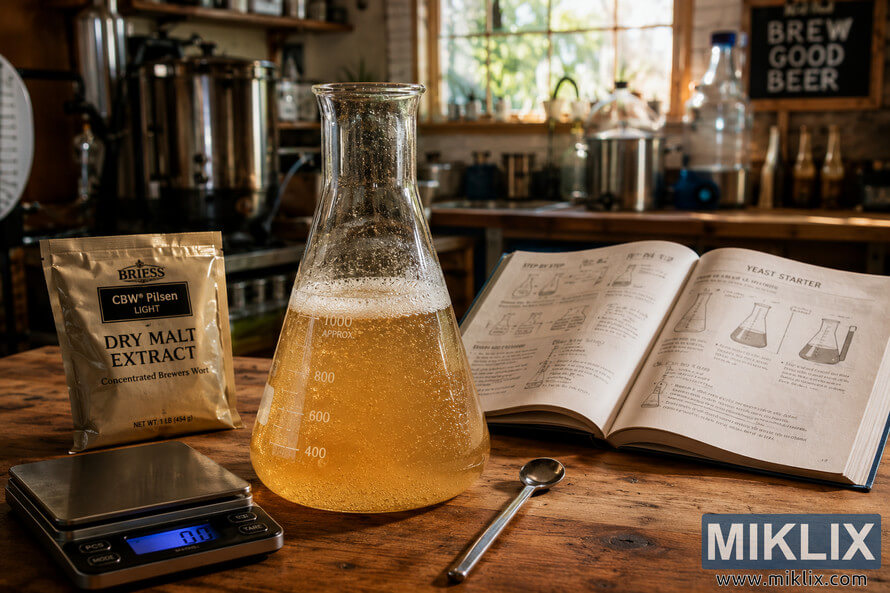
Creating a clean, active WLP029 yeast starter is crucial for a healthy Kölsch fermentation. Below, you'll find practical guidelines on when to build a starter, how to make one that meets pitching goals, and safe aeration methods and timing to maximize viability.
When to build and target cell counts
Build a starter for most ales over five gallons, for high-gravity worts, or when using older liquid packs. White Labs suggests consulting their propagation charts for precise targets. Aim for 0.75–1.5 million cells per mL per degree Plato for ales.
For a 5-gallon (19 L) batch at typical gravity, a single-step starter of 1–2 liters often suffices. For high gravity or older yeast, step up to 3–6 liters using a two-stage approach. Use a hemocytometer or an online calculator to confirm starter cell counts when precision matters.
Starter recipes and step-up strategy
A standard starter wort uses about 100 g dried malt extract per liter for the initial growth phase. For larger targets, perform a step-up: start with 0.5–1 L, then move to 2–4 L once activity peaks. Keep gravity low to avoid stressing cells during ramp-up.
- Initial starter: 100 g DME per L, boil 10 minutes, cool.
- Second stage: 70–100 g DME per L for the larger volume to sustain growth.
- Stir-plate users can run a single larger starter; without a stir plate, prefer staged increases.
Aeration methods and timing
Oxygen is essential for building sterol reserves. For small starters, vigorous shaking or a foam stopper with side-to-side shaking provides enough oxygen. For larger starters, use pure O2 with a diffusion stone just before pitching.
Stir plates speed growth and create a firm yeast cake. Oxygenation typically occurs before pitching the starter into wort. Match aeration methods to starter size to avoid under-oxygenation or excessive foam.
Sanitation and ramp-up timing
Sanitize starter flasks, closures, and airlocks thoroughly. Use sterile technique when transferring to avoid contamination. Prepare starters 24–72 hours ahead depending on volume and desired activity level.
If you plan to pitch mostly yeast, cold-crash and decant most starter wort before pitching. For multi-stage starters, step up gradually to prevent stressing cells with too-high gravity. Allow a short rest after main activity before cold-crash to let cells settle.
Սեղմեք կամ հպեք պատկերին՝ ավելի շատ տեղեկություններ և ավելի բարձր թույլտվությամբ պատկերներ ստանալու համար։
Pitching Rates and Techniques for Best Results
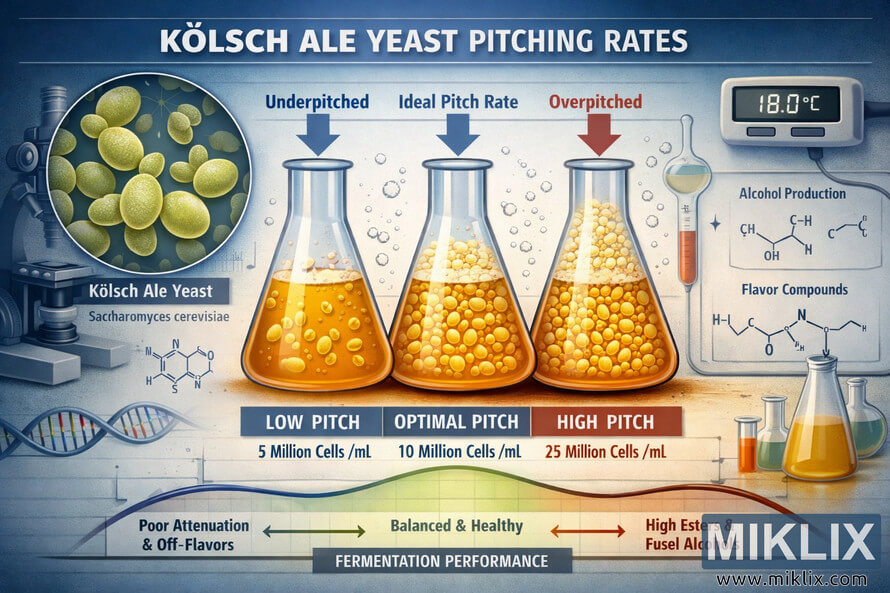
Getting the WLP029 pitching rate right is crucial for fermentation success. Aim for a balanced cell count for clean, consistent results. Small adjustments can change ester production and attenuation, so plan your pitch around beer style and gravity.
For ales, targets are near 0.75–1.5 million viable cells per mL per °Plato. Since Kölsch is an ale strain, use ale targets, not lager numbers. Lagers require higher rates, but WLP029 performs well at ale-style levels.
Lower pitch rates favor more ester character. Higher rates promote a cleaner profile and faster fermentation. Use a yeast pitching calculator to convert recipe gravity into required total cells. This tool helps size starters or decide how many packs to use.
- Direct pitch WLP029 is practical for fresh, high-viability packs and small batches.
- Stepped starter advantages show up with older packs, big batches, or when you need high cell counts.
Stepped starters reduce lag by increasing yeast vitality and population in stages. Make a starter, let it grow, decant if necessary, then step up volume until you hit the target. For many brewers, the stepped starter advantages outweigh the extra time when aiming for clean, reliable fermentation.
Direct pitch WLP029 saves time. Pour the vial or pack into cooled wort when viability is high and batch size is modest. When using a direct pitch, ensure proper oxygenation and pitch at the right temperature to avoid stress.
Deciding whether to cold crash and decant depends on starter size and timing. For small starters, pitch the whole starter to preserve nutrients. For larger starters, cold crash and decant the spent wort to reduce oxygen and carryover flavors before pitching the yeast slurry.
High-gravity worts demand more cells and better nutrition. Increase the starter size or use multiple vials and plan oxygenation carefully. Staggered nutrient additions can support a stretched fermentation and reduce stress.
- Scale starter volume proportionally for large batches; multiple packs may be simpler than one huge starter.
- Use a yeast pitching calculator and White Labs propagation guidance to verify counts and viability.
- Monitor for underpitching signs: extended lag, off-flavors, or sluggish attenuation.
Underpitching raises the risk of off-flavors and stalled fermentations. Match your WLP029 pitching rate to gravity and batch size, add nutrients for heavy worts, and choose stepped starters when you need robust cell counts. These steps improve yeast health and give a cleaner final beer.
Սեղմեք կամ հպեք պատկերին՝ ավելի շատ տեղեկություններ և ավելի բարձր թույլտվությամբ պատկերներ ստանալու համար։
Fermentation Temperature Management
Matching temperature to yeast behavior is crucial when brewing Kölsch with WLP029. This short guide covers ideal ranges, how heat changes flavor and attenuation, and practical ways to control temp on small batches.
Ideal temperature ranges for WLP029
White Labs recommends a Kölsch profile in the mid 50s to low 60s°F. A common sweet spot is 58–62°F (14–17°C). Staying near 58°F tends to yield a cleaner, lager-like finish. Moving toward 62°F speeds fermentation and brings out more ale-like character.
Always check the White Labs datasheet for the latest specs. Small shifts of a degree or two can change ester balance and attenuation, so aim to keep temps steady during active fermentation.
Effects of temperature on esters and attenuation
Temperature drives ester production. Cooler fermentations suppress fruity esters, minimizing esters and producing a crisper Kölsch. Warmer conditions increase ester and fusel formation, which can mask subtle malt and hop notes.
Higher temps usually accelerate attenuation and can raise final gravity consistency. Faster fermentations cut time but raise the risk of off-flavors. Brewers must weigh speed against flavor control to hit the desired profile.
Practical tips for small-batch temperature control
Small-scale brewers have several low-cost options to control fermentation temp. A swamp cooler with frozen bottles works well for lowering temps. Rotate frozen bottles as they warm to keep a steady chilling effect.
- Insulated fermentation chambers and thermal blankets help stabilize temps during diurnal swings.
- Temperature-controlled fridges or chest freezers with an external thermostat give precise control for Kölsch fermentation temps.
- Heat belts with a simple PID or inkbird controller prevent cold stalls in winter.
Monitor wort temp with an external probe or thermometer taped to the fermenter. Consistent readings make it easier to control fermentation conditions and to control fermentation temp during peak activity.
When equipment is limited, try layering strategies: use insulation at night and passive cooling by day. These small moves let homebrewers manage WLP029 fermentation temperature and hit cleaner, more consistent results.
Fermentation Timeline and Typical Gravity Progression
Understanding the WLP029 fermentation timeline is crucial for your Kölsch brewing. Active fermentation begins within 12–48 hours with a healthy yeast pitch. Primary fermentation typically concludes in 5–10 days for a standard-strength Kölsch, assuming optimal temperature and nutrition. Afterward, cold-conditioning or short lagering refines the beer's clarity and flavor.
Expected primary fermentation duration
Expect vigorous fermentation activity in the first 48–72 hours. Look for a visible krausen and steady airlock activity. For most batches, the gravity drop is most rapid from days two to five. Higher-gravity wort may require extra time or increased yeast counts to avoid slow fermentation.
How to interpret gravity readings
Start with an original gravity (OG) reading before yeast pitching. Convert between specific gravity and Plato if necessary. Monitor specific gravity daily or every other day to track fermentation progress. WLP029 tends towards a dry finish, so expect a lower final gravity than many ale strains.
- Confirm fermentation completion with two stable gravity readings 24–48 hours apart.
- A final gravity (FG) above expected suggests underattenuation or incomplete fermentation.
- Record readings to track Kölsch batch consistency over time.
Signs of stalled fermentation and corrective steps
Watch for no SG change after 48–72 hours, a thin krausen, or a gravity well above predicted levels. Off-odors indicate yeast stress in stalled fermentation.
- Check temperature and raise it a few degrees to revive sluggish yeast.
- Review oxygenation and nutrient history; add yeast nutrient if omitted.
- Gently rouse yeast by swirling the fermenter or transferring to re-suspend cells.
- Early in fermentation, a small, controlled oxygenation can help; avoid late oxygenation to reduce oxidation risk.
- If necessary, pitch a fresh, active starter of a compatible strain to restart attenuation.
Keeping detailed notes on gravity progression and the WLP029 fermentation timeline enhances predictability. Employ conservative, staged fixes for stalled fermentation to protect beer quality and meet FG expectations.
Water Chemistry and Mash Profiles for Kölsch-Style Beers
A clean Kölsch requires more than just yeast and grain. Adjusting the water and focusing on the mash profile are crucial. They influence hop perception, fermentability, and mouthfeel. By making targeted changes, you can achieve a balanced, bright beer with a soft palate.
Begin by defining a Kölsch water profile that matches your source water. Aim for a balanced chloride sulfate ratio. This supports a crisp hop bite while keeping malt character rounded. For many brewers, moderate sulfate between 50–150 ppm and chloride around 50–100 ppm is a reliable target.
Use a water calculator such as Bru’n Water to plan additions. Add gypsum to raise sulfate or calcium chloride to lift chloride. Measure after mixing and adjust incrementally to taste. These salts also supply calcium, which helps mash enzymatic activity and yeast health.
Set mash pH for Kölsch to favor enzyme efficiency and clarity. Target mash pH around 5.2–5.6 at mash temperature, which reads roughly 5.1–5.5 at room temp. This range supports alpha and beta amylase, promoting good attenuation and a fermentable wort.
If your mash pH runs high, lower it with food-grade lactic acid or phosphoric acid. If pH is too low because of very soft or acidic water, correct it using baking soda or calcium carbonate sparingly. Always recheck pH after adjustments.
Adjuncts for mouthfeel let you fine-tune body without overpowering Kölsch’s clean profile. Use pilsner malt as the base and add small amounts of Vienna or Munich for subtle richness. Light dextrin malts or a touch of flaked oats can add smoothness when used sparingly.
Corn and rice will lighten body and increase fermentability, which can push toward a drier finish. Choose adjuncts for mouthfeel with intent: add enough to shape texture, not to mask malt character. Track how each change alters fermentability and final residual sweetness.
- Balanced chloride sulfate ratio: moderate sulfate (50–150 ppm), moderate chloride (50–100 ppm).
- Mash pH for Kölsch: aim 5.2–5.6 at mash temp; check room-temp readings ~5.1–5.5.
- Adjuncts for mouthfeel: pilsner base, small Vienna/Munich, light dextrins or flaked oats used sparingly.
Record your adjustments and taste the difference across batches. Small tweaks to the Kölsch water profile, chloride sulfate ratio, mash pH for Kölsch, and adjuncts for mouthfeel yield a clearer picture of what produces the desired balance of crispness and softness.
Yeast Nutrition and Oxygenation Practices
Healthy yeast require more than just good pitching techniques to complete a clean Kölsch. The right nutrients and careful oxygen management are crucial. These factors help White Labs WLP029 perform optimally and lower the risk of stalled or sluggish activity.
For most all-malt, well-modified worts, a light nutrient dose is sufficient. However, for high-gravity, adjunct-heavy, or low-nitrogen worts, additional nutrients are necessary. Diammonium phosphate (DAP) or a complex yeast nutrient blend that includes amino acids, vitamins, and trace minerals can be used. Zinc is particularly important for enzyme function and maintaining healthy cell walls. Follow supplier guidelines for zinc dosing when fermentations appear stressed.
The timing of oxygenation is critical. Aerate the wort immediately before pitching oxygen-sensitive yeast to achieve the desired dissolved oxygen levels. Small starters benefit from vigorous shaking or stirring. Larger batches, on the other hand, require pure oxygen delivered through a diffusion stone to reach roughly 8–10 ppm DO for ales.
Introduce oxygen only at the start. Once fermentation is underway, avoid exposing the beer to air to prevent oxidation and off-flavors. Pitch yeast immediately after oxygenating the wort and minimize splashing during transfer or cooling.
To prevent stuck fermentations, employ multiple preventive measures. Ensure an adequate pitching rate, correct oxygen levels, and add necessary nutrients. Maintain stable fermentation temperatures and aim for good mash efficiency to produce fermentable wort.
If fermentation stalls, consider adding a yeast energizer, gently raising the temperature a few degrees, and rousing settled yeast by gently swirling the fermenter. If these steps fail, repitching with a fresh, vigorous starter may be necessary to restart fermentation.
- When in doubt, add a moderate nutrient dose for stressed worts.
- Use zinc per supplier advice for improved yeast health.
- Prefer pure oxygen with a stone for larger batches when oxygenating wort.
- Pitch immediately after oxygenation to lock in benefits of pitching oxygen.
Secondary Fermentation, Conditioning, and Lagering Techniques
Once primary fermentation slows, it's time to plan for conditioning and packaging. The choices you make here will impact clarity, mouthfeel, and the clean taste typical of Kölsch. Monitor gravity readings, flavor, and oxygen levels before transferring or starting the cold phase.
Consider racking to a secondary vessel for extended aging, clearer beer, or to add fruit or adjuncts. Transfer when primary fermentation is done and gravity is stable for 48 hours. Avoid unnecessary transfers to prevent oxidation and contamination. Leave the beer on the yeast if clarity and flavor are satisfactory.
Secondary fermentation with WLP029 is ideal for gentle aging. This strain finishes clean and tolerates short conditioning periods. Use a sanitized siphon and avoid splashing to protect delicate aromas during transfer.
Cold conditioning to achieve Kölsch clarity
To mimic traditional lagering, lower temperatures gradually to near-freezing, around 32–40°F (0–4°C). Hold the beer in this range for 2–6 weeks to enhance flocculation, reduce diacetyl, and clear chill haze. Check clarity and flavor weekly.
WLP029 benefits from cold conditioning, sharpening the profile and reducing yeast-derived esters. Extended cold time also smooths out any remaining rough edges. This helps the beer achieve the pristine color and bright finish expected of the style.
Carbonation and package conditioning recommendations
- Target carbonation Kölsch between 2.3 and 2.8 volumes CO2 for a crisp, lively mouthfeel.
- For bottle conditioning, calculate priming sugar to reach the desired volumes and allow 2–4 weeks at cellar temperature for full carbonation.
- For kegs, force carbonate to target volumes at cold temperatures, then let the beer rest under CO2 for a few days before serving.
During packaging, sanitize all fittings and purge vessels with CO2 when possible. Limit oxygen pickup by filling from the bottom and keeping headspace minimal. Proper sanitation and oxygen management preserve the clean Kölsch character achieved through lagering and secondary fermentation with WLP029.
Troubleshooting Common Issues with WLP029 Fermentations
WLP029 is known for its resilience, yet issues can arise. A systematic approach to troubleshoot WLP029 involves reviewing logs for temperature, pitch rate, and oxygenation. Small tests and careful observation can identify causes before drastic measures are needed.
Off-flavors and their likely causes
Kölsch brewers often encounter off-flavors such as fusels or solvent notes, fruity esters, sulfur, and phenolics. Fusels are often linked to high fermentation temperatures or very high gravity worts. Fruity esters suggest warm fermentation or a low pitch rate. Sulfur is usually transient during early fermentation and often disappears with time. Phenolic notes indicate wild yeast or poor sanitation.
- Review fermentation logs: temperature swings and high temps correlate with fusels and esters.
- Check pitch viability: low viable cell counts raise ester production and slow attenuation.
- Audit sanitation: phenolics and off aromas can trace back to equipment or water source problems.
Underattenuation and remediation steps
Underattenuation is indicated by a higher-than-expected final gravity. It can be caused by underpitching, low fermentation temperature, inadequate oxygen or nutrients, poor yeast viability, or a wort heavy in unfermentable dextrins.
- Raise fermentation temperature gradually within the strain’s safe range to encourage activity.
- Gently rouse yeast by swirling the fermenter to resuspend cells and improve contact with sugars.
- Prepare and pitch a fresh, active starter of WLP029 or a neutral ale strain to finish fermentation.
- Consider enzyme addition, such as amyloglucosidase, only for very dextrin-rich beers and as a last resort.
Interventions should be swift and sanitary to avoid oxidation or contamination. Monitor gravity daily after any change and expect a few days to see results.
Managing excessive diacetyl or acetaldehyde
Diacetyl is a yeast intermediate that healthy cells normally reabsorb. Managing diacetyl focuses on a proper diacetyl rest near the end of fermentation. Raise temperature slightly to speed yeast clean-up and allow extra conditioning time before packaging.
Acetaldehyde smells like green apple and signals stressed or prematurely removed yeast. Give the beer more time in conditioning so yeast can reabsorb aldehydes. Gentle rousing or a controlled temperature increase can help recovery.
- Check sensory thresholds versus lab numbers before taking drastic steps.
- Pitch healthy yeast early in the process to prevent both diacetyl and acetaldehyde problems.
- Allow extended conditioning when in doubt; many aldehydes and diacetyl decline with time.
Recipe Examples Optimized for White Labs WLP029 Kölsch Ale Yeast
Below are three practical recipe outlines and brewing notes tailored to WLP029 recipes. Each example keeps yeast health and fermentation control front and center. Follow recommended pitching and temperature control to show off WLP029’s clean, restrained character.
- Grain bill: 100% Pilsner malt or 95% Pilsner + 5% Vienna/light Munich for added body. Target OG 1.044–1.050, FG 1.008–1.012.
- Mash: Single infusion at 148–152°F to favor moderate fermentability and a smooth mouthfeel.
- Hops: Noble varieties such as Hallertau, Saaz, or Tettnang. Bittering addition at 60 minutes, minimal aroma additions at 10–15 minutes, and no dry hopping to keep the profile subtle.
- Yeast and fermentation: Pitch WLP029 at the recommended cell count. Ferment cool for ale yeast (around 58–62°F) and finish with a 2–4 week cold conditioning at near 35–40°F to clarify and polish.
Modern pale ale adaptation using WLP029
- Grain bill: Pale malt base with 5–10% Munich or 3–5% light crystal to create a malt backbone that supports bigger hop character.
- Mash: 150–154°F to retain some body while keeping good attenuation.
- Hops: Use American or English hop varieties for aroma and flavor. Schedule a stronger late-hop program but avoid overpowering bitterness. Keep late additions balanced so WLP029’s clean finish complements hop brightness.
- Targets: OG 1.048–1.060, FG 1.010–1.014. Carbonation 2.3–2.6 vols for a lively finish that suits pale ale WLP029 fermentations.
- Fermentation tip: Control temperature toward the lower end of the yeast range to limit esters. Gentle oxygenation and proper nutrient levels help maintain a crisp profile.
High-gravity ale recipe considerations
- Pitching and yeast health: For high-gravity WLP029 batches, increase pitching rate substantially. Prepare larger starters or multiple packs to reach target cell counts. Add yeast nutrient and oxygenate thoroughly at pitch.
- Mash and adjuncts: Use a well-modified mash at 148–152°F for balanced fermentability. Consider adding simple sugars (dextrose) up to 10–20% of fermentables to boost ABV without adding heavy dextrins.
- Fermentation management: Expect longer active fermentation and extended conditioning. Monitor gravity trends, maintain steady temperatures, and avoid high heat swings to reduce fusel formation.
- Risk mitigation: Plan for extended conditioning and consider split fermentations or progressive feeding of oxygen and nutrients. These steps cut the chance of off-flavors while sustaining attenuation for high-gravity WLP029 beers.
Use these frameworks to adapt WLP029 recipes to your system and taste. Adjust hop types, malt percentages, and conditioning time to match your target style while keeping yeast performance and temperature management as priorities.
Comparative Review: WLP029 Versus Other White Labs Strains
This section provides a detailed comparison of WLP029 with other White Labs yeast strains. It focuses on performance, flavor, and practical considerations for brewers. This guide aims to help you understand where each strain fits in both commercial and homebrew settings.
Performance differences in similar fermentations
WLP029 is known for its clean fermentation and crisp finish, making it ideal for Kölsch and light ales. In comparison, WLP001 California Ale ferments faster and imparts a slightly fruitier taste in some batches.
WLP300 Hefeweizen, on the other hand, exhibits strong ester and phenol presence, along with lower attenuation in wheat-forward beers. WLP830 German Lager, meanwhile, ferments at cooler temperatures, is slower, and has tight attenuation and high flocculation, which is better suited for lagers.
- Fermentation speed: WLP001 > WLP029 > WLP300 > WLP830 in typical ale temps.
- Attenuation: WLP001 and WLP830 often reach higher final gravities when stressed; WLP029 hits a mid-to-high attenuation for clean finishes.
- Flocculation: WLP830 and many lager strains flocculate heavier; WLP029 clears well but can remain a bit more in suspension early on.
Flavor contrasts and stylistic suitability
WLP029 is prized for its restrained esters and subtle fruit notes, which preserve malt and hop characteristics. It is particularly well-suited for Kölsch, cream ales, and hybrid pale styles.
WLP001, on the other hand, offers a neutral American ale profile with occasional fruity highlights, making it ideal for modern pale ales and IPAs. WLP300 is best for wheat beers that demand banana and clove character. Meanwhile, WLP830 and other lager strains provide the clean base required for pilsners and traditional lagers.
- WLP029: clean, crisp, Kölsch and light ales.
- WLP001: neutral base, American ales and hoppy beers.
- WLP300: prominent esters, wheat styles.
- WLP830: cold-fermented, lager clarity.
Cost, availability, and brewer preferences
White Labs yeast is widely available across U.S. homebrew shops, distributors, and online retailers. Availability can vary by season and demand. WLP029 is generally available, but popular batches may sell out during peak brewing months.
Liquid yeast like WLP029 typically costs more than dry alternatives and often requires a starter. This increases prep time and total cost compared to shelf-stable dry yeast. Some brewers prefer liquid yeast for authentic flavor, while others opt for dry strains for convenience and lower waste.
- Availability: regional shops and online suppliers carry many White Labs strains; check local stock for WLP029 vs other White Labs.
- Cost factors: liquid yeast price plus starter supplies versus cheaper dry yeast; factor in time and equipment.
- Brewer choice: purists seeking true Kölsch character often choose WLP029; busy brewers may prefer dry strains for ease.
Storage, Repitching, and Yeast Harvesting Tips
Effective yeast management is key to maintaining batch consistency and reducing risks. Below, we outline practical steps for harvesting WLP029 yeast, storing it, and setting up repitching practices. These include observing yeast generation limits and maintaining strict sanitation.
How to harvest and store yeast from WLP029
After fermentation, cool the fermenter for 24–48 hours to settle the yeast and trub. This step makes it easier to separate the clear beer from the yeast layer.
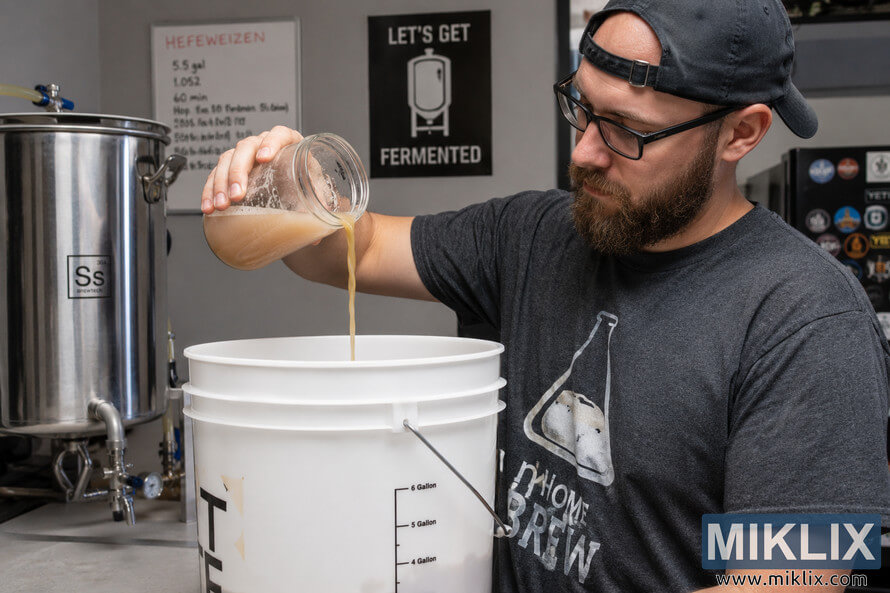
Use sanitized vessels and tools to scoop or siphon the yeast slurry. Transfer it to sanitized jars or containers, leaving space for gentle mixing.
Label each container with the pitch date, beer recipe, and estimated viability. Store the containers in the refrigerator at 34–38°F. This method preserves viability for several weeks. However, viability will decline over months, requiring a starter to refresh the cells before reuse.
Guidelines for repitching and generation limits
Keep track of how many times you reuse yeast. Most brewers limit reuse to three to five times. This depends on sanitation, observed performance, and testing. Exceeding these limits increases the risk of genetic drift and contamination.
When repitching White Labs strains, rehydrate or build a starter to restore cell health. Adjust the pitch rate based on gravity and batch size. Commercial breweries should maintain a yeast bank and refresh from manufacturer cultures periodically. Homebrewers should start with a fresh White Labs vial or pack if performance drops or off-aromas appear.
Sanitation practices to avoid contamination
Sanitize containers, lids, spoons, and funnels with a suitable brewery sanitizer before handling yeast. Minimize exposure to open air and work quickly in a clean area.
For larger operations, perform microbial testing when possible. Be vigilant for changes in fermentation speed, unexpected esters, or off-aromas that could signal contamination. If signs appear, stop repitching and return to a known clean source.
- Keep records of batch, date, and generation number for each jar.
- Use starters to verify viability when storing harvested yeast long-term.
- When in doubt, repitch White Labs fresh culture rather than risk a compromised strain.
Սեղմեք կամ հպեք պատկերին՝ ավելի շատ տեղեկություններ և ավելի բարձր թույլտվությամբ պատկերներ ստանալու համար։
Conclusion
White Labs WLP029 Kölsch Ale Yeast stands out as a reliable option for brewers seeking a clean, crisp Kölsch-style beer. The WLP029 summary reveals its ability to produce minimal esters, solid attenuation, and excellent clarity. This is achieved when fermentation and conditioning are managed properly.
To get the most out of WLP029, follow these best practices: store it cold, create a starter for larger or older packs, and ensure the right cell counts. Control the fermentation temperature, provide oxygen and nutrients, and cold-condition to enhance clarity. These steps are crucial in reducing off-flavors and achieving the delicate balance required by Kölsch.
Consider WLP029 for authentic Kölsch or any clean pale ale profile. However, if you're looking for different ester or phenolic character, compare it with other strains. Given its predictability and stylistic fit, WLP029 is a valuable addition to any brewer's yeast lineup in the United States. It requires the recommended techniques to excel.
FAQ
What is White Labs WLP029 Kölsch Ale Yeast and why choose it?
White Labs WLP029 is a liquid ale yeast strain designed for Kölsch-style beers. It offers a clean, delicate ester profile with moderate to high attenuation. It also has reliable flocculation. Brewers choose WLP029 for a crisp, dry finish that highlights malt and hop nuances. It preserves subtle fruity complexity when fermented at the recommended temperature range.
What temperature range produces the best Kölsch character with WLP029?
For classic Kölsch character, ferment WLP029 in the mid‑50s to low‑60s°F, typically 58–62°F (14–17°C). Lower temperatures yield a cleaner, lager‑like finish. Warmer fermentations increase esters and higher alcohols, reducing the clean profile.
Do I need to make a starter for WLP029, and how large should it be?
Make a starter when brewing over 5 gallons, using older liquid packs, or making high‑gravity beers. Aim for standard ale pitching rates (~0.75–1.5 million viable cells per mL per °P). Use White Labs propagation charts or online calculators to size the starter. A 1–2 L starter is common for single vials on 5‑gal batches, larger for higher gravity.
How should I store and handle WLP029 before use?
Store WLP029 refrigerated at 34–40°F (1–4°C) and use before the expiration date. Protect it from heat during shipping by choosing reputable suppliers and expedited shipping in warm months. Inspect the vial: expect a creamy tan slurry and a yeasty aroma. Discard if there are moldy colors or rotten smells.
Can I direct pitch WLP029 or is stepped starting better?
Direct pitch is acceptable for fresh, high‑viability vials in small batches. For older packs, large batches, or to reach higher cell counts, use stepped starters. Stepped starters improve yeast health, reduce lag, and are recommended for high‑gravity beers or commercial pitches.
What pitching rate should I use to achieve a clean fermentation?
For ales like Kölsch, target roughly 0.75–1.5 million viable cells per mL per °P depending on desired flavor. Higher pitch rates produce cleaner profiles; lower rates accentuate esters. Adjust upward for high‑gravity worts and scale starters or use multiple vials to meet targets.
How do I oxygenate wort correctly when using WLP029?
Aerate wort just before pitching. For small starters, vigorous shaking works. For production batches, use pure O2 with a diffusion stone to reach ~8–10 ppm DO for ales. Avoid introducing oxygen after active fermentation begins to prevent oxidation.
What are common fermentation timelines with WLP029?
Active fermentation usually starts in 12–48 hours with healthy pitch and conditions. Primary often completes in 5–10 days for standard‑strength Kölsch. Allow additional cold conditioning (2–6 weeks) near 32–40°F (0–4°C) for clarity and flavor refinement.
How do I tell if fermentation is stalled and what should I do?
Signs of a stall include no SG change for 48–72 hours, thin krausen, or persistent high gravity. Check temperature, oxygen/nutrient history, and yeast viability. Gentle rousing, a small temperature increase, nutrient additions, or pitching a fresh active starter can restart fermentation. Avoid late oxygenation unless necessary and conservative.
What off‑flavors might appear with WLP029 and how can I prevent them?
Common issues: fusels/solvent from high temps or high gravity; esters from low pitch or warm fermentation; sulfur early in fermentation; phenolics from contamination. Prevent by pitching adequate viable yeast, controlling temperature, providing oxygen and nutrients, and maintaining sanitation.
What mash and water profiles suit Kölsch beers fermented with WLP029?
Use a pilsner‑forward malt bill (90–100% pilsner, with 3–5% Vienna or light Munich optional). Aim for a balanced to slightly sulfate‑forward water profile (sulfate 50–150 ppm, chloride 50–100 ppm) to emphasize crispness while retaining malt softness. Target mash pH ~5.2–5.6 for good enzyme activity and fermentability.
Should I cold‑condition Kölsch made with WLP029, and for how long?
Yes. Cold conditioning near 32–40°F (0–4°C) for 2–6 weeks promotes flocculation, reduces diacetyl, and achieves the clean Kölsch clarity. Extended lagering mellows flavors and helps achieve the style’s signature profile.
How does WLP029 compare to other Kölsch and ale strains like Wyeast 2565 or White Labs WLP001?
WLP029 balances neutrality with subtle character, producing cleaner, drier beers than some ale strains yet with more ale‑like character than lagers. Compared with Wyeast 2565, WLP029 offers a similar Kölsch temperament but may differ in ester balance and flocculation. WLP001 leans toward American ale neutrality; use WLP029 when you want classic Kölsch authenticity.
Can I harvest and repitch WLP029 from fermentations?
Yes. Cold‑crash to consolidate yeast, decant beer, harvest the slurry, and store refrigerated in sanitized containers. Limit repitches to about 3–5 generations depending on sanitation, viability, and sensory checks. Refresh older harvested yeast with a starter before reuse.
What packaging carbonation level is recommended for Kölsch fermented with WLP029?
Target moderate to high carbonation around 2.3–2.8 volumes CO2. This level reinforces the crisp, refreshing character of Kölsch. Use natural bottle conditioning with appropriate priming sugar or force‑carbonate kegs to the target volumes, observing sanitation and oxygen control during packaging.
How should I adjust recipes when using WLP029 for modern pale ales or high‑gravity beers?
For modern pale ales, maintain a clean wort and manage temperature to keep esters restrained; choose a malt backbone and hop schedule that complement a neutral yeast profile. For high‑gravity beers, increase pitching rates, prepare larger or stepped starters, add yeast nutrients and oxygen, and expect longer conditioning to reduce fusel alcohols and off‑flavors.
What inspection cues indicate a WLP029 vial is contaminated or compromised?
Look for unusual colors like green or black, slimy textures, fuzzy pellicles, or sour/rotten/moldy odors. Healthy liquid yeast appears creamy to tan and smells bready or yeasty. If in doubt, make a starter to verify activity or discard and replace the pack.
Լրացուցիչ ընթերցանություն
Եթե ձեզ դուր եկավ այս գրառումը, ձեզ կարող են նաև դուր գալ այս առաջարկները.
- Գարեջրի խմորում White Labs WLP838 հարավգերմանական լագեր խմորիչով
- Գարեջրի խմորում Lallemand LalBrew Wit-ով խմորիչով
- Գարեջրի խմորում Lallemand LalBrew BRY-97 խմորիչով