
Gambar: Heritage Swiss Chard Varieties Growing in a Traditional Garden Bed
Diterbitkan:
Terakhir diperbarui: 16 April 2026 pukul 19.41.12 UTC
High-resolution image of heritage Swiss chard varieties growing together in a traditional garden bed, featuring vibrant stems and lush green leaves in natural sunlight.
Heritage Swiss Chard Varieties Growing in a Traditional Garden Bed
Versi yang tersedia dari gambar ini
File gambar yang tersedia untuk diunduh di bawah ini tidak terlalu terkompresi dan beresolusi lebih tinggi - dan sebagai hasilnya, kualitasnya lebih tinggi - daripada gambar yang disematkan pada artikel dan halaman di situs web ini, yang lebih dioptimalkan untuk ukuran file guna mengurangi konsumsi bandwidth.
Ukuran biasa (1,536 x 1,024)
Ukuran besar (3,072 x 2,048)
Ukurannya sangat besar (4,608 x 3,072)
Ukuran ekstra besar (6,144 x 4,096)
Ukuran besar secara komik (1,048,576 x 699,051)
- Masih mengunggah... ;-)
Deskripsi gambar
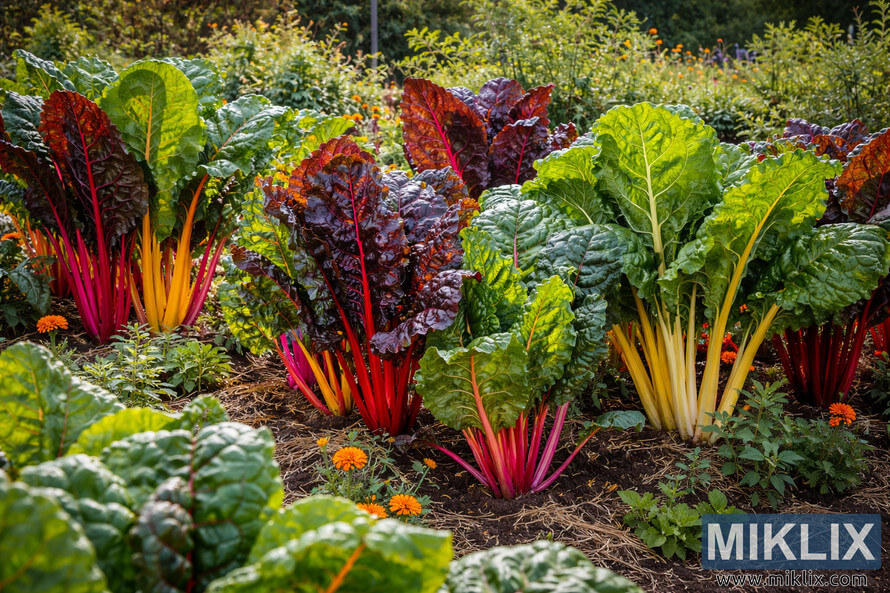
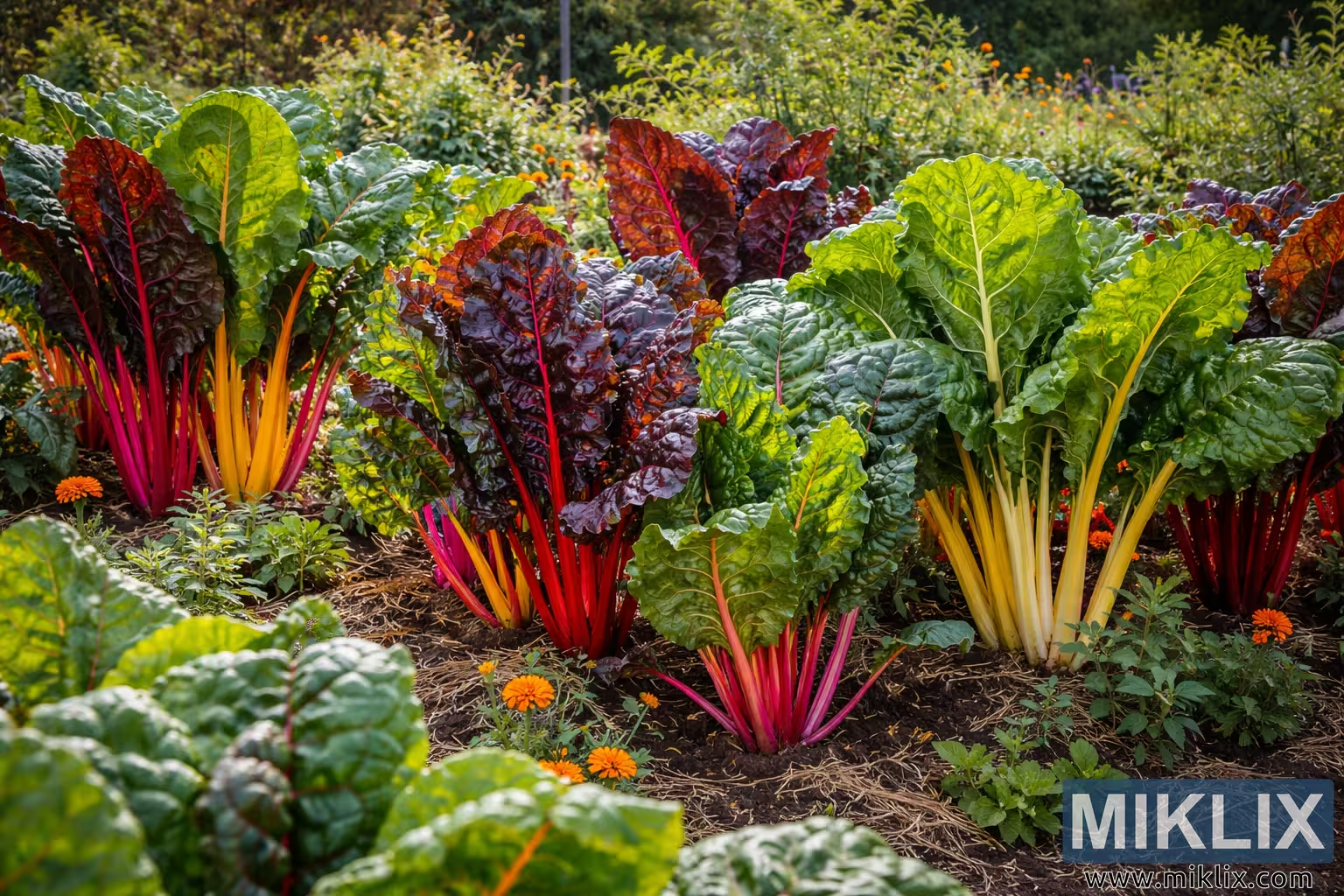
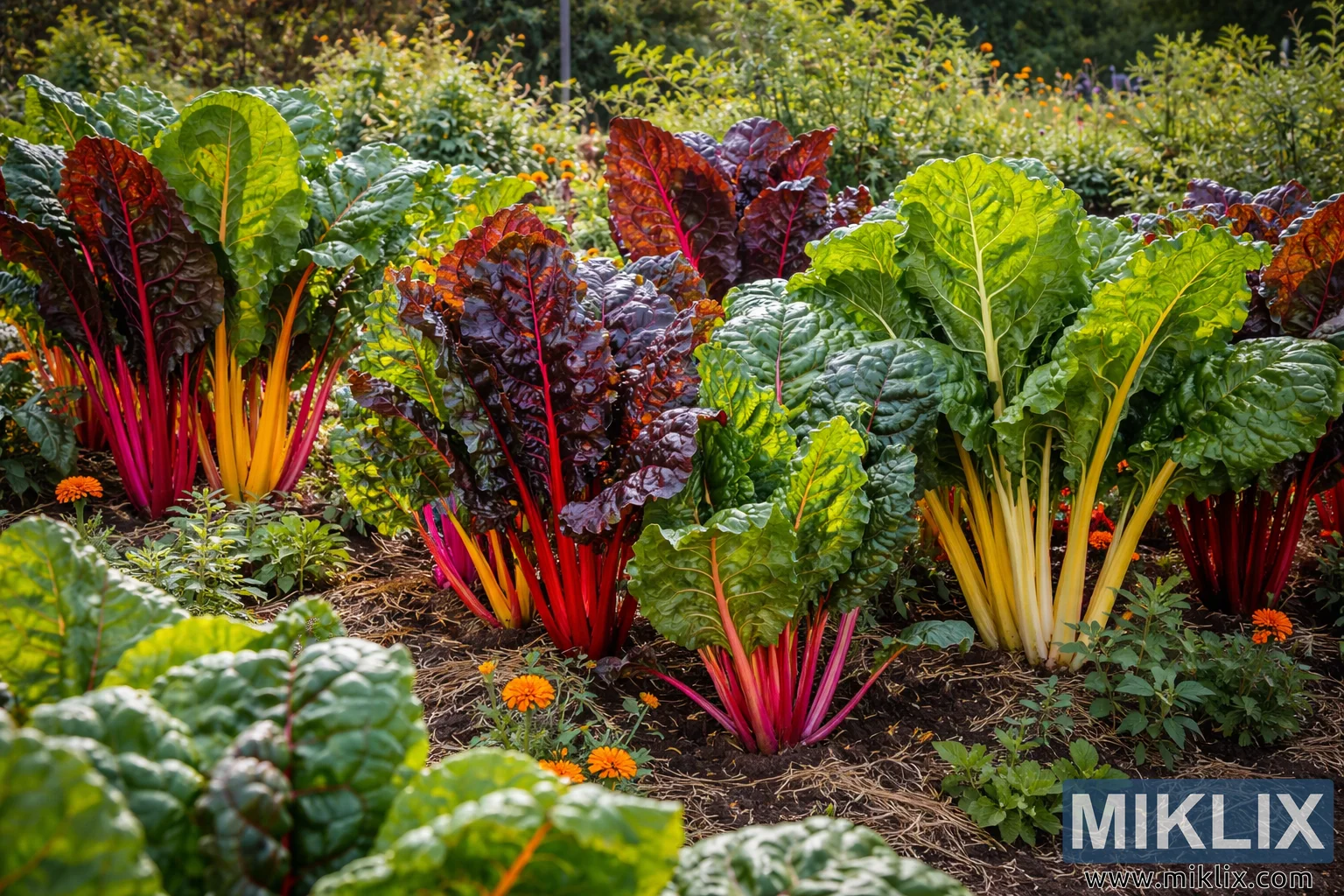
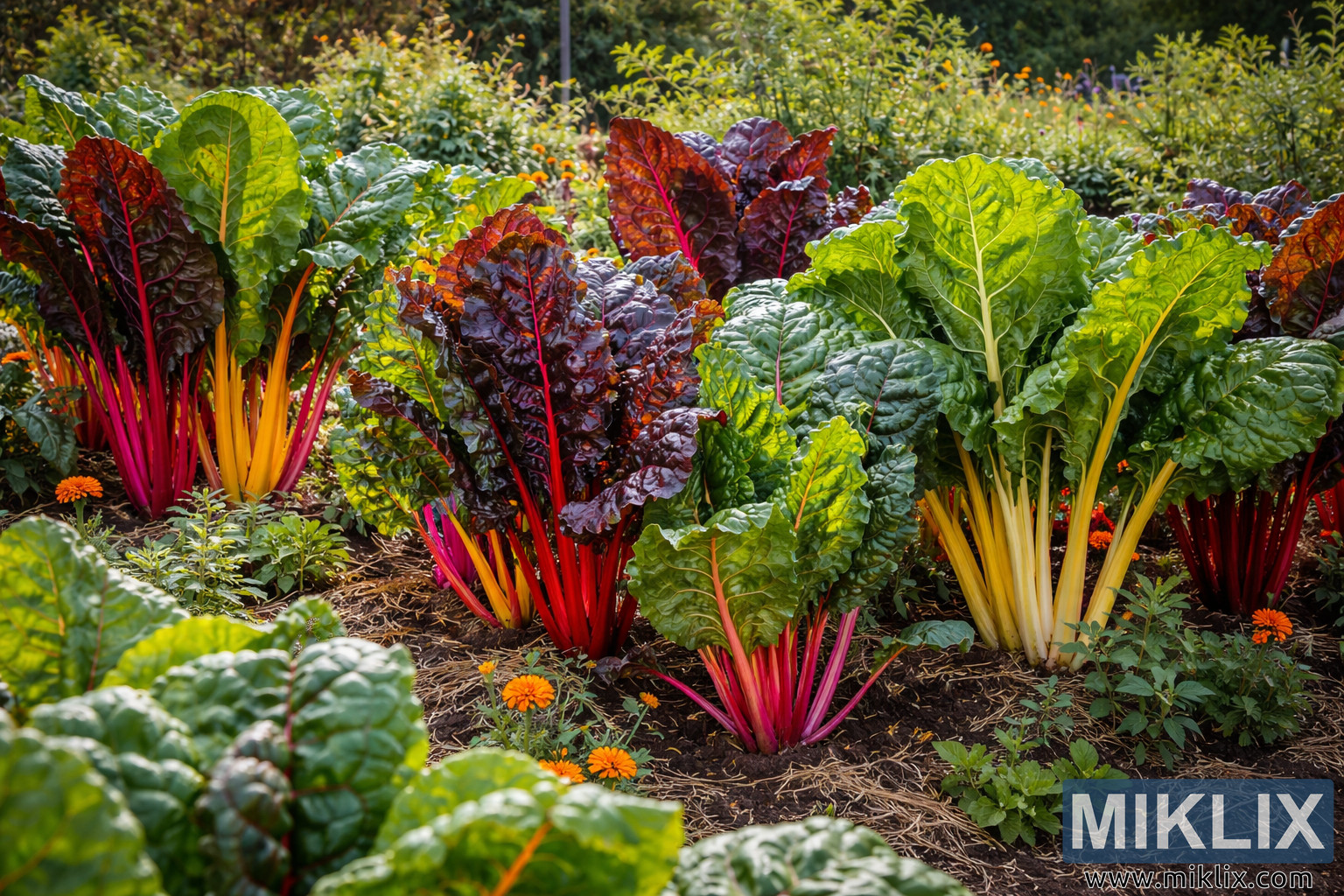
A vibrant, high-resolution landscape photograph shows a thriving traditional vegetable garden filled with heritage varieties of Swiss chard growing closely together in rich soil. The garden bed stretches horizontally across the frame, creating a colorful tapestry of leafy greens and vividly colored stems. Multiple chard plants stand upright with large, crinkled leaves that range from deep emerald to lighter shades of green, their textured surfaces catching the warm afternoon sunlight. Beneath the leaves, the thick stalks display an array of striking colors typical of heirloom chard varieties, including bright crimson red, golden yellow, soft orange, and vivid pink. These colorful stems rise from dark, freshly cultivated soil that appears moist and fertile, emphasizing the healthy growing conditions of the garden.
The plants are arranged naturally rather than in rigid rows, giving the garden a traditional, slightly rustic appearance often associated with heritage vegetable plots and small-scale kitchen gardens. Around the chard plants, small companion flowers and herbs can be seen scattered throughout the bed, adding hints of orange and green that complement the dominant colors of the chard. A few marigold blossoms peek through the foliage near the base of the plants, suggesting a gardener’s effort to encourage biodiversity and natural pest control.
The lighting in the image is soft and warm, likely taken in the late afternoon or early evening when sunlight falls at a gentle angle across the garden. This golden light enhances the glossy texture of the leaves and creates subtle highlights and shadows that emphasize the layered foliage. In the background, the garden continues with slightly blurred greenery, suggesting additional beds, flowering plants, and shrubs beyond the main focus. The shallow depth of field draws the viewer’s attention primarily to the chard in the foreground while still providing context of a lush, productive garden environment.
Overall, the image conveys the beauty and diversity of heritage vegetable varieties, celebrating the colorful stems and abundant leaves of Swiss chard grown in a well-tended traditional garden. The scene feels lively, organic, and abundant, highlighting both the aesthetic appeal and the edible value of these heirloom plants thriving together in a natural garden setting.
Gambar terkait dengan: How to Grow Swiss Chard: A Complete Beginner's Guide