
Gambar: Eye Reflection of Swiss Chard – Symbol of Vision and Vitality
Diterbitkan:
Terakhir diperbarui: 12 September 2026 pukul 14.50.19 UTC
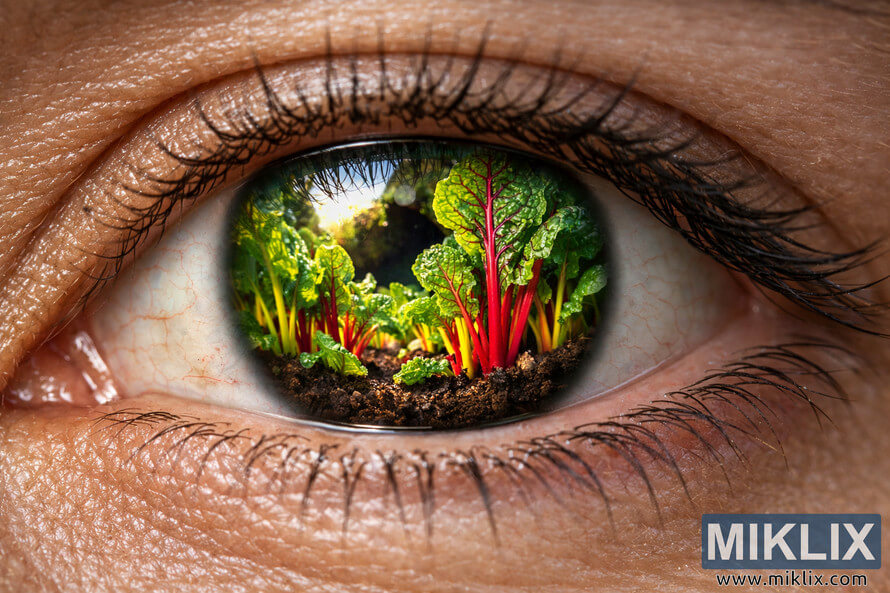
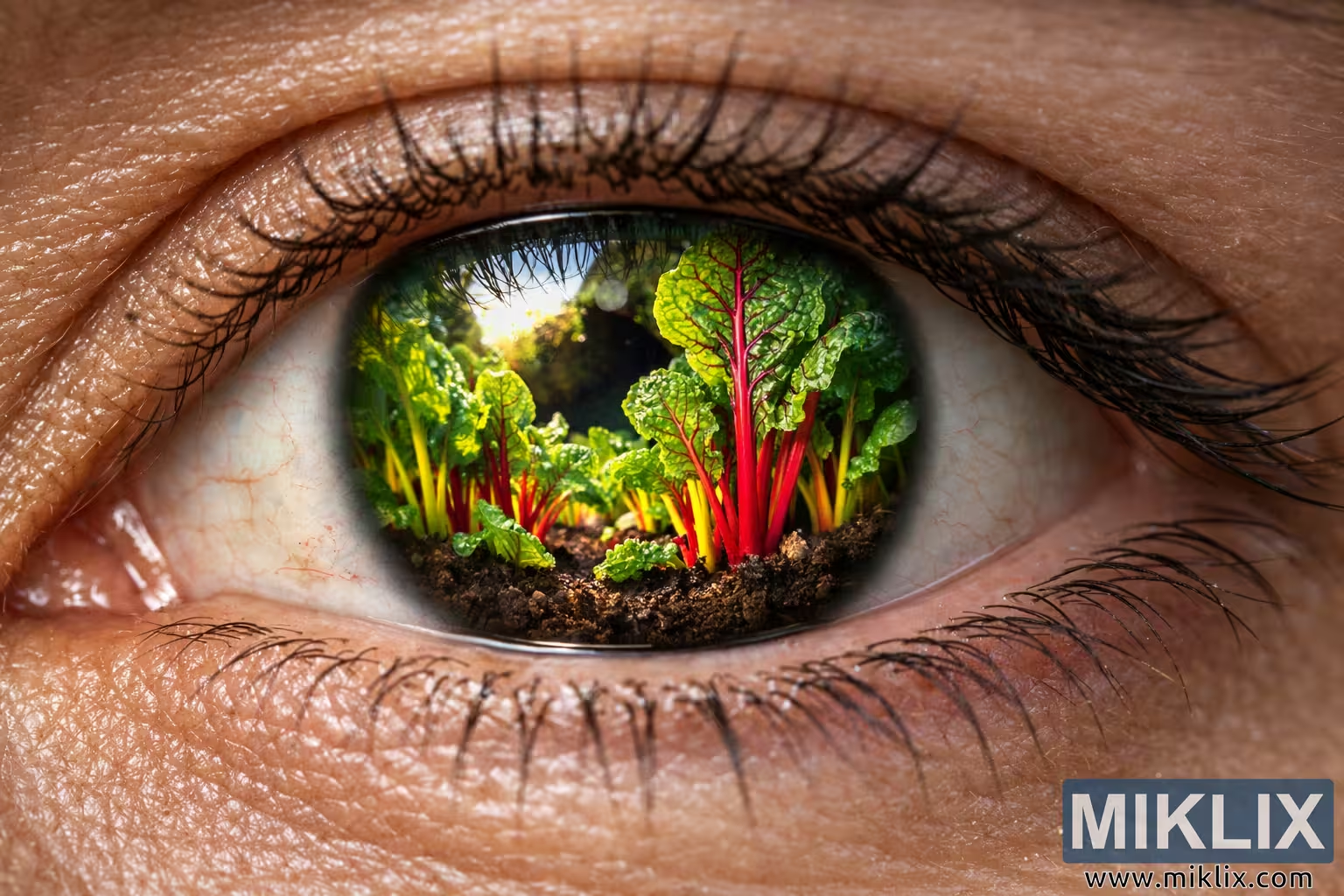
A high-resolution close-up photograph of a human eye with a vivid reflection of Swiss chard leaves in the iris, representing the link between vision health and nutrition.
Eye Reflection of Swiss Chard – Symbol of Vision and Vitality
Versi yang tersedia dari gambar ini
File gambar yang tersedia untuk diunduh di bawah ini tidak terlalu terkompresi dan beresolusi lebih tinggi - dan sebagai hasilnya, kualitasnya lebih tinggi - daripada gambar yang disematkan pada artikel dan halaman di situs web ini, yang lebih dioptimalkan untuk ukuran file guna mengurangi konsumsi bandwidth.
Ukuran biasa (1,536 x 1,024)
Ukuran besar (3,072 x 2,048)
Ukurannya sangat besar (4,608 x 3,072)
Ukuran ekstra besar (6,144 x 4,096)
Ukuran besar secara komik (1,048,576 x 699,051)
- Masih mengunggah... ;-)
Deskripsi gambar
This image captures an extraordinary close-up of a human eye, rendered in landscape orientation with exceptional clarity and detail. The composition centers on the iris, which serves as a mirror to a lush Swiss chard garden, symbolizing the profound connection between vision health and nutrition. The eye itself belongs to a person with light skin, and every pore, eyelash, and subtle texture of the surrounding skin is visible, emphasizing the realism and tactile quality of the photograph. The eyelashes are sharply defined—long, dark, and slightly curved on the upper lid, while the lower lashes are shorter and more delicate. The eyebrow arches gently above, composed of fine, light brown hairs that catch the ambient light.
The iris is the focal point of the image, glowing with intricate patterns and hues that merge seamlessly with the reflection of Swiss chard leaves. Within the iris, the reflection reveals a vibrant garden scene: Swiss chard plants with broad, glossy leaves in shades of emerald green, crimson, and golden yellow. The veins of the leaves are vividly colored—red, magenta, and yellow—radiating from thick stalks that rise from dark, fertile soil. Tiny dewdrops cling to the leaves, refracting sunlight into miniature prisms that add a sense of freshness and vitality. The garden appears bathed in soft morning light, with rays filtering through the foliage and creating a gentle bokeh effect in the background.
The pupil, perfectly centered, is deep black and surrounded by the luminous reflection of the Swiss chard garden. A bright white highlight glimmers on the cornea, suggesting the presence of natural light and adding dimensionality to the eye’s surface. The sclera—the white of the eye—shows faint red capillaries, contributing to the authenticity of the close-up. The skin around the eye is rendered with remarkable precision, showing fine lines, subtle shadows, and the natural texture of human skin.
The overall color palette of the image is a harmonious blend of neutral tones and vivid botanical hues. The earthy browns and soft beiges of the skin contrast beautifully with the greens, reds, and yellows of the reflected Swiss chard. This interplay of colors creates a dynamic visual metaphor: the eye, a window to the body’s health, reflecting the nourishment that sustains it. The lighting is balanced and natural, illuminating the eye without harshness and allowing the reflection to stand out as the central narrative element.
The photograph evokes themes of wellness, perception, and the intimate relationship between what we see and what we consume. The Swiss chard, known for its rich nutrients and eye-supporting vitamins, becomes a symbolic presence within the iris—an artistic representation of how nutrition influences vision and overall vitality. The image invites viewers to contemplate the delicate balance between the external world and the internal processes that sustain life.
Every detail—from the fine texture of the eyelashes to the glistening dewdrops on the chard leaves—contributes to a sense of realism and depth. The reflection is not merely decorative; it is a narrative device that connects the viewer to the idea of seeing health itself. The composition’s landscape orientation enhances the immersive quality, allowing the viewer’s gaze to travel across the expanse of the eye and the mirrored garden within.
In essence, this image is a poetic fusion of human anatomy and natural beauty. It transforms a simple close-up of an eye into a profound visual statement about the interconnectedness of vision, nourishment, and life. The Swiss chard reflection serves as both a literal and metaphorical lens—reminding us that what we see is shaped by what we nurture within.
Gambar terkait dengan: Swiss Chard: Why It Is One of the Healthiest Leafy Greens