
Alfalfa Sprouts: Complete Guide to Health Benefits
Paskelbta:
Paskutinį kartą atnaujinta: 2026 m. gegužės 13 d. 16:28:38 UTC
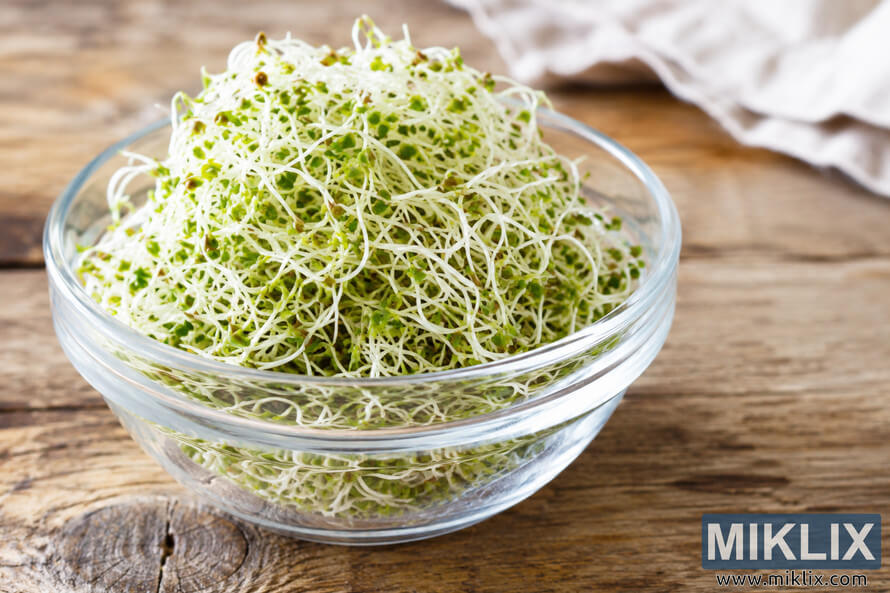
Alfalfa sprouts have gained remarkable popularity among health enthusiasts. These tiny greens pack a nutritional punch that surprises many people. What makes these delicate shoots so special for your health?
Alfalfa Sprouts: Complete Guide to Health Benefits
Spustelėkite arba bakstelėkite paveikslėlį, kad gautumėte daugiau informacijos ir didesnę raišką.
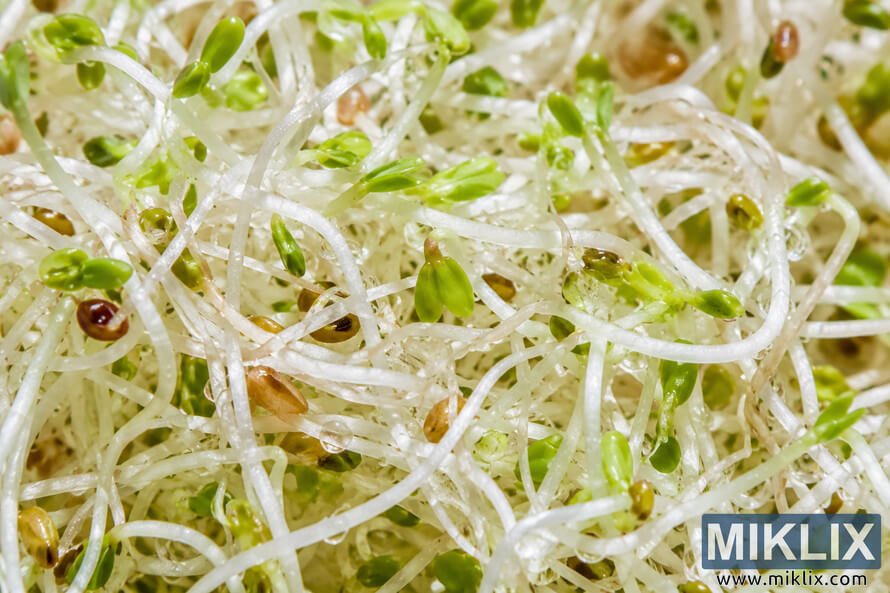
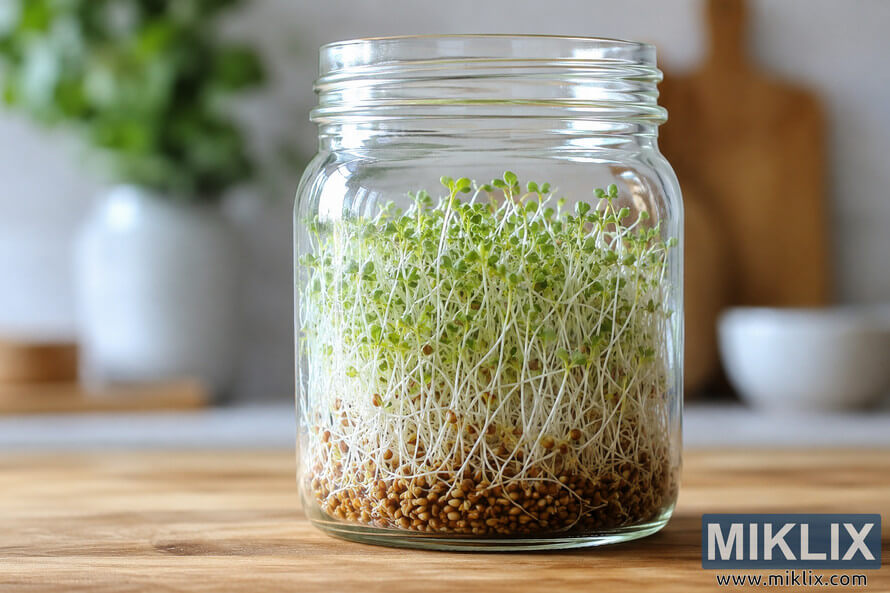
Growing from alfalfa seeds in just a few days, these sprouts deliver concentrated vitamins and minerals. They transform simple meals into nutrient-rich dishes. Whether you add them to sandwiches, toss them in salads, or blend them into smoothies, alfalfa sprouts boost your nutritional intake effortlessly.
Nutritional Profile of Alfalfa Sprouts
Alfalfa sprouts contain an impressive array of nutrients despite their small size. A single cup of these tiny greens weighs only about one ounce. Yet this small portion delivers substantial nutritional value to your diet.
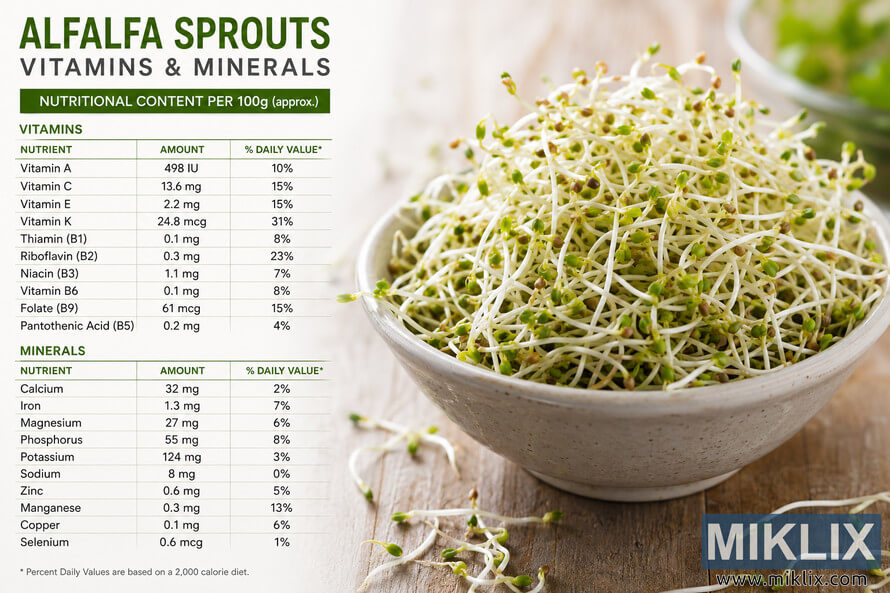
The vitamin content in alfalfa sprouts stands out remarkably. These sprouts provide significant amounts of vitamin K. This vitamin plays a crucial role in blood clotting and bone health. A single serving can meet a large portion of your daily vitamin K needs.
Vitamin C appears in notable quantities as well. This powerful antioxidant supports immune function and skin health. The presence of vitamin C helps your body absorb iron more effectively from plant sources.
Essential Vitamins and Minerals
Vitamin Content
Alfalfa sprouts deliver multiple B vitamins including folate. These vitamins support energy production and cell function.
- Vitamin K supports bone density and proper blood clotting function
- Vitamin C boosts immunity and collagen production for healthy skin
- Folate aids in DNA synthesis and red blood cell formation
- B-complex vitamins enhance metabolism and energy levels naturally
Mineral Composition
The mineral profile of sprouts includes calcium, iron, and magnesium. These minerals support various body functions daily.
- Calcium strengthens bones and teeth throughout your lifetime
- Iron carries oxygen in blood cells to all tissues
- Magnesium regulates muscle function and nerve signals effectively
- Phosphorus works with calcium for strong skeletal structure
Protein Content
Alfalfa sprouts contain complete protein with all essential amino acids. This makes them valuable for plant-based diets.
- Complete amino acid profile supports muscle repair and growth
- Plant-based protein option for vegetarian and vegan diets
- Low calorie protein source for weight management goals
- Easy to digest protein that doesn't cause bloating
Antioxidant Power
These tiny sprouts pack powerful antioxidants. They protect cells from damage caused by free radicals.
- Flavonoids reduce inflammation throughout the body systems
- Saponins may help lower cholesterol levels naturally
- Phytoestrogens support hormonal balance in both genders
- Chlorophyll aids detoxification processes in the liver
Spustelėkite arba bakstelėkite paveikslėlį, kad gautumėte daugiau informacijos ir didesnę raišką.
Calorie and Macronutrient Breakdown
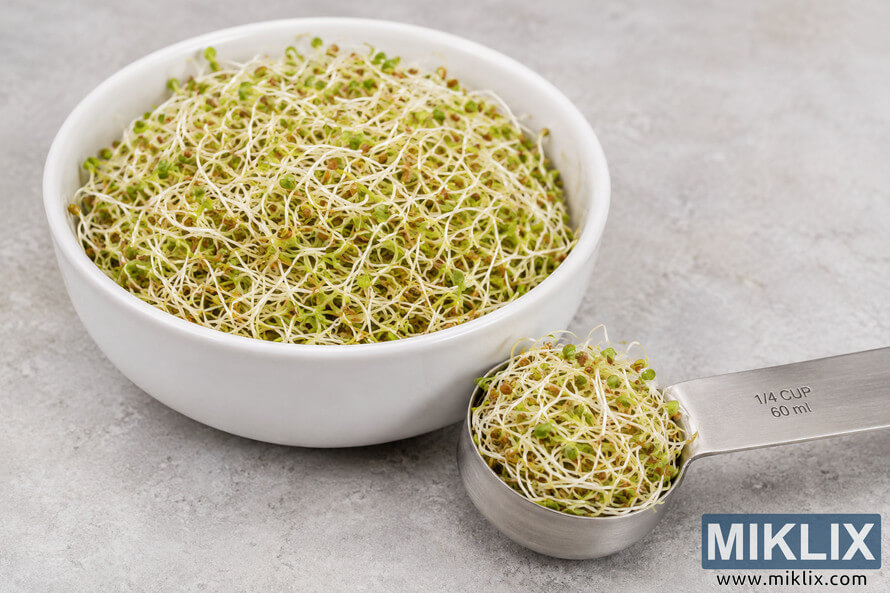
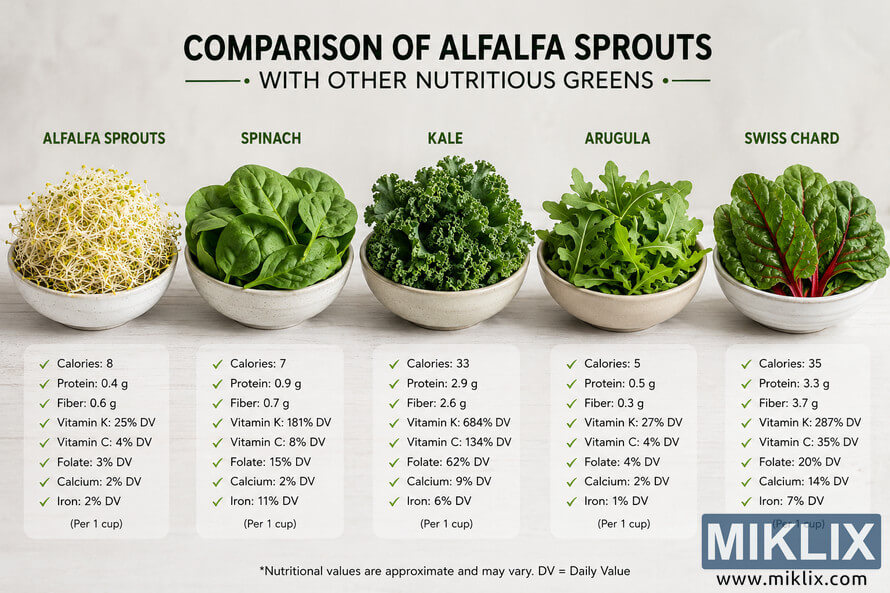
One cup of alfalfa sprouts contains only about eight calories. This makes them perfect for weight-conscious individuals. The low calorie count allows you to eat generous portions without worry.
The carbohydrate content remains minimal at less than one gram per cup. Most of these carbs come from fiber. This fiber supports digestive health and promotes feelings of fullness.
Fat content is virtually non-existent in alfalfa sprouts. The small amount present consists mainly of healthy omega-3 fatty acids. These beneficial fats support heart and brain health.
Spustelėkite arba bakstelėkite paveikslėlį, kad gautumėte daugiau informacijos ir didesnę raišką.
Specific Health Benefits of Alfalfa Sprouts
Alfalfa sprouts offer multiple health advantages backed by nutritional science. Regular consumption may support various body systems. These benefits make sprouts a valuable addition to balanced meals.
Cardiovascular Health Support
Research suggests alfalfa sprouts may benefit heart health. The saponins found in these sprouts can help reduce cholesterol absorption. This effect may lead to lower LDL cholesterol levels over time.
The fiber content in sprouts supports healthy cholesterol levels. Soluble fiber binds to cholesterol in the digestive system. This prevents cholesterol from entering your bloodstream.
Vitamin K plays a role in preventing arterial calcification. This vitamin helps keep calcium in bones rather than arteries. Proper vitamin K intake may reduce cardiovascular disease risk.
Spustelėkite arba bakstelėkite paveikslėlį, kad gautumėte daugiau informacijos ir didesnę raišką.
Digestive System Enhancement
The fiber in alfalfa sprouts promotes regular bowel movements. This helps prevent constipation and maintains digestive comfort. A healthy digestive system absorbs nutrients more efficiently from all foods.
Enzymes present in raw sprouts aid in food digestion. These natural enzymes help break down proteins, fats, and carbohydrates. Better digestion means your body extracts more nutrition from every meal.
The chlorophyll content may support gut health. This compound has natural cleansing properties. It may help eliminate toxins and support beneficial gut bacteria.
Spustelėkite arba bakstelėkite paveikslėlį, kad gautumėte daugiau informacijos ir didesnę raišką.
Immune System Boost
Vitamin C in alfalfa sprouts strengthens immune function. This essential vitamin supports white blood cell production. A robust immune system protects you from common illnesses.
Antioxidants in sprouts combat oxidative stress. This stress can weaken immune responses over time. Regular antioxidant intake helps maintain immune system efficiency.
Anti-Inflammatory Properties
Chronic inflammation contributes to many health conditions. Alfalfa sprouts contain compounds that may reduce inflammation naturally.
- Flavonoids work to decrease inflammatory markers in the body
- Vitamin K helps regulate inflammatory responses effectively
- Plant compounds may ease joint discomfort and stiffness
Spustelėkite arba bakstelėkite paveikslėlį, kad gautumėte daugiau informacijos ir didesnę raišką.
Blood Sugar Management
The low carbohydrate content makes alfalfa sprouts suitable for diabetics. They add volume and nutrition to meals without spiking blood sugar. This quality helps maintain stable energy levels throughout the day.
Some research indicates sprouts may improve insulin sensitivity. Better insulin function helps cells absorb glucose more effectively. This mechanism supports healthy blood sugar control.
Bone Health Support
Vitamin K plays a vital role in bone metabolism. This vitamin activates proteins that bind calcium to bones. Adequate vitamin K intake reduces osteoporosis risk as you age.
The calcium and magnesium in sprouts contribute to bone density. These minerals work together to maintain skeletal strength. Regular consumption supports long-term bone health maintenance.
Detoxification Support
Chlorophyll in alfalfa sprouts may aid natural detoxification processes. This compound supports liver function and helps eliminate waste products. The high water content in sprouts also promotes kidney function. Proper hydration through water-rich foods assists toxin removal. Make sure to rinse sprouts thoroughly before consumption to remove any debris.
Spustelėkite arba bakstelėkite paveikslėlį, kad gautumėte daugiau informacijos ir didesnę raišką.
Safety Considerations and Potential Side Effects
While alfalfa sprouts offer numerous benefits, certain safety factors require attention. Understanding these considerations helps you enjoy sprouts safely. Proper handling and awareness prevent potential health issues.
Food Safety and Contamination Risks
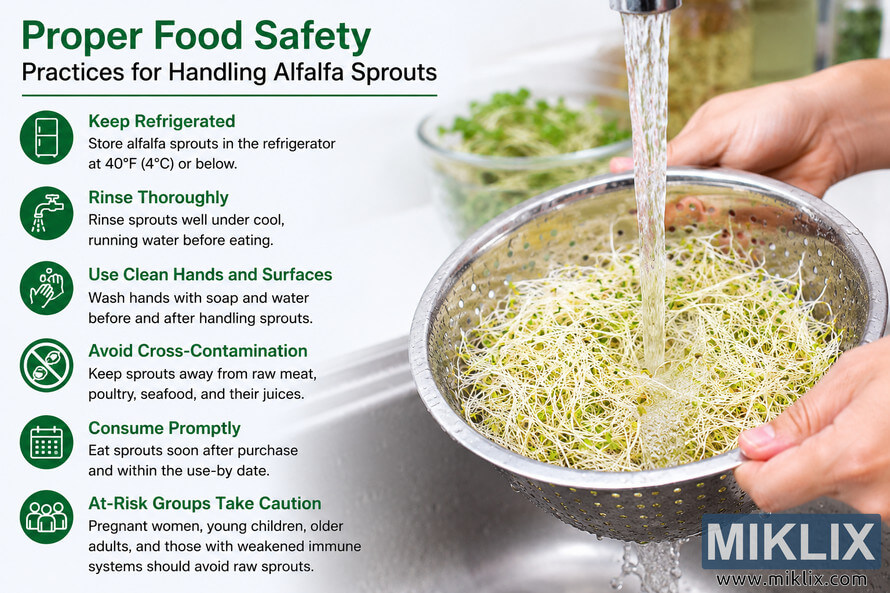
Raw sprouts can harbor harmful bacteria if not handled properly. The warm, moist conditions ideal for sprouting also favor bacterial growth. This makes proper food safety practices essential when consuming sprouts.
Commercial sprout production follows strict safety protocols. However, contamination can still occur occasionally. Purchasing from reputable sources reduces but does not eliminate this risk.
Growing sprouts at home requires careful attention to cleanliness. Rinse seeds and sprouts multiple times each day with clean water. This practice helps prevent bacterial colonization on the sprouts.
High-Risk Groups Should Exercise Caution
Certain individuals should avoid raw alfalfa sprouts entirely. Pregnant women face higher risks from foodborne pathogens. Young children and elderly people have more vulnerable immune systems. People with compromised immunity should consult healthcare providers before eating raw sprouts.
Spustelėkite arba bakstelėkite paveikslėlį, kad gautumėte daugiau informacijos ir didesnę raišką.
Preparation and Storage Guidelines
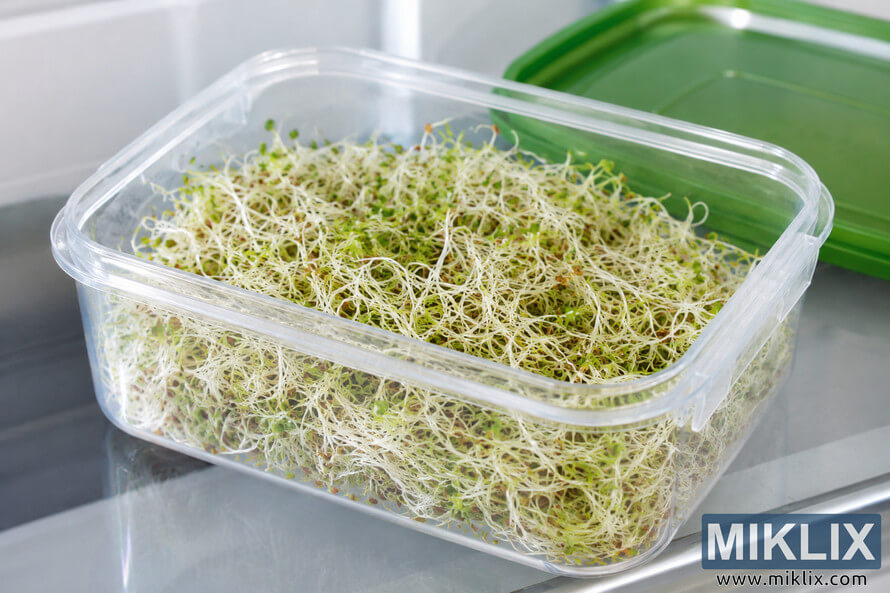
Store sprouts in the refrigerator immediately after purchase or harvest. Keep them in a clean container with proper air circulation. Consume sprouts within a few days for optimal freshness and safety.
Rinse sprouts thoroughly under cold running water before eating. This removes surface debris and reduces bacterial load. Pat them dry gently with clean paper towels before adding to meals.
Never consume sprouts that smell off or show discoloration. Brown or slimy sprouts indicate spoilage and potential contamination. When in doubt, throw them out to avoid foodborne illness.
Spustelėkite arba bakstelėkite paveikslėlį, kad gautumėte daugiau informacijos ir didesnę raišką.
Allergic Reactions and Sensitivities
Some people experience allergic reactions to alfalfa sprouts. Symptoms may include itching, hives, or digestive discomfort. Stop consumption immediately if you notice any adverse reactions.
Alfalfa belongs to the legume family like peanuts and soybeans. People with legume allergies should approach alfalfa cautiously. Consider allergy testing before making sprouts a dietary staple.
Medication Interactions
Vitamin K in alfalfa sprouts can interfere with blood-thinning medications. Drugs like warfarin require consistent vitamin K intake. Large amounts of sprouts may reduce medication effectiveness.
Benefits of Alfalfa Sprouts
- Rich in vitamins K, C, and folate for overall health
- Low calorie option for weight management goals
- Contains beneficial antioxidants and plant compounds
- Supports digestive health with natural fiber content
- Easy to grow at home in just days
- Versatile ingredient for various meals and recipes
Potential Concerns
- Risk of bacterial contamination if not handled properly
- Not recommended for pregnant women or immunocompromised individuals
- May interact with blood-thinning medications significantly
- Possible allergic reactions in sensitive people
- Short shelf life requires quick consumption
- Autoimmune considerations for some health conditions
Autoimmune Disease Considerations
Some compounds in alfalfa may stimulate immune system activity. This effect could potentially worsen autoimmune conditions. People with lupus or similar conditions should avoid alfalfa supplements.
Small amounts of sprouts in food are generally considered safe. However, concentrated supplements carry higher risks. Always consult a healthcare provider about dietary choices with autoimmune diseases.

Spustelėkite arba bakstelėkite paveikslėlį, kad gautumėte daugiau informacijos ir didesnę raišką.
How to Incorporate Alfalfa Sprouts into Your Diet
Adding alfalfa sprouts to your meals requires minimal effort. These versatile greens complement numerous dishes beautifully. Simple preparation methods preserve their nutritional value and fresh taste.
Simple Ways to Add Sprouts to Meals
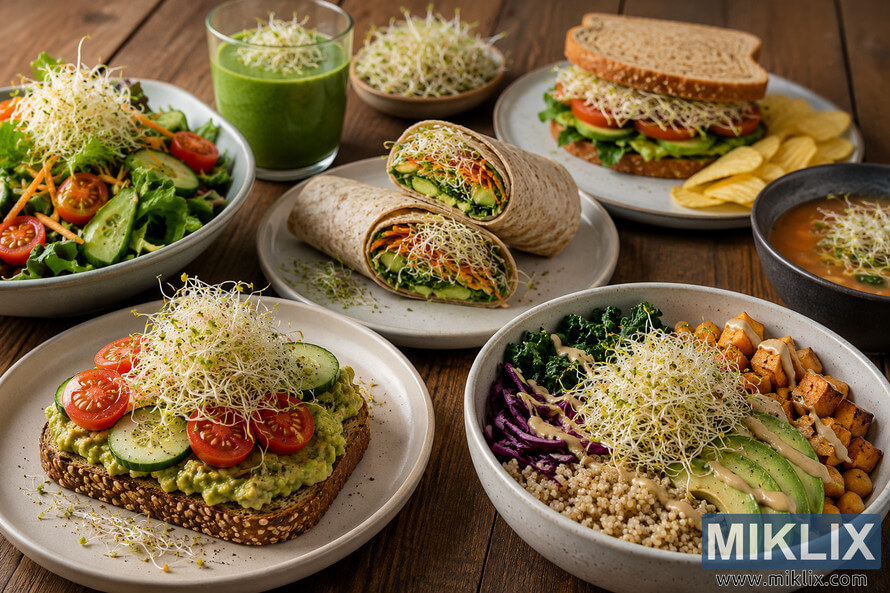
Sandwiches benefit from a handful of fresh sprouts. Layer them between bread slices with your favorite fillings. The crisp texture adds delightful crunch to every bite.
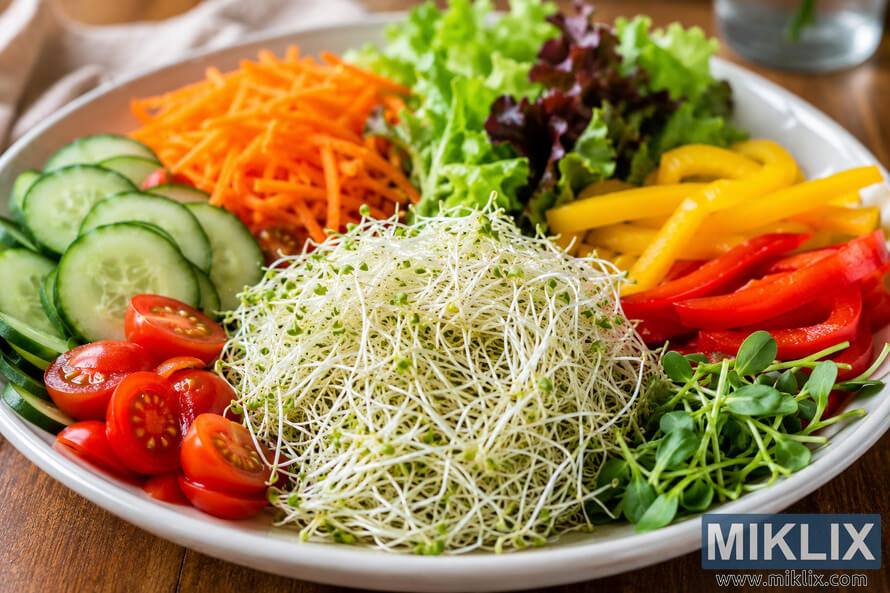
Toss sprouts into salads for extra nutrition and visual appeal. Mix them with lettuce, tomatoes, and other fresh vegetables. A simple vinaigrette dressing complements their mild flavor perfectly.
Top your morning eggs or omelets with a pinch of sprouts. The heat from eggs warms them slightly without cooking. This method maintains their nutritional integrity while adding freshness.
Quick Breakfast Ideas
- Add to scrambled eggs with cheese and herbs
- Layer in breakfast wraps with avocado slices
- Top whole grain toast with cream cheese and sprouts
- Mix into smoothie bowls as a green garnish
- Include in breakfast burritos with beans
Lunch Options
- Pile high on turkey or chicken sandwiches daily
- Add to tuna or chicken salad for crunch
- Include in vegetable wraps with hummus spread
- Mix into pasta salad with Italian dressing
- Top grain bowls with fresh sprout handfuls
Dinner Applications
- Garnish grilled fish or chicken plates elegantly
- Add to stir-fry dishes at the very end
- Top tacos and fajitas for fresh contrast
- Include in spring rolls with rice noodles
- Mix into quinoa or rice dishes before serving
Spustelėkite arba bakstelėkite paveikslėlį, kad gautumėte daugiau informacijos ir didesnę raišką.
Creative Recipe Applications
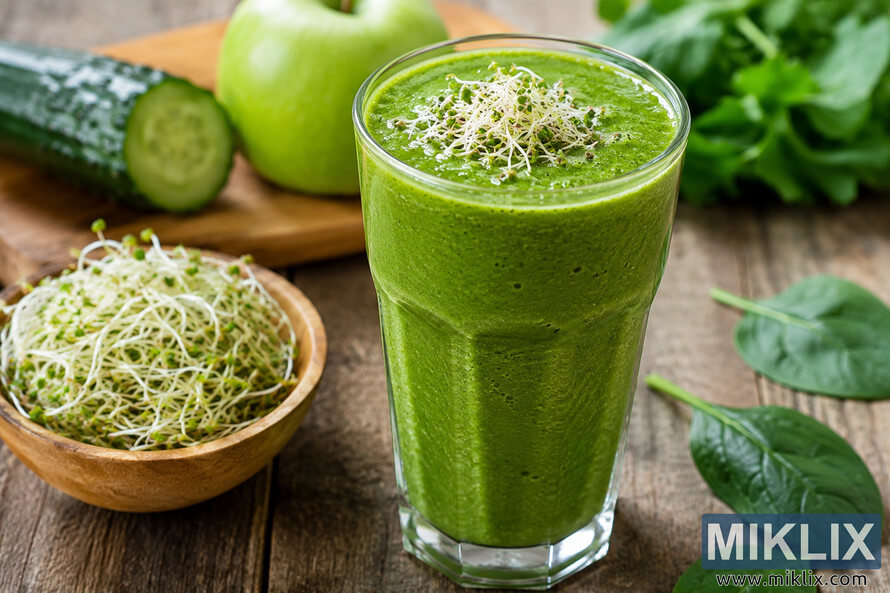
Blend sprouts into green smoothies for added nutrition. Combine them with fruits, spinach, and your liquid of choice. The mild taste disappears among stronger flavors in the bowl.
Use sprouts as a bed for serving grilled proteins. Arrange them on a plate before adding chicken or fish. This presentation adds color and nutrition to your main course.
Incorporate sprouts into homemade sushi rolls or poke bowls. They pair wonderfully with rice, fish, and vegetables. The fresh crunch contrasts nicely with soft rice texture.
Spustelėkite arba bakstelėkite paveikslėlį, kad gautumėte daugiau informacijos ir didesnę raišką.
Growing Alfalfa Sprouts at Home
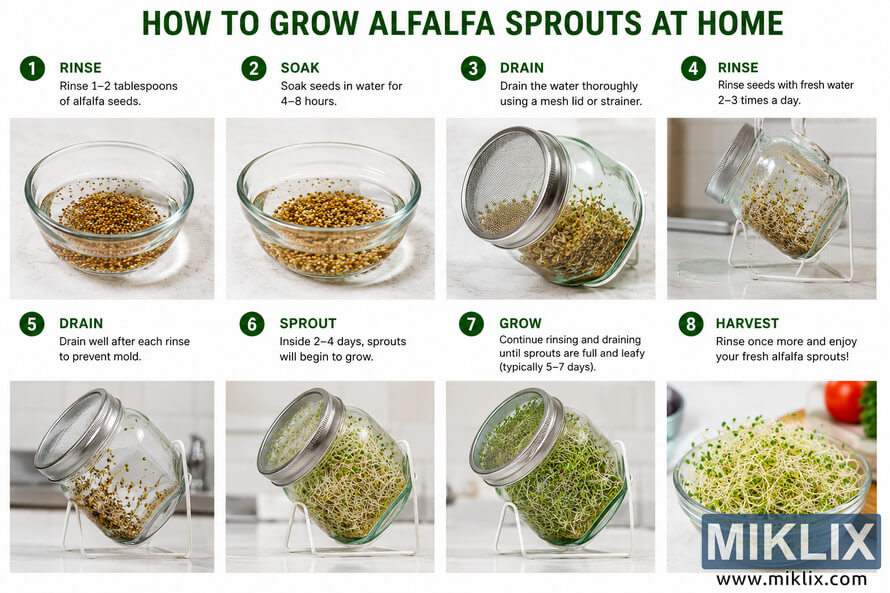
Home cultivation gives you the freshest sprouts possible. The process requires only alfalfa seeds, a jar, and water. Growing your own ensures quality control and reduces food costs.
Start with two tablespoons of organic alfalfa seeds. Place them in a clean wide-mouth jar with mesh lid. Soak overnight in cool water to initiate germination.
Drain the water completely after the overnight soak period. Rinse seeds twice daily with fresh water for several days. Make sure to drain thoroughly each time to prevent mold.
Place the jar on its side in indirect light. Turn the jar to different positions during rinsing times. This ensures even growth and prevents sprouts from clumping together.
Seeds sprout within two to three days typically. Allow water to drain completely after each rinse session. The sprouting process continues for about five to seven days.
Sprouts are ready to harvest when they reach desired length. Most people prefer them at one to two inches long. Leave the jar near a window so sprouts turn green from chlorophyll.
Rinse the mature sprouts one final time before storage. Remove any unsprouted seeds or hulls if desired. Store in a sealed container in the refrigerator immediately.
Spustelėkite arba bakstelėkite paveikslėlį, kad gautumėte daugiau informacijos ir didesnę raišką.
Portion Recommendations
A typical serving size equals about one cup of sprouts. This amount provides substantial nutrition without overwhelming your meal. You can adjust portions based on personal preference and recipe requirements.
Start with smaller amounts if you are new to sprouts. Gradually increase portions as your digestive system adapts. Some people experience mild gas initially from the fiber content.
How long do homegrown alfalfa sprouts stay fresh?
Properly stored sprouts remain fresh for three to five days in the refrigerator. Keep them in a clean, sealed container with good air circulation. Rinse them daily to maintain freshness and remove any excess moisture. Always check for off odors or discoloration before consuming stored sprouts.
Can you cook alfalfa sprouts or must they be eaten raw?
While typically eaten raw, you can lightly cook alfalfa sprouts for safety. Brief cooking reduces bacterial risks for vulnerable individuals. However, cooking destroys some heat-sensitive vitamins and enzymes. If you choose to cook them, add sprouts at the very end of cooking time to minimize nutrient loss.
What is the best time of day to eat alfalfa sprouts?
You can enjoy alfalfa sprouts at any time during the day. Many people add them to breakfast eggs or morning sandwiches. Others prefer them in lunch salads or as dinner garnishes. The timing matters less than consistent inclusion in your regular diet for optimal health benefits.
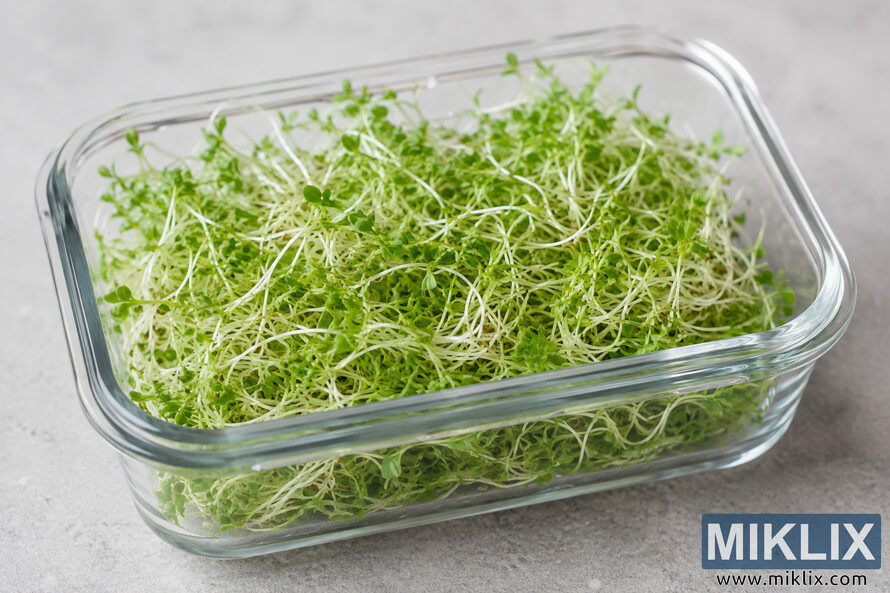
Spustelėkite arba bakstelėkite paveikslėlį, kad gautumėte daugiau informacijos ir didesnę raišką.
Making Alfalfa Sprouts Part of Your Healthy Lifestyle
Alfalfa sprouts deliver impressive nutritional benefits in a tiny package. Their rich vitamin and mineral content supports multiple body systems. From cardiovascular health to digestive function, these greens offer substantial advantages.
The versatility of alfalfa sprouts makes them easy to incorporate. Add them to sandwiches, toss them in salads, or blend them into smoothies. Simple preparation methods preserve their nutrients and fresh taste.
Safety considerations deserve attention when consuming raw sprouts. Proper handling, storage, and awareness of personal health conditions ensure safe enjoyment. High-risk individuals should consult healthcare providers about consumption.
Growing sprouts at home provides the freshest option available. The process requires minimal equipment and only takes a few days. Home cultivation gives you control over quality and reduces costs.
Start with small amounts to assess your tolerance and preference. Gradually increase portions as you discover favorite preparation methods. Consistent inclusion in your diet maximizes the health benefits over time.
Whether you purchase sprouts or grow them at home, quality matters. Choose organic seeds and maintain cleanliness throughout the sprouting process. Fresh, properly handled sprouts provide the best nutrition and taste.
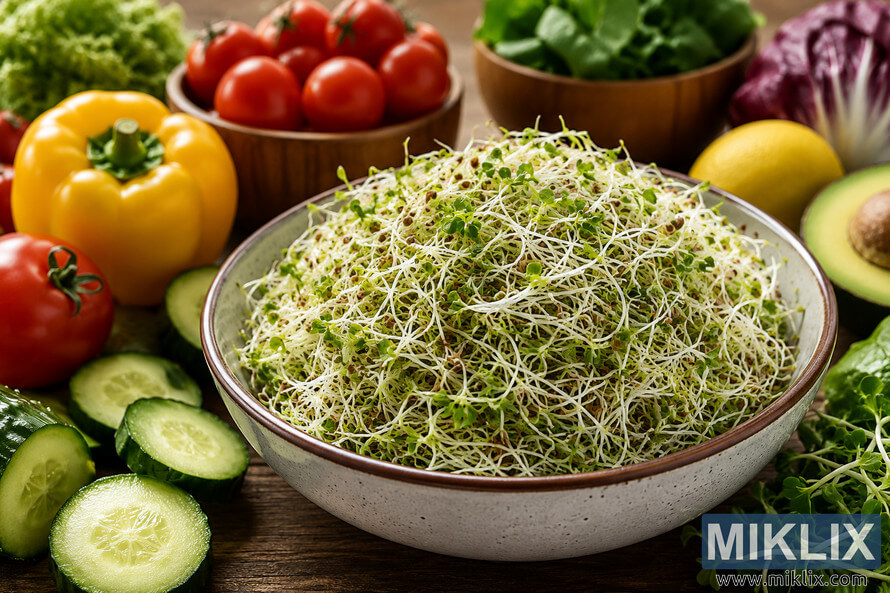
Spustelėkite arba bakstelėkite paveikslėlį, kad gautumėte daugiau informacijos ir didesnę raišką.
Papildoma literatūra
Jei jums patiko šis įrašas, jums taip pat gali patikti šie pasiūlymai:
- Violetinės spalvos karaliavimas: raudonųjų kopūstų maistinių paslapčių atskleidimas
- Gėrio sluoksniai: kodėl svogūnai yra užmaskuotas supermaistas
- Aminorūgščių pranašumas: L-arginino vaidmuo kraujotakoje, imunitete ir ištvermėje