
Attēls: Cup of Lemongrass Tea with Digestive Wellness Herbs on Rustic Table
Publicēts:
Pēdējo reizi atjaunināts: 2026. gada 26. augusts 15:35:35 UTC
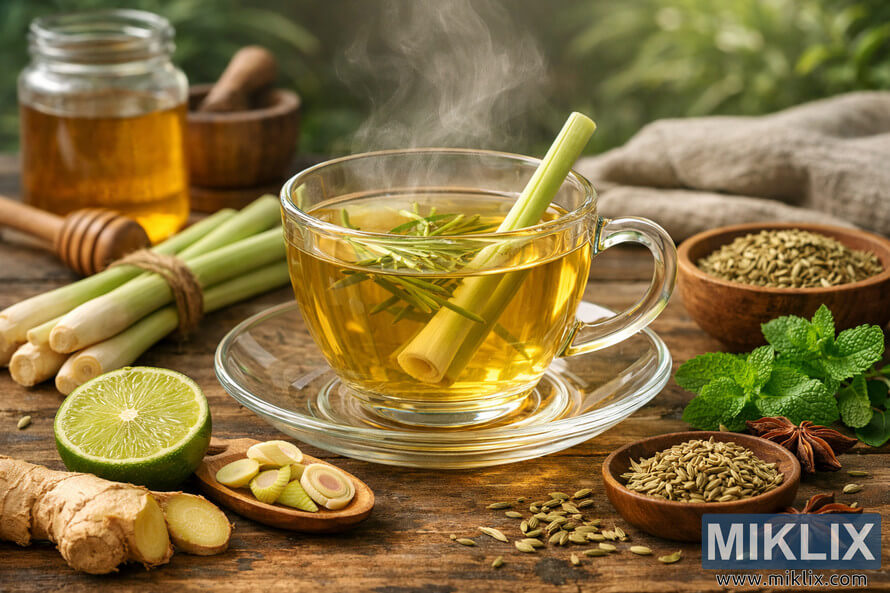
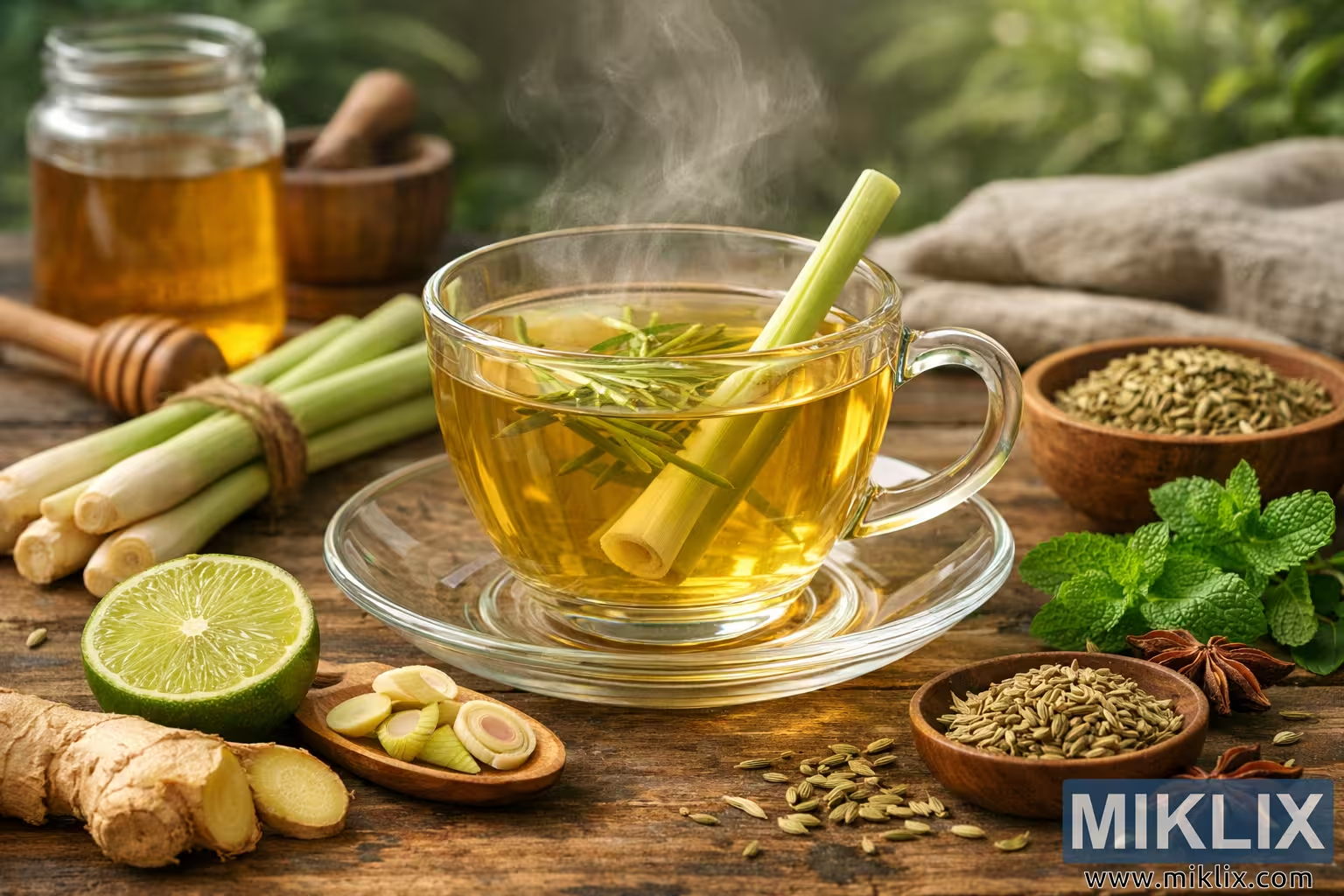
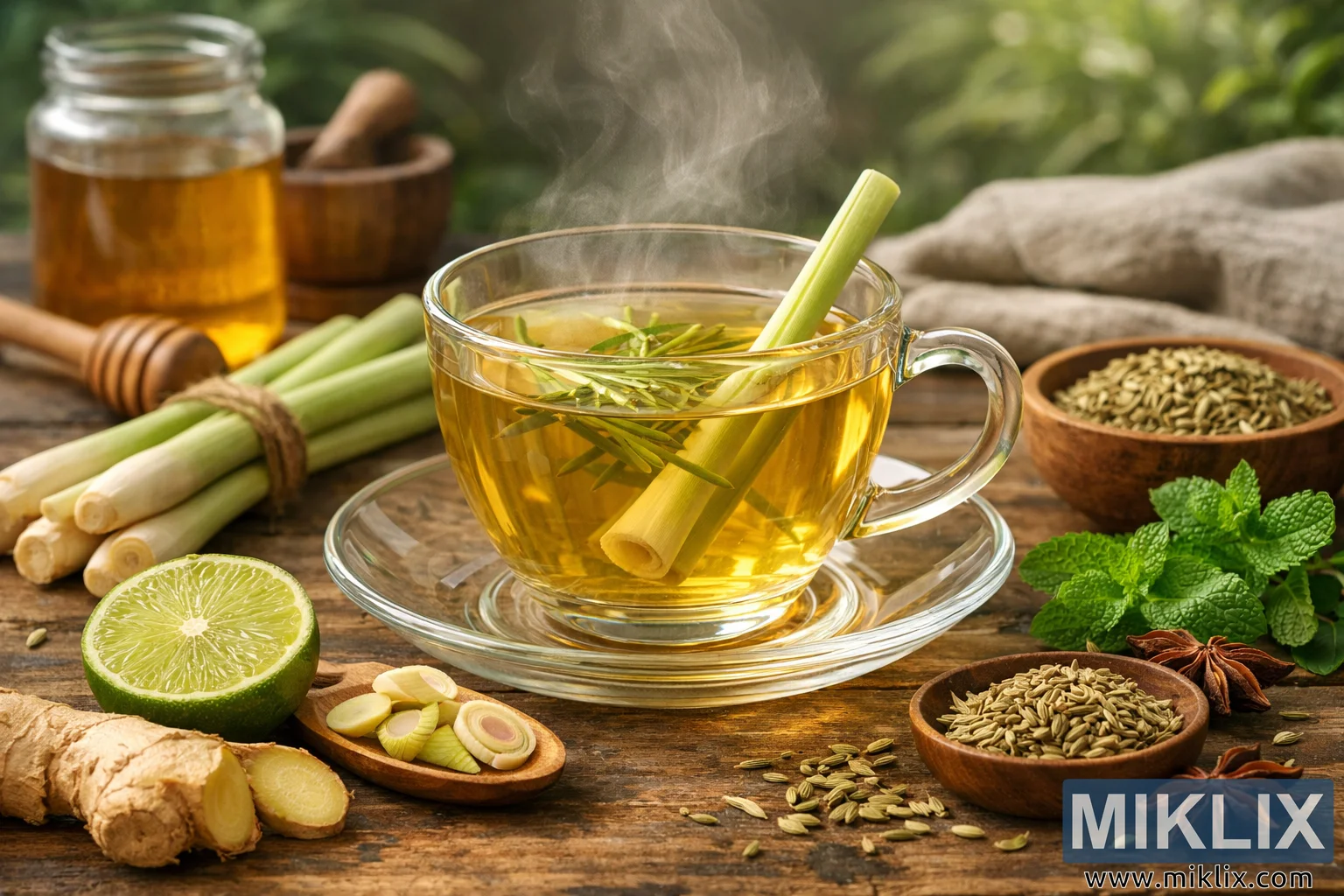
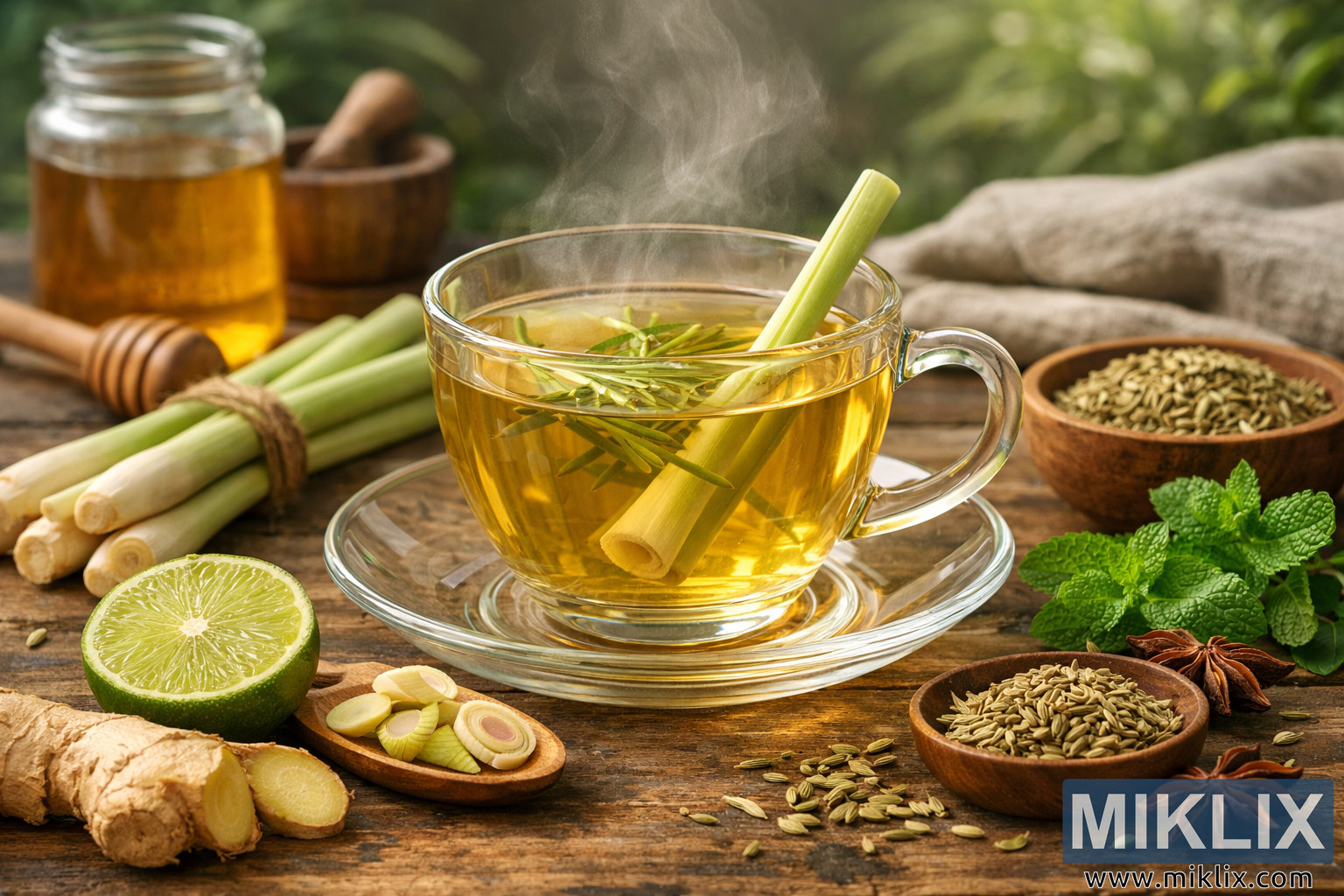
A warm glass cup of lemongrass tea sits on a rustic wooden table, surrounded by fresh herbs and spices that support digestive wellness. Lemongrass stalks, sliced lime, ginger root, fennel seeds, mint leaves, star anise, and a jar of honey create a soothing, natural scene. Soft sunlight and a blurred green background enhance the feeling of calm, comfort, and holistic self-care.
Cup of Lemongrass Tea with Digestive Wellness Herbs on Rustic Table
Šī attēla pieejamās versijas
Tālāk lejupielādei pieejamie attēlu faili ir mazāk saspiesti un augstākas izšķirtspējas - un līdz ar to arī augstākas kvalitātes - nekā šīs vietnes rakstos un lapās ievietotie attēli, kuru izmērs ir optimizēts, lai samazinātu joslas platuma patēriņu.
Regulāra izmēra (1,536 x 1,024)
Liels izmērs (3,072 x 2,048)
Ļoti liels izmērs (4,608 x 3,072)
Īpaši liels izmērs (6,144 x 4,096)
Komiski liels izmērs (1,048,576 x 699,051)
- Joprojām augšupielādē... ;-)
Attēla apraksts
A serene, inviting scene unfolds on a rustic wooden table, where a steaming glass cup of lemongrass tea becomes the central symbol of digestive wellness and natural self-care. The cup itself is made of clear glass, allowing the viewer to see the rich, golden-yellow hue of the tea inside. The liquid glows warmly, as if infused with sunlight, and delicate wisps of steam rise from the surface, suggesting comforting warmth and freshly brewed goodness. The cup has a smooth, transparent handle on the right side, and it rests on a matching clear glass saucer that catches subtle reflections of light and color from the tea and surrounding ingredients.
Inside the tea, a fresh lemongrass stalk stands upright, serving as a natural stirrer. Its pale green and creamy white tones contrast gently with the golden tea, and thin sprigs of lemongrass float within the liquid, hinting at the aromatic, citrusy flavor and soothing properties associated with this herb. The composition emphasizes the idea of a carefully prepared herbal infusion, crafted not just for taste but for digestive comfort and holistic wellness.
To the left of the cup, a small bundle of fresh lemongrass stalks lies on the table, tied together with a simple piece of twine. The bundle reinforces the sense of abundance and freshness, as if the tea was made moments ago from these very stalks. Nearby, a small wooden spoon holds sliced pieces of lemongrass, including cross-sectional slices that reveal the fibrous interior and circular patterns of the stalk. These slices are arranged thoughtfully, suggesting both culinary preparation and herbal practice, and they add texture and detail to the scene.
In the foreground on the left side, a halved lime rests on the wooden surface. Its bright green rind and juicy, pale green interior introduce a vivid pop of color that complements the golden tea and the green herbs. The lime evokes notions of cleansing, refreshing acidity, and digestive support, reinforcing the wellness theme. Next to the lime, a piece of fresh ginger root sits with a few slices cut off and placed nearby. The ginger’s knobby, irregular shape and warm beige color contrast with the smoother surfaces around it, while the slices reveal its fibrous, slightly translucent interior. Ginger is widely associated with soothing the stomach and aiding digestion, and its presence in the composition deepens the narrative of a carefully curated digestive wellness ritual.
To the right of the tea cup, a small wooden bowl is filled with dried fennel seeds. The seeds are tiny, elongated, and pale greenish-brown, forming a textured mound that hints at their aromatic, slightly sweet flavor. Scattered fennel seeds spill onto the table around the bowl, adding a sense of natural imperfection and movement, as if someone has just measured them out for brewing or blending. Nestled among the fennel seeds are fresh green mint leaves, their vibrant color and gently serrated edges providing a refreshing visual accent. A few star anise pods are also present, their dark brown, star-shaped forms adding both visual interest and a subtle suggestion of warm, spicy notes that can complement digestive herbal blends.
In the background to the left, a glass jar filled with honey catches the light. The honey inside glows with a deep amber color, and a wooden honey dipper rests beside the jar, ready to be used. The honey suggests natural sweetness and a soothing quality that can balance the herbal flavors of the tea, while also contributing to the overall sense of comfort and care. Further back, a small wooden mortar and pestle sit on the table, hinting at the process of grinding and blending herbs and spices. This detail reinforces the idea that the scene represents not just a finished beverage, but an entire ritual of preparation and mindful attention to ingredients.
A green aloe vera plant appears in the background, its fleshy leaves reaching upward and adding another layer of natural wellness symbolism. The plant, along with softly blurred foliage in the distance, creates a lush, garden-like atmosphere that frames the tea and herbs in a context of nature and growth. A folded beige linen cloth is partially visible behind the tea cup, introducing a soft, tactile element that suggests comfort, warmth, and a homely setting.
The overall lighting in the image is soft and natural, with sunlight streaming in from the left side. This light casts a gentle glow across the tea, herbs, and wooden surfaces, creating subtle highlights and shadows that enhance the textures and colors. The background is softly blurred, drawing the viewer’s focus to the cup of tea and the carefully arranged ingredients in the foreground and midground. The shallow depth of field emphasizes the main elements—the lemongrass tea, lime, ginger, fennel seeds, mint leaves, and star anise—while allowing the more distant objects, such as the honey jar, mortar and pestle, and aloe plant, to contribute to the atmosphere without competing for attention.
The color palette is warm and harmonious, dominated by golden yellows, earthy browns, and fresh greens. The golden tea and amber honey convey warmth and comfort, while the green herbs and lime suggest vitality, freshness, and cleansing energy. The wooden table and bowls add rustic charm and a sense of groundedness, as if this wellness ritual is taking place in a cozy kitchen or a peaceful corner of a home surrounded by plants.
Every element in the composition supports the central theme of digestive wellness. The lemongrass, lime, ginger, fennel seeds, mint leaves, and star anise are all ingredients commonly associated with soothing the stomach, aiding digestion, and promoting overall balance. The steam rising from the tea, the natural light, and the careful arrangement of herbs and tools evoke a moment of mindful self-care—a pause in the day to nurture the body with a warm, herbal infusion. The image invites the viewer to imagine the aroma of citrus and spice, the gentle warmth of the cup in their hands, and the calming effect of taking time to focus on their own well-being.
Altogether, this photograph presents a richly detailed, visually cohesive scene that celebrates the connection between nature, herbal tradition, and digestive wellness. It captures not just a beverage, but an entire sensory experience centered on comfort, balance, and the healing potential of simple, thoughtfully chosen ingredients.
Attēls ir saistīts ar: Lemongrass: The Aromatic Herb with Powerful Wellness Benefits