
Rosemary: The Fragrant Herb with Powerful Health Benefits
ପ୍ରକାଶିତ:
ଶେଷ ଥର ପାଇଁ ଅଦ୍ୟତନ ହୋଇଥିଲା: 11:07:31 AM UTC ଠାରେ ସେପ୍ଟେମ୍ବର 9, 2026
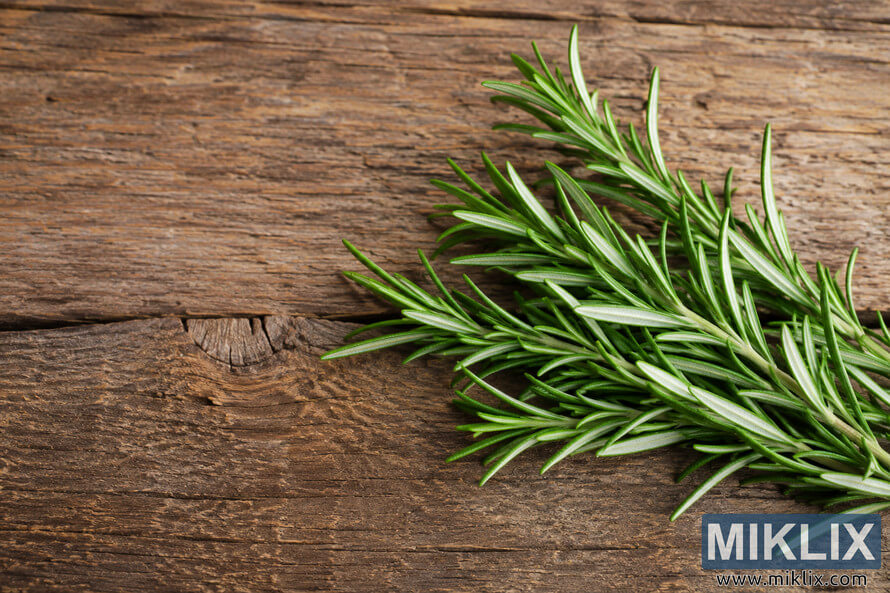
Rosemary stands as one of nature's most remarkable gifts. This fragrant herb has graced kitchens and medicine cabinets for thousands of years. Ancient civilizations recognized its power long before modern science confirmed what traditional healers knew instinctively.
Rosemary: The Fragrant Herb with Powerful Health Benefits
ଅଧିକ ସୂଚନା ଏବଂ ଉଚ୍ଚ ରିଜୋଲ୍ୟୁସନ୍ ପାଇଁ ପ୍ରତିଛବି ଉପରେ କ୍ଲିକ୍ କିମ୍ବା ଟାପ୍ କରନ୍ତୁ।
Today, researchers continue uncovering the impressive health benefits hidden within those needle-like leaves. From supporting brain function to protecting cellular health, rosemary offers far more than culinary appeal.
This guide explores the evidence-based health benefits of consuming rosemary. You'll discover its nutritional profile, medicinal properties, and practical ways to incorporate this powerful herb into your daily routine.
Understanding Rosemary: The Herb That Transcends Time
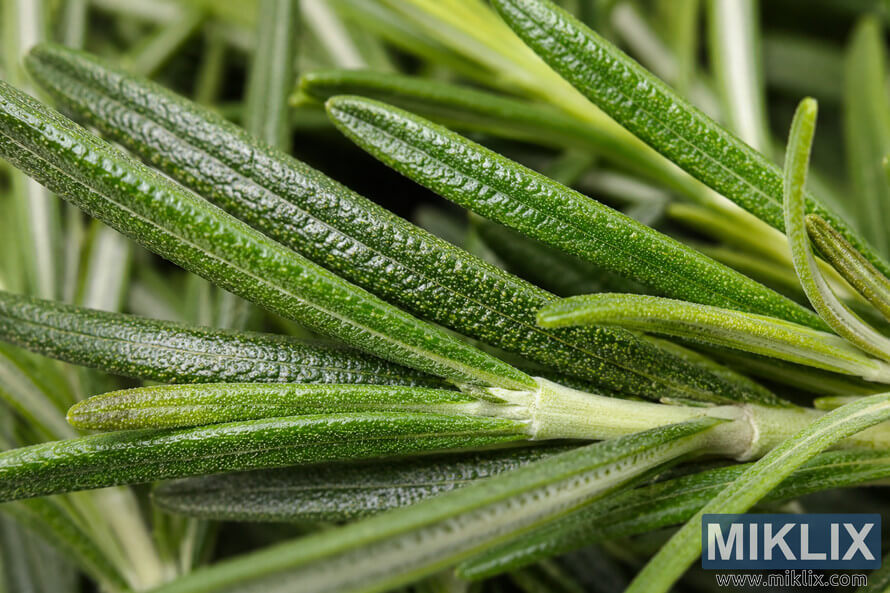
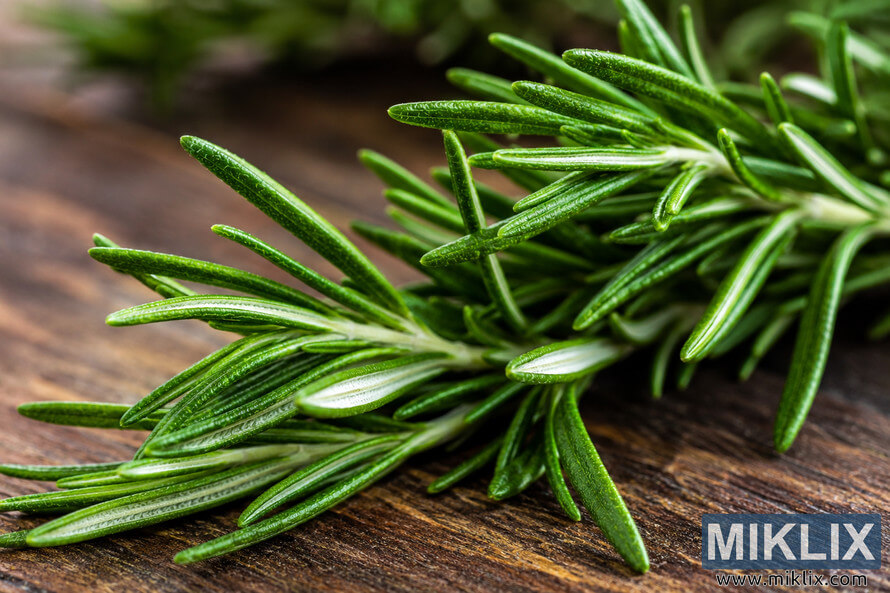
Rosemary, scientifically known as Salvia rosmarinus, is an evergreen shrub native to the Mediterranean region. This perennial plant produces aromatic, needle-shaped leaves and delicate blue flowers during spring and summer months.
The rosemary plant thrives in full sun and well-drained soil conditions. It grows as a woody shrub reaching heights of three to five feet in optimal growing conditions. Gardeners appreciate how rosemary grows well in containers and garden beds alike.
Mediterranean cultures have cultivated this herb for over two thousand years. Ancient Greeks wore rosemary sprigs during examinations, believing the herb enhanced memory and cognitive function. These traditional uses align remarkably well with modern scientific findings.
The plant belongs to the mint family and shares characteristics with other aromatic herbs like lavender and sage. Master gardeners recommend planting rosemary in spring when frost danger passes. The shrub tolerates heat exceptionally well but requires protection during harsh winter conditions in colder climates.
Did You Know? The name "rosemary" derives from Latin words meaning "dew of the sea," reflecting the plant's preference for coastal Mediterranean conditions where morning dew provides essential moisture.

ଅଧିକ ସୂଚନା ଏବଂ ଉଚ୍ଚ ରିଜୋଲ୍ୟୁସନ୍ ପାଇଁ ପ୍ରତିଛବି ଉପରେ କ୍ଲିକ୍ କିମ୍ବା ଟାପ୍ କରନ୍ତୁ।
Nutritional Composition: What Makes Rosemary Powerful
The health benefits of rosemary stem from its rich nutritional and phytochemical composition. Fresh rosemary leaves contain an impressive array of vitamins, minerals, and bioactive compounds that contribute to overall wellness.
Essential Nutrients in Fresh Rosemary
A single tablespoon of fresh rosemary provides minimal calories while delivering concentrated nutrients. The herb contains vitamin C, vitamin A, and several B vitamins in measurable quantities.
| Nutrient | Amount per 100g Fresh Rosemary | Primary Health Function |
| Vitamin C | 22 mg | Antioxidant protection, immune support |
| Vitamin A | 2924 IU | Vision health, cellular growth |
| Iron | 6.65 mg | Oxygen transport, energy metabolism |
| Calcium | 317 mg | Bone health, nerve function |
| Fiber | 14.1 g | Digestive health, blood sugar regulation |
ଅଧିକ ସୂଚନା ଏବଂ ଉଚ୍ଚ ରିଜୋଲ୍ୟୁସନ୍ ପାଇଁ ପ୍ରତିଛବି ଉପରେ କ୍ଲିକ୍ କିମ୍ବା ଟାପ୍ କରନ୍ତୁ।
Bioactive Compounds and Essential Oils
The true power of rosemary lies in its essential oils and phytochemical compounds. These bioactive substances create the herb's distinctive aroma and deliver most of its medicinal properties.
- Rosmarinic Acid: A powerful polyphenol with anti-inflammatory and antioxidant properties
- Carnosic Acid: Neuroprotective compound that supports brain health
- Camphor: Provides antimicrobial effects and respiratory benefits
- Cineole: Supports respiratory function and cognitive performance
- Caffeic Acid: Contributes antioxidant and anti-inflammatory effects
These compounds work synergistically. Research shows that the combination of rosemary's bioactive substances produces effects greater than individual components alone.
Science-Backed Health Benefits of Consuming Rosemary
Modern research validates many traditional uses of rosemary while uncovering new therapeutic applications. Clinical studies and laboratory research demonstrate measurable health effects when rosemary is consumed regularly.

ଅଧିକ ସୂଚନା ଏବଂ ଉଚ୍ଚ ରିଜୋଲ୍ୟୁସନ୍ ପାଇଁ ପ୍ରତିଛବି ଉପରେ କ୍ଲିକ୍ କିମ୍ବା ଟାପ୍ କରନ୍ତୁ।
Enhanced Memory and Cognitive Function
Perhaps the most celebrated benefit of rosemary involves its effects on memory and brain function. Ancient Greek students wore rosemary wreaths during examinations based on observations that predate scientific validation by millennia.
Contemporary research confirms these traditional practices had merit. Studies show that compounds in rosemary, particularly 1,8-cineole, can improve cognitive performance and memory retention.
Research Highlight
A study published in the Journal of Medicinal Food found that rosemary aroma improved memory performance by 15% compared to control groups. Participants exposed to rosemary essential oil demonstrated enhanced memory recall and alertness.
The mechanisms behind these cognitive benefits involve multiple pathways. Rosemary compounds inhibit the breakdown of acetylcholine, a neurotransmitter essential for memory formation. The herb's antioxidants also protect brain cells from oxidative stress that contributes to cognitive decline.
Regular consumption of rosemary tea or inclusion of fresh rosemary in meals may support long-term brain health. Some studies suggest potential protective effects against age-related cognitive conditions.
Powerful Antioxidant and Anti-Inflammatory Properties
Rosemary ranks among the most potent antioxidant herbs available. The plant's polyphenolic compounds neutralize harmful free radicals that damage cells and contribute to chronic disease development.
Carnosic acid and rosmarinic acid provide exceptional antioxidant activity. These compounds protect cellular structures including DNA, proteins, and lipids from oxidative damage. This protection occurs throughout the body, benefiting multiple organ systems.
- Reduces markers of inflammation in clinical studies
- Protects cells from oxidative stress and free radical damage
- Supports healthy aging through cellular protection
- May reduce risk factors associated with chronic diseases
- Demonstrates protective effects in cardiovascular health research
The anti-inflammatory effects of rosemary occur through multiple mechanisms. Research indicates the herb modulates inflammatory pathways and reduces production of inflammatory compounds. These effects may benefit conditions characterized by chronic inflammation.
ଅଧିକ ସୂଚନା ଏବଂ ଉଚ୍ଚ ରିଜୋଲ୍ୟୁସନ୍ ପାଇଁ ପ୍ରତିଛବି ଉପରେ କ୍ଲିକ୍ କିମ୍ବା ଟାପ୍ କରନ୍ତୁ।
Digestive Health Support
Traditional medicine systems have long used rosemary to address digestive complaints. Modern research supports these applications, demonstrating that rosemary can benefit gastrointestinal function in several ways.
The herb stimulates bile production, which aids fat digestion and nutrient absorption. Rosemary's carminative properties help reduce gas formation and bloating. The antimicrobial compounds in rosemary may also support healthy gut microbiome balance.
Digestive Benefits Include:
- Reduced bloating and gas discomfort
- Improved bile flow for fat digestion
- Relief from occasional indigestion
- Support for healthy gut motility
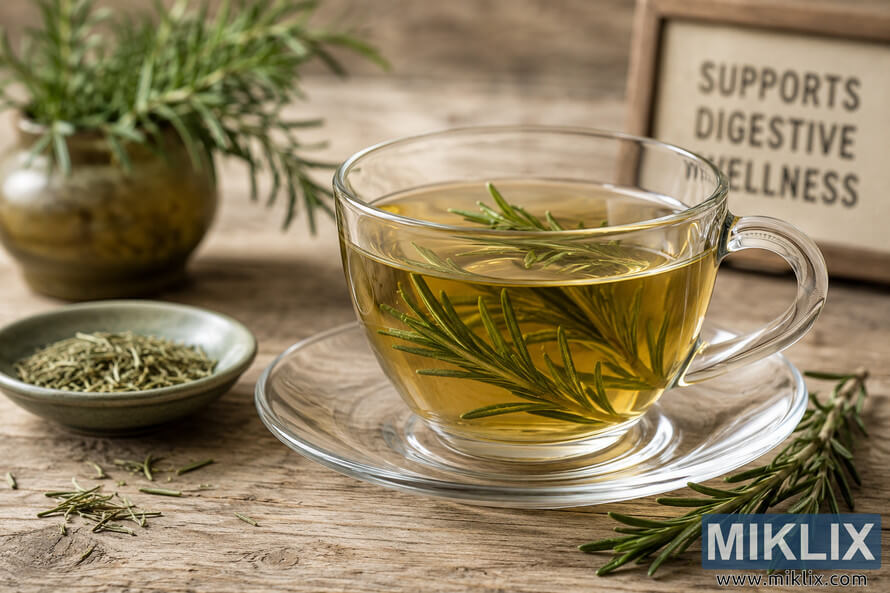
Many people find that consuming rosemary tea after meals helps prevent digestive discomfort. The gentle warming effect of rosemary essential oils soothes the digestive tract while supporting optimal function.
ଅଧିକ ସୂଚନା ଏବଂ ଉଚ୍ଚ ରିଜୋଲ୍ୟୁସନ୍ ପାଇଁ ପ୍ରତିଛବି ଉପରେ କ୍ଲିକ୍ କିମ୍ବା ଟାପ୍ କରନ୍ତୁ।
Immune System Enhancement
The immune-supporting properties of rosemary stem from its antimicrobial, antiviral, and antioxidant compounds. These substances help the body defend against pathogens while reducing the oxidative stress that can weaken immune function.
Rosemary demonstrates activity against various bacteria and fungi in laboratory studies. The herb's essential oils show particular effectiveness against common foodborne pathogens. This antimicrobial activity extends to respiratory tract infections as well.
Regular consumption of rosemary may help maintain robust immune defenses. The vitamin C content contributes to immune cell function, while polyphenols support overall immune system balance.
Respiratory Health Benefits
Rosemary has earned recognition for supporting respiratory wellness. The herb's essential oils, particularly cineole and camphor, provide expectorant and decongestant effects that benefit breathing.
Inhaling rosemary vapors can help clear congestion and ease breathing difficulties. The antimicrobial properties may also help combat respiratory infections. Traditional herbalists recommend rosemary steam inhalations during cold and flu season.
The anti-inflammatory effects of rosemary compounds may benefit individuals with inflammatory respiratory conditions. While not a replacement for medical treatment, rosemary can complement conventional approaches to respiratory health.

ଅଧିକ ସୂଚନା ଏବଂ ଉଚ୍ଚ ରିଜୋଲ୍ୟୁସନ୍ ପାଇଁ ପ୍ରତିଛବି ଉପରେ କ୍ଲିକ୍ କିମ୍ବା ଟାପ୍ କରନ୍ତୁ।
Circulation and Cardiovascular Support
Emerging research suggests rosemary may benefit cardiovascular health through multiple mechanisms. The herb's antioxidants protect blood vessels from oxidative damage. Anti-inflammatory compounds help maintain healthy arterial function.
Some studies indicate rosemary consumption may help support healthy blood pressure levels. The herb appears to have mild vasodilating effects that improve circulation. These cardiovascular benefits warrant further research but show promising potential.
Blood Sugar Regulation
Preliminary research indicates rosemary may help regulate blood sugar levels. Laboratory and animal studies show that rosemary extracts can improve insulin sensitivity and glucose metabolism.
Important Note: While research shows promise, rosemary should not replace prescribed diabetes medications. Always consult healthcare providers before using herbs to manage blood sugar conditions.
The mechanisms involve enhanced glucose uptake by cells and improved insulin signaling. Carnosic acid appears particularly important for these metabolic benefits. Human clinical trials continue investigating optimal dosing and long-term effects.
How to Consume Rosemary for Maximum Health Benefits
Rosemary's versatility allows numerous consumption methods. Each approach offers unique benefits and fits different lifestyle preferences. The key involves regular, consistent use to experience cumulative health effects.
Fresh Rosemary in Cooking
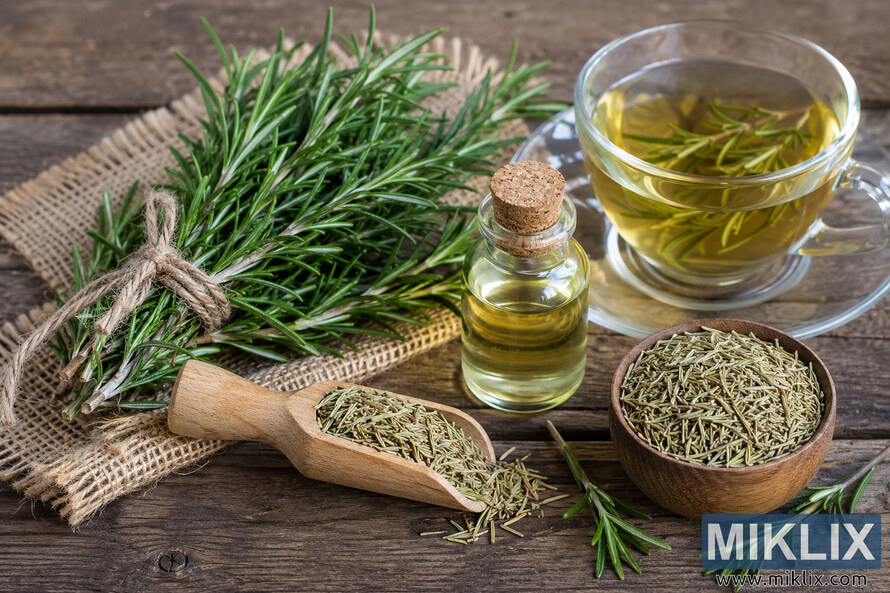
Incorporating fresh rosemary into daily meals provides the most accessible consumption method. The herb complements numerous dishes while delivering health-promoting compounds.
Culinary Applications:
- Roasted vegetables and potatoes
- Grilled meats and poultry
- Bread and focaccia
- Soups and stews
- Olive oil infusions
- Marinades and rubs
Preparation Tips:
- Strip leaves from woody stems before use
- Chop finely for even distribution
- Add early in cooking for flavor infusion
- Use sparingly as flavor intensifies with heat
- Store fresh sprigs in water like cut flowers
Fresh rosemary retains maximum essential oil content and bioactive compounds. The plant grows well in containers on sunny windowsills, providing year-round access to fresh leaves. Master gardeners recommend harvesting rosemary in morning hours after dew dries for peak oil concentration.
ଅଧିକ ସୂଚନା ଏବଂ ଉଚ୍ଚ ରିଜୋଲ୍ୟୁସନ୍ ପାଇଁ ପ୍ରତିଛବି ଉପରେ କ୍ଲିକ୍ କିମ୍ବା ଟାପ୍ କରନ୍ତୁ।
Dried Rosemary Uses
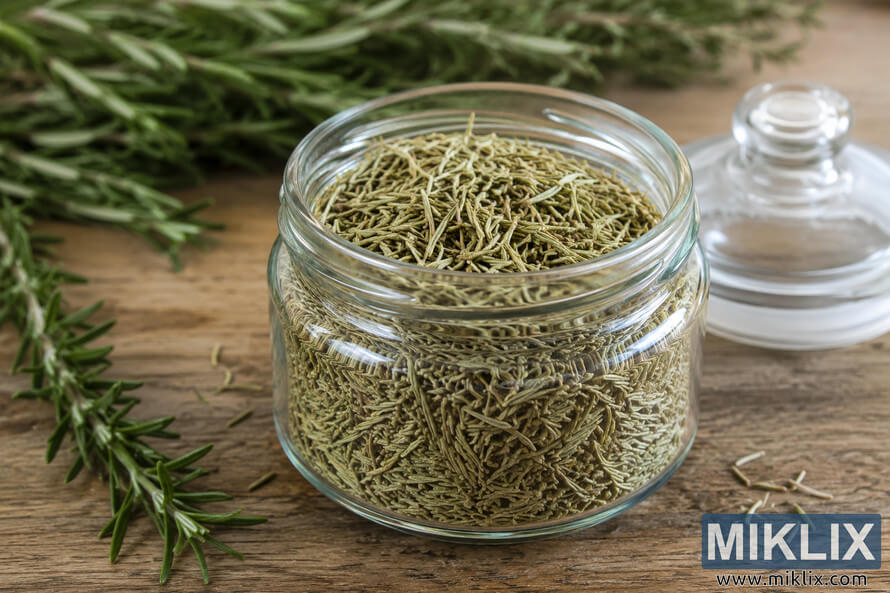
Dried rosemary offers convenience and extended shelf life. The drying process concentrates certain compounds while making the herb suitable for long-term storage. Keep dried rosemary in airtight containers away from light and heat.
When substituting dried for fresh rosemary, use one-third the amount specified in recipes. Dried herbs have more concentrated flavors. The shelf life extends up to two years when properly stored, though potency gradually decreases over time.
Growing rosemary at home allows harvesting and drying your own supply. Hang stems upside down in a warm, dry location with good air circulation. The drying process typically takes two to three weeks.
ଅଧିକ ସୂଚନା ଏବଂ ଉଚ୍ଚ ରିଜୋଲ୍ୟୁସନ୍ ପାଇଁ ପ୍ରତିଛବି ଉପରେ କ୍ଲିକ୍ କିମ୍ବା ଟାପ୍ କରନ୍ତୁ।
Rosemary Tea Preparation
Rosemary tea provides a gentle, therapeutic way to consume the herb. This preparation method extracts water-soluble compounds while creating a warming, aromatic beverage.
Classic Rosemary Tea Recipe
- Bring 8 ounces of water to just below boiling (around 200°F)
- Add one teaspoon of dried rosemary or one tablespoon fresh rosemary leaves
- Steep covered for 5-10 minutes depending on desired strength
- Strain and enjoy plain or with honey and lemon
Many herbalists recommend consuming rosemary tea in the morning. The herb's stimulating properties may interfere with sleep if consumed late in the day. Start with one cup daily and adjust based on individual response.
Rosemary tea combines well with other herbs. Try mixing with lavender for relaxation, peppermint for digestion, or ginger for immune support. These combinations create synergistic effects while offering pleasant flavor variations.
Rosemary Supplements and Extracts
Standardized rosemary supplements provide concentrated doses of specific compounds. These products suit individuals seeking therapeutic amounts difficult to obtain through culinary use alone.
Supplement Considerations
Quality varies significantly among rosemary supplements. Look for products standardized to contain specific percentages of rosmarinic acid or carnosic acid. Third-party testing certification ensures purity and potency.
Typical supplement doses range from 200-800 mg daily. Some products combine rosemary with complementary herbs like ginkgo or bacopa for cognitive support. Always consult healthcare providers before starting supplement regimens.
Rosemary essential oil should never be consumed internally without professional guidance. The concentrated nature of essential oils creates risks of toxicity. External application and aromatherapy provide safer alternatives for essential oil use.
Rosemary-Infused Oils and Vinegars
Creating rosemary-infused oils and vinegars combines culinary pleasure with health benefits. These preparations extract fat-soluble and water-soluble compounds respectively.
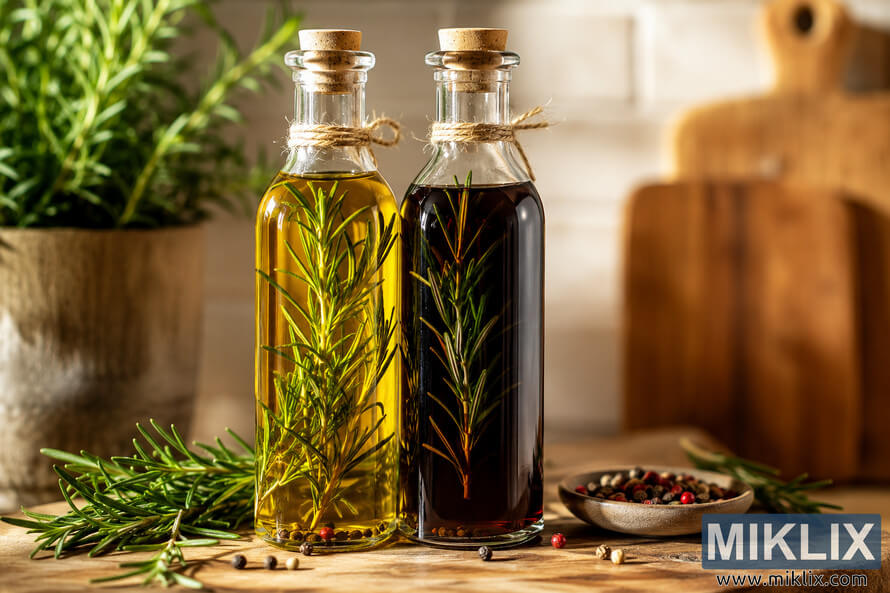
For infused oil, combine fresh rosemary sprigs with high-quality olive oil. Warm gently over low heat for 5-10 minutes to extract oils. Cool, strain, and store in dark glass bottles. Use within a few weeks for optimal freshness.
Vinegar infusions follow similar processes. Apple cider vinegar or white wine vinegar work well. Add fresh rosemary to vinegar and let steep for two to four weeks. The resulting infusion flavors salad dressings while providing digestive benefits.
ଅଧିକ ସୂଚନା ଏବଂ ଉଚ୍ଚ ରିଜୋଲ୍ୟୁସନ୍ ପାଇଁ ପ୍ରତିଛବି ଉପରେ କ୍ଲିକ୍ କିମ୍ବା ଟାପ୍ କରନ୍ତୁ।
Safety Guidelines and Potential Considerations
Rosemary enjoys a strong safety profile when consumed in culinary amounts. Most people tolerate the herb well as part of a varied diet. However, certain situations warrant caution or medical consultation.
General Safety Information
Culinary quantities of rosemary are generally recognized as safe for most adults. Problems typically arise only with excessive consumption or highly concentrated preparations. Moderation remains important even with beneficial herbs.
Safe Practices
- Using rosemary as a culinary herb in cooking
- Drinking 1-2 cups of rosemary tea daily
- Following supplement label directions
- Starting with small amounts when trying rosemary
- Consulting healthcare providers about interactions
Avoid These Practices
- Consuming rosemary essential oil internally
- Taking extremely high doses without guidance
- Using rosemary to replace prescribed medications
- Ignoring allergic reaction symptoms
- Combining with medications without medical approval

ଅଧିକ ସୂଚନା ଏବଂ ଉଚ୍ଚ ରିଜୋଲ୍ୟୁସନ୍ ପାଇଁ ପ୍ରତିଛବି ଉପରେ କ୍ଲିକ୍ କିମ୍ବା ଟାପ୍ କରନ୍ତୁ।
Special Population Considerations
Certain groups should exercise additional caution with medicinal rosemary use. While culinary amounts remain safe, therapeutic doses require more careful consideration.
Pregnancy and Breastfeeding: Pregnant women should avoid medicinal amounts of rosemary. The herb may stimulate the uterus or affect menstrual flow. Small culinary amounts appear safe, but consult obstetric providers before increasing intake. Limited safety data exists for breastfeeding mothers.
Individuals with seizure disorders should use rosemary cautiously. High doses of rosemary or its essential oil may lower seizure threshold. People taking anticonvulsant medications should discuss rosemary use with neurologists.
Those with bleeding disorders or taking anticoagulant medications need medical guidance. Rosemary may have mild blood-thinning effects. This interaction could potentially increase bleeding risk when combined with medications like warfarin.
Potential Side Effects
Most people experience no adverse effects from rosemary consumption. Occasional side effects remain mild and resolve when use stops. Report persistent or concerning symptoms to healthcare providers.
- Mild digestive upset in sensitive individuals
- Allergic reactions in people sensitive to mint family plants
- Skin irritation from direct contact with leaves
- Increased sun sensitivity with topical use
- Possible interactions with certain medications
Allergic reactions to rosemary are uncommon but possible. Symptoms may include skin rash, itching, or respiratory symptoms. People with allergies to other members of the mint family face higher risk. Discontinue use if allergic symptoms develop.
Drug Interactions
Rosemary may interact with certain medications. These interactions typically involve therapeutic doses rather than culinary use. Always inform healthcare providers about herbal supplement use.
| Medication Class | Potential Interaction | Recommendation |
| Blood Thinners | May increase bleeding risk | Consult physician before therapeutic use |
| Diabetes Medications | May lower blood sugar levels | Monitor glucose closely with medical guidance |
| Diuretics | May enhance diuretic effects | Discuss with healthcare provider |
| ACE Inhibitors | Possible blood pressure effects | Medical supervision recommended |
These interactions remain theoretical or based on limited evidence. The risk increases with concentrated supplements rather than dietary consumption. Medical supervision allows safe incorporation of rosemary while managing potential interactions.
Growing Your Own Rosemary for Fresh Supply
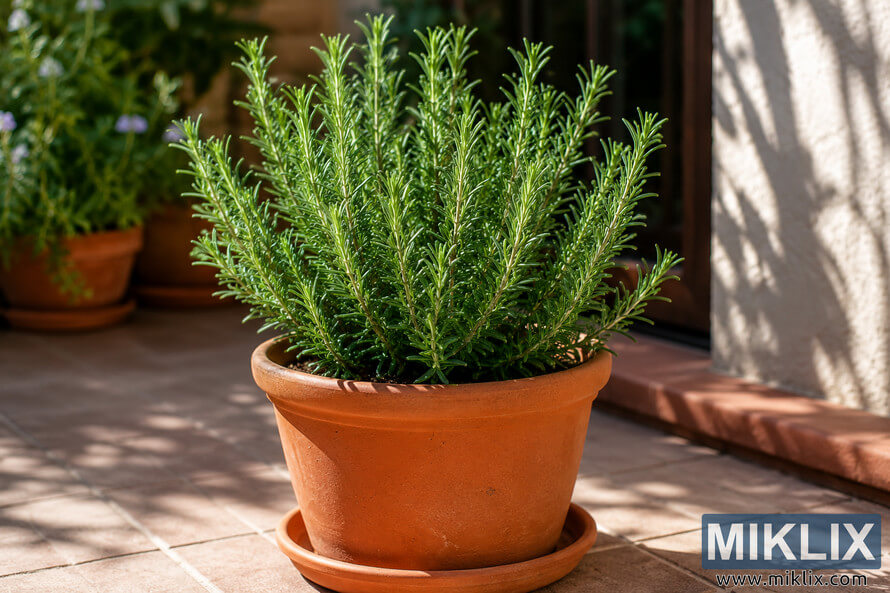
Cultivating rosemary at home ensures access to fresh, organic herbs year-round. The plant thrives in containers and gardens with minimal care once established. Both novice and master gardeners appreciate rosemary's resilience.
ଅଧିକ ସୂଚନା ଏବଂ ଉଚ୍ଚ ରିଜୋଲ୍ୟୁସନ୍ ପାଇଁ ପ୍ରତିଛବି ଉପରେ କ୍ଲିକ୍ କିମ୍ବା ଟାପ୍ କରନ୍ତୁ।
Ideal Growing Conditions for Rosemary Plants
Rosemary plants prefer conditions mimicking their Mediterranean origins. Full sun exposure produces the most robust growth and highest essential oil content. The shrub tolerates partial shade but may grow more slowly with reduced fragrance.
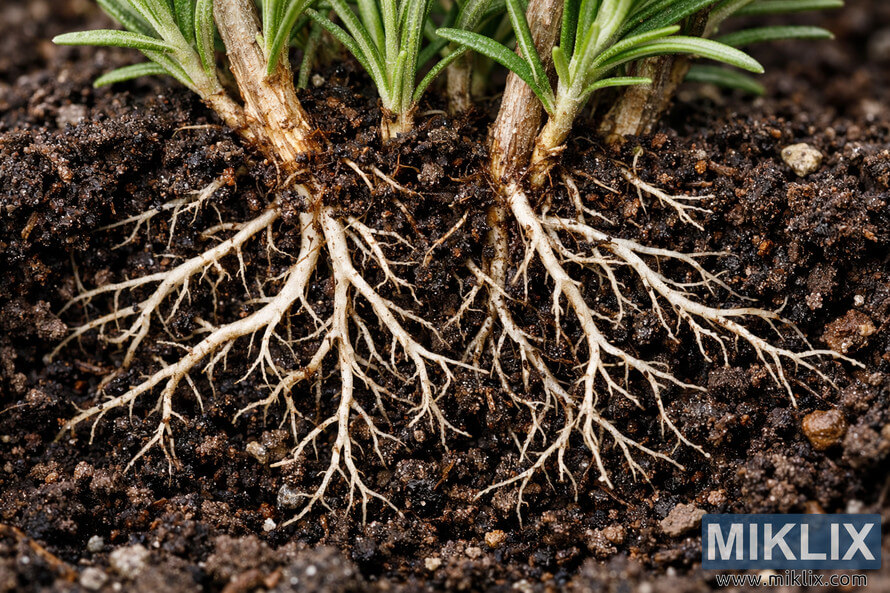
Well-drained soil proves essential for rosemary success. The plant cannot tolerate waterlogged roots and quickly develops root rot in overly moist conditions. Sandy or loamy soil works best. Heavy clay soils require amendment with sand or perlite to improve drainage.
Optimal Growing Parameters:
- Sunlight: 6-8 hours of full sun daily
- Soil pH: 6.0-7.0 (slightly acidic to neutral)
- Temperature: 60-80°F ideal growth range
- Humidity: Low to moderate; avoid excessive moisture
- Spacing: 24-36 inches between plants
ଅଧିକ ସୂଚନା ଏବଂ ଉଚ୍ଚ ରିଜୋଲ୍ୟୁସନ୍ ପାଇଁ ପ୍ରତିଛବି ଉପରେ କ୍ଲିକ୍ କିମ୍ବା ଟାପ୍ କରନ୍ତୁ।
Planting Rosemary Successfully
Timing significantly impacts rosemary establishment success. Plant rosemary in spring after the last frost date in your region. This timing allows roots to establish during favorable growing conditions before winter arrives.
Starting from seed presents challenges as rosemary seeds germinate slowly and inconsistently. Most gardeners prefer purchasing established plants from nurseries. Cuttings from mature rosemary shrubs also root reliably, providing cost-effective propagation.
Planting Steps for Container Growing
- Select a container at least 12 inches in diameter with drainage holes
- Fill with well-draining potting mix amended with sand or perlite
- Create a hole slightly larger than the root ball
- Position the plant at the same depth it grew in the nursery container
- Backfill with soil mix and firm gently around roots
- Water thoroughly after planting to settle soil
- Place container in full sun location
Garden planting follows similar principles with emphasis on soil preparation. Amend planting areas with compost and sand to ensure proper drainage. Space plants adequately to allow air circulation, which prevents fungal issues.
Watering and Care Requirements
Established rosemary plants demonstrate impressive drought tolerance. The Mediterranean origins mean the plant evolved to handle dry conditions. Overwatering causes more problems than underwatering for this hardy herb.
Water rosemary when the top two inches of soil feel dry to touch. Provide deep, infrequent watering rather than frequent shallow applications. This watering pattern encourages deep root development and improves drought resistance.
Keep soil consistently moist but never soggy during the first growing season. Once established, rosemary requires minimal supplemental water except during extended drought periods. Container plants need more frequent watering than garden specimens.

ଅଧିକ ସୂଚନା ଏବଂ ଉଚ୍ଚ ରିଜୋଲ୍ୟୁସନ୍ ପାଇଁ ପ୍ରତିଛବି ଉପରେ କ୍ଲିକ୍ କିମ୍ବା ଟାପ୍ କରନ୍ତୁ।
Fertilizing Rosemary Plants
Rosemary thrives in relatively lean soil conditions. Excessive fertilizer promotes soft, leggy growth with reduced essential oil concentration. Light feeding produces healthier, more aromatic plants.
Apply balanced fertilizer sparingly in spring as new growth emerges. A single application of slow-release fertilizer typically suffices for the entire growing season. Container-grown rosemary benefits from monthly diluted liquid fertilizer during active growth periods.
Master Gardener Tip: Avoid high-nitrogen fertilizers that promote excessive foliage growth. Balanced or slightly phosphorus-rich formulations support overall plant health without compromising essential oil quality.
Pruning and Harvesting Techniques
Regular pruning maintains compact, bushy rosemary shrubs while providing fresh herbs for kitchen use. Prune rosemary in spring and again after flowering finishes. Remove up to one-third of growth without stressing the plant.
Harvest rosemary stems throughout the growing season as needed. Cut stems in the morning after dew evaporates but before afternoon heat. This timing captures peak essential oil content in the leaves.
Harvesting Best Practices:
- Use clean, sharp scissors or pruning shears
- Cut stems 4-6 inches from growing tips
- Never remove more than 20% of foliage at once
- Avoid cutting into old, woody stems
- Harvest before plant flowers for maximum oil content

ଅଧିକ ସୂଚନା ଏବଂ ଉଚ୍ଚ ରିଜୋଲ୍ୟୁସନ୍ ପାଇଁ ପ୍ରତିଛବି ଉପରେ କ୍ଲିକ୍ କିମ୍ବା ଟାପ୍ କରନ୍ତୁ।
Winter Care and Protection
Rosemary hardiness varies by cultivar. Most varieties tolerate temperatures to 20-30°F. Gardeners in colder regions should treat rosemary as an annual or bring containers indoors for winter protection.
Growing rosemary indoors during winter months requires specific conditions. Place plants in south-facing windows receiving maximum sunlight. Supplement with grow lights if natural light proves insufficient. Indoor air often lacks adequate humidity, so avoid placing rosemary near heating vents.
Reduce watering frequency during winter as plant growth slows. Allow soil to dry more thoroughly between waterings. Discontinue fertilization until spring when active growth resumes.
Cold Weather Alert: Protect outdoor rosemary plants when frost threatens. Cover plants with breathable fabric or move containers to sheltered locations. Remove coverings during daytime to prevent excess moisture accumulation.
Common Growing Problems and Solutions
Despite rosemary's overall resilience, several issues occasionally affect plants. Early identification and appropriate intervention prevent serious damage.
| Problem | Symptoms | Solution |
| Root Rot | Yellowing leaves, wilting despite moist soil | Improve drainage, reduce watering frequency |
| Powdery Mildew | White powdery coating on leaves | Increase air circulation, avoid overhead watering |
| Spider Mites | Fine webbing, stippled leaves | Spray with water, apply insecticidal soap |
| Leggy Growth | Long stems with sparse foliage | Increase sunlight, prune to encourage bushiness |
Prevention remains easier than treatment for most rosemary problems. Providing optimal growing conditions creates vigorous plants resistant to pests and diseases. Inspect plants regularly to catch issues early when intervention proves most effective.
Practical Rosemary Recipes and Applications
Beyond health benefits, rosemary enhances countless culinary creations. These recipes showcase the herb's versatility while providing therapeutic compounds in delicious forms.
Therapeutic Rosemary Lemon Tea
This refreshing tea combines rosemary's cognitive benefits with vitamin C from fresh lemon. The gentle preparation preserves delicate essential oils while creating a flavorful beverage.
Ingredients
- 2 teaspoons fresh rosemary leaves (or 1 teaspoon dried)
- 2 cups filtered water
- 1 tablespoon fresh lemon juice
- 1 teaspoon raw honey (optional)
- Lemon slices for garnish
Instructions
- Bring water to 200°F (just below boiling)
- Add rosemary to teapot or heat-safe container
- Pour hot water over rosemary
- Cover and steep for 7-10 minutes
- Strain into cups
- Add lemon juice and honey if desired
- Garnish with lemon slices and fresh rosemary sprig
Drink this tea in the morning for mental clarity and focus. The combination supports memory function while providing antioxidant protection. Store leftover tea refrigerated for up to two days and enjoy cold as well.

ଅଧିକ ସୂଚନା ଏବଂ ଉଚ୍ଚ ରିଜୋଲ୍ୟୁସନ୍ ପାଇଁ ପ୍ରତିଛବି ଉପରେ କ୍ଲିକ୍ କିମ୍ବା ଟାପ୍ କରନ୍ତୁ।
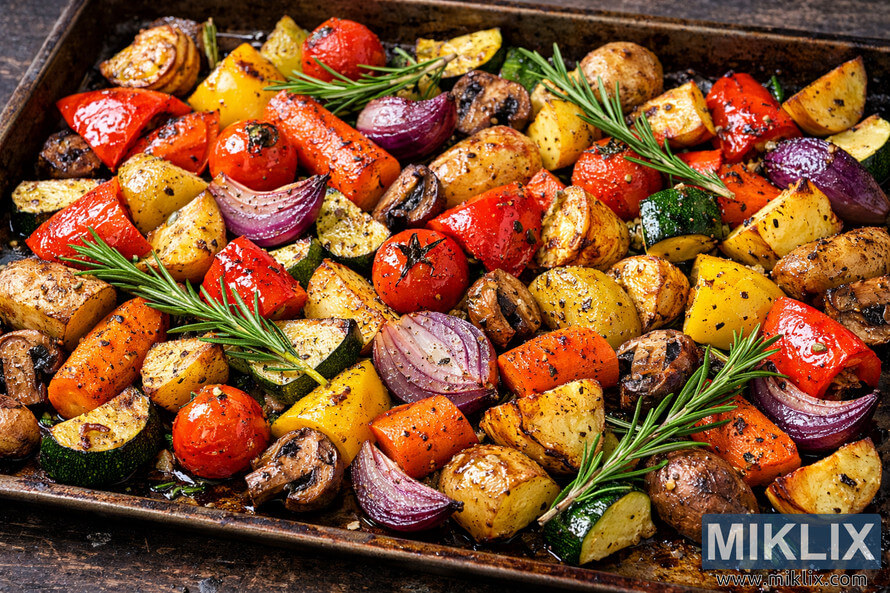
Rosemary Garlic Roasted Vegetables
This simple preparation transforms ordinary vegetables into a nutrient-dense, flavorful side dish. Roasting concentrates flavors while preserving rosemary's beneficial compounds.
Choose a variety of seasonal vegetables for maximum nutritional diversity. Root vegetables pair particularly well with rosemary's pine-like flavor. The recipe scales easily to serve any group size.
ଅଧିକ ସୂଚନା ଏବଂ ଉଚ୍ଚ ରିଜୋଲ୍ୟୁସନ୍ ପାଇଁ ପ୍ରତିଛବି ଉପରେ କ୍ଲିକ୍ କିମ୍ବା ଟାପ୍ କରନ୍ତୁ।
Digestive Support Rosemary Tonic
This traditional preparation aids digestion after heavy meals. The combination of rosemary and apple cider vinegar creates a potent digestive tonic with multiple therapeutic benefits.
Mix one teaspoon of dried rosemary with eight ounces of raw apple cider vinegar. Let steep for two weeks in a dark location, shaking daily. Strain and store in a glass bottle. Take one tablespoon diluted in water after meals to support digestion.
Frequently Asked Questions About Rosemary Health Benefits
How much rosemary should I consume daily for health benefits?
For general health maintenance, culinary amounts (1-2 teaspoons fresh or dried daily) provide beneficial compounds. Those seeking therapeutic effects may consume 1-2 cups of rosemary tea daily or follow supplement label directions. Start with smaller amounts and increase gradually while monitoring your body's response. Consult healthcare providers for personalized recommendations based on specific health goals.
Can rosemary really improve memory and cognitive function?
Scientific research supports rosemary's cognitive benefits. Studies show that compounds in rosemary, particularly 1,8-cineole and rosmarinic acid, enhance memory performance and mental clarity. One study found that rosemary aroma improved memory scores by 15% compared to control groups. While results vary individually, regular consumption may support brain health and cognitive function, especially when combined with other healthy lifestyle practices.
Is fresh or dried rosemary better for health benefits?
Fresh rosemary contains higher levels of volatile essential oils that contribute to aromatherapy benefits and certain bioactive compounds. However, dried rosemary concentrates some nutrients and remains highly beneficial. Both forms provide health-promoting properties. Fresh works best for maximum essential oil content and aroma, while dried offers convenience and longer storage. Alternating between both ensures you receive the full spectrum of rosemary's beneficial compounds.
Are there any side effects from consuming too much rosemary?
Culinary amounts of rosemary are safe for most people. Excessive consumption (several tablespoons or more daily) may cause digestive upset, nausea, or vomiting in sensitive individuals. Very high doses could potentially trigger allergic reactions or interact with certain medications. People with seizure disorders, bleeding conditions, or those taking blood thinners should consult healthcare providers before consuming therapeutic amounts. Moderation ensures safety while providing health benefits.
Can I consume rosemary essential oil internally?
Never consume rosemary essential oil internally without professional guidance from a qualified aromatherapist or healthcare provider. Essential oils are highly concentrated and can cause serious toxicity when ingested improperly. Even small amounts may trigger adverse reactions. Use essential oils only for aromatherapy or properly diluted topical applications. For internal use, stick with culinary rosemary, tea preparations, or standardized supplements designed for consumption.
How long does it take to notice health benefits from rosemary?
Some effects appear quickly while others require consistent use over time. Digestive benefits often manifest within hours of consumption. Cognitive effects from rosemary aroma may occur within minutes. However, benefits like antioxidant protection, anti-inflammatory effects, and cardiovascular support accumulate gradually with regular use over weeks to months. For best results, incorporate rosemary into your routine consistently rather than using it occasionally. Individual responses vary based on overall health status and consumption amount.
Can rosemary help with hair growth or skin health?
Traditional use and preliminary research suggest rosemary may benefit hair and skin health when applied topically. Rosemary oil stimulates scalp circulation, potentially supporting hair growth. The antioxidant and antimicrobial properties may benefit skin conditions. However, most research focuses on topical application rather than internal consumption for these benefits. While consuming rosemary provides systemic antioxidant protection that supports overall skin health, direct topical application proves most effective for hair and skin-specific concerns.
Is rosemary safe during pregnancy or breastfeeding?
Small culinary amounts of rosemary in food appear safe during pregnancy. However, pregnant women should avoid therapeutic doses, concentrated supplements, or rosemary tea consumed in large quantities. The herb may stimulate the uterus or affect hormones. Limited safety data exists for breastfeeding mothers, so conservative use is recommended. Always consult your obstetrician or midwife before increasing rosemary consumption beyond normal culinary use during pregnancy or while nursing.
Does cooking destroy rosemary's health benefits?
Cooking affects some compounds while preserving others. Heat can reduce certain volatile essential oils but doesn't eliminate all beneficial properties. Many of rosemary's antioxidant compounds, including carnosic acid and rosmarinic acid, remain stable during typical cooking processes. To maximize benefits, add some rosemary near the end of cooking to preserve heat-sensitive compounds while also including some earlier for flavor infusion. Both raw and cooked rosemary contribute valuable nutrients and bioactive substances.
Embracing Rosemary as Part of Your Wellness Journey
Rosemary offers remarkable health benefits supported by both traditional wisdom and modern science. This versatile herb provides antioxidant protection, supports cognitive function, aids digestion, and contributes to overall wellness through multiple mechanisms.
The beauty of rosemary lies in its accessibility. Whether you grow rosemary in your garden, purchase fresh sprigs from local markets, or keep dried rosemary in your spice cabinet, incorporating this herb requires minimal effort. Simple additions to daily meals provide cumulative health benefits over time.
Research continues revealing new therapeutic applications for this ancient herb. As scientific understanding deepens, rosemary's reputation as a powerful natural health ally strengthens. The convergence of traditional knowledge and contemporary research validates what herbalists have known for millennia.
Start small when adding rosemary to your wellness routine. Brew a cup of rosemary tea, season your vegetables with fresh sprigs, or simply enjoy the aroma of this remarkable plant. Pay attention to how your body responds and adjust consumption accordingly.
Remember that herbs work best as part of comprehensive health strategies. Rosemary complements balanced nutrition, regular physical activity, adequate sleep, and stress management. No single herb provides complete wellness, but rosemary certainly earns its place in any natural health toolkit.
The plant's resilience mirrors the strength it can bring to your health. Just as rosemary shrubs thrive in challenging Mediterranean conditions, the compounds within those fragrant leaves help your body navigate modern health challenges with greater resilience.
Whether you seek sharper mental clarity, stronger immune defenses, better digestive comfort, or simply want to explore natural approaches to wellness, rosemary offers scientifically-supported benefits worth exploring. This humble herb from ancient gardens continues serving humanity's quest for natural health solutions.
ଅଧିକ ସୂଚନା ଏବଂ ଉଚ୍ଚ ରିଜୋଲ୍ୟୁସନ୍ ପାଇଁ ପ୍ରତିଛବି ଉପରେ କ୍ଲିକ୍ କିମ୍ବା ଟାପ୍ କରନ୍ତୁ।
ଅଧିକ ପଠନ
ଯଦି ଆପଣ ଏହି ପୋଷ୍ଟକୁ ଉପଭୋଗ କରିଛନ୍ତି, ତେବେ ଆପଣଙ୍କୁ ଏହି ପରାମର୍ଶଗୁଡ଼ିକ ମଧ୍ୟ ପସନ୍ଦ ଆସିପାରେ:
- ଆମିନୋ ଏସିଡର ଲାଭ: ରକ୍ତ ସଞ୍ଚାଳନ, ରୋଗ ପ୍ରତିରୋଧକ ଶକ୍ତି ଏବଂ ସହନଶକ୍ତିରେ ଏଲ-ଆର୍ଜିନାଇନର ଭୂମିକା
- ମେଥିର ଉପକାରିତା: ଏହି ପ୍ରାଚୀନ ଔଷଧି ଆପଣଙ୍କ ସ୍ୱାସ୍ଥ୍ୟକୁ କିପରି ପରିବର୍ତ୍ତନ କରିପାରିବ
- ମାଂସପେଶୀ ଇନ୍ଧନରୁ ରୋଗ ପ୍ରତିରୋଧକ ଶକ୍ତି ବୃଦ୍ଧି ପର୍ଯ୍ୟନ୍ତ: ହ୍ୱେ ପ୍ରୋଟିନର ଆଶ୍ଚର୍ଯ୍ୟଜନକ ଲାଭ ବ୍ୟାଖ୍ୟା କରାଯାଇଛି