
Cilantro Health Benefits: Complete Evidence-Based Guide
Objavljeno:
Nazadnje posodobljeno: 15. julij 2026 ob 2:46:19 pop. UTC
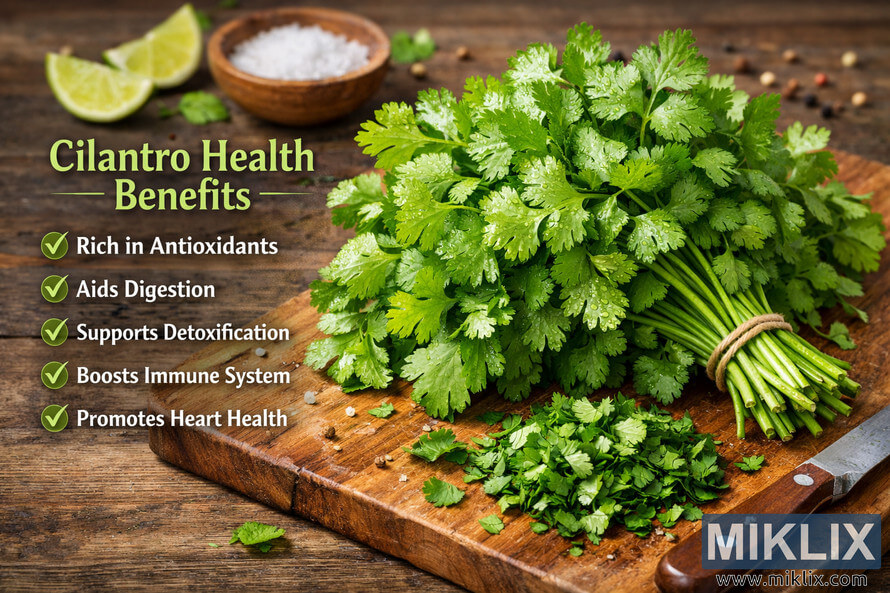
Cilantro stands as one of the most polarizing herbs in the culinary world. Some people love its bright, citrusy flavor. Others find it tastes like soap due to genetic variations. Beyond taste preferences, this herb offers remarkable health benefits that deserve attention.
Cilantro Health Benefits: Complete Evidence-Based Guide
Kliknite ali tapnite sliko za več informacij in višje ločljivosti.
The leaves and stems of Coriandrum sativum, commonly called cilantro or coriander, contain powerful compounds. These substances support various body functions. From ancient medicine to modern nutrition science, this plant has earned recognition for its therapeutic properties.
This comprehensive guide explores the health benefits cilantro provides. You will learn about its nutritional content and discover practical ways to add this herb to your diet. We will also address potential side effects and answer common questions about cilantro consumption.
What Is Cilantro and How Does It Differ from Coriander?
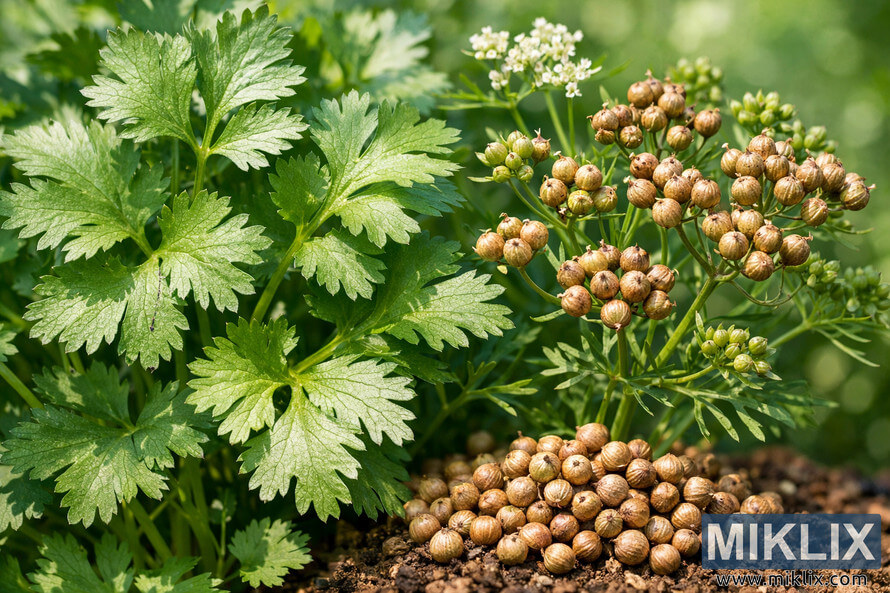
Cilantro refers to the fresh leaves and stems of the Coriandrum sativum plant. This herb belongs to the parsley family. The plant produces both leafy greens and seeds. While English speakers in the United States call the leaves cilantro, many other cultures use the term coriander for the entire plant.
The seeds of the same plant are called coriander seeds. These have a different flavor profile than the leaves. Coriander seeds taste warm, nutty, and slightly citrusy. Both the leaves and seeds offer distinct culinary applications and health properties.
Kliknite ali tapnite sliko za več informacij in višje ločljivosti.
Common Culinary Uses
Cilantro appears in cuisines worldwide. Mexican dishes feature this herb prominently in salsas, guacamole, and tacos. Asian cooking traditions use cilantro in curries, soups, and stir-fries. Middle Eastern food incorporates both cilantro leaves and coriander seeds in various dishes.
Fresh cilantro adds brightness to finished dishes. Many people add the herb at the end of cooking to preserve its flavor. The stems contain more concentrated taste than leaves. Both parts are edible and nutritious.
The Soap Taste Phenomenon
Research shows that genetic factors influence how people perceive cilantro's taste. Studies indicate that variations in olfactory receptor genes cause some individuals to detect aldehydes in cilantro. These same compounds appear in soap. This genetic difference explains why cilantro tastes like soap to approximately 4-14% of the population.
People who experience this soap-like taste may still benefit from cilantro's health properties. They can use coriander seeds instead or try cooking cilantro, which reduces the soapy perception for some individuals.
Nutritional Profile of Cilantro
A quarter cup of fresh cilantro contains minimal calories but provides substantial nutrition. This herb packs essential vitamins, minerals, and beneficial plant compounds into its delicate leaves. Understanding cilantro's nutritional content helps explain its health benefits.
Vitamins and Minerals
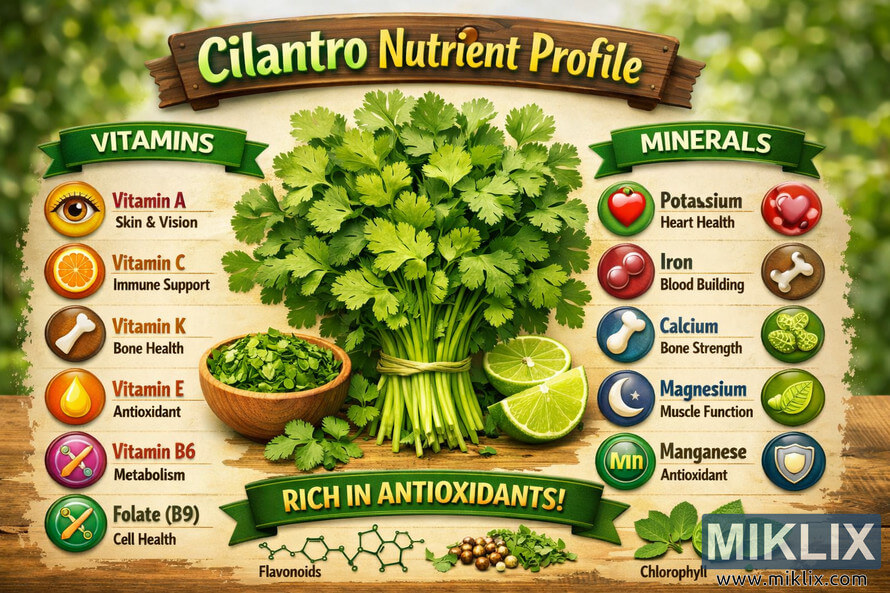
Cilantro delivers impressive amounts of vitamin K. Just a quarter cup provides a significant portion of daily vitamin K needs. This vitamin plays a crucial role in blood clotting and bone health. The herb also contains vitamin A, which supports vision and immune function.
The nutrition profile includes vitamin C, an antioxidant that protects cells from damage. Small amounts of folate, potassium, and manganese appear in cilantro as well. Despite the modest serving size most people consume, these nutrients contribute to overall health.
| Nutrient | Amount per Quarter Cup (4g) | Daily Value % |
| Calories | 1 calorie | Less than 1% |
| Vitamin K | 12.4 mcg | 10% |
| Vitamin A | 135 IU | 3% |
| Vitamin C | 1.1 mg | 2% |
| Folate | 2.5 mcg | 1% |
| Potassium | 21 mg | Less than 1% |
Antioxidants and Phytonutrients
The real power of cilantro lies in its antioxidants. These compounds fight oxidative stress in the body. Cilantro contains quercetin, tocopherols, and various terpenes. These substances help protect cells from damage caused by free radicals.
Linalool, a major component of cilantro's essential oil, provides anti-inflammatory effects. The herb also contains beta-carotene, which converts to vitamin A in the body. These phytonutrients work together to support overall health and may help reduce the risk of chronic diseases.
Kliknite ali tapnite sliko za več informacij in višje ločljivosti.
9 Science-Backed Health Benefits of Cilantro
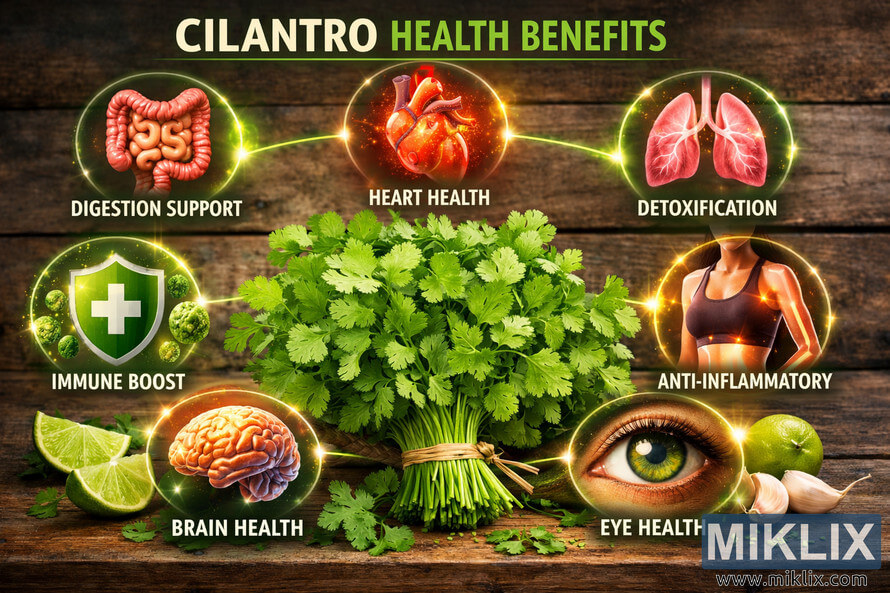
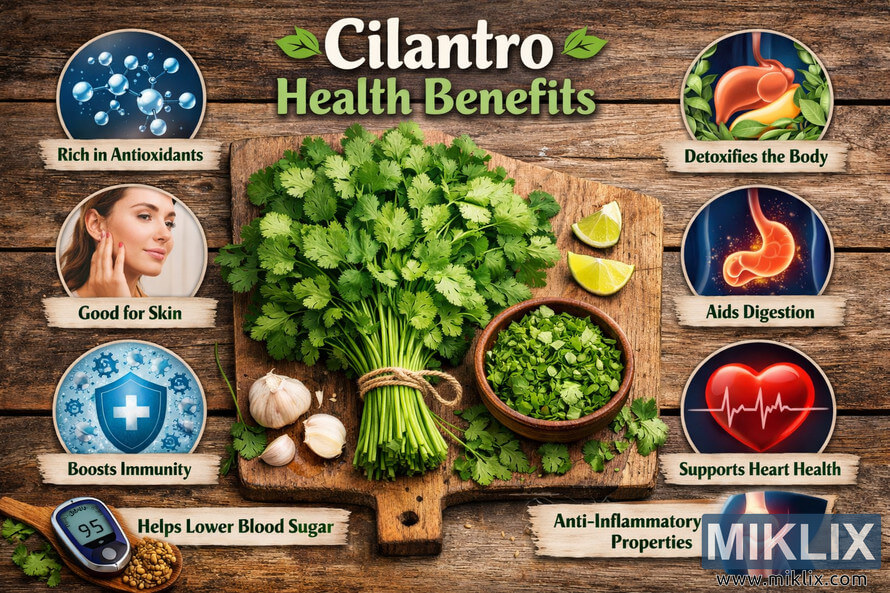
Research has identified numerous ways cilantro supports health. From digestive wellness to heart protection, this herb offers benefits backed by scientific studies. The following sections explore how cilantro may help various body systems and processes.
Kliknite ali tapnite sliko za več informacij in višje ločljivosti.
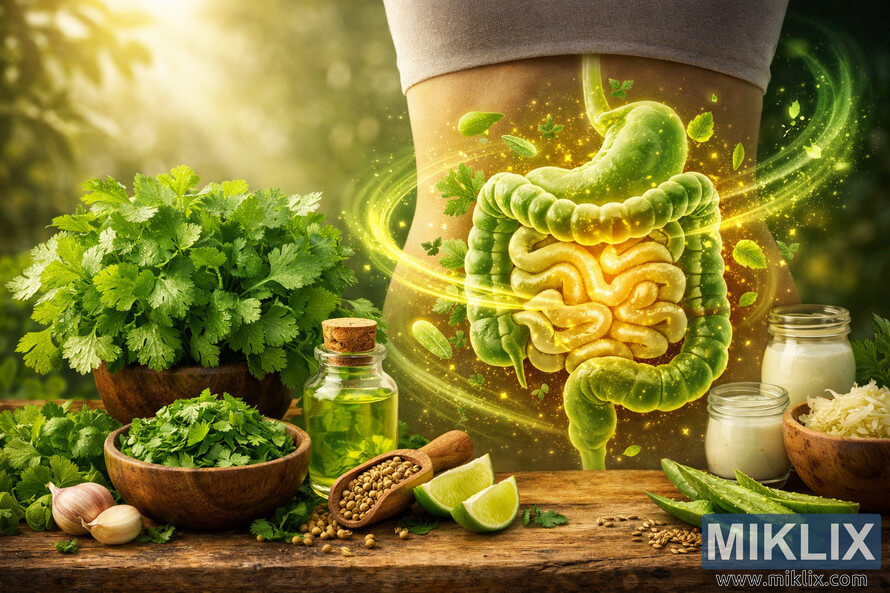
1. Supports Digestive Health
Cilantro has been used traditionally to ease digestive discomfort. The herb contains compounds that may help stimulate digestive enzymes. This process aids in breaking down food more efficiently. Better digestion can reduce bloating and gas.
Some studies suggest cilantro may help with symptoms of irritable bowel syndrome. The herb's anti-inflammatory properties could soothe the digestive tract. People in various cultures have long added cilantro to dishes partly for its digestive benefits.
The essential oils in cilantro leaves and stems may also help reduce gas formation. These same compounds can stimulate appetite. Adding fresh cilantro to meals might support overall digestive comfort and function.
Kliknite ali tapnite sliko za več informacij in višje ločljivosti.
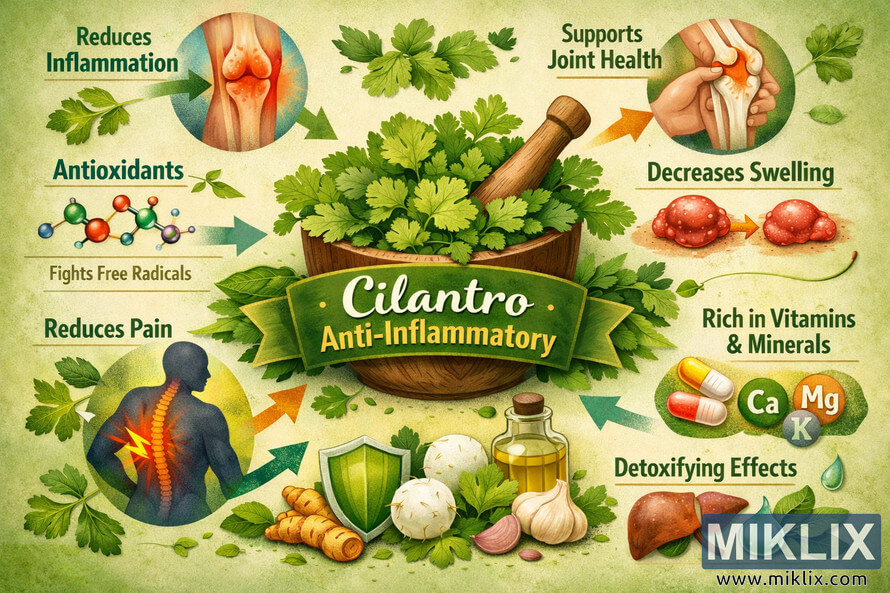
2. Provides Anti-Inflammatory Properties
Inflammation in the body contributes to many chronic diseases. Cilantro contains several compounds with anti-inflammatory effects. Linalool and other components in the herb may help reduce inflammation markers in the body.
Studies on animals have shown that cilantro extracts can reduce swelling and inflammatory responses. While more research on humans is needed, these findings suggest potential benefits. The antioxidants in cilantro also combat oxidative stress, which often accompanies inflammation.
Regular consumption of anti-inflammatory foods like cilantro may support long-term health. The herb's inflammation-fighting properties work alongside other nutrients in a balanced diet. This combination approach helps the body manage inflammatory processes naturally.
Kliknite ali tapnite sliko za več informacij in višje ločljivosti.
3. Supports Heart Health
The health benefits cilantro offers extend to cardiovascular wellness. Research indicates this herb may help lower cholesterol levels. Animal studies have demonstrated that cilantro seeds can reduce LDL cholesterol while maintaining or increasing HDL cholesterol.
Cilantro contains compounds that may act as natural diuretics. This effect helps the body eliminate excess sodium and water. Lower sodium levels can contribute to healthier blood pressure readings. The potassium content in cilantro also supports heart function.
Antioxidants in cilantro protect blood vessels from damage. This protection helps maintain healthy circulation throughout the body. Including cilantro as part of a heart-healthy diet may contribute to cardiovascular disease prevention.
Kliknite ali tapnite sliko za več informacij in višje ločljivosti.
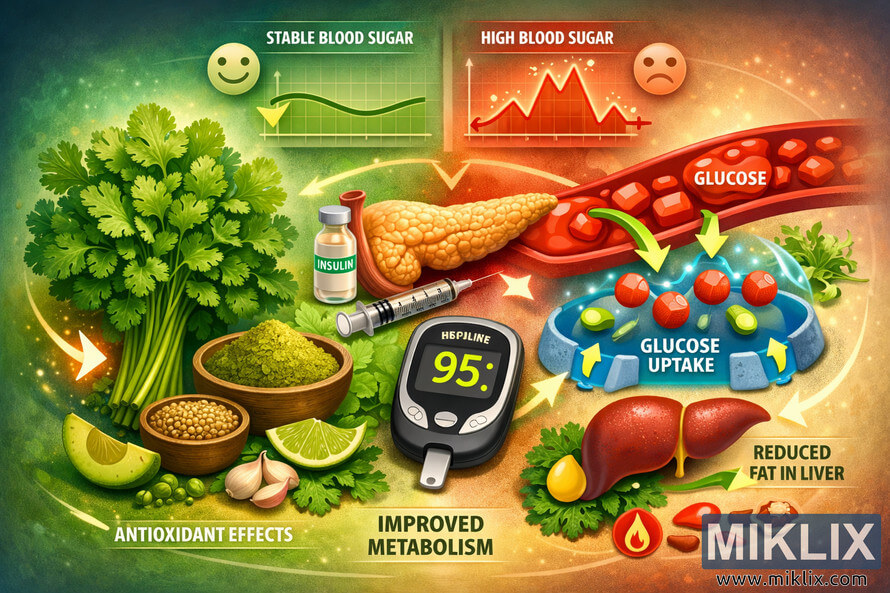
4. May Help Regulate Blood Sugar Levels
Maintaining stable blood sugar levels is crucial for overall health. Preliminary research suggests cilantro may influence blood sugar regulation. Some studies have found that cilantro extract can help lower blood sugar levels in animals with diabetes.
The herb may work by increasing insulin activity. Better insulin function allows cells to use glucose more effectively. This process helps keep blood sugar levels within a healthy range. However, people with diabetes should not rely on cilantro alone for blood sugar management.
More research on humans is necessary to confirm these effects. Still, adding cilantro to meals as part of a balanced diet poses minimal risk. The herb can complement other dietary strategies for maintaining healthy blood sugar levels.
Kliknite ali tapnite sliko za več informacij in višje ločljivosti.
5. Supports Natural Detoxification
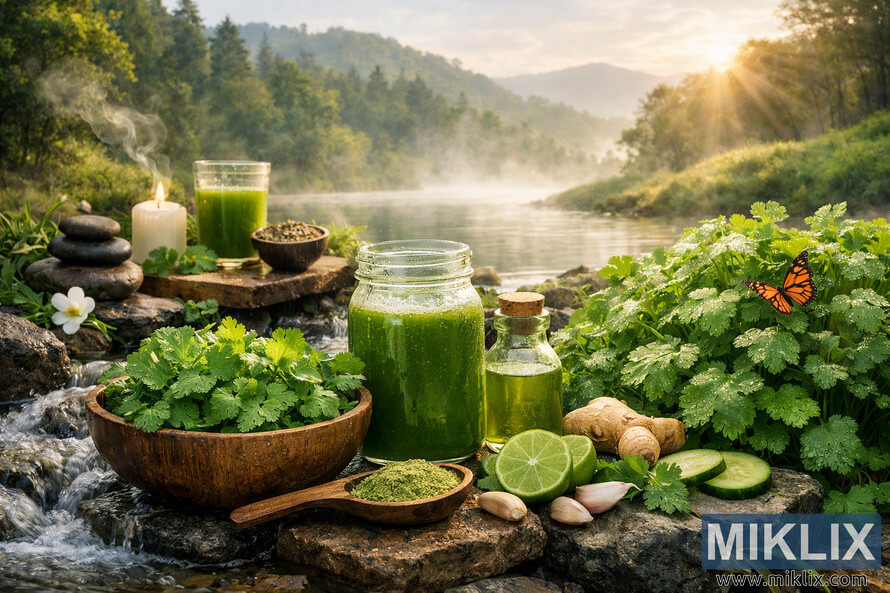
The body naturally processes and eliminates toxins through various organs. Some research suggests cilantro may support this detoxification process. The herb contains compounds that can bind to certain heavy metals, potentially aiding their removal from the body.
Studies have explored cilantro's ability to help eliminate mercury, lead, and aluminum. While promising, most research has been conducted in laboratories or on animals. The real-world effects in humans require further investigation.
Cilantro works best as part of an overall healthy lifestyle. The herb supports the body's natural detoxification systems rather than performing magical cleansing. Adequate water intake, fiber consumption, and regular cilantro use may work together to support these natural processes.
Kliknite ali tapnite sliko za več informacij in višje ločljivosti.
6. Boosts Immune System Function
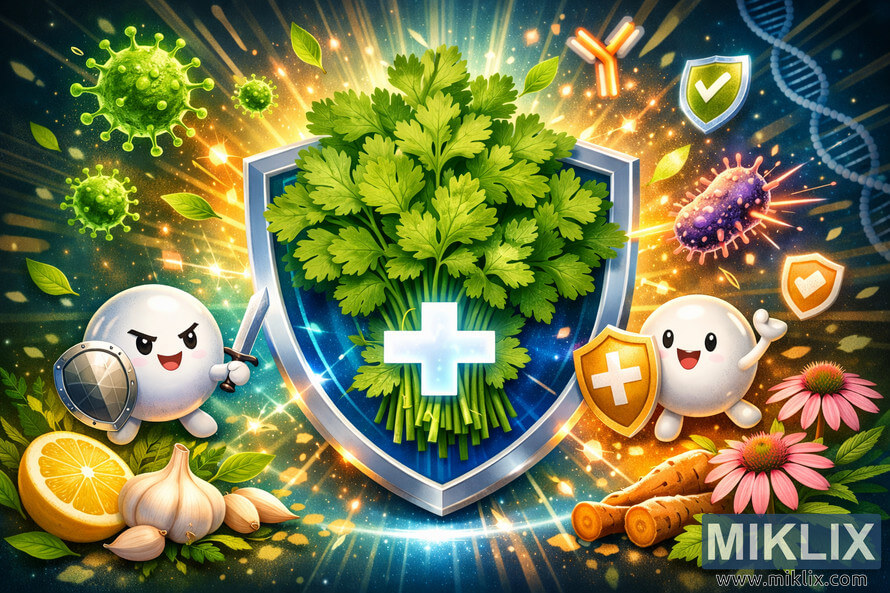
A strong immune system helps protect against illness and infection. Cilantro provides nutrients that support immune health. The vitamin C content acts as an antioxidant and supports immune cell function. Vitamin A in cilantro also plays a role in immune response.
Studies have shown that cilantro has antimicrobial properties. The herb can inhibit the growth of certain bacteria and fungi. This antimicrobial action may help protect against food poisoning and other infections.
Research has identified specific compounds in cilantro that combat Salmonella bacteria. These same substances may help fight other harmful microorganisms. Including cilantro in food preparation might offer some protective benefits beyond basic nutrition.
Kliknite ali tapnite sliko za več informacij in višje ločljivosti.
7. Promotes Bone Health
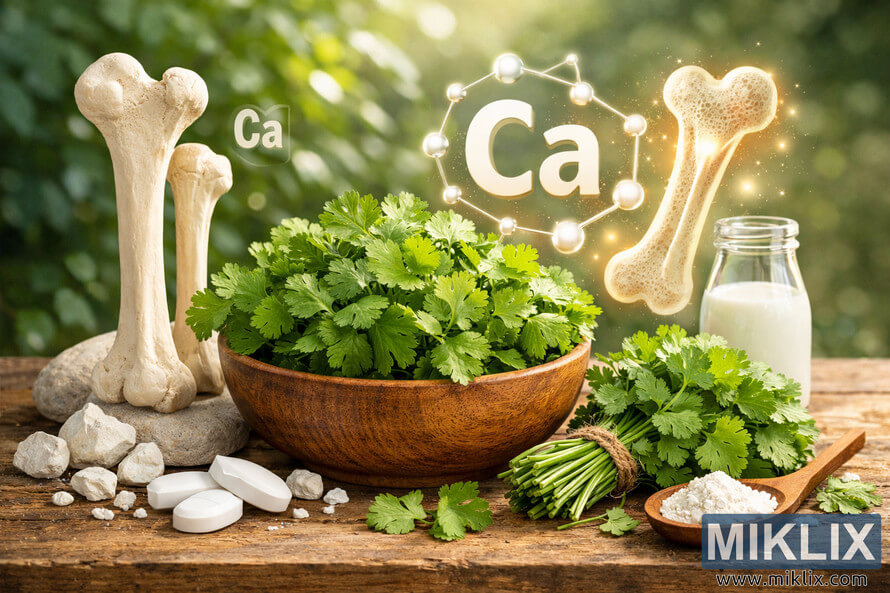
Strong bones require adequate vitamin K, which cilantro provides in notable amounts. This vitamin helps proteins bind calcium to bones. Without sufficient vitamin K, bone density can decrease over time. Just a small serving of cilantro contributes to daily vitamin K needs.
The herb also contains small amounts of calcium and magnesium. These minerals work with vitamin K to support bone structure. While cilantro alone will not meet all bone health needs, it contributes to the overall nutritional picture.
Regular consumption of vitamin K-rich foods like cilantro may help reduce fracture risk. This benefit becomes especially important as people age. Combining cilantro with other bone-supporting nutrients creates a comprehensive approach to skeletal health.
Kliknite ali tapnite sliko za več informacij in višje ločljivosti.
8. Benefits Skin Health
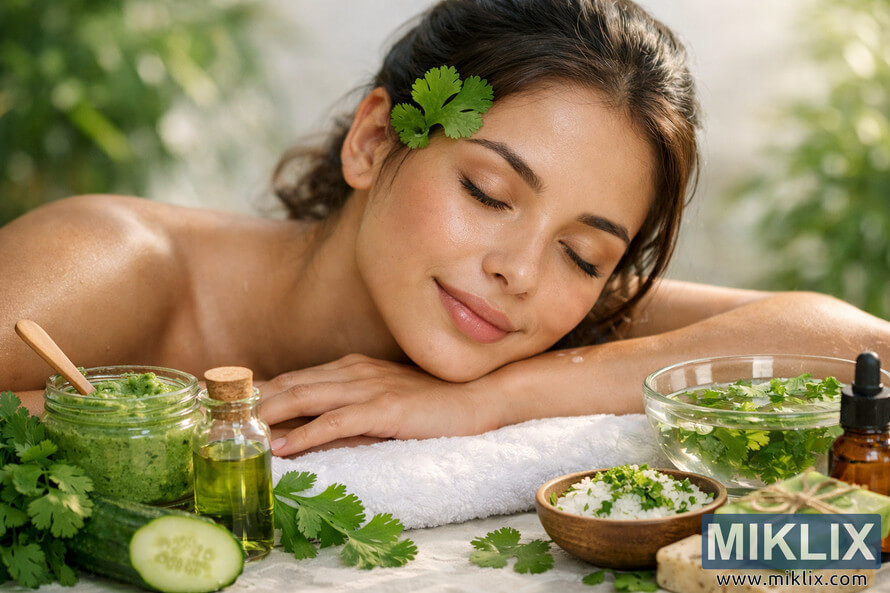
The antioxidants in cilantro can protect skin from environmental damage. Free radicals from sun exposure and pollution accelerate skin aging. Cilantro's antioxidants help neutralize these harmful molecules. This protection may help maintain healthier-looking skin over time.
Some cultures use cilantro topically for skin conditions. While scientific evidence for external use is limited, eating cilantro provides internal benefits. The vitamin C content supports collagen production, which keeps skin firm and elastic.
Anti-inflammatory compounds in cilantro might help with skin irritation when consumed regularly. The herb's antimicrobial properties could potentially benefit acne-prone skin. More research would clarify these possible effects on skin health.
Kliknite ali tapnite sliko za več informacij in višje ločljivosti.
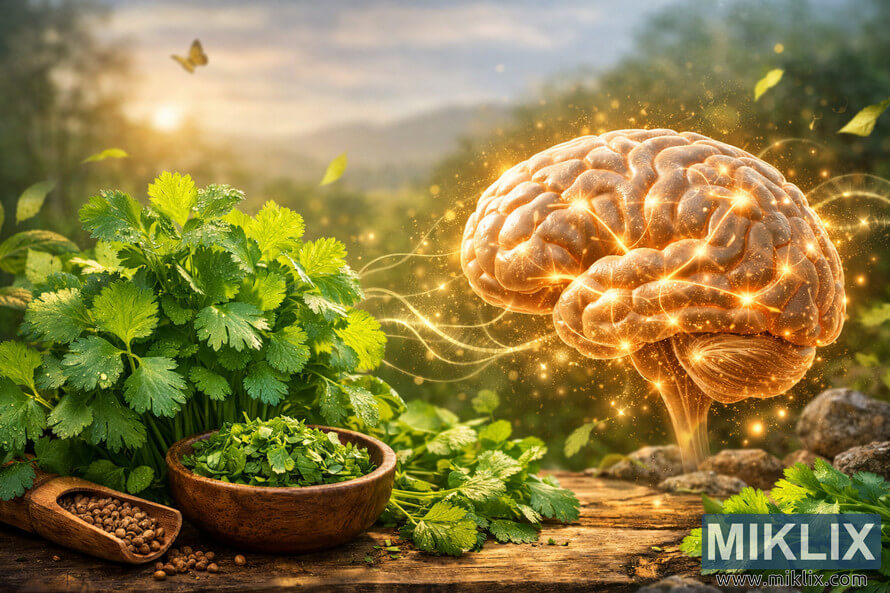
9. May Support Brain Health
Preliminary research suggests cilantro might offer neuroprotective benefits. The herb's anti-inflammatory and antioxidant properties could help protect brain cells from damage. Studies on animals have shown potential benefits for memory and anxiety reduction.
The antioxidants in cilantro combat oxidative stress in the brain. This protection may help maintain cognitive function as people age. Some traditional medicine systems have used cilantro to support mental wellness for centuries.
More human studies are needed to confirm these brain-related benefits. However, including cilantro as part of a diet rich in various herbs and vegetables supports overall health. This comprehensive approach likely benefits brain function along with other body systems.
Kliknite ali tapnite sliko za več informacij in višje ločljivosti.
How to Incorporate More Cilantro Into Your Diet
Adding cilantro to your diet requires little effort but offers substantial benefits. This versatile herb complements many dishes and cuisines. Both the leaves and stems add flavor and nutrition to meals. The following suggestions help you increase cilantro consumption easily.
Kliknite ali tapnite sliko za več informacij in višje ločljivosti.
Fresh Cilantro Applications
Fresh cilantro works best when added at the end of cooking. Heat diminishes the herb's distinctive flavor. Chop the leaves and stems finely and sprinkle them over finished dishes. This method preserves both flavor and nutritional content.
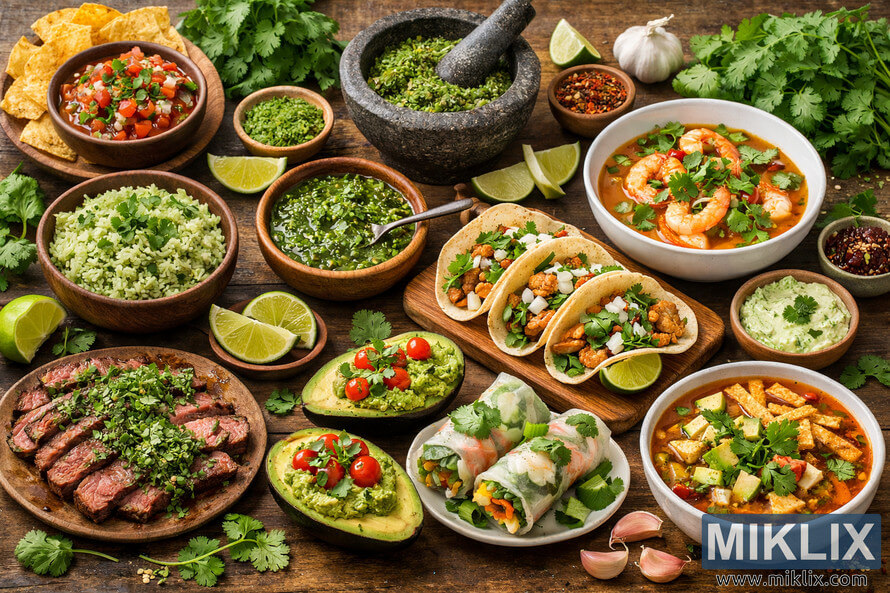
Add cilantro to salsas and guacamole for authentic Mexican flavor. Mix chopped cilantro into salad dressings or marinades. The herb brightens the taste of soups when used as a garnish. Rice dishes benefit from a handful of fresh cilantro stirred in just before serving.
Quick Cilantro Ideas
- Blend into smoothies with lime and pineapple
- Mix into scrambled eggs or omelets
- Add to homemade pesto with garlic and nuts
- Toss with roasted vegetables before serving
- Stir into yogurt for a cooling sauce
- Layer into sandwiches and wraps
Cilantro in Beverages
- Muddle into mojitos and cocktails
- Steep in hot water for herbal tea
- Blend into green juices and detox drinks
- Add to lemonade for unique flavor
- Mix into coconut water for refreshment
- Include in protein shakes for extra nutrition
Using Coriander Seeds
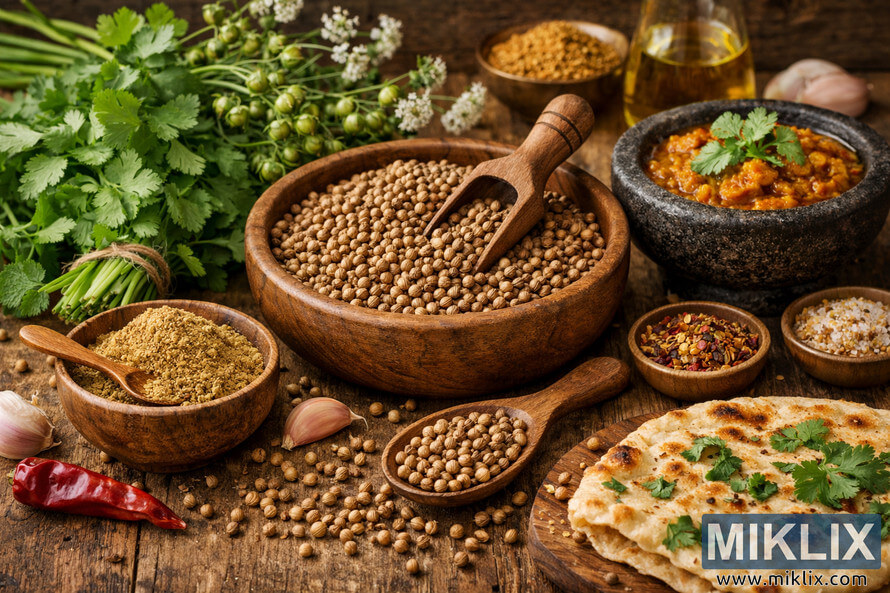
Coriander seeds offer different flavors and benefits than cilantro leaves. Toast the seeds lightly to enhance their nutty, citrusy taste. Ground coriander adds depth to curries, stews, and spice blends. The seeds contain concentrated amounts of beneficial compounds found in the plant.
Use whole coriander seeds in pickling recipes. Add ground coriander to baked goods for subtle warmth. The seeds work well in spice rubs for meats and vegetables. Both forms of this plant provide health-supporting nutrition in different culinary applications.
Kliknite ali tapnite sliko za več informacij in višje ločljivosti.
Growing Your Own Cilantro
Fresh cilantro grows easily in gardens or containers. The plant prefers cool weather and partial shade in hot climates. Cilantro bolts quickly in heat, meaning it produces flowers and seeds rapidly. Successive planting every few weeks ensures a continuous supply of fresh leaves.
Growing cilantro at home guarantees the freshest possible herb. You can harvest small amounts as needed for cooking. The process requires minimal effort and provides a cost-effective source of this nutritious herb. Home-grown cilantro often has more intense flavor than store-bought versions.
Storage and Preservation
Fresh cilantro stays vibrant when stored properly. Place stems in a jar of water like cut flowers. Cover the leaves loosely with a plastic bag and refrigerate. This method keeps cilantro fresh for up to two weeks.
Freeze cilantro for longer storage. Chop leaves and stems, then pack into ice cube trays with water or oil. Frozen cilantro cubes work well in cooked dishes. While the texture changes when frozen, the flavor and nutrition remain largely intact.
Dried cilantro loses much of its characteristic taste. However, it still contains some beneficial compounds. Use dried cilantro when fresh is unavailable, though the flavor will be milder. Coriander seeds store well in a cool, dry place for many months.
Quality Cilantro Products to Consider
To maximize the health benefits cilantro provides, quality matters. Whether you prefer fresh herbs, supplements, or seeds for growing, choosing good products ensures optimal nutrition. The following recommendations help you find reliable sources for various cilantro forms.
Fresh Organic Cilantro Delivery
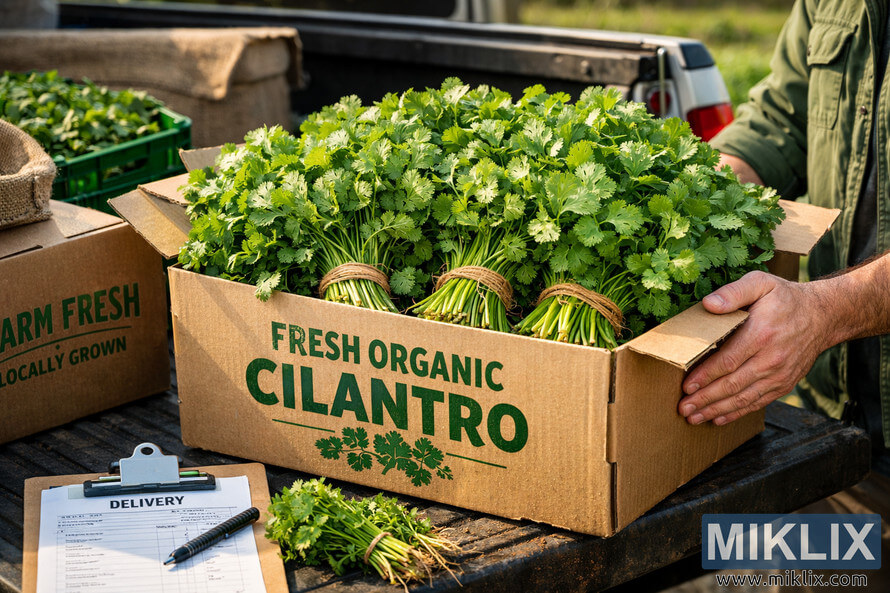
Local organic farms and delivery services provide the freshest cilantro. These services often harvest herbs within hours of delivery. Organic certification ensures no synthetic pesticides were used during growing. Fresh cilantro contains maximum nutrition and flavor.
- Harvested within 24 hours of delivery
- USDA organic certified options
- Supports local agriculture
- No synthetic pesticide residue
Kliknite ali tapnite sliko za več informacij in višje ločljivosti.
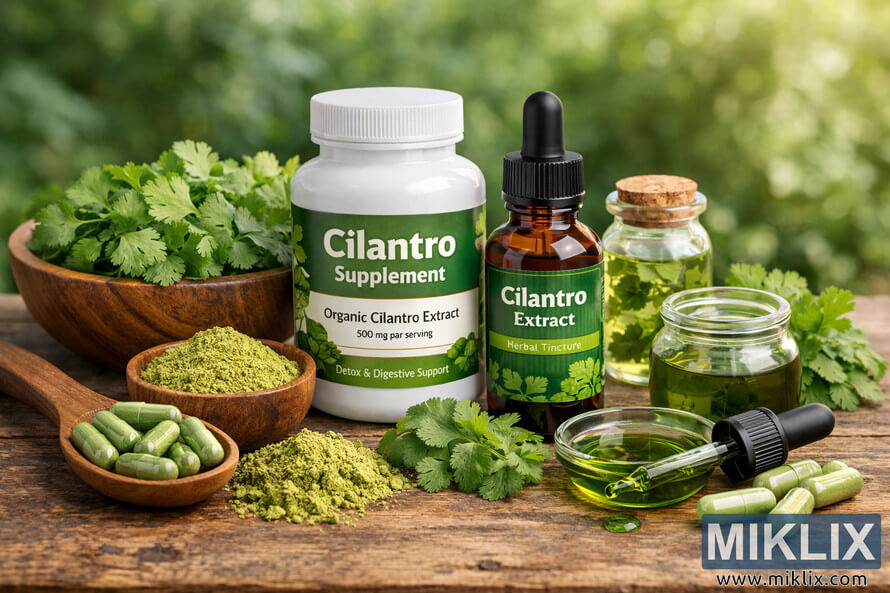
Cilantro Supplements
Concentrated cilantro supplements offer convenience for those who dislike the taste. Quality supplements use standardized extracts. These products work well for detoxification support. Always choose supplements from reputable manufacturers with third-party testing.
- Standardized extract concentration
- Third-party purity testing
- No artificial additives or fillers
- Convenient for travel and daily use
Kliknite ali tapnite sliko za več informacij in višje ločljivosti.
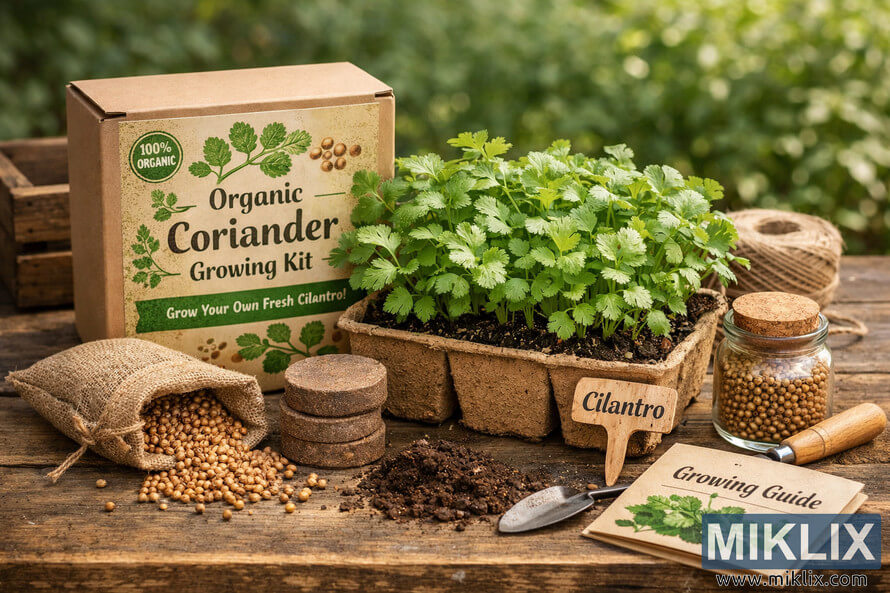
Seeds and Growing Kits
Growing your own cilantro provides the ultimate freshness. Quality seeds ensure good germination rates. Complete growing kits include everything needed to start. This option offers the most cost-effective long-term solution for regular cilantro consumption.
- Organic, non-GMO seed varieties
- High germination success rates
- Complete kits with soil and containers
- Year-round indoor growing options
Quality Tip: When purchasing fresh cilantro, look for vibrant green leaves without yellowing or wilting. The stems should be firm and snap easily. Avoid bunches with slimy or darkened leaves, as these indicate age and reduced nutritional value.
Kliknite ali tapnite sliko za več informacij in višje ločljivosti.
Potential Side Effects and Considerations
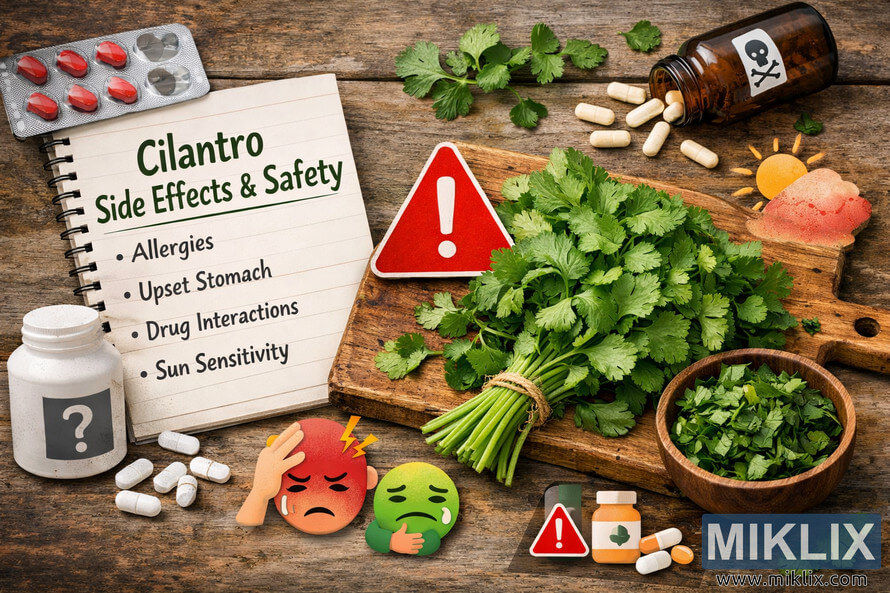
While cilantro offers numerous health benefits, some people may experience adverse reactions. Understanding potential side effects helps you use this herb safely. Most people tolerate cilantro well when consumed in normal food amounts. Issues typically arise only with excessive consumption or individual sensitivities.
Allergic Reactions
Some individuals have allergies to cilantro or related plants. Symptoms may include skin rashes, itching, or swelling. In rare cases, people may experience breathing difficulties or anaphylaxis. Those with known allergies to other members of the parsley family should exercise caution with cilantro.
Food allergy tests can identify cilantro sensitivity. If you suspect an allergy, discontinue use and consult a healthcare provider. Most cilantro allergies are mild and cause only minor discomfort. Serious reactions remain uncommon but require immediate medical attention.
Digestive Issues
Large amounts of cilantro may cause digestive upset in some people. Symptoms can include stomach pain, diarrhea, or gas. These effects typically occur only when consuming much more than typical culinary amounts. Starting with small quantities allows your body to adjust gradually.
People with irritable bowel syndrome may react differently to cilantro. Some find it helpful, while others experience increased symptoms. Individual tolerance varies significantly. Monitor your body's response when adding cilantro to your diet regularly.
Kliknite ali tapnite sliko za več informacij in višje ločljivosti.
Medication Interactions
Cilantro may interact with certain medications. The herb can affect blood sugar levels, which matters for people taking diabetes medications. Blood sugar levels could drop too low if cilantro is combined with these drugs without medical supervision.
People taking blood thinners should be aware of cilantro's vitamin K content. This vitamin affects blood clotting. Sudden large increases in vitamin K intake can interfere with anticoagulant medications. Consistent, moderate cilantro consumption usually poses less risk than irregular large amounts.
Important Safety Information
Consult your healthcare provider before using cilantro supplements, especially if you:
- Take medications for diabetes or blood sugar control
- Use blood-thinning medications like warfarin
- Have scheduled surgery within two weeks
- Are pregnant or breastfeeding
- Have known food allergies or sensitivities
Sun Sensitivity
Some evidence suggests cilantro might increase skin sensitivity to sunlight. This effect, called photosensitivity, could raise sunburn risk. The risk appears minimal with normal dietary consumption. People who use concentrated cilantro supplements or apply it topically should take extra sun precautions.
Wearing sunscreen and protective clothing helps prevent potential sun-related issues. This precaution matters most during peak sun hours. Most people who eat cilantro in dishes will not notice any increased sun sensitivity.
Pregnancy and Breastfeeding
Cilantro in food amounts appears safe during pregnancy and breastfeeding. Many pregnant women use the herb regularly in cooking without problems. However, medicinal amounts or supplements lack sufficient safety research for these populations.
Pregnant and nursing mothers should stick to culinary quantities of cilantro. Consult with a healthcare provider before taking concentrated supplements. The conservative approach protects both mother and baby during these critical periods.
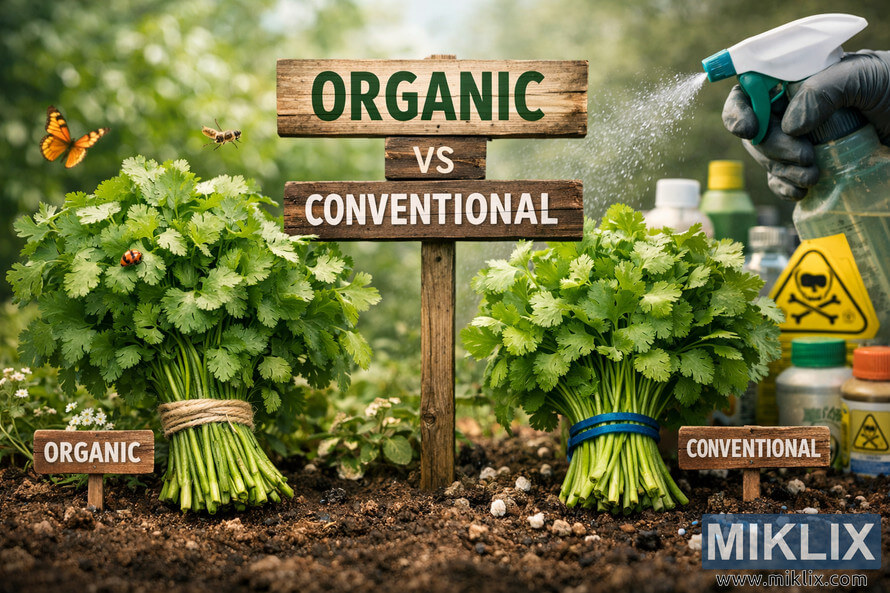
Pesticide Concerns
Conventionally grown cilantro may contain pesticide residue. These chemicals can pose health risks with long-term exposure. Cilantro appears on some lists of produce with higher pesticide levels. Choosing organic cilantro reduces exposure to these potentially harmful substances.
Washing cilantro thoroughly removes some surface pesticides. However, some chemicals can penetrate the plant tissue. Organic certification ensures the herb was grown without synthetic pesticides. This choice supports both personal health and environmental sustainability.
Kliknite ali tapnite sliko za več informacij in višje ločljivosti.
Frequently Asked Questions About Cilantro
Why does cilantro taste like soap to some people?
Genetic variations in olfactory receptor genes cause this phenomenon. These genes affect how people perceive aldehydes, which are organic compounds found in cilantro. The same aldehydes appear in soap. Research indicates that 4-14% of the population carries the genetic variant that makes cilantro taste like soap. This trait often runs in families.
Can I eat cilantro stems, or should I use only the leaves?
Both cilantro leaves and stems are edible and nutritious. The stems actually contain more concentrated flavor than the leaves. Many chefs prefer using stems in cooking for this reason. Chop the stems finely and add them to dishes along with the leaves. Only the very bottom of thick stems might be too fibrous for some applications.
How much cilantro should I eat daily to get health benefits?
No official recommended daily amount exists for cilantro. Most studies suggesting benefits used amounts ranging from one quarter cup to one cup of fresh cilantro. Starting with a quarter cup daily provides meaningful nutrition without overwhelming your dishes. You can gradually increase the amount based on personal preference and tolerance.
Does cooking cilantro destroy its health benefits?
Heat does reduce some of cilantro's beneficial compounds and flavor. The vitamin C content decreases with cooking. However, many antioxidants and minerals remain relatively stable. For maximum benefits, add cilantro at the end of cooking or use it fresh. Brief cooking or steaming causes less nutrient loss than prolonged heat exposure.
Can cilantro really help with heavy metal detoxification?
Some research suggests cilantro may bind to certain heavy metals like mercury and lead. Most studies supporting this claim were conducted in laboratories or on animals. Human studies remain limited. While cilantro may offer some detoxification support, it should not replace medical treatment for heavy metal poisoning. The herb works best as part of an overall healthy diet that supports natural body detoxification processes.
Is there a difference between cilantro and Chinese parsley?
Cilantro and Chinese parsley refer to the same plant. Different cultures use different names for Coriandrum sativum leaves. Chinese parsley appears more commonly in Asian cuisines. Cilantro is the preferred term in American and Mexican cooking. The plant, flavor, and health benefits remain identical regardless of the name used.
Will cilantro supplements provide the same benefits as fresh cilantro?
Quality cilantro supplements contain concentrated compounds from the plant. These products may provide certain benefits, particularly for detoxification support. However, fresh cilantro offers a broader range of nutrients including vitamins, minerals, and volatile compounds that might not survive the extraction process. Supplements work best as a complement to, not a replacement for, fresh cilantro in your diet.
Can I develop a cilantro allergy over time?
While rare, people can develop food allergies at any age. Repeated exposure to a food may trigger immune system sensitivity in some individuals. Cilantro allergies remain uncommon compared to other food allergies. Symptoms typically include mild reactions like skin rashes or digestive upset. If you notice new reactions after eating cilantro, discontinue use and consult a healthcare provider for proper evaluation.
Final Thoughts on Cilantro Health Benefits
Cilantro offers an impressive array of health benefits supported by scientific research. This humble herb provides antioxidants, vitamins, and minerals that support multiple body systems. From digestive health to heart protection, the benefits cilantro delivers make it worthy of regular inclusion in your diet.
The health benefits cilantro provides come with minimal risk for most people. Normal culinary amounts pose few concerns. Those with specific medical conditions or taking certain medications should consult healthcare providers before using concentrated supplements.
Whether you love cilantro's flavor or tolerate it for health reasons, this herb from the Coriandrum sativum plant deserves recognition. Adding fresh cilantro leaves and stems to dishes represents a simple way to enhance nutrition. The plant's seeds, known as coriander, offer additional culinary and health applications.
Start small if you are new to cilantro. A quarter cup of fresh leaves provides meaningful nutrition without overwhelming your meals. Gradually increase the amount as your taste preferences allow. Growing your own cilantro ensures the freshest possible supply of this beneficial herb.
Remember that no single food creates perfect health. Cilantro works best as part of a varied, balanced diet rich in fruits, vegetables, and whole foods. This herb complements other healthy choices to support overall wellness. The time and effort required to include cilantro in your diet remain minimal compared to the potential benefits.
By understanding both the benefits and potential side effects of cilantro, you can make informed decisions about using this herb. Whether fresh in dishes, as dried coriander seeds, or in supplement form, cilantro offers multiple ways to support your health naturally.
Kliknite ali tapnite sliko za več informacij in višje ločljivosti.
Nadaljnje branje
Če vam je bila ta objava všeč, vam bodo morda všeč tudi ti predlogi:
- Pokuhajte dobro zdravje: Zakaj je puran super meso?
- Kimči: Korejsko superživilo z globalnimi zdravstvenimi prednostmi
- Pridobitve brokolija: križnice ključ do boljšega zdravja